Exploring the Advantages of Hidden Fastener Metal Roofs
2026-08-14 15:45:35
Hidden fastener roofing delivers a contemporary solution for commercial and industrial buildings by concealing all fastening hardware beneath the panels, creating seamless roof lines while enhancing weather protection. This system eliminates thousands of exposed screw penetrations common in traditional roofing, addressing critical challenges like fastener degradation, thermal cycling damage, and premature leak development. As procurement professionals increasingly prioritize durability and lifecycle value, understanding this advanced roofing technology becomes essential for making strategic investment decisions that align with both operational requirements and sustainability commitments.

Understanding Hidden Fastener Metal Roofing
How the System Works
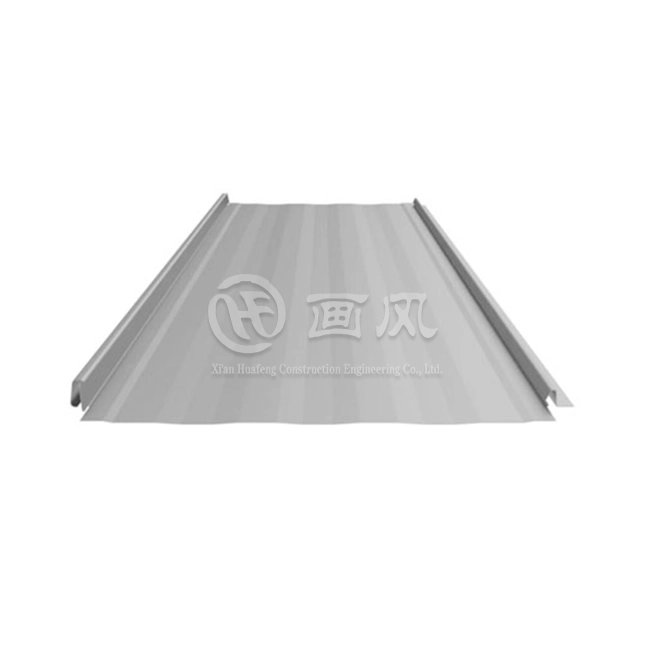
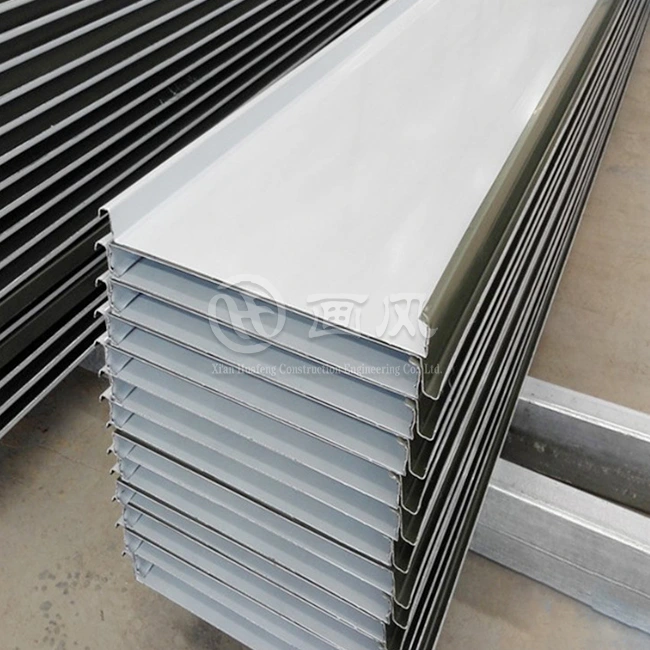
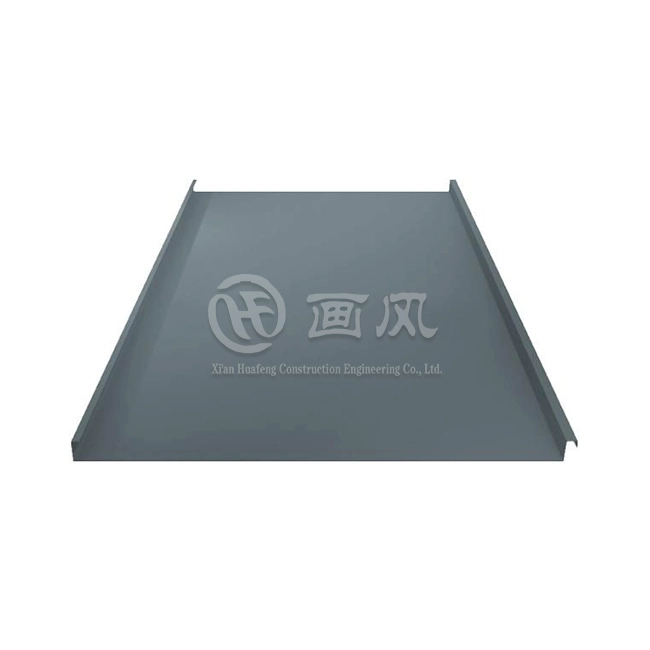
With hidden fastener roofing, panels are attached to the roof deck with special fixing hardware that holds them in place without leaving any holes in the surface. Instead of drilling straight through the roofing material like exposed fastener systems do, all of the fasteners are placed under the seams that overlap. The panels have edges that snap or automatically sew together to make a continuous shield against water while still letting the panels move freely when the temperature changes. This floating design allows for thermal expansion and contraction without putting stress on the attachment points. This keeps the fasteners from backing out, which is a problem with screw-down systems that aren't floating.
Common System Types and Materials
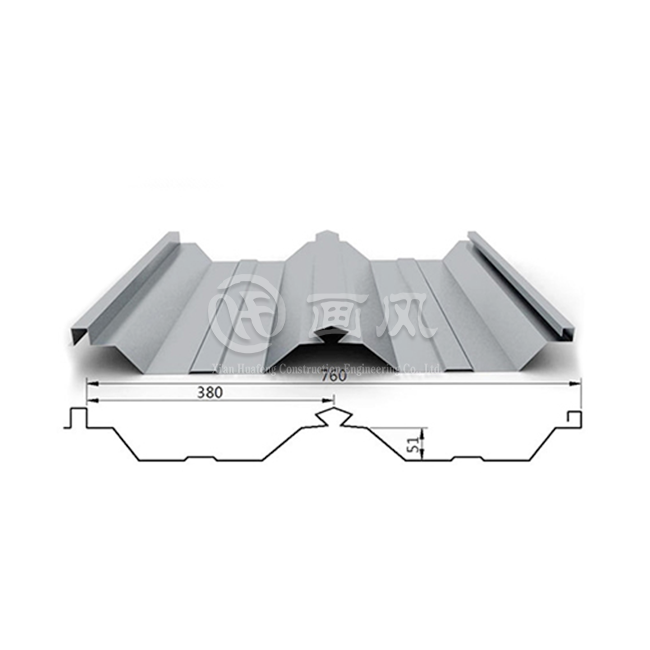
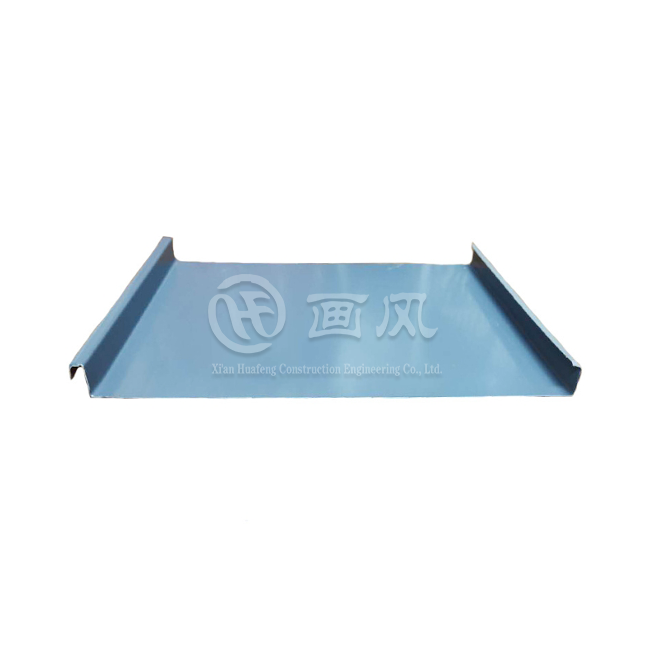
On the market, there are three main types: snap-lock panels, which are easier to install and work better on moderate slopes; mechanical lock systems, which are better at keeping out the weather for low-slope commercial buildings; and standing seam profiles, which are the most durable option for harsh industrial settings. For the best corrosion protection, galvanized steel with AZ50 or AZ55 Galvalume coatings is usually chosen as the material. However, aluminum frames work better in coastal areas where saltwater contact speeds up steel degradation. At HF, we make panels with thicknesses ranging from 0.4mm to 1.2mm and a range of shapes, such as 25-330/400/430, 32-410, and 45-400. This way, we can make sure that our panels work with a wide range of structural needs and load estimates.
Technical Specifications That Matter
Understanding the panel specs has a direct effect on how well the purchase goes. Our PVDF and PE surface treatments offer different levels of fade resistance and weathering performance. For example, our PVDF coatings meet AAMA 2605 standards, which means they last longer in harsh environments. Changes in seam height of 1 to 3 inches affect wind uplift ratings and water management abilities. Taller profiles work better in places with extreme weather. The panel gauge thickness impacts both the strength of the structure and the oil canning properties, which are the natural waves that can be seen on flat metal surfaces. Our goods are made in line with foreign standards like ASTM, DIN, JIS, BS, and GB/T. This makes sure they meet local building codes and insurance requirements, which are necessary for business project approval.
Key Advantages of Hidden Fastener Metal Roofs
Enhanced Durability and Weather Resistance
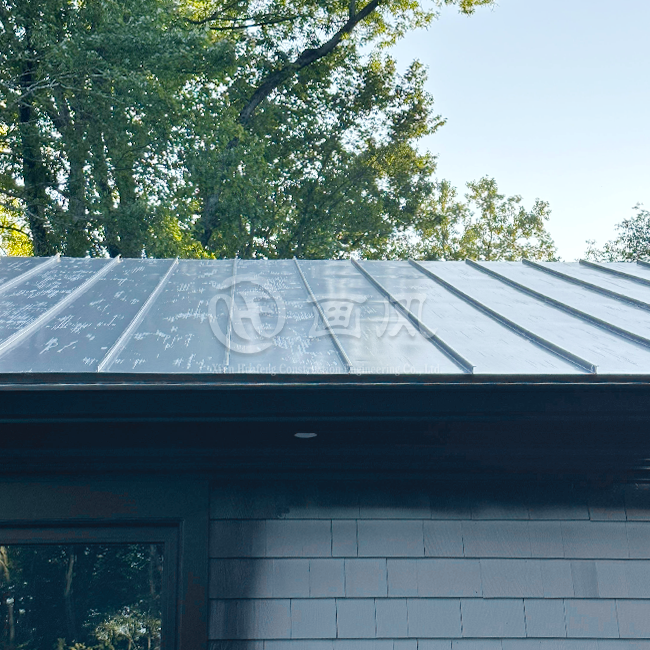
By getting rid of the main point where traditional metal roofing systems fail, the hidden fastener roofing method completely changes how long a roof lasts. When screws go through roofing panels, each hole makes a possible leak path because UV light and changing temperatures break down the rubber washers. Our hidden fastener roofing systems hide these weak connection points under layers of protective metal, making them last longer than 50 years compared to 20 to 30 years for open fastener options. The clip-based attachment method is very good at resisting wind uplift, and it often meets the UL 580 Class 90 standards that are needed in hurricane-prone areas and on tall commercial buildings. This mechanical strength is very important for keeping goods, equipment, and processes safe during bad weather that can damage buildings with weak roofs.
Superior Aesthetics for Commercial Architecture
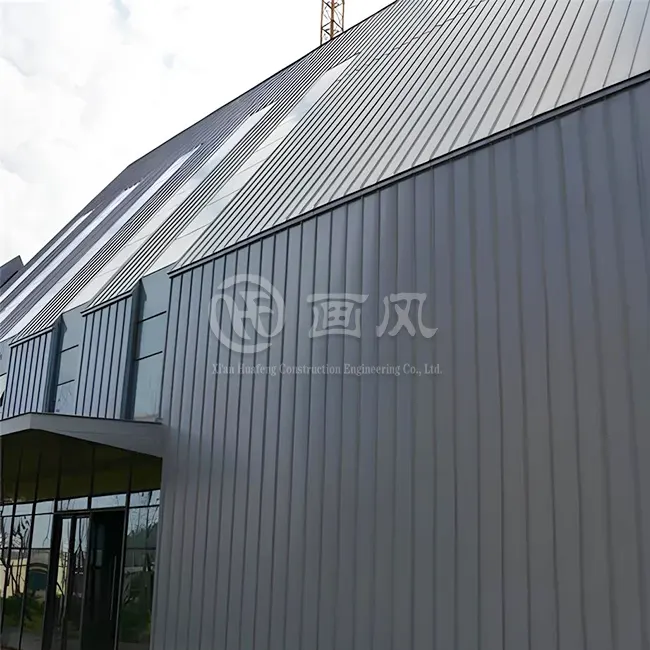
Architects and commercial property developers are choosing hidden fastener roofing systems more and more because they look clean and modern. The continuous roof lines make the building look more cohesive, which goes well with current architectural styles and raises property prices and renter appeal. This visual benefit doesn't just apply to homes—corporate headquarters, shopping malls, and factories all benefit from the professional look that helps with brand image and facility presentation. Customization is possible through RAL color matching and unique finishes, which lets design teams meet specific visual goals while still meeting performance standards. Because there aren't any obvious fixings, there is also no rust staining around the screw heads, which happens when coats wear off over time.
Energy Efficiency and Sustainability Benefits
By reflecting solar radiation away from the inside of buildings, reflective coating technologies used on hidden fastener roofing panels cut cooling loads by a large amount. These cool roof systems help meet the standards for LEED and BREEAM certification while lowering running costs in a way that can be measured. Another benefit for sustainability is that it can be used with solar panels. Mounting photovoltaic systems with non-penetrating seam clamps protects the waterproofing while producing green energy. Our manufacturing methods stress environmental duty by making good use of materials and making products that can be recycled. Our extra 30-year guarantee shows that we believe our products will last, which means that you won't have to replace your roof as often and throw away as much trash.
Installation and Maintenance Insights
Professional Installation Requirements
If hidden fastener roofing systems work as well as they can, it depends on how well they are installed. The first step is to prepare the substrate and make sure that the deck is flat enough to meet the tolerances that stop oil canning and attachment problems. To get the stated wind uplift capacity, installers must precisely place concealed clips according to engineering standards, making sure that the spacing stays the same. It's important to think about thermal expansion when placing panels, especially on long roof runs where metal can move more than a few inches between temperature changes. Different types of systems have different ways of seaming them. For example, snap-lock panels are easier to install, but mechanical seaming makes weather shields that are stronger for low-slope situations. It is best to work with certified installers who know these technical details and won't make common mistakes like over-tightening clips or not allowing for panel movement.
Maintenance Strategies for Longevity
Even though hidden fastener roofing systems are low-maintenance, they still need to be checked on from time to time to make sure they last as long as possible and keep their guarantee coverage. Once a year, seam integrity should be checked to see if there is any split or damage from debris hitting the seam. Cleaning methods get rid of built-up dirt and organic matter that can keep water in and speed up the breakdown of coatings. Our PVDF finishes don't fade or chalk, but keeping the surface clean improves its ability to reflect light and keep things cool. It's important to understand the terms of your warranty, since most manufacturers need proof of regular maintenance and professional installation in order to honor the coverage. A big practical benefit is that they require less upkeep than exposed fastener systems, which need to check and repair thousands of screws' worn-out rubber washers on a regular basis.
Choosing and Procuring the Right Hidden Fastener Roofing Solution
Evaluation Criteria for Procurement Teams
For effective vendor selection, you need to evaluate more than just the price. You need to do a systematic analysis of multiple performance dimensions. Lifecycle costs are greatly affected by the quality of the coating. For example, PVDF finishes that cost more have better fade protection and longer recoating intervals than cheaper options. The performance and longevity of a structure are affected by the substrate material and the gauge thickness. Heavier gauges make oil canning less likely but raise the cost of the materials. Professionals in procurement should make sure that the building codes and insurance requirements for their specific areas and types of buildings are being followed. Certifications for wind uplift, fire resistance, and impact resistance tests provide objective performance validation that is needed for commercial settings where building failures can lead to big liability issues.
Supplier Reliability and Service Capabilities
Working with well-known makers guarantees consistent product quality and dependable delivery times, which are very important for meeting building deadlines. HF can complete big business projects within 15 to 20 days thanks to its three factories and seven production lines that can each produce 1,000 tons of goods every month. Our base order number of 500 square meters, or one ton, allows for a range of project sizes while keeping production costs low. In addition to providing products, you should also look at how well they offer professional support. Manufacturers with a lot of experience can help with design, installation, and troubleshooting, which is very helpful during the project's completion. Long-term financial value is protected by after-sales help, such as managing warranties and making sure replacement parts are available. As a company that makes hidden fastener roofing and has ISO9001 and ISO14001 certifications, we keep quality control standards that commercial clients depend on to make sure their projects are successful.
Cost Analysis and Value Assessment
A full procurement analysis looks at more than just the price of the materials; it also looks at the total cost of ownership over the expected service life. Hidden fastener roofing systems usually cost more at first than exposed fastener options, but the overall cost changes a lot when you consider how much maintenance is needed, how much energy is saved, and how long the system lasts. Material costs can be lowered by buying in bulk and planning when to buy them. However, rushing to buy things to meet tight deadlines often means giving up selling power. The total cost of the project and how well the schedule is coordinated are both affected by the availability of accessories like trim parts, flashing materials, and seaming equipment. Because we offer different specs and color choices, we can make your order exactly how you want it, while also staying within your budget and following the architectural design purpose.
Making the Decision: Which Hidden Fastener Roofing Is Best for Your Project?
Matching Systems to Building Types
Different business buildings have different roofing problems that affect the best system choice. Warehouses and distribution centers that are tight on money may value saving money and installing quickly over other options. This makes snap-lock systems appealing, even though they aren't as weatherproof as mechanically seamed options. Premium finishes and solar-reflective coatings that raise property values are used in office buildings and business sites because they are good-looking and save energy. When it comes to low-slope configurations, where mechanically seamed standing seam systems provide hydrostatic sealing capabilities, manufacturing facilities that store sensitive equipment or inventory need the best weather protection. Coastal installations need materials that don't rust, like aluminum, or coatings that can handle the salt spray that is common in marine environments.
Sustainability and Green Building Alignment
As companies work toward net-zero goals and green building certifications, their environmental commitments have a bigger impact on the things they buy. Hidden fastener roofing systems help you get LEED certification points through reflective roofing credits, recycled material, and longer service lives that mean you don't have to repair them as often. Compatible with non-penetrating solar mounting systems, this allows for green energy production without voiding roof guarantees, which is a very important factor for buildings that want to become energy independent. Our manufacturing focuses on environmentally friendly methods by making good use of materials and making products that can be recycled. To help with sustainability reporting and communicating with stakeholders, procurement teams should keep track of environmental factors like embodied carbon, recycling percentages, and cooling energy savings.
Lifecycle Financial Modeling
For strategic buying to work, there needs to be a thorough study of the building's expected lifespans and costs. The 30-year guarantee we offer on our hidden fastener roofing products sets a standard for performance, but systems that are put correctly usually last longer than 50 years. When you compare this to visible fastener systems that need repair every 10 to 15 years, you can see that this system saves you a lot of money over its lifetime, even though it costs more at first. Reflective coats can save you money on energy costs every year, which could cover the extra cost within 5 to 10 years, based on the type of building and the weather. Another financial factor is protecting the value of your assets. For example, buildings with better roofing systems have higher resale prices and higher rent rates for tenants. This is especially true in competitive business real estate markets where property quality sets the market place.
Conclusion
When it comes to business and industrial settings where longevity, looks, and lifecycle value are important, hidden fastener roofing is the clear winner. The hidden fastening method gets rid of common ways that visible screw systems fail, and it also makes the structure look better and lasts longer in bad weather. For implementation to go well, the system must be carefully chosen, installed by professionals, and strategic partnerships with suppliers must be formed. When purchasing managers look at roofing purchases, hidden fastener roofing systems are seen as cost-effective because they last longer, need less upkeep, and are better for the environment. This is true even though they cost more at first. Our dedication to high-quality manufacturing, technical support, and the ability to make changes to products ensures that commercial clients get roofing solutions that are perfectly suited to their needs.
FAQ
1. How does hidden fastener roofing handle thermal expansion compared to exposed fastener systems?
The clip-based attachment method lets metal panels grow and contract without putting stress on the points where they are connected. This floating design stops the fasteners from backing out, which happens a lot in open systems where screws go straight through the roof material, making links that are too rigid and stopping the roof from moving with the temperature.
2. What is the expected lifespan difference between exposed and hidden fastener roofing?
Most exposed fastener systems need to be serviced every 10 to 15 years to repair worn-out rubber washers and screws that have come loose. They have a total service life of 20 to 30 years. Hidden fastener roofing with PVDF coatings usually lasts longer than 50 years with little upkeep, giving a much better return on investment even though it costs more at first.
3. Is it possible to retrofit solar panels on hidden fastener roofing without penetrations?
With special seam clamps that physically connect racking systems to raised seams, standing seam profiles make it possible to place solar panels without drilling into the roof. This method keeps the waterproofing on the roof in good shape and keeps the manufacturer's warranty valid. This makes hidden fastener roofing systems perfect for buildings that want to use renewable energy sources without affecting the performance of the building envelope.
Partner with HF for Premium Hidden Fastener Roofing Solutions
As a trusted hidden fastener roofing provider, we can meet your most exacting needs when it comes to commercial jobs that need roofing systems that last. HF has three facilities with advanced manufacturing capabilities and full technical support. This makes sure that your investment meets design goals while staying within your budget. Our wide range of products, which includes different specifications, colors that can be changed, and products that meet foreign standards, gives business clients the freedom they need. You can email our team at huafeng@hfmetalroof.com to talk about the details of your project, get full technical data, or get personalized quotes. We offer high-quality hidden fastener roofing options with 30-year warranties and quick service that will protect your business property investment for many years.
References
1. American Architectural Manufacturers Association. "Metal Roof System Design Manual: Architectural Metal Panels." AAMA TIR-A8, 2019.
2. Chen, Wei and David Ting. "Performance Evaluation of Standing Seam Metal Roofing Systems Under Wind Loading Conditions." Journal of Structural Engineering, vol. 145, no. 7, 2019.
3. National Roofing Contractors Association. "Metal Panel Roof Systems Manual: Guide to Design, Installation, and Maintenance Practices." NRCA, 2020.
4. Patterson, James R. "Thermal Movement Accommodation in Architectural Metal Roofing Systems." Building Envelope Design Guide, Metal Construction Association, 2018.
5. Smith, Robert and Jennifer Marshall. "Lifecycle Cost Analysis of Commercial Roofing Systems: Comparing Hidden vs. Exposed Fastener Metal Roofing." Construction Economics Review, vol. 12, no. 3, 2021.
6. United States Green Building Council. "Cool Roof Credits and Metal Roofing Systems in LEED v4.1 Building Design and Construction." USGBC Technical Bulletin, 2020.





YOU MAY LIKE