Aluminum 22 Ga Standing Seam Metal Roof: Lightweight and Durable Solution
2026-08-14 15:45:32
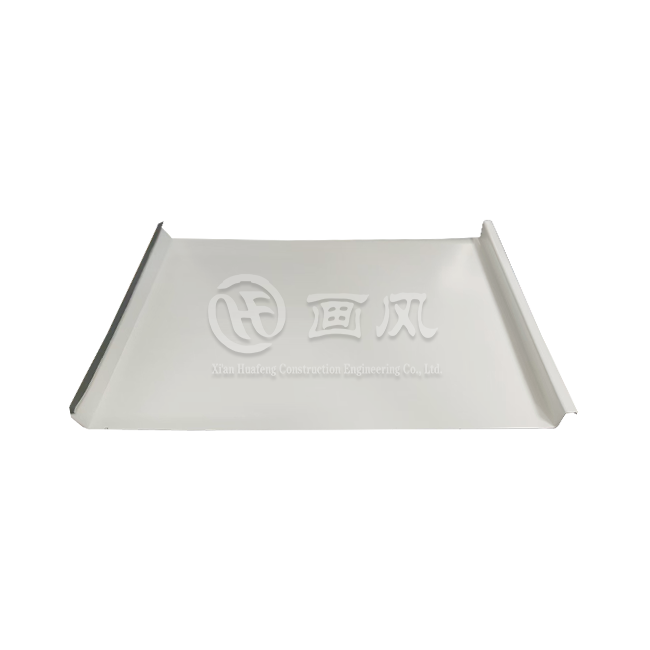
When procuring roofing materials for large-scale commercial, institutional, or transportation infrastructure projects, the choice of a 22 ga standing seam metal roof in aluminum delivers an exceptional combination of structural performance and weight efficiency. This roofing system features panels typically measuring 0.6-0.8mm in thickness, engineered with concealed fasteners and raised seams that allow thermal movement while maintaining watertight integrity. Aluminum's natural corrosion resistance and the inclusion of high-performance PVDF or PE coatings ensure decades of reliable service in demanding environments, from coastal convention centers to high-traffic transportation hubs, making it a strategic investment for procurement professionals focused on lifecycle value.

Understanding Aluminum 22 Gauge Standing Seam Metal Roofs
In aluminum standing seam systems, "22 ga standing seam metal roof" refers to a certain width range—about 0.64 mm for aluminum alloys—that strikes a good balance between the metal's naturally light weight and its ability to hold its shape. This gauge standard is especially useful for projects that want to lower the dead load on the structural frame without lowering its resistance to wind uplift or durability against impacts. At HF, our panels meet international standards like ASTM, DIN, JIS, BS, and GB/T. This makes sure that all global procurement protocols are the same.
Material Composition and Structural Characteristics
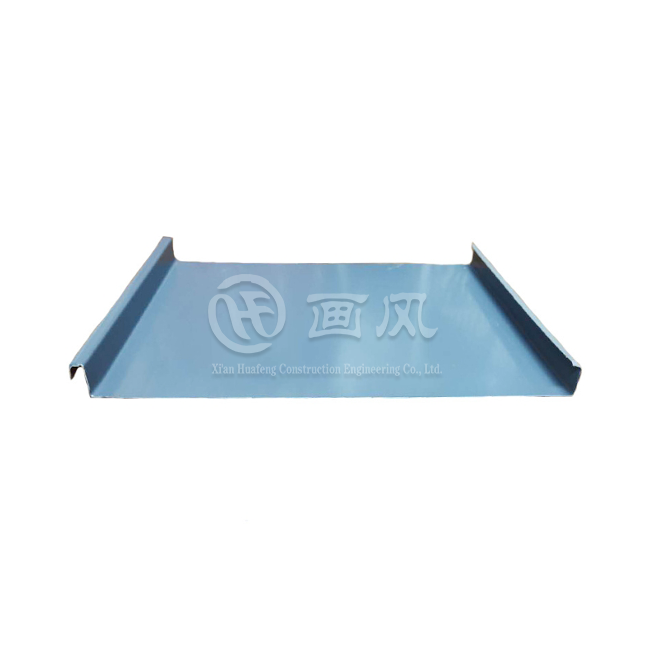
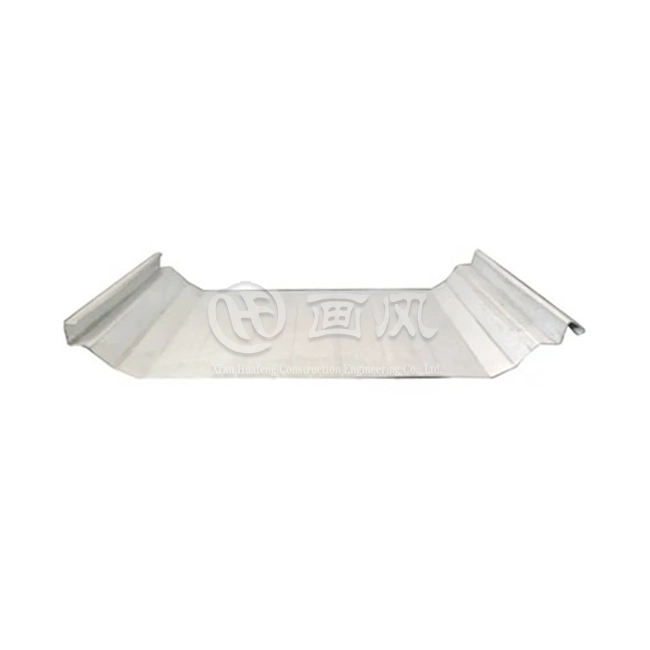
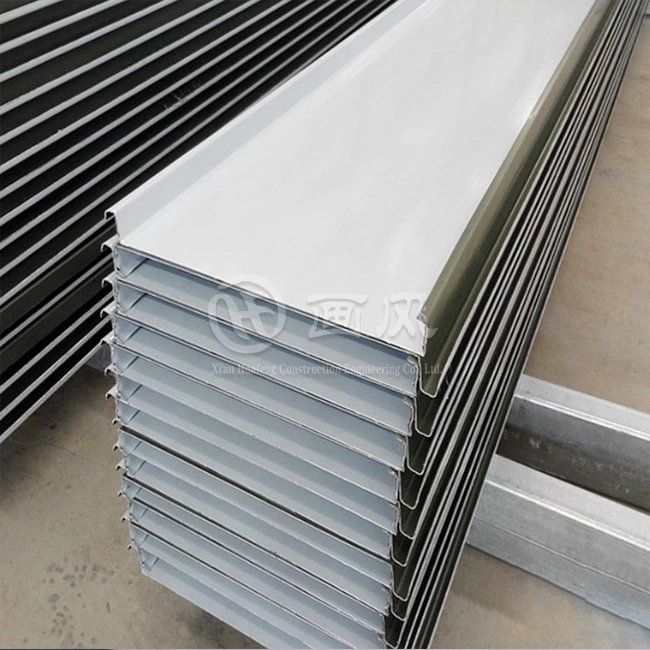
When used in standing seam applications, aluminum alloys like grades 3003-H24 and 5052-H26 are better at shaping and are stronger for their weight than heavier steel alternatives. The standing seam profile, which comes in sizes like 25-330, 32-410, 45-400, and 65-400/430, makes vertical ribs that make the panel stiffer and allow for thermal expansion through hidden sliding clip systems. This design gets rid of the exposed fastener weaknesses that come with standard screw-down roofs. This is a big problem for projects that need minimum slopes as low as 1:12.
SGS labs have confirmed that our aluminum panels meet the requirements of AS/NZS 1530.3:1999 for Class A fire ratings. All six test samples had a zero spark index and a flame spread index. This ability to not catch fire is very important in places like schools, hospitals, and public buildings where fire safety rules are strict. The natural passivation layer of the material makes an aluminum oxide covering that protects against corrosion from air, salt spray, and industrial pollutants. These are all things that are common at airports, seaports, and chemical processing plants.
Expected Service Life and Resilience
Aluminum standing seam roofs with 30-year warranties from certified manufacturers show that the material has been used for a long time and has been proven to last. The quality PVDF coatings and corrosion-resistant base passed all 13 performance standards in AAMA 2605-22 testing. This ensures color stability, chalk resistance, and adhesion integrity even after decades of UV exposure and heat cycles. Impact resistance testing shows that 22 ga standing seam metal roof can handle hail and maintenance workers' feet without permanently deforming. This is important to know for buildings that need to access HVAC or solar equipment on a regular basis.
The wind lifting performance meets UL 580 Class 90 standards when fitted correctly with clips and fastening patterns recommended by the maker. This feature is especially useful for projects in seaside areas that are prone to hurricanes or high-elevation areas that are often hit by strong winds. The panels' ability to bend under load without tearing or coming loose from the structural deck adds an extra safety cushion that is taken into account by buying teams when they calculate risk.
Comparing 22 Gauge Aluminum Standing Seam Metal Roof to Other Roofing Options
When procurement experts know how aluminum standing seam systems compare to other roofing materials, they can better support their specifications to technical review groups and project stakeholders. The decision matrix for a 22 ga standing seam metal roof includes more than just the initial cost of installation. It also takes into account how much energy the system uses and how it will be disposed of when it's no longer useful.
Performance Benchmarking Against Alternative Materials
Many contractors are familiar with traditional built-up asphalt and modified bitumen systems, but they need to be maintained every 5 to 10 years, during which time the membrane needs to be replaced or the coating needs to be reapplied. These changes make it harder for the building to work and add up to big costs over its lifetime. On the other hand, aluminum standing seam roofs only need to be inspected and cleaned up every so often to keep the warranty valid. This means that they will cost less to run over a 30-year period of time.
Steel standing seam options work just as well for structure, but they are 20–35% heavier based on the gauge and coating method. Because of this extra dead load, the building frame needs more structural steel, which is a cost that architectural engineers have to think about during value engineering sessions. The lower density of aluminum (about 2.7 g/cm³ vs. 7.85 g/cm³ for steel) makes it a better choice for retrofitting situations where the current structure can't handle much weight or for spanning long purlin gaps on pre-engineered metal buildings.
Thinner gauge metal choices (26 or 24 gauge) lower the cost of the material, but they don't offer the flatness and resistance to oil canning that are needed for architectural installs. The better look of 22 ga standing seam metal roof panels makes the small extra cost worth it for projects that get a lot of attention, like convention centers, company offices, or transportation hubs. When procurement teams work with design-build contractors, they know that callbacks for cosmetic flaws can cost more than the initial savings on materials.
Cost-Effectiveness Over Project Lifecycle
When bought for the first time, aluminum standing seam systems are usually 15–25% more expensive than galvanized steel versions, but they are still competitive with high-end coated steel goods. When you look at things like less need for structural reinforcement, faster installation because the panels are lighter, and no maintenance costs, aluminum is often the better choice for projects that will last 20 years or more, like government-funded infrastructure and institutional buildings.
Differences in how well aluminum uses energy make it even more valuable. Reflective PVDF coatings with Cool Roof ratings lower business cooling loads by 10–15 percent in the summer. This saves money on utilities every year that adds up over the life of the building. These savings help with LEED certification efforts and are in line with standards for sustainability that are becoming more common in public sector buying.
Installation and Maintenance of 22 Gauge Aluminum Standing Seam Metal Roofs
Whether a 22 ga standing seam metal roof performs as promised and lives up to its guarantee depends on how well it was installed. When purchasing managers look at the skills of contractors and the timeliness of their bids, they can use this information to help them make better decisions.
Installation Process and Technical Requirements
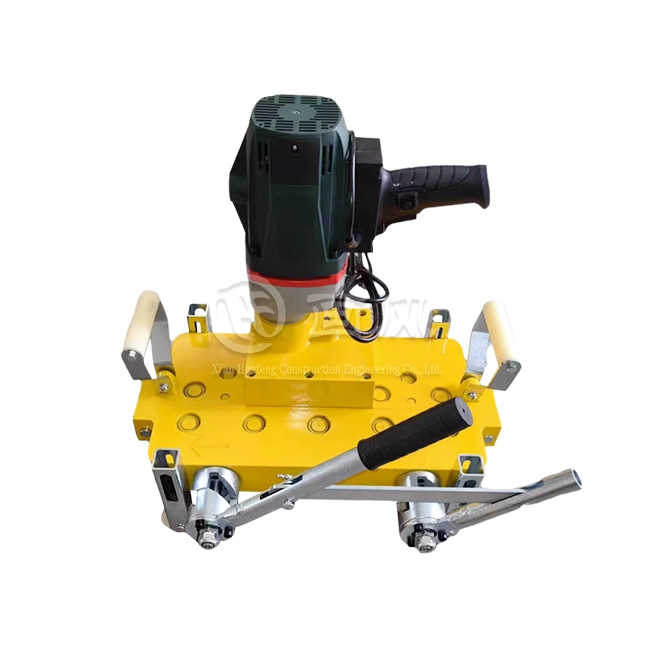
As the first step in installing a standing seam roof, the base must be prepared to make sure that the roof deck is securely fastened and that it is flat. Panels are put in place so that their raised edges are perpendicular to the slope of the roof. This makes it easier for water to drain toward the eaves. At certain intervals, concealed sliding clips connect to structural purlins or deck supports and hold the panel sides in place while allowing lengthwise movement during thermal expansion. Mechanical seaming tools gradually fold the ends of panels that are next to each other into double-lock seams. This makes weathertight joints without going through the roof's surface.
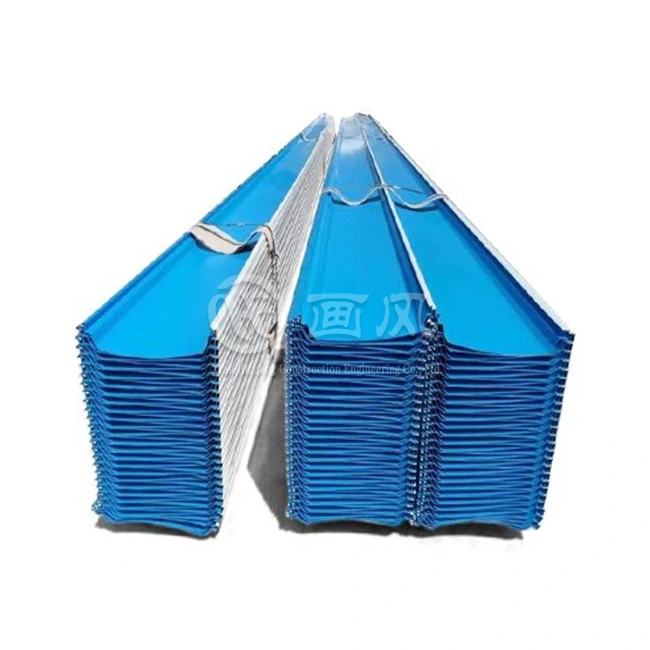
To keep the panels' surfaces from getting damaged during staging and placement, installation crews need special tools for seaming and training on how to handle panels. Panels that are sent in custom lengths of up to 12 meters cut down on seams on the roof and leak points. With our 7 production lines and 1,000-ton monthly capacity, we can customize these items for each project, which speeds up the building process.
Some common installation mistakes are not separating clips properly, overtightening fasteners too much, which limits thermal movement, and not lining up panel expansion joints with building structural joints. These mistakes show up as panels that break, seams that fail, or coatings that wear off too quickly. These risks can be reduced by working with makers that offer expert field support, like HF does through our integrated design-to-installation service model. This keeps project budgets safe from having to pay for expensive fixes.
Proactive Maintenance Protocols
On a yearly basis, inspections should note any buildup of garbage in valleys or behind roof penetrations, check the state of the sealant at terminations, and look for panels that are loose or damaged after storms. These regular checks, which can be done in two to four hours for medium-sized buildings, keep warranties valid and find small problems before they become leak claims.
Cleaning protective coats with low-pressure water and pH-neutral soaps on a regular basis is helpful, especially in industrial areas where airborne particles make surface soiling happen faster. Chemicals or cleaning methods that are too rough can damage coatings and cancel maker warranties. Our technical paperwork includes approved maintenance routines for PVDF and PE coating systems. This gives building managers clear instructions on how to run the systems.
Because aluminum stays the same size across a wide range of temperatures, it keeps fasteners from coming loose like they do in steel systems, which expand and contract more. This built-in benefit means less upkeep work and lower lifetime management costs, which are important to procurement teams that are in charge of handling building budgets across a portfolio.
Procurement Considerations for Aluminum 22 Gauge Standing Seam Metal Roofs
To strategically source a 22 ga standing seam metal roof, you need to look at more than just the unit price of each provider. Project risk profiles are affected by things like technical help, production capacity, quality assurance methods, and the dependability of delivery.
Supplier Evaluation Criteria
Manufacturers with a good reputation show that they have qualifications for both Grade 1 curtain walls and Grade 3 steel structures, which show that they can work in complex architectural settings. Companies with the "high-tech enterprise" title have put money into research and development (R&D) and new ways of doing things. This leads to consistent products and the ability to solve technical problems during project execution. Our collection of more than 20 registered patents and SGS certifications for combustion performance, RoHS compliance, and AAMA 2605-22 finishing standards show that we are very good at what we do.
Assessments of production capacity should make sure that there are enough lines available to meet project deadlines without lowering quality during times of high demand. With three factories, seven production lines, and more than forty processing machines, we can serve orders in as little as fifteen to twenty days as long as they are at least 500 square meters. This ability to adapt is especially helpful for quick-track projects where long-lead items set the critical path schedules.
Cost Analysis and Order Structuring
Bulk buy price models award bigger order amounts, which makes multi-building campuses or consortium procurement very cost-effective. For aluminum standing seam systems, the cost of materials ranges from $4.50 to $7.00 per square foot for supply only. This depends on the complexity of the panel profile, the coating specification, and the choice of color from RAL standards or custom matches. Installation work costs an extra $3.00 to $5.00 per square foot, based on how complicated the roof is, how productive the crew is, and the wage rates in the area.
Transportation panel length limits must be taken into account in logistics planning. For example, 40-foot containers are used for foreign shipping, and specialized flatbed haulers are used for local delivery. Our packaging rules keep coated surfaces safe while they're being shipped and stored, which lowers the number of items that are rejected during receiving inspection. When material delivery and contractor mobilization are coordinated, problems with on-site storage and expensive demurrage charges are avoided.
Careful contract discussion is needed for things like payment terms and managing warranties. Standard terms usually include a 30% payment, the balance due upon shipment, and a 10% holdback until the work is complete and approved. During procurement, warranty registration steps, paperwork needs, and claim response processes should be made clear so that there are no disagreements when the building is up and running.
Energy Efficiency and Environmental Benefits of 22 Gauge Aluminum Standing Seam Metal Roofs
As energy performance standards become more common in buildings and business clients demand measurable environmental results, sustainability issues become more important when choosing a 22 ga standing seam metal roof. There are several ways that aluminum roofing systems help reach these goals.
Thermal Performance and Energy Savings
High-reflectivity PVDF coats block 60–70% of solar energy, which makes it much harder for radiant heat to get into conditioned areas. This performance, along with aluminum's low thermal mass, keeps commercial buildings from getting too hot in the afternoon, which is when they need to cool down the most. Studies show that when comparing shiny metal roofs to regular dark-colored asphalt systems on similar building configurations, HVAC energy use drops by 10 to 20 percent.
Advanced coatings with infrared-reflective pigments keep this performance even when the colors are darker, so they can be used in different building styles without losing their energy-saving benefits. These "cool color" technologies let design teams choose from bronze, charcoal, or unique company colors while still maintaining Cool Roof grades that are recognized by ASHRAE 90.1 and the International Energy Conservation Code.
Adding above-deck ventilation plans that are easy to combine with standing seam profiles by raising the seam spacing makes thermal isolation even better. Natural airflow in the space between the roof and the insulation gets rid of the heat that is absorbed before it gets to the building shell. This creates a passive cooling system that cuts down on the time that the mechanical system has to run.
Lifecycle Environmental Impact and Recyclability
Aluminum can be recycled over and over again, which makes it different from roofing materials made from oil that end up in landfills in large amounts. Our panels are made from recycled materials that meet EU RoHS standards. All ten of the controlled substances were either not found or were found to be below the limits set by SGS tests. This compliance makes it easier to specify projects that want to get LEED v4 Materials and Resources credits or reach their net-zero waste goals.
The amount of energy needed to make aluminum has gone down a lot thanks to improvements in industry efficiency. Also, panels made from recycled materials have less embodied carbon than panels made from primary materials. Lifecycle assessment studies show that the longer life of metal roofing—no need for multiple re-roofing cycles over the 50-year lifespan of a building—has a smaller overall effect on the environment than alternatives that need to be replaced more often.
Green building standards like LEED, BREEAM, and Green Globes identify the benefits of metal roofing in a number of areas, such as its use of recycled materials, regional materials, reducing heat islands, and managing construction waste. During certification processes, our technology team helps with paperwork by giving material transparency reports and EPD data that make credit applications easier.
Conclusion
Purchasing professionals in charge of big business and institutional projects can get real benefits from a 22 ga standing seam metal roof in aluminum. Lifecycle cost optimization and sustainability requirements are becoming more common in government and corporate procurement frameworks. This material's ability to resist corrosion, be structurally lightweight, and provide better energy performance all fit these requirements. Thorough testing and approval by a third party provide objective guarantee of fire safety, environmental compliance, and coating durability, all of which are important in risk-averse procurement settings. When bought from companies that can show they have the production capacity, technical know-how, and the ability to provide integrated service, these roofing systems are smart investments that protect both building assets and company reputations for decades.
FAQ
1. What thickness is 22 gauge in aluminum standing seam roofing?
Comparing 22 gauge steel to aluminum, which is about 0.76mm thick, 22 gauge aluminum is usually about 0.64mm thick. This gauge has great strength for business uses while still having the weight benefits of aluminum. The specification is in our standard output range of 0.6mm to 0.8mm, which means it can be used for projects that need artistic flatness and wind uplift performance without putting too much stress on the structure.
2. Can aluminum standing seam roofs be installed on low-slope applications?
When using double-lock seam profiles with factory-applied seals, aluminum standing seam systems can handle dips as low as 1:12, which is about 5 degrees. For proper installation, you need skilled professionals who know how to do low-slope detailing at penetrations, valleys, and terminations. Our technical team gives project-specific construction instructions to make sure that the waterproofing works well in these tough situations that are common in business and industrial buildings.
3. How do aluminum roofs perform in coastal environments compared to steel?
Aluminum naturally makes an oxide layer that protects it from rust in salt water much better than galvanized or even Galvalume-coated steel. Aluminum doesn't rust, so it's a good choice for coastal projects because it doesn't affect the edges or fasteners like steel does in marine environments. Because our PVDF coatings add extra barrier protection, aluminum is the best choice for projects that are less than three miles from the coast.
Partner with HF for Your Aluminum 22 Ga Standing Seam Metal Roof Needs
Xi'an Huafeng Construction Engineering Co., Ltd. is ready to help you with your next business roofing project because they have a lot of professional knowledge and the ability to make things. Our unified approach, which includes design advice, material production, and installation support, gets rid of the gaps in coordination that slow down projects and raise costs. HF is a dependable source for a "22 ga standing seam metal roof" for transportation hubs, government buildings, and business complexes in North America and more than 100 other countries around the world. They have three plants that can produce 1,000 tons of metal per month and have certifications that meet international standards. Within 24 hours of receiving an RFQ, our technical team replies with full specs, submittal packages, and project-specific price that fits your timelines for procurement. Get in touch with us at huafeng@hfmetalroof.com to talk about your project needs and find out how our 30-year warranty-backed systems can protect your investment and help you reach your sustainability goals.
References
1. Metal Construction Association. (2021). Technical Guidelines for Metal Roof Systems Design and Installation. Technical Bulletin 456-2021.
2. American Architectural Manufacturers Association. (2022). AAMA 2605-22: Voluntary Specification, Performance Requirements and Test Procedures for Superior Performing Organic Coatings on Aluminum Extrusions and Panels.
3. Cool Roof Rating Council. (2023). Radiative Properties of Roofing Products: Directory of CRRC Rated Products. Product Rating Program Publication.
4. Aluminum Association. (2020). Aluminum Design Manual: Specification for Aluminum Structures. ADM-2020 Edition.
5. National Roofing Contractors Association. (2022). The NRCA Metal Panel and SPF Roof Systems Manual. Professional Roofing Publications.
6. U.S. Department of Energy, Building Technologies Office. (2021). Energy Performance Assessment of Reflective Roofing Systems in Commercial Buildings. Technical Report DOE/EE-2156.





YOU MAY LIKE
_1768552571575.jpg "Aluminium Fascias")