Copper Standing Seam Roofing Panels: Sustainability & Recycling
2026-08-13 19:45:07
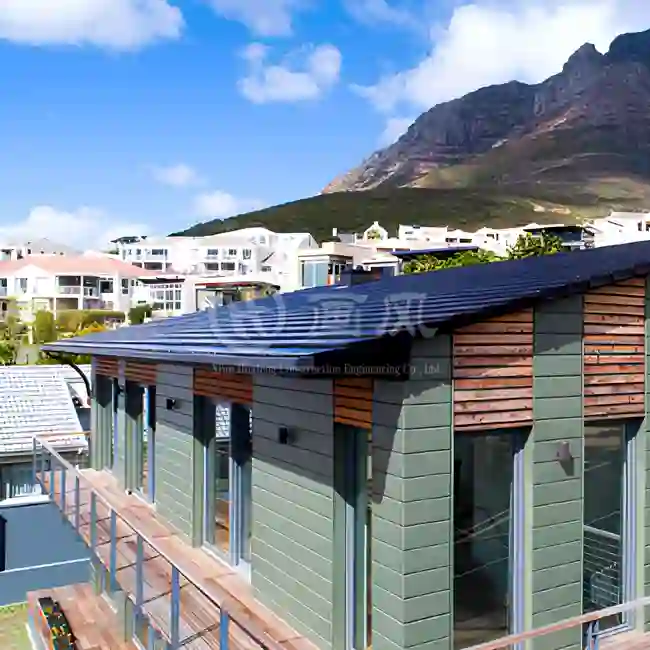
When we think about sustainable construction materials, copper standing seam roofing panels immediately come to mind as a genuine game-changer. These panels combine architectural elegance with exceptional environmental responsibility, featuring interlocking vertical seams that provide unmatched weather resistance while maintaining a minimal ecological footprint. What makes copper truly remarkable is its infinite recyclability—copper retains 100% of its original properties after recycling, creating a perpetual closed-loop system that aligns perfectly with circular economy principles. Beyond recyclability, copper's natural patination process eliminates the need for additional protective coatings, reducing chemical usage throughout its lifespan.

Understanding Copper Standing Seam Roofing Panels and Their Sustainability
Metal roofs with hidden fasteners has changed the way we do business and private building projects because it looks nice. At HF, we make standing seam systems with high-quality copper metals that meet ASTM, DIN, JIS, BS, and GB/T standards. This makes sure that our systems are reliable for a wide range of project needs.
Natural Corrosion Resistance and Patina Development
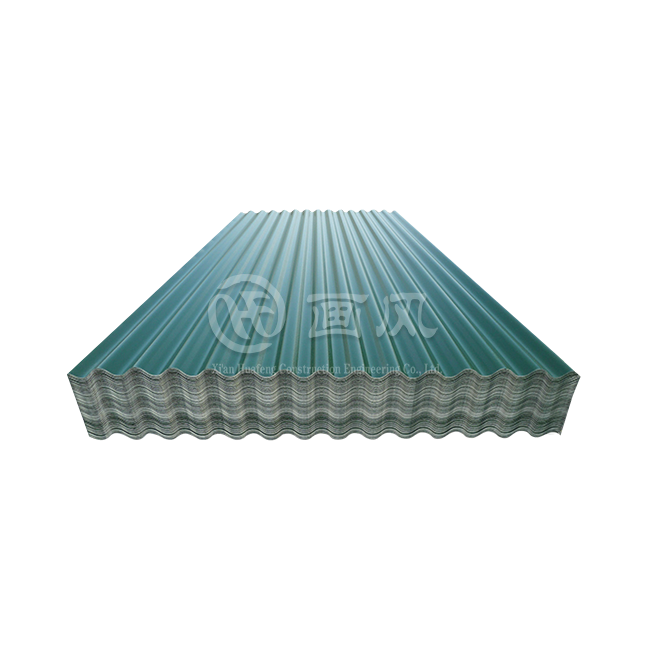
Copper is chemically different from galvanised steel or aluminium, which are other options. Putting copper out into the air causes it to naturally oxidise, creating a protected layer called patina. This greenish-blue layer does more than just look nice; it also protects the metal underneath from further rusting. Self-healing means that the material gets stronger over time, unlike painted surfaces that wear down and need to be re-coated. Our panels, which come in widths between 0.6 and 0.7 mm, get this colour evenly across their surface, which makes them last longer than usual.
Thermal Performance Across Climate Zones
Copper's ability to conduct heat well has surprising energy-saving benefits. In warm places, copper roofing reflects a lot of solar radiation, which makes buildings below less likely to need to be cooled. The material's thermal mass helps keep temperature changes in check during the winter. Because they work well in both summer and winter, copper standing seam systems are very useful for facility managers who want to cut costs. With three factories that can make 1,000 tonnes of products every month, we can help with big projects that need uniform thermal performance standards.
Environmental Footprint Throughout the Lifecycle
Copper has a much smaller effect on the earth than mixed materials, from being mined to being installed to being recycled. Mining is becoming more efficient, and because the metal lasts a long time, it means that buildings will need fewer repairs over their lifetime. We follow strict ISO14001 environmental management rules when making panels with PVDF or PE surface treatments on our seven production lines. Through this process, a covering system was made that helps meet LEED and other green building standards.
Key Benefits of Copper Standing Seam Roofing Panels in Sustainable Construction
People who work in procurement always tell us that lifecycle value is more important than original spending. Copper standing seam roofing panels live up to this idea in a number of ways that have direct effects on both financial success and environmental responsibility.
Century-Plus Lifespan Versus Traditional Materials
Asphalt shingles usually need to be replaced every 15 to 25 years, which creates a lot of trash in landfills and costs a lot of money over time. Even when galvanised, steel roofs can rust in seaside or industrial areas, and usually needs to be replaced every 30 to 50 years. Copper standing seam panels usually last longer than 100 years with little maintenance. This makes the total cost of ownership estimate different. Copper is often the most cost-effective choice when you spread the cost of installation over a hundred years of use. Our 30-year promise gives you even more peace of mind, even though the material's real life performance far exceeds this guarantee time.
Maintenance Reduction and Structural Benefits
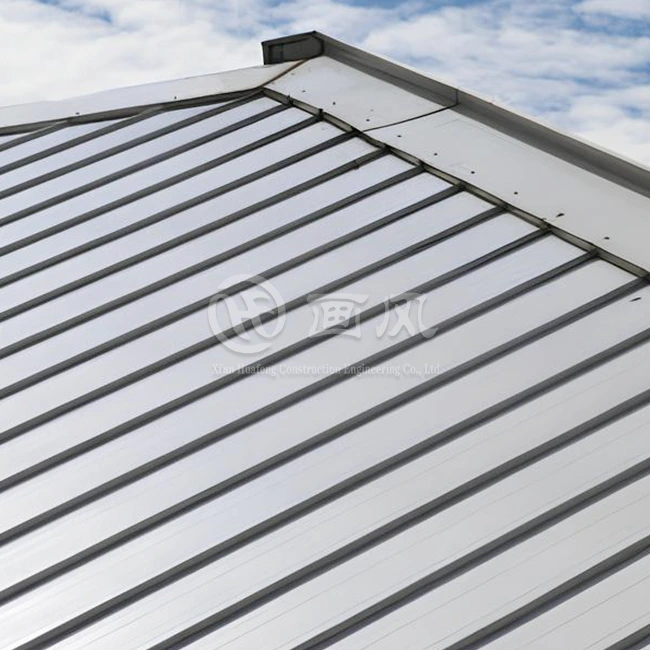
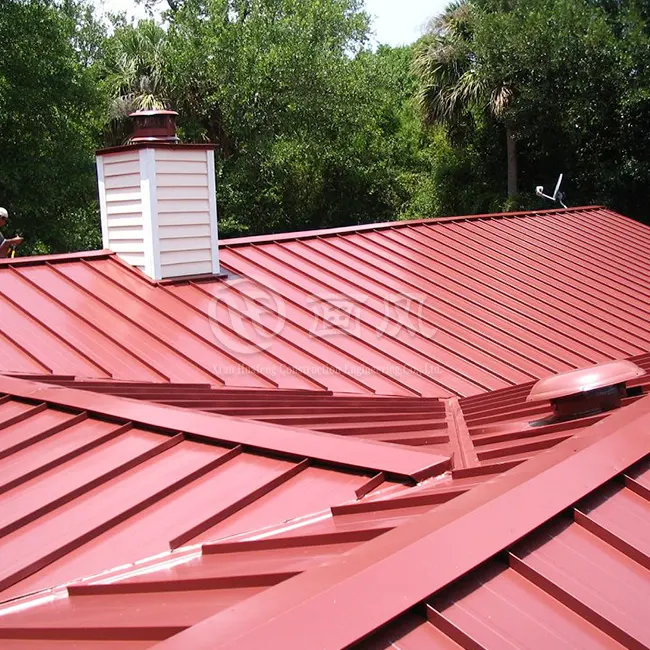
Lightweight roofing systems lower the amount of weight that needs to be put on the structure, which could lower the costs of the foundation and framing. Our copper panels are a lot lighter than clay tiles or concrete alternatives, which makes installation much easier. The hidden clip arrangement in standing seam systems allows for thermal expansion without fastener stress, which is a frequent place where exposed-fastener designs fail. This engineering method gets rid of the main way that leaks happen in regular roofs. During our installations, we've seen that maintenance trips are usually just for checks and not for fixes. This keeps operations running smoothly and lowers long-term property management costs.
Carbon Footprint Considerations in Construction
A big part of the pollutants that come from building are caused by moving materials. Copper roofs doesn't need to be replaced very often, so the carbon cost of multiple supplies, tear-offs, and disposals pretty much goes away. Our delivery timeframe of 15 to 20 days for orders of at least 500 square meters keeps project schedules on track without charging extra for faster shipping. More than 40 specialised machines are used in the manufacturing process at our sites. These machines maximise material return, which means that less scrap is made during production.
Recycling Practices and Circular Economy in Copper Roofing
Copper standing seam roofing panels are the best way to show how the cycle economy idea works. Copper comes out of reprocessing with the same metallurgical properties as new material, while other materials break down during the process.
Industry-Leading Recycling Rates and Material Recovery
According to the latest figures from the business, about 80% of all the copper that has ever been mined is still being used today thanks to recycling. When copper roofing hits the end of its useful life—often after being used by many generations of people—the panels still have a lot of value. Specialist recycling plants can easily separate copper from any hanging tools or extras. The metal is then smelted to get rid of any flaws. After that, it is shaped into new goods. This process uses a lot less energy than primary copper extraction, which is good for the environment in general. Lifecycle cost studies should include this leftover value because recovered copper gives a financial return that partly covers the original investment.
Supporting Sustainability Commitments Through Material Selection
There is more and more pressure on many groups to show measurable progress in protecting the environment. Choosing roofing materials that can be recycled is a real sign of dedication to environmentally friendly practices. When we supply panels that meet RAL colour specifications or special customer needs, we include all the material documentation that backs up green building certifications. Our supply chain is clear, from Anhui, where the raw materials are made, to Hangzhou and Xi'an, where the products are made. This lets procurement professionals check sustainability claims at any point in the production process.
Procurement Considerations for Sustainable Copper Standing Seam Roofing
To choose the right provider, you need to look at more than just the basic product specs. Builders and property developers need partners who know how to handle the challenges of completing big copper standing seam roofing panels projects.
Certification Requirements and Quality Assurance
Along with our ISO14001 environmental certification, we also hold the ISO9001 quality management certification. This makes sure that the quality of our products is the same across all production runs. Our standing seam panels are made to meet a number of international standards, which gives you options for projects with different rules. The thickness range of 0.6 to 0.7 mm strikes a good balance between structural performance and workability. This lets our systems work with complicated architectural shapes. When choosing a copper roof, make sure that the company you're buying it from can give you full mill test results and installation instructions that include thermal movement figures. This is an important factor that is often overlooked in the early stages of planning.
Customization Capabilities for Project-Specific Needs
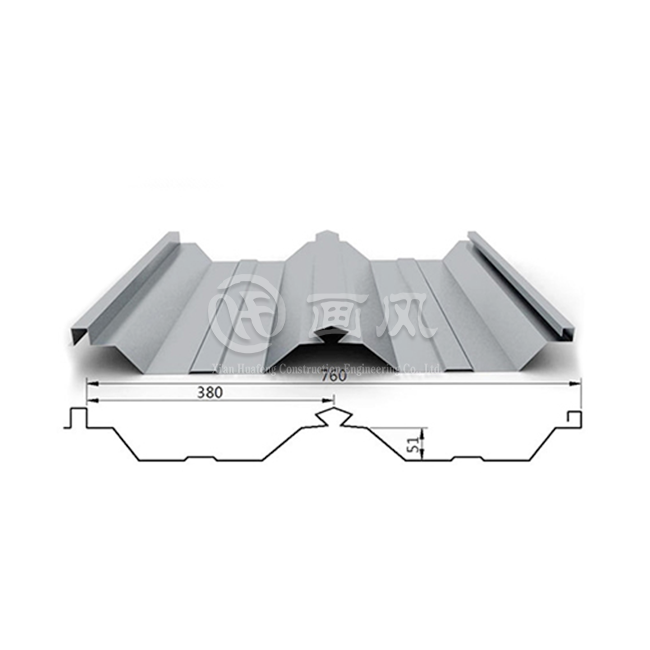
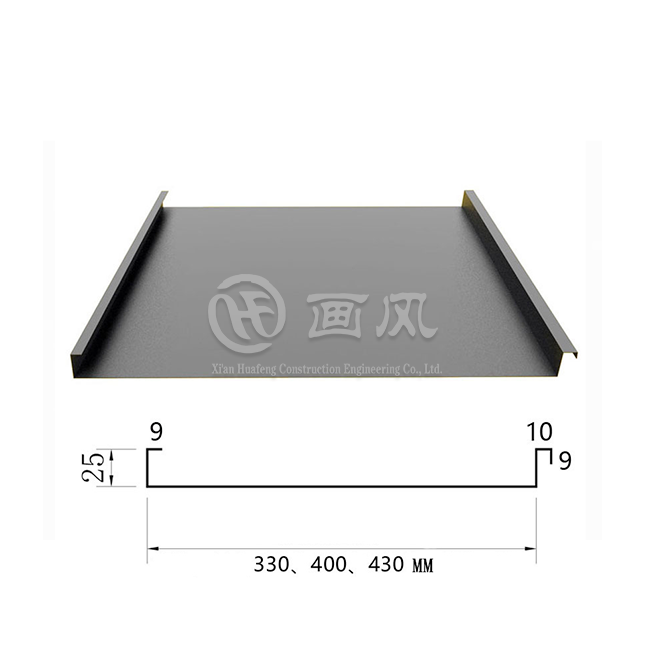
Standard panel lengths and seam heights work well for many uses, but when the building needs to be unique, they often need to be customised. Our specs list several profile choices, such as the 25-330/400/430, 32-410, 45-400, and 65-400/430 designs. Because of this, design teams can match existing architectural elements or make their own unique style statements. Customising the colour with PVDF or PE coatings opens up more design options while keeping the performance of the base material. Being able to organise these details during purchase keeps expensive changes from having to be made in the field and makes sure that installation goes smoothly.
Supply Chain Transparency and Delivery Reliability
International projects need providers who can handle complicated transportation without putting deadlines at risk. Our 1,000-ton-per-month production ability can handle both big institutional builds and multiple private jobs going on at the same time. The minimum order quantity of 500 square meters, or one tonne, is enough for medium-sized projects without keeping too much inventory on hand. Clear lines of communication—you can email our team at huafeng@hfmetalroof.com—ensure that technical questions are answered quickly during the purchasing and construction stages.
Installation and Maintenance Guidelines Supporting Sustainability Goals
When installed wrong, even the best materials don't work as well as they should. For copper standing seam roofing panels projects to go well, the work must be done in a way that keeps the system's long-term benefits.
Precision Installation Techniques
For concealed clip systems to work, the panels must be perfectly lined up and the seams must be sewn correctly. To make the double-lock link that keeps out the weather, mechanical seaming tools are used. Installers have to think about how copper expands and contracts when it gets hot or cold, making sure that the clips allow for the right amount of movement while still holding the structure together. Our technical documentation has thorough estimates for panel length and expected temperature ranges that are used to figure out how much the panels will expand. This engineering method stops oil-canning, which is the noticeable wave-like pattern that can happen on metal roofs when thermal movement isn't properly controlled. Installing something correctly not only makes it look good, but it also makes the system last as long as possible—a hundred years or more.
Environmentally Responsible Maintenance Protocols
As part of regular checks, seams should be checked to make sure they are still intact and drainage paths should be kept clear of waste. Copper roofs don't need strong chemicals that could damage nearby plants or water systems very often. Most places only need mild soap solutions and soft brushes to get rid of built-up dirt. Some building owners like to let the patina happen naturally and see the building's changing greenish colour as part of its character. Others keep their metallic look by being gently cleaned every so often. When cleaning methods are safe for the earth, both techniques help reach sustainability goals.
Addressing Common Installation Challenges
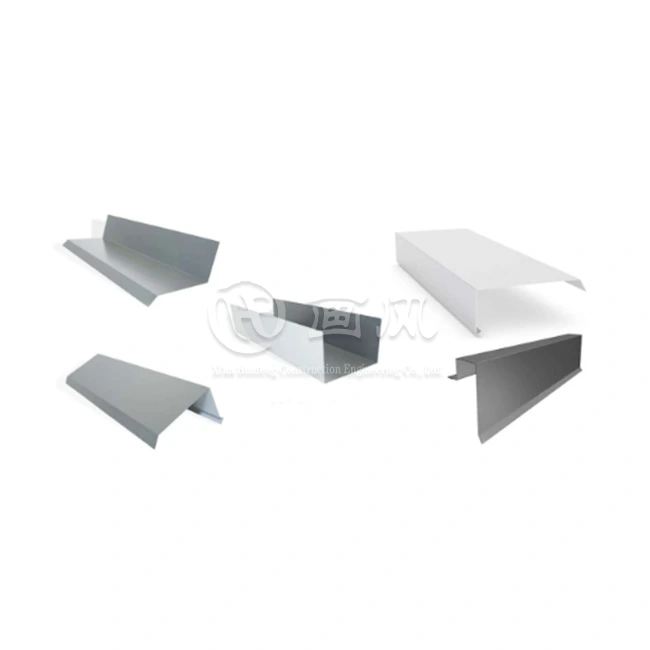
Because of the salt air, coastal areas can be hard to work in, but copper is better at handling these conditions than most other materials. To avoid galvanic rusting, it's important to be careful when different metals touch each other. For example, copper shouldn't touch aluminium or galvanised steel directly without the right kind of separation. Professional builders know how these materials interact with each other and choose flashings and fixings that work well together. When project teams run into new technical problems, our technical support staff helps them out by drawing on decades of experience making things in a wide range of climates and building types.
Conclusion
Copper standing seam roofing panels are one of the few building materials that combine sustainability, durability, and architectural excellence so well. Long-lasting performance over a hundred years, full recycling, and low maintenance needs make this product very valuable for construction workers who care about long-term value. When it comes to green building standards and stricter environmental rules, copper roofing systems have been used for a long time and have been shown to work. The material's natural properties—its resistance to corrosion, ability to keep heat in, and ability to look good in a variety of ways—align with both the needs of the current project and the larger commitments to sustainability that define responsible construction today.
FAQ
1.What makes copper roofing more sustainable than other metal options?
Copper is better for the environment because of a number of things working together. It can be recycled over and over again without losing any of its properties, which is in line with the ideas of the circular economy. Natural patination gets rid of the need for coatings, which add to chemical waste sources. Extremely long life—often over 100 years—means fewer replacement cycles, which means less damage to the environment from making, transporting, and throwing away. Copper has a much smaller impact on the environment over its lifetime compared to aluminium or steel alternatives that may need to be replaced twice or three times in the same amount of time.
2.How does the recycling process maintain copper's material properties?
Copper is recycled by collecting it, sorting it, and freezing it at temperatures that clean it up while keeping its atomic structure. Plastics and composites break down when they are recycled, but recycled copper standing seam roofing panels material has the same conductivity, malleability, and resistance to corrosion as copper that has just been mined. Because it is metallurgically stable, building owners can choose recovered copper content without worrying about performance issues. The process uses about 85% less energy than making copper from scratch, which is good for the environment and the economy.
3.What certifications should procurement teams verify when selecting suppliers?
Suppliers who care about quality keep their ISO9001 and ISO14001 certifications for their manufacturing processes and environmental management systems, respectively. Product agreement with foreign standards like ASTM, DIN, JIS, BS, or GB/T makes sure that the material meets the needs of engineers. Suppliers should give mill test reports that show what the alloy is made of and how it works mechanically. For projects that want to get LEED or a similar certification, make sure that the supplier's paperwork includes environmental product declarations and percentages of recycled content that can help with credit applications.
Partner with HF as Your Trusted Copper Standing Seam Roofing Panels Manufacturer
In our three strategically placed factories, HF (Xi'an Huafeng Construction Engineering Co., Ltd.) combines high-quality manufacturing with care for the environment. Our production infrastructure, which includes seven coating lines, specialised forming equipment, and more than 40 precise tools, ensures uniform quality for a wide range of projects, from restoring ancient buildings to building modern businesses. We are a high-tech company in Shaanxi Province that is qualified to build curtain walls and steel structures. Our technical knowledge goes beyond just supplying products. Whether your project needs standard profiles or custom configurations of copper standing seam roofing panels, our team can help you from the beginning of the design process to the end of the installation. Get in touch with us at huafeng@hfmetalroof.com to talk about how our products can help your next green building project while also meeting your strict performance and shipping needs.
References
1. Copper Development Association Inc. (2019). Copper in Architecture: Design Handbook. New York: CDA Publications.
2. International Copper Association. (2021). Sustainable Copper: Lifecycle Assessment and Circular Economy Benefits. Brussels: ICA Research Division.
3. American Society for Testing and Materials. (2020). ASTM B370-20: Standard Specification for Copper Sheet and Strip for Building Construction. West Conshohocken: ASTM International.
4. National Roofing Contractors Association. (2022). Metal Roofing Systems: Design and Installation Best Practices. Rosemont: NRCA Technical Publications.
5. U.S. Green Building Council. (2021). LEED v4.1 Building Design and Construction: Material Selection Criteria. Washington: USGBC Standards Division.
6. Sheet Metal and Air Conditioning Contractors' National Association. (2023). Architectural Sheet Metal Manual: Standing Seam Roof Systems, 8th Edition. Chantilly: SMACNA Publications.





YOU MAY LIKE