Differences between galvanized and galvalume standing seam metal roofing
2026-08-13 19:41:28
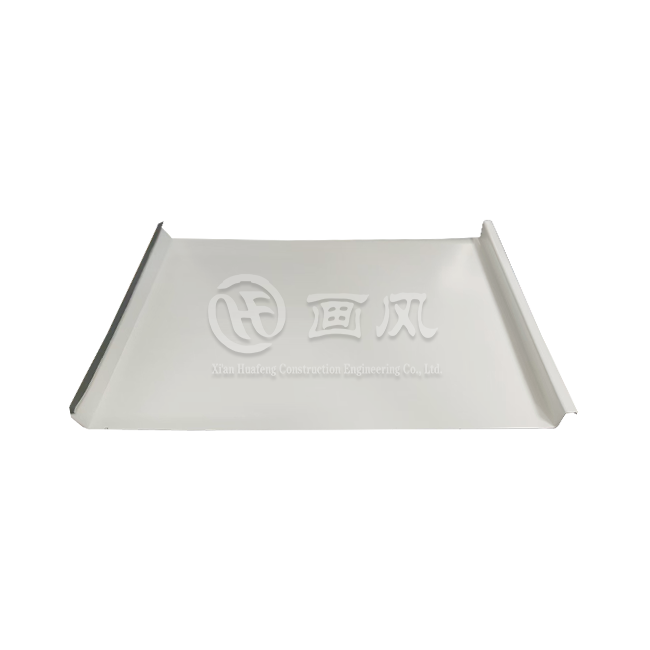
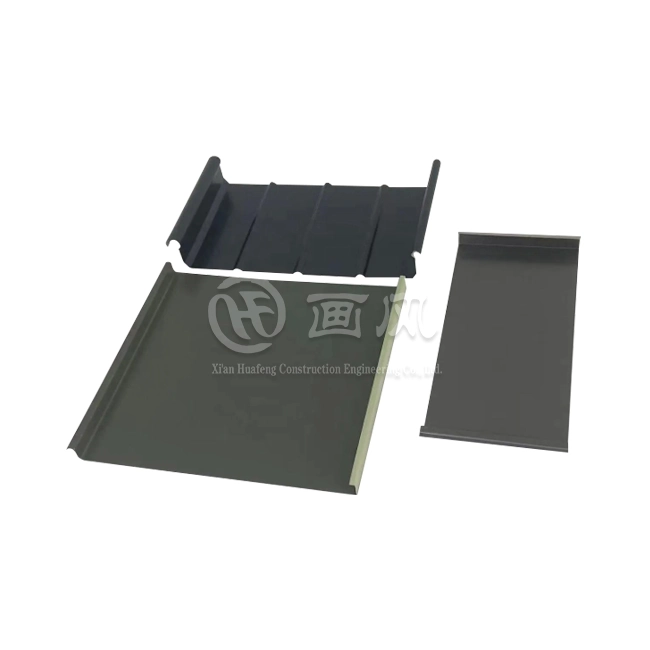
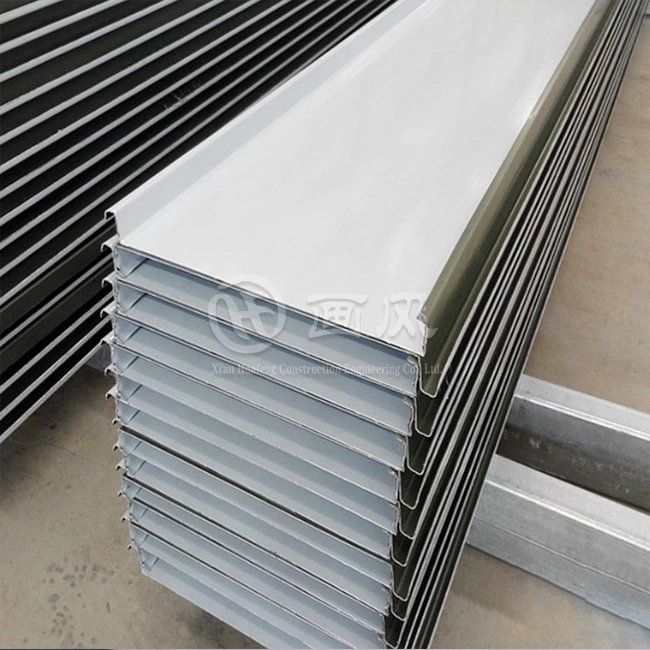
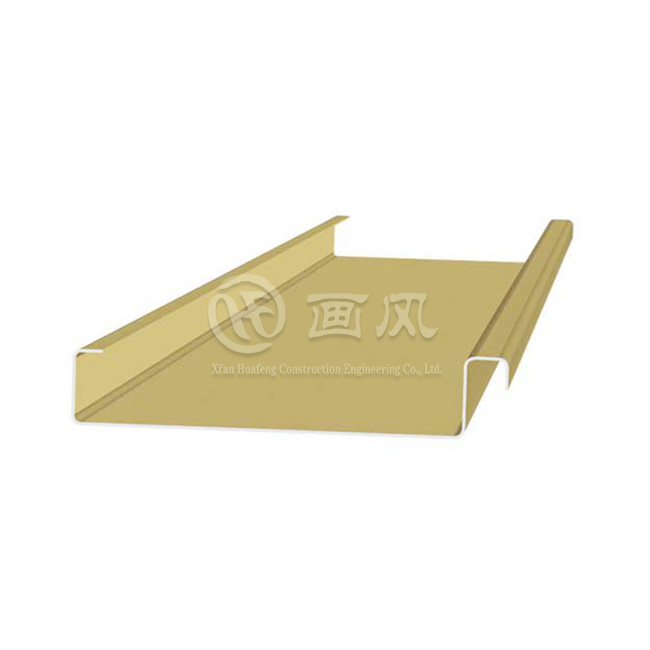
Choosing the right metal roofing system often comes down to understanding coating technology. A galvanized standing seam metal roof uses pure zinc protection over steel substrate, offering reliable corrosion resistance and cost efficiency. Galvalume roofing, conversely, employs an aluminum-zinc alloy blend that enhances longevity in aggressive environments. Both systems feature concealed fasteners and vertical interlocking seams, yet their coating composition creates distinct performance profiles. The decision impacts project budgets, maintenance schedules, and building lifespan across commercial and industrial applications.

Understanding Galvanized and Galvalume Metal Roofs
What Makes Galvanized Coating Unique
Hot-dip galvanization protects steel by soaking it in 840°F molten zinc. Zinc bonds chemically to steel during this procedure. G90 specifies 0.90 ounces of zinc per square foot of sheet as a sacrificial barrier. Scratches and cuts accelerate zinc corrosion because cathodic protection actively prevents rust on the steel below. Galvanized standing seam metal roof panels can mend themselves, making them suitable in agricultural settings where machinery scrapes against them.
The zinc layer has a unique crystalline design called "spangle," but this is often less noticeable in current production to keep the look consistent. Coating weights range from G60 to G235, with G90 being the minimum required for roofing uses to make sure they last as long as needed. Processing plants keep very close checks on the temperature during galvanization to make sure that the coating doesn't have any flaws that hurt its performance.
How Galvalume Differs in Composition
In the 1970s, Galvalume covering technology came about as a mix of 55% aluminum, 43.4% zinc, and 1.6% silicon. This aluminum-zinc combination makes a safety system that works in two ways. The oxide layer that forms on the aluminum part acts as a barrier for protection, and the zinc part protects against galvanic corrosion at cuts and scratches. Adding silicon makes the covering stick better during the high-temperature dipping process.
Standard Galvalume coating weights AZ50 or AZ55, which is 0.50 to 0.55 oz per square foot. It provides rust protection that, according to lab tests using salt spray, can last 200–400% longer than galvanized options in neutral atmospheric circumstances. The surface has a smooth, matte gray look with no speckles, which is something that many builders like for modern design styles.
Coating Mechanisms and Protection Philosophy
The main difference is how these materials protect themselves from damage from the environment. Galvanized coatings give up evenly across the exposed surface, slowly getting thinner over decades until the zinc runs out and the steel shows through. The aluminum in Galvalume makes an oxide skin that sticks to the metal and slows down rust by a large amount. The zinc in the metal saves damaged areas through electrochemical action.
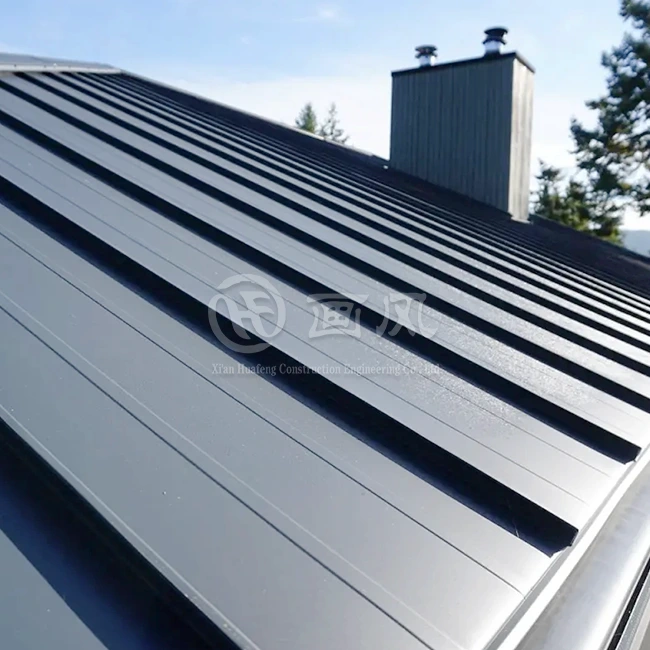
Standing seam designs reduce roof penetrations, improving protection. Hidden clip systems enable fabrics expand with temperature changes without stressing fasteners, while raised seams keep water off flat surfaces. PVDF or PE topcoats in RAL and Pantone colours make both surfaces UV-resistant and provide them extra design possibilities. Our facilities employ seven manufacturing lines to apply these finishes to 0.4 mm to 1.2 mm thick materials that fulfill ASTM, DIN, JIS, BS, and GB/T requirements.
Performance Comparison: Durability, Corrosion Resistance, and Lifespan
Corrosion Resistance in Varied Climates
The biggest difference in performance between these coating methods can be seen in coastal sites for galvanized standing seam metal roof systems. Salty air speeds up the loss of zinc on coated surfaces, which means they usually only last 15 to 20 years when they are directly exposed to water. Galvalume's aluminum barrier is better at stopping chloride ions from getting through, which means that it can last 25 to 35 years in marine situations.
Industrial zones have several issues. Industrial activities produce acidic mist from sulphur dioxide and nitrogen oxides, damaging metal surfaces. Galvalume blocks pollutants better than zinc coatings due to its aluminium oxide layer. At 3,000 hours, galvanized samples exhibit a lot of base metal exposure, whereas galvalume samples retain their structural integrity after 6,000 hours in ASTM B117 salt spray accelerated weathering testing.
Animal manure and organic breakdown release ammonia and hydrogen sulphide on farms. Galvanized finishes outperform Galvalume here. Alkaline ammonia compounds react with Galvalume's aluminium to form aluminium hydroxide, which breaches the protective layer. Zinc is chemically stable in these settings, making galvanized panels ideal for animal shelters, fertilizer storage, and poultry farms.
Expected Lifespan and Warranty Considerations
Material guarantees show that the company that made the product is confident in how long it will last. We promise the performance of our galvanized standing seam metal roof goods for 30 years as long as they are properly kept. This includes the coating's integrity and the product's ability to keep out the weather in normal conditions. This warranty doesn't cover places that are very corrosive, like chemical plants or homes on the beach more than 500 meters from the shore.
Galvalume systems usually come with longer warranties, between 35 and 45 years, because they don't rust as quickly in mild conditions. The real service life varies a lot on the thickness of the coating, the quality of the topcoat, how well it was installed, and how often it was maintained. Panels with PVDF topcoats extend the life of the base material by 10 to 15 years by protecting it from UV damage and chalking. The color stays stable with delta E values below 5 after 30 years of sun exposure.
Thermal Expansion and Structural Stability
Both materials have thermal expansion coefficients around 6.5 x 10⁻ per degree Fahrenheit, which means that the clips need to be spaced out correctly to avoid oil canning and fastener fatigue. Standing seam profiles can handle this movement with floating clip systems that let the profile expand along its length without putting too much stress on the link between the panel and the frame. Our specs say that clips should be placed every 12 to 18 inches along the length of the panel, with some changes made for areas with big changes in temperature.
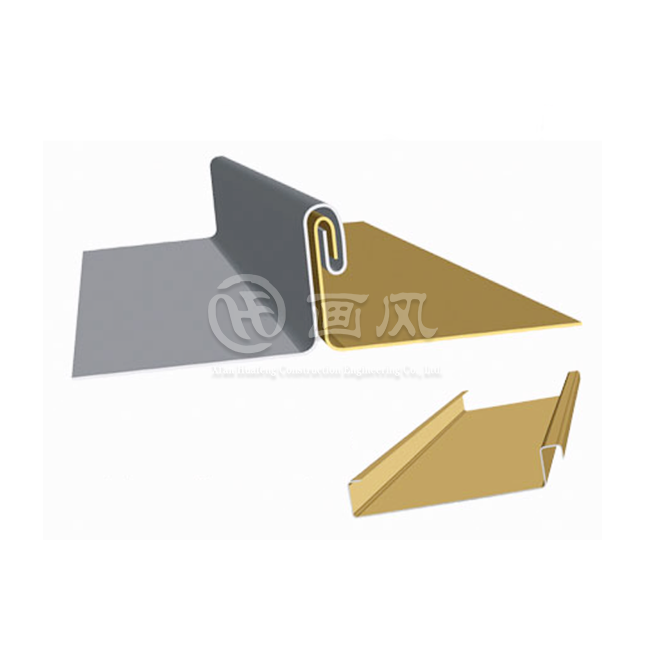
Wind uplift resistance is not based on the type of coating, but on the height of the seam and how it locks. When properly connected to structure purlins, mechanical lock seams with a height of 65 mm can get UL 90 ratings, which make them safe for areas that are prone to hurricanes. Snap-lock profiles give up some uplift capacity in exchange for speedy installation. This makes them good for commercial uses with low slopes and moderate wind loads.
Cost Analysis and Installation Considerations
Raw Material Pricing Dynamics
Galvanized standing seam metal roof panels cost 15–25% cheaper than comparable Galvalume products wholesale. Aluminium outperforms zinc because to its cheaper cost and easier covering chemistry. The market now prices G90 galvanized coil between $850 and $1,100 per ton and AZ55 galvalume coil between $1,050 and $1,350 per ton, depending on order size and complexity.
Custom colour finishing costs $200–350 per ton, regardless of material. PVDF coatings cost more than polyester. For large commercial projects that need to save money, our 1,000-ton monthly manufacturing capability helps us provide affordable rates on orders above 50 tons. The lowest order is 500 square meters, or one ton. From order to container loading, it takes 15–20 days.
Panel fabrication costs are the same for both coating types since roll-forming machinery handles both materials. Standing seam forms like 25-330, 32-410, 45-400, and 65-430 provide equal manufacturing effort. Transportation costs rely more on project distance than material choice, while narrower gauge panels lighten freight.
Installation Labor and Complexity
Forty to sixty percent of the total cost of installing a standing seam system is the work that is done in the field. Expert teams install between 2,000 and 3,500 square feet every day, based on the complexity of the roof, the number of penetrations, and the height of the seams. Neither galvanized nor Galvalume materials are very different to work with in ways that affect how much work gets done. Both need the same steps for preparing the underlayment, attaching the clips, and sewing the seams together.
No matter what kind of foundation is used, low-slope uses with a 3:12 pitch need extra waterproofing steps. When properly engaged, factory-applied sealing strips in the female leg of snap-lock profiles provide extra leak protection that meets ASTM E1680 standards for water entry. To make a mechanical lock seam, you need special tools that can fold the male and female legs together 180 degrees, making a weathertight joint that can stand water without leaking.
Maintenance Expenses and Total Cost of Ownership
These systems have varying lifetime maintenance budgets. Galvanized roofs should be examined every three to five years in warm climates to ensure the coating is still intact, the valleys are clear, and the fasteners beneath the panels are intact. The steel shows after 20–25 years as the zinc peels off. Recoat costs $1.50 to $2.50 per square foot to increase service life by 15 years.
Due to its slow corrosion, Galvalume only requires maintenance every 5–7 years. The aluminium oxide layer blocks atmospheric acids better, therefore protective coatings aren't needed as frequently in non-coastal areas. For a typical 30,000-square-foot commercial roof, this difference may save $15,000 to $40,000 in maintenance expenditures over 50 years, making up for the increased material cost.
In hazardous environments, economic calculations shift drastically. In coastal projects, galvanized panels may need to be changed every 18–22 years, whereas Galvalume systems may last 30–40 years. When ammonia exposure remains constant, galvanized roofing endure 10-15 years longer than Galvalume roofs in agricultural buildings.
Environmental and Energy Efficiency Implications
Recyclability and Manufacturing Footprint
Galvanized and Galvalume steel, used in galvanized standing seam metal roof systems, may be recycled several times since they retain their full value even after melting and reassembling. When a building is demolished, 88% of structural steel gets recycled, according to the steel industry. Scrap metal costs 60–70% of new. This natural recycling capacity earns LEED Materials and Resources points.
Manufacturing energy varies by coating method. Galvanization requires 840°F zinc baths and 2.1 million BTUs per ton of completed product. Galvalume procedures employ comparable temperatures, but aluminium melting requires more energy (2.4 million BTUs per ton). However, Galvalume's extended service life distributes this energy cost across decades, improving the environmental efficiency ratio.
Both technologies have little environmental impact when coating waste streams. Modern continuous galvanizing plants and Galvalume processes reuse zinc dross and aluminum-zinc alloy. We maintain ISO 14001 certification in our plants. They obey tight emission and garbage reduction requirements needed by American and European markets.
Solar Reflectivity and Building Energy Performance
Asphalt shingles reflect 5–15% of the sun's rays, whereas bare metal roofing reflects 60–70%. This feature reduces commercial cooling needs when paired with high-emissivity topcoats that re-radiate heat. Light-colored PVDF coatings on either base achieve 80–90 Solar Reflectance Index. The roof may get an Energy Star cool grade and decrease urban heat islands.
Because aluminium is optical, Galvalume's natural surface reflects slightly more sunlight than galvanizing zinc. This distinction disappears with coloured topcoats. Energy savings come from effective insulation beneath the metal deck, not paint. Standing seam systems over continuous insulation boards with R-values of 20 to 30 may reduce HVAC running costs by 15 to 25% compared to uninsulated roofs.
Thermal mass considerations also factor into energy modeling. Because metal covering doesn't have much thermal mass, it reacts quickly to changes in temperature and cools down quickly at night. This behavior is good for buildings in hot places where the temperature changes a lot from day to night, because it lets natural air systems get rid of the heat easily at night.
Making the Right Choice for Your Project: Use Cases and Procurement Tips
Optimal Applications for Galvanized Systems
There are a number of situations where galvanized standing seam metal roof works really well. Inland warehouses and factories that aren't near the coast and don't get salty air benefit from galvanized steel's lower cost without sacrificing durability. The 30-year warranty coverage is long enough to cover most business buildings' scheduled depreciation plans, and the material's lifespan is in line with normal ownership cycles.
Agricultural buildings represent the strongest use case for galvanized products. Ammonia-rich environments, like those in dairy barns, chicken coops, and fertilizer storage buildings, break down coatings that contain aluminum. Zinc is chemically stable in alkaline conditions, which makes galvanized panels the technically better choice, even if it costs more. When maintained properly, galvanized roofs in these places usually last longer than 35 to 40 years.
Retrofit applications over existing roof decks often favor galvanized systems due to budget constraints common in building renovation projects. Because 24-26 gauge galvanized panels are lighter, they can be installed over damaged surfaces without the need for structural reinforcement. This cuts the total cost of the job by 20–30% compared to replacing the roof completely. Color-coated steel panels update the look of a building while providing reliable weatherproofing at a price that most people can afford.
When Galvalume Becomes the Better Investment
Galvalume's superior corrosion protection is needed for coastal building within five miles of sea. The higher price of the metal barrier protection is justified by its long service life, which can reach 40 to 50 years in direct marine settings. This durability is especially useful for high-rise apartment buildings and business complexes, where replacing the roof is much more difficult and costs a lot more because of the height and access issues.
Galvalume surfaces should be used in industrial sites that work with corrosive chemicals or make acidic fumes. Pure zinc coats don't stand up to sulfuric acid condensation and other pollution as well as the aluminum oxide layer does. Galvalume's chemical resistance keeps coatings from failing too soon and expensive unplanned maintenance from being needed in places like chemical plants, metal finishing shops, and paper mills.
Architectural projects prioritizing long-term aesthetic stability benefit from Galvalume's superior coating durability. The slower rate of corrosion in the base keeps the paint on longer, which means less chalking and color fade. Prestige developments, institutional buildings, and landmark structures where appearance matters over multiple decades can justify Galvalume's initial cost through long-lasting good looks and lower coating replacement rates.
Procurement Best Practices for B2B Buyers
To find reliable suppliers, you need to check their manufacturing certifications and quality control standards. Ask for proof that the coating weight meets the requirements by using a magnetic induction scale or a laboratory weigh-strip-weigh method. Poor G60 galvanized coatings are sometimes mistaken for G90 standards, which leads to early failure that breaks the guarantee and makes the project responsible.
Talk about guarantee terms that clearly cover how your project will affect the world. Standard warranties often don't cover certain corrosive conditions that might happen at your site. Before choosing a provider, ask for samples of their warranties and read over the terms of coverage, proration schedules, and claim processes. Reputable companies stand behind their products with clear warranty language and quick claim resolution processes.
Leverage volume purchasing across multiple projects to capture bulk pricing advantages. Our monthly supply capacity of 1,000 tons can handle big business portfolios, and price levels kick in at 25-ton, 50-ton, and 100-ton order limits. Depending on how complicated the specifications are and how flexible the shipping schedule is, consolidated buying can cut costs by $100 to $250 per ton. Establishing vendor partnerships also makes future purchases easier by standardizing requirements and speeding up the buying process.
Conclusion
Choosing between galvanized and Galvalume standing seam systems depends on the climate, the budget, and plans for the whole life of the system. In moderate climates and agricultural settings, a galvanized standing seam metal roof works well and doesn't cost much. On the other hand, Galvalume roofing is worth the higher price in coastal areas and harsh industrial settings. When properly specified and installed, both technologies give years of reliable service. When buying teams understand coating chemistry, corrosion processes, and real-world performance data, they can make the best decisions about roofing investments, weighing instant costs against long-term costs for repairs and replacement. Strategic material matching to the needs of the project ensures that commercial and industrial building portfolios get the most value.
FAQ
1. Which coating lasts longer in typical commercial environments?
Because it is made of an aluminum-zinc combination, Galvalume usually lasts 30 to 40 percent longer than galvanized steel in moderate atmospheric conditions. In mild conditions like those tested in the lab and in the field, Galvalume coatings last 35 to 45 years, while galvanized systems only last 25 to 35 years on average.
2. Can I install solar panels without damaging the roof?
Standing seam profiles can hold photovoltaic installations with clamps that don't go through the material and attach directly to raised seams. These mounting methods keep the waterproofing strong by not going through the roof at all. This keeps the warranty valid and supports green energy infrastructure. The design of the hidden fasteners works great for adding solar panels.
3. Do metal roofs require special maintenance procedures?
Most systems only need to be checked once a year to see if trash has built up, fasteners are still in good shape, and the coating is still in good shape. Get rid of the leaves and branches that are in the valleys to keep water from sticking to the metal. In corrosive environments, galvanized roofs may need a new protective coating every 20 to 25 years to make them last longer.
Partner With HF for Superior Metal Roofing Solutions
Xi'an Huafeng Construction Engineering delivers comprehensive galvanized standing seam metal roof systems backed by three strategically located factories and seven advanced production lines. Our manufacturing capacity of 1,000 tons monthly ensures consistent supply for large-scale commercial projects, with customizable specifications from 0.4mm to 1.2mm thickness across multiple profile configurations including 25-330, 32-410, 45-400, and 65-430 seam heights. PVDF and PE topcoats in diverse RAL and Pantone colors meet aesthetic requirements while extending substrate life through UV protection. We maintain strict quality control per ASTM, DIN, JIS, BS, and GB/T international standards, offering 30-year warranties that reflect confidence in our products' long-term performance. As a trusted galvanized standing seam metal roof supplier, our responsive team delivers within 15-20 days on orders from 500 square meters minimum. Contact our specialists at huafeng@hfmetalroof.com to discuss your project requirements and receive tailored recommendations that optimize value across your roofing portfolio.
References
1. Smith, J.R., and Thompson, M.K. (2021). "Corrosion Performance of Metallic Coatings in Marine Environments." Journal of Protective Coatings and Linings, 38(4), 45-62.
2. American Society for Testing and Materials. (2020). ASTM A653/A653M-20: Standard Specification for Steel Sheet, Zinc-Coated (Galvanized) or Zinc-Iron Alloy-Coated (Galvannealed) by the Hot-Dip Process. West Conshohocken, PA: ASTM International.
3. National Roofing Contractors Association. (2019). The NRCA Roofing Manual: Metal Panel and SPF Roof Systems—2019. Rosemont, IL: NRCA Publications.
4. Patterson, D.L. (2018). "Comparative Life Cycle Assessment of Metal Roofing Systems." Building and Environment, 142, 287-301.
5. Metal Construction Association. (2022). Technical Bulletin: Standing Seam Roof Systems Design and Installation Guidelines. Glenview, IL: MCA Technical Services.
6. Chen, W.F., and Liu, Y.H. (2020). "Ammonia Corrosion Resistance of Zinc and Aluminum-Zinc Coated Steel in Agricultural Facilities." Corrosion Science and Technology, 19(3), 112-128.





YOU MAY LIKE