Where to Buy Standing Seam Copper Roof Panels Global Supplier Comparison
2026-08-13 19:38:04
Standing seam copper roof panels procurement managers are faced with a wide range of worldwide vendors providing differing levels of quality, customisation and service. Some of the most trusted suppliers for architectural copper systems include specialty metal roofing manufacturers with an established track record in architectural copper systems, accredited distributors who maintain stringent quality requirements, and direct manufacturers that supply both standard and bespoke specifications. You can't just choose any supplier. You have to evaluate the supplier's technical ability, manufacturing capacity and willingness to provide panels that satisfy ASTM B370 requirements, while also meeting the unique timing and financial considerations of your project.

Understanding Standing Seam Copper Roof Panels
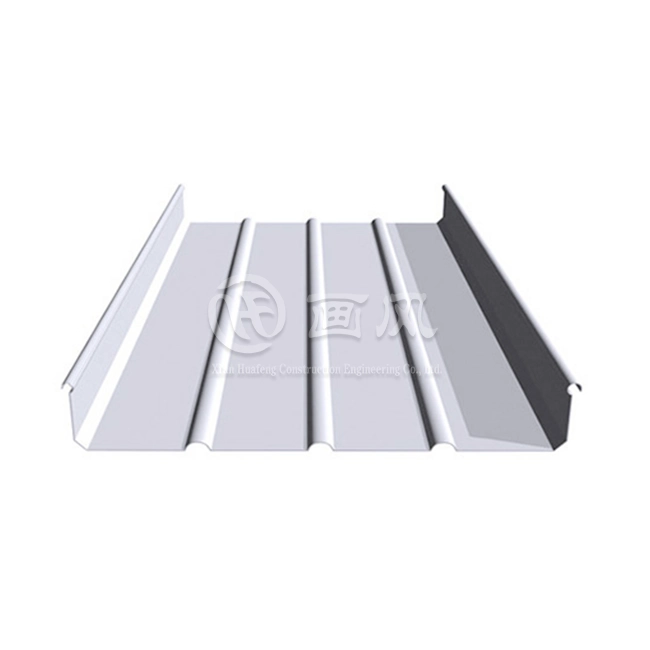
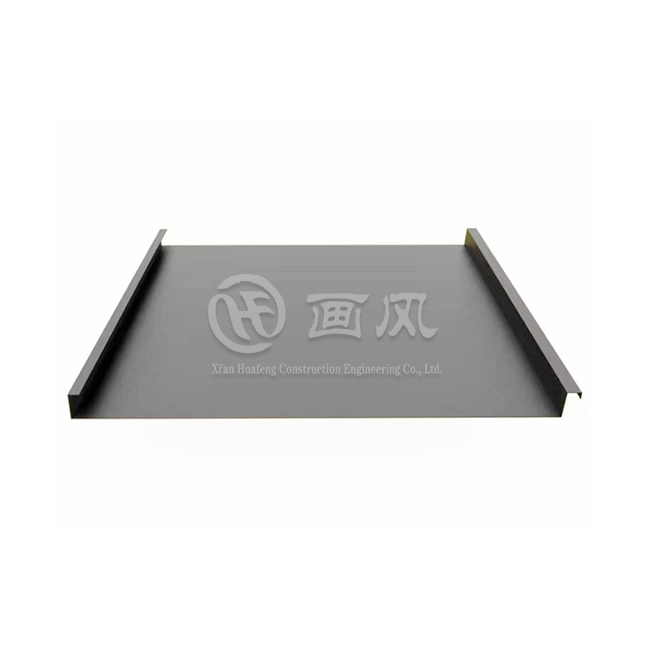
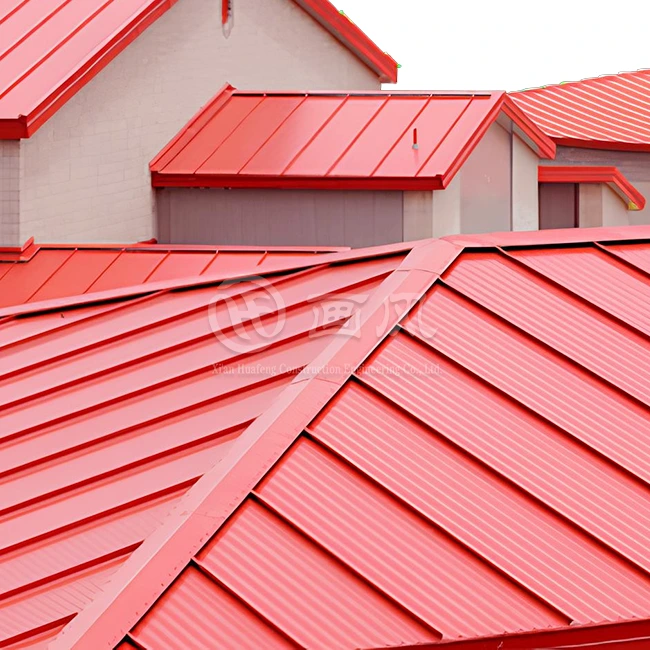
The best metal roofing options are standing seam copper roof panels, which are defined by their vertical rib structure and hidden fastening systems. This system is different from flat lock or batten seam copper roofing because it has raised interlocking seams that connect panels without leaving screws or nails out in the weather. Most of the time, the panels are made from either C11000 electrolytic tough pitch copper or C12200 phosphorus deoxidized copper, both of which are purer than 99.9%.
What Defines Premium Copper Roofing Systems
The technical design of these panels solves basic roofing problems that have been bothering the building industry for many years. The hidden clip assembly connects to the base, like solid plywood or heavy-gauge steel decking, while still letting the copper stretch and shrink freely. Copper has a temperature expansion coefficient of about 16.8 µm/m·K. This floating mechanism works with that coefficient to keep the fasteners from breaking or buckling, which happens a lot in hard connection systems.
The panels age and acquire a patina to protect themselves. They pass from bright copper to dull brown cuprous oxide and eventually produce the recognizable green verdigris, a compound of copper sulphate and carbonate. This passivating coating not only improves the appearance of the surface , it also prevents rust from forming , which means that it might last for over 100 years . This natural kind of protection is especially convenient for commercial projects at the beach, since the patina defends against salt spray damage which quickly decays less resistant materials.
Key Advantages for Commercial and Industrial Applications
Standing seam copper roof panels are popular with business-to-business clients because they solve multiple practical problems at once. The hidden fastening gets rid of thousands of possible leak points that happen on visible fastener roofs, where washer wear makes care a headache. Copper naturally stops algae and bacteria from growing, which means it doesn't needs to be cleaned as often and saves money on work. Because the material is flexible, it can be shaped into complex curves, domes, and barrels without cracking from overuse. This lets architects realize their most ambitious design ideas in a way that steel or aluminum can't.
Copper panels are environmentally friendly and meet all the standards for LEED certification and green building laws. The material can be recycled repeatedly without sacrificing any of its quality, and it still takes less energy to produce than steel or other metal options. Copper is good for energy conservation because it conducts heat well. When used with appropriate flooring systems, it can help industrial buildings to use less energy. These panels are used in a wide variety of projects, from restoring museums, to building airport terminals, to meet both performance standards and green building standards.
They are a fixture in high-end commercial buildings such as hotels, government offices, university campuses and hospitals since they are durable and need little maintenance. The panels perform well in extreme conditions; they can withstand temperatures from -50°C to 150°C, which means they are suitable for use in research stations in the Arctic and resorts in the desert.
Global Supplier Landscape for Copper Roofing Solutions
There are clear regional strengths in the international market for standing seam copper roof panels. North American suppliers often stress quick delivery times and large technical support networks to attract contractors who need help right away during installation. European makers have built their names on heritage craftsmanship and strict adherence to standards for architectural preservation. This makes them the best choice for projects that need to restore historical buildings. Asian manufacturers are competing more and more on their ability to customize products and their low prices, especially for big orders.
Evaluating Manufacturer Capabilities and Certifications
Certifications and testing methods make it clear how the quality of different providers differs. The standard is ISO 9001 certification for quality management, but better manufacturers also have ISO 14001 systems for environmental management and can provide material certificates that can be linked to specific copper ingots. There is a way to tell the difference between serious industrial suppliers and commodity vendors: third-party testing documentation for wind uplift resistance (UL 580), water penetration (ASTM E1646), and air infiltration (ASTM E1680).
How warranties are set up shows how confident the maker is. Standard products come with 30-year material warranties that cover flaws in the manufacturing process and the purity of the finish. However, the best sellers extend these warranties to 50 years or offer performance promises that cover things like patina development and corrosion resistance. The level of support after the sale is also important. Suppliers who offer on-site installation training, technical troubleshooting hotlines, and replacement panels show that they are committed to the relationship beyond the sale.
Customization and Lead Time Considerations
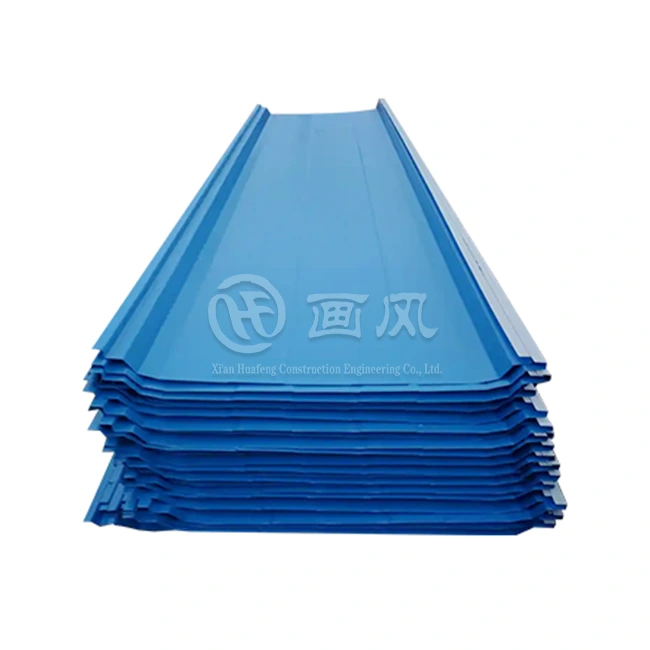
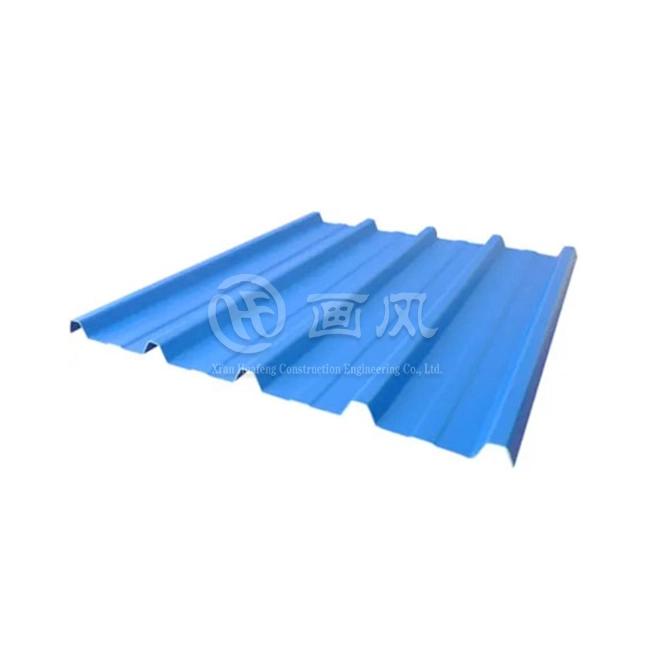
Xi'an Huafeng Construction Engineering Co., Ltd. is an example of a company that balances standards with adaptability. Their standing seam copper roof panels come in a range of specifications, such as 25-330/400/430, 32-410, 45-400, and 65-400/430, so they can be used with a variety of building types. Panel thicknesses between 0.6 and 0.7 mm are good for most industrial uses, and surface treatments like PVDF and PE coatings can be used instead of natural patina development for clients who need to meet certain artistic deadlines.
The company's 15–20-day delivery window shows how well they schedule production, which solves one of procurement's biggest problems: lead times that are hard to predict and throw off project schedules. Their ability to process unique RAL colors along with standard ones makes it possible for buildings made of different materials to look good together. They have 200,000 square meters of factories in Anhui and processing plants in Hangzhou and Xi'an. This way, they can keep up with production, which keeps the supply chain running smoothly.
How to Select the Right Supplier for Your Project
To choose a supplier for standing seam copper roof panels, you need a system that takes into account many success indicators and project goals. Checking the purity of the copper meets ASTM B370 standards is the first step in judging the quality of a product. You can do this by asking for mill test results that confirm the makeup. Check example panels to make sure they are all the same width, that the seams are all the same shape, and that the edges are finished correctly so that they don't get damaged during handling or installation.
Cost Analysis Beyond Initial Pricing
To figure out the total cost of ownership, you need to look at more than just the price per square foot of panels. Standing seam copper roof panels cost more up front than aluminum or copper panels, but a look at their lifetime costs shows that they are more cost-effective in the long run. If you put a copper roof correctly, it won't need much upkeep for more than 50 years. You won't have to pay for covering, sealing, or panel replacements. Roofs made of aluminum may be 40–60% less expensive at first, but they need to be painted every 15–20 years and replaced completely every 40 years.
Differences in how well energy is used also affect operating costs. When combined with the right insulation, copper's thermal mass and reflective qualities can cut cooling loads by 10 to 15 percent in hot climates. This can save a lot of money on energy bills over many years. Long-term property owners care about salvage value. Copper keeps 70–85% of its original material value at the end of its life, which means it can be recovered much more easily than treated steel or asphalt systems.
Negotiating Volume Purchases and Custom Orders
Large projects that cover 10,000 square feet or more give you more negotiating power. Ask for tiered pricing that takes into account promises to buy a lot of items, and look into combined shipping options that lower the cost of shipping each item. If your project needs custom panel lengths longer than 12 meters, talk to your seller early on about whether or not the panels can be made. Some suppliers can handle special runs with different minimum order numbers.
When negotiating payment terms, the project's cash flow should be taken into account. Progressive payment plans based on fabrication milestones (30% deposit, 40% when production is complete, and 30% upon delivery) balance the buyer's need for operating capital with the supplier's need to handle risk. For orders over $100,000, you should ask for performance bonds to protect yourself in case the goods aren't delivered or the specifications aren't met.
Installation and Maintenance Best Practices
Whether standing seam copper roof panels last the full 100 years they are supposed to or break down before then depends directly on how well they were installed. Installers must understand how thermal movement works, the right clip spacing, and how to use the seaming tool in order to use the standing seam copper roof panels method, which is different from exposed fastener systems. Not enough clip space (more than 16-inch gaps) lets panels move around too much, which can wear down seams, and clips that are too tight stop panels from expanding as they need to.
Maintenance Protocols for Commercial Applications
No matter how low-maintenance copper roofing is thought to be, it still needs some care. During yearly checks, gutter and valley waste should be cleaned out because organic buildup can trap water and cause corrosion in certain areas. Every 20 to 30 years, the sealant joints at flashings and penetrations need to be checked because they are the system's main weak spots. It is important to keep an eye on the patina development and not mess with it. Trying to clean or shine copper surfaces will remove the protected layer and start the oxidation cycle all over again.
For projects in industrial settings with a lot of sulfur dioxide, checking them more often helps find trends of faster rusting. Marine installations should be rinsed with fresh water every so often to get rid of salt buildup, but copper's natural resistance to corrosion should be enough for most coastal exposures. Written maintenance plans raise the value of a home and show insurance companies and potential buyers that the owner is a good steward.
Where and How to Buy Copper Roofing Panels
There are trade-offs between ease of use, cost, and help access when choosing a purchasing method for standing seam copper roof panels. When buyers deal directly with manufacturers, they can get the best prices and most customization options, but they have to handle transportation and technical details on their own. For a small price increase, regional wholesalers offer local access to inventory and installation recommendations, which is helpful for projects with tight deadlines. You can find more suppliers online, but they have to go through a lot of checks to make sure the quality isn't compromised.
Crafting Effective RFQ Documents
Request-for-quotation documents should include the size of the panel profile, the total square footage (with a 10% overage allowance), the copper grade (C11000 vs. C12200), the patina state (natural vs. pre-oxidized), and any special color needs. Include clear goals on the project plan that show when things need to be delivered, and ask for quotes that break down the costs of materials, freight, and extras like clips, fasteners, and trim pieces.
In the technical specification parts, you should list the relevant standards (ASTM B370 for copper sheet specifications and ASTM B152 for plate specifications) and the testing records that are needed. Ask for the warranty terms in writing, including what the warranty covers, how to file a claim, and any upkeep requirements that will void the guarantee. Response times from suppliers of 5 to 7 business days strike a good mix between care and project speed.
Conclusion
To find standing seam copper roof panels, you have to balance scientific requirements, the supplier's skills, and the overall cost of ownership. Investing in high-quality materials from certified manufacturers pays off in the long run through longer service life, less maintenance, and better performance in harsh climates. Purchasing managers who put source dependability, customization options, and extensive support networks at the top of their list of priorities set up their projects for long-term success that makes the original cost premium over other roofing materials worth it.
FAQ
1. How long do copper roof panels typically last?
When placed correctly, standing seam copper roof panels usually last longer than 100 years. In fact, some historical buildings in Europe have roofs that have been used for more than 200 years. To make something last a long time, it's important to install it correctly so that it can move with the temperature, use high-quality materials that meet ASTM B370 standards, and choose the right fasteners to avoid galvanic corrosion. Commercial systems should last between 75 and 100 years before they need major repairs.
2. Can I order custom-sized panels for unique architectural requirements?
Custom panel lengths of up to 12 meters are possible with most makers, and useful panel widths range from 300 mm to 600 mm. With different minimum order numbers, you can get custom specs like different thicknesses (0.5mm to 1.0mm), different seam heights (25mm to 65mm), and pre-oxidized finishes. Talking about the need for customization when making the initial questions helps providers give accurate price estimates and feasibility studies.
3. How does copper maintenance compare to aluminum or zinc alternatives?
Copper needs a lot less upkeep than aluminum, which needs to be painted every 15 to 20 years to keep its corrosion resistance and good looks. Like copper, zinc forms a protective patina over time, though it does so more slowly. Both zinc and copper can heal themselves after being scratched. Copper's natural antimicrobial properties stop algae and germs from growing on covered metals, which means the roof will need to be cleaned less often and cost less to maintain over its lifetime.
Partner with HF for Premium Copper Roofing Solutions
Xi'an Huafeng Construction Engineering Co., Ltd. stands ready to support your next commercial roofing project with industry-leading standing seam copper roof panels backed by 30-year material warranties. As an established standing seam copper roof panels manufacturer, we combine advanced manufacturing capabilities—including seven color coating production lines and automated fabrication equipment—with responsive technical support that guides projects from specification through installation. Our shipping times of 15 to 20 days and custom setup choices, such as multiple specification profiles and RAL color matching, make sure that your project stays on track and meets all of the architectural needs. Contact our team at huafeng@hfmetalroof.com to talk about your unique needs and get quotes that are tailored to the size and timing of your project.
References
1. American Society for Testing and Materials. Standard Specification for Copper Sheet and Strip for Building Construction (ASTM B370-20). West Conshohocken: ASTM International, 2020.
2. Copper Development Association Inc. Copper in Architecture: Design Handbook. New York: CDA Publications, 2019.
3. National Roofing Contractors Association. The NRCA Roofing Manual: Metal Panel and SPF Roof Systems. Rosemont: NRCA, 2021.
4. Revie, R. Winston, and Herbert H. Uhlig. Corrosion and Corrosion Control: An Introduction to Corrosion Science and Engineering. 4th ed. Hoboken: John Wiley & Sons, 2008.
5. Copper Alliance. Sustainable Copper: Environmental Profile of Copper Products. Brussels: International Copper Association, 2020.
6. Building Research Establishment. The Durability of Copper Roofing and Cladding: A Technical Review. Watford: BRE Publications, 2018.





YOU MAY LIKE