How to choose the right inside lock metal wall panels for office interiors
2026-08-12 17:50:23
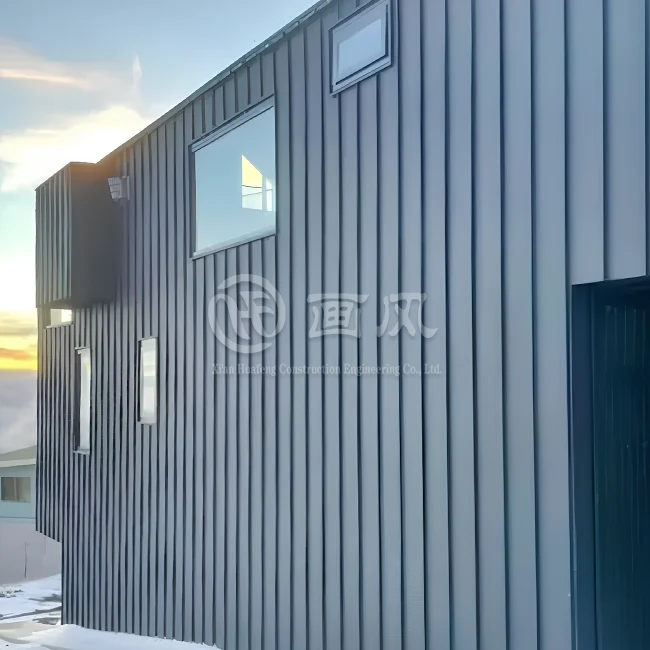
When balancing functionality and aesthetics, choosing a wall system for your office remodel or new construction may be daunting. Inside lock metal wall panels combine hidden fastening technology with outstanding durability, making them suitable for professional situations that value clean lines and dependability. These panels' innovative interlocking mechanism conceals all structural hardware under the apparent surface, producing a seamless look while retaining structural integrity. Understanding this system's technical specs and practical benefits will help you make informed judgments that balance budget limits and quality results as a commercial developer procurement manager or corporate interiors contractor.
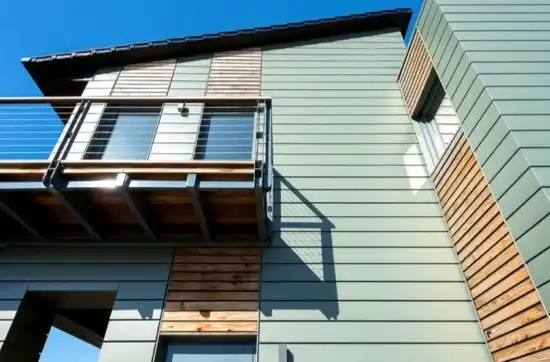
Understanding Inside Lock Metal Wall Panels: Features & Benefits
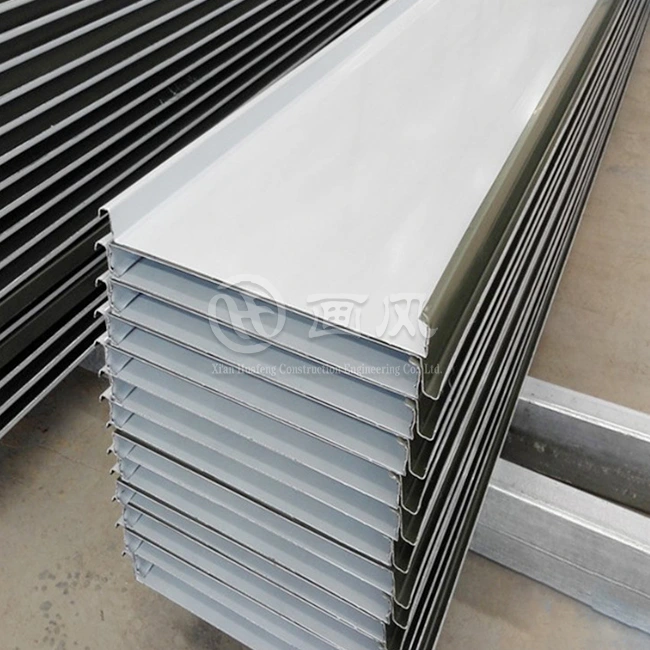
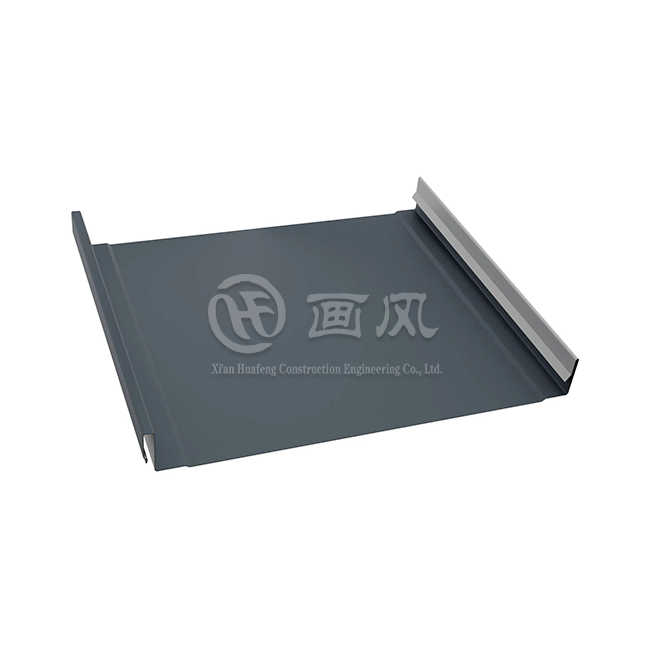
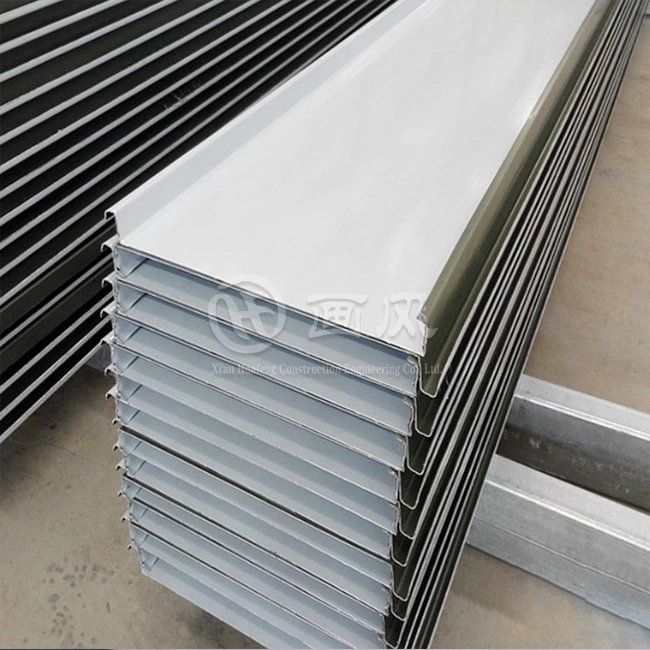
Inside lock metal wall panels are different from other wall covering systems because of how they are made. They are made from high-strength aluminum alloy types AA3003, AA3004, and AA5005 or galvanized steel substrates (SGCC), and they work very well in a wide range of environmental situations. The thickness ranges from 0.6mm to 1.5mm, which lets makers make specs that are specific to load needs and sound performance goals. This system is really unique because it has its own inside locking mechanism, which is a snap-fit or plug-in structure that connects panels next to each other through interlocking edges that are hidden inside the wall assembly.
This design philosophy has real benefits for office spaces. The hidden fastening system gets rid of screws that can be seen. This makes a single surface that looks better when it comes to large wall areas. With Class A non-combustible ratings according to GB8624 standards, fire safety is easier to handle, and strict business building rules can be met without the need for extra fire-retardant treatments. The panel-to-keel air gap is good for sound because it acts as a sound buffer and achieves STC ratings above 30 dB. This is very important for open-plan offices where noise control directly affects productivity.
Surface finish choices like HDP, PVDF, and PE coats protect and look good at the same time. PVDF fluorocarbon finishes, which have been tested by SGS to meet AAMA 2605-22 standards, are more resistant to UV light and keep their color for more than 10 years when exposed to direct sunlight. Chemical resistance tests show that the coating can handle common cleaners, mortar contact, and window cleaner applications without blistering or losing its adhesion. These features mean lower lifecycle maintenance costs, which is important for facility managers who are in charge of multiple locations.
The thermal performance stays the same from -50℃ to +80℃, so it can be used in both climate-controlled rooms and intermediate areas like hallways that are open to the outside. The material's coefficient of thermal expansion can be predicted, which lets you make sure that the joints are properly detailed so that they don't buckle or form gaps over time. This dependability lowers the chance of callbacks and guarantee claims, which protects the contractor's image and the relationship with the client.
Key Criteria to Consider When Choosing Inside Lock Metal Wall Panels for Offices
Any choice about a standard is based on technical compliance. International building codes can be followed with inside lock metal wall panels that meet ASTM, DIN, JIS, BS, and GB/T standards. This is especially important for multinational companies that want to standardize finishes across regional offices. Independent lab reports should be included in fire resistance paperwork to confirm reaction-to-fire classifications. For example, our SGS-tested aluminum panels met all the requirements of AS/NZS 1530.3:1999, going above and beyond what is usually expected in business. They had a zero ignition index, no flame spread, and minimal smoke development (0–1 range).
Evaluations of durability must go beyond the initial installation. Check the coating's ability to stick to things by testing it in hot water (5B adhesion grade) and making sure it can withstand impacts (standard drop tests should not cause cracks). Panels with 30-year warranties show that the maker is confident in their long-term performance. However, make sure that the guarantee covers more than just manufacturing flaws. It should also cover coating degradation, panel deformation, and base rust.
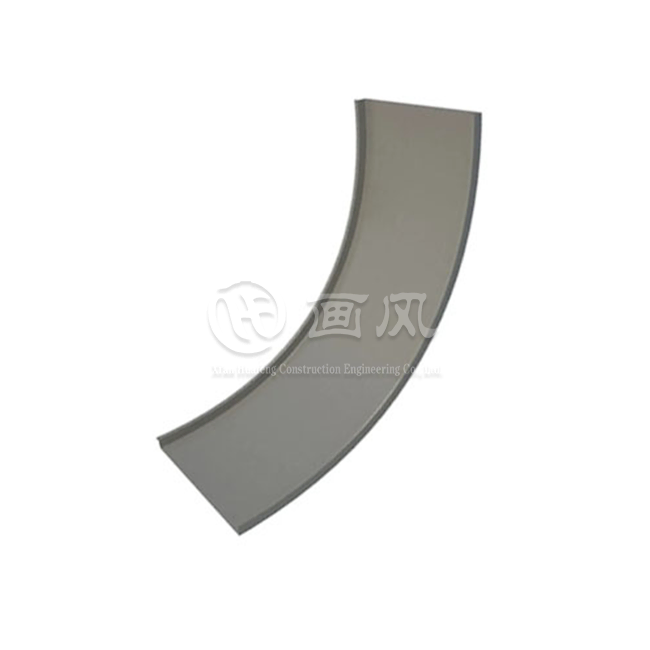
The ability to customize how something looks has a direct effect on design freedom. Standard widths range from 300 mm to 600 mm, which works for flexible planning. Custom length construction up to 12 meters keeps horizontal seams to a minimum in high-traffic areas like waiting halls. Advanced suppliers offer pattern customization and metallic finishes that look like natural materials without the upkeep. Color matching goes beyond simple RAL choices. Ask for samples to be seen in the lighting conditions of your project, since fluorescent vs. LED lighting changes the color temperature and sheen that are seen in a big way.
Timelines and worker prices are affected by how well installations are done. The inside lock mechanism lets a single installer put up a panel without using heavy tools, which means that a smaller crew is needed than for mechanically seamed systems. Installation rates usually run from 15 to 25 square meters per worker per day, but this depends on how hard the wall is to get to and how complicated it is. If your supplier doesn't give you detailed shop drawings that show keel layouts, expansion joint locations, and trim details, you may have to wait longer or do more work in the field.
The total cost of ownership, not just the unit price, should be included in the cost study. A seller with panels priced at $18 per square meter, 15-day lead times, and a 500㎡ minimum order quantity may be a better deal than one with panels priced at $15, 60-day wait times, and special tooling fees. Think about the freight costs for aluminum's light profile (a normal 3.2 kg/m² surface density) compared to steel options. On cross-country projects, shipping costs make up 8–12% of the completed cost. When coordinating multiple project stages or standardizing finishes across a company's real estate assets, bulk buying programs that offer savings based on volume become a good financial idea.
Comparing Inside Lock Metal Wall Panels With Other Panel Types
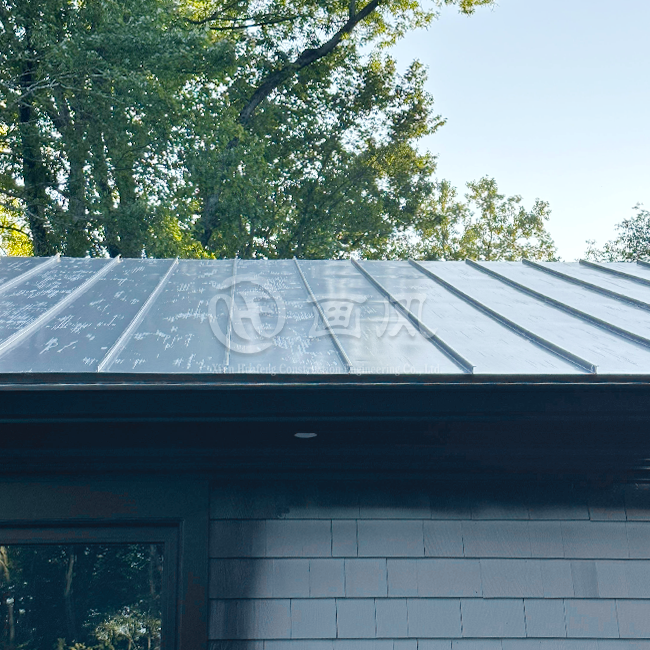
Inside lock metal wall panels are compared to other types of panels because the commercial cladding market presents numerous alternatives, each with distinct performance profiles. Even though snap lock roof panels use the same hidden fastener technology, they are made for horizontal uses that have different load lines and weather sealing needs. When roofing panels are attached to vertical walls, they lose some of their ability to handle thermal expansion. This means that joints could fail in well-conditioned interiors where temperature differences are small but humidity changes are big.
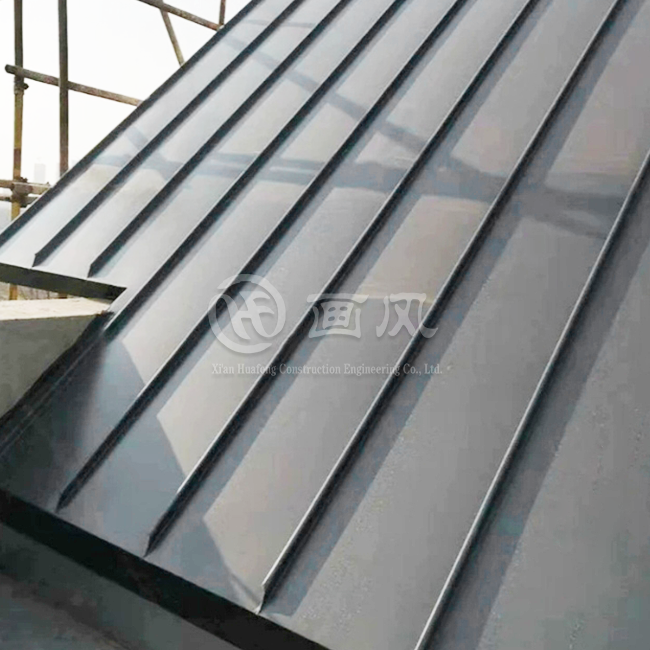
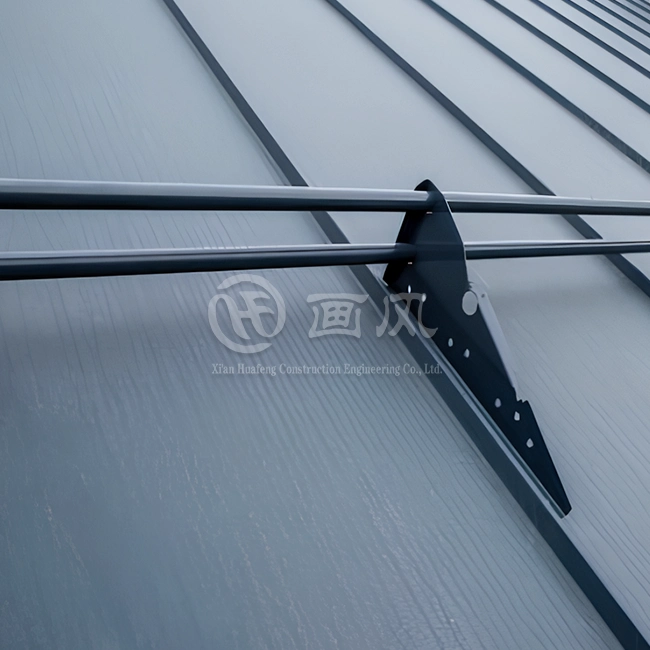
When used outside, standing seam systems are better at withstanding the weather, but when used inside, they can be hard to look at. The raised vertical ribs that give the structure stiffness and let water escape create clear shadow lines when lit from inside, highlighting the flexibility of the panels instead of creating the smooth look that most corporate designers want. Mechanical seamers need special training and tools to do their job, which makes installation more difficult and raises labor costs by 20 to 30 percent compared to inside lock metal wall panels.
Traditional wood wall panels are warm and natural, but they need more maintenance than metal systems. Wood has to be refinished regularly, may be harmed by moisture in air-conditioned rooms with variable humidity, and produces volatile organic compounds (VOCs) while people are inside, making it difficult to handle according to fire rules. Metal panels that fulfill EU RoHS criteria did not include all 10 hazardous chemicals, according to SGS testing. These non-offgassing panels provide LEED v4 and Materials & Resources credits.
The difference between an inside lock and an outside lock needs to be carefully looked at. Outside lock systems show fastening clips on the panel face, which makes straight lines every 300–600 mm that block clear views. Having dust build up in clip recesses makes cleaning harder, which is a big problem in healthcare offices or administrative spaces next to cleanrooms. Vandalism is also possible in semi-public places like the lobby of a multi-tenant building where gear is left out in the open. Inside lock metal wall panels fix these problems by moving all the mechanical parts to the back, which is hidden. This makes the system safer and easier to keep.
Procurement and Supplier Selection for B2B Buyers
Finding qualified inside lock metal wall panels sellers takes more than just believing what the marketing says. Give more weight to manufacturers whose facilities are certified and have ISO 9001 quality management and ISO 14001 environmental systems in place. When planning large-scale rollouts, production capacity is important. Suppliers with three factories, seven production lines, and 40 or more processing machines have the infrastructure to keep up 1,000 tons of monthly output without affecting lead times during busy construction seasons.
Portfolios of certifications show professional know-how and access to the market. When a provider is SGS validated across three different testing methods (combustion performance, RoHS compliance, and AAMA coating standards), it shows that they are committed to third-party verification rather than self-certification. Ask for test records that are special to the alloy grade and coating type you want, because the results are very different depending on the two. If a supplier only gives you general paperwork, they might not have any control over the production of the panels you receive.
The way prices are set should encourage projects to be as efficient as possible without lowering the standard. Starting at 500㎡ MOQ, the volume discount levels are right for single-floor office improvements. For phased campus projects, the discounts at 2,000㎡ and 5,000㎡ are more appropriate. Clear lead time commitments—15 to 20 days for common configurations—allow for realistic ordering of projects. Be wary of sellers who quote delivery times that are too short and then break down when the order is actually processed, causing delays in all the trades that rely on it.
Support after the sale distinguishes manufacturing partners from transactional vendors. Comprehensive warranties cover material faults, coating performance, and structural integrity for 30 years. The enforcement of these guarantees is as crucial as their financial protection. Suppliers with regional service networks or recognized dealer relationships in the US assist clients after shipping. Check claims processing and warranty response times.
Technical support makes the planning and installation stages go more quickly. Suppliers who offer AutoCAD details, BIM objects, and three-dimensional renderings of wall assemblies cut down on the time it takes for architect and engineer teams to develop designs. Installation training programs, which can be on-site or through video recordings, help contractors learn faster and make fewer mistakes in the field. Having access to application engineers who can look over project-specific issues like odd shapes, integrating with existing structures, and thermal bridging issues is more valuable than just getting standard panels.
Installation and Maintenance Best Practices for Office Interiors
Proper substrate preparation determines long-term panel performance. Light steel keel systems need to be plumb and level within 3 mm over 3-meter lengths because inside lock metal wall panels show foundation flaws more clearly than gypsum or cloth systems. Keel spacing is usually between 400 mm and 600 mm on center, with less space between them near openings and panel ends to keep stress from building up. Check that the keel gauge meets the designed load requirements. For normal internal walls, 16-gauge steel is enough, but in seismic zones, full-height walls need 14-gauge steel.
To keep things in line, the inside lock activation process follows a certain set of rules. Starting at a corner or clear edge, the first panel fits into the base trim so that its closing edge faces the direction of installation. When the second panel comes up at a shallow angle (about 30 degrees), it fits its male edge into the fitted panel's female lock. When you press hard along the joint height, the interlock snaps shut, which you can hear to prove that it is properly engaged. When you try to force panels into place at right angles, you damage the locking tabs, which leaves gaps and breaks up the seamless look.
Buckling doesn't happen in places where the temperature changes because of thermal expansion accommodation. Metal panels increase by about 0.02 mm per meter per degree Celsius. This means that the ends and holes in the panels need to have 3–5 mm of relief space around them. Flexible sealants (polyurethane or modified silicone formulas) that can handle ±25% joint movement can handle this growth while keeping the joint's appearance. Don't use rigid caulks or sticky bonds along the sides of panels because they cause stress waves that cause oil canning, which is waviness that can be seen on the faces of the panels.
To keep the coating's integrity during cutting and fabrication, the right tools must be used. When you use a circular saw with a carbide-tipped blade (60 to 80 teeth), you can cut edges with less burrs and coating delamination. Nibblers are good for making bent cuts or holes in circles, and they don't make heat that breaks down fluorocarbon finishes. To keep corrosion from starting at the uncovered base, all cut edges need to be touched up with coating repair pens that come from the maker. CNC bending tools make sure that the folds are clean at trim transitions and that the finish doesn't crack at bend angles.
To make sure compliance, maintenance protocols should stress how simple they are. Cleaning every three months with pH-neutral soaps and soft-bristle brushes gets rid of dust buildup and keeps the layer shiny. Areas with a lot of foot traffic may need to be cleaned once a month, especially near entry doors where people touch each other. Do not use steel wool, abrasive cleaners, or solvent-based products that can damage the coating matrix. Joint state, fastener tightness (where possible), and any collision damage that needs panel replacement should all be recorded during annual checks.
Soundproofing improvement methods improve the soundproofing performance above and beyond what the panel assembly can do on its own. Adding acoustic insulation batts (made of fiberglass or mineral wool) to the keel hole raises the STC rating by 5 to 10 points. This works especially well in the mid-frequency ranges (500 to 2000 Hz), where speech clarity problems occur. Using acoustical caulk to seal holes in the panel system stops side transfer, which lowers the wall's performance. If you don't want to create sound bridges, don't use rigid connections between the metal panel system and nearby structural elements.
Conclusion
When choosing inside lock metal wall panels for the inside of an office, you have to weigh the panels' technical performance against your goals for how they look and your budget. Compared to traditional materials, these systems are better at resisting fire, controlling noise, and being easy to maintain. Their hidden fastening technology also gives them the clean, professional look that business settings require. Checking the certifications of suppliers, knowing what needs to be done during installation, and building relationships with makers that offer full help after the product is delivered are all important parts of successful buying. Procurement pros make smart choices that keep projects on schedule and keep clients happy by looking at things like durability standards, customization options, and total lifetime costs instead of just the original unit price.
FAQ
1. What is the typical installation timeline for inside lock metal wall panels in a 5,000 square foot office space?
It usually takes 8 to 12 working days to place inside lock metal wall panels in a normal 5,000-square-foot office makeover, as long as the substrate is properly prepared. This schedule includes checking the keel system, putting in the panels, installing the trim, and doing the last cleaning. Actual time depends on how complicated the wall is, how many holes are in it, and how experienced the crew is.
2. Can these panels work in high-humidity environments like cafeterias or break rooms?
When it comes to high humidity inside, metal wall panels coated with PVDF or HDP work really well. The top doesn't let water through, which is what makes wood grow or drywall break down. Condensation doesn't build up at the edges of panels as long as there is good ventilation and regular cleaning. Panels that meet ASTM standards don't rust or lose their finish after being exposed to high humidity for a long time.
3. What warranty coverage should B2B buyers expect from reputable suppliers?
When you buy from a good seller, they'll cover standard wear and tear for 30 years, including coating fade resistance, base rust penetration, and structural panel deformation. The warranty terms should make it clear what kinds of damage are not covered, like mechanical damage, improper installation, or exposure to harsh chemicals. Ask about how to file a warranty claim and how long it usually takes for a response before choosing a supplier to make sure you can get help after the installation.
Partner With HF for Your Metal Wall Panel Solutions
Finding a trustworthy inside lock metal wall panels source turns worry about the specifications into project faith. HF has three factories with seven specialized production lines. We maintain consistent quality through strict quality control systems, which earned us SGS certifications for fire performance, environmental compliance, and coating durability. Our tech team knows what it takes to work in a business office setting where both looks and durability are important.
We can keep up a production rate of 1,000 tons per month and offer delivery windows of 15 to 20 days for normal designs. If you need something customized, we can match colors, create patterns, and change sizes to fit your architectural vision. The 500㎡ minimum order quantity can be used for single-floor repairs or campus projects with multiple buildings. Volume pricing is also available to help you stick to your budget.
Our expert help goes beyond just delivering products. We offer AutoCAD details, installation training materials, and application engineering advice to help you solve problems that are unique to your project before they cause delays. Every panel comes with full warranty paperwork and our 30-year performance promise. This isn't just marketing speak; it's real safety for your investment.
To talk about your office interior needs, email our procurement specialists at huafeng@hfmetalroof.com. We'll send you samples of our finish to show you how good it looks in your lighting, give you detailed quotes that fit with the schedule of your project, and put you in touch with our installation partners who know how to use the inside lock system properly. Discover why the most important contractors and developers in the US choose HF as their metal wall panel manufacturer for projects that need to look good and work well.
References
1. American Architectural Manufacturers Association. AAMA 2605-22: Voluntary Specification, Performance Requirements and Test Procedures for Superior Performing Organic Coatings on Aluminum Extrusions and Panels. Schaumburg: AAMA, 2022.
2. ASTM International. ASTM E119-20: Standard Test Methods for Fire Tests of Building Construction and Materials. West Conshohocken: ASTM International, 2020.
3. Green Building Council. LEED v4.1 Building Design and Construction Guide. Washington: U.S. Green Building Council, 2021.
4. Standards Australia/Standards New Zealand. AS/NZS 1530.3:1999 Methods for Fire Tests on Building Materials, Components and Structures - Simultaneous Determination of Ignitability, Flame Propagation, Heat Release and Smoke Release. Sydney: Standards Australia, 1999.
5. European Parliament and Council. Directive 2011/65/EU on the Restriction of the Use of Certain Hazardous Substances in Electrical and Electronic Equipment (RoHS) as amended by Directive 2015/863. Brussels: Official Journal of the European Union, 2015.
6. National Fire Protection Association. NFPA 285: Standard Fire Test Method for Evaluation of Fire Propagation Characteristics of Exterior Wall Assemblies Containing Combustible Components. Quincy: NFPA, 2019.





YOU MAY LIKE