Installation guides and tutorials for inside lock metal wall panels
2026-08-12 17:50:21
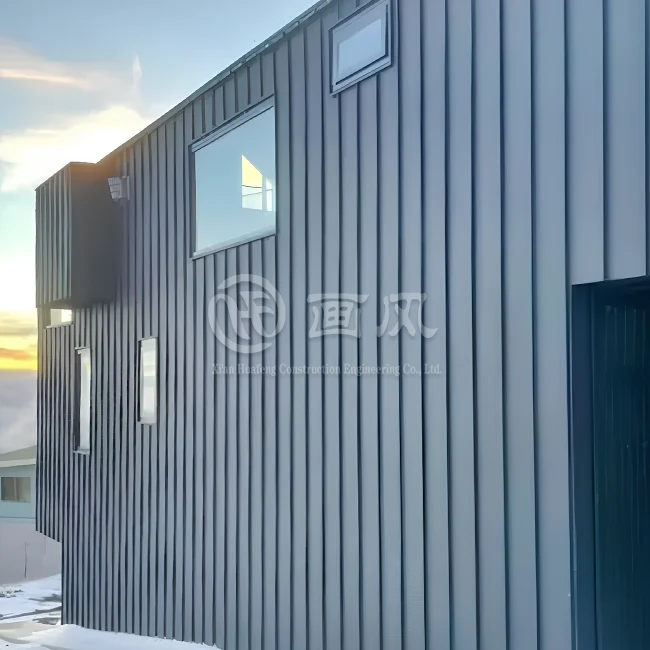
Installing inside lock metal wall panels requires precise execution to achieve the seamless, concealed-fastener aesthetic that defines modern commercial architecture. These panels feature a unique interlocking mechanism where adjacent panels engage through an internal channel system, hiding all fasteners beneath the finished surface. This design eliminates exposed screws that can compromise both appearance and weatherproofing over time. With widths ranging from 300-600 mm and customizable thickness options between 0.6-1.5mm, these systems adapt to diverse project specifications while delivering exceptional durability. Understanding the correct installation sequence prevents common pitfalls like thermal buckling and moisture infiltration that plague improperly installed cladding systems.

Understanding Inside Lock Metal Wall Panels
What Defines Inside Lock Systems
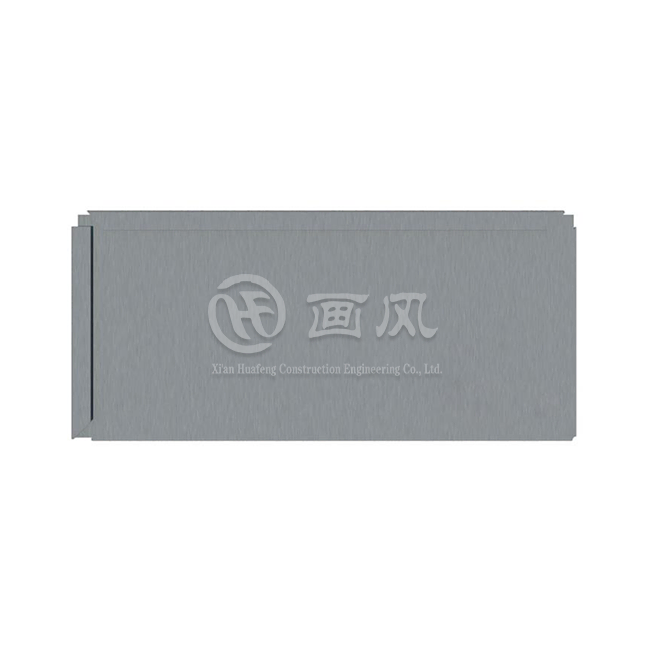
One thing that makes it unique is the locking device that is hidden inside the panel shape. These panels interlock horizontally through perfectly formed edges, unlike exposed-fastener systems that poke holes in the weather shield hundreds of times per elevation. One panel has a male leg that fits into the female channel of the panel next to it, making a continuous weather seal with no obvious connection points. Fastener holes are a major weakness in metal cladding that this method fixes. These holes can become failure points where water and heat build up stress.
Material Composition and Performance Standards
Most inside lock metal wall panel bases are composed of high-strength aluminium alloy grades AA3003, AA3004, and AA5005. Galvanized steel sheet (SGCC) is utilized for stiff projects. Aluminium resists corrosion better than ferrous metals in coastal places where salt spray assaults. Surface coatings include PE, HDP, and PVDF. PVDF blocks UV radiation well. Following AS/NZS 1530.3:1999 requirements, SGS tested six PVDF-coated samples and found none caught fire, showing their Class A fire resistance. All 13 AAMA 2605-22 performance requirements were fulfilled by the coating. These comprised 5B binding scores and blister-free chemical exposure tests. These approvals show the material may be used in high-rise structures with non-flammable assembly.
Dimensional Specifications and Customization
Standard panel lengths range from 300 to 600 mm, so they can be used for both tight rhythmic patterns and large, open areas, based on the design goal. It comes in a thickness range of 0.6 mm for use inside and 1.5 mm for use on windy exterior facades. Custom lengths go up to 12 meters, which cuts down on the number of horizontal joints needed on tall buildings. The panels work well in temperatures ranging from -50℃ to +80℃. They keep their shape even during big changes in temperature that would normally cause cheaper materials to shift or come loose from their fastening systems.
Step-by-Step Installation Guide for Inside Lock Metal Wall Panels
Pre-Installation Preparation and Site Assessment
Verification of the base is the first step to a successful fitting. The supporting structure, which is usually light-gauge steel framing, needs to be flat within 1/4 inch over 10 feet. Deviations outside of this range show up as waves in the finished cladding. This is called oil canning, and it makes the crisp look that customers want less likely to happen. Before the panels come on site, project managers should check the frame with a level and straight edge and write down any changes that need to be made. The way you store your materials is also important. If you don't do it right, panels can get covering damage or edge warping that makes it impossible for them to fit together properly. When possible, panels should stay grouped on raised blocks in climate-controlled spaces, out of the way of direct sunlight and moisture.
Essential Tools and Material Checklist
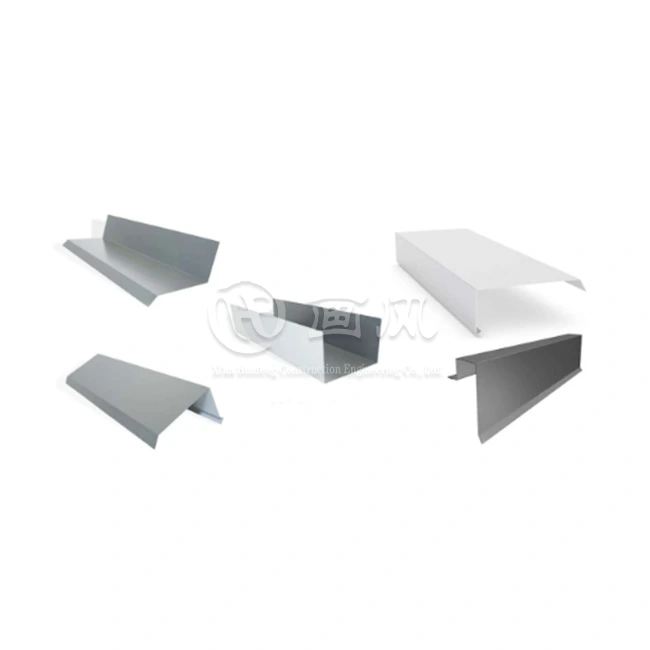
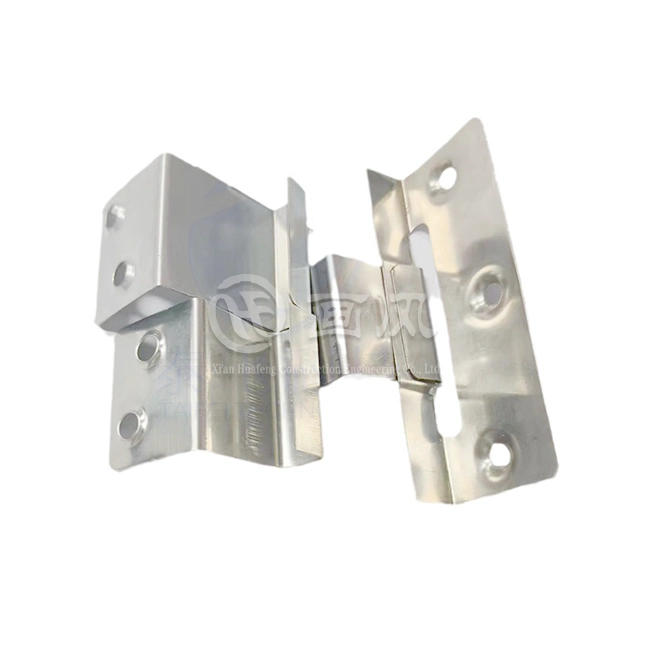
Installers need special tools in addition to regular construction tools for inside lock metal wall panels. CNC bending tools or good hand seamers can make cuts that are clean, don't have burrs, and fit locks easily. Power shears made for coated metals keep the edges from getting damaged by abrasive cutting wheels, which can damage protected surfaces and start rust. Hidden fastener clips that work with the panel shape spread the load evenly across the substrate while letting it move with the temperature. Metal expands and shrinks a lot, and a rigid connection can cause it to buckle. Additional items include panel lifts for safely moving long parts, laser levels for checking alignment, and the right PPE, such as safety glasses and gloves that won't cut.
Installation Sequence and Locking Technique
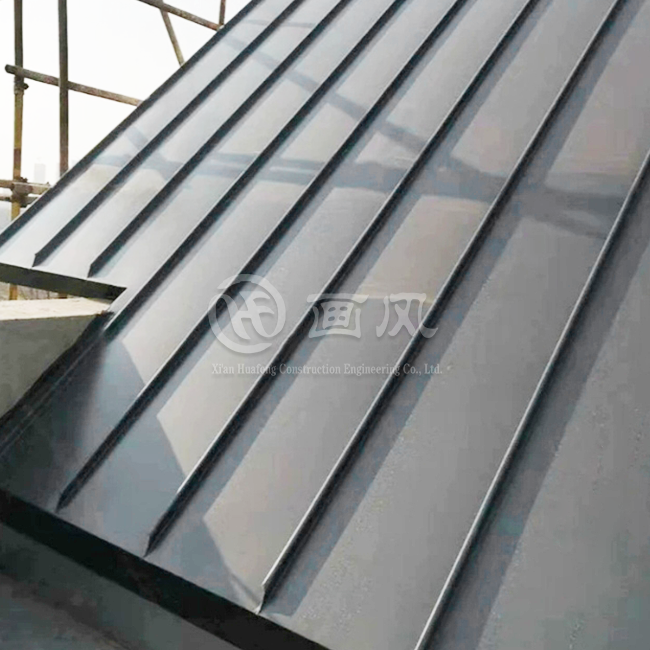
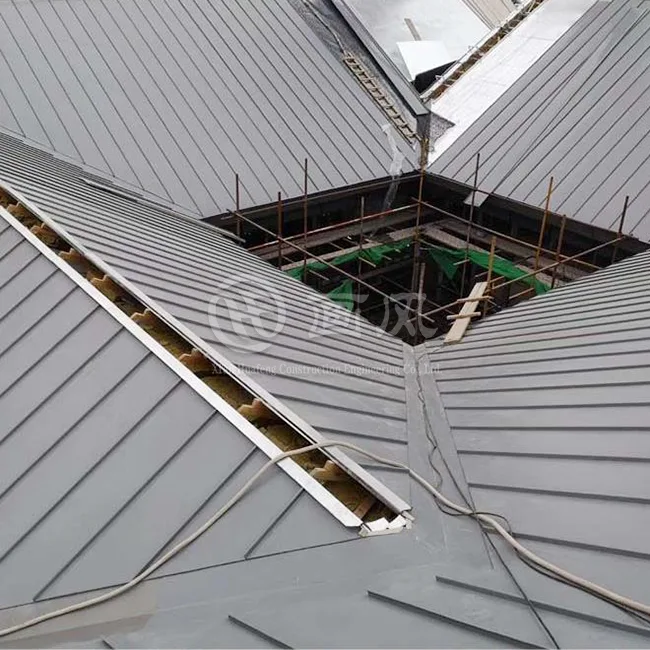
Installation of inside lock metal wall panels begins in one corner and proceeds straight up. Starter panel clips are spaced according to technical specifications. These clips are 12–16 inches apart for regular wind load zones. Higher wind zones need tighter spacing, as structural calculations show. The male edge of the following panel fits into the installed panel's female channel at an angle, then becomes flat until a click confirms locking. This compresses the lock's seals, generating a capillary break that keeps water out. Installers must continually verifying panel alignment since unlevel panels might generate faults on huge areas that are unacceptable. Putting up panels in the heat of summer requires different expansion gaps than in the morning because metal expands as it gets hot.
Addressing Thermal Expansion and Movement Joints
Metal cladding systems need to be able to handle heat growth without any problems. When it gets cold in the winter and hot in the summer, a 12-meter aluminum panel can expand more than 10 mm. Inside lock systems deal with this problem by using floating attachment, in which clips hold the panel firmly enough to stop wind suction while still letting it move longitudinally. At set times, vertical expansion joints appear and are either hidden in the shape of the panel or built into the trim. The type of sealant you use is very important; only high-movement silicone or polyurethane formulas that are rated for ±50% joint movement will stay intact through heat cycles. Cheaper acrylic or latex sealants don't last long and let water in, which damages the insulation and framing.
Maintenance and Longevity Tips for Installed Panels
Routine Inspection Protocols
Setting up a regular inspection plan helps find small problems early on, before they become costly fails. Panel alignment, fastener integrity, and sealant condition should be checked every six months during walkthroughs. Transitions between different materials, roof-to-wall joints, and mechanical equipment penetrations get extra attention because they are places where stress and weather exposure are concentrated. With binoculars, you can look at high facades from the ground, but it's still best to do regular inspections by lift. Inspectors keep records of their finds with photos and notes, keeping track of changes over time that show problems are getting worse.
It's helpful for building owners to know about certain weaknesses. Salty air speeds up corrosion in coastal installations, so they need to be checked more often. Coatings can break down too quickly in industrial settings that release chemicals. Even problems that don't seem serious, like open flashing or broken sealant, let water in and damage the base and finishes inside.
Cleaning Procedures and Surface Care
Cleaning inside lock metal wall panels properly improves their appearance and durability. Dirt against the coating forces water against it, accelerating breakdown. A yearly cleaning with low-pressure water and gentle soap removes dirt and grime without damaging finishes. Washing with more above 1500 PSI may remove coatings or drive water under panels, causing hidden damage. Specialized metal cleaners for particular coatings may remove difficult stains. For instance, PVDF coatings may withstand harsher cleaning than PE coatings, but manufacturers list which cleaners work with each. After cleaning, rinse to prevent soap powder from accumulating grime and streaking.
Repair Protocols and Damage Management
Small dents or scratches might not need a whole new panel. Touch-up paint that is the same color and type as the original layer can fix small flaws, but it's hard to get a perfect match on worn-out surfaces. If the damage goes deeper into the covering, it needs to be fixed more quickly to stop rust from spreading. Damaged parts can sometimes be cut out and replaced with new material, as long as the installers make sure that the panels next to each other can still fit together. This surgical method keeps the integrity of the system and costs less than replacing the whole system. The 30-year guarantee that comes with good panels usually covers problems caused by poor manufacturing, but not problems caused by bad fitting, physical impact, or lack of upkeep. Proof of proper care and quick repairs can help with warranty claims when real problems happen.
Comparison and Procurement Considerations
Performance Comparison with Alternative Systems
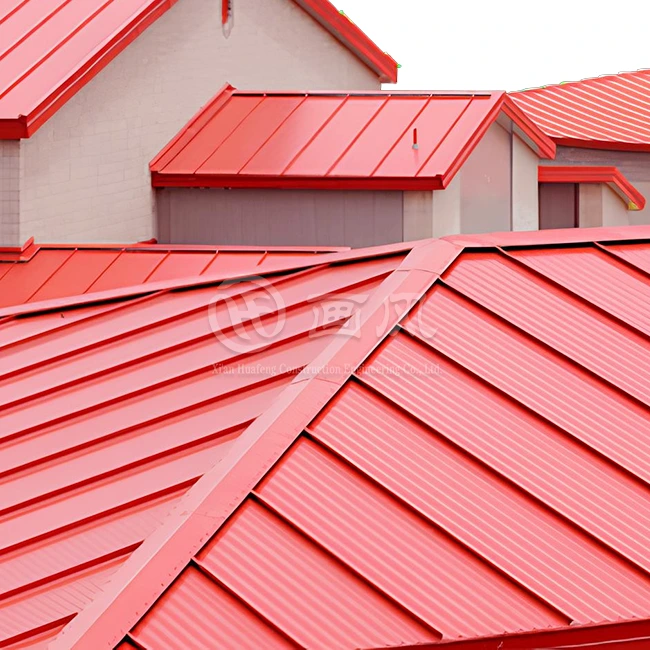
There are clear benefits to using inside lock panels instead of other protection methods. Compared to systems with exposed fasteners, they get rid of hundreds of possible leak points and have better looks that are valued in business building. The hidden connection also lets the temperature change without changing the fastener pattern, which happens a lot with through-fastened panels. Snap-lock options have some of the same benefits, but they usually need special seaming tools and skilled labor to install, which raises the cost of the job. Some builders don't like the way that outside lock systems create lines that show parts of the connecting mechanism. ACM (Aluminum Composite Material) panels look similar, but they aren't as strong as all-metal panels, which can take hits better and keep their fire protection longer.
Cost Analysis and Value Optimization
When making purchases for inside lock metal wall panels, people weigh the initial investment against the costs that will come up over the course of the product's life. It costs more to buy an inside lock system than a simple corrugated panel, but they are worth it because they last longer and need less upkeep. The price of materials depends on the standard. For example, 0.6 mm thick with a PE coating is the basic option. 1.5 mm thick with a PVDF covering costs a lot more but works better in tough conditions. Buyers should ask for detailed cost breakdowns that include the cost of materials, freight, installation labor, and extras like trim and fasteners. If a project's MOQ is higher than 500㎡, there are volume discounts available, and the production wait time of 15-20 days works for most project plans. Customization services for design of color, pattern, and shape are useful when normal options don't match the design direction.
Supplier Selection Criteria
Working with the right manufacturer has a huge impact on the success of a project. International standards should be checked by the procurement team. Certifications from ASTM, DIN, JIS, BS, and GB/T show strict quality control. For big projects, production ability is important. Suppliers with various facilities and a lot of tools can keep supply schedules consistent. HF runs three factories with a total of seven production lines and more than 40 tools. These factories can produce 1,000 tons of goods every month, which means they can work on multiple projects at the same time. SGS approval for fire performance, RoHS environmental compliance, and AAMA coating standards shows a dedication to quality that can be checked rather than marketing promises that can't be proven. Warranty terms also show how confident the maker is. For example, the 30-year warranty on these panels is much longer than the standard in the industry, which shifts the long-term risk from the buyer to the producer.
Troubleshooting and Best Practices for Optimal Installation Results
Common Installation Challenges and Solutions
Misaligned panels are usually caused by uneven substrates or tolerance errors that build up over time. If panels aren't straight, stop right away instead of trying to force them to line up. The root cause needs to be fixed before moving on. Water generally gets in because the sealant wasn't put on well enough at the ends or there was damage during building. If you walk on installed panels, you could bend the profile and break the lock contact. Temporary paths protect finished work while other trades work on it. Thermal buckling means that there isn't enough room for expansion. Panels that are placed tightly and don't have any room to move will bind up when the temperature changes, causing forces that pop locks open or permanently deform the material.
Pre-Installation Handling and Storage Guidelines
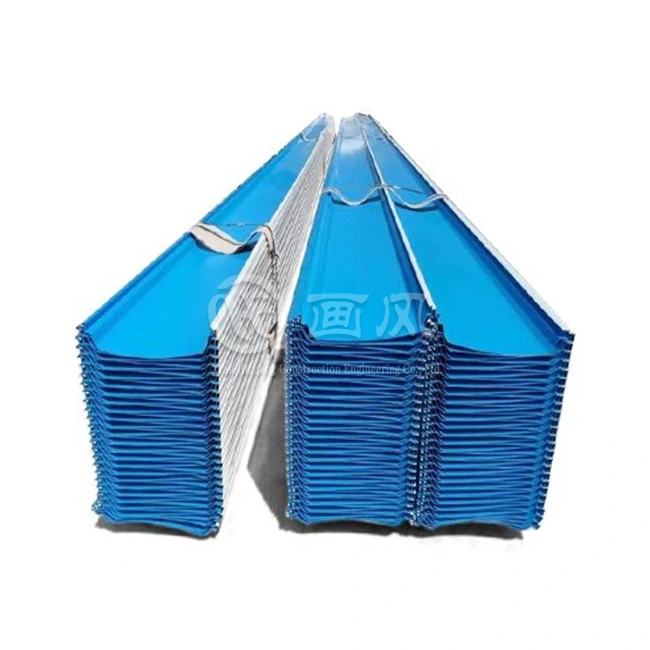
Projects lose time and money when inside lock metal wall panels get damaged while being stored. Panels should stay in their original package until they are installed. This will keep the coverings safe from scratches and UV light. Handle panels by their edges instead of sliding them across each other when unpacking. Even short contact between metals can damage protective finishes. Stage materials close to where they will be installed to cut down on handling and protect them from the weather. Corrosion can start on edges that aren't covered in rain, and condensation that stains coatings is caused by direct sunlight heating packed panels. Set aside specific areas for storage, keep track of your goods, and teach all of your workers how to properly move things.
Post-Installation Quality Verification
Before the project is finished, a full final check confirms the quality of the work. Systematic walk-throughs make sure that every panel locks properly. Panels should sit flush, with even reveal lines and no holes that can be seen. It's important that fasteners are tight, but not so tight that they strip threads or bend clips. Sealant seams need to be checked for gaps, bad bonding, or changes in thickness that could affect how well they work. Trim pieces should fit together tightly, with clean miters and enough fasteners. Take detailed pictures of the finished installation, making sure to include both the overall condition and any specifics. This will help with warranty claims and future maintenance. Hiring professional installers who are qualified by the maker cuts down on installation mistakes by a large amount. Crews that have been trained know the little things that make the difference between good work and great results, which protects the long-term worth of an investment.
Conclusion
For inside lock metal wall panels to be installed correctly, the substrate must be properly prepared, the right tools must be chosen, and regular installation methods must be followed that allow for thermal movement while maintaining precise alignment. The concealed fastener system looks better and protects against weather better than exposed-fastener options, which is why it needs more care during installation. These systems last a long time if they are properly inspected, cleaned, and fixed when they break. This is especially true if they were made to strict standards for things like fire resistance, environmental compliance, and coating performance ratings. Total lifecycle value, not just original cost, should be taken into account when making procurement choices. This can be done by working with makers who can show they have the production capacity, expert support, and warranty backing to protect long-term project investments.
FAQ
1. How long does installation typically require?
Installation time depends on how hard the job is, how high the area is, and how experienced the group is. Standard commercial facades can be put up at an average rate of 150 to 250 square feet per crew day. Complex shapes with a lot of penetrations or difficult entry conditions make work less productive. Schedules are also affected by the weather. For example, wind speeds over 20 mph make it dangerous to handle big panels, and rain stops work. When these things are planned into realistic plans for projects, they avoid the cost overruns and quality problems that come with installing things too quickly.
2. What customization options accommodate specific design requirements?
Manufacturers offer a lot of customization options to fit a wide range of building styles. You can choose colors from standard RAL palettes or have them matched to existing finishes or brand identity needs. You can choose from solid colors, metallic effects, and fake textures that look like wood grain or natural stone. The width and length can be changed to get the best panel structure for each level, with the least amount of waste and joints. Profile changes can add unique features like shadow lines or reveals that make the profile look more interesting. Talking to manufacturers during the design process makes sure that the idea is possible and helps find the best specifications for both looks and cost.
3. When should projects engage professional installation services?
Professional installation is helpful for projects with complicated shapes, high elevations, or strict performance standards. Certified installers who have been trained specifically on installing inside lock systems know the little things that keep mistakes from ruining the system's long-term performance. As a contract requirement, large business projects that need to protect warranties should need contractor certification. For simpler, smaller jobs, experienced general contractors may be able to move forward, but expert support from the manufacturer is still very helpful. When making decisions about a project, it's helpful to weigh the costs of installation against the risks involved.
Partner with HF for Premium Inside Lock Metal Wall Panel Solutions
HF offers complete inside lock metal wall panels that are backed by strict international certifications and a large production capacity. Our three factories run seven separate production lines with more than 40 specialized machines. Together, they make 1,000 tons of goods every month, meeting tight project deadlines without sacrificing quality. As a well-known producer and seller, we offer panels that meet ASTM, DIN, JIS, BS, and GB/T standards. These panels have been tested for fire safety by SGS and are in line with RoHS regulations. They also have excellent AAMA 2605-22 coatings. Each panel comes with a 30-year guarantee, which shows that the company is confident in the materials and the way they are made, which has been improved over many years of business installation experience. Our solutions will perfectly match your building vision and performance needs thanks to customization services for color, pattern, and design details. Email our technical team at huafeng@hfmetalroof.com to talk about the details of your project, get detailed samples, or get bulk pricing for orders that meet our 500㎡ minimum. Our experts help with installation, material selection, and quick responses throughout the entire lifecycle of your project. When you work with HF, you're working with a provider that cares about your long-term success.
References
1. American Architectural Manufacturers Association. (2022). AAMA 2605-22: Voluntary Specification, Performance Requirements and Test Procedures for Superior Performing Organic Coatings on Aluminum Extrusions and Panels. Schaumburg: AAMA Publications.
2. ASTM International. (2023). ASTM E1592-17: Standard Test Method for Structural Performance of Sheet Metal Roof and Siding Systems by Uniform Static Air Pressure Difference. West Conshohocken: ASTM Standards.
3. Standards Australia/Standards New Zealand. (1999). AS/NZS 1530.3:1999: Methods for Fire Tests on Building Materials, Components and Structures - Simultaneous Determination of Ignitability, Flame Propagation, Heat Release and Smoke Release. Sydney: SAI Global.
4. Newman, Alexander J. (2021). Metal Cladding Systems: Design, Installation, and Performance Optimization for Commercial Architecture. New York: Construction Industry Press.
5. European Union. (2015). Directive 2015/863 of the European Parliament and of the Council Amending Annex II to Directive 2011/65/EU on the Restriction of the Use of Certain Hazardous Substances in Electrical and Electronic Equipment. Brussels: Official Journal of the European Union.
6. Patterson, Donald R. & Martinez, Sarah K. (2020). Thermal Movement in Metal Building Envelopes: Engineering Solutions for Expansion Joint Design and Concealed Fastener Systems. Journal of Building Envelope Design, 15(3), 112-134.





YOU MAY LIKE