Can Inside Lock Metal Wall Panels Meet Fire Safety Requirements?
2026-08-12 17:50:19
When correctly designed and installed, inside lock metal wall panels exceed fire safety standards. Non-combustible aluminium or steel substrates that meet ASTM E84 requirements provide these hidden fastener cladding systems Class A fire ratings. SGS testing routinely shows zero ignition indices and flame spread ratings. Aluminium alloys like AA3003 and AA3004 do not burn, and PVDF or polyester coatings resist thermal deterioration provide the panels fire resistance. These panels provide robust fire containment for high-rise commercial facades, institutional buildings, and projects requiring strict life-safety compliance when procurement professionals choose verified manufacturers with fire test reports and specify wall assembly configurations with fire-rated insulation cores.

Understanding Inside Lock Metal Wall Panels and Their Fire Safety Profile
What Defines Inside Lock Metal Wall Panel Systems
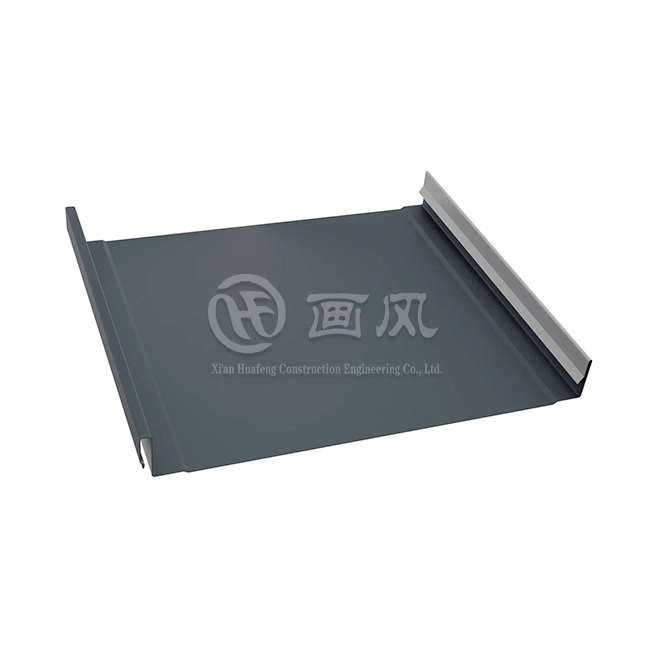
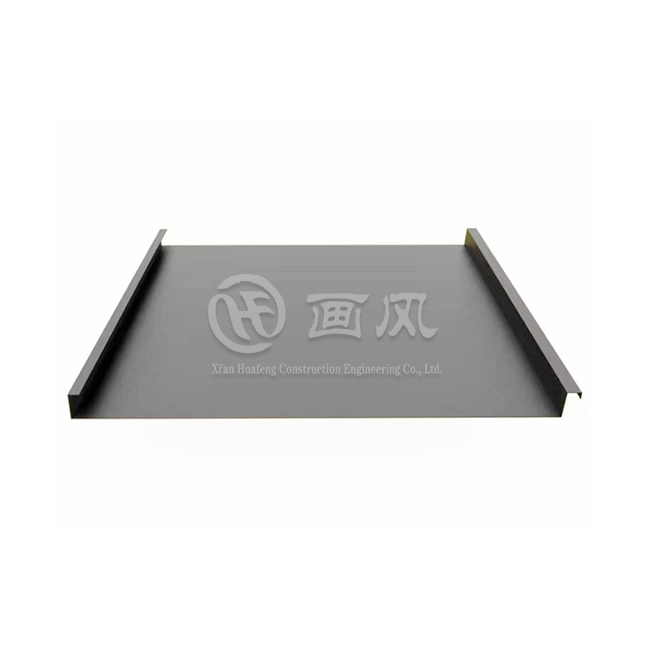
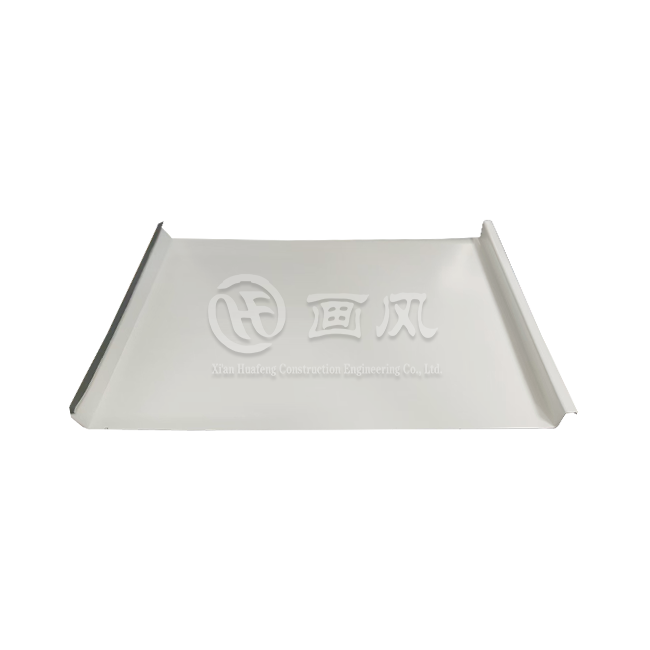
Inside lock metal wall panels are a technological advancement in these systems. These panels are kept in place by concealed clips in the frame and feature a male-female interlock along the vertical edges instead of screws through the weather barrier. Hidden beneath the panel face, the locking mechanism maintains architectural lines clean and lets heat travel, which is vital since metal expands in fires.
Our manufacturers create 300mm–600mm panels with 0.6mm–1.5mm gauge thicknesses. These panels may be customised for each project. The base material affects fire performance. SGCC and aluminium alloys (AA3003, AA3004, AA5005) are non-combustible, however aluminium is superior for high-rise structures with wind and seismic stresses.
Fire Rating Systems That Matter for Commercial Construction
In the US, building codes require particular fire protection testing for wall assemblies. Flame spread index and smoke development are measured by ASTM E84. These are the two measures insurance companies use to price commercial buildings. Class A panels have flame spread values below 25 and smoke growth ratings below 450, making them fire-safe.
UL 263 and ASTM E119 test complete wall assemblies in controlled fires to assess how long they can resist flames and remain undamaged. SGS tested our 3003H24 aluminium panels with PVDF coatings and determined that all six samples tested under AS/NZS 1530.3:1999 typical fire conditions had ignition indices of zero. Heat release was nil, and surface discoloration was minimal. Despite direct heating, the flame did not spread.
Typical Fire Performance Benchmarks
Most inside lock metal wall panels provide 60–120 minute fire protection when correctly installed. Three factors determine the rating: base material, insulating core parameters, and joint assembly. On top of mineral wool insulation with a density rating of 100 kg/m³, panels perform better than those with merely air holes.
Commercial builders seeking LEED approval like metal walls' fuel-free nature. Non-combustible covering prevents serious fires from spreading in the outdoors. These failures turned recent high-rise accidents into tragedies. Purchasing managers see in fire marshal records that these panels are always approved for projects beyond 75 feet, violating flammable material restrictions.
How Inside Lock Metal Wall Panels Work to Resist Fire
Material Science Behind Non-Combustible Performance
At temperatures where organic materials catch fire, aluminum and steel stay solid. Aluminum's melting point (660°C for pure aluminum and higher for structural alloys) is higher than most building fire temperatures during the first hour, when people need to leave the building quickly. Steel can hold its shape up to 540°C before it starts to lose strength significantly.
These metals don't have any hydrocarbons in their solid structure that could turn into gas and fuel fires. When metal is heated, it creates an oxide layer that protects it and slows the heat from getting through. Our inside lock metal wall panels meet GB8624 Class A1 standards, which means they don't contribute any fuel or toxic gases to fires. This is an important difference to keep in mind when choosing materials for places like hospitals and schools where vulnerable people are common.
Coating Chemistry and Fire Resistance
Many specifiers don't understand how much surface finishes affect how fires behave. PVDF (polyvinylidene fluoride) coats are much more resistant to heat than regular polyester systems. PVDF's fluorine-carbon bonds can withstand extended contact to temperatures up to 150°C, and they can also withstand temperatures above 200°C for short periods of time.
SGS evaluated our 3003H24 panels with PVDF coatings according to AAMA 2605-22 criteria and determined that the finish remains adhesive and chemically resistant after being soaked in hot water, indicating firefighting humidity. Both dry and wet, the coating had 5B adherence, the best. It won't come off when hoses strike hot walls.
It is cheaper to use polyester and HDP (high-durability polyester) coats for projects that need to stick to a budget, but they still meet Class A flame spread standards. Important detail: the thickness of the layer is important. Our standard PE finishes go on at least 25µm thick, while PVDF systems go up to 41µm thick with primer, intermediate, and topcoat layers that act as extra thermal barriers.
Design Features That Enhance Fire Containment
Heat transfer resistance is proportional to panel thickness. Our 0.6mm gauge is ideal for ornamental usage inside, while our 1.2–1.5mm gauge is better for mid-rise commercial building outside walls that need wind and impact protection. Thick panels disperse heat, slowing the side that isn't exposed from heating up. The metric fire test standards use this for hourly ratings.
The inside lock metal wall panels system prevents fires. Concealed clips allow you to regulate screw-fastened systems, which might loose fasteners as the temperature rises. Panels expand without letting flames or smoke into walls when heated. Even when walls expand 3–5 mm per linear meter during a fire, properly placed clips (600 mm vertically) remain attached.
Mineral wool or ceramic fiber-cored insulated metal panels prevent fires well. Non-combustible insulation and metal facings separate these sections. About 4.0 R-values per inch block direct heat transfer. We can bond insulating cores during panel manufacture. Monolithic sections are formed, unlike field-installed insulation that may shift or compress. A 40% cost premium over non-insulated panels is worth it since they have fewer HVAC demands, faster installation (no insulation trades), and better fire ratings, which reduces insurance costs.
Installation and Maintenance Best Practices to Maximize Fire Safety
Critical Installation Protocols for Fire-Rated Performance
Critical Installation Protocols for Fire-Rated Performance
Panels must be assembled according to the tested kits to get fire test scores. Contractors who sped up the timeline by modifying fasteners or clip distances have failed inspections. Light steel keel framework must be straight and level within 3 mm over 3-meter lengths. Panels that don't lock properly create alignment issues.
Treating joints takes extra care. Inside lock metal wall panels hide vertical lines at common viewing distances. Installers must engage panel height. Gaps in incomplete locks improve weather and fire resistance. Use alignment guides during the initial course installation to assure panel plane and feeler gauges every fifth panel to ensure lock engagement.
Install thermal expansion joints carefully. Temperature drastically impacts metal panels. A 12-meter metal panel develops 5 mm winter to summer at 0°C to 50°C. Not allowing this movement pressures shutting systems. Slip connections with fire-resistant gaps are needed for corners, control joints, and material changes. Intumescent sealants expand to provide thermal gaps that prevent flames when heated.
Avoiding Common Installation Errors
Three problems cause most fire safety concerns during site inspections. Builders sometimes flip panels so the female leg is the male leg. This sounds implausible, yet sometimes materials supplied to huge projects become confused, and new workers don't recognize until numerous panels are misplaced. Removing and reinstalling panels in reverse fixes the problem. This takes time and may damage factory finishes.
Second, clip attachment errors weaken the system. Attach sheathing, wind suction, and earthquake-resistant frame elements using clips. Self-drilling screws with limited embedment depths are needed for structural frame connections. Workers cut fasteners or skip structural parts to save time. Heat expansion may dislodge panels during fires via these holes.
Field cutting panels without proper equipment might damage fire-resistant coatings. Abrasive saws heat degrade PVDF. Steel and aluminium rust and catch fire. CNC bending or shearing protects finish. We suggest heat-resistant touch-up paints for field cutting—hardware store spray paints are unsafe.
Maintenance Programs That Preserve Fire Ratings
Environmental forces are always attacking the roofs of commercial buildings. Installations near the coast have to deal with salt spray, which pits aluminum surfaces. Acidic dust is dumped in industrial areas. Soil that is made of carbon builds up in cities and can chemically react with coverings.
Annual checkups should record panel conditions with photos and remarks. Inspectors check for paint chalking (UV deterioration), rust bloom around screws or cut edges, and panel deformation, which might indicate impact damage or structural displacement. Any manufacturing finish modification reduces fire protection because coatings have measured flame spread rates.
Panels are cleaned before entering protective layers to prevent corrosion. Every 12–18 months, use pH-neutral cleansers and low-pressure water (less than 50 psi). This should happen every six months in salty or heavy businesses. High-pressure washing minimizes coating stickiness, particularly at panel gaps where edges make profiles sensitive. Builders who record maintenance extend panel system warranties beyond 30 years. Manufacturing lines to replace obsolete structural panels demonstrate our commitment.
Comparing Inside Lock Metal Wall Panels with Alternatives from a Fire Safety Perspective
Outside Lock and Standing Seam Systems
The outside lock panels put the seam cap on the front of the building so that it can be seen. This makes strong vertical shadow lines. Architects argue about which shape looks better with simple or articulated designs just based on looks. When it comes to fire safety, things are not so simple.
Outside lock seams thicken metal at raised ribs where male and female legs stack, then add material. Thermal mass restricts heat distribution in a fire. They flex and contract like inside lock metal wall panels due to the secret fastening. Outside locks enable seam caps to have fire-stopping gaskets, unlike interior locks. Panel assembly uses intumescent tapes. Heat expands them to cover gaps.
Sloped roofs utilize standing seam systems, however walls use 38-50mm seam profiles instead of 20-30mm for internal locking. Due to larger seam height, clip systems for long panel runs on big facades are stronger and more flexible. These systems perform similarly in fire tests when basic materials and coatings are constant. Installation complexity and aesthetics sometimes outweigh fire resistance.
Snap Lock and Corrugated Panel Performance
Snap lock systems offer faster installation because workers only need to press two panels together until the legs click into place. They don't need to use any tools for this. This ease of use draws workers who are on a tight schedule. Fire safety issues need to be looked at carefully.
Thinner snap locks (0.6 to 0.8 mm) bend when engaged. Lower thermal mass means lower gauge, which may accelerate structural heat transmission. Manufacturers must care for clip spacing otherwise the snap mechanism may fail when temperatures rise quickly. Fire investigation data show warehouse fires partially destroyed snap lock facades. Detachment during or after main structural collapse is uncertain.
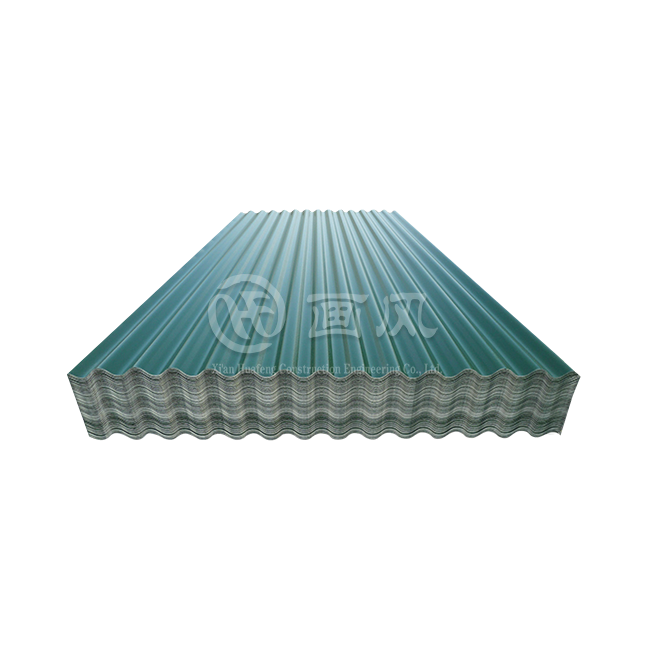
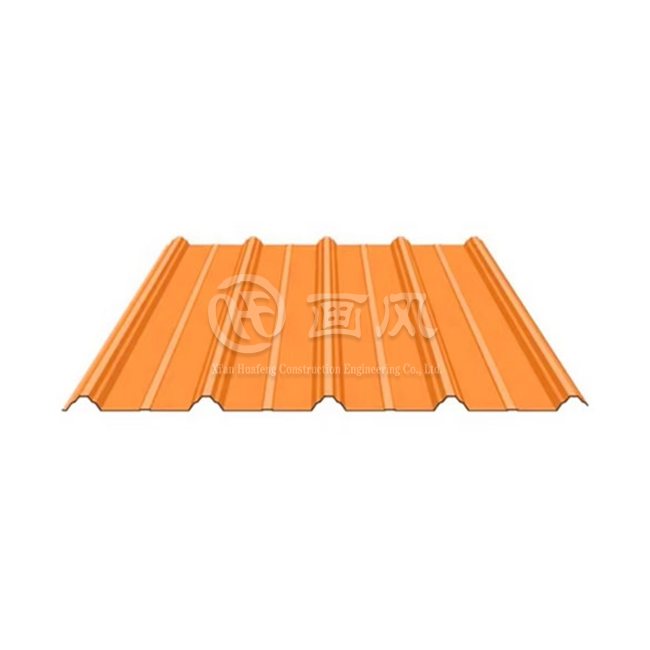
Budget corrugated metal cladding. These robust 0.5 mm gauges include sinusoidal curves and visible fasteners for easy attachment. Through-fastened systems create thousands of holes where plastic or rubber gasketed washers may burn and smoke. The corrugation profile behind organic wall panels helps heat convect and provide oxygen for burning. Due to these issues, hourly fire-rated constructions seldom feature corrugated panels.
Real-World Performance Comparisons
North Carolina pharmaceutical company sought inside lock metal wall panels. Protecting key industrial locations from fire. The owner's risk management team investigated panel systems during design. Standing seam systems were fire-safe but didn't match the company's simple style. Snap lock panels were cheaper but needed larger gauges for strength, lowering their price advantage. Nice, but complicated with exterior lock panels.
Due to the inner lock mechanism, the wall unit has a 2-hour fire rating with 1.2 mm metal panels, PVDF coatings, and mineral wool insulation. Standing seam profiles showed little frame flaws, while concealed clips did not. Installation was 20% faster than the general contractor's standing seam. The building passed its first major insurance test with good envelope integrity three years after moving in. Effective planning offers long-term benefits beyond the first purchase.
Procurement Considerations for Fire-Safe Inside Lock Metal Wall Panels
Verifying Fire Safety Certifications and Test Documentation
Suppliers that claim their items are fire-rated must provide third-party test results, not simply marketing material. The testing lab (SGS, Underwriters Laboratories, Intertek), the item being tested (grade, thickness, covering), and the test technique (ASTM E84, E119, etc.) are listed in legal documents. Manufacturing processes and coating compositions vary over time, therefore reports should be up to five years old.
SGS studies demonstrate that 3003H24 aluminium with PVDF coatings burns according to AS/NZS 1530.3:1999, with ignition indices of 0 and smoke growth rates of 0 to 1. These were particular assessments of our manufacturing output, with sample measurements and mass density recorded. We send procurement teams detailed reports with images of exposed test samples when they request documents. This proves we can provide competent buyers with concrete evidence.
Evaluating Supplier Manufacturing Capacity and Reliability
Making fire-rated inside lock metal wall panels requires greater process control than constructing metal. Covering anything requires a uniform dry film thickness. Too thin won't function well in a fire, and too thick may break or cost more. Our three facilities have seven manufacturing lines and 40+ specialized machinery. We have automated coil coating systems with infrared thickness monitoring.
The 1000-ton monthly manufacturing capacity allows simultaneous completion of large projects. We provide bespoke colours and equipment for projects with a 500㎡ minimum purchase. Amount suits most commercial façade. Phased building developers push manufacturers to copy their standards years later. Our coil lot sheets and automatic colour formulation provide perfect matching throughout building seasons.
Most building designs enable 15–20-day delivery after order confirmation, which is ideal for long-term purchases while permits are processed. Urgent orders may be processed faster but cost more when production lines have capacity bottlenecks. Early supplier engagement in planning is the most reliable buying method. Thus, manufacturing lead times may fit into other project timetables instead of the crucial route.
Warranty Structures and Risk Mitigation
Long-term fire performance degradation is guaranteed for 30 years. Unlike biological surfaces, metal doesn't deteriorate. Clean 1960s aluminium panels pass fire tests. The guarantee covers coating qualities like adhering, colour retention, and not chalking. As industry standard, we'll repair the panels for free if the PVDF coatings fade or break before 30 years, but the owner must pay for installation.
Our schedules need maintenance records for warranty claims. Buildings did not clean or inspect the void covering, which is acceptable because no manufacturer guarantees against owner negligence. Since the guarantee is passed down, buyers know the building envelope is sustained for a long period, increasing resale value.
Compare supplier warranties. Company "limited" warranties may exclude labour, shipment, and post-warranty damage. Others reduce manufacturer liability yearly by prorating. Our panels are engineered to withstand decades and satisfy performance standards, so we never decrease our 30-year warranty. Quality control ensures trust: every manufacturing run undergoes AAMA 2605-22 adhesion testing, and failing batches are discarded or sent to work sites for warranty claims.
Conclusion
When purchasers use third-party-tested products and engage with quality-control firms, inside lock metal wall panels are fire-safe. The concealed fastening system has various advantages, including thermal mobility, weather-resistant joints, and diversity of styles. These features provide fire-resistant cladding assemblies with non-flammable aluminium or steel substrates. Fire-rated installations function best with the correct system and constant supervision. Lab-tested Class A flame spread panels only operate in actual structures provided workers follow the assembly instructions and building owners regularly verify envelope integrity. The small cost of fire-rated panels with certified coatings and insulated cores pays for itself in lower insurance rates, more design approvals for high-rise applications, and the peace of mind that your building envelope won't help the fire spread during the critical minutes when people are running to safety.
FAQ
1. What fire rating standards apply to inside lock metal wall panels in the United States?
The International Building Code uses ASTM E84 to describe how surfaces burn, and for most business buildings, it says that materials must be Class A (flame spread ≤25, smoke development ≤450). To find out their hourly fire resistance values, whole wall systems are tested using either ASTM E119 or UL 263. The project specifications should say which standards apply because they change based on the height of the building, the type of occupancy, and how close it is to property lines.
2. Do PVDF coatings provide better fire resistance than polyester finishes?
PVDF coats are more resistant to heat and keep their shape at higher temperatures than regular polyester systems. When our PVDF-coated panels were tested by SGS, the coating did not break down when exposed to fire. This is in contrast to some polyester formulas that soften above 120°C. Both types of coating can get Class A flame spread rates, but PVDF has more safety margins and lasts longer in harsh settings.
3. How does insulation choice affect fire ratings for inside lock panel systems?
When compared to foam or fiberglass, mineral wool insulation with a density above 100 kg/m³ has much better hourly fire ratings. Non-combustible insulation stops flames from spreading inside wall cavities and slows the flow of heat into buildings. Mineral wool cores bonded to metal panel facings during manufacturing are almost always chosen over field-installed batt insulation for projects that need 2-hour fire resistance for inside lock metal wall panels.
Partner with HF for Certified Fire-Rated Inside Lock Metal Wall Panels
To specify life-safety systems, you need to work with manufacturers who put compliance ahead of ease of use. Xi'an Huafeng Construction Engineering Co., Ltd. is a vertically integrated company that can do everything from making raw materials to helping with the final placement of fire-rated inside lock metal wall panels for business projects. In AS/NZS 1530.3:1999 testing, our SGS-certified aluminum panels got zero ignition and flame spread indices. AAMA 2605-22 coating evaluations showed that all 13 performance criteria were met, and we include proof of this with every order.
As a well-known provider of inside lock metal wall panels to businesses and institutions across North America, we know that procurement teams need more than just product datasheets. You need quick technical help while the design is being made, clear price with no hidden fees, and the ability to make things that won't slow down the building schedule. Our monthly production capacity of 1,000 tons and delivery windows of 15 to 20 days work well with fast-track projects. Customization services for color matching, pattern design, and dimensional requirements make sure that our panels solve your specific facade problems instead of forcing you to make design choices based on standard products. Talk to our design team at huafeng@hfmetalroof.com about your fire-rated cladding needs, and we'll give you project-specific advice based on third-party test data and engineering estimates that your building officials will accept.
References
1. American Architectural Manufacturers Association. (2022). AAMA 2605-22: Voluntary Specification, Performance Requirements and Test Procedures for Superior Performing Organic Coatings on Aluminum Extrusions and Panels. Schaumburg, IL: AAMA.
2. ASTM International. (2023). ASTM E84-23: Standard Test Method for Surface Burning Characteristics of Building Materials. West Conshohocken, PA: ASTM International.
3. ASTM International. (2022). ASTM E119-22: Standard Test Methods for Fire Tests of Building Construction and Materials. West Conshohocken, PA: ASTM International.
4. International Code Council. (2021). International Building Code 2021 Edition. Chapter 14: Exterior Walls, Section 1403: Performance Requirements. Country Club Hills, IL: ICC.
5. Underwriters Laboratories. (2023). UL 263: Standard for Fire Tests of Building Construction and Materials. Northbrook, IL: UL Solutions.
6. SGS North America Inc. (2024). Fire Performance Testing Protocols for Metal Building Panels: Comparative Analysis of International Standards. Technical Report Series on Construction Materials, Volume 47. Fairfield, NJ: SGS.





YOU MAY LIKE