What are the benefits of flat lock seam metal wall panels?
2026-08-11 15:06:55
Flat lock seam metal wall panels deliver exceptional weatherproofing and structural resilience through their unique mechanical interlock system, making them a strategic investment for commercial and industrial construction projects. These panels combine superior durability with design flexibility, resisting water infiltration while accommodating complex architectural geometries that traditional cladding systems cannot achieve. Their proven ability to withstand extreme weather conditions, coupled with minimal maintenance requirements and energy efficiency contributions, positions them as a cost-effective solution for building envelopes seeking long-term performance. Procurement managers value these panels for their compliance with international standards like ASTM and DIN, ensuring reliability across diverse climate zones while supporting sustainable building certifications such as LEED.

Understanding Flat Lock Seam Metal Wall Panels
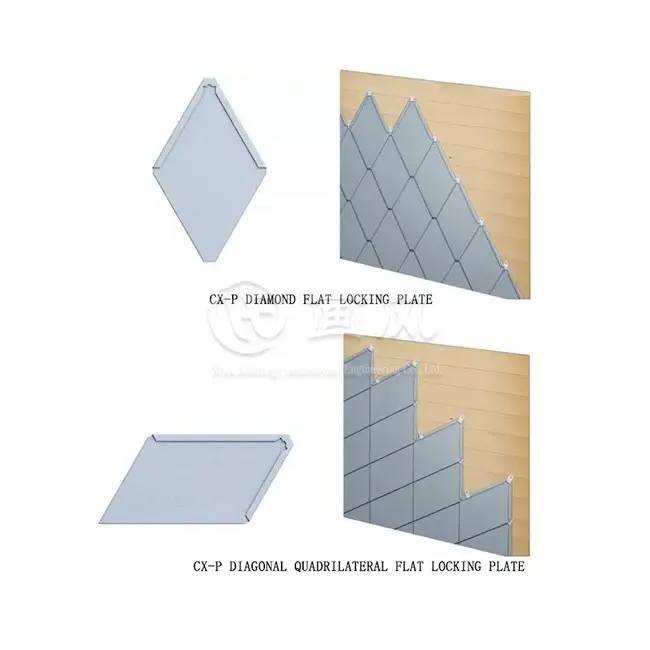
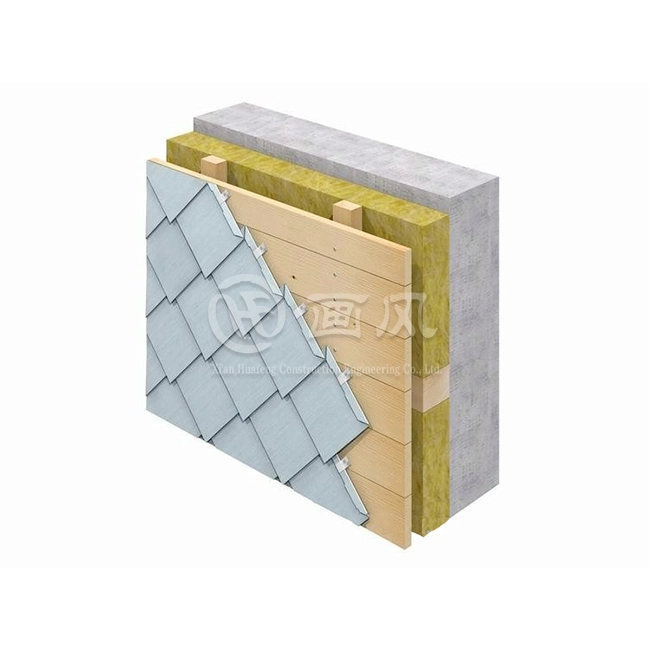
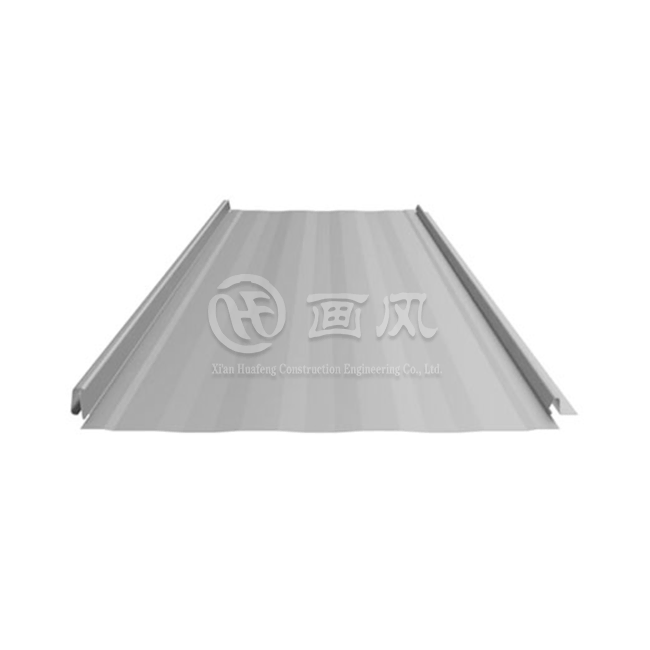
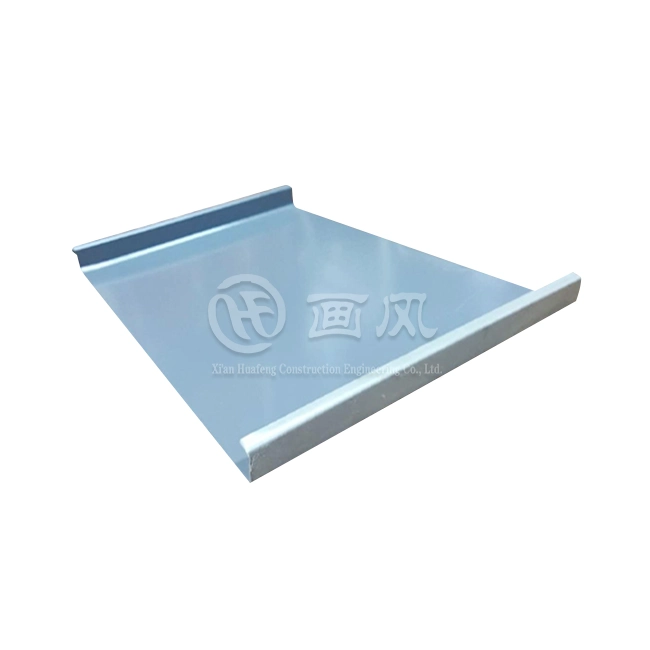
The way these panels mechanically connect makes a continuous, waterproof shell that is different from other metal cladding systems. In contrast to snap-lock or standing seam configurations, the flat lock seam metal wall panels mechanism involves folding the edges of two panels together at 180 degrees. This creates a very strong connection that doesn't let wind or temperature change move it. This way of engineering gets rid of fasteners that are visible on the surface, which is good for both looks and functionality in harsh environments.
Material Composition and Performance Characteristics
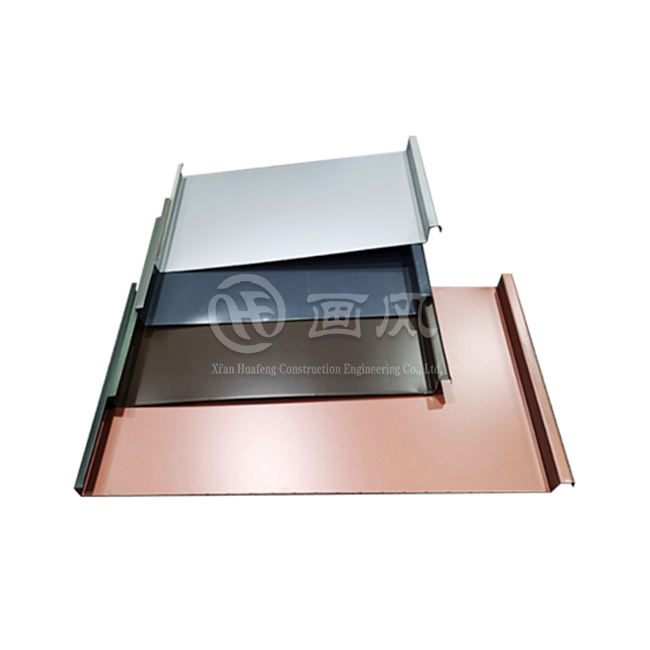
Titanium zinc, copper, aluminum alloys (3003/3004/5052), and stainless steel types 304/316 are some of the high-quality materials used in modern flat lock seam metal wall panel systems. Different materials have different qualities. Copper forms a protective patina over time, titanium zinc can fix small scratches on its own, and aluminum alloys are the strongest for the lightest weight in high-rise applications. Panels are usually between 0.4 mm and 1 mm thick, but wider panels (300 mm to 600 mm) can be made to fit the needs of a specific project. International classifications give these materials an A2 rating for fire safety, showing that they are non-combustible, which is important for commercial building codes. SGS-approved tests show that these panels can survive temperature changes of -40°C to 80°C without losing their structural integrity. They do this by using fluorocarbon (PVDF) or polyester treatments that are resistant to chemicals and UV radiation.
Installation Methodology and Engineering Considerations
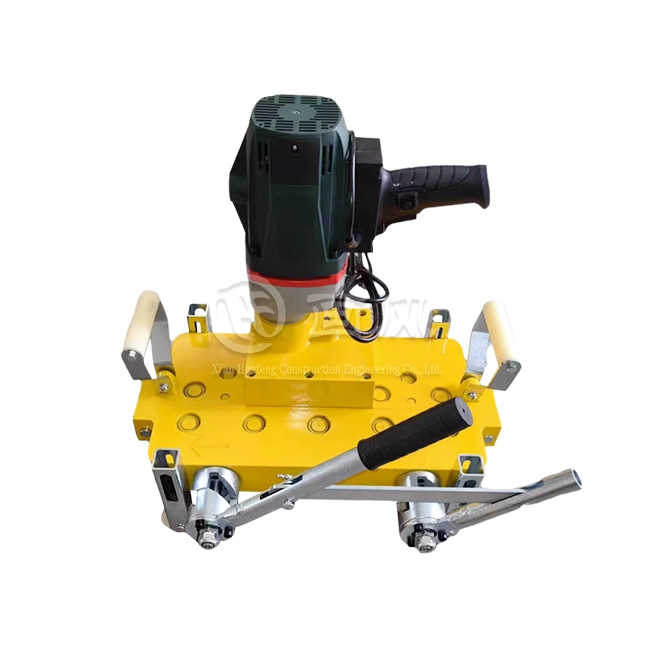
The first step in installation is to check the base to make sure that the structure below stays within 6 mm of error every 3 meters. This is done to avoid oil-canning effects. Panels are attached to vertical frame members with concealed clip systems. This allows for controlled heat expansion while keeping seams straight. To interlock panels, special tools are needed to bend and crimp the edges of panels that are next to each other. This makes a mechanical link that spreads wind loads across the whole wall instead of putting all the stress on a few fastener points. Engineers like this method because it lets buildings move without compromising weather shields. This is especially helpful in areas prone to earthquakes or where temperatures change a lot. When installed correctly, it stops water from penetrating better than industry standards, and seam integrity has been proven to survive winds over 200 km/h for a long time.
Key Benefits of Flat Lock Seam Metal Wall Panels
The value proposition goes beyond the cost of installation and includes decades of reliable use with little maintenance. Building owners regularly say that this facade system lowers their running costs compared to other facade systems that need to be resealed or have parts replaced more often.
Superior Weather Resistance and Structural Durability
The interlocked seam design gets rid of the ways that water can get in that are a problem with lap-joint systems. This makes a constant shield against heavy rain, snow, and salt spray from the coast. Independent tests show that these flat lock seam metal wall panels stay waterproof through more than 10,000 simulated weather cycles, which is the same as 30 years of tough conditions. The wind pressure resistance comes from the mechanical engagement between panels, not just the strength of the fasteners. This makes these systems perfect for tall buildings in areas that are prone to hurricanes. Corrosion resistance depends on the material used. For example, aluminum panels coated with PVDF don't break down much after being exposed to outdoor conditions for 20 years, while copper and titanium zinc form protective oxidation layers that make them last longer.
Aesthetic Versatility and Architectural Freedom
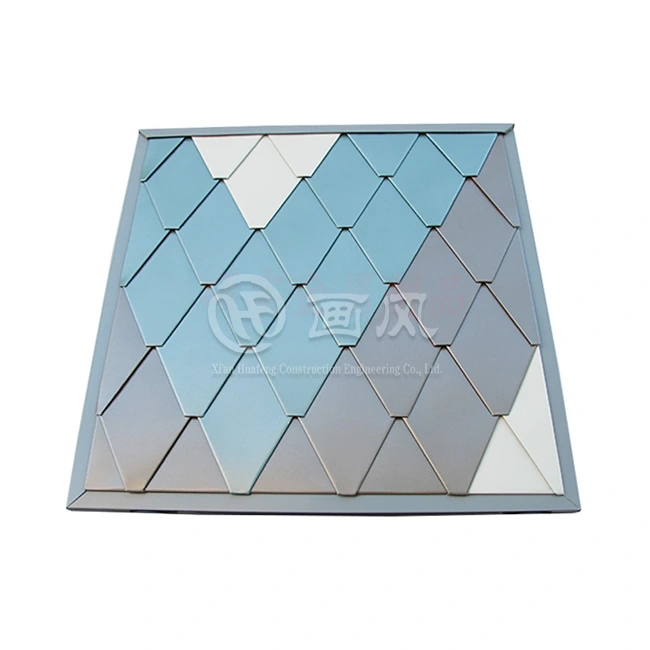
Professional designers like how hidden fastening systems and smooth surface lines give things a clean, modern look. These panels can be put together in a number of different geometric shapes, such as hexagons, rhombuses, rectangles, and trapezoids. This lets buildings stand out in competitive real estate markets by having unique wall designs. RAL color specifications and widths that can be changed let architects fit company branding rules or the needs of the urban design environment. The flat shape goes well with glazing systems and other exterior materials, which makes it easier to build walls with a mix of materials without any awkward gaps. These panels are often used in museums, cultural centers, and high-end residential projects where complex compound curves or curved shapes need flexibility that rigid sheet materials can't provide. Because the panels are pretty small and the seams are sewn by hand, they can be used to cover organic building shapes without stress cracks or visual distortions.
Energy Efficiency and Sustainability Credentials
When these panels are used in ventilation rainscreen systems, they make airflow holes behind the weather shield that stop heat from transferring and keep insulation layers from condensation. When compared to direct-applied cladding systems, this way of designing can raise the overall R-values of a building envelope by 15 to 25 percent. This can lead to measurable drops in the costs of running the HVAC system. Materials made of aluminum, copper, and stainless steel can all be recycled 100% of the time. This supports the circular economy ideas that are being required by green building standards more and more. The process of making aluminum panels uses a lot less energy than manufacturing clay or stone cladding options, but the panels last just as long or longer. If a project wants to get LEED certification, it can get more than one credit for things like material transparency paperwork, regional material source choices, and helping to figure out how to get the best energy performance. EU RoHS compliance certification makes sure that dangerous substances like lead, mercury, and restricted phthalates are not present, meeting strict environmental health requirements for buildings that people live in.
Lifecycle Cost Analysis and Long-Term Value
Initial costs of materials and construction put these panels in the middle to high range of facade options. However, over 30-year review periods, total cost of ownership estimates always favor flat lock seam metal wall panel systems. Reputable makers offer 30-year warranties on their products because they are sure they will last. This lowers the financial risk for building owners and developers. Maintenance usually only involves visual checks every so often and cleaning every once in a while with regular detergents. These tasks can be easily done during regular building servicing without the need for special tools or contractors. Studies that compare these panels to curtain wall systems with silicone joints that need to be replaced every 10 to 15 years show that these panels need 60 to 70 percent less maintenance. Aluminum panels that weigh about 3 to 5 kg/m² don't put too much of a burden on structure frames. This could lead to lighter base designs that save money on the overall cost of building. When replacing or renovating buildings, the panels can be put on top of existing facades without having to do a lot of demolition. This keeps occupied spaces as quiet as possible while updating the building's look and thermal performance.
Comparison: Flat Lock Seam vs Other Metal Wall Panels
Knowing how well various panel systems function enables you choose sensible designs that meet the project and budget. Each layout has merits and downsides in terms of installation, weather protection, appearance, and cost. Raised vertical ribs and clip-attached seams facilitate thermal expansion in standing seam panels. They are ideal for long, uninterrupted roof runs, but their shadow lines might detract from a building's appearance. Snap-lock systems are easy to install since the edges join mechanically, requiring no special equipment. Their weatherproofing depends on the gasket, which goes down over time. Batten seams cover screws with surface-applied cap strips. This provides the design a powerful geometric aspect but increases water collection points, thus it must be detailed. Flat lock seam metal wall panels provide the highest weather protection with little visual interruption. They are ideal for wind-soaked vertical surfaces. Manual seaming increases installation labour costs by 20–30% over snap-lock solutions. The additional expense is worth it in high-exposure locations since this investment lasts longer. Despite costing more, architecturally subtle and monolithic projects always adopt flat lock requirements.
Installation and Maintenance Insights
For deployment of flat lock seam metal wall panels to go smoothly, planning details must be paid attention to and maker instructions must be followed throughout the building process. To make sure the system works at its best, procurement workers should choose contractors based on how well they can put things.
Critical Installation Parameters
Before installing panels, the substrate must be inspected to make sure it has enough structural support and is the right size. Putting moisture shields and air gaps behind the panel system needs to be done carefully so that condensation doesn't build up and damage the panels from the back, even though the outside is weatherproof. Clip spacing estimates take into account the type of panel, its thickness, and the expected wind loads that are specific to the building's height and location. It is this kind of engineering reasoning that sets skilled installers apart from those who aren't. For thousands of individual seams to look the same and be strong, the seaming process needs consistent technique. This is why installer training and quality control protocols are so important to the success of the project. When thermal expansion joints are placed at the right distances apart, they keep the structure from buckling during changes in temperature and keep the structure's appearance consistent with careful detailing. Flashing transitions at window openings, corners, and termination points are very dangerous and must be carefully carried out by following tried-and-true assembly steps.
Maintenance Protocols and Procurement Logistics
Visual inspections done once a year can find issues like loose fasteners, damaged panels, or deteriorating sealant before they get worse and need expensive repairs. Cleaning instructions depend on the type of finish. For example, PVDF coats only need to be rinsed with water to get rid of dirt on the surface. On the other hand, copper or zinc panels may need special treatments to keep their color. Most repairs involve taking off and replacing damaged panels one at a time, rather than rebuilding the whole face, which causes the least amount of damage and costs the least amount of money. Strategic buyers should build relationships with makers that can make matched replacement panels years after the original installation. This way, buyers can be sure that historical color samples and profile specs are kept up to date. When making purchases, it's important to keep in mind that normal specifications have production wait times of 15 to 21 days, and custom colors or shapes could add another week to the time frame. Most of the time, the minimum order size is 500 square meters, which is equal to 3 metric tons.
This makes it easier to combine orders, which lowers the cost per unit by using volume more efficiently. When a manufacturer has more than one production facility, they can support large-scale projects or phased developments without having to worry about running out of materials, which would slow down the building process. To cut down on freight costs and the damage that long-distance shipping does to the environment, transportation services prefer regional sourcing whenever it's possible. However, for specialized materials like titanium zinc, international buying routes may be needed. When negotiating bulk prices, you should talk about more than just unit costs. You should also talk about payment terms, how to hold inventory, and technical support provisions that make sure you can get help quickly during the installation phase.
Choosing the Right Flat Lock Seam Metal Wall Panels for Your Project
When choosing flat lock seam metal wall panels, it's important to think about how they will be exposed to the environment. For example, aluminum or stainless steel are best for coastal areas that need maximum corrosion resistance, while self-cleaning fluorocarbon coatings may be better for urban areas that are worried about pollution. Goals for energy efficiency help choose the reflectivity and thermal emissivity of panels, which in turn affect how much solar heat enters a building. Due to limited funds, it is necessary to weigh the original cost of materials against the expected costs of upkeep and replacement cycles. It is important to keep in mind that premium materials often offer better lifetime economics despite being more expensive to buy.
There are different types of finishes, from natural metal patinas that change over time to carefully controlled factory coatings that stay the same look over time. RAL's color matching tools make it easy to use with company brand guidelines or specific design palettes. Special finishes, like metallic effects or textured surfaces, make things stand out visually. Specifications for thickness balance the need for strength with weight and cost issues.
Thickner panels are better at resisting dents and noise, which is useful in areas with a lot of foot traffic or the sound of noise. Customizing shapes other than rectangles lets architects express themselves in unique ways, but using complex geometries raises the cost of production and makes installation more difficult, so it's important to weigh the pros and cons carefully. Beyond just making sure the product is available, a supplier's review should check their ability to manufacture, their quality certifications, and their technical help skills. Manufacturers who have been around for a while can show that they follow foreign standards like ASTM, DIN, JIS, BS, and GB/T. This means that you can be sure that the material qualities and dimensions will stay the same.
The warranty terms show that the company that made the product is confident in its durability. They cover a wide range of issues, such as finish wear, structural stability, and weatherproofing performance. Referrals from customers who have worked on similar projects can tell you a lot about how reliable the delivery service is, how quickly professional help is provided, and how well people work together to solve problems when they come up during building. When possible, visits to factories let you see how advanced the production equipment is, how well the quality control processes work, and how stable the organization is. This shows that the business will be around for a long time, which is important for long-term projects or ongoing supply relationships.
Conclusion
In conclusion, flat lock seam metal wall panels systems that use flat-lock joinery have a lot of benefits for commercial and institutional buildings that care about performance durability, design flexibility, and lifecycle value. The mechanical interlock method makes weather shields that are better than traditional systems and can accommodate building complexity that isn't possible with fixed alternatives. With materials like aluminum, stainless steel, copper, and titanium zinc, you can make it work best in certain environments and meet your aesthetic goals. Full certificates, such as SGS tests for fire protection, environmental compliance, and coating performance, show that these panels are good for tough jobs. Manufacturers who keep a lot of production capacity, quick delivery times, and technical support for successful installations from design to completion are good for projects.
FAQ
1. Can flat lock panels be used for both exterior walls and interior applications?
The outside faces of flat lock seam metal wall panels do a great job when they are exposed to the weather. They can also be used inside for things like feature walls, ceiling treatments, and lobby areas. For indoor installations, the same good looks can be had without having to meet the same weather resistance standards. This could mean that lighter gauges or cheaper finishes can be used. The concealed fastening system maintains visual consistency across interior and exterior surfaces when architectural continuity between spaces is desired.
2. How do these panels contribute to LEED certification requirements?
LEED Materials and Resources credits are supported by recycled content availability, the ability to recycle materials at the end of their useful life, and manufacturing choices in the area. Energy and Atmosphere credits are given for better energy performance through more efficient thermal envelopes. Indoor Environmental Quality needs are met by low-emitting materials standards and environmental product statements. Environmental Product Declarations (EPDs) and other forms of manufacturing transparency provide documentation that is becoming more and more important for project certification submissions.
3. What lead times should procurement teams expect for custom orders?
Standard setups in popular colors usually ship 15 to 21 days after the order is confirmed. Custom color matching, unique shapes, or materials that aren't common can add two to four weeks to the production time, depending on the length of the manufacturing queue and the time needed to get the materials. Strategic buyers planning large projects should initiate supplier engagement during design development phases, allowing adequate scheduling buffer for sample approvals, shop drawing reviews, and production scheduling coordination.
Partner with HF for Premium Flat Lock Seam Metal Wall Panel Solutions
HF brings high-quality manufacturing to your commercial building projects by providing complete flat lock seam metal wall panels systems that are made to last. Our three production sites run seven dedicated lines equipped with over 40 precision machines, providing monthly supply capacity hitting 1,000 tons to support projects of any scale. Panels made of titanium zinc, copper, aluminum, and stainless steel come in thicknesses ranging from 0.4mm to 1.0mm. They can be made in widths ranging from 300mm to 600mm and shapes such as hexagons, rhombuses, trapezoids, and rectangles. Every product carries SGS certification confirming compliance with ASTM, DIN, JIS, BS, and GB/T international standards, backed by our 30-year warranty demonstrating confidence in material durability and coating integrity. Our standing as a certified flat lock seam metal wall panel manufacturer allows cheap pricing without compromising quality standards important for your building envelope success. Minimum order quantities starting at 500 square meters or 3 metric tons accommodate projects ranging from boutique developments to major institutional complexes, with flexible RAL color customization meeting precise design specifications. Technical help starts during the planning phase and continues until the installation is complete to make sure the system works well and looks good. Contact our team at huafeng@hfmetalroof.com to discuss your project needs, request material samples, or book a meeting with our engineering experts who understand the unique demands of commercial building timelines and budgets.
References
1. American Architectural Manufacturers Association. AAMA 2605-22: Voluntary Specification, Performance Requirements and Test Procedures for Superior Performing Organic Coatings on Aluminum Extrusions and Panels. Schaumburg: AAMA, 2022.
2. Patterson, Michael R. and David G. Whitmore. Metal Architecture: Design and Construction Strategies for Innovative Building Envelopes. New York: McGraw-Hill Professional, 2019.
3. Siegele, Dietmar and Klaus Sedlbauer. Building Physics and Materials Performance: Moisture Control in Metal Panel Systems. Berlin: Ernst & Sohn Publishing, 2021.
4. SGS Testing Services. Technical Bulletin: Fire Performance Characteristics of Metal Building Materials Under AS/NZS 1530.3 Testing Protocol. Geneva: SGS International, 2024.
5. U.S. Green Building Council. LEED v4.1 Building Design and Construction Guide: Materials and Resources Credit Optimization Strategies. Washington D.C.: USGBC Press, 2023.
6. Zupancic, Thomas and Jennifer L. Roberts. Lifecycle Cost Analysis of Commercial Building Envelope Systems: A Comparative Study of Metal Panel Technologies. Journal of Architectural Engineering, Volume 28, Issue 4, December 2022.





YOU MAY LIKE