How to Evaluate Flat Lock Seam Metal Wall Panels Aluminum Quality
2026-08-11 15:06:54
Aluminium quality, manufacturing perfection, and long-term performance must be considered while assessing flat lock seam metal wall panels. Aluminium quality affects longevity, corrosion resistance, and aesthetics in demanding business applications. Procurement specialists should evaluate metal composition, surface coatings, thickness uniformity, and certification. PVDF or anodized 3003, 5005, or 5052 aluminium alloy panels withstand environmental damage. Installation issues and system breakdowns may be avoided by checking hem edge and interlocking mechanism manufacture tolerances. This assessment assures decades of structural stability and maintenance efficiency for your investment.

Understanding Flat Lock Seam Metal Wall Panels and Aluminum Quality
The Flat Lock Advantage: Aesthetic Continuity with Hidden Mechanical Strength
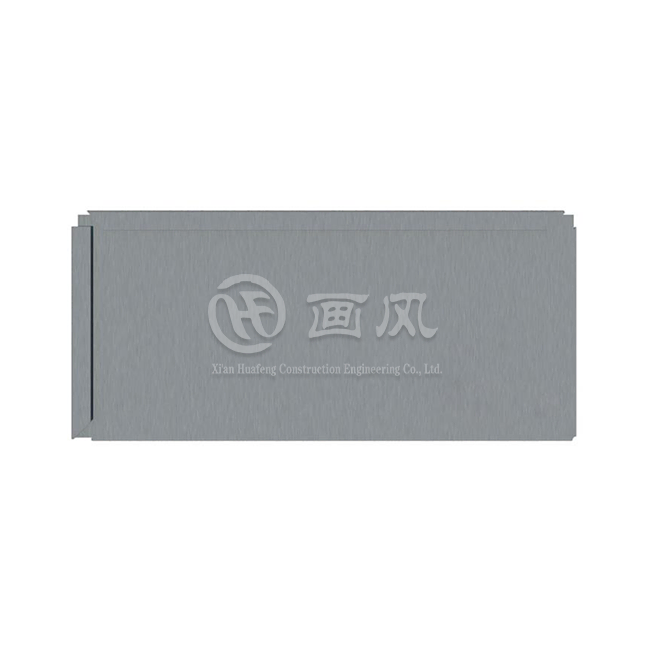
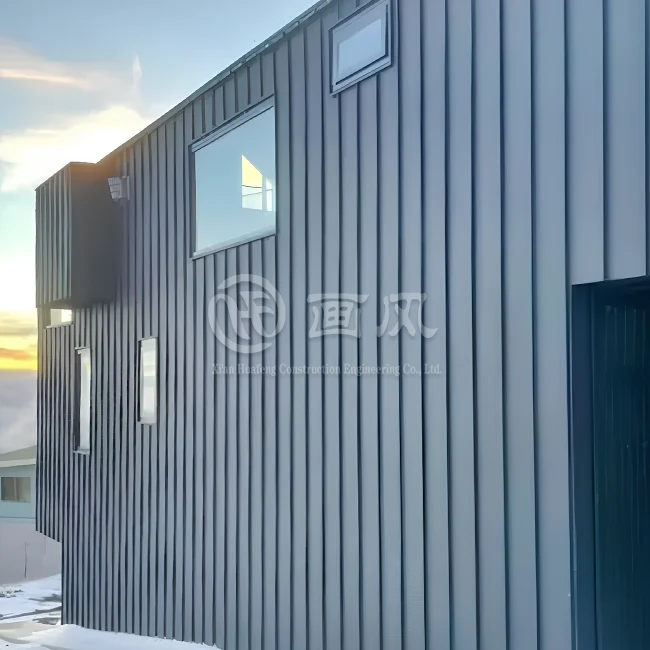
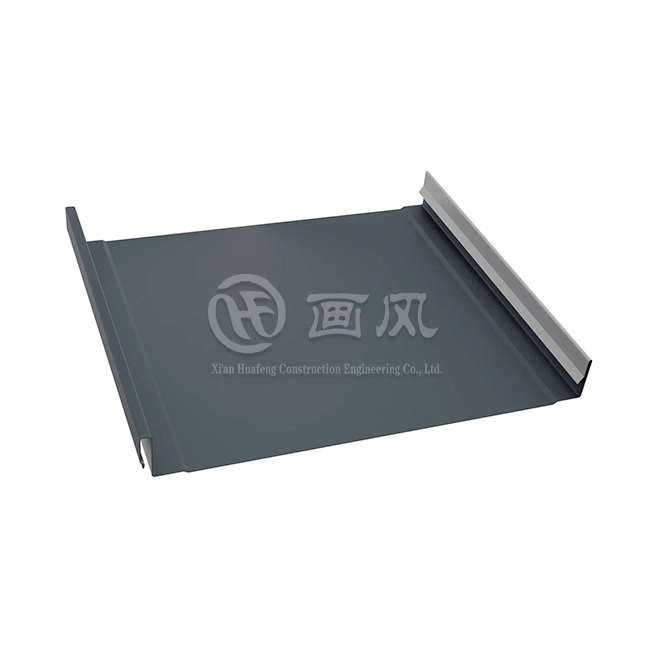
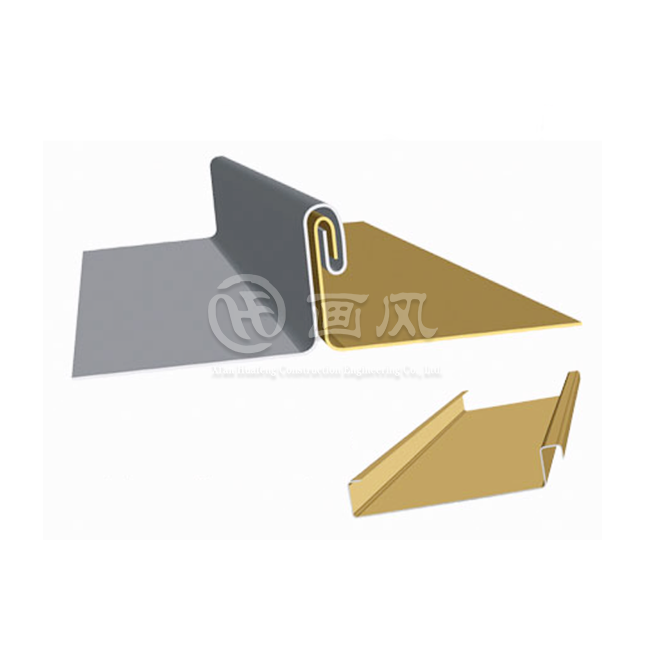
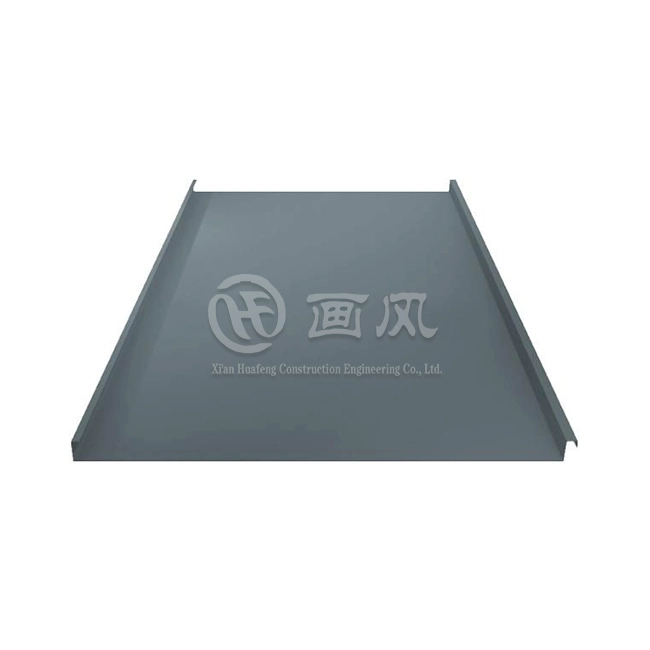
Flat lock seam metal wall panels are a clever architectural wrapping system that makes the outside of buildings look like one solid piece. These panels don't have raised vertical profiles like standing seam systems or corrugated designs with repeating wave patterns. Instead, they have a hidden mechanical interlock that sits flat against the wall. Because of this unique quality, they are especially good for high-end business jobs that need to look good.
How well these panels hold up against environmental problems depends on the quality of the metal used in them. When installing these systems on commercial complexes, office towers, or cultural institutions, construction companies need materials that can handle salt spray near the coast, changes in temperature in continental climates, and UV radiation in installations that will be in direct sunlight.
Material Selection Beyond Aluminum
Aluminum is still the most common material used, but modern flat lock seam metal wall panels also use titanium, zinc, copper, and stainless steel. Each material has its own benefits. Titanium zinc forms a protected coat over time, copper lasts a very long time and shows unique signs of wear, and stainless steel is the strongest material available. Aluminum is famous because it has the best mix of weight, cost, ease of workability, and resistance to corrosion. Panels are usually between 0.4mm and 1mm thick, and their sizes can be changed from 300mm to 600mm to fit different design needs.
The Role of Quality in Project Success
The quality of the aluminum affects three important areas of efficiency. Durability decides how well panels survive rusting, denting, and finish wear over many years of use. How easy something is to install affects both labor costs and on-time completion, especially on big projects with tight deadlines. Lifecycle costs are affected by how much maintenance is needed. For example, superior aluminum only needs to be cleaned regularly. When purchasing officers look at different sources, they need to keep in mind that the initial cost of materials is only a small part of the total cost of ownership when replacement cycles and upkeep work are taken into account.
Core Criteria for Evaluating Aluminum Quality in Flat Lock Seam Metal Panels
Aluminum Alloy Specifications
Three main types of alloys are usually used in commercial-grade flat lock seam metal wall panels. Manganese is the main alloying element in 3003, which gives it moderate strength, good workability, and resistance to corrosion. This grade is good for most architectural uses where surface treatments and the complexity of the shapes are important. The 5005 metal is slightly stronger and has better anodizing properties, which makes it perfect for projects that need anodized finishes with uniform coloring. The 5052 alloy has more strength and marine-grade corrosion resistance because it contains magnesium. It is the best choice for installations near the coast or in industrial settings with harsh weather.
Material certificates from reputable producers show that the alloys they make meet ASTM, DIN, JIS, BS, or GB/T standards. These certificates confirm the exact chemical make-up and mechanical qualities, which makes sure that the product is always the same from one production run to the next. When evaluating suppliers, ask for proof that the material has been traced from the raw ingot to the finished panel.
Thickness and Gauge Considerations
The cost-effectiveness and performance of a structure are directly related to the thickness of the panels. Thinner gauges, between 0.4mm and 0.6mm, lower the cost of materials and the load on the building, but they may show oil canning in some lighting conditions. Most industrial uses are satisfied with widths in the middle range, between 0.7mm and 0.8mm. Heavier gauges, closer to 1.0mm, offer the best rigidity and impact resistance in areas with a lot of foot traffic or mechanical stress.
Equal thickness is just as important as standard gauge. In modern factories with automated thickness monitoring systems, panel dimensions are kept within ±0.02mm of each other. This consistency makes sure that the making will behave as expected and that the installation will look the same everywhere. Using calibrated micrometers, check thickness measurements made at several points on the sample while it is being evaluated.
Surface Treatment and Coating Systems
Protective coats make aluminum's natural resistance to rust last longer and give you options for how it looks. PVDF fluorocarbon coatings are the standard for high-end building uses because they are very resistant to chemical contact, UV damage, and chalking. The AAMA 2605 standard sets performance standards for these coatings. Coating systems must pass strict accelerated weathering tests that mimic years of real-world exposure.
Our aluminum panels have been through a lot of tests by SGS and got perfect scores on all AS/NZS 1530.3:1999 criteria for combustion performance. The PVDF coating on the 3003H24 alloy showed that it had no ignition index, no flame spread, and no heat release, all of which are signs of great fire safety. The covering system also passed all thirteen performance tests set by AAMA 2605-22. These tests looked at things like color accuracy, adhesion, chemical resistance, and flexibility.
Anodized finishes are another option. They use electrochemical processing to add a protective oxide layer. This method is better at resisting scratches and keeping the shiny look without using paints. Depending on how strong the contact is, the anodizing thickness is usually between 8 and 25 microns.
Comparing Flat Lock Seam Panels Aluminum Quality with Alternative Wall Solutions
Standing Seam Panel Systems
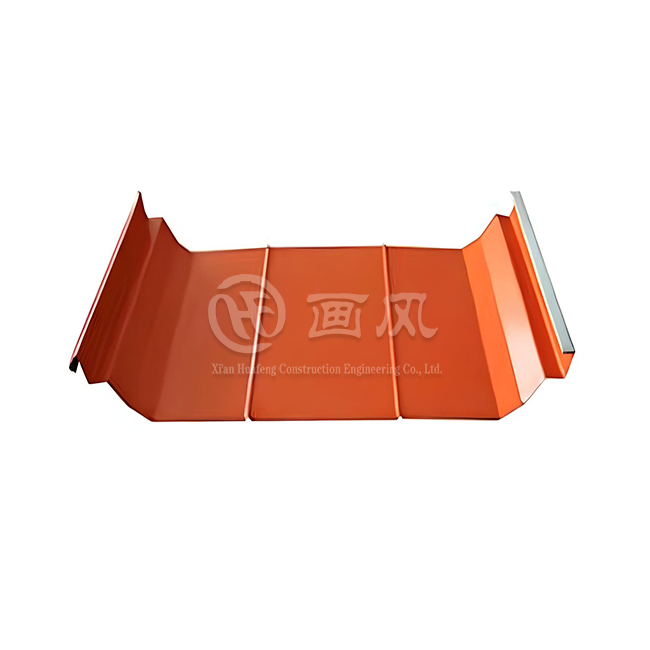
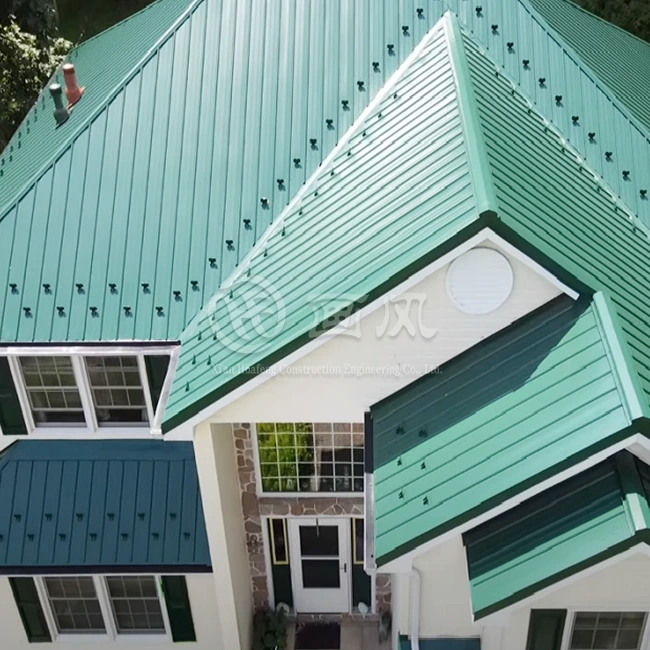
Standing seam panels and flat lock seam metal wall panels both need aluminum alloys, but their aspect shapes are very different. The raised vertical seams make the structure stronger, which lets the panels be wider and requires less support from the substrate. But the sharp projection makes shadow lines that take over the front of the building, which is different from the smooth, solid look of flat lock seam metal wall panels. This solution is preferred by projects that want clean, uninterrupted surfaces, even though they need more work to prepare the substrate.
Aluminum Composite Panels
An aluminum composite panel (ACP) has a mineral or polymer core in the middle of two thin metal skins, which are usually 0.3mm to 0.5mm thick. Compared to solid metal plates, this design is much more rigid while being lighter. As part of a quality assessment, the materials inside must also be looked at, along with the metal skins. The fire performance, core bonding, and thermal expansion compatibility must all be checked. ACPs are cheaper and easier to make, but their composite construction adds more ways for them to fail that aren't present in solid aluminum systems. If moisture gets through edge seals in coastal or high-humidity areas, delamination may happen.
Corrugated Metal and Vinyl Alternatives
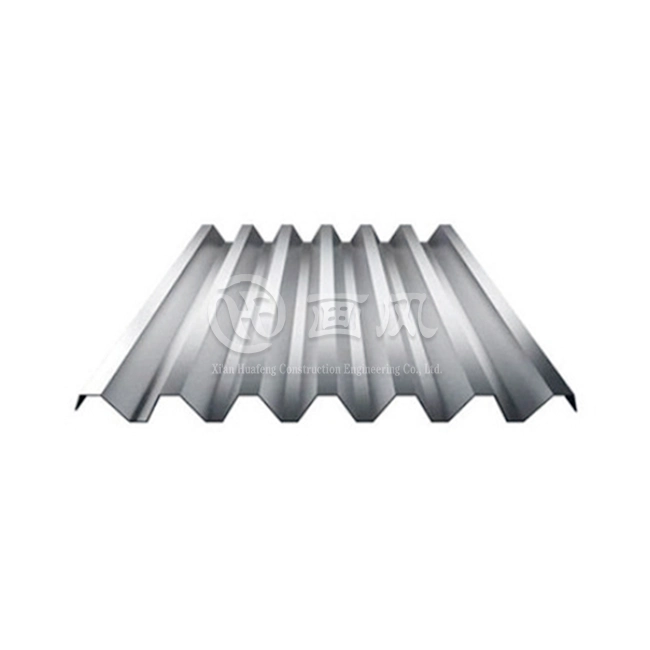
Corrugated metal panels put cost-effectiveness and speed of installation ahead of fine aesthetics. The repeated ribbed shape makes the structure stiffer with thinner gauges, but it gives the building a unique look that isn't appropriate for high-end business architecture. Vinyl flooring completely gets rid of corrosion worries, but it doesn't last as long, fight fire as well, or look as good as metal systems. These options are for different types of customers who have very different quality needs and budget limits.
Practical Steps to Assess and Verify Aluminum Quality Before Procurement
Certification and Compliance Verification
Ask for full material certificates that list the makeup, mechanical qualities, and coating requirements of the aluminum alloy. Internationally known standards, like ASTM B209 for aluminum sheet or ISO 1461 for coating thickness, should be used as references in certifications. Other standards like DIN, JIS, or GB/T should also be used. Independent third-party testing results from labs like SGS, Bureau Veritas, or Intertek are more reliable than certifications from the maker.
Multiple international standards are followed by our factories, which gives customers a choice in what specifications they need. Recent tests by SGS showed that our 5052H26 flat lock seam metal wall panels meet the standards of the EU RoHS Directive 2011/65/EU. All ten banned hazardous substances were not found or were below the threshold levels. This certification is necessary for projects that want to get LEED credits or other green building certifications that focus on health and the environment.
Sample Panel Inspection Protocols
Samples in the real world show qualities that written descriptions can't fully describe. Check several panels from various production runs to see how consistent they are. Look at surface finishes in different lights to find flaws, color differences, or paint imperfections. Check the thickness in several places using measured tools to make sure it's the same across the board within certain limits.
Check the hem formations by trying to connect the panels and making sure that the interlocks hold tightly without gaps or too much force. Check how well the coating sticks by putting on and taking off pressure-sensitive tape according to ASTM D3359 guidelines and looking for coating removal. To check how flexible the coating is, bend the corners of a sample and look for tiny cracks that show a bad fix or coating recipes that don't work well together.
Manufacturing Facility Assessment
The skills of the supplier have a direct effect on the quality of the product and the trustworthiness of delivery. Look at how much can be produced, how advanced the equipment is, and how the quality management system works. Manufacturers who have multiple facilities with backup production lines are better able to handle problems when they happen. Our three factories have a total of seven production lines and more than forty specialized tools. Together, they can produce more than 1,000 tons of goods every month and keep shipping schedules of 15 to 21 days.
Ask about how they get their raw materials and how they keep track of their supplies. By speeding up the processing, suppliers who keep a strategic inventory of aluminum coil can respond quickly to urgent orders without lowering the quality. Professional operations can be told apart from marginal suppliers by being open about their production processes, being willing to let inspectors look around, and having well-established quality documentation systems.
Warranty and After-Sales Support
Full guarantees show that the company that made the product is confident in its reliability. Our flat lock seam metal wall panels come with a 30-year guarantee that covers flaws in the material and the performance of the finish. This shows that we care about our customers' long-term happiness. Carefully read the warranty terms and make sure you understand what the exclusions are, how to file a claim, and whether the coverage includes labor costs or just replacement of the damaged parts.
Support options after the sale are just as important as the quality of the product itself. Getting technical help during installation keeps you from making mistakes that cost a lot of money and hurt the system's performance. Customer service that is responsive takes care of problems quickly, keeping the project moving forward. Beyond just supplying materials, suppliers who offer design advice, help with preparing submittals, and training on installation are valuable.
Installation, Maintenance, and Long-Term Considerations Impacting Aluminum Panel Quality
Installation Best Practices
Proper handling preserves factory-applied coatings on flat lock seam metal wall panels, preventing rust damage. Installers should use gloves and avoid rough surfaces while removing panels. Protect, ventilate, and store items above ground. After installation, remove protective coverings quickly to minimize UV damage and adhesive transfer.
The substrate's appearance and weather resistance depend on preparation. The supporting structures should be level within 1/4 inch fluctuation over 10 feet. Uneven substrates convey impulses through panels, generating visible distortion. Install moisture barriers and air pathways per manufacturer's directions. This prevents condensation, which accelerates behind-rusting.
The mechanical locking mechanism requires cautious engagement. Certified personnel can appropriately join things up and apply the necessary force to keep ties in place without straining hems. Rushing, inexperienced labourers destroy hem formations, letting wind-driven moisture in. A minor investment in competent installation prevents costly repairs and system breakdowns.
Maintenance Requirements and Procedures
Aluminum doesn't need much upkeep because it doesn't rust naturally, but regular care keeps it looking good and stops localized wear and tear. Set up cleaning procedures that are right for the environment. Places in cities with a lot of air pollution should be cleaned once a year with light cleansers and soft brushes. Coastal systems may need to be cleaned more often to get rid of salt layers before they build up and start pitting corrosion.
Check the integrity of the seams, the state of the coating, and the performance of the fasteners on panel systems during repair rounds. Take care of small problems right away, before they get worse and become big problems. Fix coating damage with fix materials provided by the maker that are a match for the original finishes. Instead of trying to fix badly damaged parts in the field, it is better to replace the damaged panels.
Quality PVDF coatings are self-cleaning, which means they don't need as much upkeep. These finishes keep their look with little work because they don't let dirt build up or chalk form. Rainwater is a good way to clean up surfaces that are dirty, especially ones that are sloped. This feature makes a big difference in the long-term cost savings compared to other coating systems that need to be refinished often.
Sustainability and Environmental Performance
Aluminum can be recycled in any way, which is in line with goals for environmentally friendly building. Panels still have value when a building is no longer needed, which supports the ideas of the circular economy. Recycling aluminum uses only 5% of the energy that was used to make it in the first place, so the energy that was used to make it is now an asset instead of a waste. By choosing aluminum with recycled material, you can lower your impact on the world without sacrificing efficiency.
The perks of using less energy go beyond making things. When coated properly, aluminum's reflection lowers the amount of heat gained from the sun, lowering the need for cooling in warm areas. By using flat lock seam metal wall panels as the rainscreen layer in ventilated cavity wall assemblies, thermal performance is improved through pressure-equalized design, which also controls moisture while keeping insulation effective.
Our dedication to being environmentally friendly goes beyond just the making process. Our aluminum panels have a smaller carbon footprint because they are made with low-emission methods, waste-minimization programs, and renewable energy is used. These efforts help customers reach their sustainability goals while also meeting the needs of business projects for durability and performance.
Conclusion
To judge the quality of aluminum in flat lock seam metal wall panels, you need to look at the alloy specs, coating systems, accuracy of manufacturing, and supplier skills in a planned way. When you do good procurement, you weigh the beginning costs against the long-term performance, knowing that better products last for decades without breaking down. The listed technical criteria, which include choosing between 3003 and 5052 alloys, checking the PVDF coating, and inspecting the hem precision, help people make smart decisions. Project risks can be reduced by working with makers who can show they have the production capacity, quality certifications, and full warranty support. Good installation and following the right maintenance steps will get you the most out of your material investments and make sure that flat lock seam metal wall panels live up to their architectural promise for a long time.
FAQ
1. What kinds of metal materials are best for flat lock seam metal wall panels?
Most commercial setups call for aluminum types 3003, 5005, or 5052. For general architectural use, the 3003 grade is very easy to shape and doesn't rust. The 5052 alloy is stronger and works better in sea settings. The environment, structural needs, and coating compatibility should all play a role in your choice.
2. What effects does panel width have on cost and performance?
Thickness changes how hard, heavy, and flat something looks. For most uses, panels between 0.7mm and 0.8mm are a good compromise between efficiency and cost. The cost of thinner gauges is lower, but they might show oil canning in some lights. For high-traffic places, panels that are heavier and closer to 1.0mm offer the best protection to impact. Compare the specific needs of the project with the available funds.
3. Can bent building plans work with flat lock seam metal wall panels?
The interlocking system and panel sizes allow these panels to bend around corners and fit into complicated shapes. Because of this, they are perfect for modern buildings with flexible forms. Sharp radius curves might need special shaping or different panel arrangements. Talk to makers early on in the planning process to make sure it's possible.
Choose HF as Your Trusted Flat Lock Seam Metal Wall Panels Manufacturer
HF has worked on business projects for 30 years and has a lot of experience with metal roofs and wall panels. Our flat lock seam metal wall panels are made of carefully designed aluminum alloys and have advanced PVDF coating systems that have been tested and passed by SGS to meet international standards. With three factories, seven production lines, and a monthly capacity of more than 1,000 tons, we can provide the same high quality whether your project needs 500 square meters or thousands of meters of installations. Our panels come in a variety of shapes that can be customized, such as rectangles, rhombuses, trapezoids, and hexagons. They can also be made in RAL standard colors or to your exact specifications. Our 30-year guarantee shows that we trust the materials that make our goods to last in temperatures ranging from -40°C to 80°C and to keep their shape in winds stronger than a typhoon. Our shipping times of 15 to 21 days and full expert help during the installation phases are appreciated by procurement teams. Email our engineering team at huafeng@hfmetalroof.com to talk about how our certified flat lock seam metal wall panels can make your next commercial building stand out with their proven durability and architectural style.
References
1. American Architectural Manufacturers Association. (2022). AAMA 2605-22: Voluntary Specification, Performance Requirements and Test Procedures for Superior Performing Organic Coatings on Aluminum Extrusions and Panels. Schaumburg, IL: AAMA.
2. ASTM International. (2023). ASTM B209-14: Standard Specification for Aluminum and Aluminum-Alloy Sheet and Plate. West Conshohocken, PA: ASTM International.
3. Metal Construction Association. (2021). Technical Bulletin: Design and Installation Guidelines for Flat Lock Panel Systems. Glenview, IL: MCA.
4. SGS Testing Services. (2024). Certification Report: Combustion Performance and Coating Durability Assessment of Architectural Aluminum Panels. Geneva: SGS Group.
5. National Roofing Contractors Association. (2020). The NRCA Metal Panel and SPF Roof Systems Manual. Rosemont, IL: NRCA.
6. Aluminum Association. (2019). Aluminum Design Manual: Specification for Aluminum Structures. Arlington, VA: The Aluminum Association.





YOU MAY LIKE