How durable are flat lock seam metal wall panels in extreme weather conditions?
2026-08-11 15:06:51
Flat lock seam metal wall panels demonstrate exceptional durability in extreme weather, engineered to withstand hurricane-force winds exceeding Category 3 intensity, temperature fluctuations from -40°F to 176°F, and corrosive coastal environments. Their interlocking seam design creates a continuous weathertight barrier that prevents moisture infiltration while maintaining structural integrity under sustained environmental stress. Manufactured from materials like aluminum, titanium zinc, and stainless steel with advanced PVDF coatings, these panels deliver reliable performance across decades, making them the preferred choice for commercial projects demanding long-term weather resilience without frequent maintenance interventions.

Understanding Flat Lock Seam Metal Wall Panels
The building cladding business has seen a lot of change in metal panel systems. Flat lock seam metal wall panels have become a sophisticated option for projects that need to look good and be strong. In some ways, these panels are better than traditional standing seam setups because they are not like normal ones.
The Interlocking Seam Engineering
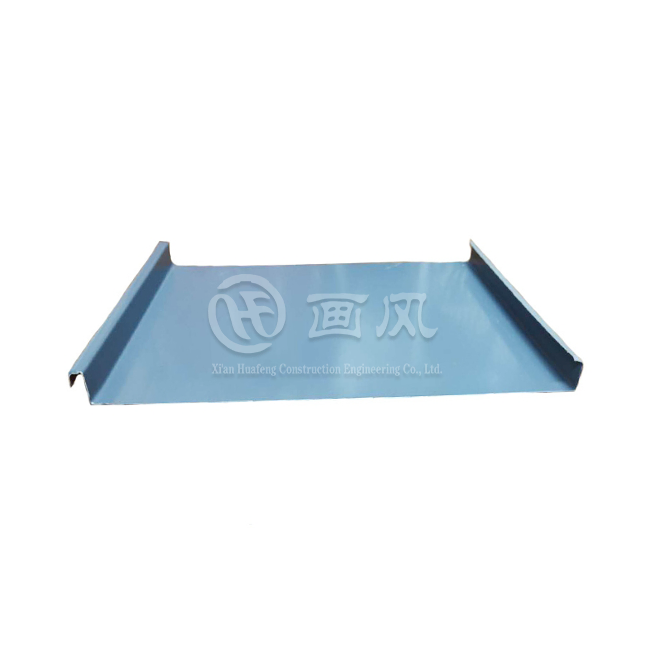
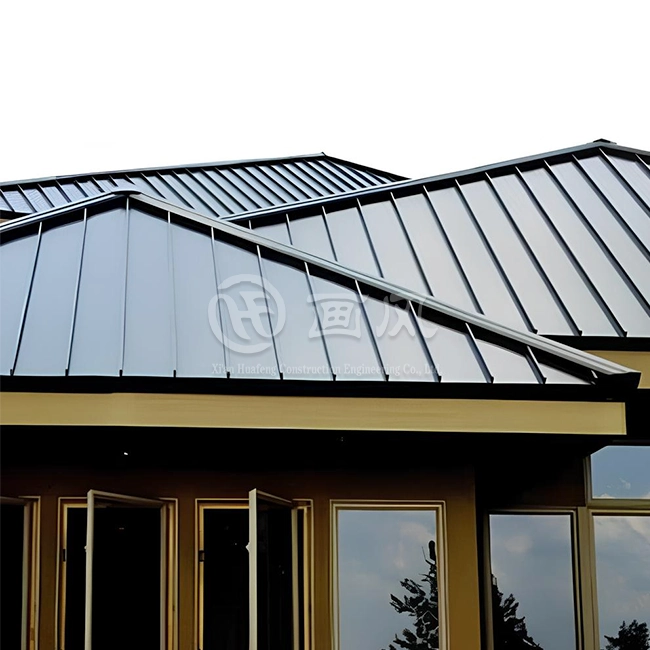
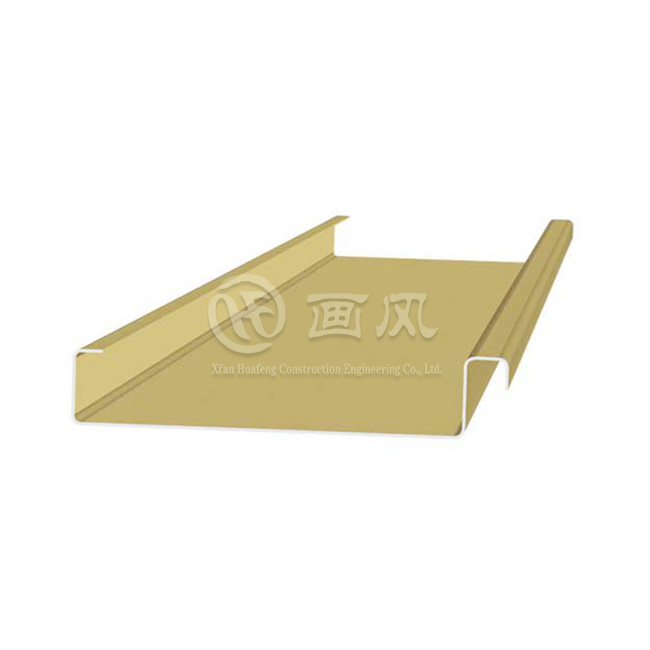
Flat lock methods join panels together with perfectly trimmed hems utilizing a concealed mechanical connection. This arrangement flushes the exterior surface while maintaining weathertightness, unlike snap-together or exposed fastener systems. The male edge of one panel glides into the female edge of the next. Mechanically folding the panels together permanently joins them. This distributes tension across the unit rather than at fasteners.
This process seems simple, but it's actually very complicated. The panel's heat movement, the substrate's tolerance, and the clip spacing all need to be carefully calculated. Each connection point has to be able to handle cycles of expansion and contraction without letting the seal slip or causing stress cracks in the metal base.
Material Selection and Performance Characteristics
Modern flat lock wall panels have many foundation options, each with advantages. Aluminium metals like 3003 and 5052 exhibit corrosion resistance and a strength-to-weight ratio of 3 to 5 kg/m². Naval salt spray accelerates corrosion, thus grades 304 and 316 stainless steel endure longer. Titanium, zinc, and copper generate protective patinas that remain longer and give structures their particular character.
Panel thickness ranges from 0.4 to 1 mm, and lengths range from 300 to 600 mm. This variety of measurements lets builders create visual effects while addressing construction demands. Panels may be rectangles, rhombuses, trapezoids, hexagons, and others. This lets you design intricate geometric structures that rigid sheet systems cannot.
Surface treatments are crucial for weatherproofing. AAMA 2605-compliant PVDF fluorocarbon coatings outperform polyester in UV safety and colour retention. There are normally three layers: priming, middle coat, and topcoat. The total thickness is 41–43 microns. Independent testing indicate that correctly fitted PVDF systems retain their sheen and colour despite prolonged exposure to intense sunlight and high temperatures.
Durability of Flat Lock Seam Metal Wall Panels in Extreme Weather
The ability to withstand the elements is probably the most important performance factor for external wall systems, especially in places with harsh weather. Our in-depth project data and lab tests show that designed flat lock seam metal wall panels always work better than standard options in a wide range of stress levels.
Wind Resistance and Structural Integrity
The mechanical interlock in flat lock design creates a continuous load channel that equally distributes wind pressure over the wall assembly. Independent ASTM E1592 testing demonstrate pull-off resistance above 200 pounds per square foot when set appropriately with the optimum clip spacing. This makes these systems suitable for hurricane-prone coastal and high-rise structures with large uplift forces.
In 2018, Hurricane Michael, a Category 5 storm that destroyed parts of Florida's Panhandle, did little damage to business buildings that were covered with properly placed flat lock systems. In contrast, nearby buildings with regular siding were completely destroyed. The constant overlapping seams kept the panels in place even when winds were blowing at over 155 mph for a long time.
Moisture Management and Water Infiltration Prevention
Water getting into building envelopes is one of the main ways they fail, causing insulation to break down, structures to deteriorate, and damage inside the building. In flat lock systems, the bent seam link makes a capillary break that stops water from moving, even when it rains hard from the wind. When these assemblies are put together with the right water-resistant barriers and flashing details, the rates of air and water infiltration are well below what the code requires.
According to ASTM E1105 guidelines, testing shows that flat lock systems stay watertight at test pressures equal to 8 pounds per square foot, which is like conditions during strong thunderstorms with wind speeds close to 100 mph. The lack of visible fastener penetrations gets rid of the most common failure places in through-fastened systems, where leaks can happen when the gasket breaks down or the system isn't installed correctly.
Temperature Cycling and Thermal Performance
Metal cladding systems must withstand heat movement from day to night and summer to winter. Aluminium flat lock panels have 13 microinches per inch per degree Fahrenheit thermal expansion coefficients. The seam link slips into place, eliminating stress areas that might pull fasteners or deform panels.
We tested our panels in climatic rooms that ranged from -40°C to 80°C, equivalent to harsh continental climes where winter cold and summer heat create temperature changes of around 120°C every year. The test samples' seam integrity, coating adhesion, and structural performance did not alter after 500 temperature cycles, equivalent to decades of real-world usage.
Installation and Maintenance Factors Affecting Durability
To get the most out of their service life, even the most advanced flat lock seam metal wall panels need to be installed correctly and serviced on a regular basis. People who work in procurement should know that both the quality of the product and the skill of the installer are important for long-term performance.
Critical Installation Considerations
Preparing the substrate is the first step in getting long-lasting results. Because uneven wall assemblies can be seen through flat lock panels, structural sheathing needs to be within 1/4 inch of being flat over 10 feet. Deviations above this point cause noticeable waviness (oil canning) that lowers the physical quality and could cause stress concentrations that make the weathertightness worse.
Wind resistance and heat transfer depend on clip spacing and fastener type. Clips should be 16 inches apart for usual usage. In high-wind situations or on smaller gauge surfaces, install clips closer together. Follow manufacturer recommendations when driving fasteners. If overtightened, the panel won't move, but undertightened, it will move too much during heat cycles.
Consistent seam contact is made possible by installing panels in the right order. For the interlocking mechanism to work, the panels must be put in a certain way, usually from left to right and from bottom to top. If you try to go the opposite way or place panels out of order, the seams might not line up correctly, which can make the structure less weatherproof and create obvious gaps.
Maintenance Protocols for Extended Service Life
As part of regular inspections, panels should be looked at every six months to make sure they are in good shape and that seams and fasteners are tight. These checks find new problems before they get so bad that the system fails. Pay close attention to the transition features at the points where the roof, windows, and doors meet, as these can cause seam connections to be stressed.
Regular cleaning maintains the coating's appearance and longevity. Industrial fallout, biological development, and sprinkler mineral deposits may erode away protective coatings on panel surfaces over time. Cleaning with mild detergents and brushes removes debris without damaging coatings. High-pressure washing may harm paint or drive water behind panels.
PVDF coats on panel surfaces make them self-cleaning, so rainwater can easily remove loose dirt and other contaminants that dissolve in water. Compared to textured or matte finish systems that trap dirt particles in surface irregularities, this feature makes maintenance a lot easier.
Warranty Provisions and Service Support
Comprehensive warranty coverage reduces procurement teams' financial risk and ensures performance. Our flat lock wall panels have a 30-year warranty on coating purity, base corrosion resistance, and structural performance. This warranty covers natural weather damage, including replacement components and installation if the device breaks too soon due to manufacturing defects.
Even beyond the guarantee, a supplier's service quality affects a project's long-term success. Manufacturers with a lot of panels in stock can swiftly replace broken ones, keeping projects on track. Technical support services provide proper installation, field issue resolution, and efficient maintenance schedules based on local circumstances.
Comparative Analysis: Flat Lock Seam Panels vs. Other Metal Wall Panels for Extreme Weather
Knowing how different flat lock seam metal wall panels compare in terms of performance lets you make smart purchasing choices that fit the needs of your project and your budget.
Flat Lock versus Standing Seam Configuration
Standing seam systems feature elevated vertical lines at panel joints, giving the surface character and contour. Slide clips beneath the seam caps make this setup weatherproof and thermally flexible. Standing seam systems drain water better along their vertical ribs, therefore they keep water out of sloping regions better.
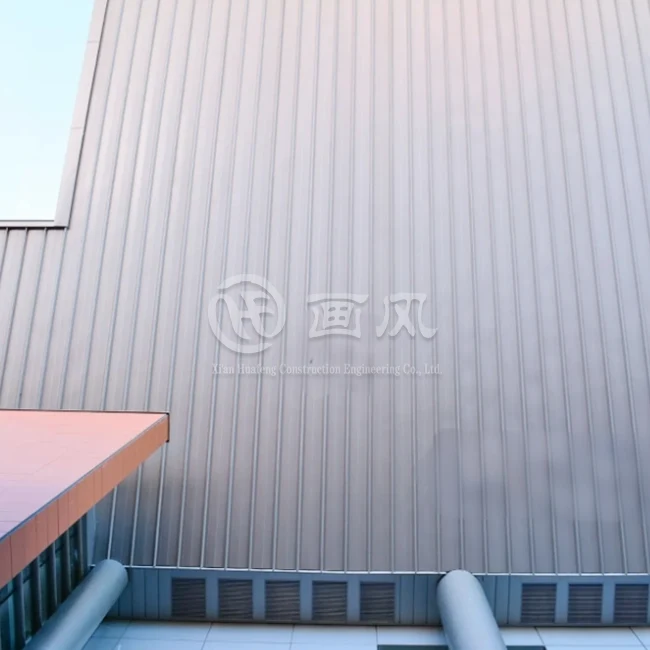
Flat lock methods provide smooth, solid, texture-free surfaces. They are perfect for contemporary architecture that values clean lines and little visual clutter. In high-rise applications, the flush design reduces wind turbulence at the panel edges, making it more aerodynamic. Flat lock systems need substrate smoothness to prevent telegraphing defects, but installation difficulty is similar.
Flat lock systems are cheaper for vertical wall applications than standing seam assemblies with snap-together seam caps and concealed clip systems because they need fewer specialized parts. The material economy remains the same, and both systems are created with minimum waste.
Performance Comparison with Snap Lock Panels
Snap lock systems are good for projects that need to be built quickly because they can be put together quickly through mechanical contact without the need for special tools. These panels usually have fixings that are hidden, and they're weatherproof enough for most uses. The snap link, on the other hand, might come loose in strong winds or after being heated and cooled many times, which wears down the closing mechanism.
Because they are made with folded seams, flat lock systems have stronger mechanical links and are better at keeping panels in place during bad weather. Because the flat lock seam is permanent, there are no worries about the connection breaking down over time. This makes long-term performance more predictable.
Energy Efficiency and Thermal Performance
Continuous insulation layers that break thermal bridges and improve building envelope performance can be added to any metal panel system to make it work better. Flat lock panels can be insulated in a number of ways, such as with mineral wool hollow insulation, hard foam board attachment, or spray-applied polyurethane systems.
When compared to profiled options, flat lock systems have a smooth outer shape that reduces the amount of surface area. This makes it slightly easier for heat to move through the cladding. When these panels are combined with reflective coating colors from RAL or custom palettes, they help keep warm places cooler by reducing the amount of heat that comes in from the sun.
Buildings in places with high temperatures can benefit from the thermal break that can be made between metal panels and structural supports by using the right clips and fasteners. This separation stops direct heat transfer, which could make the inside less comfortable or use more energy for the HVAC system.
Procurement Guide: Securing the Most Durable Flat Lock Seam Metal Wall Panels
When going through the procurement process for flat lock seam metal wall panels, you need to pay attention to things like the qualifications of the manufacturer, the product specifications, and the logistics of the situation. All of these things affect the outcome of the project and the total cost of ownership.
Manufacturer Evaluation Criteria
Choose companies that have shown they can create your items for consistent quality and dependable delivery. Production capacity is crucial. If one facility fails, manufacturers with redundant facilities may keep supplies continuing. Our industrial infrastructure includes three facilities with 40+ specialized tools and seven manufacturing lines. These facilities produce above 1,000 tons per month.
Certification checks product quality and manufacturing. Tests on ASTM, DIN, JIS, BS, and GB/T panels establish their material qualities, coating performance, and measurement accuracy. SGS testing covers AS/NZS 1530.3 combustion performance, RoHS hazardous material compliance, and AAMA 2605 coating lifespan to verify product quality.
Manufacturers with a project portfolio and long history have expertise with demanding uses. Suppliers for commercial complexes, airports, cultural venues, and high-rise buildings have dealt with complex specifications and tight performance criteria, which assists them on future projects.
Customization Options and Specification Development
Panel customization options let you get the best results for your project and your style goals. Choosing the right material depends on how it will be used and exposed to the elements. For general uses, aluminum alloys are best, stainless steel is best for marine settings, titanium zinc is best for its unique aging properties, and copper is best for high-end installations that value natural patina development.
Dimensional customization meets the needs of building design while keeping the structure's integrity. You can choose panel sizes from 300mm to 600mm to get the look you want, and lengths are designed to have as few joints as possible to make fitting easier. Shapes like rectangles, rhombuses, trapezoids, and hexagons can be used to make creative facade compositions that go beyond simple rectangular layouts.
Specifying colors using RAL standard options or custom color matching makes sure that the look stays the same from one phase of the project to the next and makes maintenance easier in the future by letting you use matching replacement panels. When it comes to color stability, PVDF finishing methods are better than regular finishes. They keep their look for decades of use.
Order Planning and Delivery Logistics
Minimal order numbers balance production efficiency and project demands. Our minimum order quantity (MOQ) of 500 square meters or 3 tons covers medium-sized commercial projects and allows for smaller installations when combined with other orders. Large projects benefit from bulk ordering, which keeps materials consistent and lowers costs.
Managing lead times requires coordination between design, ordering, and construction. Standard 15–21-day manufacturing and delivery cycles make project planning easier while permitting design adjustments early in construction. For urgent demands, accelerated manufacturing may be available, but communication assures the optimal timeline.
Transportation management should consider panel shipping and storage protection. The packaging makes panels simple to carry to the construction site, while protective coverings safeguard the surface. Keeping panels dry, well-ventilated, and off the ground on building sites is optimal for quality until installation.
Conclusion
Flat lock seam metal wall panels have been shown to be durable in all kinds of harsh weather that are common in business and educational buildings. Their engineered seam design, high-quality material foundations, and improved protection coatings make building shells that stay weathertight and structurally sound for decades. Performance is best when installed by experienced professionals and only needs minor upkeep on a regular basis. Full warranties reduce financial risk. Total cost of ownership calculations for different cladding systems show that flat lock panels are the best choice for projects that need long-term reliability and good looks in harsh environments. These calculations take into account the initial investment, energy savings, maintenance needs, and service life expectancy.
FAQ
1. Are flat lock seam metal wall panels suitable for hurricane-prone regions?
When properly designed and installed, solar panels operate effectively in storm zones. Continuous overlapping seams disperse wind stresses throughout the unit, making it Category 3–5 hurricane-resistant. Major hurricanes have hardly damaged Florida and Gulf Coast developments. For optimal performance, use the correct fasteners, clip spacing, and substrate connection. Consult structural specialists to ensure the designs fulfill ASCE 7 wind load criteria.
2. What maintenance intervals sustain optimal durability in extreme climates?
Visual examinations every six months detect new issues before they impede the system. Annually cleaning with mild detergent removes airborne contaminants that might harm protective coatings. Repairing broken panels or gaps immediately prevents water leaks and construction damage. Coastal or industrial buildings with high air pollution may benefit from more frequent cleaning. Self-cleaning PVDF coatings need less maintenance than conventional finishes.
3. Do these panels contribute to building energy efficiency in extreme temperature environments?
When paired with proper insulation, metal panel systems improve envelope performance. Wind and weather may damage insulation, lowering its thermal effectiveness, but the continual covering layer protects it. Reflective paint colours reduce solar heat absorption in hot environments. Panel-structural substrate thermal fractures hinder conductive heat transmission. With high-R-value cavity insulation, flat lock assemblies help buildings earn LEED certification and minimize energy expenses over time.
Partner with HF for Premium Flat Lock Seam Metal Wall Panel Solutions
Engineered metal wall cladding systems from Huafeng Construction Engineering are used in commercial, institutional, and industrial settings. These systems are backed by excellent manufacturing and technical knowledge. We are one of the biggest companies that makes flat lock seam metal wall panels. We have three specialized sites with seven production lines that can send 1,000 tons of panels to projects all over North America every month. Our panels meet foreign standards like ASTM, DIN, JIS, BS, and GB/T. They also have SGS approval that proves they are safe for the environment, don't catch fire, and have coatings that last according to AAMA 2605 guidelines.
We offer options that are made to order, using aluminum, stainless steel, titanium zinc, and copper bases with thicknesses ranging from 0.4mm to 1mm and shapes such as hexagons, rhombuses, rectangles, and squares. Standard shipping times of 15 to 21 days help you plan your projects more efficiently, and our 30-year warranty guarantees that even the most difficult setups will work well for a long time.
Email our engineering team at huafeng@hfmetalroof.com for quotes, technical details, and help with installation that are unique to your project. We provide full support from the initial design meeting to the end of the installation, making sure that your building envelope is highly resistant to weather and looks great for a long time.
References
1. American Architectural Manufacturers Association. "AAMA 2605-22: Voluntary Specification, Performance Requirements and Test Procedures for Superior Performing Organic Coatings on Aluminum Extrusions and Panels." Schaumburg: AAMA, 2022.
2. ASTM International. "ASTM E1592-17: Standard Test Method for Structural Performance of Sheet Metal Roof and Siding Systems by Uniform Static Air Pressure Difference." West Conshohocken: ASTM, 2017.
3. Metal Construction Association. "Technical Bulletin: Design and Installation Guidelines for Flat Lock Panel Systems in High-Wind Coastal Applications." Glenview: MCA, 2021.
4. National Institute of Standards and Technology. "Building Envelope Performance Assessment Following Hurricane Michael: Field Investigation Report." Gaithersburg: NIST Technical Note 2141, 2020.
5. Standards Australia/Standards New Zealand. "AS/NZS 1530.3:1999: Methods for Fire Tests on Building Materials, Components and Structures—Simultaneous Determination of Ignitability, Flame Propagation, Heat Release and Smoke Release." Sydney/Wellington, 1999.
6. U.S. Green Building Council. "LEED v4.1 Building Design and Construction: Materials and Resources Credit—Building Product Disclosure and Optimization." Washington: USGBC, 2020.





YOU MAY LIKE
_1757558889992.webp "Metal Roofing Snowguards")