Why Choose Pencil Ribs Standing Seam Roof for Modern Buildings
2026-08-10 20:30:23
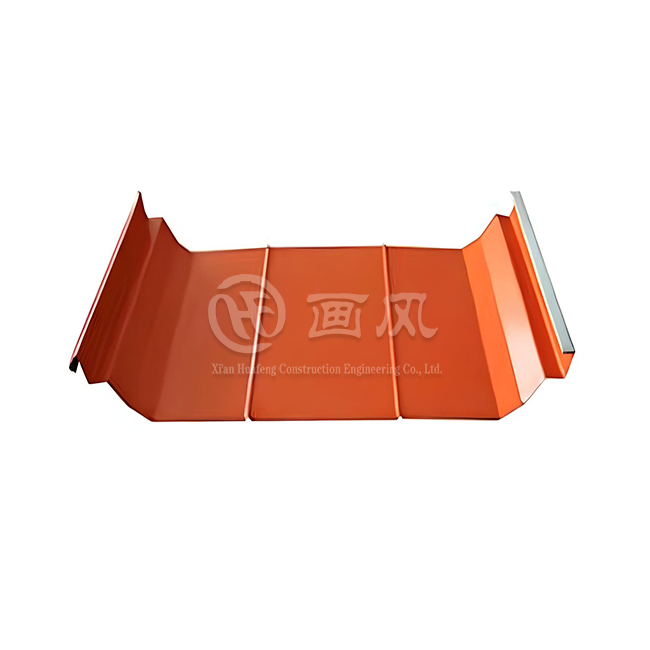
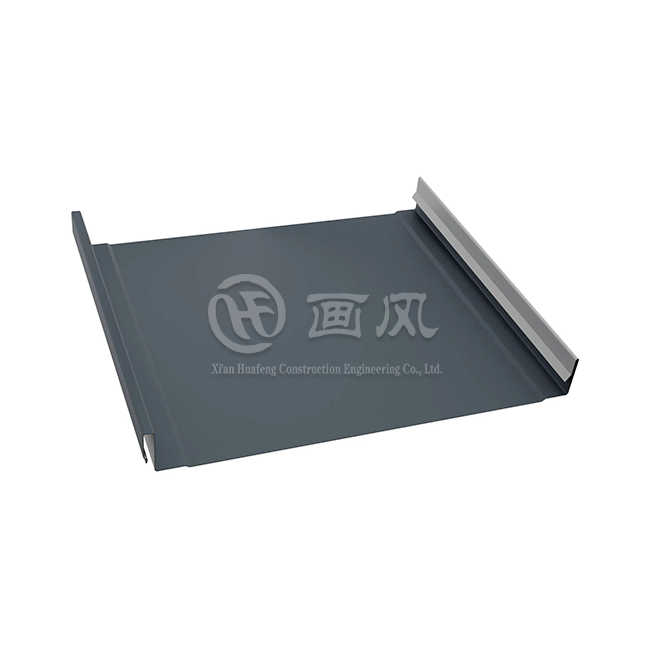
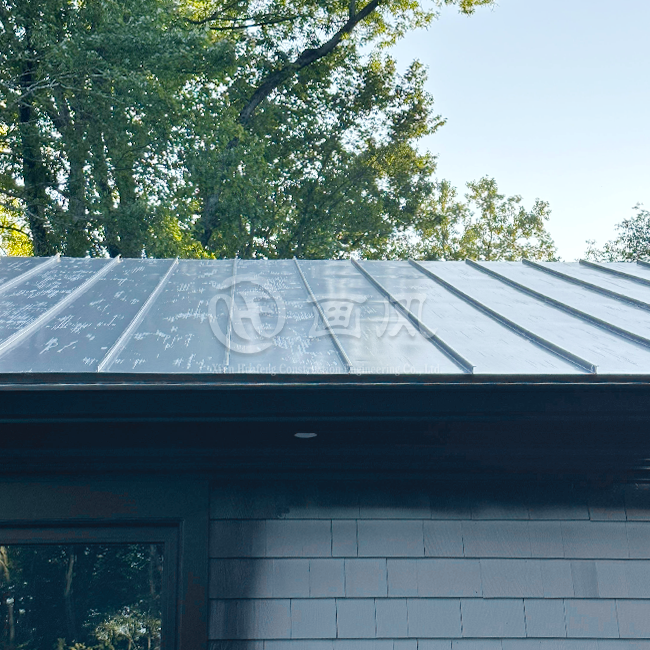
Modern commercial and industrial construction demands roofing systems that blend structural excellence with visual refinement. The pencil ribs standing seam roof delivers precisely this balance, incorporating slender longitudinal stiffening beads into the panel face to combat oil canning—the waviness that plagues traditional flat-pan metal roofing. By strategically placing narrow, rounded ribs between the vertical seams, this design increases panel rigidity without additional weight while creating subtle shadow lines that mask any residual distortion. The result is a roof that maintains sleek, modern aesthetics while outperforming conventional standing seam profiles in wind resistance, thermal movement management, and long-term durability across demanding climates.

Understanding the Engineering Behind Pencil Ribs Standing Seam Roofs
This pencil ribs standing seam roof system is technically advanced because of how well it fits together geometrically. The pencil rib shape has carefully placed stiffening beads—usually two to three per panel—that break up big reflective surfaces. This is different from flat-pan metal roofs, which show off every flaw. The width of these ribs is usually between 1/16 and 1/8 of an inch, and they run along the lines of the whole panel.
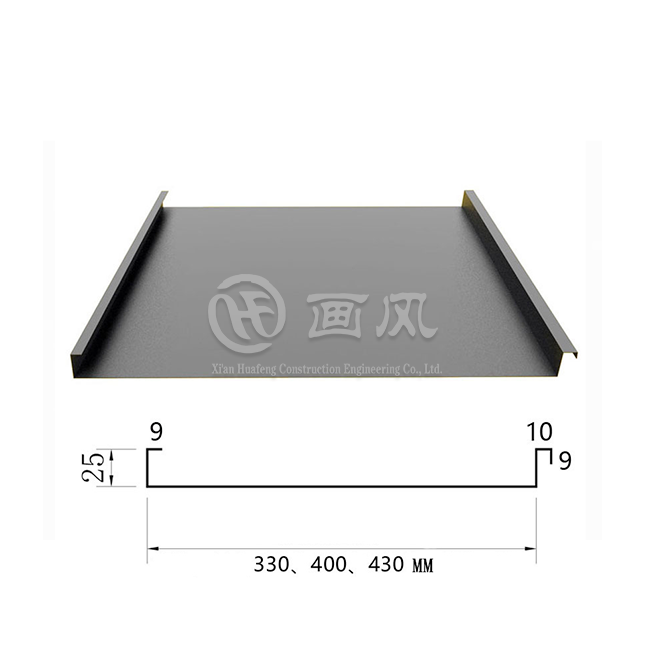
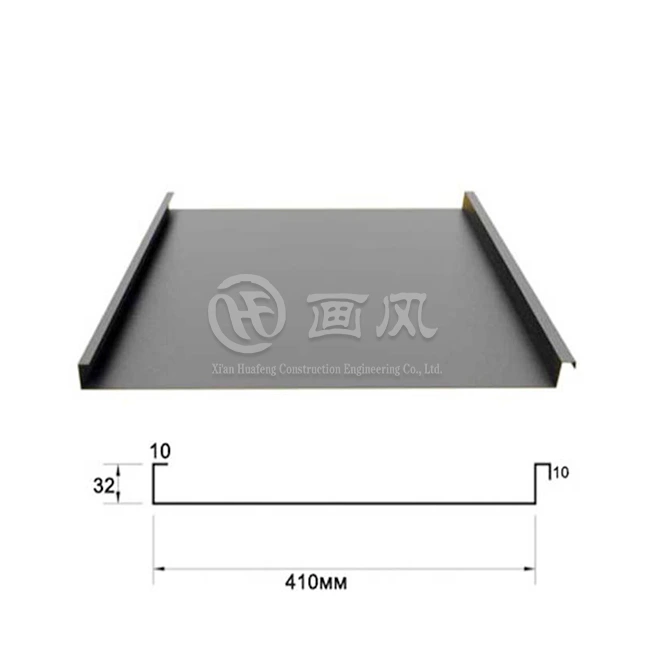
The choice of materials is very important for how well they work. As substrates, high-quality aluminium alloys, galvanised steel, stainless steel, copper, and titanium zinc can all be used. Each has its own benefits. HF makes panels with thicknesses between 0.5mm and 1.2mm that meet international standards like ASTM, DIN, JIS, BS, and GB/T. The 25mm rib height gives the best stiffness without sacrificing the low-profile look that architects like for modern buildings.
Surface processes keep these plates from breaking down in the environment. PVDF and PE finishes are put through a lot of tests. HF's products have been certified by SGS under AAMA 2605-22 standards, meaning they passed all thirteen coating performance tests, which check for things like colour uniformity, adhesion, chemical resistance, and flexibility. This coating's integrity is especially important at the pencil ribs' small radius, where poor finishes often crack during shaping and become places where rust can start.
Another engineering benefit is the secret fastener method. By automatically locking gaps that don't go through panels, the design gets rid of the leaky spots that are common in screw-down roofs. Along the length of the panels, thermal expansion and contraction can happen easily. Specialised clips allow controlled movement that keeps stress from building up and causing the panels to fail early.
Performance Advantages Over Traditional Flat-Pan Standing Seam Systems
Standing seam roofs have been used in building for a long time, but they have some problems that pencil ribs standing seam roofs directly fix. Large, flat metal plates that aren't broken up don't have the structural stiffness needed for long-span uses. These panels are easy to bend or kink while being moved or put up, which requires extra care and costs more in labour.
Uplift caused by wind is another problem. When there is negative pressure on flat panels, they can wobble or "rumble," which makes noise and puts stress on the fastening system. The panel's moment of inertia (a measure of how resistant it is to breaking) goes up because of the pencil ribs. This lets the roof handle more wind loads. This better wind protection is especially helpful for projects near the coast or in open business areas. Tests have shown that these profiles keep their structural integrity at pressures above 3.0 kPa.
Flat panels expand and contract noticeably when the temperature changes, and you can sometimes hear popping sounds as the metal moves against the clips. The pencil ribs make relief points that spread thermal stress more evenly across the width of the panel. This makes noise much less likely and lowers the risk of clip fatigue. This design's long life means that it will need less maintenance over many years and cost less overall.
With the pencil rib shape, oil canning sight goes down a lot. Even though no thin-gauge metal roof can completely stop the buckling that causes waviness, the ribs do change the way light reflects off of flat panels, which makes the distortions stand out. This visual screening keeps the clean, professional look that customers expect from high-quality roofing systems, even when panels are spread out over a large area between structural supports.
Comparing Metal Roofing Profiles for Commercial Applications
Before making a procurement choice, you need to know how different variations of pencil ribs standing seam roofs do on key measures. Snap-lock systems are easier to set up because the panels fit together without the need for special tools. But snap-lock connections aren't as good at stopping wind uplift and keeping out the weather as manually seamed pencil ribs. This means they work better in low-slope domestic settings than in demanding business ones.
With their raised vertical battens that cover the seams, batten seam roofs make a strong architectural statement. Even though these systems look great, they are heavy, expensive, and make it harder to change panels. Pencil ribs give a building a more polished look without the upkeep or structural load of battens. This keeps the design flexible for future upgrades.
Large-rib shapes make panels stiffer, but they don't give them the smooth look that many current projects need. The wider and taller ribs make strong shadow lines that can look more industrial than classy. The thin pencil ribs provide similar structural benefits while keeping the sleek minimalism that architects like in modern office buildings, business buildings, and public buildings.
Due to its low cost, corrugated metal roofing is still commonly used in industry settings. But corrugated panels aren't very good at saving energy because they don't have enough flat surface area for coatings that reflect light and keep heat from absorbing it. Maintenance needs go up as exposed fasteners break down, making leaky spots that need to be fixed over and over again. The pencil ribs standing seam roof keeps fasteners out of the way and supports high-performance PVDF coatings that scatter solar energy, which lowers cooling loads and helps meet LEED certification goals.
Strategic Procurement Considerations for B2B Buyers
Finding good pencil ribs standing seam roof panels requires a close look at each provider. The ability to manufacture directly affects the consistency of the product. HF has three plants with a total of seven production lines and over forty specialised tools, which allow them to offer 1,000 tonnes of goods every month. This production level guarantees reliable delivery within the 15–20 day time frame that is necessary to keep construction projects on schedule, especially on large-scale developments where delays in the roofing affect other trades.
Customisation gives projects the freedom to meet specific performance and architecture needs. HF has panels made of aluminium alloy, steel, stainless steel, copper, titanium zinc, and stainless steel. The panels' thicknesses range from 0.5 mm to 1.2 mm, depending on the wind load estimates and span needs. Standard RAL colours are available, as well as custom formulations. This lets corporate buildings match their brand or look good with the buildings around them.
Quality certifications make sure that panels will do what they're supposed to do. HF's goods not only meet international production standards, but they have also been checked by SGS to make sure they are fire-resistant according to AS/NZS 1530.3:1999, with all six test samples showing zero ignition, flame spread, and heat release. All ten of the restricted hazardous substances can't be found or are well below the limits set by the EU RoHS. This proves that companies are responsible for the environment. As building codes get stricter and owners put more emphasis on green building, these certifications become more important.
Minimum order amounts and warranty terms have a big impact on the costs of a project. The 500-square-meter or 1-ton MOQ for HF is big enough for medium-sized commercial projects, and the 30-year warranty shows that the manufacturer is sure it will work well for a long time. This extra protection keeps owners' panels from breaking down too soon, which lowers the total cost of ownership even if the initial material costs more than common alternatives.
Support for installation and technical advice are what set superior suppliers apart. Complex roofing shapes need the right way to prepare the base, the right way to seam, and the right way to finish the expansion joints. Suppliers that offer installation training or networks of qualified contractors help make sure that the job is done right, which maximises system performance and keeps the guarantee valid. This is especially important when selecting unknown profiles or entering new geographic markets.
Long-Term Performance: Maintenance Requirements and Energy Benefits
Both high-quality materials and clever design contribute to the longevity of pencil ribs standing seam roofs. Alloys made of aluminium, magnesium, and manganese naturally don't rust, but steel substrates need metallic and organic coatings to protect them. HF uses PVDF fluoropolymer finishes that keep their colour for 15 to 20 years even when exposed to strong UV light, which is a lot longer than the fade protection of regular polyester coats. The chemical protection of the covering, which was tested with HCl, nitric acid, mortar, and detergent, keeps the panels safe from air pollutants and cleaning products that are often used in business buildings.
Compared to other roofing systems, it doesn't need much routine upkeep. Panel seams should be checked once a year to make sure they stay tight, clips work properly, and garbage doesn't build up in dips or penetrations. Unlike roofs with visible fasteners that need to be retightened every so often, the hidden clip system doesn't need any mechanical care other than making sure there is free thermal movement. Cleaning on a regular basis gets rid of organic growth and industrial waste that can shorten the life of coatings. However, when it rains, the smooth metal surface sheds most of these contaminants.
Saving energy leads to big cuts in running costs. Light-colored reflective surfaces can block up to 70% of solar radiation, which makes it much harder for heat to move into conditioned areas. The ability to bounce sunlight is especially useful in southern countries and on low-slope buildings where the roof covers a lot of the building. Less cooling load means less energy use, which helps companies meet their green goals while also making people more comfortable.
Developers who want to get green building certifications like the environmental rating. Metal roofing panels are made of 25–40% recycled materials and can be recycled in their entirety when they are no longer needed. Metal roofs are recycled over and over again, while asphalt shingles end up in landfills every year, adding millions of tonnes to the waste. Because they last longer—often more than forty years for quality systems—they require fewer manufacturing cycles and use less energy than alternatives that need to be replaced more often.
Conclusion
In conclusion, the pencil ribs standing seam roof is a sophisticated advancement in metal roofing technology that addresses the aesthetic and functional constraints of flat-pan systems. By placing thin longitudinal ribs in the right places, this shape provides better structural stiffness, wind resistance, and thermal movement management while still keeping the clean lines that modern building requires. When procurement pros look at roofing options, the mix of low maintenance needs, increased energy efficiency, and longer service life creates a strong lifecycle value that supports investing in higher-quality materials. As building codes get stricter and people expect more from sustainable products, this system's technical benefits and environmental values make it the best choice for business and industrial uses in a wide range of climates.
FAQ
1.Will pencil ribs completely eliminate oil canning on my roof?
Because thin-gauge materials are what they are, no metal roofing system can promise that there will be no oil canning. But pencil ribs break up big mirrored surfaces and make shadow lines that hide distortion, which makes waviness look much less noticeable. The chance of oil canning is also lowered by making sure the base coil is tension-leveled correctly during manufacturing and installing it correctly.
2.How do installation costs compare to traditional standing seam panels?
The cost of installation stays the same because pencil ribs are formed during the normal roll-forming process and don't need any extra materials or specialised labour. The panels are put up with the same clip systems and seaming tools that are used for flat-pan standing seam roofs. Any small difference in cost is usually due to the need to handle the panel rather than the basic difficulty of installation.
3.Can I walk on pencil ribs during maintenance?
Instead of walking directly on the pencil ribs or flat pan areas, spread your weight out near the structural supports or the vertical seams. When loads are concentrated on thin-gauge metal, especially aluminium or lighter steel gauges, lasting dents can form that make the metal look bad and stop working properly. Using walk pads or crawler boards to protect the roof surface while maintenance work is being done is important.
Partner with HF for Premium Pencil Ribs Standing Seam Roof Solutions
Choosing the right maker for your pencil ribs standing seam roof has a direct effect on how well the project turns out and how happy you are with it in the long run. HF combines advanced manufacturing skills with strict quality standards to provide roofing systems that meet the exact needs of commercial contractors, developers, and procurement specialists all over the United States. Our three factories have seven dedicated lines with more than forty precise tools. This makes sure that the quality of the panels is always the same, and they are always delivered within 15 to 20 days, which is very important for keeping to tight building schedules.
Our expert team has decades of experience helping clients choose the best combinations for a wide range of uses. We can make solutions that fit your performance and price needs, whether you need lightweight aluminium for retrofitting, corrosion-resistant stainless steel for coastal areas, or cheap steel with high-quality PVDF finishes. With thicknesses ranging from 0.5mm to 1.2mm and an unlimited colour range that includes standard RAL options, we can match the material to both the needs of the structure and the design of the builder.
Quality certifications set our products apart from generic alternatives. SGS testing shows that our panels have great fire resistance, fully comply with EU RoHS environmental rules, and perform better than expected with coatings under the strict AAMA 2605-22 standard. Our 30-year guarantee on our goods shows that we believe they will last for a long time and protect your investment over many years.
Email our team at huafeng@hfmetalroof.com to talk about the jobs you have coming up. We offer competitive pricing for orders bigger than our 500-square-meter minimum, detailed technical specifications, and expert advice throughout the whole procurement process. Find out why top builders and contractors choose HF as their go-to pencil ribs standing seam roof supplier for projects that need the best quality and performance.
References
1. American Architectural Manufacturers Association. AAMA 2605-22: Voluntary Specification, Performance Requirements and Test Procedures for Superior Performing Organic Coatings on Aluminum Extrusions and Panels. Schaumburg: AAMA, 2022.
2. Metal Construction Association. Technical Bulletin: Oil Canning in Cold-Formed Metal Panels. Glenview: MCA, 2018.
3. Standards Australia/Standards New Zealand. AS/NZS 1530.3:1999 Methods for Fire Tests on Building Materials, Components and Structures - Simultaneous Determination of Ignitability, Flame Propagation, Heat Release and Smoke Release. Sydney: Standards Australia, 1999.
4. European Parliament and Council of the European Union. Directive 2011/65/EU on the Restriction of the Use of Certain Hazardous Substances in Electrical and Electronic Equipment (RoHS), as Amended by Directive 2015/863. Brussels: Official Journal of the European Union, 2015.
5. Cool Roof Rating Council. Product Rating Program Manual: Rating Procedures for Cool Roof Products. Portland: CRRC, 2021.
6. National Roofing Contractors Association. The NRCA Metal Panel and SPF Roof Systems Manual. Rosemont: NRCA, 2020.





YOU MAY LIKE
(1)_1763110678300.webp "standing seam metal roof panels")