Engineering Study: Copper Standing Seam Roofing Panels Guide
2026-08-10 20:30:21
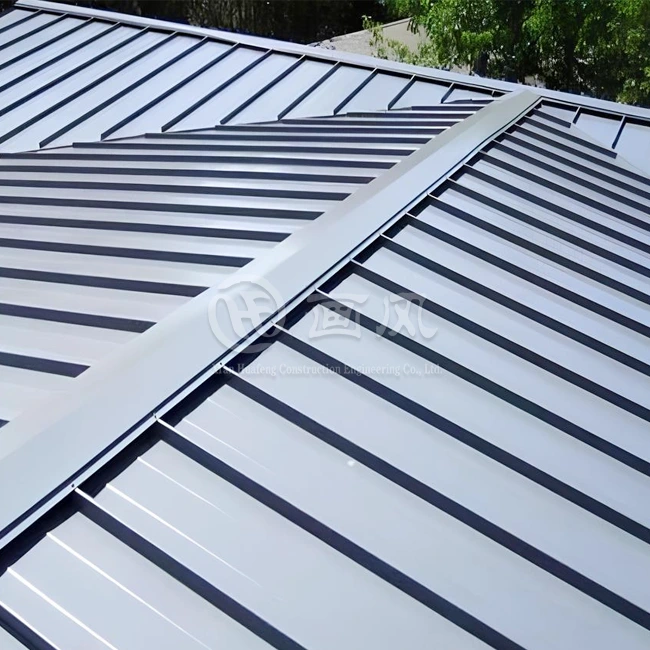
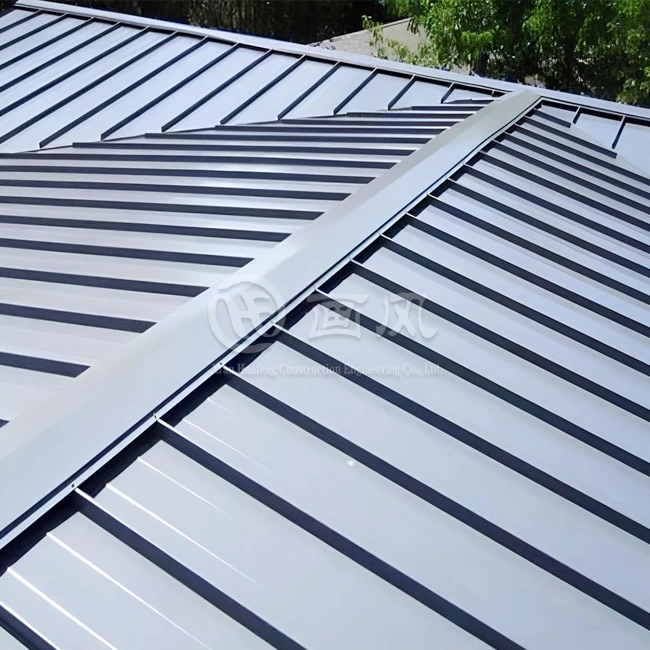
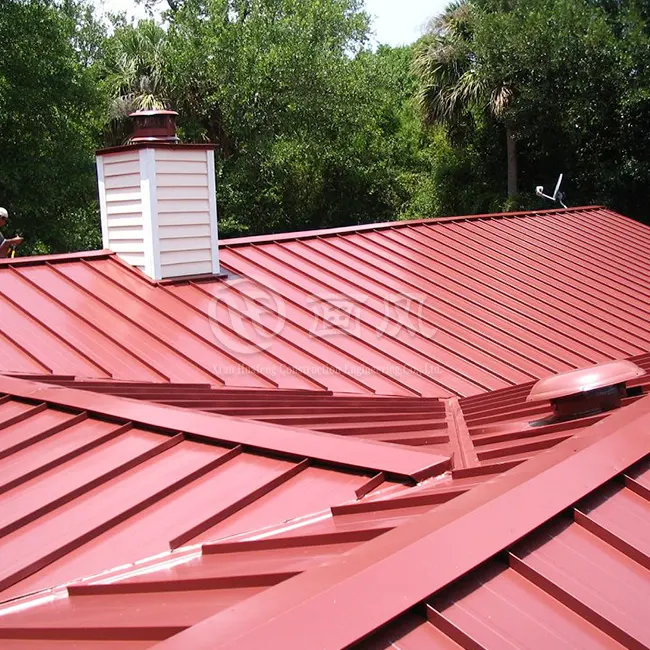
Standing seam copper roof panels serve as a premium metal roofing solution distinguished by raised vertical interlocking seams that deliver exceptional weather resistance and structural integrity. These panels utilize a concealed fastener system where clips attach to the substrate beneath, allowing the copper to expand and contract freely without compromising watertightness. Manufactured from high-purity copper conforming to ASTM B370 standards, these panels develop a protective patina layer that naturally resists corrosion, offering commercial and industrial projects a service life exceeding 50 years. The system eliminates common leak points associated with exposed fastener roofs while providing architectural distinction through copper's evolving aesthetic characteristics.

Understanding Copper Standing Seam Roof System Construction
Material Composition and Standards
High-performance copper roofing panels are made from either C11000 electrolytic tough pitch copper or C12200 phosphorus-deoxidized copper, both of which are 99.9% pure. Precision-rolled sheets with thicknesses ranging from 0.6mm to 0.7mm are a big part of how we make things. These sheets are the best mix of being able to be shaped and being strong. These requirements meet strict industry standards, which means panels can handle temperature changes from -50°C to 150°C without breaking down from overuse. The material is naturally flexible, so it can be shaped into complicated architectural shapes. It also stays the same size even when temperatures change quickly, which is common in commercial settings.
Panel Profiles and Specifications
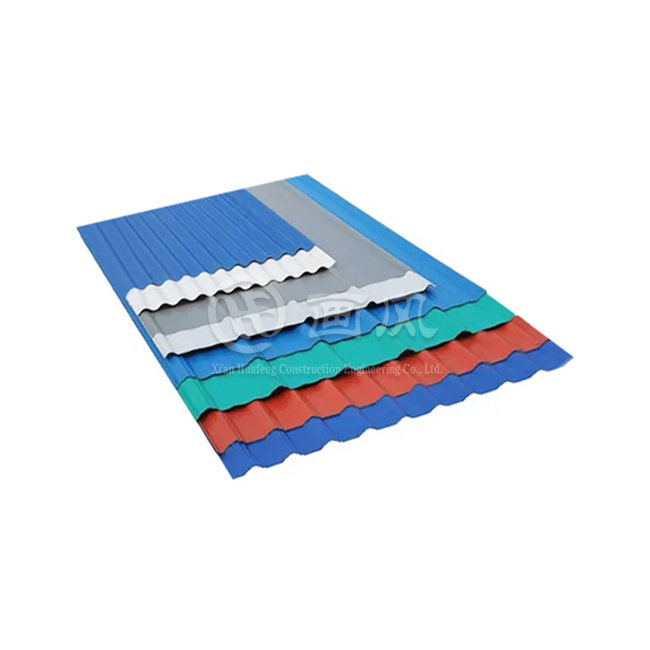
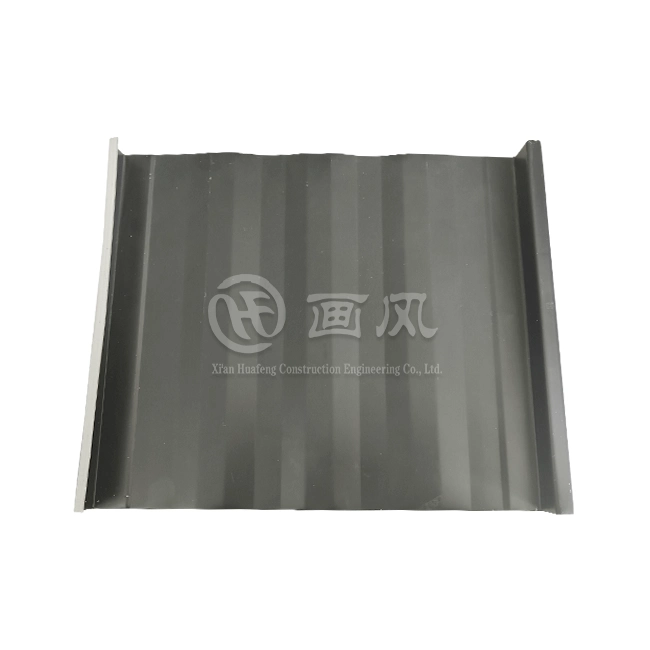
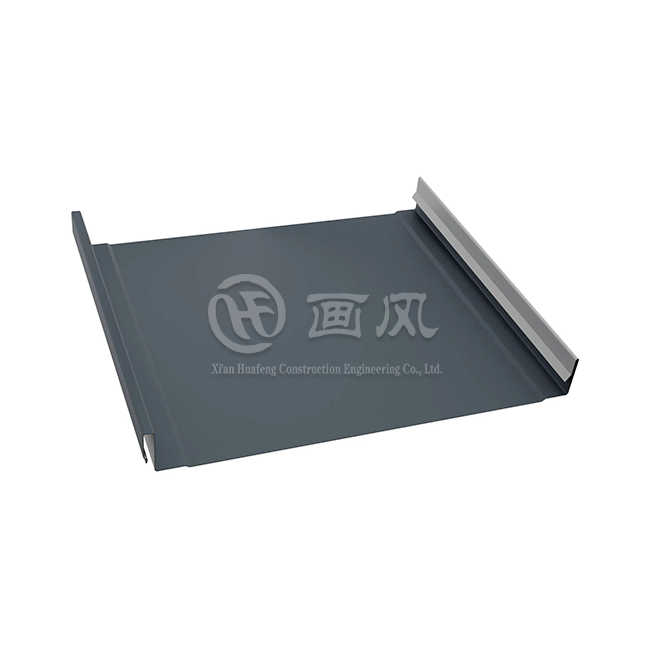
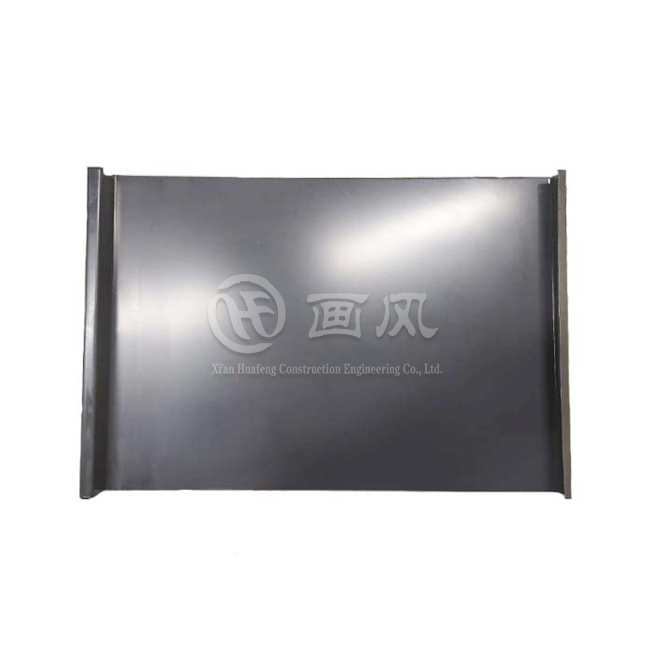
Commercial-grade systems like standing seam copper roof panels come in a number of different shape designs to meet the needs of a wide range of projects. The 25-330, 32-410, 45-400, and 65-400 specifications show the seam height and effective coverage width measurements. This lets procurement teams match panel geometry with the needed structural load and the desired look. Seam heights between 25 mm and 65 mm offer different levels of water drainage. For low-slope uses where draining speed slows down, higher profiles are suggested. Customizable panel lengths of up to 12 meters cut down on the number of seams, which means there are fewer places for water to get in and installation times are shorter for big business roofs.
Surface Treatment Technologies
Modern copper panels have improved surface processes that change how fast they patina and change color. PVDF and PE coating systems can be used on panels that need to be a certain color or have natural oxidation delayed. These fluoropolymer coatings protect against UV light and keep the original RAL color throughout the warranty period. They are used in architecture where a consistent look is more important than a patina look. Other methods of treatment include pre-oxidation processes that speed up the formation of protected copper carbonate layers. This cuts the time it takes for natural weathering from decades to months when the manufacturing conditions are controlled.
Installation Protocols for Commercial Applications
Substrate Preparation and Deck Requirements
A successful copper roof installation starts with checking out and getting ready the base. The deck below must provide continuous structural support. This is usually made of heavy-gauge steel decking or solid plywood covering that can't bend more than L/240 under design loads. Any flaws in the base show up directly on the panel surface as oil canning, so it's very important that the deck is perfectly flat. Putting down a high-temperature underlayment membrane makes a second barrier against water and stops copper and treated wood compounds from reacting chemically. This separation layer covers up small flaws in the base and protects it from the weather temporarily during the phased installation process.
Managing Thermal Movement
With a value of 16.8 micrometers per meter per degree Kelvin, copper has strong thermal expansion properties, which is critical for standing seam copper roof panels. This property calls for special ways to attach things so that panels don't buckle or seams don't fail. Floating clip systems hold panels to the base but let them move along the length as temperatures change. The distance between clips is usually between 300 mm and 450 mm along the length of a panel. The distances are closer near the eaves and ridges, where wind lifting forces are stronger. The right clip engagement depth makes sure that panels stay in place when the temperature drops without blocking expansion. Achieving this balance requires construction teams that are skilled and know how metal roofs behave.
Seaming Methods and Waterproofing
Mechanical seaming machines make double-lock standing seams that connect two panels together by folding them one after the other. This process squeezes the factory-applied glue inside the female leg, creating a capillary break that stops water from getting in when it rains with wind. For complicated shapes, manual seaming methods are still useful, but mechanical seamers are better for large commercial projects because they compress materials more consistently and work faster. When seaming correctly, you need to pay attention to the temperature because copper's strength changes with temperature, which can affect the quality of the fold. Quality control procedures include checking the uniformity of the seams visually and trying the mechanical stability of the interlock by pulling on random samples.
Performance Comparison with Alternative Roofing Materials
Lifecycle Cost Analysis
Even though the materials are more expensive at first, copper roofing has a very good return on investment when looked at over its entire useful life. To keep their rust protection, steel standing seam systems need to be re-coated every so often. This is usually done every 15 to 20 years, which adds up to extra costs over time. Aluminum panels don't rust, but copper panels have a self-healing sheen that does. To get the same level of structural performance, you need thicker sizes. A full lifecycle analysis shows that copper's 30-year warranty and 100-year lifespan result in lower annualized ownership costs for institutional buildings where replacing the roof causes more problems than just material costs.
Structural Load Considerations
With a density of 8.96 g/cm³, copper is in the middle of how light aluminum is and how heavy slate or concrete tiles are, making standing seam copper roof panels a balanced choice. At normal panel thicknesses, the fixed weight is between 1.5 and 2 kg per square meter, which is well within the load capacity of most business buildings and doesn't need any extra support. This middle weight category gives the roof enough mass to fight wind without needing the structural changes that heavier standard roof materials need. The standing seam profile configuration adds more rigidity because of the way it is shaped, which means that thinner material gauges can span the same distance as flat-lock systems.
Aesthetic Evolution and Architectural Impact
Coated metal roofs lose their good looks over time by chalking and fading, but copper surfaces change in a controlled way that many builders choose on purpose. Within months, the salmon-pink shiny look changes to brown copper oxide, and over time, the typical blue-green patina forms as copper sulfate and carbonate compounds build up. This natural aging process gives things more depth and historical character, which is especially useful for cultural, religious, and governmental restoration projects. In coastal installations, salt spray exposure speeds up the patina process. In arid climates, on the other hand, brown oxide tones may stay for decades, letting the final look be affected by regional climate patterns.
Strategic Procurement for Commercial Projects
Supplier Evaluation Criteria
When looking for trusted copper panel makers, you need to look at more than just price. When construction projects have tight schedules, and materials are late, it affects all the trades that depend on them, production capacity becomes very important. Manufacturers with specialized forming lines can make custom panel shapes that meet specific size requirements without having to wait for retooling to happen. Premium providers stand out because they offer better technical support. Their engineering teams do things like thermal movement estimates, fastener specs, and help with fitting for roofs with complicated shapes. Before placing large orders, make sure that the manufacturer's quality certifications, such as ISO 9001 compliance, and product testing documentation are checked to make sure that performance standards are being met.
Customization and Lead Time Planning
Panels for commercial projects, such as standing seam copper roof panels, are often needed in non-standard lengths or sizes to cut down on waste and speed up the fitting process. Manufacturers who do their own fabrication can meet unique requirements, such as the 25-330/400/430 and 65-400/430 profile versions, within normal production runs of 15 to 20 days. For this delivery timeframe to work, materials must be available and specifications must be approved. This is why early contact with suppliers is so important during the planning stages of a project. Bulk order plans for multi-building sites or phased developments may be able to get price breaks based on volume, but procurement managers should make sure that the goods can be stored and delivered in a way that fits with the schedule for construction progress.
Warranty and Post-Installation Support
Leading makers offer 30-year guarantees that cover perforation, structural stability, and finish longevity. These warranties cover both material defects and performance qualities. It's still important to know what the warranty doesn't cover because problems like bad installation, touching materials that don't work well together, or not doing enough maintenance can void the coverage. Some suppliers have networks of certified installers who are trained in installing their own panel systems. This gives procurement teams peace of mind that the quality of the installation meets manufacturer standards. After the roof is installed, support services like regular inspections and care tips help building managers get the most out of the warranty while keeping it in good shape during the coverage period.
Environmental Performance and Sustainability Credentials
Energy Efficiency Contributions
Copper covering affects how well a building uses energy because it is reflective and has a high heat mass. At first, copper that hasn't been coated doesn't reflect much sunlight. But as a patina forms on the surface, it starts to reflect more light, which lowers the cooling load in warm countries. When used with the right attic airflow and insulation, metal roofs create thermal breaks that slow down the flow of heat. The standing seam profile naturally helps air flow under the panels, which makes ventilation and cooling even better. These benefits of passive thermal management count toward energy modeling points in green building certification programs. They help LEED and other similar sustainability systems.
Recyclability and Circular Economy
It is almost impossible to recycle copper because the recycled material keeps all of its original properties and doesn't lose any quality over time, which makes standing seam copper roof panels an exceptionally sustainable choice. When their useful life is over, copper roofing panels have a high scrap value that can be used to cover the costs of demolition and keep the material out of landfills. The metal's natural value encourages recovery, and a well-established recycling system makes sure that materials get back into the supply lines of manufacturers. This closed-loop feature fits with business environmental goals and the circular economy ideas that are becoming more important in commercial building. Copper's lifecycle carbon footprint is measured in environmental product declarations. This information is used for whole-building environmental impact assessments that are required by green building standards.
LEED and Green Building Certification
Copper roofing helps with a lot of different LEED point areas, such as Materials and Resources, Energy and Atmosphere, and Innovation in Design. Credits for building longevity and reduced lifecycle impacts are backed up by the material's durability. Materials and Resources requirements can be met by choosing copper panels with a high percentage of recycled content, and transportation effect decrease requirements can be met by buying from local makers. Metal roofing systems support indoor air quality goals because they don't contain volatile organic molecules. Environmental product statements, material buying records, and installation waste management plans are some of the documents that are needed for certification submissions. Manufacturers that care about sustainability can easily provide these documents.
Conclusion
Investing in copper standing seam roofing is a smart move for business and industrial projects that want to last, look good, and be good for the environment. The material has a self-protecting patina system, can be used for hundreds of years, and can be recycled completely. These features make it better in terms of lifetime cost, operational sustainability, and architectural effect. The right system design, which takes into account thermal movement, substrate suitability, and seaming methods, makes sure that performance matches the powers of copper. Procurement teams gain when they work with manufacturers who offer expert help, the ability to make changes, and full warranties backed by proven production capacity.
FAQ
1. How frequently does copper roofing require maintenance inspections?
Visual inspections once a year are enough for most commercial installations. The focus should be on gutter clearance, flashing integrity, and seam condition. Copper doesn't need to be coated because it doesn't rust, but solder joints at complex flashings should be checked every 20 to 30 years. Getting rid of debris stops water from building up and staining nearby building materials.
2. What climate conditions best suit copper panel installations?
Copper works very well in all kinds of weather, from harsh arctic situations to warm seaside areas. The material can withstand temperatures between -50°C and 150°C and is resistant to salt spray, which makes it perfect for marine environments where other metals rust quickly. For proper drainage, low-slope applications need a pitch of at least 3 degrees.
3. Can production lead times be expedited for urgent project schedules?
Standard delivery times of 15 to 20 days can sometimes be shortened for faster freight options, but production cycles may take longer if custom profile tools are used. Early involvement of suppliers in design development lets makers prepare materials ahead of time, which cuts down on delays when purchase orders are sent out.
Partner with HF for Premium Copper Roofing Solutions
Xi'an Huafeng Construction Engineering Co., Ltd. offers engineered copper standing seam systems and has been working with metal roofs for 30 years. Our factories cover 200,000 square meters and have state-of-the-art making technology, which makes sure that the panels we make are exactly what your project needs. We always have 25-330, 32-410, 45-400, and 65-400 profile shapes in stock, all of which have PVDF/PE surface treatments and RAL-matched colors. As a well-known provider of standing seam copper roof panels, HF offers full technical support, from thermal analysis to installation advice, backed by a 30-year warranty. Email our engineering team at huafeng@hfmetalroof.com to talk about your business roofing needs and get full specifications that are made just for your project.
References
1. Copper Development Association. "Copper in Architecture: Design Handbook for Architects and Specifiers." 2019 Edition.
2. National Roofing Contractors Association. "Metal Panel Roof Systems Manual: Design, Installation and Performance Standards." 2021.
3. Mehta, M. and Scarborough, W. "Building Construction: Principles, Materials, and Systems." Pearson Education, 2020.
4. American Society for Testing and Materials. "ASTM B370 Standard Specification for Copper Sheet and Strip for Building Construction." Annual Book of Standards, Volume 02.01.
5. Hutchings, T. and Casagrande, R. "The Environmental Benefits of Metal Roofing: Lifecycle Assessment and Sustainability Analysis." Journal of Architectural Engineering, Volume 26, Issue 3, 2020.
6. Sheet Metal and Air Conditioning Contractors' National Association. "Architectural Sheet Metal Manual: Standing Seam Roof Systems Installation Guidelines." 7th Edition, 2018.





YOU MAY LIKE
_1757558889992.webp "Metal Roofing Snowguards")