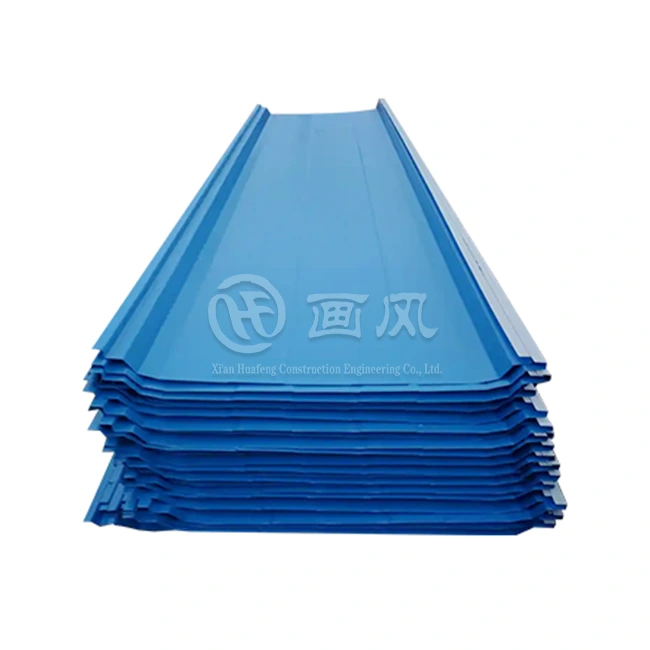
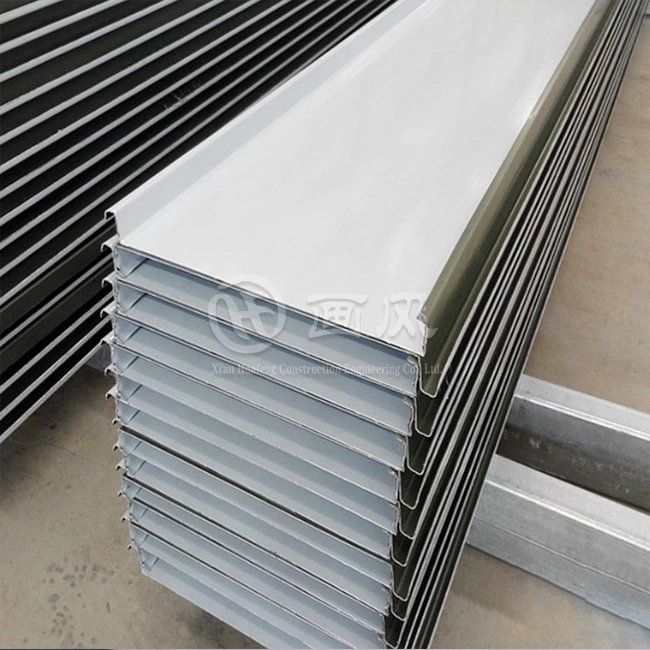
Why Choose Corrosion Resistant 22 Ga Standing Seam Metal Roof Systems?
2026-08-10 20:30:19
When specifying roofing solutions for large-scale infrastructure projects, the choice of a 22 ga standing seam metal roof with advanced corrosion resistance addresses the most critical performance concerns facing today's construction professionals. This roofing system combines optimal panel thickness with protective coatings engineered to withstand decades of environmental exposure, delivering structural reliability that significantly reduces lifecycle costs. The concealed fastener design paired with high-grade substrates creates a weathertight barrier capable of protecting valuable assets in transportation hubs, commercial complexes, and government facilities where failure is not an option.

Understanding 22 Ga Standing Seam Metal Roof Systems
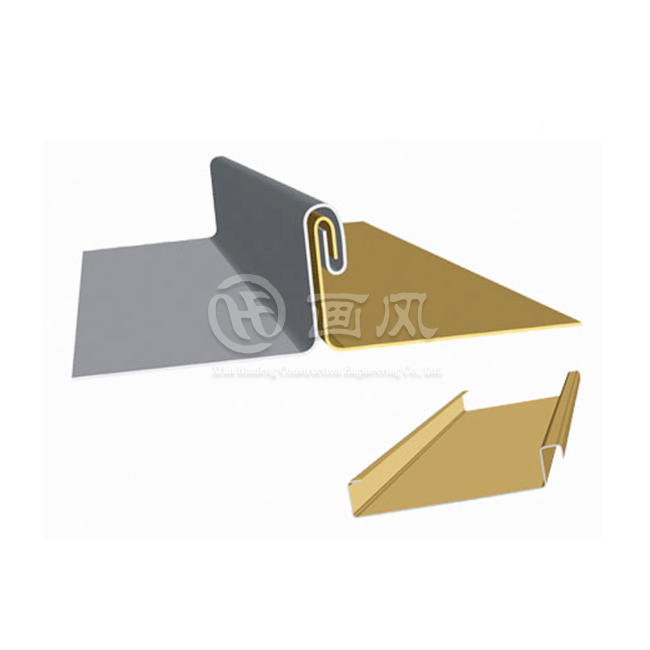
A standing seam metal roofing system is made up of vertical leg panels that fit together with mechanical seams to make a continuous weather barrier across the roof plane. The nominal thickness of 0.76 mm in 22 ga is a choice made by engineers to combine the strength of the material with how easy it is to handle during placement on large-span buildings.
Gauge Thickness and Structural Performance
Metal roofing sheets that are 22 ga are much more resistant to damage from impacts and heat stress than lighter options. This thickness level pretty much gets rid of the flaw called "oil canning," which is the wavy look that thinner panels have. This flaw is especially noticeable on smooth roofs like those in convention centers and airport terminals. The extra mass of the material directly turns into better load-bearing capacity, which means that panels can span purlin spacing of 4 to 5 feet without having to pay for expensive solid base installation.
Corrosion Protection Through Material Science
To achieve long-term corrosion resistance, security must be organized at several levels within the panel's structure. Galvalume or aluminum-zinc alloy substrates are used in high-end standing seam metal roofing systems to protect against oxidation. The metal coats are then covered with architectural-grade finishes, which are usually PVDF resins with 70% Kynar 500 or Hylar 5000. These finishes make a shield that keeps water, acid rain, and industrial pollutants out. Our factories use seven separate production lines to apply these coating systems using precise roller coating methods. This makes sure that the thickness and stickiness are all the same and meet AAMA 2605 performance standards, which were confirmed by independent SGS testing.
Service Life Expectations in Demanding Environments
When you put together the gauge thickness and protective coatings on these roofing systems, they can keep their structural and visual integrity for 40 to 60 years under normal exposure conditions. Projects near the coast or in industrial areas with corrosive air are helped by aluminum alloy panel options that don't break down naturally when exposed to salt spray. Our systems come with a 30-year warranty because we're sure of their performance after decades of testing them in airports, high-speed rail stations, and open logistics centers.
Key Benefits of Corrosion Resistant 22 Ga Standing Seam Metal Roofs for B2B Clients
When procurement managers look at investments in roofs, they need to look at performance measures that include more than just the cost of installation. They also need to look at the total ownership value over the lifecycle of the project. The features that corrosion-resistant standing seam systems offer directly address the operational and financial concerns that guide business building choices.
Enhanced Durability Reducing Replacement Cycles
Commercial roofing is a big investment that building owners hope will protect their buildings for many years without breaking down early. The 22 ga thickness can handle being walked on during maintenance work, doesn't get punctured by falling objects, and keeps the seams intact through thermal expansion cycles that would damage thinner panels. This longevity is especially useful for buildings that store expensive equipment or stock, since water damage can have terrible financial effects.
Energy Efficiency Supporting Sustainability Mandates
As corporate responsibility programs and green building certifications become standard project requirements, environmental performance is becoming a bigger factor in modern procurement for systems like the 22 ga standing seam metal roof. Our PVDF coatings contain cool roof technology that reflects a lot of solar energy, which measurably lowers the amount of heat that gets into conditioned building areas. Energy modeling shows that using these roofing materials reduces the cooling load by 15–25% compared to using traditional roofing materials. This lowers running costs and earns LEED points for sustainability awards that raise property values.
Minimized Maintenance Lowering Total Cost of Ownership
The hidden fastener design gets rid of the hundreds of entry points that are a problem with exposed fastener roofing systems. These points let water and temperature changes damage the gaskets and loosen the fasteners. This small architectural feature stops the most common cause of industrial roof leaks, which means that there are a lot fewer emergency repair calls and the problems that come with them. Annual debris removal and regular checks are the only routine maintenance tasks that need to be done. These can be done by property management teams without the need for specialized contractors or roof repair reserves.
Comparing 22 Ga Standing Seam Metal Roofs With Other Roofing Options
Understanding how different types of roofs work in comparison helps procurement teams make choices that are based on facts and fit the needs of the project and the budget. The standing seam category is at the top because it has measurable advantages in key performance areas.
22 Gauge Versus 24 Gauge Panel Performance
Even though the difference in thickness between these ga is only 0.16 mm, it has big effects on how well the roof works when it covers a lot of space. The higher rigidity of 22 ga panels makes the flatness look better, which is especially important for roof lines that people can see in building projects where looks affect how people feel. Structural testing shows that 22 ga walls can withstand wind lifting ratings high enough for hurricane-prone areas without needing more fasteners. This makes installation easier and improves weather protection.
Metal Roofing Versus Traditional Materials
When you compare 22 ga standing seam metal roof systems to asphalt shingles or built-up roofs, you can see that they perform, last longer, and require less upkeep in very different ways. Due to UV damage and granule loss, asphalt-based products usually need to be replaced every 15 to 20 years. This means that they cost a lot to buy and are hard to get rid of. These ways of breaking down are not present at all in our metal roofing systems. They keep their wetness and brightness for a long time, longer than many generations of other roofing systems. The Class A fire rating for non-combustible materials makes buildings that store valuable items or perform important public functions even safer.
Material Selection: Steel Versus Aluminum Substrates
Both types of substrate have their own benefits, which rely on the surroundings and personal taste. Steel panels coated with Galvalume offer the best combination of structural strength and cost-effectiveness for most business uses. They work especially well in indoor locations that aren't exposed to salty coastal air. When it comes to harsh areas where corrosion is a problem, like salt fog or industrial emissions that speed up oxidation, aluminum alloy panels are the best. They offer better protection, which is why they cost more for important installs. Because our manufacturing skills span three production sites, we can choose the best material for each project instead of forcing clients to use a single substrate.
Procurement Considerations for 22 Ga Standing Seam Metal Roof Systems
Choosing manufacturing partners with the technical skills and operational infrastructure that meet the scale and quality standards needed for institutional and commercial construction is a big part of completing a project successfully. During the seller approval process, there are a number of things that need to be carefully looked at.
Manufacturer Qualifications and Certifications
For projects that get money from the government or are run by publicly traded companies, suppliers usually have to follow well-known quality management systems and show that they have professional qualifications. Our company has Grade 1 building curtain wall qualifications and Grade 3 steel structure certifications from the provincial construction authorities. These show that we have the technical know-how that has been checked by regulators. The designation of a high-tech enterprise shows that the company continues to invest in research and development, which has led to the registration of more than 20 patents that cover things like seaming systems, thermal management details, and installation methods. Independent testing by SGS laboratories shows that our products meet ASTM, DIN, JIS, and GB/T standards that are used in foreign markets. The test results include details about how well the products burn, how well they comply with RoHS regulations, and how long the AAMA 2605 coating lasts.
Production Capacity and Customization Capabilities
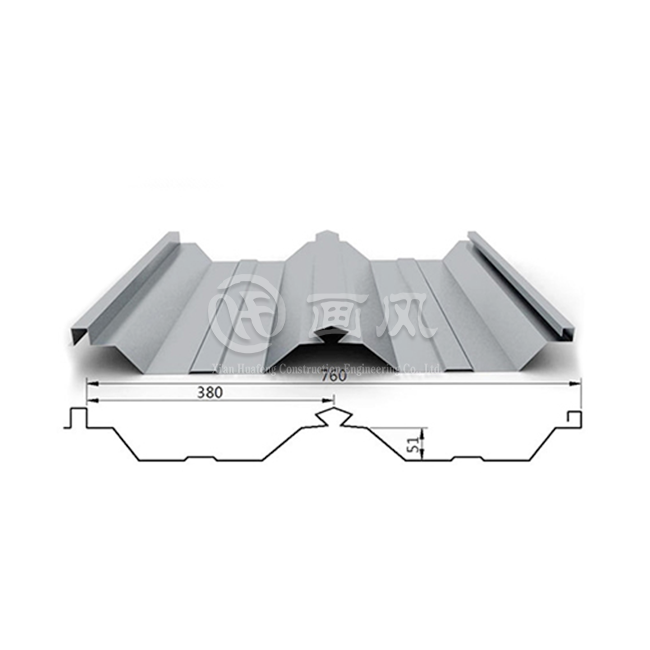
For large projects, suppliers need to have the production facilities to make quality products over thousands of square meters while also being able to adapt to the needs of the project, including 22 ga standing seam metal roof systems. Our production network is made up of three separate factories that run seven color coating lines and more than 40 specialized machines for punching, forming, and finishing. This capacity allows for more than 1,000 tons of output each month, and it still allows for the creation of custom panel shapes in the 25-330, 32-410, 45-400, and 65-400 lines. Custom color matching against RAL standards or client-provided samples makes sure that the architectural vision is carried out correctly from the renderings to the finished product.
Pricing Structure and Order Economics
The prices of materials for standing seam roofing depend on a number of factors, such as the type of base used, the coating requirements, the complexity of the panels, and the number of orders placed. Because of the economies of scale that come with buying things for business building projects, our price models offer discounts for large orders starting at 500 square meters. Lead times of 15 to 20 days from order confirmation to shipment ready make it possible to work with the plans of mid-rise and institutional projects. Clear pricing that doesn't include extra fees for engineering help or technical documents makes making budgets easier and stops costs from going up without warning during the procurement process.
Installation and Maintenance Best Practices for Maximizing Corrosion Resistance
Even the best roofing materials need to be installed correctly and regularly maintained in order to work as well as they can. Premium roofing systems are a big investment, so it's important to know important details during both the installation and care stages.
Proper Installation Protocols
Keeping factory-applied coats in good shape during handling and installation stops the points where rust starts, which hurts long-term durability. In our technical documentation, we list compatible clip systems that can handle thermal movement without putting stress on seams or making metal-on-metal friction that wears away protective finishes. Panel alignment methods make sure that reveal sizes and seam placement are always the same, which improves the look of the building while keeping it weathertight. The concealed fastener design needs precise clip placement that matches the locations of the structural purlins. This is work that is best done by installation crews that have experience with standing seams instead of crews that are switching from using exposed fasteners.
Avoiding Common Installation Errors
Even when the right materials are chosen, most roofs, including 22 ga standing seam metal roof systems, fail too soon because of a few mistakes during installation. When panels don't overlap enough at the ends, they can leak during heavy rain, especially in business building where slopes are low. Using clips or bolts made of metals that don't work well together causes galvanic rust, which speeds up the breakdown of coatings at connection points. Our technical support team helps contractors avoid these problems by giving them installation training and on-site advice. This protects both the investment in the roof and our company's image for reliable work.
Routine Maintenance Requirements
Compared to other roofing systems, rust protection only needs a small amount of care to stay strong. Every year, there should be checks to see if there is any buildup of debris in valleys or behind parapet walls where water could touch panel surfaces. Getting rid of leaves, dirt, and other organic matter stops wetness from staying in the soil, which could damage the layer over time. Coastal installations can be rinsed with fresh water every so often to get rid of salt deposits before they build up enough to damage protected finishes. These simple maintenance tasks, which are easy to add to normal building management procedures, make sure that roofing systems last as long as they were meant to without breaking down unexpectedly.
Conclusion
Choosing standing seam metal roofing systems that don't rust meets the most important performance requirements for modern commercial construction. The 22 ga thickness standard offers structural benefits that get rid of common worries about how things will look and how long they will last. It also supports fitting methods that guarantee long-term weathertightness. Independent lab tests have shown that advanced coating systems protect against rust and keep their function and look for decades when they are exposed to the environment. For procurement workers in charge of complicated projects with strict quality standards and long-term lifecycle expectations, these roofing systems are investments that protect buildings while reducing downtime and upkeep costs over the course of their useful lives.
FAQ
1. How long can I expect a corrosion-resistant 22 gauge metal roof to last?
If they are installed correctly and don't need much upkeep, these roofing systems should last between 40 and 60 years. Our products come with a 30-year warranty that covers flaws in the materials and the performance of the coating. This warranty is backed by testing data from installations that go back to the early days of PVDF coating technology. The actual service life depends on how harsh the environment is. In continental areas, coatings usually last longer than 60 years, but in harsh marine or industrial environments, they may start to chalk after 40 to 45 years without changing the structure's strength or waterproofing ability.
2. Can panel dimensions be customized for specific project requirements?
Of course. We can make panels with unique widths, seam heights, and lengths, as long as they don't go over the limits of shipping. Color options go beyond standard RAL options; they also include custom matches based on client samples, which lets them work with other parts of the building or meet brand identity needs. Different profile options, such as mechanical lock versus snap-lock seam types, let you choose the best fitting method for your roof's shape and ease of access.
3. What maintenance is required to preserve corrosion resistance?
During the working life, there aren't many maintenance needs. The main condition is that the area be inspected once a year to remove any trash and look for damage from odd events. Coastal installations should be rinsed with fresh water every so often to keep salt from building up, while facilities that are shaded by a lot of trees may need to be cleaned more often to keep organic stains from showing up. Standing seam metal roofs keep their protective barriers in place without any work being done, unlike asphaltic roofs that need to be re-coated or membrane systems that need to have their seams inspected.
Partner With HF Metal Roofing for Your Next Major Project
Choosing a 22 ga standing seam metal roof system is a smart move that will protect the building's investments and help it meet its operational goals for many years to come. Xi'an Huafeng Construction Engineering is a well-known 22 ga standing seam metal roof manufacturer that can help with everything from planning to installation. They have the technical know-how and production capacity that large-scale projects need. We are the reliable partner your procurement team needs because we have three manufacturing sites, are qualified to build Grade 1 curtain walls, and have finished projects in transportation infrastructure and business developments. Email our engineering team at huafeng@hfmetalroof.com to talk about project details, get detailed information, or set up a meeting to talk about your unique roofing problems. We offer full solutions, from the initial idea to guarantee support, to make sure that your roofing investment performs well and lasts as long as your stakeholders expect.
References
1. American Architectural Manufacturers Association. "AAMA 2605-22: Voluntary Specification, Performance Requirements and Test Procedures for Superior Performing Organic Coatings on Aluminum Extrusions and Panels." Schaumburg: AAMA, 2022.
2. Metal Construction Association. "Technical Bulletin: Thermal Movement in Metal Building and Roofing Systems." Glenview: MCA, 2021.
3. National Roofing Contractors Association. "The NRCA Metal Panel and SPF Roofing Manual." Rosemont: NRCA Publications, 2023.
4. ASTM International. "ASTM E1592-20: Standard Test Method for Structural Performance of Sheet Metal Roof and Siding Systems by Uniform Static Air Pressure Difference." West Conshohocken: ASTM, 2020.
5. Cool Roof Rating Council. "Product Rating Program Manual: Radiative Properties and Thermal Performance of Roof Surfaces." Oakland: CRRC, 2023.
6. Steel Market Development Institute. "Design Guide for Standing Seam Roof Systems in High Wind Regions." Washington: SMDI Technical Publications, 2022.





YOU MAY LIKE
_1769761215912.webp "Ventilation noise reduction net")