Where to Buy Striated Standing Seam Metal Roofing Trusted Global Suppliers
2026-08-07 19:51:53
When searching for striated standing seam metal roofing for your next commercial or industrial project, you need a supplier who understands the complexities of large-scale procurement. These textured metal roofing panels combine the proven performance of traditional standing seam systems with an aesthetically refined surface that minimizes visual imperfections while maximizing structural performance. Trusted global suppliers offer comprehensive solutions that address the entire procurement cycle—from initial specifications and customization to logistics coordination and post-installation support. Partnering with established manufacturers who maintain rigorous quality standards and proven production capacity ensures your project timeline stays on track without compromising material integrity.

Understanding Striated Standing Seam Metal Roofing
What Makes Striated Panels Unique
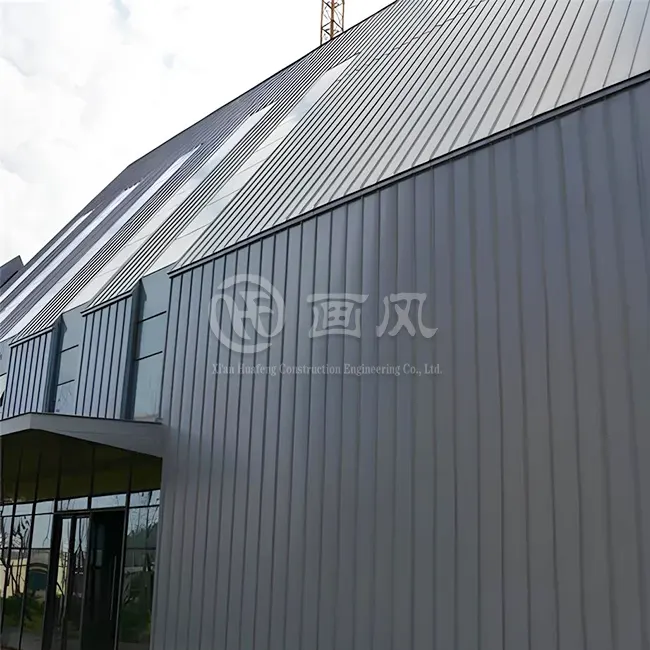
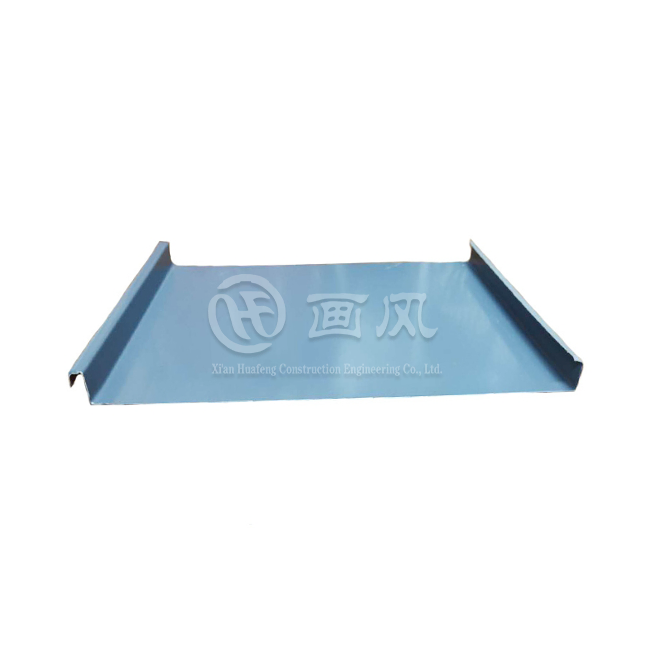
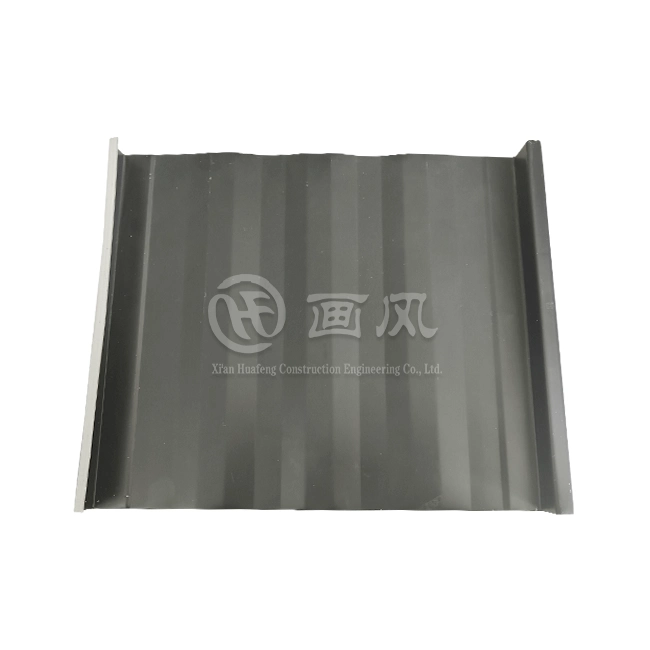
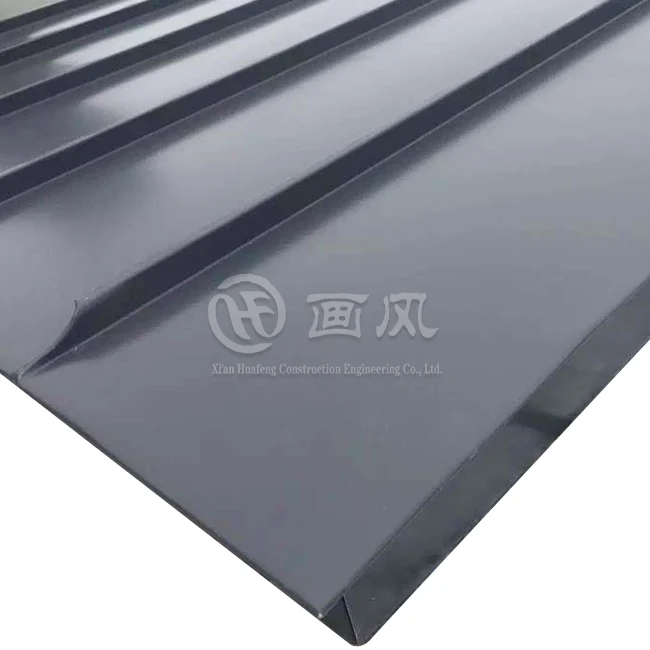
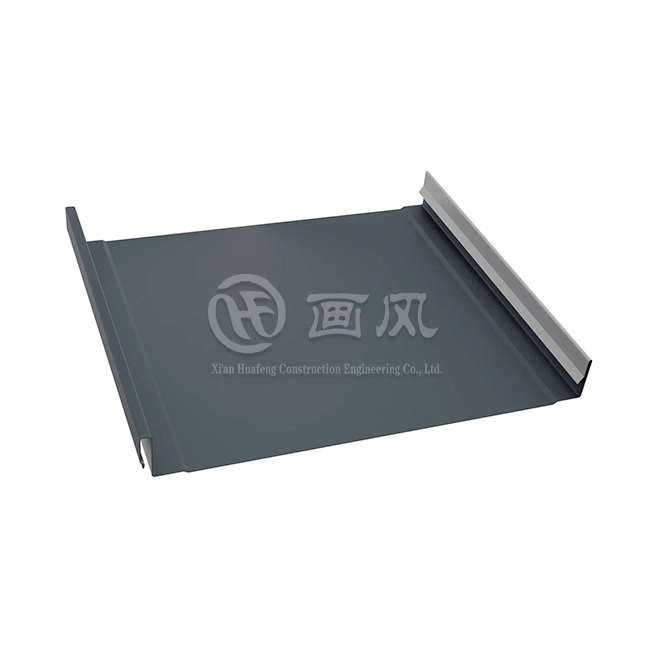
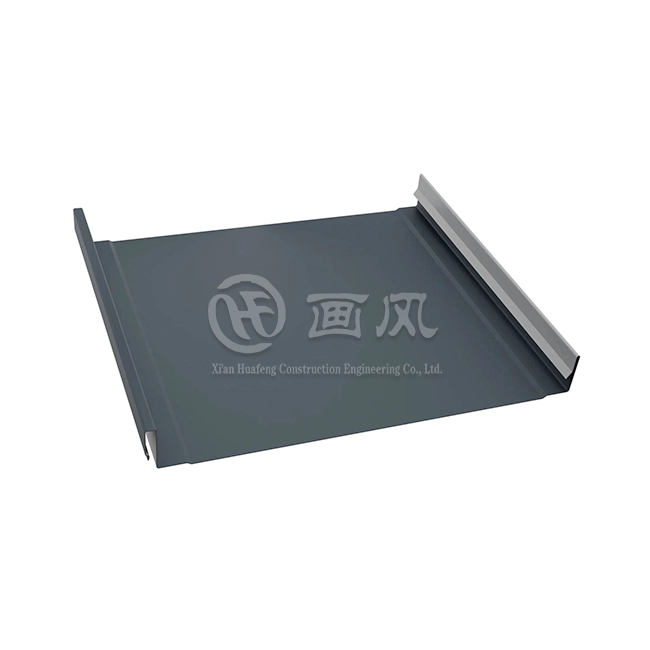
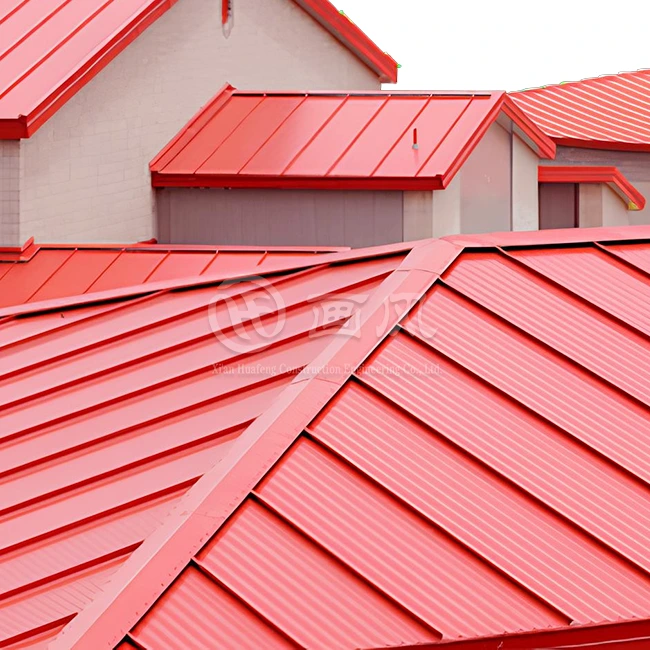
Striated standing seam metal roofing has vertical grooves or ridges running along the panel surface. This gives it a unique linear texture that makes it stand out from metal roofs that are smooth. This texture is both useful and nice to look at. It makes the metal more stiff, which lowers the risk of oil canning, which is when flat metal surfaces get wavy. When panels are put together, the raised seams that connect them make them very resistant to the weather. They do this by hiding the fasteners, which keeps water out and wind out.
The base materials for these panels are usually galvanized steel or aluminum-magnesium-manganese alloys. The thickness of the panels can be anywhere from 0.6 mm to 1.2 mm, based on the structure's needs and the conditions it will be exposed to. These vertical lines give building faces and rooflines depth and break up the flat look that comes with smooth metal. They also keep the clean, modern look that architects and site managers like.
Technical Advantages for Commercial Applications
The rough surface of striated standing seam metal roofing improves performance in ways that can be measured, going beyond how they look. The grooves make the panel wider and stiffer across the width, which keeps the substrate from warping during installation and thermal cycling. This improvement to the structure is useful for large-format commercial roofing, where panel lengths can go over ten meters. The striations also spread out the light that is reflected, which reduces glare that can be a problem in cities or near airports.
When it comes to longevity, striated standing seam metal roofing systems work really well in harsh environments. The raised seam design, which is usually between 25 mm and 65 mm high, moves water around well, even when it rains a lot or the snow melts quickly. When high-performance coatings like PVDF (polyvinylidene fluoride) are added to these roofing systems, the color stays true and they don't rust for decades. Industry tests show that PVDF-coated striated panels keep their look and protective properties for 20 to 30 years in harsh coastal and industrial settings where chemicals and salt spray make materials break down faster.
Comparison of Striated Standing Seam Metal Roofing with Other Roofing Options
Performance Against Traditional Standing Seam Systems
Although both striated and smooth standing seam panels use the same basic interlocking seam technology, the textured version is better in terms of both looks and performance. In some lighting situations, smooth panels can show waviness that can be seen. This isn't a problem for the structure, but it can be a problem during project checks. Because they have grooves on their surfaces, striated shapes successfully hide this optical effect.
When you compare prices, you'll see that there isn't much of a difference between striated and smooth panels that come from makers with special rollers for shaping. The composition of the material stays the same; the process of shaping it changes. Often, procurement managers find that selecting striated standing seam metal roofing lowers the number of callbacks and owner comments about how the project looks. This means that the total cost of the project is lower, even if there is a small material premium.
Advantages Over Corrugated Metal and Asphalt Shingles
The repeating wave pattern of corrugated metal roofing gives it a different look that works well for farming and practical buildings but not for the sleek look that business developers want. Corrugated systems usually have visible screws that go through the roof's surface. This makes leaky spots that need to be checked for repairs over the roof's lifetime. With a hidden clip connection method, striated standing seam metal roofing systems don't leave this opening open because the screws never go through the weathering surface.
The lifecycle value of striated standing seam metal roofing and asphalt shingles is very different from one another. Asphalt shingles are cheaper to put at first, but they need to be replaced every 15 to 20 years, make a lot of trash, and don't do much to help with energy economy. By reflecting sunlight, metal roofing systems with PVDF coatings and good insulation lower cooling loads. This means that projects can often get green building certifications like LEED credits. The usual 30-year protection that comes with high-quality striated standing seam metal roofing gives you financial security that you can't get with asphalt options that slowly break down when exposed to UV light and changes in temperature.
Customization Options for Brand Identity
In addition to being useful, striated standing seam metal roofing panels can be colored in a wide range of ways using the RAL and Pantone color matching systems. This gives business property developers and corporate building managers the freedom to match the look of the roofs to brand color schemes or architectural themes. Custom color service providers usually need at least 500 square meters of an order, which means this option is good for medium to large commercial projects.
Choosing between PE (polyester) coatings and PVDF coatings for the surface treatment affects both how the coating looks and how long it lasts. PE coatings are a cheap option for buildings that are exposed to mild environmental conditions. PVDF coatings, on the other hand, are worth the extra cost because they are better at resisting UV light and chalking, so they look good for decades. When looking at lifetime costs, procurement teams often come to the conclusion that PVDF-coated striated standing seam metal roofing panels offer the best value for money for long-lasting buildings that don't need much upkeep.
Guide to Procuring Striated Standing Seam Metal Roofing from Global Suppliers
Evaluating Supplier Credentials and Capacity
Checking the manufacturing standards and certifications of a potential supplier is the first step in choosing a reliable one. Many foreign standards are followed by quality makers, such as ASTM (American Society for Testing and Materials), DIN (German Institute for Standardization), JIS (Japanese Industrial Standards), and GB/T (Chinese National Standards). These certificates show that goods have been through a lot of tests to make sure they meet strict standards for coating bonding, corrosion protection, and structural performance.
Another important factor in judging something is its production ability. As an example, suppliers that have more than one factory with dedicated production lines show that they can handle large orders with short lead times. A company that runs three factories with seven production lines and more than forty specialized machines has the infrastructure to deliver 1,000 tons per month, which is enough to complete multiple projects at the same time without any production bottlenecks that would cause construction schedules to slip.
Understanding Procurement Specifications
There are a number of factors that buying teams must clearly describe in the technical specs for striated standing seam metal roofing. Panel sizes like 25-330, 32-410, 45-400, and 65-400 show the rib height and useful covering width in millimeters, which determines the strength of the structure and how well it can be installed. When projects are in areas with a lot of wind, they usually ask for bigger rib profiles (65mm), which make them more resistant to negative pressure during storms.
Choosing a thickness between 0.6mm and 1.2mm depends on how far apart the structure supports are and how much snow is expected to fall. For projects near the coast, bigger gauges work better because they last longer in corrosive environments. On the other hand, 0.6mm to 0.8mm thickness works well for sites in the middle of nowhere that don't get as much environmental exposure. If you have to choose between PE and PVDF coatings for a project's surface, you should think about how long you want it to last and how much you can spend on upkeep. In terms of color retention and weather protection, PVDF always does better than PE.
Logistics and Lead Time Considerations
When you buy striated standing seam metal roofing from another country, the logistics are more complicated and need to be carefully coordinated. Suppliers you can trust will give you clear shipping times. For normal specifications, it usually takes 15 to 20 days from the time you confirm your order until the shipment leaves. Custom color orders may add one to two weeks to the lead time to allow for the application and curing of the coating. As long as you order at least 500 square meters or one ton, you can be sure that the production will go smoothly and that the materials will be available for medium-sized commercial projects.
When shipping metal roofing panels, you need to be careful about how you protect the panels and how big they can be. Panels that are shipped in lengths longer than twelve meters may be charged extra by freight carriers because they need to be handled in a special way. Expert suppliers organize containerized shipping for international orders, making sure that the panel lengths are the best they can be so that containers are used as much as possible while transportation costs are kept as low as possible. When talking about Incoterms (like FOB or CIF), it's important to be clear about who is responsible for freight costs and customs clearance.
Installation and Maintenance Support from Reliable Suppliers
Professional Installation Guidance
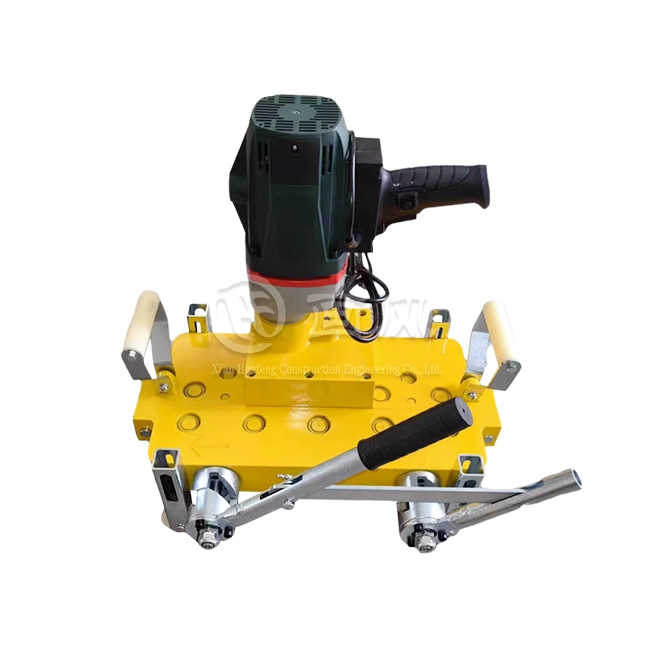
If you build a striated standing seam metal roofing system correctly, it will last as long as it can and work as well as it can. Leading providers offer detailed installation guides and technical support that cover everything from preparing the substrate to clip spacing, seam closure methods, and accommodating thermal expansion. Using moving clips to connect panels lets them expand and contract with changes in temperature without putting stress on the fasteners or the panels themselves, which could lead to them breaking.
The difficulty of installation depends on the shape of the building and the slope requirements. Low slopes of up to 2:12 (about 9.5 degrees) can be worked with striated standing seam metal roofing systems. Steeper slopes make it easier for water to drain and lower the chance that it will pool in the striation gaps. For safe material handling, commercial installations in warehouses and factories often have big, uninterrupted roof planes where panel lengths go to their longest possible lengths. Roofing workers and crane operators need to work together to make sure this happens.
Maintenance Protocols for Extended Service Life
Striated standing seam metal roofing doesn't need as much maintenance as other types of roofing, but it does need to be inspected every so often to make sure it lasts as long as possible. Visual checks done once a year can find problems like fastener back-up, sealant wear at penetrations, and garbage buildup in valleys or gutters. The striated surface can hold a little more organic matter (like leaves and pollen) in the grooves than smooth panels. This is why it is best to wash the panels regularly with fresh water in places with a lot of trees or pollen.
When a manufacturer offers a complete warranty, they usually include maintenance requirements that must be met in order for the warranty to remain good. These requirements usually include inspections every six months, getting rid of trash right away, and keeping records of maintenance activities. When a supplier really wants their customers to be happy, they will often offer maintenance service agreements or put buyers in touch with qualified local workers who know how to install and take care of certain roofing systems. This way, the quality of the installation and ongoing care meet factory standards.
Why Choose Striated Standing Seam Metal Roofing for Your Projects
Energy Efficiency and Sustainability Benefits
Energy performance is one of the most important things for commercial building owners who are trying to keep costs down. By reflecting up to 70% of solar energy, striated standing seam metal roofing systems with reflective PVDF coats lower the amount of heat that comes in from the sun. This means that less cooling is needed in the summer. If you put the right insulation under the roofing panels, these systems make thermal shields that keep your HVAC system from using too much energy all year. Cool roof credits made possible by reflective metal roofing help projects that want to get LEED certification earn points.
Environmental sustainability is more than just saving energy during operations. It also includes thinking about the whole lifetime of a product. Striated standing seam metal roofing has a lot of recycled material in it—often 25% to 95%, based on the alloy used as the base—and it can be returned in its entirety when it's no longer needed. This circular flow of materials is very different from asphalt shingles, which send millions of tons to landfills every year. Metal roofing fits naturally with environmental responsibility promises that stakeholders are calling for more and more in construction projects that focus on corporate sustainability goals.
Long-Term Financial Returns
Total lifecycle costs must be included in return on investment estimates, not just the original cost of the materials. Even though striated standing seam metal roofing costs more up front than asphalt shingles or modified bitumen systems, it doesn't need to be replaced for more than 50 years because it comes with a 30-year guarantee. Facility managers who keep track of the total cost of ownership always find that metal roofing is the best option because it requires less upkeep, saves energy, and doesn't need to be replaced as often.
Striated standing seam metal roofing systems are also better for insurance reasons. Due to the fact that steel and aluminum don't catch fire, many insurance companies lower the rates of commercial buildings with Class A fire-rated metal roofing. When you use the right clip spacing and mechanical seam closing, you can protect buildings from wind uplift. This keeps claims from happening as often and lowers the costs of business loss.
Partnering with Established Manufacturers
For business roofing projects to go well, the suppliers must be reliable during both the buying and installing stages. Manufacturers who have been in business since 2018 or earlier have more experience than newer companies in quality control, logistics coordination, and technical support. Companies that have more than one production facility in different areas show operating security and regional flexibility, which is good for buyers from other countries.
The type of seller that business buying teams look for is Xi'an Huafeng Construction Engineering Co., Ltd. Huafeng has three factories with more than forty specialized machines and seven color coating production lines. They can make more than 1,000 tons of goods every month and have quality control certifications from both ISO9001 and ISO14001 to prove it. Their wide range of products includes many different striated standing seam sizes (25-330/400/430, 32-410, 45-400, 65-400/430) and thicknesses (0.6mm to 1.2mm), so they can meet the needs of a wide range of projects. The company's dedication to green building and sustainable development is in line with the environmental concerns that are becoming more and more important in the construction industry.
Conclusion
Striated standing seam metal roofing is the best choice for business and industrial jobs that need to look good, last a long time, and be durable. The textured panel surface improves the structure and makes the product last longer while also improving how it looks. When you choose a reliable global provider with a track record of producing high-quality goods, full expert support, and clear warranty coverage, you can be sure that the project will go smoothly from the beginning to the end of its decades-long service life. When procurement teams take the time to evaluate suppliers and make sure that specifications are optimized, their projects are more likely to be delivered on time, work well during installation, and continue to perform well after the initial investment is made.
FAQ
1. Does striated roofing completely eliminate oil canning?
Because oil canning is a natural part of light-gauge metal panels, no metal roofing system can physically get rid of it. The striated profile, on the other hand, is the best way for the industry to hide waviness visually because it breaks up flat light reflection patterns that show up flaws in the substrate. This decrease in the optical effect meets worries about appearance without needing functionally unnecessary increases in material thickness.
2. Can solar panels be installed on striated panels?
Putting up solar panels is still fully compatible with striated standing seam metal roofing systems. The lines are in the flat pan area between the seams, and the solar installation clamps connect straight to the raised seam ribs. Standard connection hardware, like S-5! clamps or similar systems, works the same way on both smooth and striated panels. The textured surface shape doesn't affect how the hardware works.
3. What minimum slope do striated systems require?
For striated standing seam metal roofing installs, most makers say that the slope should be at least 2:12, which is about 9.5 degrees. The mechanically seamed profile can shed water from the structure at lower slopes, and the right pitch makes sure that water doesn't pool in the striation grooves, which could speed up the coating's breakdown over time.
Partner with HF for Your Next Roofing Project
Xi'an Huafeng Construction Engineering Co., Ltd. has everything a procurement manager looking for a reliable striated standing seam metal roofing supplier could need. Our three factories, seven production lines, and more than forty specialized tools ensure constant quality across a range of specifications, such as 25-330, 32-410, 45-400, and 65-400 configurations. We strictly follow the rules set by ASTM, DIN, JIS, and GB/T, and we offer a wide range of PVDF and PE coatings in RAL and Pantone colors. Email our team at huafeng@hfmetalroof.com to talk about the details of your project, get scientific information, or set up samples of the materials that will show you the quality that our customers trust for their toughest jobs.
References
1. Metal Construction Association. (2021). Guidelines for Specifying Standing Seam Metal Roof Systems. Cleveland: MCA Technical Publications.
2. American Society for Testing and Materials. (2020). ASTM A792 Standard Specification for Steel Sheet, 55% Aluminum-Zinc Alloy-Coated by the Hot-Dip Process. West Conshohocken: ASTM International.
3. National Roofing Contractors Association. (2019). Metal Panel Roofing Systems Design Manual. Rosemont: NRCA Publications.
4. U.S. Green Building Council. (2022). LEED Reference Guide for Building Design and Construction. Washington: USGBC Press.
5. Cool Roof Rating Council. (2021). Product Rating Program Manual: Rated Metal Roofing Products. Oakland: CRRC Technical Committee.
6. International Code Council. (2020). International Building Code Chapter 15: Roof Assemblies and Rooftop Structures. Country Club Hills: ICC Publications.





YOU MAY LIKE