What are the benefits of a 22 ga standing seam metal roof?
2026-08-07 19:51:51
When specifying roofing systems for medium-to-large-scale commercial projects, transportation hubs, or public buildings, the choice of material thickness directly impacts structural performance and long-term asset value. A 22 ga standing seam metal roof delivers exceptional strength, superior weather resistance, and extended service life—addressing critical pain points such as oil canning, thermal movement accommodation, and concealed fastener waterproofing. The thicker gauge ensures panels maintain planar integrity across long spans, making it the preferred specification for projects demanding both structural resilience and architectural precision.

Understanding 22 Gauge Standing Seam Metal Roofs
What Defines a 22 Gauge Metal Roofing System?
As a general rule, "22 gauge" means that the metal base is about 0.76 mm thick for steel and 0.64 mm thick for aluminum alloy. By this measurement, it is much thicker than 24 gauge (0.60 mm) or 26 gauge (0.45 mm) options that are usually used in home improvements. The higher material density means it is more rigid, which is especially helpful for business and educational projects that have to be visually flat and be able to span a lot of space.
Standing Seam Design and Its Structural Advantages
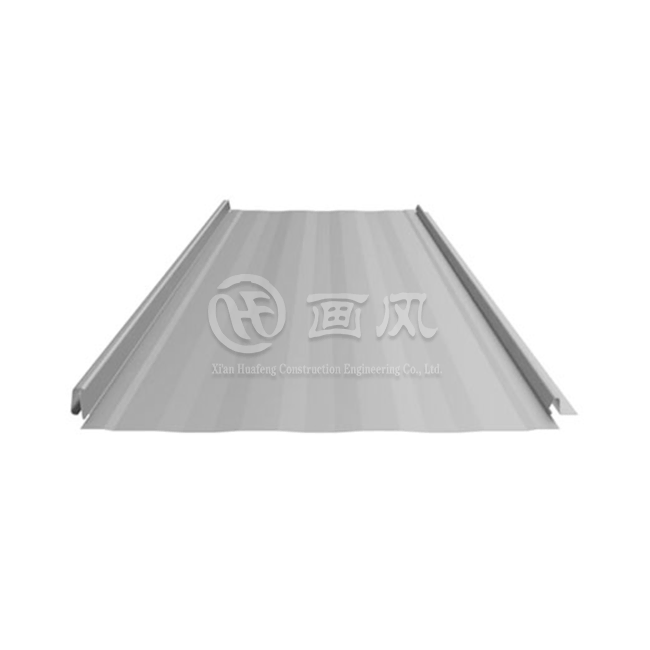
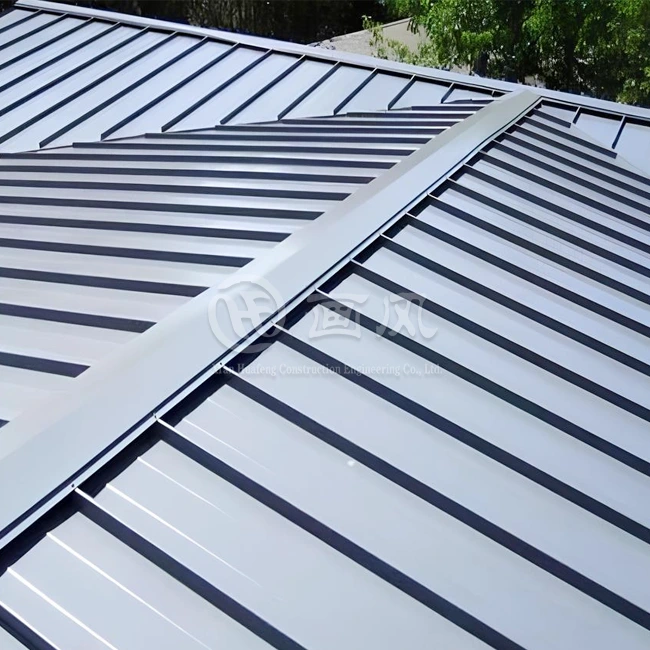
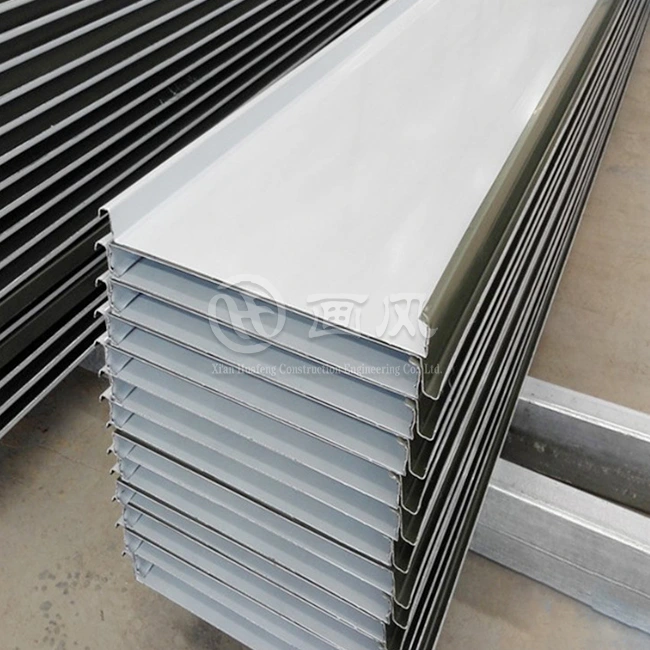
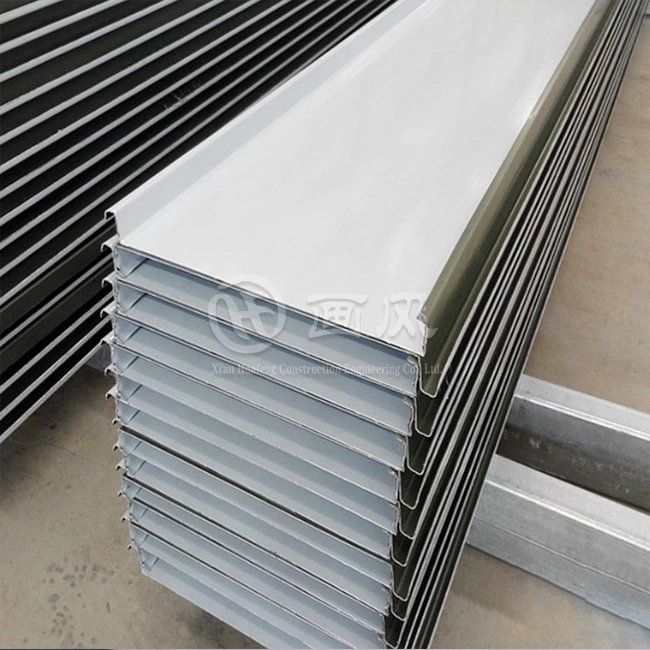
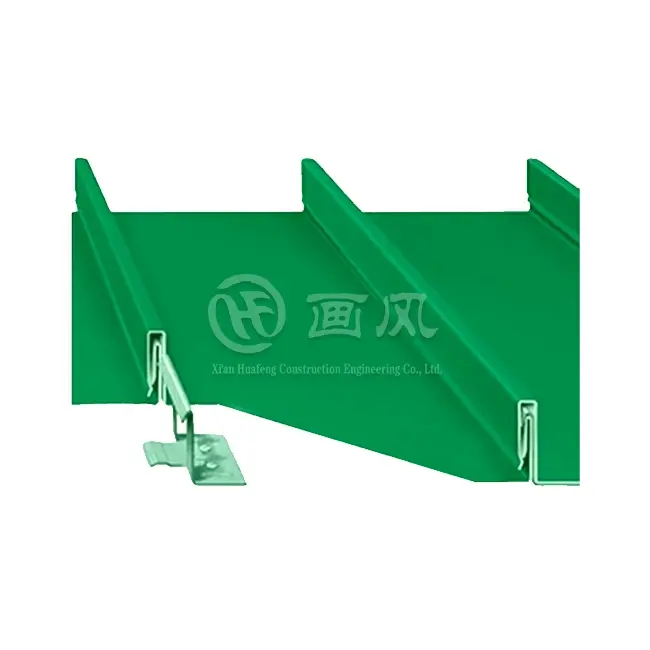
Standing seam systems, such as the 22 ga standing seam metal roof, have vertical seams that interlock with concealed fasteners. This gets rid of the penetration points that happen in exposed-fastener designs and make them less weathertight. The pieces are joined together with mechanical seams or snap-lock clips, making a solid shield against water getting in. This design uses hidden sliding clip systems to allow for thermal expansion and contraction. This stops stress-related deformation that happens a lot in panels that are fixed in place. The higher seam height (between 1 and 3 inches) gives the structure more depth, which makes it better at supporting weight when snow builds up or the wind picks up.
When buying teams are looking at providers, they need to know about the substrate choices. Galvalume, which is coated steel made of an aluminum-zinc alloy, is more resistant to rust than regular galvanized steel, especially in seaside or industrial settings. Xi'an Huafeng Construction Engineering offers a range of substrates, such as alu-zinc steel and aluminum alloy, with thicknesses from 0.6 mm to 0.8 mm to meet different structural load needs.
Major Benefits of 22 Gauge Standing Seam Metal Roofing
Exceptional Durability and Weather Resistance
One of its best features is that it can amazingly resist external stresses that weaken weaker materials. Increasing the gauge thickness makes the material more resistant to impact, as shown by the UL 2218 Class 4 ratings it received in tests of hail impact. This rating means the best level of resistance to hail. This means that insurance rates will be lower and replacement costs will be lower over the building's lifetime. When bad weather hits, the structural stiffness keeps the panels from deforming, which keeps the roof's integrity when lighter sizes might buckle or dent.
UL 580 testing standards show that the wind lifting resistance is Class 90, which means it can be used in high-wind coastal places and hurricane-prone areas. The hidden fastener method spreads wind loads across the whole panel width instead of putting stress on individual attachment points. This makes it much less likely that the panel will fail completely in extreme weather.
Superior Oil Canning Prevention
A common concern about the look of metal roofing is oil canning, which is the noticeable wavering in flat panel areas. This is especially noticeable in dark colors or high-gloss finishes. The higher stiffness of 22 ga material pretty much gets rid of this problem, making sure that the surface looks flat and meeting the strict aesthetic standards needed for convention centers, transportation hubs, and high-traffic business complexes. This trait is especially useful when strict visual quality standards or design review panels are part of the project requirements.
Energy Efficiency and Thermal Performance
Modern coating technologies make the benefits of metal roofing even better for 22 ga standing seam metal roof systems. PVDF (polyvinylidene fluoride) coats that contain 70% resin are very good at reflecting sunlight, which means they can lower surface temperatures by up to 50°F compared to regular rooftop materials. This reflective ability lowers the need for cooling, which helps earn LEED points and lowers utility costs in a measurable way. The PVDF-coated panels from Xi'an Huafeng meet AAMA 2605 standards, which means they will keep their color and not chalk over 30 years or more. This means the roof will stay thermally efficient for as long as it lasts.
The air gap between the metal panel and roof deck acts as a natural thermal break, which improves insulation even more when used with the right airflow methods. This multi-layered method to thermal management works especially well in places where temperatures change quickly. It keeps interiors safe while lowering the cost of running the HVAC system.
Lifecycle Cost Advantages
The initial cost of materials for 22 ga standing seam metal roofs is about 15 to 20 percent higher than those for thinner systems, but the total cost of ownership is very different. The longer service life—guaranteed for 30 years by Xi'an Huafeng and expected to work for more than 50 years—removes the need for multiple roof replacements that come with asphalt shingles or lower-quality metal panels. Maintenance needs are still very low, usually just clearing out trash once a year and checking fasteners every once in a while. This saves a lot of money on labor costs over decades of service.
The fact that the material can be recycled adds to its overall value. When metal roofing is no longer needed, it still has a lot of value as scrap metal and can be recycled without losing any of its quality. This is in line with corporate sustainability efforts and green building requirements that are becoming more common in government-funded projects.
How 22 Gauge Stands Out Compared to Other Roofing Options
Comparison with Lighter Gauge Metal Roofing
In tough situations, the difference in performance between 22 ga and 24- or 26-gauge materials stands out. Even though 24 gauge might be enough for smaller buildings or mild temperatures, it is more likely to be damaged by thermal stress patterns and impacts because it is thinner. The 30% more steel mass in 22 ga panels makes them 30% less likely to bend. This means that longer spans can be built between structural supports, which could lower the cost of the foundation and make up for the higher cost of the materials.
For low-slope uses (at least a 1:12 pitch), the weathertightness of a 22 ga standing seam metal roof depends on how well it holds together. Maintaining seam alignment without sagging makes sure constant water-shedding performance. Lighter sizes, on the other hand, may develop localized depressions that pool water and speed up degradation.
Advantages Over Traditional Roofing Materials
Even though asphalt shingles are cheaper at first, they need to be replaced every 15 to 20 years and create a lot of trash for landfills. The difference in weight is also important. 22 ga standing seam metal roof weighs about 1.5 pounds per square foot, while architectural shingles weigh 3–4 pounds per square foot. This means that less structural load is needed, and buildings could be retrofitted without having to be strengthened.
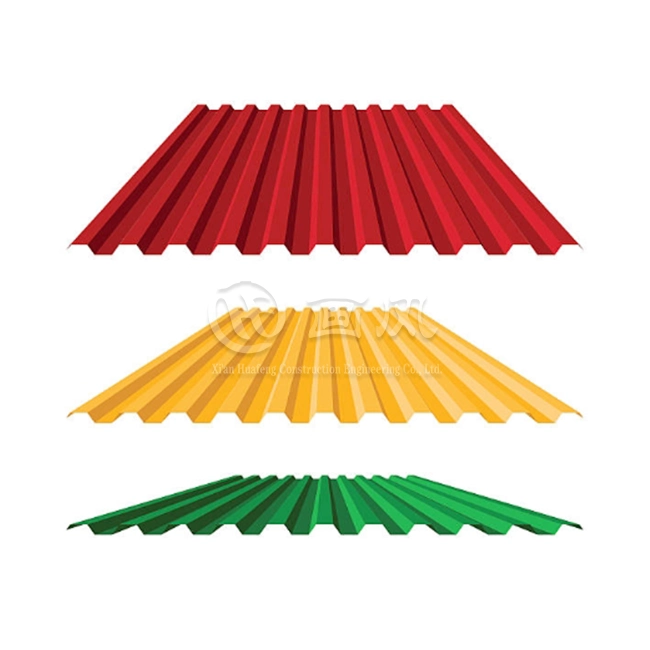
Corrugated metal panels with visible bolts are hard to maintain because the gaskets wear out over time and need to be replaced to keep leaks from happening. Standing seam systems don't have this ongoing cost because they use hidden fasteners. They also look better, which makes them perfect for high-profile projects where looks affect the value of the property.
Installation Process and Procurement Considerations
Professional Installation Requirements
To get the most out of a standing seam metal roof, it needs to be installed carefully by certified professionals. For mechanical seaming, special tools are needed to keep the reveal lengths and seam heights the same across the whole roof plane while the panels are aligned. When seaming, the weathertightness can be compromised by using too little or too much force. Too much force can distort panel profiles and create stress points that are more likely to fail early.
When planning an installation, it's important to do calculations for thermal movement. When the temperature changes, metal panels expand and contract, and the clip connection method must be able to handle this without any problems. Fixed clips in the middle of the roof and moving clips toward the ends and ridges allow for controlled expansion, which keeps the roof from buckleing when the temperature changes. Installing teams need to know these rules and change where the clips go based on the length of the panel and the temperature ranges they expect.
Evaluating Suppliers and Managing Procurement
There are a lot of people involved in making procurement choices for big projects. For example, technical departments look at performance standards, buying teams look at cost structures, and top management thinks about how to reduce risk and what the guarantee terms are. A full evaluation of a supplier should look at their ability to make things, their quality certifications, and project references that show they have completed similar-sized installations successfully.
Xi'an Huafeng Construction Engineering runs three factories with more than 40 specialized tools and seven production lines, which can make more than 1,000 tons of goods every month, including 22 ga standing seam metal roof systems. This scale makes sure that big projects always have what they need while keeping quality control high throughout the whole production process. The company has ISO 9001 and ISO 14001 certifications, which prove that they are responsible for quality management and the environment, as well as Grade 1 building curtain wall and Grade 3 steel structure certifications.
Check that materials meet the requirements of ASTM, DIN, JIS, BS, and GB/T for international projects or projects that need to follow more than one standard. These international standards are met by Xi'an Huafeng's goods, which have been sent to more than 100 countries, showing that they can work in a wide range of regulatory and weather circumstances.
Managing lead times is another important thing to think about when buying something. Custom panel fabrication usually takes 15 to 20 days after an order is confirmed, so it's important to involve suppliers early on in the planning stages of a project. Minimum order amounts of 500 square meters, which is about 1 ton, work well for medium- to large-sized business projects while keeping production costs low. By coordinating arrival times with installation times, problems with storage on-site and weather exposure risks for materials ready to be installed can be avoided.
Case Studies and Industry Applications
Transportation Infrastructure Projects
High-speed train stops and airport hubs have special roofing problems because they need to have large clear spans, look good, and work properly so that service doesn't stop. In a recent convention center job, the 200,000-square-foot show hall was given 22 ga standing seam metal roof. This gave the roof a 40-year design life with little maintenance expected. The installation used mechanically seamed panels with a custom metallic finish. This showed that the system could meet the needs of architects while still providing good structural performance.
Commercial and Institutional Facilities
The system can span open purlins every 4 to 5 feet, which is helpful for manufacturing plants and warehouses because it means they don't need as much structural steel as roof systems that need continuous decks. A operations center site near the coast chose a Galvalume substrate with a PVDF layer to protect it from the corrosive effects of salt air. Performance tracking over five years has shown that the panels have not corroded and have kept their original reflectivity values. This proves that the choice of material was the right one for the harsh climate.
Life safety is a top priority for schools and hospitals, which is why the Class A fire rating of 22 ga standing seam metal roof systems is a good choice for risk management. A hospital expansion project chose standing seam roofing because it is non-combustible and has passed fire tests that meet AS/NZS 1530.3:1999 standards. All six test samples stayed unlit, and the flame spread index was zero. This fire resistance, along with weather resistance, makes sure that important infrastructure that helps vulnerable groups stays up and running.
Client Testimonials and Performance Data
Professionals in procurement always say that predictable lifecycle costs and supplier reliability are the two main factors that affect specification decisions. General contractors who are working on multiple projects at the same time like it when makers offer integrated solutions that include everything from design advice to installation support. This way, there are no gaps in planning that cause projects to be late or quality to be compromised. Working with Fortune 500 companies shows that Xi'an Huafeng can meet the high standards and performance requirements of advanced clients with global project portfolios.
Data on the energy performance of projects that have already been built gives measurable support for environmental goals. After a standing seam metal roof upgrade, a shopping center in the southwestern United States used 18% less cooling energy. This was because PVDF-coated panels reflected solar rays that had been getting into occupied areas. These measured results make it easier for businesses to justify choosing high-quality roofing systems, especially when they want to get LEED certification or meet their company's carbon reduction goals.
Conclusion
Choosing a 22 ga standing seam metal roof is a smart investment for projects that need high performance, long service life, and low lifecycle costs. The material's structural benefits, such as increased rigidity, better weather resistance, and resistance to oil canning, solve important problems that procurement managers and project engineers for large commercial and institutional buildings face. When installed by a professional and the right supplier is chosen, these roofing systems offer measurable value through lower maintenance needs, lower energy costs, and longer replacement intervals that significantly lower the total cost of ownership compared to other materials.
FAQ
1. What is the actual thickness difference between gauges?
The gauge system finds the thickness of metal backwards: lower gauge numbers mean the metal is thicker. A 22 gauge steel panel is 0.76 mm thick, while a 24 gauge panel is 0.60 mm thick and a 26 gauge panel is 0.45 mm thick. This means that the thickness is 27% thicker than 24 gauge and 69% thicker than 26 gauge. This directly means that the material is more stiff and resistant to impact.
2. How does material thickness affect installation costs?
Heavy gauge panels need stronger handling methods and special seaming tools, which could add 8 to 12 percent to the cost of installation work. But the better flatness of the panels and lower risk of oil canning mean that there are fewer calls back for cosmetic fixes. This often makes up for the higher cost of installation through fewer warranty claims and higher customer satisfaction.
3. Can 22 gauge roofing be installed on low-slope applications?
22 ga material is very good for low-slope roofs because it is structurally sound. The minimum pitch needed is as low as 1:12, which is about 5 degrees, when double-lock mechanical seams are used and the right sealant is applied. The panel's resistance to distortion keeps the seams aligned, which is important for keeping water off of small hills.
Partner with HF for Your Next Metal Roofing Project
Xi'an Huafeng Construction Engineering is ready to meet your needs with their extensive technical knowledge and proven ability to produce what you need. With three production sites, seven specialized lines, and a monthly output capacity of more than 1,000 tons, we are a well-known 22 ga standing seam metal roof provider that can meet the needs of any size project. From the first design advice to construction support, our engineering team offers complete solutions. We have Grade 1 curtain wall and Grade 3 steel structure certifications to back up our technical skills. Email our experts at huafeng@hfmetalroof.com to talk about your project needs, get detailed specifications, or get quotes for custom panel configurations that meet your exact performance standards.
References
1. Metal Construction Association (2023). "Technical Guidelines for Standing Seam Metal Roof Systems: Design, Specification, and Installation Best Practices."
2. American Architectural Manufacturers Association (2022). "AAMA 2605-22: Voluntary Specification, Performance Requirements and Test Procedures for Superior Performing Organic Coatings on Aluminum Extrusions and Panels."
3. Underwriters Laboratories (2021). "UL 580: Tests for Uplift Resistance of Roof Assemblies and UL 2218: Impact Resistance of Prepared Roof Covering Materials."
4. Green Building Council (2023). "LEED v4.1 Reference Guide for Building Design and Construction: Cool Roof Credit Requirements and Metal Roofing System Contributions."
5. National Roofing Contractors Association (2022). "Metal Panel Roofing Systems Manual: Technical Specifications for Commercial Applications."
6. Building Envelope Research Institute (2023). "Lifecycle Cost Analysis of Commercial Roofing Systems: Comparative Performance Study of Metal, Asphalt, and Single-Ply Membranes."





YOU MAY LIKE
_1769761215912.webp "Ventilation noise reduction net")