Double Lok Metal Roof Panels OEM Suppliers for Large Infrastructure Projects
2026-08-07 19:51:49
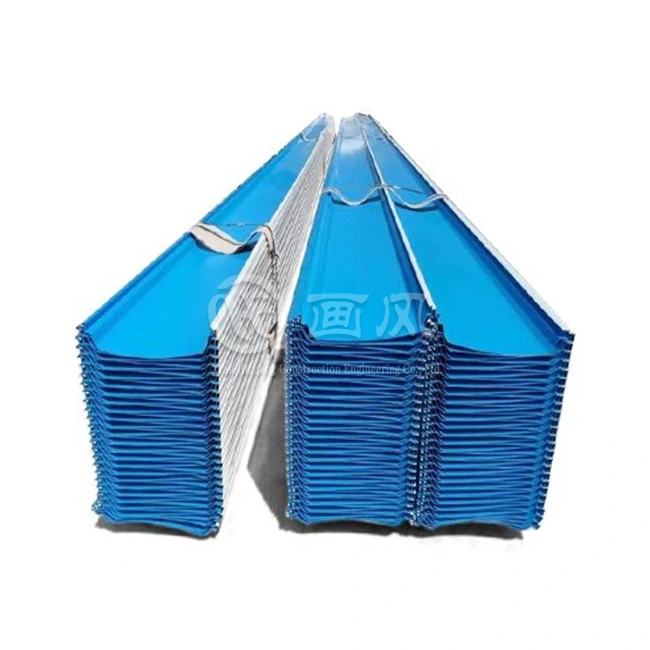
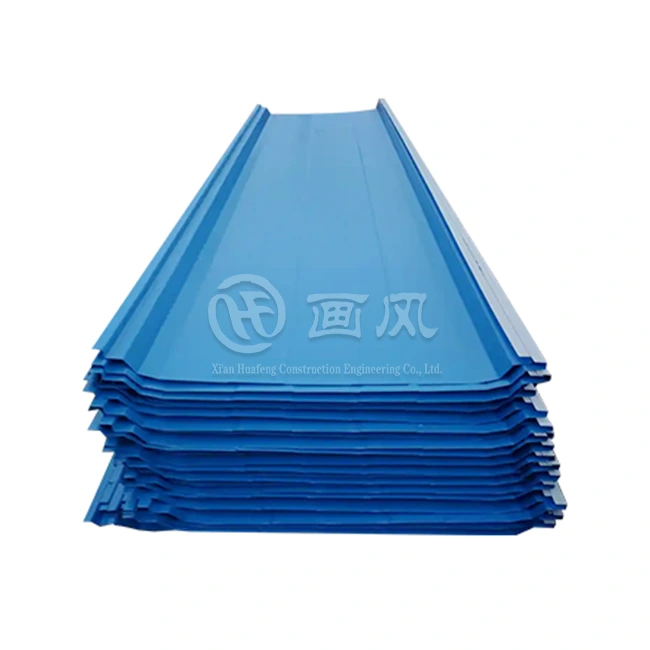
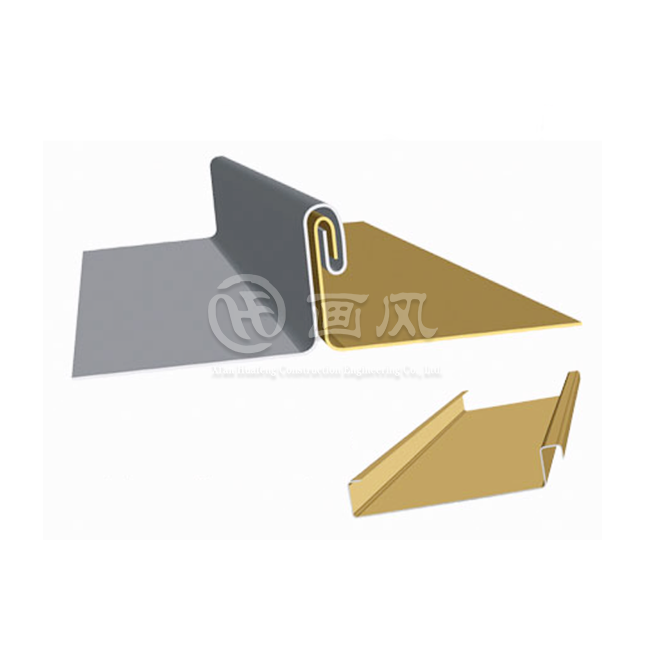
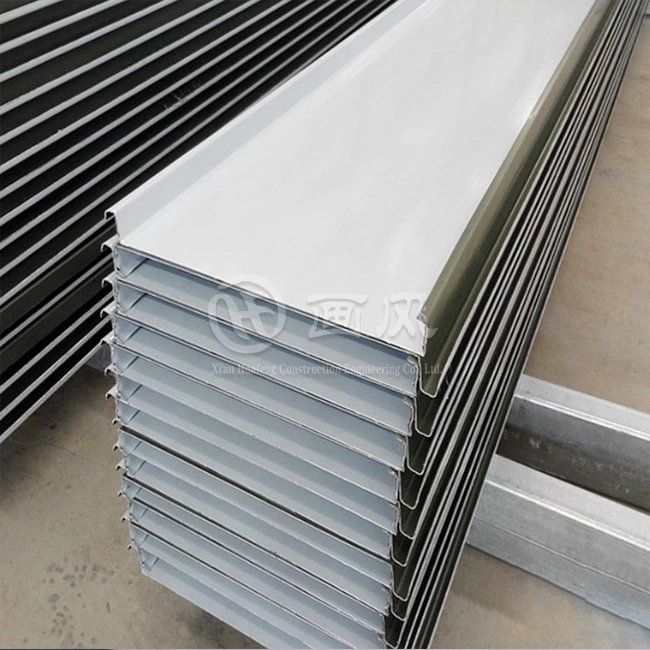
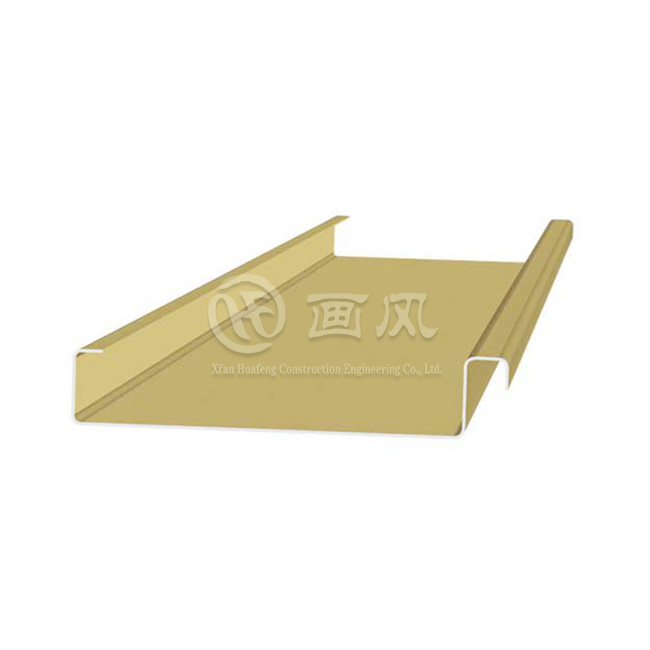
When managing large-scale infrastructure developments, selecting the right roofing system becomes a decision that impacts decades of performance. Double lok metal roof panels represent a proven solution engineered specifically for projects where failure isn't an option—from transportation hubs and industrial complexes to commercial facilities spanning hundreds of thousands of square feet. These mechanically seamed standing seam systems utilize a 360-degree interlocking profile that creates a monolithic weather barrier, addressing the persistent challenges of water intrusion, wind uplift, and thermal movement that plague conventional roofing. Unlike snap-lock alternatives, the double-lock seaming process mechanically crimps panel legs together, forming a hydrokinetic seal capable of withstanding hydrostatic pressure on slopes as low as 1/4:12—a critical specification for large flat or low-slope roofs common in infrastructure work.

Understanding Double Lok Metal Roof Panels for Infrastructure Projects
What Sets These Panels Apart from Standard Metal Roofing
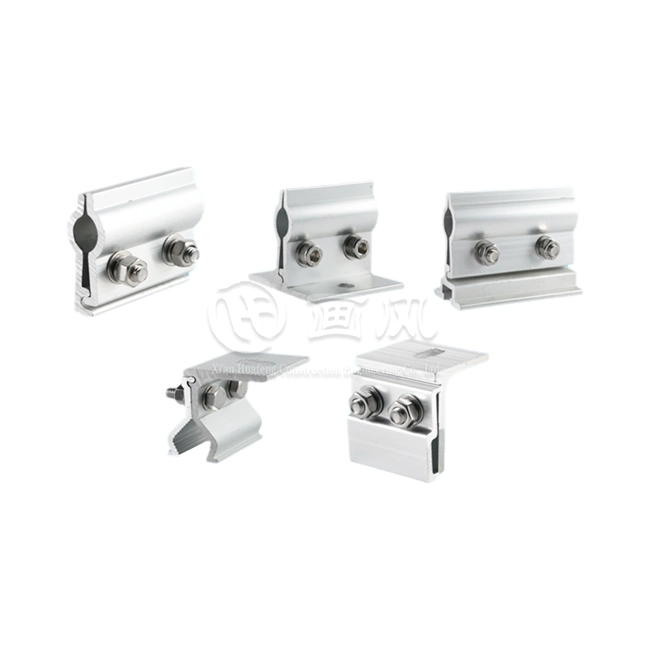
The engineering behind these panels is based on their triangular leg shape and the way they fold in half twice. This form is much better at resisting wind uplift, and it often meets the UL 90 and FM Global 1-90 standards that are needed in hurricane-prone areas and high-exposure places. The floating clip connection system lets panels stretch and shrink up to two inches along their length without buckling or wearing out the fastening. This is very important because roof surfaces experience temperature changes from -20°F to 160°F throughout the year. When procurement teams look at lifecycle costs, this thermal accommodation means fewer maintenance calls and a longer service life.
Material Composition and Performance Standards
HF's double lok metal roof panels are made from high-quality materials like copper, titanium zinc, aluminum alloy, galvanized steel, and stainless steel. The thicknesses range from 0.5mm to 1.2mm. The panels have PVDF or PE finish coats that meet AAMA 2605 standards. This means that the color will stay true and the panels will not chalk over 30 years or more. SGS testing shows that our aluminum panels have a zero ignition index and a zero flame spread. They also pass all 13 AAMA coating performance tests, which include chemical exposure and impact resistance. These aren't just marketing claims; they're confirmed results from AS/NZS 1530.3:1999 combustion testing and EU RoHS compliance verification. This gives your engineering team the proof they need to get the standard approved.
You can be sure that the panels will meet international standards like ASTM, DIN, JIS, BS, and GB/T, whether your project is in Texas, Berlin, or Tokyo. With seam heights from 25mm to 65mm (1" to 2.55"), the profile choices meet a wide range of structural needs and aesthetic tastes while still meeting the core performance standards of big infrastructure projects.
Sourcing Double Lok Metal Roof Panels: OEM Supplier Insights
Why OEM Partnerships Matter for Large-Scale Projects
Working directly with OEM suppliers cuts out markups for middlemen and gives you access to customization options that you can't get through distributors. HF runs three dedicated factories with seven production lines and more than 40 specialized tools. These factories can supply 1,000 tons of materials every month, which is enough to meet even the tightest building schedules. Because of this manufacturing scale, your project won't have to compete with smaller orders for production slots during busy building times.
Customization Capabilities and Quality Control
When you work with an OEM, you can make changes to a project that normal catalog goods can't do. You can pick from RAL colors and custom finishes, and you can also get panels with custom sizes, seam shapes that are changed to fit specific structural needs, and material grades that are chosen based on the conditions in your area. HF has over 20 filed patents for roofing systems and is certified in ISO9001 and ISO14000:14001, which shows that they are good at both quality control and coming up with new technologies. The delivery time between order confirmation and shipment is 15 to 20 days, which lets you make realistic project schedules without having to deal with long lead times that throw off construction milestones.
The minimum order number of 500 square meters, or one ton, for double lok metal roof panels makes it possible for pilot projects to happen and supports large purchases for developments with more than one building. This adaptability comes in handy during phased construction, when the first buildings are tested to make sure they work well before the rest of the structures are added.
Evaluating Supplier Manufacturing Infrastructure
The production ability of a provider has a direct effect on the risk level of your project. HF has three factories in Anhui, Hangzhou, and Xi'an. This geographical redundancy protects against localized problems like weather events, transportation strikes, or shortages of materials in certain areas. Because there are ten longitudinal/transverse shearing lines and seven color coating production lines, panels can still be made even when there are repair periods or equipment breakdowns that would stop single-line operations.
When you go to a factory, look at the automatic cutting systems and precision bending equipment. These technologies make sure that thousands of panels are all the same, which is the difference between an easy installation and expensive changes that have to be made in the field. The fact that HF bought more than 40 cutting machines, presses, and bending machines shows how important quality control is for making a lot of things without tolerance drift.
Double Lok Metal Roof Panel Installation and Maintenance for Large Projects
Pre-Installation Planning and Site Preparation
Installing panels correctly starts weeks before they get to the site. The roof deck inspection has to make sure that the structure is strong enough to hold the panel loads and that the substrate is flat enough to meet acceptable tolerances, which are usually 1/4 inch over 10 feet. The type of underlayment you choose will rely on the job. Synthetic products are easier to walk on during installation than felt options. When figuring out clip spacing, wind zone standards and panel width are taken into account. Depending on the exposure group, clip spacing is usually between 12 and 24 inches.
On big roofs, the order of the panels is very important. Starting at the base of the structure and making your way up makes sure that water drains properly. Planning the shape of the panels reduces waste from cuts and increases the efficiency of the work. With the concealed fastener system, there are no exposed screws that can leak over time. This is a key difference from through-fastened systems, which are still common in projects with limited budgets.
Mechanical Seaming Process and Quality Verification
Portable mechanical seamers are used for Double-Lok seaming. They crimp the connecting panel legs over and over again, making the signature 360-degree turn. The experience of the seaming crew has a direct effect on the speed and quality of the installation. Trained operators can keep the seams the same height and tightness, which is hard for unskilled workers to do. Before production seaming starts, quality control procedures should include trying the seam peel on sample parts to make sure there is enough crimping force without distorting the panel.
Taking temperature into account during installation keeps problems from happening months later with double lok metal roof panels. When the surface of the panels is hotter than 120°F, don't seam them together because the panels may buckle when they cool down from the thermal expansion during installation. In the same way, installing in temperatures below freezing can damage the coating and make the seams less stable.
Maintenance Protocols for Extended Service Life
The 30-year guarantee from HF covers how well the product should work with proper upkeep. At once-a-year checks, the seams' strength, the fasteners' condition at the eaves and ridges, and the sealant's condition at penetrations should all be checked. Having too much debris in valleys or behind equipment on rooftops keeps water in, which speeds up localized corrosion. A simple cleaning every three months can save you a lot of money on repairs. Little to no walking should happen, and people should always walk along panel ribs instead of crossing seams. This will keep seams from wearing out and finishes from getting damaged.
Coastal installations need to be rinsed with fresh water every six months to get rid of the salt buildup that hurts even the best coatings over time. Depending on how bad the exposure is, industrial areas with floating pollution may need to be cleaned every three months. These proactive steps make the service last longer than the warranty period while keeping the good looks that affected your original request.
Comparing Double Lok Panels with Alternative Metal Roofing Options
Double Lok versus Snap-Lock Standing Seam
Because they clip together, snap-lock systems can be put together more quickly because they don't need any special tools or skills for mechanical seaming. But this ease of use comes at the cost of performance. Snap-lock panels usually need at least a 3:12 slope, which isn't good for many infrastructure projects with low slopes or roofs that are almost flat. Wind boost rates don't always match Double-Lok performance, which means they can't be used near the coast or in places with a lot of exposure. The snap link also doesn't allow for as much thermal movement, which raises the risk of oil canning, which is the obvious wavering that makes something look bad and shows that the structure might be under stress.
For big projects where labor costs only make up a small part of the total cost of the roof system, the small extra cost for double lok metal roof panels installation pays for itself in better performance and lower lifecycle costs due to less maintenance and longer service life.
Traditional Roofing Materials and Energy Performance
Metal standing seam systems last longer and don't get damaged by the weather as well as built-up roofing or single-ply membranes that are popular in business construction. When you use the right insulation techniques along with the air space between the metal panels and the roof deck, you can create a thermal break that stops heat from moving. The PVDF coating finishes on HF's products reflect a lot of sun energy, which helps keep things cooler and could help your project get LEED credits for sustainable building programs.
Even though corrugated metal panels are cheap, they leave bolts open to weather and changes in temperature, which creates a constant risk of leaks that standing seam systems remove. Because corrugated shapes don't look good, they can't be used on the outside of buildings where the design is important. When it comes to infrastructure projects that need to balance performance needs with budget constraints, Double-Lok metal roof panels are the best of both worlds—the best of high-end building systems and basic, useful choices.
Procurement Considerations and Ordering Process for Large Projects
Understanding Cost Drivers and Budget Planning
The biggest difference in price for Double-Lok metal roof panels is the choice of material. Aluminum metal is very resistant to rust and light, so it doesn't need as much structural support. This is especially useful for retrofitting. Galvanized steel is cheaper in climate-controlled areas or places inland where corrosion from the sea isn't a problem. Copper and titanium zinc are the best materials for historic buildings where the unique patina growth is an important part of the design and worth the cost.
Thickness of the panel affects both price and function. The 0.5mm to 1.2mm range that HF provides lets you find the best balance between budget and structural needs. Thicker panels are more rigid and don't dent easily when maintenance workers walk on them, while thinner panels meet performance standards on protected roofs with little access. Choosing between PVDF and PE coats for the finish affects how long something lasts and how well the color stays on it. PVDF costs more but lasts longer and is more resistant to weathering over 30 years or more.
Bulk Procurement Strategies and Volume Discounts
Large building projects give you bargaining power by committing to a lot of work. Because HF can handle 1,000 tons of cargo every month, your order is prioritized instead of being put in a stack. Talking about when panels will be delivered during the procurement process keeps installation crews from being idle because of a lack of materials, which can be an expensive problem when labor teams are called in. By asking for sample panels before deciding on final specifications, you can see for yourself the finish quality, seam profile, and weight, which are things that models and specs can't fully show.
The 500-square-meter minimum order number for double lok metal roof panels supports phased buying strategies, in which panels that meet specs are sent to the first buildings and small changes are made before the rest of the panels are ordered. This method works especially well for projects that last more than one year, since early builds can help improve later phases. Shipping arrangements for containers from HF's facilities need to be coordinated with your receiving capabilities. Standard 40-foot containers can hold a lot of panels, but you need to plan ahead for unloading tools and staging room.
Technical Support and After-Sales Service
OEM suppliers like HF offer engineering help during the specification development process by doing load calculations, thermal performance modeling, and drawing out the details of complicated penetrations or transitions. This technical help is helpful when your design team doesn't have a lot of experience with metal roofing or when the needs of the project call for custom solutions. After the product is delivered, installation help fixes problems that come up in the field and makes sure that the installation methods meet the requirements of the guarantee.
Your relationship with your OEM provider will last as long as your building does. If you need to match panels for future building projects or renovations, working with the original manufacturer will make sure that the color and profile stay the same. This isn't possible with generic substitutes. Keeping detailed records of purchases, such as panel profiles, material grades, and finish specs, makes it easier to match materials in the future and makes planning upkeep easier.
Conclusion
When working on big building projects, roofing systems need to last for decades and perform well. Double-Lok metal roof panels are designed to solve the most important problems in terms of weather protection, thermal movement, and ease of upkeep, all of which affect the home's lifetime value. With three factories, approved quality systems, and a monthly capacity of 1,000 tons, HF can help with projects from the original design phase through installation and beyond. The 30-year guarantee shows that the company is confident in the products and the way they were made, which was proven by strict SGS testing and meeting international standards. The roofs on your next infrastructure project should be made to last for decades, just like the buildings themselves.
FAQ
1. What makes double lok panels suitable for low-slope infrastructure roofs?
The 360-degree mechanical seam makes a barrier that keeps water out that can handle water pools on slopes as low as 1/4:12, which is much lower than the 3:12 minimum that most snap-lock systems need. The hydrokinetic seam profile doesn't just rely on gravity to drain water; it also uses capillary action to do it. This stops the wetness from getting into buildings, which is bad for them over time.
2. How do material choices affect panel performance in different climates?
In coastal and industrial settings where corrosion protection is important, aluminum alloy is the best choice. Galvanized steel, on the other hand, works well in temperate interior areas. Copper gets a protected patina in any environment, but it's an expensive material that should only be used for important buildings. PVDF coatings work better than PE finishes in places with a lot of UV light and where keeping the color is important for the look of buildings.
3. Can these panels integrate with solar installations?
Standing seam profiles are perfect for mounting solar panels because they don't allow any penetration, which protects the structure of the roof. The panel ribs provide structural attachment points without affecting the weather shield. The expected 30+ year service life is in line with the lifespans of solar equipment, so the system won't need to be replaced too often.
Secure High-Performance Roofing Solutions for Your Next Major Development
HF is ready to be your double lok metal roof panels manufacturer. We have the production capacity and technical know-how that come from years of working with business builders and developers in tough markets. Our engineering team works with your specifications to turn plans into weathertight reality. They do this by providing load calculations, detail drawings, and installation instructions. Our promise of delivery within 15 to 20 days keeps your construction schedule on track, and our 500-square-meter minimum order quantity works for projects ranging from single buildings to developments with multiple buildings. Email our sourcing experts at huafeng@hfmetalroof.com to talk about the needs of your project, ask for samples of materials, and get detailed quotes that fit your needs and your schedule. We know that choices about infrastructure roofs have long-lasting effects on building performance. Let's talk about how our certified systems and proven manufacturing skills can help you succeed.
References
1. American Architectural Manufacturers Association. "AAMA 2605: Voluntary Specification, Performance Requirements and Test Procedures for Superior Performing Organic Coatings on Aluminum Extrusions and Panels." 2022.
2. FM Approvals. "Approval Standard for Class 1 Roof Covers: FM 4470." FM Global Property Loss Prevention Data Sheets, 2021.
3. Underwriters Laboratories. "UL 580: Standard for Tests for Uplift Resistance of Roof Assemblies." Underwriters Laboratories Inc., 2020.
4. National Roofing Contractors Association. "The NRCA Roofing Manual: Metal Panel and SPF Roof Systems." National Roofing Contractors Association Publications, 2023.
5. Metal Construction Association. "Technical Bulletin: Design and Installation Guidelines for Standing Seam Metal Roof Systems." Metal Construction Association, 2022.
6. Standards Australia/Standards New Zealand. "AS/NZS 1530.3: Methods for Fire Tests on Building Materials, Components and Structures—Simultaneous Determination of Ignitability, Flame Propagation, Heat Release and Smoke Release." 1999.





YOU MAY LIKE
_1769761215912.webp "Ventilation noise reduction net")
_1783936484206.webp "Inside locking metal aluminum cladding panel")