How Energy Efficient Are Copper Standing Seam Roofing Panels?
2026-08-06 20:04:21
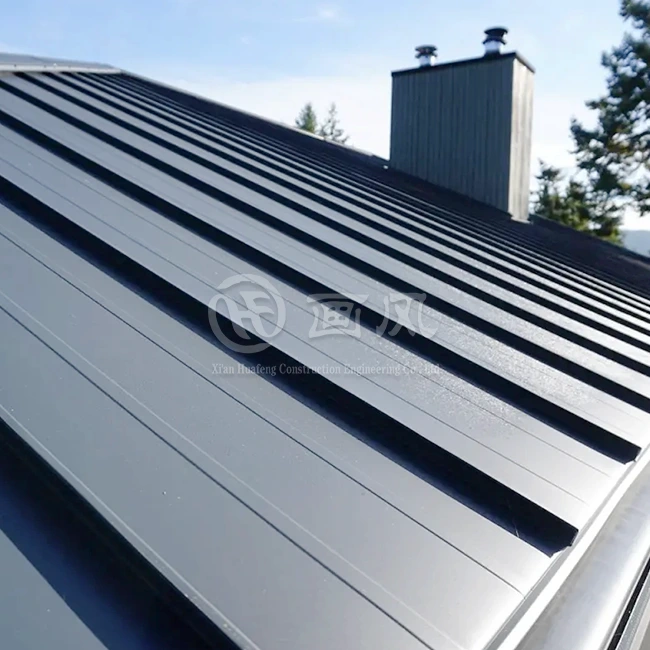
When evaluating roofing solutions for commercial construction projects, energy efficiency ranks among the top priorities for procurement professionals and project developers. Copper standing seam roofing panels deliver exceptional thermal performance through a combination of inherent material properties and sophisticated engineering design. These panels manage solar heat gain effectively through both reflective characteristics and thermal mass properties that moderate temperature fluctuations throughout the day. Compared to conventional roofing materials, copper panels reduce cooling and heating demands significantly, translating into measurable operational cost savings over decades of service life while supporting green building certifications.

Understanding the Energy Efficiency of Copper Standing Seam Roofing Panels
Thermal Properties and Heat Management
Copper's natural ability to conduct heat against gravity helps save energy in a way that seems illogical. Copper standing seam roofing panels with hidden clip systems that are properly engineered create an air gap between the roof surface and the underlayment. This keeps unwanted heat from entering buildings. This design lets heat escape through air ducts before it gets to the inside. The material can quickly even out the temperature across its surface, which stops hotspots from forming that could let heat in.
Solar reflection changes based on how the copper's surface is treated. At first, mill-finish copper blocks about 35–40% of sun energy. However, the natural patination process that happens over time can slightly change these properties. Understanding this development helps people who are planning projects set reasonable goals for how well the energy will work.
Impact on Building Energy Performance
In real life, buildings with properly installed metal roofing systems, such as copper standing seam roofing panels, can use 10 to 25 percent less cooling energy than buildings with standard asphalt shingle installs. This performance is helped by the standing seam design, which reduces the number of thermal bridging points where heat could move through seams or fasteners. The hidden clip connection system that comes with high-quality copper setups gets rid of the hundreds of entry points that come with exposed fastener systems.
When figuring out annual energy loads, thermal mass properties should be taken into account. Copper's density lets it soak up heat during the hottest parts of the day and then release that energy when the sun goes down and the temperature drops. Extreme temperature changes are lessened by this thermal lag effect, which also lowers the frequency of HVAC cycling and increases the life of equipment.
Comparative Analysis: Copper Standing Seam Roofing Panels vs Other Metal Roofs
Performance Against Steel and Aluminum Alternatives
People who work in procurement often compare copper standing seam roofing panels to other metal roofing materials. Galvanised steel and aluminium plates have a bigger part of the market because they are cheaper to make, but copper has clear long-term advantages when it comes to energy performance. To get good sun reflectance, steel panels usually need painted coats. These coatings break down over 15 to 20 years, making the panels less thermally efficient. Copper has stable temperature properties that are not affected by coatings.
When finished with high-performance coatings, aluminium has better starting solar reflectance and can often reach 60–70% reflectivity values. But because aluminium has less thermal mass, it reacts more quickly to changes in temperature, which could mean that the HVAC system has to run more often. Copper's higher mass makes it more thermally stable, which is good for buildings in places where temperatures change a lot from day to night.
When maintenance needs to be thought about, copper's self-protecting oxide layer gets rid of the need to recoat steel installations and lowers the number of times they need to be inspected for aluminium installations. Lifecycle environmental effect studies take into account the energy needed for regular maintenance tasks. Copper clearly has clear advantages in this area.
Benchmarking Against Traditional Roofing Materials
Asphalt shingle roofs soak up between 80 and 90% of the sun's energy, turning it into heat that moves into the attic. Even if you have good insulation, this heat gain makes cooling more expensive in the summer. Slate and tile have better thermal mass properties than concrete, but they are heavier when they are installed and need a lot of structural support, which indirectly raises the building's stored energy.
Metal roofing is clearly different from asphalt goods because it can be recycled. When copper panels reach the end of their useful life, they can be recycled into new goods without losing any of their quality. About 11 million tonnes of asphalt shingles end up in landfills every year in the United States alone. This benefit of the circular economy is very appealing to developers who want to get LEED certification or other sustainability standards.
Key Factors Affecting the Energy Efficiency of Copper Standing Seam Roofs
Panel Specifications and Design Parameters
The thermal performance and structural integrity of a material are directly affected by its thickness. Copper standing seam roofing panels with a thickness of 0.6 to 0.7 mm are the best choice for large-scale projects because they are resistant to heat transfer and easy to work with. Thick gauges make things more rigid and lessen the visual effects of oil canning, but thickness by itself doesn't tell you how energy efficient a system is without proper design.
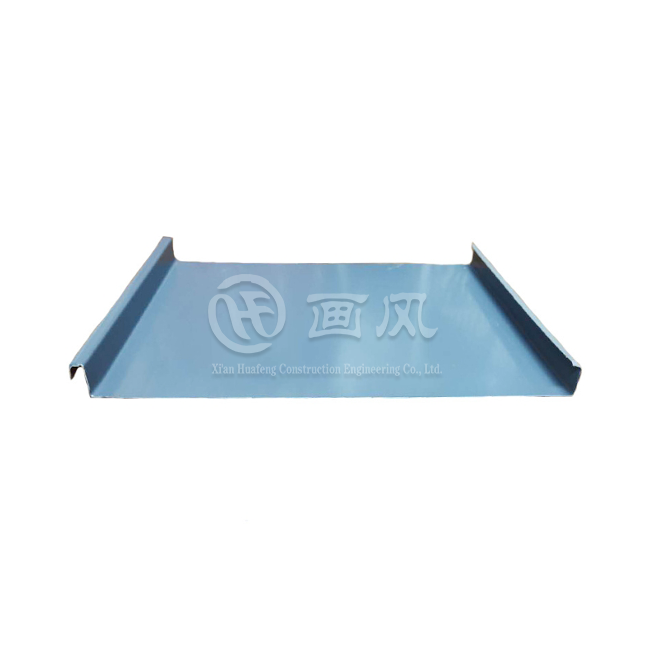
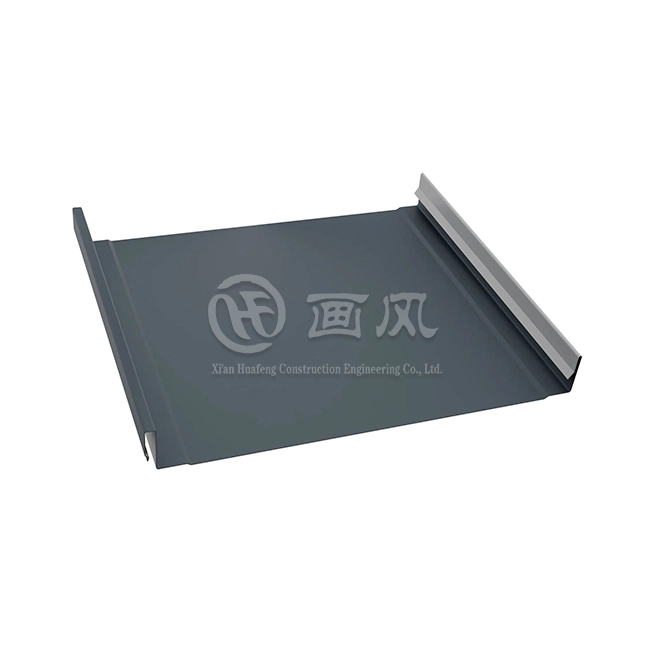
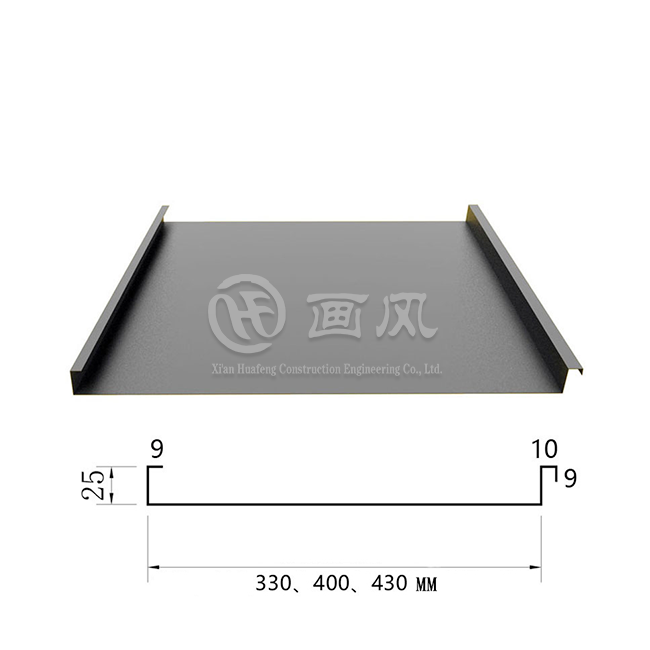
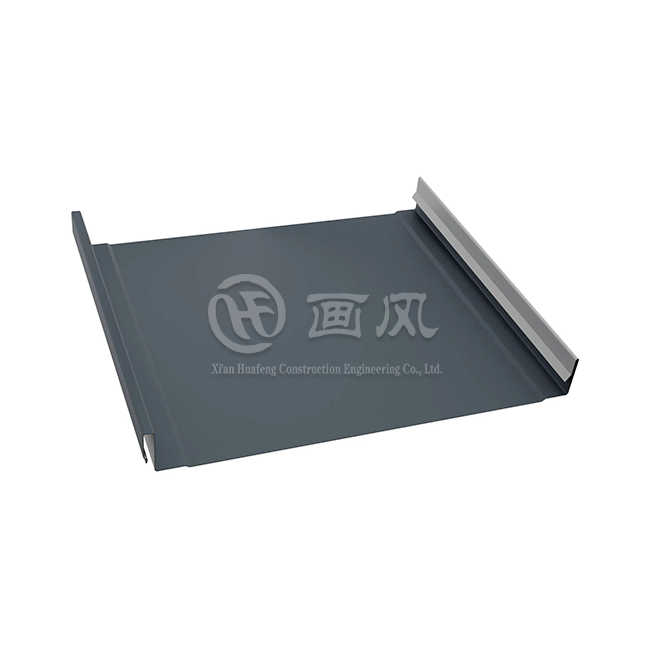
Specifications for seam heights between 25 mm and 65 mm, which match typical shapes like 25-330/400/430, 32-410, 45-400, and 65-400/430, change how air flows under the roofing plane. Higher seam shapes make air pathways stronger, which improves the thermal chimney effect and gets rid of heat before it gets inside the building.
The number of seams per roof area is affected by the panel's width and length, which in turn affects its thermal bridge ability. Continuous-length panels that are either made on-site or delivered in long sections reduce the number of horizontal joints. This means that the thermal barrier is interrupted less often.
Surface Treatments and Coating Options
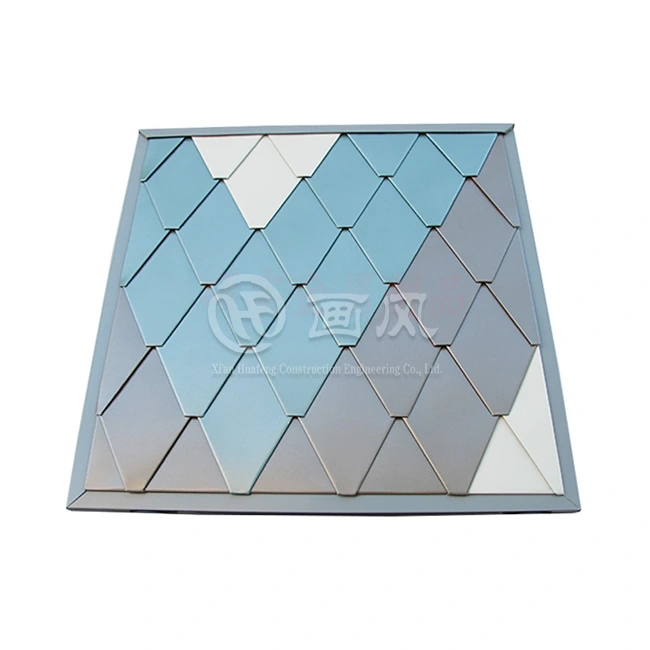
Modern copper roofing systems let you choose how to treat the surface, which has a big effect on how well they keep heat in. When PVDF and PE coating technologies are used on copper substrates, they let you change the colour beyond natural copper tones. You can choose from RAL standard colours or make your own. Because of these coatings, solar reflectance values change. Lighter colours reflect more light than darker colours or copper that hasn't been coated.
Initial energy performance is affected by whether pre-weathered patina finishes or mill-finish copper are chosen. Pre-weathered surfaces look uniform right away and have stable solar reflectance properties. On the other hand, mill-finish copper changes colour stages, from salmon pink to rich brown to a final verde patina, with different reflection properties at each step.
Installation Quality and Thermal Bridging Prevention
Whether or not theoretical energy efficiency is actually achieved depends on how well the system is installed. Covered clip systems need to be able to move with thermal expansion while keeping the seams weathertight. When gaps aren't tensioned properly or panels can't move freely, they create stress points that hurt both the structure and the insulation.
The air gap under panels is affected by the type of underlayment used and how it is installed. High-temperature synthetic underlayments don't break down when heat builds up, so they keep their vapour barrier qualities for the life of the roof. To get rid of heat most efficiently through convection, there should be 25 to 50 mm of room between the panels and the flooring.
Enhancing Energy Efficiency: Maintenance and Upkeep Best Practices
Inspection Protocols for Sustained Performance
Regular roof inspections keep energy efficiency high by finding problems early on, before they hurt thermal performance. Facility management teams should do reviews every six months to check the soundness of seams, the state of fasteners, and the functioning of the drainage system. When debris builds up in valleys or around roof penetrations, it can trap water and cause localised rusting, which can change the way heat moves.
Copper standing seam roofing panels' natural patination process adds a protective layer that makes it more resistant to corrosion. However, this layer can only protect the copper if the surface stays clean enough for an even oxide layer to form. In industrial settings where sulphur compounds or chloride are present, patina formation may happen more quickly in some places than others, so parts need to be inspected more often.
Knowing how the patina normally changes over time helps maintenance workers tell the difference between healthy ageing and corrosion that is causing problems. The distinctive verde patina that forms over 15 to 20 years in most regions is made up of steady, protective copper carbonate and copper sulphate compounds. Unusual colour changes or cracking are signs of external factors that need to be looked into.
Cleaning and Debris Management
Cleaning in a planned way keeps the heat performance at its best without hurting the protected patina layer. Low-pressure water washing gets rid of dirt, pollen, and other organic matter that has built up on the surface and can make it less reflective of sunlight. You should stay away from harsh chemical cleaners and rough methods because they damage the oxide layer and can make it less durable over time.
Taking care of the plants around the edges of roofs keeps organic matter from building up and keeping water against the roof's surface. Overhanging trees create dark areas where water stays, which could cause an uneven patina to form or, in the worst cases, localised corrosion.
Maintenance on drainage systems has a direct effect on energy efficiency because it stops standing water that builds up thermal mass beyond what was intended and causes localised cooling effects that raise the risk of condensation.
Procurement Insights: Buying Energy Efficient Copper Standing Seam Roofing Panels
Supplier Evaluation and Quality Assurance
To find qualified makers of copper standing seam roofing panels, you need to check a number of important qualifications. International standards, such as ASTM, DIN, JIS, BS, and GB/T approvals, make sure that materials are the same all over the world's supply lines. These standards spell out the purity of the copper, its mechanical qualities, and the size and shape limits that have a direct effect on how well the installation works.
Production capacity indicators show how reliable a supplier is for big projects. Manufacturers who have more than one facility with dedicated production lines show that their operations are mature and their supply chains are resilient. The monthly capacity of 1000 tonnes for large business developments or university projects with multiple buildings can be met by a supplier with three factories, seven production lines, and more than 40 specialised machines.
Quality management certifications, such as ISO 9001 and ISO 14001, show that a company takes a planned approach to making sure their products are consistent and caring for the environment. These certifications are especially important when the project standards call for sustainability reports or when contractors could be sued for substantial performance fails and have to pay liquidated damages.
Technical Specifications and Project Requirements
Copper roofing can be bought in realistic amounts, with minimum order sizes usually around 500 square meters or one tonne. This level is right for medium-sized businesses or big home improvement projects. For smaller, specialised uses, however, terms may need to be worked out or a partnership with contractors who can keep track of inventory.
Delivery times of 15 to 20 days make it possible for the project schedule to fit in with the normal order of construction. This wait time allows for unique colour requests, different panel lengths, and working with the fabrication needs of the site. Early on, procurement workers should share project timelines to make sure that manufacturing slots match up with building milestones.
The terms of the warranty are very important for reducing the risk of long-term energy performance claims. A 30-year guarantee shows that the maker trusts the material to last and work consistently. In addition to basic hole coverage, warranty terms should clearly cover things like energy efficiency, seam integrity, and covering performance, if they apply.
Cost Analysis and Value Calculation
When figuring out the total cost of ownership, the purchase price per square metre only shows the initial investment. The energy savings add up over the roof's service life, which for good copper installations is usually more than 50 years. Discounted cash flow analysis used in financial models shows that high-end copper materials often have lower lifetime costs than cheaper ones that need to be replaced or have a lot of upkeep done on them.
When looked at over many decades, differences in maintenance costs strongly favour copper devices. Because painted steel doesn't need to be re-coated, and copper doesn't rust or pierce easily, it lowers both planned upkeep costs and the chance of having to make emergency repairs that stop building operations.
Copper systems may require more specialised skills for proper seam formation and heat movement accommodation, so installation labour costs may be higher than for other metal roofing types. Better weather performance and fewer callbacks for leak repairs are two benefits of this extra investment in labour.
Conclusion
Copper standing seam roofing panels are energy efficient because the basic properties of the material have been improved through advanced engineering design. Thermal mass properties, natural reflectivity, and long-term performance steadiness all work together to save money on running costs that add up over decades of service. People who work in procurement should know how panel specs, surface treatments, and installation quality affect the real energy performance of a building, in addition to the theoretical properties of the building materials. Aluminium and steel are options that work well in some situations, but copper has clear benefits when it comes to durability, reduced upkeep, and environmental impact over its entire life, all of which are in line with strategies for sustainable development.
FAQ
1.What solar reflectance values can I expect from copper roofing?
At first, mill-finish copper tends to reflect 35–40% of solar radiation. As the natural patina develops, the reflectance changes. Copper standing seam roofing panels that have been coated with PVDF or PE have reflectance values between 30 and 65%, based on the colour chosen. Lighter colours work better at the higher end of this range.
2.How does copper roofing contribute to LEED certification?
Copper panels can help you get a lot of LEED credits. They can help you get credits for Energy & Atmosphere (because they lower your cooling loads), Materials & Resources (because they can be recycled 100% of the time), and Innovation (if they are used as part of a comprehensive sustainable design strategy). The environmental case is strengthened by the fact that the product has a working life of 30 years or more and doesn't end up in a landfill.
3.Can copper roofing work effectively in hot climates?
If the panels are properly built and there is enough air flow under them, copper works very well in hot areas. Standing seam profiles create a thermal chimney effect that gets rid of heat before it can get into conditioned spaces. Light-colored coatings improve performance even more in places with direct sunlight, while copper's durability benefits are still present.
Partner with HF for Superior Copper Standing Seam Roofing Solutions
As a seller of copper standing seam roofing panels, Xi'an Huafeng Construction Engineering Co., Ltd. helps with business building projects all over North America. Our manufacturing infrastructure includes three dedicated facilities with seven production lines and full quality control systems that make sure we meet ASTM, DIN, JIS, BS, and GB/T standards. We keep a monthly supply capacity of 1000 tonnes and have delivery plans of 15 to 20 days to support project timelines from the initial specifications to the end of installation.
Our technical team offers application engineering support for optimising energy efficiency. They help procurement professionals look at options for panel thickness, seam heights, and surface treatments that match the performance goals of the building. Email our project specialists at huafeng@hfmetalroof.com to talk about your specific needs and get detailed technical information that will help you make your procurement decision.
References
1. National Roofing Contractors Association. (2022). Metal Roofing Systems: Design and Installation Standards for Commercial Applications. NRCA Technical Manual.
2. Cool Metal Roofing Coalition. (2021). Thermal Performance of Metal Roofing Systems in Commercial Building Applications. CMRC Research Report Series.
3. American Society for Testing and Materials. (2023). ASTM B370 Standard Specification for Copper Sheet and Strip for Building Construction. ASTM International Standards.
4. U.S. Green Building Council. (2021). LEED Reference Guide for Building Design and Construction: Material Selection and Energy Performance. USGBC Publications.
5. Copper Development Association. (2020). Copper in Architecture: Design Handbook for Thermal Performance and Sustainability. CDA Technical Documentation.
6. Metal Construction Association. (2022). Standing Seam Metal Roof Systems: Technical Guidelines for Energy-Efficient Installation. MCA Industry Standards Manual.





YOU MAY LIKE