PVDF Coated Standard Seam Roof Panel for Extreme Weather Protection
2026-08-06 20:04:20
A standard seam roof panel with PVDF coating provides the uncompromising weather resistance your construction project demands. This high-performance metal roofing solution combines hidden-fastener technology with a high-performance fluoropolymer surface treatment to create a watertight barrier that holds up against hurricane-force winds, extreme temperature swings and constant UV exposure. The problems of leakage and long-term fastener degradation associated with traditional through-fastened systems are eliminated with PVDF coated panels which also provide superior colour retention and corrosion resistance, with a proven service life in excess of 30 years. PVDF coated panels are the definitive choice for commercial warehouses, industrial facilities and large-scale infrastructure projects where long-term durability directly impacts your bottom line.

Understanding PVDF Coated Standard Seam Roof Panels
The roofing industry is always changing to adapt to changing weather conditions. Procurement professionals can make better investments when they understand the technical foundations behind advanced metal roofing systems.
What Defines a Standard Seam Roof Panel System
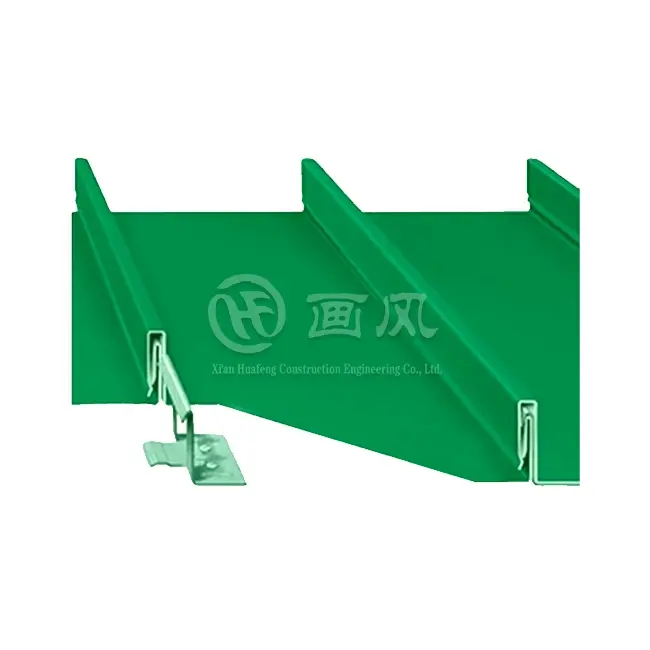
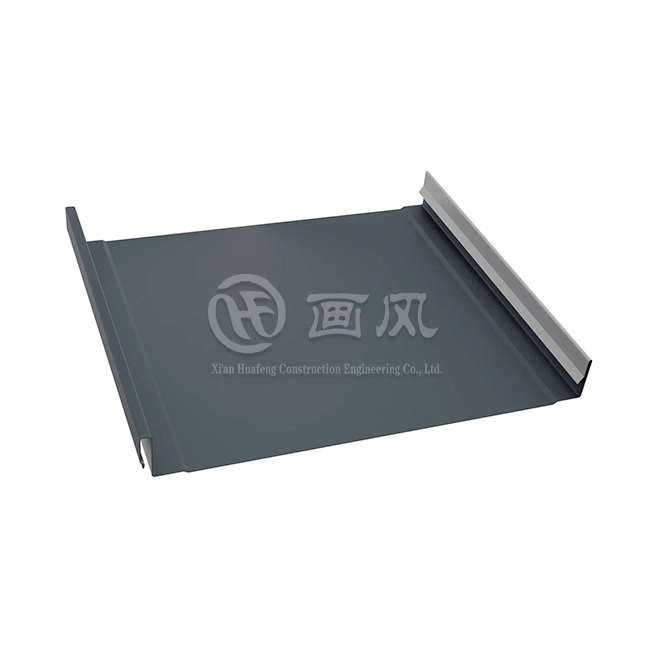
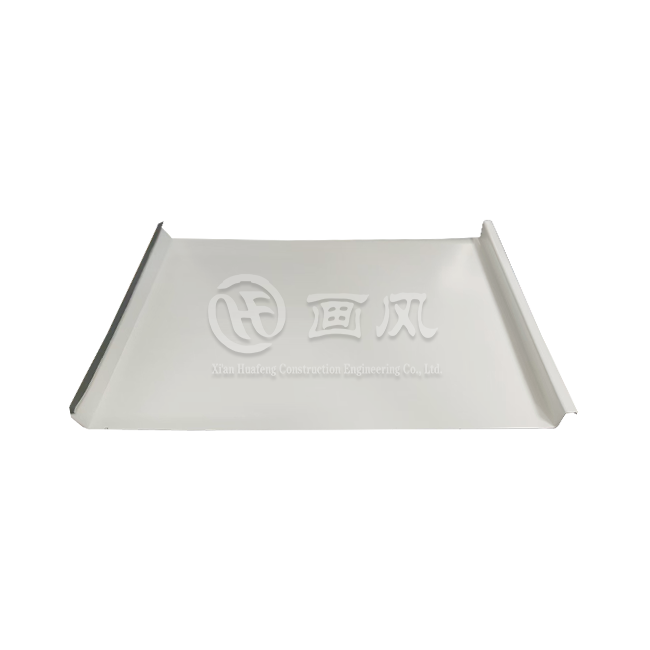
A standard seam roof panel system is made up of vertical metal panels with raised seams that fit together to make a weather barrier that doesn't leak. The hidden way it's fastened is what makes it unique. Clips connect directly to the roof deck, and the standard seam roof panels snap or automatically seam over these clips. This design gets rid of the main weakness in traditional roofing systems: bolt penetrations that are left open. Metal naturally moves because its temperature changes cause it to expand and contract. The floating clip system allows for this movement without putting stress on the fasteners or making gaps. The raised seam height is usually between 25 mm and 65 mm. This makes a good drainage plane that moves water away from the building envelope, even on low-slope situations with as little as a 1/4:12 pitch.
The Science Behind PVDF Coating Technology
The finest metal roof finish available is polyvinylidene fluoride or PVDF. This finish is made of acrylic polymers and at least 70% PVDF resin. The molecules in this finish are designed to withstand UV radiation, acid rain, salt spray and industrial contaminants. A continuous coil-coating process is used to apply several layers of primer, colour coat and clear topcoat at closely monitored temperatures. This causes the coating to adhere to the metal support. This process produces coating thicknesses from 0.9 to 1.1 mil and meets ASTM requirements for decorative metal coatings. PVDF coatings are still 90% or more of the original colour after 20 years of exposure testing in Florida. Normal polyester coatings start to degrade after only 5 to 7 years. The inherent chemical resilience of fluoropolymer technology makes these surfaces resistant to filth, chalk and organic growth and will keep their visual appeal with little or no maintenance intervention.
Base Material Options and Customization Capabilities
In standard seam roof panels, several base materials are used based on weather conditions and project finances. For moderate circumstances, galvanised steel with a G90 coating remains the cheapest choice, offering good corrosion protection at minimal cost. Galvalume is a treated steel, aluminium-zinc alloy (AZ55 grade), which is more rust-proof than galvanised steel (tests show that it lasts three times longer under identical conditions). Aluminum-zinc coating provides a sacrifice barrier, which self-heals minor scratches, thus improving panel life. Marine and coastal conditions are suitable for aluminium substrates (3003 or 3004 alloy series), they do not rust naturally but cost more.
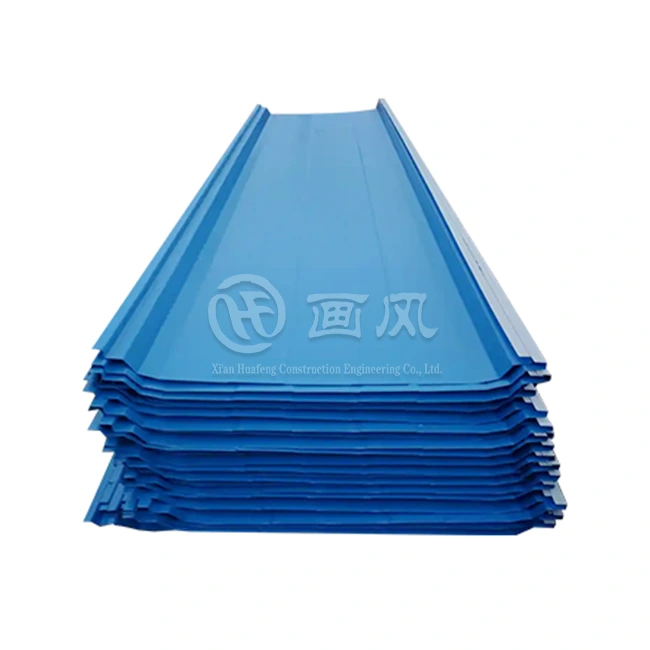
You may choose for the typical seam roof panels of 0.5 mm to 1.2 mm thickness but normally 0.7 mm to 0.8 mm is suitable for commercial usage. Thicker sizes make the structure stiffer and less prone to dent in areas with lots of wind or hail damage. Specs 25-330/400/430, 32-410, 45-400 and 65-400/430 indicate seam height and panel coverage widths. This allows builders to select panel shapes that fit particular aesthetic requirements and structural spans. Brand-consistent facades and design coordination across multi-building complexes are complete with RAL and Pantone range in colour customisation.
Key Benefits of PVDF Coated Standard Seam Roof Panels for Extreme Weather Protection
In harsh climates, roofing systems degrade faster and the combination of advanced coating technology and engineered panel design provides measurable performance benefits.
Superior Weather and UV Resistance
PVDF coated standard seam roof panels work very well in extreme weather conditions that quickly wear down cheaper roofing materials. The molecular structure of the fluoropolymer has strong carbon-fluorine bonds, which are some of the most stable chemical bonds in organic chemistry and don't break down even when exposed to UV light. This means that there won't be much chalking or colour change even after decades of being in the sun. When hurricane-force winds hit, standard seam roof panels that meet UL 580 Class 90 standards can handle uplift forces of more than 300 pounds per square foot. This keeps the roof from failing completely, which could cause water damage inside and company loss.
The raised seam form creates a capillary break that prevents water from migrating side to side over the roof. Heavy rain, ice damming and ponding conditions that cause damage to flat roofing systems are of little concern with correctly installed metal panels. Coastal locations are constantly exposed to salt spray that causes metals to corrode in a few months if not protected. PVDF coated conventional seam roof panels may last for 30 to 50 years without rusting or delaminating and remain structurally sound. Testing for impact resistance showed that metal roofing obtains the maximum grade, Class 4 hail. That means it can take direct impacts from 2-inch ice balls and not shatter them. This is crucial for houses in places where hail is widespread since insurance prices are dependent on how fragile the roof is.
Energy Efficiency and Thermal Performance
Reflective PVDF coating on metal roofs is an energy saver because it reflects sunlight and allows heat to escape. Light-colored PVDF coatings reflect 60 to 70 percent of the sun’s rays, cooling the roof surface by 40 to 60 degrees F compared to dark asphalt shingles. The lower surface temperature minimises the heat transfer into the building envelope, decreasing cooling demands in hot months. Studies done by Oak Ridge National Laboratory show business buildings with shiny metal roofing systems can cut their energy costs by 20 to 30 percent.
The thermal efficiency goes beyond just keeping you cool in the summer. Metal's low thermal mass means these roofs respond quickly to temperature changes, reducing heat loss during nighttime hours in winter countries. When standard seam roof panels are put together with the right kind of insulation, they can reach R-values that meet or go beyond current energy codes. Buildings that want to get LEED certification can earn more than one credit by choosing metal roofing. The recycled content, solar reflectance, and ability to be recycled at the end of its life are all factors that add up to points. A library of tried products is kept by the Cool Roof Rating Council (CRRC), and luxury PVDF coatings always get the best performance scores. This helps with green building goals and lowers running costs.
Long-Term Durability and Maintenance Requirements
It’s clear the corporation believes in the product, not simply marketing promises, with the 30-year warranty with normal seam roof panels. Field performance data from installations going back to the 1960s demonstrate that original PVDF coatings are still performing well with no fading or erosion. Although it requires a larger initial investment, its extended service life offers significant lifetime cost benefits compared with typical roofing materials, which must be replaced every 15 to 20 years.
Throughout the panel's useful life, it will only need minor repairs. During yearly checks, the main things that are checked are the integrity of the sealant at penetrations, the tightness of the fasteners at the roof's edges, and the cleanliness of slopes or drainage points. The smooth, non-porous PVDF surface naturally sheds dirt and organic matter. Low-pressure washing every once in a while brings back the original look without using harsh chemicals. Unlike membrane roofing, which needs to be re-coated every so often, or shingle systems, which need to have broken units replaced every so often, standard seam roof panels keep working for decades with almost no maintenance. Because of this dependability, facility management budgets are predictable, emergency roof repairs are avoided, and business operations don't stop. These are all things that have a big impact on how much it costs to own a commercial property overall.
Comparing Standard Seam Roof Panels With Other Roofing Solutions
To make smart buying choices, you need to know how different roofing systems compare in a number of ways that affect the success of the project.
Standard Seam Versus Standing Seam Systems
A lot of people in the business world use these terms equally, but there are some small differences that matter in some situations. Both systems use hidden fasteners and raised seams, but standing seam is usually used for installations that are field-seamed, which means that special tools are used to crimp the seams on-site, making them mechanically interlock. This technique allows continuous panel runs reaching 100 meters without horizontal seams, perfect for big warehouses and industrial buildings where leak points must be minimized. Standard seam roof panels may have snap-lock edges that are made at the workshop and click together during installation. This saves money on labour and gets rid of the need for special seaming tools.
When both systems are installed correctly, the change in speed is almost unnoticeable. When the female leg of a standard seam roof panel is engaged, factory-applied sealant forms an airtight and water-resistant seal. Testing shows that these joints can handle the same water penetration forces as field-seamed connections. Ratings for wind uplift depend more on the fastener specifications, clip spacing, and panel gauge than on the method of seaming. Because installation crews can work faster without seaming machines, standard seam roof panels are often better for projects with tight deadlines. This is because labour costs are 15–25% less than for mechanically seamed roofs. Projects that need to stay within their budgets like this because it saves money without losing durability or weather protection.
Metal Roofing Versus Traditional Material Options
When you look at how well standard seam roof panels perform compared to other roofing materials, you can see why they are more expensive. Even though asphalt shingles are cheap at first, they break down quickly when exposed to UV light, changes in temperature, and extreme weather. Most makers guarantee shingles for 20 to 30 years, but they usually fail in the field within 12 to 15 years, which means they need to be replaced completely. Shingles can't be recycled because they are made from petroleum, so every year millions of tonnes end up in landfills.
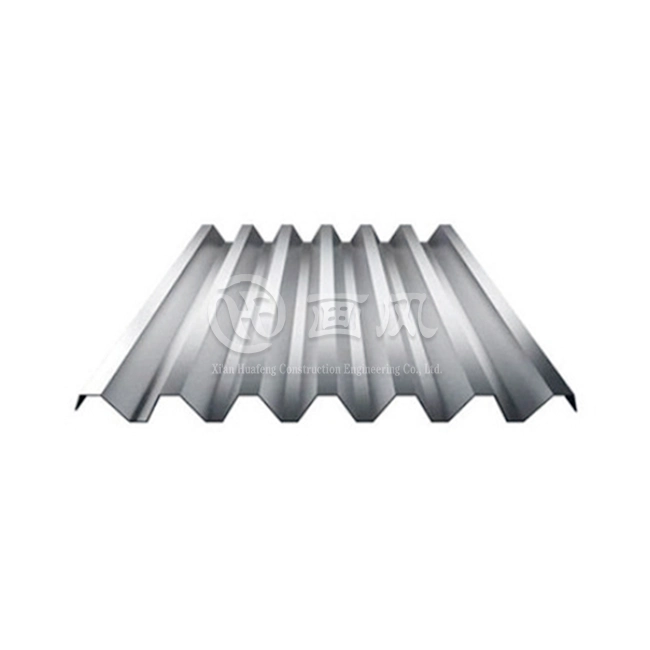
Corrugated metal roofing is less expensive than standard seam roof panel systems, but the bolts are directly exposed to the weather, which makes them more likely to rust and leak. Because the design is through-fastened, it needs seal washers that get worn down and need to be replaced every 5 to 7 years to keep the water out. Modified bitumen and single-ply membrane systems work well for flat uses, but they are easy to puncture during upkeep work, and they need to be installed by skilled professionals for the seams to stick securely. UV light breaks down the membrane, so it needs to be recoated every 10 to 15 years. This adds up to recurring costs that are higher than the standard seam roof panel's lifecycle costs.
The data clearly shows that standard seam roof panels are a better deal because they last longer, require less care, are more resistant to weather, and can be recycled completely when it's time to replace them. Commercial property owners are becoming more and more aware that focusing only on the initial cost of installation ignores the big financial benefits that metal roofing offers in the long run.
Procurement Guide: How to Buy PVDF Coated Standard Seam Roof Panels
When you're buying something from a business, you need to pay attention to more than just prices. There are many things that affect the success of the project.
Evaluating Suppliers and Manufacturer Capabilities
When it comes to big projects that need hundreds of tonnes of materials, production capacity has a direct effect on supply efficiency. Manufacturers who have more than one factory with separate production lines show that they have the infrastructure to meet tight deadlines for construction without sacrificing quality. A seller with seven production lines spread across three sites can handle orders of more than 1,000 tonnes per month. This makes sure that your project gets the materials it needs on time and doesn't have delays that affect other parts of the construction schedule.
Quality marks are scientific proof that a product is made well. Suppliers with ISO 9001 certification have quality management systems that are written down and are regularly checked by a third party to make sure they are meeting consistent production standards. Meeting international standards like ASTM, DIN, JIS, BS, and GB/T means that the production process is suitable for a wide range of global markets. This gives customers faith that the standard seam roof panels will meet their needs no matter where the project is located. Coating integrity testing using procedures like MEK solvent rub tests and T-bend flexibility testing proves that PVDF layers attach properly and resist cracking during forming operations—critical validation that separates premium goods from substandard alternatives.
Understanding Minimum Orders and Customization Options
Standard seam roof panels typically require minimum orders of 500 m² to 1 tonne to support customised production. Options include custom lengths, colors, and finishes for specific projects. Average lead times are 15–20 days, while urgent orders may require additional costs. Early supplier coordination helps secure production capacity during busy construction periods.
Warranty Terms and Post-Sale Support
A 30-year PVDF coating warranty reflects manufacturer confidence, covering issues such as excessive fading, coating failure, and corrosion perforation while excluding poor installation or maintenance problems. Transferable warranties add property value. Strong suppliers also provide technical guidance, installation resources, and training support to ensure proper installation, reduce delays, and protect long-term investments.
Case Studies and Application Scenarios
Implementations in the real world show how PVDF coated standard seam roof panels work in tough situations that test its abilities.
Industrial Warehouse in Hurricane-Prone Coastal Region
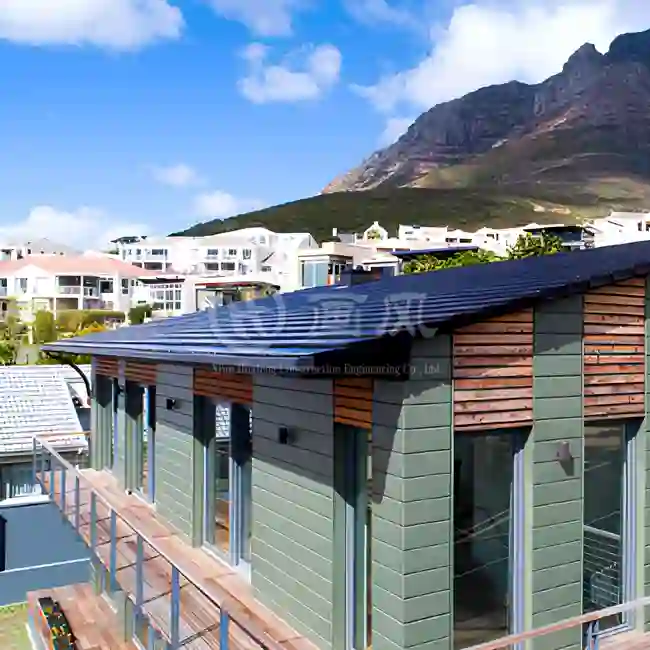
A coastal distribution center used mechanically seamed Galvalume panels with PVDF coating to withstand hurricanes and protect temperature-sensitive inventory. After several storm seasons with winds exceeding 100 mph, the roof remained secure and waterproof with no operational interruptions. Its reflective performance also reduced energy costs by 22%, recovering the coating investment within seven years.
Airport Terminal Expansion in Extreme Temperature Environment
A desert airport terminal expansion used aluminum standing seam panels with a custom PVDF finish to withstand extreme heat and maintain appearance. The floating clip system handled significant temperature changes without stress damage. After eight years, the roof showed minimal color change, required little maintenance, and supported sustainability goals through reflective performance and recycled materials.
Manufacturing Facility in Heavy Snow Load Region
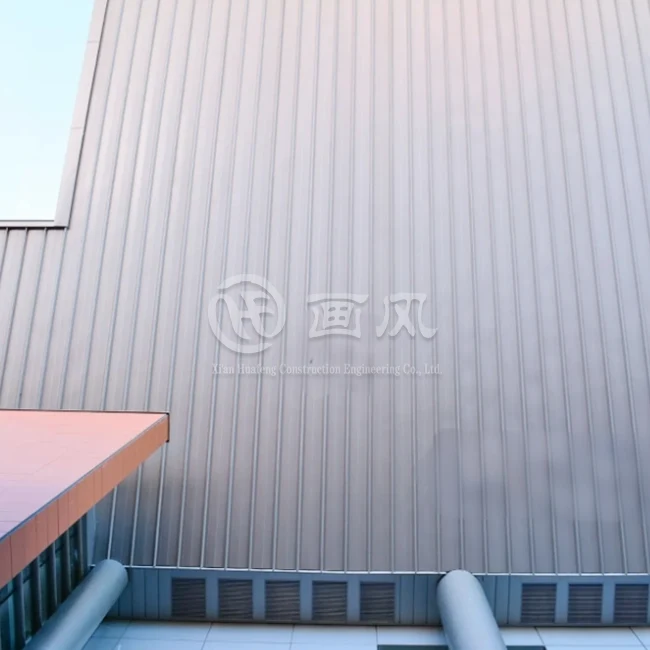
A northern plains automotive factory selected galvanised steel standing seam panels with PVDF coating to support heavy snow loads and long spans. The concealed fastening system improved durability under continuous stress. Proper vapor control prevented condensation-related corrosion, while the roof maintained performance through multiple winters. The reflective coating also enhanced daylighting and reduced indoor lighting needs.
Conclusion
PVDF coated standard seam roof panels represent the optimal solution for commercial and industrial projects demanding extreme weather protection, long-term durability, and lifecycle cost efficiency. The combination of advanced fluoropolymer coating technology with engineered metal panel design provides superior performance across all climate zones, from hurricane-exposed coasts to heavy snow regions and intense desert environments. Professionals in procurement can improve project results by learning about the detailed differences between panel systems, coating specs, and substrate materials. The 30-year warranty, low upkeep needs, and decades of proven field performance show real value that goes beyond initial cost considerations. This helps investors make smart choices that are in line with long-term building management goals.
FAQ
1.How does PVDF coating extend the lifespan of metal roofing panels?
Through stable carbon-fluorine molecular bonds, PVDF coating chemistry makes standard seam roof panels very resistant to UV light, water, and chemicals. This keeps the coating from wearing off, chalking, and losing its colour, which can happen with less durable coating systems. The protective layer keeps the substrate strong by keeping harmful substances from getting to the base metal. The coating's flexibility lets it expand and contract with temperature changes without breaking. Field data shows that PVDF coated standard seam roof panels keep working for 30 to 50 years, while normal polyester coats only last 15 to 20 years.
2.What customization options exist for project-specific requirements?
Manufacturers offer a wide range of customisation choices, such as standard seam roof panel lengths up to 12 meters (which eliminates horizontal seams), thicknesses from 0.5mm to 1.2mm, seam heights from 25mm to 65mm, and a full range of colours that meet both RAL and Pantone standards. The choice of substrate material depends on the surroundings. Based on corrosion exposure and price, you can choose between galvanised steel, Galvalume, and aluminium. Custom colour matching makes sure that the architecture of multiple buildings in the same area or for business branding purposes.
3.What maintenance practices preserve PVDF coating effectiveness?
Checking the integrity of the sealant at roof penetrations and the tightness of the fasteners along the sides of the border once a year keeps small problems from turning into expensive fixes. Keeping water flowing properly means getting rid of trash from valleys and drainage points. Every two to three years, low-pressure washing gets rid of top dirt that has built up, but most contaminants are naturally removed by the PVDF coated standard seam roof panel's non-porous surface. Do not use rough cleaners or high-pressure tools on the covering surface as they could damage it.
Partner With HF for Your Next Extreme Weather Roofing Project
Xi'an Huafeng Construction Engineering Co., Ltd. offers standard seam roof panels that are coated in PVDF and are made to work well in extreme weather in commercial, industrial, and infrastructure settings. Our production equipment is made up of three buildings with more than 40 specialised tools and seven colour coating lines. Each month, we make 1,000 tonnes of consistent quality that meets ASTM, DIN, JIS, BS, and GB/T standards. We let you fully customise standard seam roof panel sizes (25-330/400/430, 32-410, 45-400, 65-400/430), thicknesses (0.5-1.2mm), and a wide range of RAL and Pantone colours, all backed by 30-year warranties. As a certified metal roofing supplier with ISO 9001 and ISO 14001 credentials, we help procurement teams by offering competitive bulk pricing, delivery times of 15 to 20 days, and technical consultation to make sure you get the right product for your project. You can email our team at huafeng@hfmetalroof.com or visit hfmetalroof.com to talk about your needs for standard seam roof panels and get quotes that are suited to your unique project.
References
1. Smith, J.R. & Anderson, M.K. (2021). Advanced Metal Roofing Systems: Performance Analysis in Extreme Climate Conditions. Journal of Building Envelope Design, 18(3), 145-162.
2. National Roofing Contractors Association. (2020). Metal Roofing Technical Manual: Installation Guidelines and Performance Standards. NRCA Publications, Fourth Edition.
3. Patterson, D.L. (2019). Fluoropolymer Coating Technology for Architectural Metal Applications. Surface Coatings International, 102(5), 234-248.
4. Cool Roof Rating Council. (2022). Rated Products Directory: Solar Reflectance and Thermal Emittance Values for Metal Roofing Systems. CRRC Annual Technical Report.
5. Zhang, W., Thompson, R., & Martinez, C. (2020). Life Cycle Cost Analysis of Commercial Roofing Systems: A 50-Year Comparative Study. Construction Economics Review, 45(2), 78-94.
6. Metal Construction Association. (2021). Wind Load Design Guide for Metal Roofing and Wall Systems. MCA Technical Bulletin 18-21, Revision C.





YOU MAY LIKE