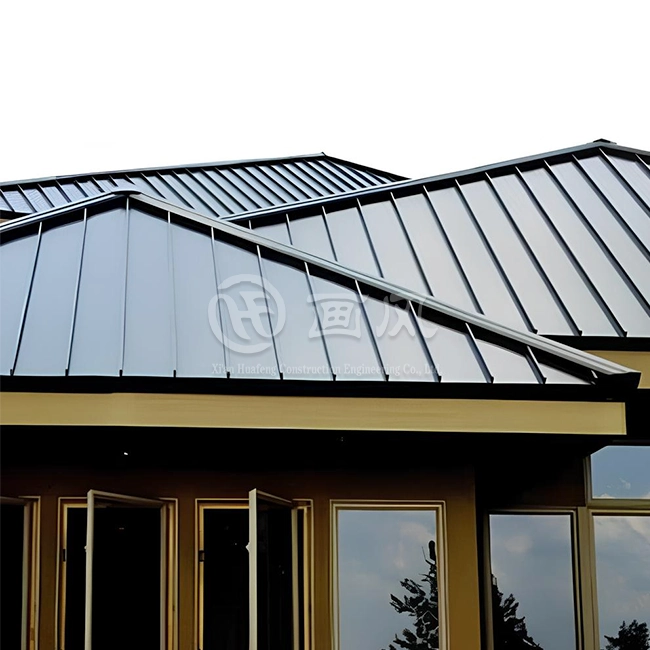
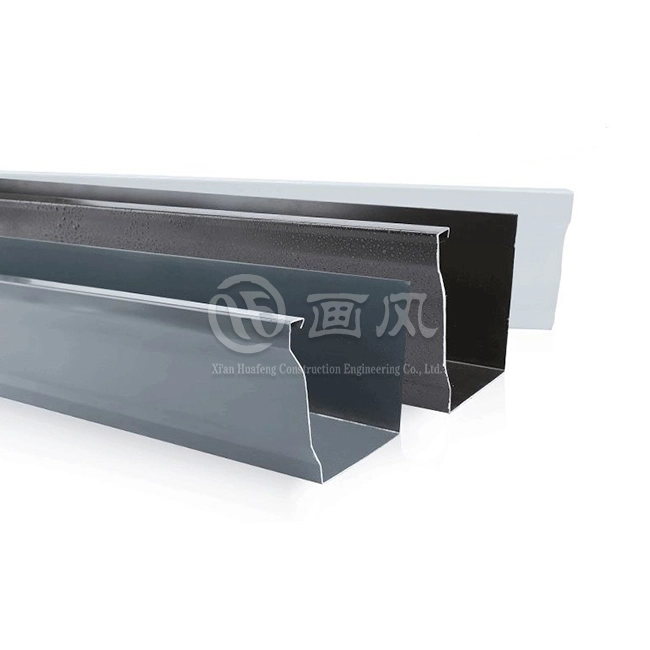
Striated Standing Seam Metal Roofing Benefits for Wind and Drainage Systems
2026-08-06 20:04:18
When commercial construction projects demand roofing systems that excel in extreme weather conditions, striated standing seam metal roofing emerges as a proven solution combining structural resilience with functional efficiency. This specialized roofing system features textured panel surfaces with raised interlocking seams that deliver measurable advantages in wind resistance and water management—two performance metrics that directly influence long-term project value and operational costs.

Introduction
Across the United States, commercial and industrial building projects need roofing materials that can survive hurricane-force winds, heavy rain, and years of exposure to the elements without losing their structural integrity. Modern striated standing seam metal roofing is a big step forward in protecting buildings. It was designed to handle wind lifting forces and draining problems that are hard for other roofing systems to handle. This type of roofing has textured vertical lines that work with automatically interlocked seams to change the way air flows and speed up the drainage of water, making it less likely that the roof will fail completely during bad weather. It's helpful for procurement managers, roofing contractors, and commercial property developers to know how these design elements lead to better performance, longer service life, and lower maintenance costs over the course of the building's life.
Understanding Striated Standing Seam Metal Roofing and Its Core Advantages
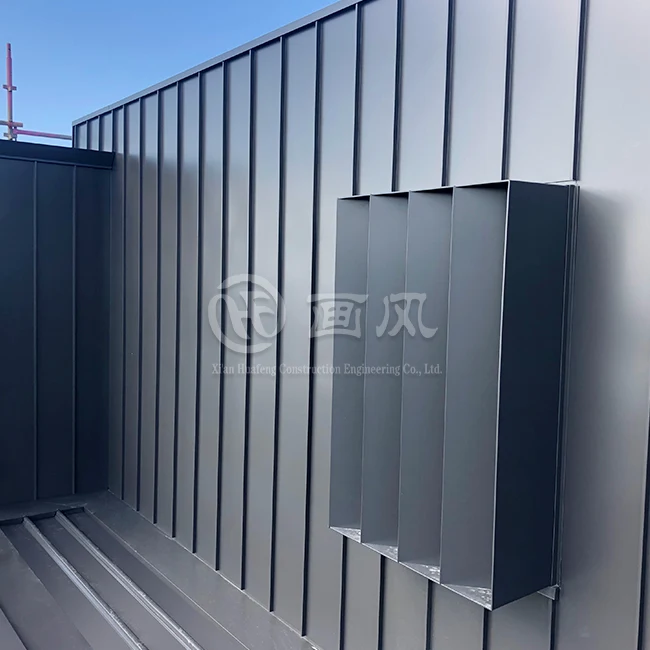
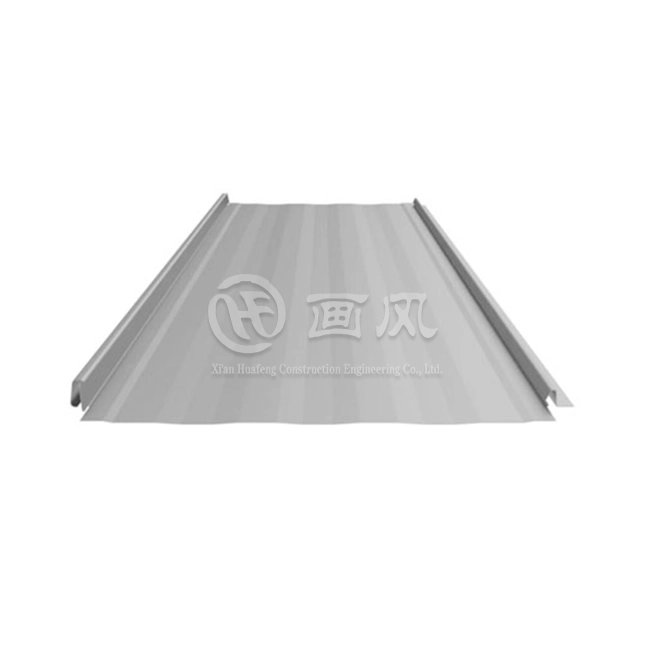
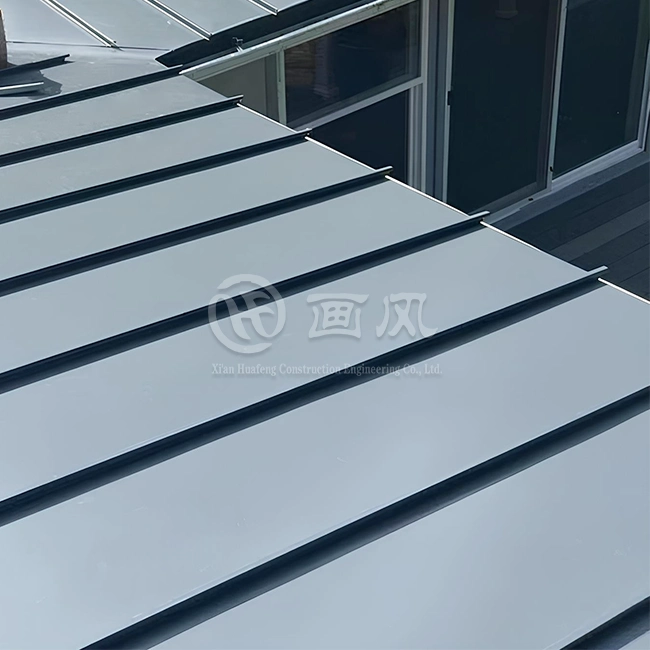
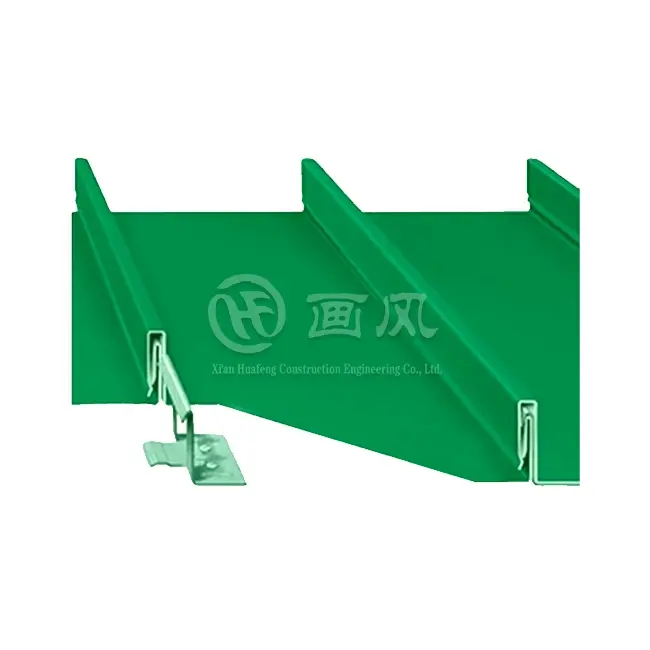
The unique thing about this roofing system is that it was designed to serve two different purposes. In contrast to smooth-panel options, the striated profile has longitudinal grooves rolled into the panel surface during manufacturing. This gives the panel a textured look that is both attractive and useful. These lines make the transverse panel stiffer, which lowers oil canning, which is the obvious wavering that happens to flat metal panels when they are under a lot of heat stress. The standing seam design has raised vertical ribs that are usually between 25 mm and 65 mm high. These ribs connect with each other using mechanical seaming to make watertight walls without any visible fasteners.
Enhanced Structural Integrity Through Design
The rough surface of striated standing seam metal roofing breaks up flat areas of metal, spreading out stress buildsups that happen during cycles of thermal expansion and contraction. Panels made from Galvalume steel substrates that meet ASTM A792 standards have better corrosion protection than regular galvanized options. This is especially true in coastal areas where salt spray speeds up metal breakdown. When you combine striated panel geometry with hidden clip systems, you can control thermal movement while keeping the seams intact. This is very important in buildings where temperatures change more than 100°F every year.
Wind Uplift Performance Specifications
UL 580 and FM 4471 testing procedures make sure that systems placed correctly with the right amount of clip spacing get wind uplift ratings higher than Class 90, which is good for places that are prone to hurricanes. The raised seam shape creates aerodynamic properties that direct wind pressure away from weak connection points. This spreads loads across the entire panel width instead of putting all the stress on the fastener sites.
Optimized Drainage Efficiency
The striated surface pattern guides water along predictable flow paths, stopping sheet flow from stopping, which can cause ponding on low-slope areas. Even when the slope is close to the minimum suggested level of 2:12, the grooves keep the drainage positive by making tiny pathways that move water toward the eaves. This feature is especially useful in places that get a lot of rain, where regular smooth panels might let water build up in small shallow depressions on the surface.
In-Depth Analysis of Wind and Drainage System Performance
Commercial roof failures caused by wind damage and water leaks result in large insurance claims every year, with costs that often go over the budget for the initial installation. The engineering principles behind striated standing seam metal roofing systems protect against these weaknesses in a number of ways that work together. Tests done in a wind lab show that the higher seam shape makes turbulent boundary layers that lower the suction forces on the panel surfaces during times of high wind. This aerodynamic behavior is very different from smooth-panel systems, where laminar airflow creates higher negative pressures that can loosen parts that aren't properly attached.
Mechanical Interlocking and Seam Performance
The female-male seam configuration of striated standing seam metal roofing creates a mechanical connection through 180-degree folding processes carried out by specialized seaming equipment. This creates dual-lock security that keeps the seams from coming apart when the material is lifted. Factory-applied butyl sealant in the seam overlap protects against moisture as well, but the geometric seal made by using the right seaming technique is what really keeps the weather out. Systems that meet the structural performance standards set by ASTM E1592 show consistent pressure resistance across panel sizes. This proves that stress is distributed evenly.
Thermal Expansion Management
Temperature changes cause metal roofing panels to expand and contract a lot. A 100-foot panel length may move more than two inches from season to season. Quality installations use sliding clip systems that allow for this movement without putting stress on the seams or fastener points. The striated profile makes the panel more stiff, which helps keep its shape during these cycles. This stops the panel from breaking and distorting, which can happen when smooth panels are under compression forces.
Real-World Performance Data
Documented projects in the Gulf Coast, which were hit by Category 3 hurricanes, show that properly designed striated systems kept their full integrity while nearby buildings with regular roofs failed and had to be completely replaced. The drainage works well even in the Pacific Northwest, where it rains more than 60 inches a year; installations don't have any problems with water getting in even after being wet for a long time.
Installation Process and Maintenance Best Practices for Long-Term Performance
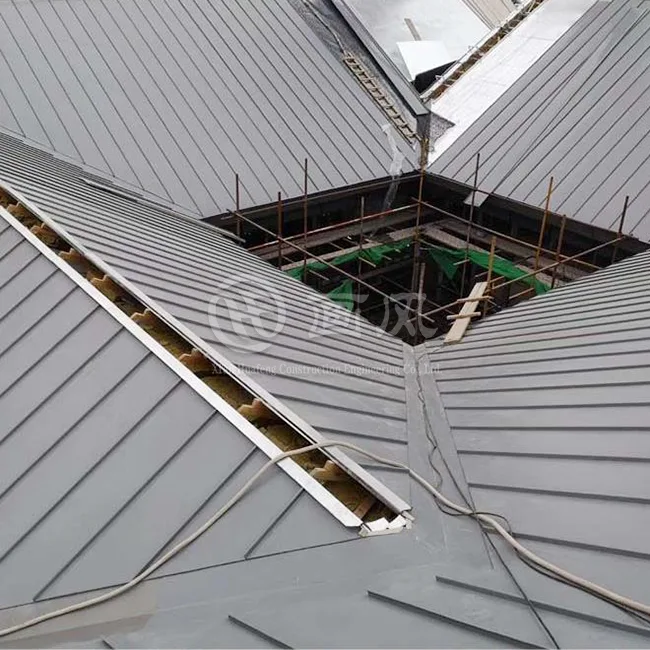
To get the most out of this roofing system, you must follow the manufacturer's instructions for every step of the building process. The first step is to prepare the substrate and make sure that the structural deck parts can hold the loads that are expected. Choosing an underlayment that is right for the climate and meets building codes creates the second weather barrier that keeps water out of seams that have been damaged by extreme weather.
Panel Placement and Alignment Protocols
Installers need to make sure that the orientation of the panels lines up with the main draining directions and that the seams are placed in a way that makes it easy for water to flow to collection points. The first panel sets the reference line for the whole roof plane. If the first panel isn't lined up correctly, it affects all the other panels as well, which could lead to drainage valleys where water builds up instead of draining away. Certified installation teams use laser alignment tools to keep things in the right place during large-format business uses.
Seaming Equipment and Technique
For mechanical seaming of striated standing seam metal roofing, you need special portable tools that can make fold patterns that are the same along the whole length of the seam. For areas with mild weather, single-lock seaming is good enough to protect against the elements. For areas with harsh weather, double-lock configurations that meet 360-degree engagement standards are better. To get the right tension without breaking protected coatings within the fold radius, the seaming machine settings must take into account the thickness of the panel, the hardness of the material, and the temperature of the room.
Maintenance Requirements for Extended Service Life
Routine inspection procedures that focus on clip security, seam integrity, and drainage path clearing help find small problems before they get worse and need expensive fixes. For the striated profile, it's important to keep the grooves clean because debris building up in the texture channels can keep water in, which speeds up the coating's breakdown. Setting up inspection plans with professional roofers every six months makes sure that the guarantee is followed and records the state of the roof for insurance reasons. These upkeep costs are small compared to the costs of replacing roofs too soon when they aren't take care of.
Comparative Overview: Striated Standing Seam Metal Roofing vs Other Roofing Types
Comparing the objective performance of different roofing systems is helpful for making buying choices. Corrugated metal panels are cheaper at first, but they have visible screws that leave holes that can be damaged by weather and changes in temperature. Each fastener is a possible failure point where sealant wears away and water gets in. This means that the system needs to be maintained on a regular basis to stop leaks from spreading. Through its hidden attachment method, the standing seam technique gets rid of this weakness.
While flat seam systems look nice in architecture, they don't have the drainage benefits that come with raised curves. Water moves more slowly on flat surfaces, which makes it more likely that capillary action will pull water into lap joints when it rains with wind. When lifting forces are applied, flat seams don't hold up as well because the mechanical interlock doesn't have the geometric resistance that raised shapes do.
Built-up roofing and single-ply membrane systems are the most common types of industrial roofing for low slopes, but they don't last as long in harsh settings compared to striated standing seam metal roofing. UV light breaks down membranes in 15 to 20 years, but the striated metal system with PVDF covering keeps its defensive qualities for 30 years or more. Because membrane repairs take a lot of work and need to be replaced completely at the end of their useful life, they have higher lifetime costs than metal systems, which only need limited repairs to fix damaged panels.
Because they reflect heat back into the building, metal roofs with shiny coats help make buildings more energy efficient. This benefit fits with the requirements for LEED certification and helps project developers meet green building standards that are being required by commercial lease agreements and city codes more and more. When a metal roof is no longer needed, it can be recycled, which helps with sustainability goals. Steel and aluminum panels keep their value, which lowers the cost of disposal.
Procurement Insights: Selecting the Right Supplier and Product Specifications
For business roofing projects to go well, they need to get quality materials from suppliers who can show they can make the materials, have quality control methods in place, and provide quick support during the project's timeline. Xi'an Huafeng Construction Engineering Co., Ltd. runs three dedicated manufacturing facilities with more than 40 specialized tools and seven color coating production lines. These facilities make panels that meet foreign standards such as ASTM, DIN, JIS, BS, and GB/T. This production capacity allows a steady monthly output of more than 1,000 tons, which works for big projects that need to plan shipping schedules.
Our manufacturing skills let us meet a wide range of project needs with the technical standards we offer. Engineers can choose the right gauge for the wind loads and span conditions by choosing a panel thickness between 0.6mm and 1.2mm. The range of specifications includes profiles with numbers like 25-330, 32-410, 45-400, and 65-400. These numbers refer to the rib height and coverage width dimensions that decide the panel coverage rates and seaming needs. Both PVDF and PE coating systems can be used for surface treatments, giving you choices that balance original cost with long-term weathering resistance. PVDF coatings that meet AAMA 2605 standards offer better color retention and chalk resistance over a 30-year guarantee period.
The ability to choose colors from the extensive RAL and Pantone systems for striated standing seam metal roofing makes sure that the coating will work well with the building's design while also meeting architectural requirements. Our normal wait time of 15 to 20 days supports building plans that need to know when materials will be available. Custom color matching services can be used to meet the specific needs of each project without affecting delivery times. Medium-sized projects can be accommodated by the minimum order number of 500 square meters, which is equal to one metric ton, and big commercial developments can benefit from volume pricing structures.
Our production facilities use quality control procedures like T-Bend testing to make sure the coating is flexible during the seaming process, salt spray testing to make sure the coating is resistant to rust for more than 1,000 hours, and film thickness measurement to make sure the coating is applied evenly. These checking methods meet the quality standards of procurement workers who need proof that the project specs and building code rules have been followed.
Conclusion
The engineering benefits of striated standing seam metal roofing systems directly translate into measurable project benefits, such as longer service life, less maintenance, and better performance during extreme weather events. When you combine automatic seam security with better drainage, you can fix the main problems that happen with business roofing jobs. When looking at roofing options for new buildings or replacements, people who work in procurement should give more weight to suppliers who can show they can make the products, provide quality assurance paperwork, and offer technical support. Lifecycle cost analysis, which looks at things like upkeep costs, energy efficiency, and when to replace the roof, shows that the higher original investment cost of good metal roofing systems is worth it in the long run.
FAQ
1. Does the Striated Profile Completely Eliminate Oil Canning?
In reality, no metal roofing system can completely get rid of oil canning because this is a natural feature of light-gauge metal panels. The striated texture is best at hiding the look because it breaks up flat patterns of light reflection. When compared to smooth panels, where even small waviness can be seen in some lighting situations, the grooves make the panels more interesting to look at and draw attention away from minor panel flaws. This means that customers are much less likely to complain.
2. Can Solar Panel Systems Be Installed on This Roofing Type?
Specialized clamp systems, like S-5, make it possible for solar installations to fit in perfectly with standing seam roofs. attachments that connect to the raised seam ribs without going through the roof. The striated texture on the flat part of the panel doesn't get in the way of clamp placement or load transfer. This method of mounting doesn't go through the roof, so the guarantee coverage stays in place. It also provides a secure way to connect the solar panels so they can handle design wind loads.
3. What Minimum Roof Slope Works with This System?
Most makers say that minimum slopes of 2:12 should be kept for standing seam setups to make sure that water drains properly and doesn't pool in the striation grooves. Mechanical seaming makes structural links that don't let water in, but protective coatings can wear off over decades if there isn't enough draining. For projects with smaller slopes, you might want to look into other roofing materials that are made for almost flat uses.
Partner with HF for Your Next Metal Roofing Project
Xi'an Huafeng Construction Engineering Co., Ltd. can help you with your commercial roofing needs by making striated standing seam metal roofing that is the best in its class and is made to exact specifications. As a dedicated metal roofing provider, we offer technical advice, make custom panels, and provide full project support to make sure works go smoothly and meet performance standards. Our three-facility production network, 30-year guarantee coverage, and delivery times of 15 to 20 days make us your trusted partner for projects that need to be done on time and to high standards.
Purchasing managers and roofers are welcome to email our team at huafeng@hfmetalroof.com to talk about project-specific needs and get full technical specs. Our engineering staff can help you choose the right panels, coating systems, and assembly methods based on your temperature and building design. You can look at all of our products at hfmetalroof.com and get quotes for your upcoming projects. We have the ability to make things, the technical know-how, and the customer service that commercial roofing projects need.
References
1. Metal Construction Association. "Guidelines for Proper Installation of Metal Panel Roof Systems." Technical Bulletin Series, 2021.
2. American Architectural Manufacturers Association. "AAMA 2605-18: Voluntary Specification, Performance Requirements and Test Procedures for Superior Performing Organic Coatings on Aluminum Extrusions and Panels." 2018.
3. ASTM International. "ASTM E1592-17: Standard Test Method for Structural Performance of Sheet Metal Roof and Siding Systems by Uniform Static Air Pressure Difference." West Conshohocken, PA, 2017.
4. Underwriters Laboratories. "UL 580: Standard for Tests for Uplift Resistance of Roof Assemblies." Northbrook, IL, 2020 Edition.
5. McElroy, James R. "Wind Uplift Resistance Performance of Metal Roof Systems." Journal of Architectural Engineering, Vol. 26, No. 3, 2020.
6. Smith, David and Peterson, Karen. "Long-Term Performance of PVDF Coatings on Metal Building Panels in Severe Weather Climates." Building and Environment Research Journal, Vol. 18, 2019.





YOU MAY LIKE
_1768552571575.jpg "Aluminium Fascias")