Double Lok Metal Roof Panels vs Mechanical Seam Systems Full Comparison Guide
2026-08-17 18:27:09
When evaluating roofing solutions for large-scale construction projects, understanding the differences between double lok metal roof panels and other mechanical seam systems becomes critical to project success. Double Lok panels feature a robust 360-degree interlocking mechanism that creates a monolithic weather barrier, while mechanical seam systems encompass various configurations including single-lock, snap-lock, and conventional double-lock profiles. Both categories serve industrial, commercial, and architectural applications, yet their installation methods, structural capabilities, and lifecycle economics differ significantly. This guide addresses these distinctions with technical precision, helping procurement professionals, roofing contractors, and property developers select systems that align with building codes, climate demands, and budget parameters.

Understanding Double Lok Metal Roof Panels and Mechanical Seam Systems
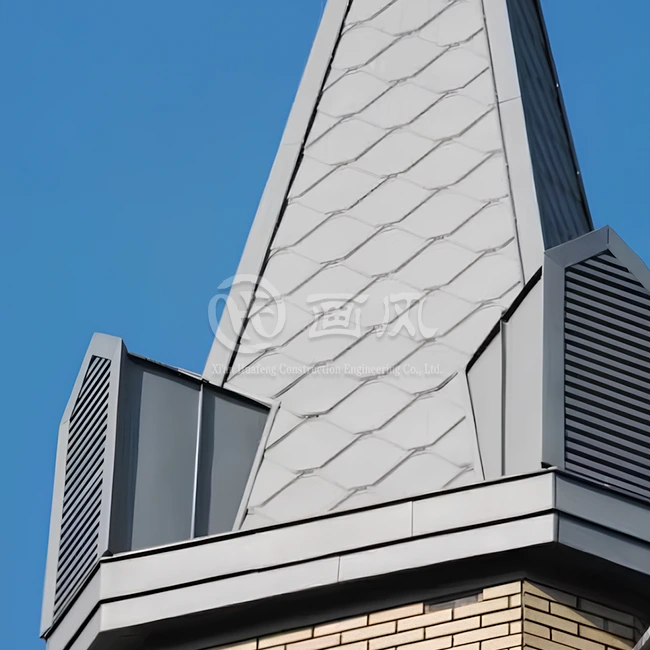
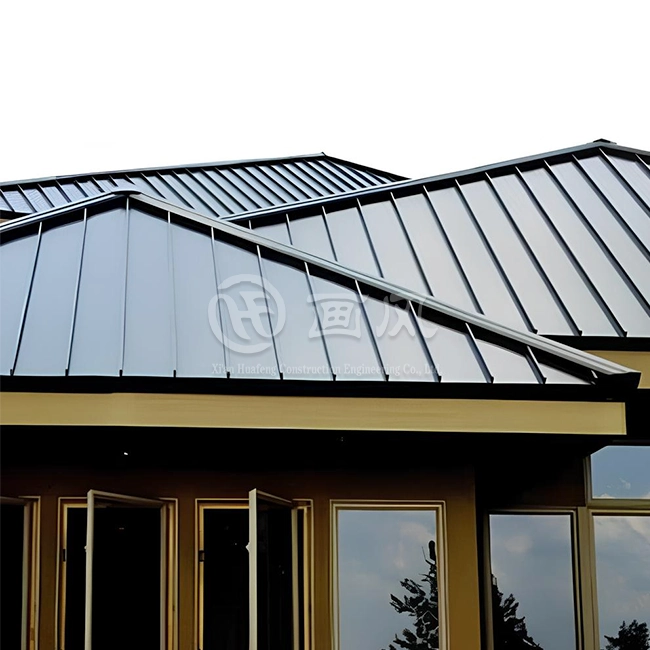
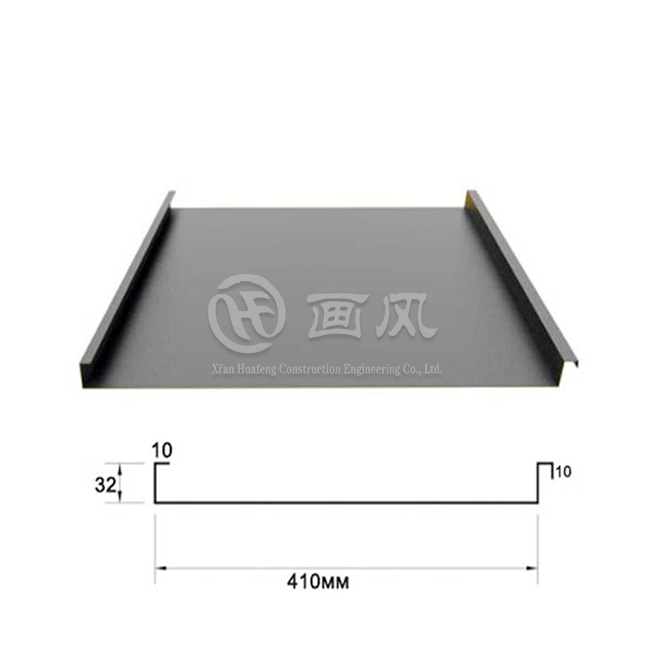
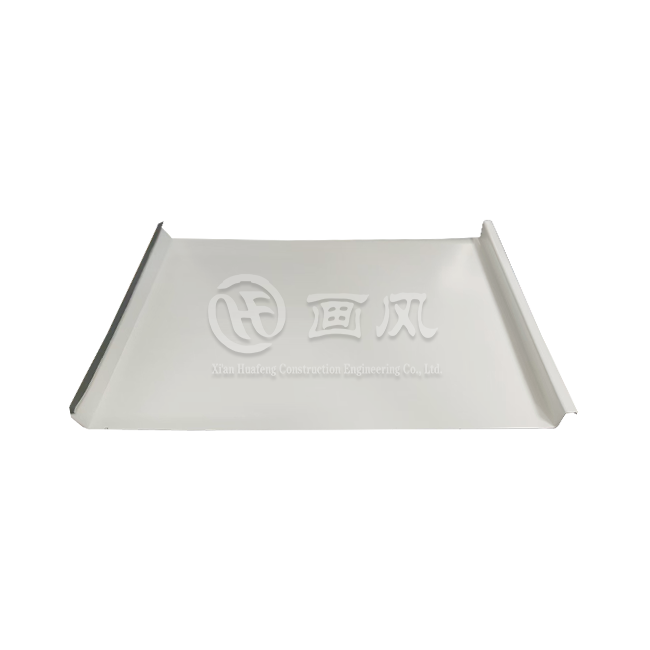
Double Lok metal roof panels are a special kind of standing seam metal roofing. They are made with trapezoidal leg profiles that fit together by mechanically crimping them together. This double-fold seam in the Pittsburgh style is more weatherproof than normal snap-lock systems. It can work with roof slopes as low as 1/4:12 without affecting how well it sheds water. The panels are structural elements that get rid of the need for solid decking in many situations. This saves money on materials while still meeting UL 90 and FM Global standards for wind uplift resistance.
Design Architecture of Double Lok Panels
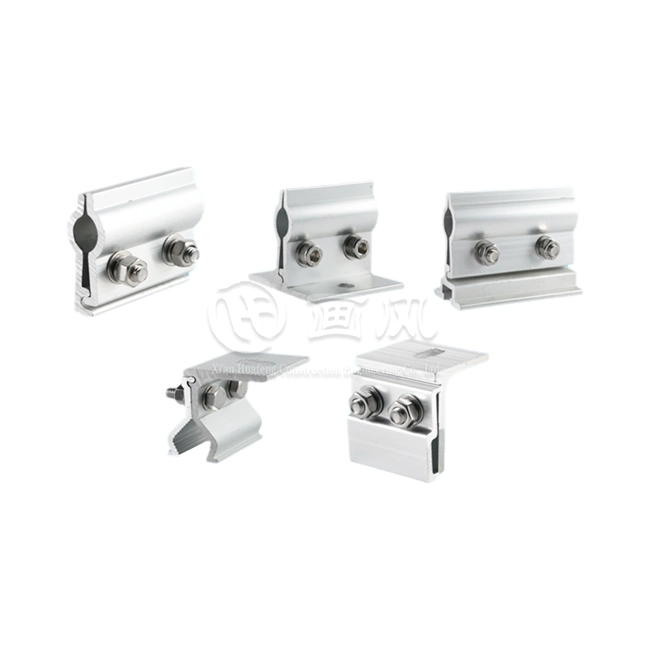
With the HF Double Lok metal roof panels system, floating clips are connected to the roof substrate and hidden fasteners are used. Panels are usually made by rolling out material that is between 0.5 and 1.2 mm thick. The substrates can be made of aluminum alloy, galvanized steel, stainless steel, copper, or titanium zinc. The seam height is between 25 and 65 mm (1" and 2.55"), which gives the structure depth and creates shadow lines that improve the look of the building. PVDF and PE paint finishes meet AAMA 2605 standards and have been tested by SGS to show that they keep colors and don't chalk. The system allows for thermal expansion with articulating clips, which stops oil canning and fastener fatigue that happen with systems that are rigidly attached.
Mechanical Seam System Variations
Mechanical seam systems include more than just the Double Lok arrangement. Snap-lock panels have male-female interlocking sides that hold them in place without field seaming. They can be used on slopes higher than 3:12 and in home settings where speed of installation is important. Single-lock mechanical seams offer moderate weather protection for agricultural buildings that don't need to be very resistant to extreme weather. Board-and-batten designs give you more options for how the house looks, but they give up the advantage of hidden fasteners. Each type meets different performance requirements, but the double-lock design is still the standard for business projects that need to be completely weatherproof and structurally sound.
Structural Differences and Performance Implications
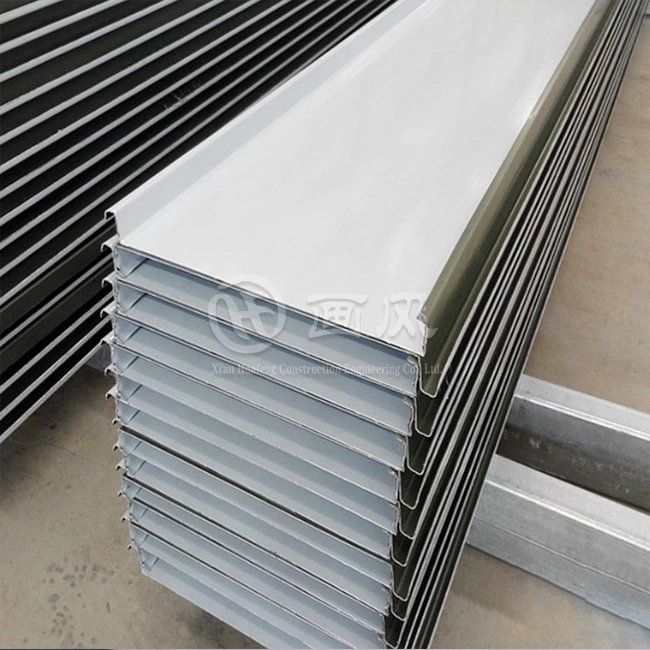
The main difference is the amount of seam contact and the way the seams are fastened. Snap-lock only has one contact point at the seam junction, but Double Lok metal roof panels systems make two full folds there. This extra support gives hydraulic pressure resistance, which is very important in low-slope situations and seaside areas where rain is blown by the wind. Mechanical seaming needs special tools but makes sure that the seam is compressed evenly along the length of the panel, while snap-lock depends on the tolerances for manufacturing panels being the same. With three factories and seven production lines, HF can make 1000 tons of products every month. This makes sure that the products are made with the accuracy needed for efficient field assembly, and they meet foreign standards like ASTM, DIN, JIS, BS, and GB/T.
Performance Comparison: Durability, Energy Efficiency, and Maintenance
The lifespan of a roofing system has a direct effect on its lifecycle costs, so evaluating its durability is an important part of the procurement process. Different mechanical seam systems, including Double Lok metal roof panels, use base metals that don't rust and protected coatings, but their performance varies in different environmental stresses.
Weather Resistance and Structural Longevity
When it comes to places with big changes in weather, hurricane-force winds, and lots of snow, Double Lok metal roof panels work great. The seam crimp that goes around 360 degrees can withstand wind uplift tests that go over 60 psf, making it good for coastal areas and high-elevation installations. HF's aluminum alloy panels were tested under AS/NZS 1530.3:1999 and showed that none of the six samples ignited. The flame spread and heat release rates were also zero, which is important for areas that are prone to wildfires and for insurance companies to follow. The 30-year guarantee on the system shows that the company is sure that the substrate will last and that the coating will stick to it. This was proven by adhesion tests in boiling water that got 5B scores according to AAMA 2605-22 standards.
While snap-lock mechanical systems work well in mild climates, they aren't as strong when used on low slopes where water pools and tests the seams' integrity. When the temperature changes, there is more stress at the single contact point. This could lead to seam splitting after 15 to 20 years in harsh settings. HF's stainless steel and copper choices are better at resisting chemical breakdown than normal galvanized profiles, which makes them better for industrial settings with corrosive atmospheres.
Energy Performance and Thermal Management
Commercial buildings need a lot less cooling when they have reflective roof coatings on them. PVDF finishes can reflect up to 70% of sun energy. HF's color-customizable panels, which come in RAL and custom specs, help builders meet both aesthetic needs and Solar Reflectance Index (SRI) goals for LEED certification. The standing seam profile works with above-deck insulation systems and doesn't let heat flow through, so the R-values are higher than with through-fastened panels, where screw holes create paths for electricity to flow.
Both types of systems can handle thermal expansion with clip-based attachment, but the mechanical seam in Double Lok metal roof panels is more stable during expansion cycles. Panels can stretch 1-2 inches along their length without buckling, which stops the wavy look (called "oil canning") that happens with systems that are firmly attached. This stability keeps the insulation in contact with the air barrier and the air barrier in place, which is important for meeting energy codes in business building.
Maintenance Requirements and Lifecycle Costs
Metal roofing is different from asphalt and membrane options because it doesn't need as much maintenance. However, operational budgets are affected by system-specific maintenance protocols. The seams, fasteners, and coating condition of Double Lok metal roof panels need to be checked every six months. The hidden fastener design stops screw holes from getting longer and gaskets from breaking down, which are common problems in visible fastener systems that need to be replaced every 10 to 15 years.
HF panels that meet the standards of the EU RoHS Directive (all ten dangerous substances below measurement limits) protect the environment and workers while they do repair work. The PVDF layer is resistant to detergents, acids, and window cleaners (as proven by SGS tests). This makes cleaning easier and keeps the reflectivity without the need for special treatments. Snap-lock systems make it easier to replace damaged panels because each one can be unsnapped without affecting the sections next to it. This is helpful for buildings that need to access rooftop equipment often.
Installation Process and Cost Analysis
Installation method for double lok metal roof panels has a big effect on project timelines and labor costs, which affects overall ownership costs beyond just buying materials.
Double Lok Panel Installation Procedures
Professional installation of Double Lok metal roof panels systems starts with preparing the base and adding the right underlayment, which is usually synthetic or self-adhering membranes for low-slope uses. Clips are then placed at intervals stated by the maker. Clips are automatically attached to solid decking or structural purlins, and the attachment of the panel to the clip is checked before the seam is crimped. Portable electric seamers put even pressure along the length of the seam, which makes the typical 360-degree fold. Installation rates range from 800 to 1200 square feet per crew per day, but this depends on the type of roof and the weather.
HF's minimum order quantity of 500㎡/1T supports medium- to large-scale projects, and delivery times of 15 to 20 days make it possible to stick to tight building plans. The system can span up to 40 feet between supports, which means less structural steel is needed. This lowers the cost of the base, which makes up for the higher cost of the panels. Installing a waterproof roof on a slope as low as 1/4:12 is possible by experienced builders. This opens up more design options for industrial buildings where the height of the inside walls limits the roof pitch.
Mechanical Seam System Installation Variations
Snap-lock panels make installation faster because the seams can be engaged without tools. Skilled crews can finish 1500 to 2000 square feet of panels every day. This speed advantage is helpful for projects with tight deadlines or contractors who aren't available during busy building seasons. Installation needs less specialized tools, which saves money on renting seaming machines, but the substrate needs to be prepared more precisely because the system can't handle deck irregularities as well as mechanically seamed profiles.
Single-lock mechanical seams are in the middle. They need movable seamers and can handle slightly lower seam heights and structural loads. This balance is often used in agricultural buildings and secondary structures, putting cost savings ahead of performance requirements. Board-and-batten designs need visible fastener installation, which makes the initial connection more work but makes replacing panels easier in the future.
Comprehensive Cost Evaluation
For HF Double Lok metal roof panels, the costs of materials depend on the substrate (aluminum alloy is more expensive than galvanized steel), the thickness (0.5 mm vs. 1.2 mm), and the finish (PVDF coatings vs. PE coatings). When you buy in bulk at the 1000-ton monthly supply capacity, you can get big savings that lower the cost per square foot for developers who are working on multiple projects at the same time.
Labor costs depend on how hard the installation is and how much people are paid in your area. For example, mechanically seamed systems usually cost an extra $1.50 to $2.50 per square foot compared to snap-lock options. This high-end investment pays off because the service lasts longer and needs less upkeep. Over the course of 30 years, a lifecycle cost study shows that the initial 15-20% cost premium for Double Lok metal roof panels systems saves 25–35% in energy costs, fixes to leaks, and the need to replace the roof. When procurement teams look at finance choices and project-specific performance needs, they should compare upfront capital investment to expected operational costs.
Market Comparison and Supplier Insights
Choosing a dependable manufacturer for double lok metal roof panels affects the quality of the product, the consistency of shipping, and the availability of expert assistance throughout the lifespan of the building.
Competitive Product Positioning
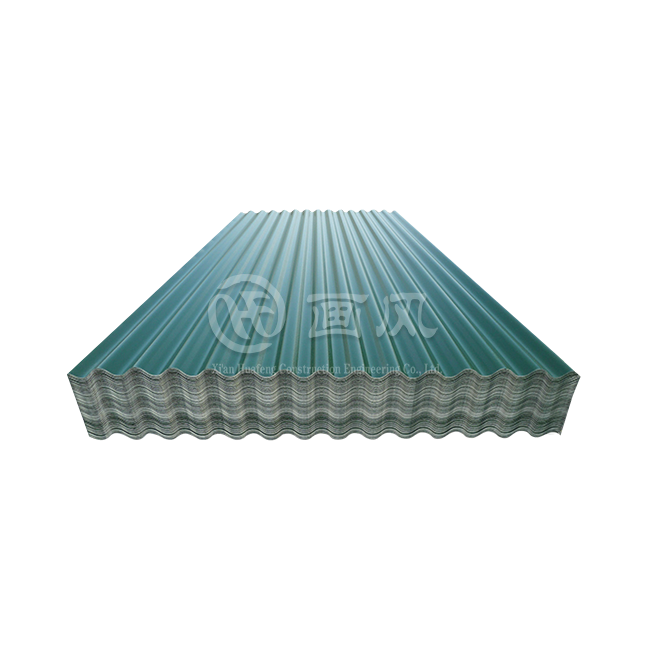
HF's Double Lok metal roof panels compete in a market that is split up into groups based on performance levels and specific uses. Corrugated metal panels are the most popular choice in cost-conscious farming markets, but they don't last as long in bad weather or look as good as they should for business use. Snap-lock systems are popular for home retrofits where speedy installation is worth sacrificing efficiency. The best option is a standing seam system with a mechanical double-lock configuration. This type of system is used on projects where failures in the building envelope could result in high liability and operational disruption costs.
Supplier Evaluation Criteria
Procurement workers rate manufacturers based on the length of their warranties, how easy it is to get technical help, and how reliable their supply chains are. HF's 30-year warranty shows that they are confident in the durability of the materials and the performance of the coatings. This is backed up by SGS certifications that prove the materials are resistant to fire, meet environmental standards, and stick to the coatings. The company offers design consulting services that help architects and engineers find the best panel profiles for different wind loads, temperature needs, and aesthetic goals.
Volume Procurement Advantages
Setting up favorite supplier relationships can help large developers and roofing workers who are in charge of many projects. HF can handle 1000 tons of purchases every month, which means they can handle portfolio-level purchases. If you commit to a certain volume, you might get better prices, priority production scheduling, and dedicated technical support. The 500㎡ minimum order number is in line with the average roof area of a business building. This way, you can avoid having to pay too much for storage while still getting the benefits of manufacturing efficiency.
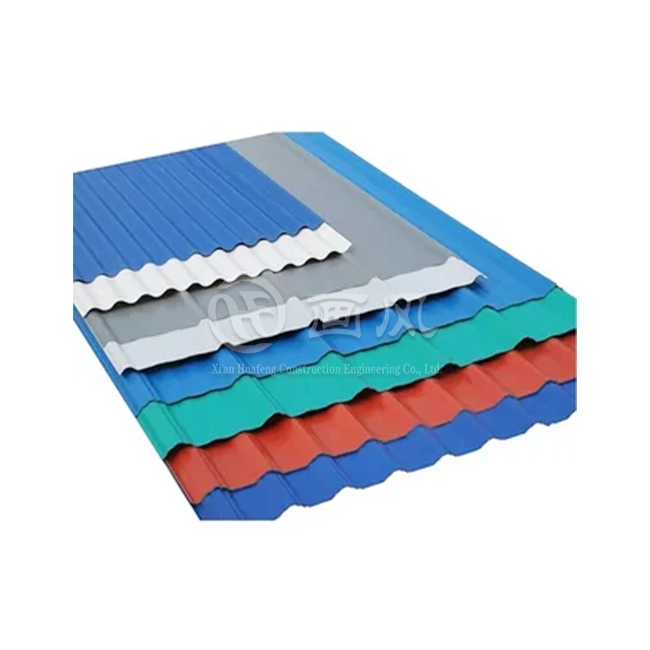
Customization options, such as RAL color matching and non-standard height shapes, meet the needs of design difference without delaying delivery dates. This adaptability comes in handy for branded business buildings, mixed-use developments, and historic repair projects where blending in with the surroundings is more important than saving money by standardizing things.
Making the Right Decision: Which System Suits Your Project?
To choose between Double Lok metal roof panels and other mechanical seam systems, you need to weigh the performance requirements of the project against the available options.
Critical Decision Factors
The main thing that sets one roof type apart from another is its slope. For slopes below 2:12, mechanically seamed systems with double-lock configurations are needed to keep water out. For slopes above 3:12, snap-lock panels can be used without sacrificing weather protection. The type of building affects the performance requirements. For example, warehouses and factories put more emphasis on structural strength and resistance to corrosion than on how nice the finishes look. On the other hand, corporate headquarters and shopping malls demand finishes that are of architectural quality.
Budget and Value Engineering
Initial financing constraints generally lead to cheaper solutions, but lifespan cost analysis frequently reverses this. A 50,000-square-foot industrial facility that chooses snap-lock panels, which cost $8 per square foot, over Double Lok metal roof panels, which cost $10, would spend $100,000 more upfront. Over 30 years, the system should save $2,000 on maintenance and $3,500 on energy. Despite the larger initial outlay, this will save $165,000 in expenses, saving $65,000 net. This research doesn't include hard-to-measure advantages like fewer business disruption from leak repairs and greater property values from improved building shell performance.
Application-Specific Recommendations
HF Double Lok metal roof panels with galvanized or stainless steel surfaces are the best choice for industrial buildings with toxic air, lots of equipment on the roof, and not much concern for how they look. The structural spanning feature of the system cuts down on secondary framing, and concealed fasteners get rid of leak paths in places where maintenance access is limited, which delays repairs.
PVDF-coated aluminum panels with high solar reflectance indices are good for commercial buildings that want to get LEED approval or meet business sustainability standards. The mix of low energy use, long service life, and recycling at the end of its useful life is in line with green building goals while keeping lifetime costs low. When the roof pitch is more than 3:12 and the weather stays mild, snap-lock systems are used on luxury homes and modern architectural designs to achieve the look of standing seams.
Conclusion
To choose between Double Lok metal roof panels and other mechanical seam systems, you need to look at performance needs, fitting limitations, and the cost-effectiveness of the system over its entire life. Double Lok configurations offer better weather resistance, structural strength, and durability, making them ideal for demanding commercial and industrial uses. The small extra cost is more than made up for by longer service life and less maintenance. Snap-lock alternatives make installation faster for home and small business jobs where the weather and slope shape allow it. Because HF can make things, has materials that are certified, and lets customers make changes, the company is a good strategic partner for procurement teams making these specification decisions. Choosing the right roofing system requires weighing the initial cost against how well it works, ensuring the stability of the building shell that protects people and property throughout its useful life.
FAQ
1. How does the weather resistance of Double Lok panels compare to snap-lock systems?
The 360-degree mechanical seam on Double Lok metal roof panels makes them more weatherproof by making extra folds that fight water pressure and wind-driven rain. Because of this, they can be used in low-slope situations with as little as a 1/4:12 pitch, while snap-lock systems usually need at least a 3:12 pitch to stay weathertight. Coastal and high-wind areas work better with manually crimped seams because wind uplift tests often go over 60 psf, while snap-lock values are only 30 to 45 psf.
2. Should I hire professional installers or consider alternative installation approaches?
For mechanical seam systems that need special seaming tools and technical know-how, it is strongly suggested that they be installed by a professional. Proper seam pinching keeps the seams weathertight and protects the warranty, since most maker warranties are void if the product isn't installed correctly. While snap-lock systems may seem easier to use, preparing the substrate and aligning the panels require roofing experience to keep them from failing and costing a lot of money. The money spent on skilled workers pays off in a clear way: fewer calls back and longer system life.
3. What factors influence the total cost of metal roofing projects?
The total cost of a project includes choosing the right materials (type of base, thickness, and covering), paying workers to do the work, the size and complexity of the roof (penetrations, valleys, and changes in slope), the state of the local market, and the project's scope. HF panels with PVDF coatings and heavier sizes cost more than normal setups, but they are worth it over their lifetime because they last longer. Buying in bulk lowers the cost per unit, but the mechanics of shipping and storage add indirect costs. A full cost study should include both the original capital and the upkeep and energy costs over the next 30 years.
Partner with HF for Premium Double Lok Metal Roof Panel Solutions
Xi'an Huafeng Construction Engineering Co., Ltd. stands as a trusted Double Lok metal roof panels manufacturer, delivering certified roofing systems backed by SGS testing and international standard compliance. Our production capacity of 1000 tons monthly across three factories ensures consistent supply for large-scale commercial and industrial projects, with customizable specifications including thickness ranges from 0.5-1.2mm and height profiles from 25-65mm. PVDF and PE finishes meeting AAMA 2605 standards provide proven durability and color retention, while our comprehensive material options—aluminum alloy, steel, stainless steel, copper, and titanium zinc—address diverse performance requirements. Contact our technical team at huafeng@hfmetalroof.com to discuss project specifications, request material samples, and receive customized quotations aligned with your procurement timeline and budget parameters.
References
1. American Architectural Manufacturers Association. (2022). AAMA 2605-22: Voluntary Specification, Performance Requirements and Test Procedures for Superior Performing Organic Coatings on Aluminum Extrusions and Panels. Schaumburg, IL: AAMA.
2. Metal Construction Association. (2023). Technical Bulletin: Standing Seam Metal Roof Systems—Design, Installation, and Performance Considerations. Glenview, IL: MCA.
3. FM Approvals. (2021). Approval Standard for Class 1 Insulated Steel Deck Roofs—Class Number 4470. Johnston, RI: FM Global.
4. ASTM International. (2023). ASTM E1592-20: Standard Test Method for Structural Performance of Exterior Dimension Stone Cladding Systems by Uniform Static Air Pressure Difference. West Conshohocken, PA: ASTM.
5. National Roofing Contractors Association. (2022). The NRCA Roofing Manual: Metal Panel and SPF Roof Systems. Rosemont, IL: NRCA.
6. Underwriters Laboratories. (2020). UL 580: Standard for Tests for Uplift Resistance of Roof Assemblies. Northbrook, IL: UL LLC.





YOU MAY LIKE