Top Uses of Double Lok Metal Roof Panels in Industrial and Oil Gas Projects
2026-08-17 18:27:29
When we talk about roofing solutions that truly withstand the toughest industrial environments, double lok metal roof panels emerge as a standout choice. These mechanically-seamed standing seam systems deliver unmatched weather integrity and structural performance in oil and gas facilities where failure simply isn't an option. The 360-degree double-lock seam creates a monolithic moisture barrier that protects critical infrastructure from water intrusion, chemical exposure, and extreme temperature fluctuations. Throughout this guide, we'll walk through exactly why procurement managers and project planners across industrial sectors increasingly specify these panels for their most demanding applications.

Understanding Double Lok Metal Roof Panels in Industrial Applications
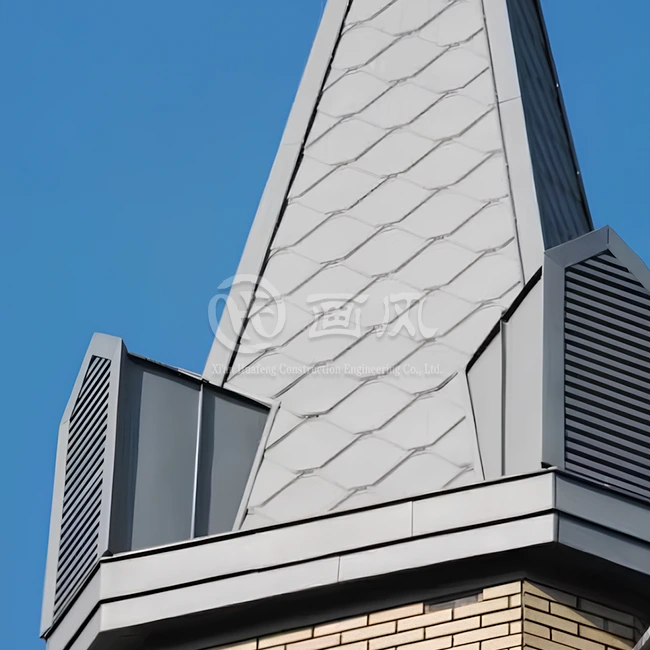
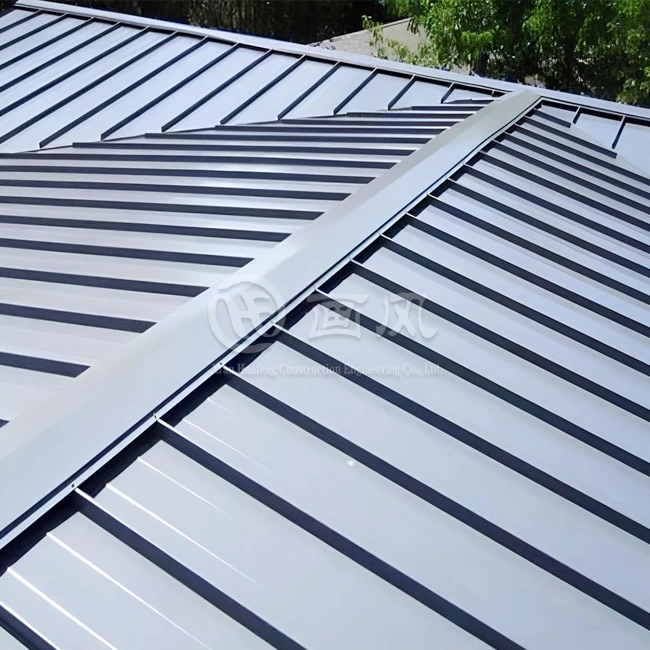
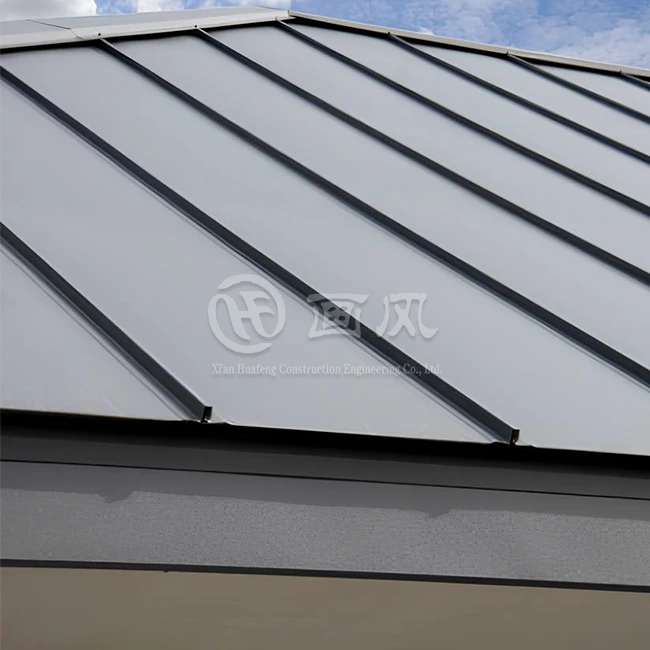
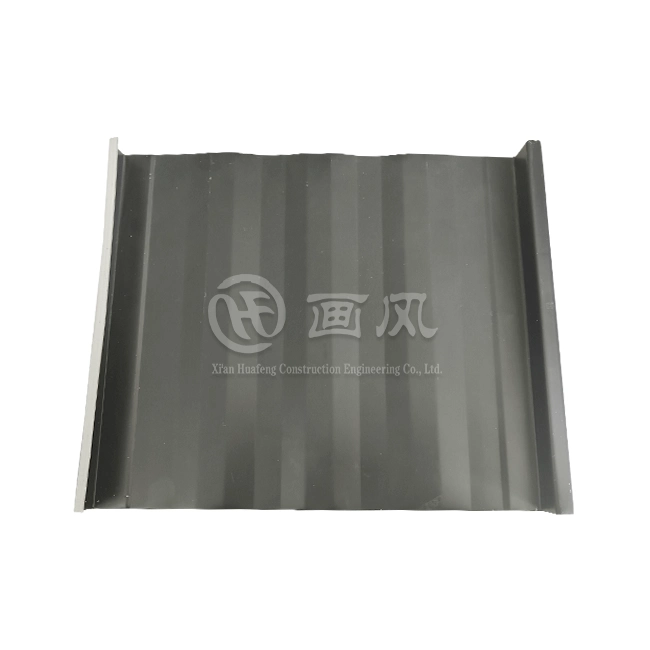
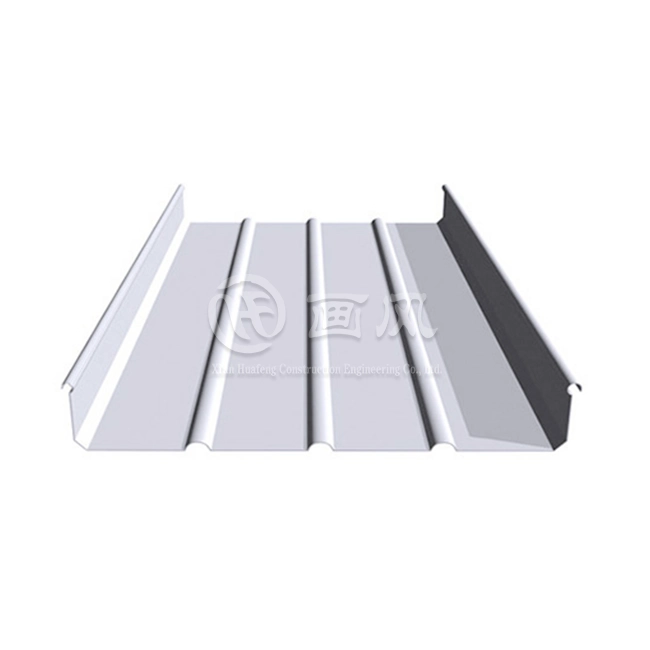
The engineering that went into making these roofing systems solves some of the biggest problems that industrial buildings have. The Double-Lok metal roof panels system is different from snap-lock or exposed fastener options because it uses a Pittsburgh-style seam to physically crimp the edges of two panels together in a full fold. This makes a seal that is watertight and can handle hydrostatic pressure, which is very important if your building is in an area that gets hurricanes or heavy rain.
What Makes These Panels Engineered for Heavy Industry
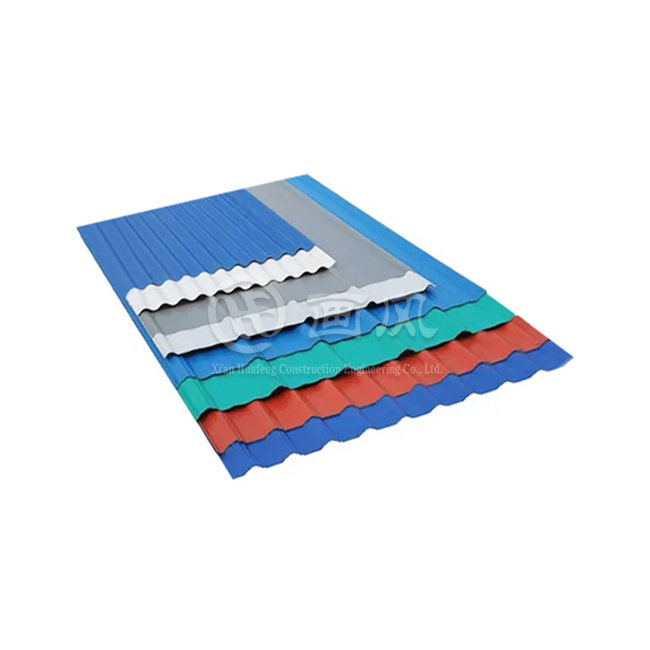
The way a material is made has a direct effect on how long it lasts in corrosive environments. These double lok metal roof panels are made by HF from aluminum alloy, coated steel, stainless steel, copper, and titanium zinc bases. The thicknesses can be chosen from 0.5mm to 1.2mm. International building rules can be followed because the panels meet ASTM, DIN, JIS, BS, and GB/T norms. Our PVDF and PE finishes are better at blocking UV rays and keeping their color. This is backed up by SGS-certified tests that show they have zero flame spread and heat release indices that meet AS/NZS 1530.3:1999 standards.
Corrosion Resistance and Thermal Performance
Hydrogen sulfide, saltwater mist, and petrochemical vapors quickly break down inferior systems on the roofs of oil and gas facilities. The aluminum alloys we make have been tested and found to be safe according to the EU RoHS rule. Additionally, our PVDF coatings met all 13 performance standards set by AAMA 2605-22, including acid resistance and adhesion. The hidden fastener system gets rid of the places where water usually gets in, and the floating clip units can handle up to two inches of thermal expansion without warping the panel or wearing out the fasteners.
Top Uses of Double Lok Metal Roof Panels in Oil & Gas Projects
When you look at real-life examples of how this cover system has been used on oil infrastructure, you can see how flexible it is. Each application takes advantage of different performance traits that protect against operational risks that come with working in oil and gas environments.
Production Plant Roof Cladding
Refineries and processing plants need roofs that protect sensitive equipment and keep the structure strong even when loads change. These panels can span up to 5 feet of open purlins without any support in the middle. This means that less structural steel is needed and the cost of installation is lower. The 25 mm to 65 mm height shapes are very good at resisting snow buildup and wind lifting forces of more than 90 psf. A Gulf Coast refinery recently replaced 50,000 square feet of old built-up roofing with our 0.9mm galvanized steel sheets with a PE finish. This created a waterproof envelope that cut down on condensation inside by 70% and met FM Global wind uplift approval.
Protective Canopies for Heavy Machinery
Roofing that protects against the weather and lets air flow through is good for compressor stations, pump houses, and generator enclosures. The standing seam design lets HVAC penetrations and exhaust vents be placed on the roof without affecting the protection. These panels can be used for both new construction and retrofitting because they can be put up over solid decking or open framing. With concealed fasteners, there are no visible screws that can come loose when the equipment moves, which is a typical way for through-fastened systems to fail in similar situations.
Storage Facility Roofing Solutions
Tank farms and warehouses that store volatile materials need roofs that are very resistant to fire and don't leak, making double lok metal roof panels an ideal choice. In tests of burning, our aluminum alloy panels did amazingly well. Six of the samples showed no ignition even when exposed to high heat. The way the seams fit together makes a barrier that keeps water from pooling, even on slopes as low as 1:12. This keeps kept items from getting damaged by water. Our stainless steel panels were used in a 120,000-square-foot petrochemical storage facility in the Midwest because they are resistant to sulfur compound corrosion. This means that the panels should last for 40 years or more.
Control Room and Utility Shelter Protection
Control systems, electrical switches, and instruments that are part of critical infrastructure need roofs that keep the inside conditions stable. Compared to other methods, these panels may keep up to 30% less heat in, especially when they are paired with the right insulation. This directly leads to lower HVAC operating costs and more reliable equipment. The concealed fastener system has a clean look that also meets design standards for structures that can be seen inside of facility sites.
Maintenance Workshop Coverage
Buildings that take care of facilities and shops that fix equipment need roofs that are easy to install and can handle tool impacts and roof traffic. The thicknesses of 0.7mm to 1.2mm make the panels resistant to dents while still being easy to work with during fitting. Our standard panel widths of 24 inches net coverage make installation quick and easy for small crews. The mechanical seaming process makes joints that are consistent and repeatable, which gets rid of installer skill variation, which is a common reason why warranty claims happen with hand-sealed systems.
Installation and Maintenance: Optimizing Performance and Longevity
How well these roofing systems are installed and how often they are maintained are very important for getting the most out of them. We've seen panels fail early not because the materials were bad, but because they weren't installed correctly or weren't maintained.
Professional Installation Considerations
For mechanical seaming of double lok metal roof panels, you need special tools that crimp the double-lock fold exactly the way the manufacturer says it should be, with a seam height of one inch and exact folding geometry. Putting clips every 12 to 18 inches makes sure that they are securely attached without restricting thermal movement too much. Managers in charge of buying things should make sure that the people they hire to put standing seam systems have experience with them and have access to the right machines for sewing. For large jobs bigger than 10,000 square feet, our expert support team offers installation training and on-site advice.
Routine Maintenance Protocols
Every year, the seams should be checked for soundness, especially at endlaps and changes where panels meet other parts of the building. When you walk on the roof after bad weather, you can find any panel lifting or clip failure early on, before small problems get worse. By keeping gutters and drains clear, water can't back up and test seam waterproofing beyond what it was designed to handle. Acrylic coatings chalk and fade within five years, but the PVDF finishes we use only need to be washed every so often with a mild detergent to keep their look and reflectivity.
Comparison and Decision-Making: Why Choose Double Lok Over Other Roofing Types
Choosing a roofing system is a big financial decision that will have an effect on your costs for many years to come. Figuring out how well the various choices work under heavy industry stress helps to support the choice of design. When compared to snap-lock panels, the double-lock seam performs significantly better at resisting wind lifting and keeping water out. Snap-lock systems are easier to set up, but they don't use mechanical joining. Instead, they depend on friction between parts that fit together. This is a crucial difference when hurricane-force winds are present. Traditional corrugated panels with visible fasteners cost less at first, but every 10 to 15 years, the fasteners need to be replaced because the nuts wear out and the screws come loose. The lifecycle cost analysis always recommends mechanically-seamed systems for buildings that will be used for 30 years or more.
Single-lock standing seam panels are in the middle. They work better than exposed fastener systems but don't have the extra seal that double-lock designs do. Single-lock panels may be enough for buildings in mild areas with slopes above 3:12. But oil and gas equipment is often near the coast or in the middle of nowhere, where a roof falling in would mean expensive emergency fixes and the end of production. The extra cost of Double Lok metal roof panels—usually 15% more than single-lock panels—protects against these situations. When choosing a material, you should think about how it will look, how much it costs, and how likely it is to rust. Aluminum metal panels are very resistant to corrosion and don't cost too much. Stainless steel panels, on the other hand, last the longest in the toughest chemical conditions. For sites that aren't near saltwater, galvanized steel with good finishes is the best value. As part of our standard service, we can match RAL colors and make custom colors for projects that need to match a certain look.
Procuring Double Lok Metal Roof Panels: Best Practices for B2B Clients
To easily go through the procurement process, you need to know about wait times, minimum order numbers, and technical specification requirements. HF has three factories with a total of seven production lines and more than forty specialized tools. Each month, these factories can make 1,000 tons of goods. With this level of production, we can consistently meet the needs of both large industrial projects and smaller retrofit jobs. Our minimum order number of 500 square meters, or one ton, can handle most stages of industrial building without requiring too much stock. Standard delivery times are 15 to 20 days after an order is confirmed, but we try to get things to you faster during shutdowns and emergencies. You don't have to change your design to fit the panels that are already in stock because you can customize the panel profiles, which include heights from 25 mm to 65 mm.
When you work with a maker of Double Lok metal roof panels instead of a distributor, you can get direct access to engineering help and save 20% to 30% on costs. To avoid expensive changes in the field, our team helps with load estimates, seam detail models, and material takeoff confirmation. We're confident in the quality of our making and the sturdiness of our coatings, which is why we offer a 30-year warranty on material performance. Partnering with a well-known seller takes away the risk of product substitutions or deviations from specifications that can happen in multi-tier distribution routes when your project deadline needs to be met. For projects bigger than 50,000 square feet, we can offer volume pricing, and we can work with phased delivery schedules for complexes with more than one building. For long-term business clients, payment terms like "net-30" are an option after credit approval. International packages use containers with the right blocking and bracing to keep the panels from getting damaged in transit. This is an important detail when the panels are delivered to drilling sites or ocean platforms that are far away.
Conclusion
These mechanically-seamed systems are better for industrial and oil and gas uses because they are designed to deal with the main problems these places have, like water getting in, rust, changing temperatures, and wind loads. Snap-lock and open fastener methods can't compare to the double-lock seam when it comes to waterproofing, and this advantage is fully realized when you use double lok metal roof panels. Material certificates, such as SGS fire resistance tests and RoHS environmental compliance, give proof that meets the needs of both insurance companies and government agencies. When you look at the total cost of ownership of these panels instead of just the cost of installation, you can see that they provide real value by requiring less upkeep and lasting longer. These roofing systems are the smart choice for procurement managers who need to protect vital infrastructure because they have been tested and shown to work well in harsh environments and come with full manufacturer support during the whole buying and construction process.
FAQ
1. How effective are these panels at waterproofing in coastal oil and gas facilities?
The 360-degree mechanical crimp makes a capillary break that stops water from getting in, even when it rains hard and for a long time, which is usual in storm zones. Watertight performance has been tested on slopes as low as 1:12, and the hidden fastener system gets rid of the more than 2,000 penetration spots that are common in roofs with exposed fasteners. Facilities near the coast can benefit from aluminum and stainless steel substrates because they will never rust in saltwater.
2. What lifespan can we expect under typical oil and gas operating conditions?
The durability of a material depends on the substrate and coating quality that are used. Our PVDF-coated panels usually last longer than 35 years in industrial settings, and they come with a 30-year guarantee. The floating clip system stops fatigue failure caused by thermal cycling, and the SGS-certified coating adhesion protects against chemical exposure. Functional life can last longer than 40 years with regular checks and small repairs.
3. Can these panels retrofit over existing industrial roof structures?
It is possible to retrofit over existing roofs as long as a structural study shows that the new system and any needed insulation changes can handle the load. The panels are put up on top of either solid decking or new purlins that are fastened through the roof. This method is usually less expensive than tearing off the whole roof, especially for places that can't have their production stopped while the roof is being replaced.
Partner with HF for Your Industrial Roofing Requirements
As a reliable provider of Double Lok metal roof panels, HF is ready to help you with your next industrial or oil and gas roofing job. With three dedicated factories equipped with cutting-edge roll-forming machinery, we can meet the quality and consistency needs of your critical infrastructure. Email our technical team at huafeng@hfmetalroof.com to talk about the specifics of your project, get samples of materials, or set up a site visit. We offer full help, including engineered drawings, load estimates, and suggestions for installers, to make sure that projects go well. Our team has decades of experience with industrial roofing, so they can help you with product selection, budgeting, and the details of buying materials. This is true whether you're planning a facility upgrade or selecting materials for a new building. Get in touch with us right away to find out how our unique solutions and quick service can protect your business investments for decades to come.
References
1. American Architectural Manufacturers Association. "AAMA 2605: Voluntary Specification, Performance Requirements and Test Procedures for Superior Performing Organic Coatings on Aluminum Extrusions and Panels." 2022 Edition.
2. FM Approvals. "Approval Standard for Class 1 Insulated Steel Deck Roofs - FM 4450." FM Global Property Loss Prevention Data Sheets, 2021.
3. Metal Construction Association. "Technical Bulletin: Design and Installation of Metal Roof and Wall Panels for Corrosive Environments." MCA Technical Services, 2023.
4. National Roofing Contractors Association. "The NRCA Roofing Manual: Metal Panel and SPF Roof Systems—2023." NRCA Publications Department.
5. Steel Construction Institute. "Standing Seam Metal Roofing: Design Guide for Industrial and Commercial Applications." SCI Publication P385, 2020.
6. Underwriters Laboratories. "UL 580: Standard for Tests for Uplift Resistance of Roof Assemblies." UL Safety Standards, 2022 Edition.





YOU MAY LIKE
_1769761215912.webp "Ventilation noise reduction net")