What Is Hidden Seam Metal Roofing? A Buyer’s Guide
2026-08-31 19:09:06
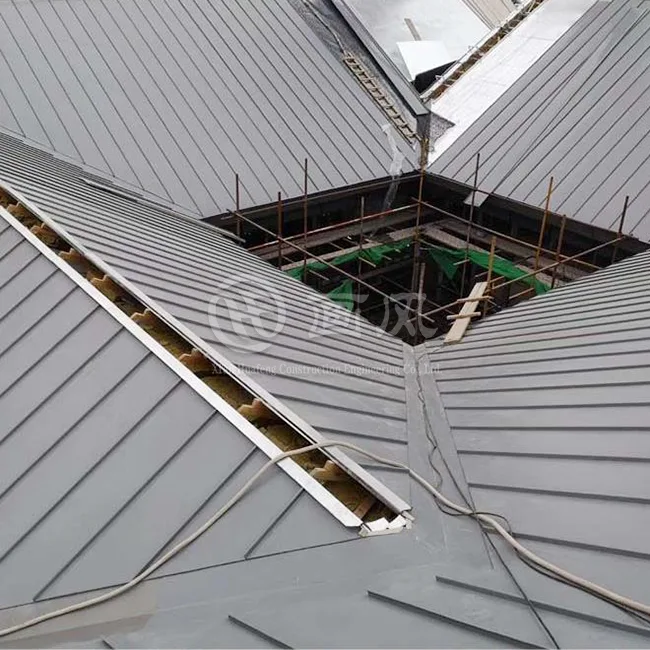
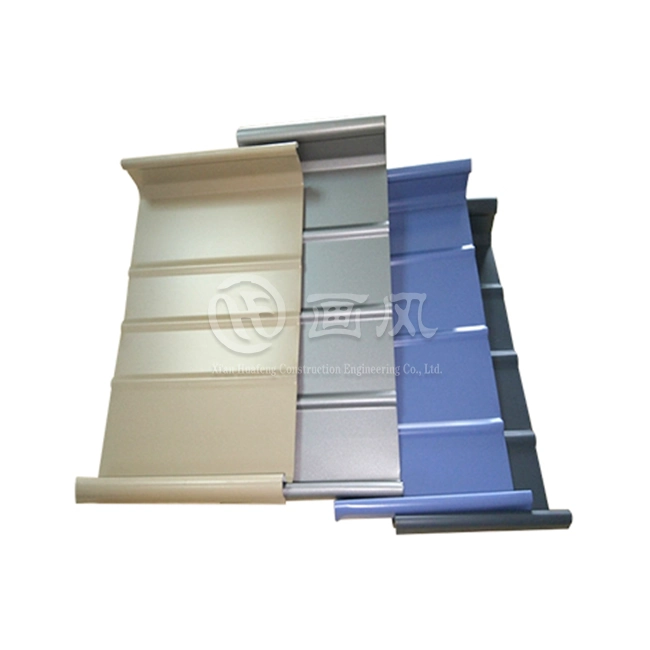
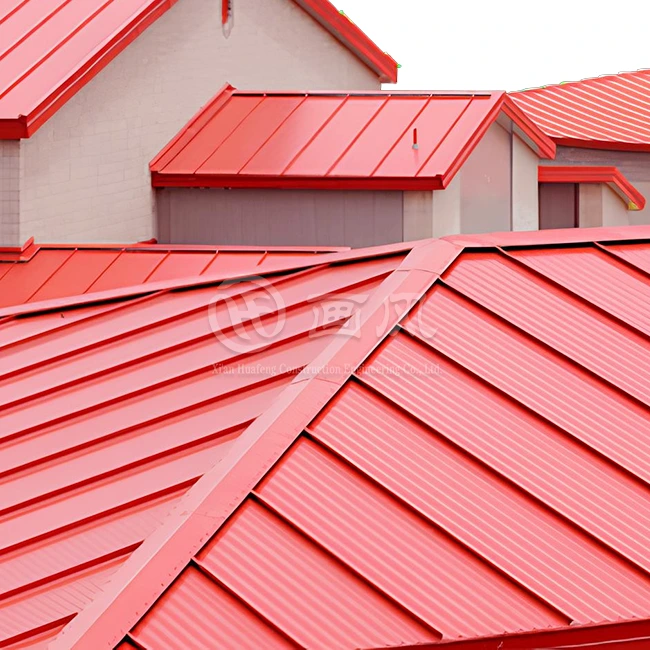
Hidden seam metal roofing is a premium roofing system where metal panels interlock using concealed fastener technology. Unlike traditional exposed fastener roofs, this system uses specialized clips hidden beneath overlapping panels to secure the structure. The result is a sleek, uninterrupted surface that eliminates thousands of potential leak points while delivering exceptional durability and aesthetic sophistication. This concealed fastener design enhances weather resistance, accommodates thermal expansion naturally, and creates the monolithic appearance high-end residential clients demand. The elevated seams—typically 1 to 2.5 inches high—keep joints above the water drainage plane, making this roofing choice ideal for custom homes where performance and visual impact matter equally.

Understanding Hidden Seam Metal Roofing
Core Design Elements and Mechanics
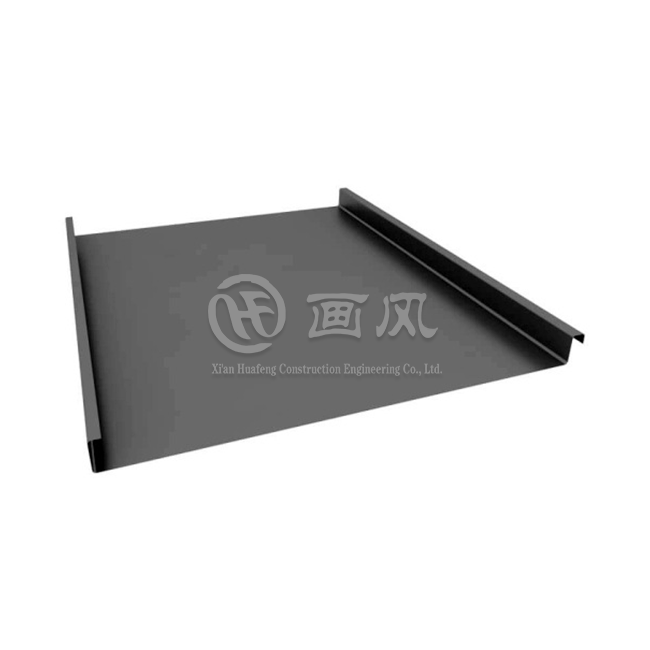
This roofing method is different from regular metal roofs because the fasteners are hidden. Panels are joined together by interlocking profiles, which can be snap-locked for architectural uses or mechanically seamed for strength. Panels can "float" freely because they are attached directly to the roof deck with hidden clips. This moving system is very important when the temperature changes. In the summer, metal expands, and in the winter, it contracts. The panels move naturally, so they don't put stress on the fasteners or cause them to buckle. This technical method solves a problem that has been around for a long time: fasteners breaking down from constant temperature changes.
Panel shapes are very different depending on the needs of the job. Details like 25-330, 32-410, and 45-400 refer to the width and shape of the panel's configuration. The first number shows the seam height in millimeters, and the numbers that follow show the width of the covering. These differences let builders fit the performance of the panels to the slope and wind load needs. When the slope is less than 0.5:12, mechanically seamed double-lock profiles with factory-applied sealant work best. For steeper residential projects, snap-lock systems are often used because they are easier to install.
Material Substrates and Surface Treatments
Panel materials affect how long something will last in different types of weather. Galvalume-coated steel, which is an aluminum-zinc alloy, is very resistant to rust in most conditions. Aluminum panels, especially the 3003 and 3004 series, work great near the coast, where salt spray speeds up the breakdown of metals. Thicknesses range from 0.4mm to 1.2mm, and builders usually ask for bigger gages to avoid oil canning, which is a small wave that can be seen in flat panel areas.
The choice of surface treatment has a direct effect on both how it looks and how long it lasts. Polyvinylidene fluoride (PVDF) coatings made with Kynar 500 or Hylar 5000 resins offer better color retention and resistance to chalking. They meet ASTM D4214 fade standards with Delta E values below 5, even after decades of UV exposure. PE (polyester) coats are cheaper for projects that only need to be exposed to mild amounts of light. RAL standards or their own formulas can be used to match colors in a way that helps architects reach their design goals. When we make things, we can use both coating choices on a variety of panel sizes, and we have strict batch consistency processes that make sure the color matches exactly from sample to production.
Distinguishing Features from Traditional Metal Roofing
Every 12 to 18 inches, exposed fastener systems go through the panel surface, making thousands of holes that can only be sealed with rubber washers. UV light and heat damage these washers, so they usually need to be replaced every 10 to 15 years. This weakness is completely eliminated by concealed closure methods. The raised seam puts the weatherproof joint well above where water flows, which makes it over 95% less likely that it will leak than through-fastened options.
Standing seam roofs with visible fixings are better than asphalt shingles in some ways, but they still depend on the stability of the washers. The hidden clip method we make takes away the chance of human error when waterproofing. Clips are engineered parts that have been tried for certain uplift loads. Since they stay below the top of the panel, they don't get direct contact with the weather. This way of thinking about design greatly increases the useful life of roofs, often reaching 50 to 70 years with only regular checks needing to be done.
Benefits and Performance of Hidden Seam Metal Roofing
Durability and Weather Resistance
The concealed fastener design makes hidden seam metal roofing very resistant to wind uplift. Based on UL 580 and ASTM E1592 standards, engineering studies show that the performance meets Class 90 grades. During bad weather, the interlocking panel design spreads wind forces across the whole roof plane instead of putting stress on individual fastening points. This structural benefit is very important for high-end home projects in places that are prone to hurricanes or have strong wind storms.
It is more resistant to water penetration than almost all other residential roofing systems. The snap-lock joint or mechanical seam is raised above the flat surface of the panel. Cavitation can't bring water into the building envelope, not even when rain is caused by wind. Hot-melt seals that are sprayed at the factory inside seam profiles add another layer of protection. As part of our manufacturing process, we check the consistency of the sealant to make sure that every linear foot of seam gets the same level of protection. The ASTM E1646 water penetration test proves that these systems can handle situations much worse than normal rains.
Maintenance Requirements and Longevity
As long as the roof is in good shape, it won't need much maintenance. Asphalt shingles need to be replaced every 15 to 25 years, and visible fastener metal needs to have its screws tightened and washers replaced on a regular basis. However, hidden fastener systems only need to be inspected every once in a while. We suggest visual inspections once a year to check for debris buildup in valleys, make sure flashing is still in place at penetrations, and make sure gutter systems drain properly. These easy steps will keep your roof working well for decades.
The choice of material affects how long people think it will last. Galvalume steel substrates with PVDF coatings usually come with 30-year warranties on the coating's quality and 40-year warranties on the substrate's ability to let air through. In corrosive environments, aluminum panels often last longer than these limits. Since there are no longer any fastener penetrations, fastener hole decay, which is the main way that traditional metal roofs fail, doesn't happen. Life-cycle cost savings from this basic design advantage more than make up for the higher starting investment in the first 15 to 20 years of service.
Energy Efficiency and Environmental Impact
In warm places, metal surfaces that reflect light lower the cooling loads. Light-colored PVDF coatings can block 70% or more of the sun's rays, which is why they are certified by ENERGY STAR and help businesses earn LEED points. There is an air gap between the metal walls and the roof deck that stops heat from moving. As energy costs rise and people become more aware of the environment, high-end domestic clients value these performance traits even more.
The fact that the roofing system can be used with solar panels adds a lot of value. Non-penetrating clamps can be attached directly to raised seams, which lets solar arrays be mounted without affecting the structure of the roof or voiding warranties. Because it can work with other systems, the roof can be used as part of a larger energy plan. When homeowners buy high-quality roofing systems, they often plan to add solar panels at the same time or in the future. This makes flexibility a key factor when choosing materials.
Comparing Hidden Seam Metal Roofing with Other Options
Concealed Versus Exposed Fastener Metal Systems
The main difference is where the weaknesses are. Exposed fastener roofs may be easier to install and cost 20% to 30% less at first, but they need more maintenance, which adds up over time. Rubber washers need to be changed. Screws back out because of changes in temperature. Panel holes get longer after going through many rounds of expanding and contracting. These problems aren't caused by bad installation; they're built into the system itself.
These issues are avoided by concealed fastener systems that use specially designed clips that can move with the body. The sliding device in the clip lets the panels move around easily while still staying securely attached. This simple change to the design gets rid of the main ways that uncovered fastener setups fail. When project managers look at life-cycle costs, they know that the extra money they spend on concealed fasteners is well spent because they save money on maintenance costs and make service intervals longer.
Metal Roofing Versus Traditional Materials
Asphalt shingles are the most common type of roofing material for homes because they are cheap to buy. But because they only last 15 to 25 years, homeowners will have to pay for several roof replacements over the course of a building's life. Roofing shingles also add a lot to trash in landfills; in the US, they add about 11 million tons of trash every year. Metal roofing is good for the environment because it can be recycled and lasts a long time.
Clay and concrete blocks last a long time, but they put a lot of stress on the structure. The weight means that the frame needs to be stronger, which raises the cost of building. Tiles also need to be maintained regularly so that units don't crack or move around. Metal roofing lasts as long as or longer than tile roofing, but it's much lighter—about 1 to 3 pounds per square foot compared to 8 to 12 pounds for tile. This lighter weight makes it possible to put metal roofs on buildings where tiles would need expensive structural support.
Value Proposition for High-End Projects
Roofing is looked at differently by clients in custom home building than it is in commodity housing markets. The roof is an important part of architecture; it's not just there to keep out the weather; it's also a style statement. Modern architectural styles like clean lines and smooth surfaces that are made possible by concealed fastener systems. Architects choose these systems because they know they make a project look better from the street and add to its prestige.
The system's ability to handle custom panel lengths is one of its best features. With the ability to make 40-foot-long seamless panels, mid-slope gaps that get in the way of the view are no longer necessary. RAL matching lets you change the colors of the roof so it matches the colors of the outside. In high-end domestic markets, where people are willing to pay more for unique looks and proven performance, these customization options command higher prices.
Installation Process and Procurement Considerations
Critical Installation Steps and Challenges
Preparing the deck is the first step in a proper installation of hidden seam metal roofing. Tight standards must be met by the ground; changes of more than 1/4 inch over 10 feet show up as waves. The type of underlayment you choose is important. High-temperature synthetic materials don't break down when metal panels get hot. The engineer's plans tell you where to put the clips, and the distance between them is based on the panel shape and wind load figures. The normal distance between each beam is 12 to 24 inches on center. The distances are closer together near the sides and corners of the roof, where lifting forces are strongest.
For mechanical seaming, you need special tools. You can use portable seaming tools to fold the edges of the male and female panels together in either a single-lock (90-degree) or double-lock (180-degree) pattern. Care must be taken during the seaming process so that the paint finish doesn't crack while the metal is being formed. As part of a quality installation, seam testing means physically trying to separate pieces that are seam-jointed to make sure they were folded correctly. Snap-lock systems are easier to set up, but the panels need to be perfectly lined up for them to work right.
Sourcing Strategies and Vendor Selection
For high-value projects, supplier reliability and consistent color matching are more important than minor price differences. HF uses retained samples and spectrophotometric testing to ensure batch consistency. Standard colors ship in 15–20 days, while custom colors may take 8 weeks. Three factories provide 1,000 tons monthly capacity and flexible 500-square-meter MOQs.
Technical Support and Documentation
Detailed installation guides cover substrate preparation, clip attachment, panel handling, seaming, and critical details such as ridges, valleys, eaves, rakes, and penetrations. Training videos and phone or email support help contractors avoid mistakes and solve field problems, especially on remote projects or complex roofs requiring customized installation.
Making Informed Decisions for Your Business
Cost Analysis and Budget Planning
Quality PVDF-coated metal panels typically cost $8–$14 per square foot, with installation adding $4–$7, for a total of $12–$21. Although higher than asphalt shingles, their 50+ year lifespan, lower maintenance, and avoided reroofing costs provide stronger long-term value for high-end projects.
Performance Specifications for Project Success
Panel flatness and seam consistency are essential for premium appearance, with manufacturing tolerances controlled within ±0.5mm through continuous laser measurement. ASTM-compliant PVDF coatings provide long-term fade and chalk resistance, supported by 20–30-year warranties with specific Delta E values that clearly define expected color performance.
Integration with Project Timelines
Procurement timelines include 2–4 weeks for profile selection and engineering, 3–4 weeks for sample approval, 4–8 weeks for production, and 2–4 weeks for international shipping. Installation typically takes 3–7 days. Weather can delay work, so flexible production scheduling helps meet weather-sensitive project deadlines.
Conclusion
When it comes to home and business roofing, hidden seam metal roofing is the best option. This system gets rid of the major problems with designs that leave fasteners visible. It also offers high durability, low upkeep needs, and advanced architectural features. The type of substrate, coating system, and panel profile that are chosen should all be in line with the environment and the desired look. A good procurement process weighs the initial investment against the value that will be gained over time, keeping in mind that good manufacturing and installation support have a huge effect on long-term satisfaction. The technology works with current energy systems and has been tested in harsh environments, so it is the smart choice for projects where quality is more important than cutting costs at the start.
FAQ
1.How does this roofing system prevent leaks compared to conventional metal roofs?
Screw-penetrated methods make thousands of holes, but concealed screws don't. Because the seam is raised, it is well above the water flow paths. Capillary water entry can be stopped twice by factory-applied sealants inside manually seamed profiles. This multi-layer method lowers the risk of leakage by more than 95% compared to visible fastener options that depend only on the stability of the rubber washer.
2.What causes oil canning and does it indicate a defect?
Oil canning refers to the soft waves that can be seen in flat panel areas. The thin gage of metal gives it this nice look, and the way it reflects light changes across the surface. It doesn't affect the strength of the structure or how well it waterproofs. Its look can be lessened by choosing thicker materials, panel shapes with striations, and making sure the deck is flat. Industry standards say that oil canning is a normal feature and not a problem with the way the product was made.
3.Can solar panels be installed without damaging the roof?
Non-penetrating clamps that grab the raised seams are used to place photovoltaic panels. This way of attaching the roof keeps it strong because no holes are made in the weather barrier. The installation keeps the manufacturer's warranties valid and lets the solar system be taken down or moved around without having to fix the roof. Because it works with so many things, the roofing system is perfect for people who want to save a lot of energy.
Partner with a Trusted Hidden Seam Metal Roofing Manufacturer
HF gives your high-end residential projects the precise manufacturing and expert help they need. Seven dedicated production lines with laser-guided profiling systems are used across our three facilities to make sure that panel consistency is kept within ±0.5mm. We make panels with coatings that are either PVDF or PE and range in thickness from 0.4mm to 1.2mm. They come in a number of different shape sizes, such as 25-330, 32-410, and 45-400. Spectrophotometric color verification is done on every production batch against the approved sample. This gets rid of the problems with consistency that bother high-end installations. Our 15- to 20-day production times, 30-year guarantee, and 500-square-meter minimum orders make custom color projects affordable for single-family homes. Email our technical team at huafeng@hfmetalroof.com to talk about the details of your project, get samples of our coating to show how good it is, or get detailed instructions on how to install it. Visit hfmetalroof.com to learn more about what we can do for you as a seller of hidden seam metal roofing for high-end home projects.
References
1. Metal Construction Association, "Architectural Metal Roofing Design Manual," 4th Edition, 2019.
2. Baker, Maxwell C., "Roofing Design and Practice: A Practical Guide for Contractors and Architects," Routledge Publishing, 2021.
3. American Society for Testing and Materials, "ASTM E1592: Standard Test Method for Structural Performance of Sheet Metal Roof and Siding Systems by Uniform Static Air Pressure Difference," ASTM International, 2020.
4. Herzog, Thomas and Klaus Daniels, "Roof Construction Manual: Pitched Roofs," Birkhäuser Architecture, 2018.
5. National Roofing Contractors Association, "The NRCA Metal Panel and SPF Roof Systems Manual," NRCA Publications, 2022.
6. Patterson, Richard L., "High-Performance Building Enclosures: Design and Performance of Modern Metal Roofing Systems," Journal of Architectural Engineering Technology, Volume 8, Issue 3, 2020.





YOU MAY LIKE
_1783936484206.webp "Inside locking metal aluminum cladding panel")
_1757558889992.webp "Metal Roofing Snowguards")