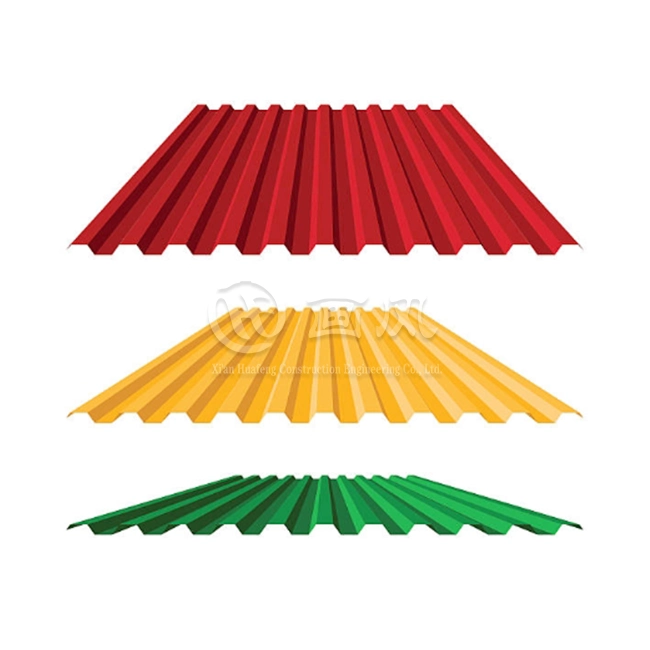
Where to Buy Hidden Seam Metal Roofing Panels
2026-08-31 19:09:08
When sourcing hidden seam metal roofing panels for premium residential projects, high-end contractors have three primary channels: specialized metal roofing manufacturers with direct export capabilities, regional distributors catering to custom builders, and online B2B platforms connecting international suppliers with North American buyers. Manufacturers like Xi'an Huafeng Construction Engineering Co., Ltd. provide direct procurement advantages including customizable panel lengths, low minimum order quantities, and technical support tailored to architectural specifications. Understanding these sourcing pathways ensures contractors secure panels meeting the precise tolerances and finish quality demanded by discerning homeowners and architects.

Understanding Hidden Seam Metal Roofing Panels
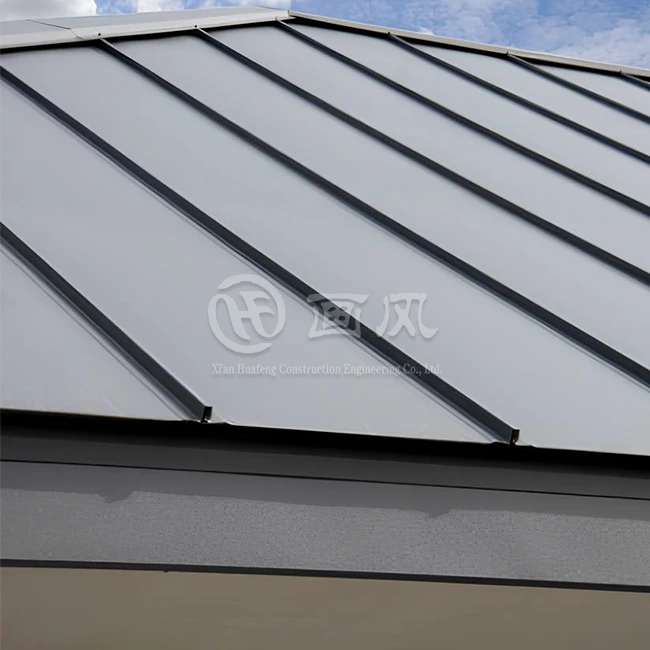
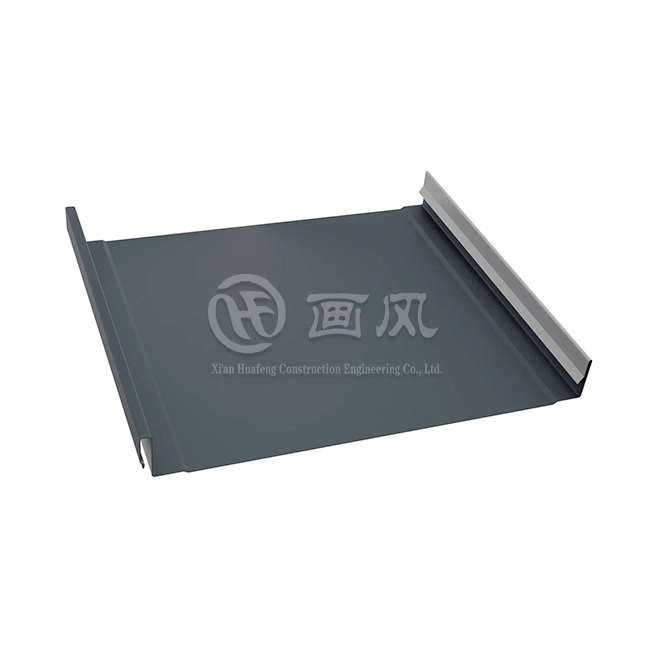
When it comes to modern roofing technology, hidden seam metal roofing is the best there is. This system uses hidden fasteners under the edges of interlocking panels, so there aren't thousands of screw holes that are visible on traditional roof assemblies. Precision-formed male and female legs mechanically lock the panels together, making a continuous barrier against the weather across the entire roof planes.
What Makes Hidden Seam Systems Different
The most constant problem in the roofing business is fastener degradation, which can be fixed with hidden fasteners. Rubber plates that are exposed to UV light and changes in temperature break down over time, usually within fifteen to twenty years. On the other hand, panels that are held together with secret clips stay waterproof for at least fifty years. The raised seam profiles, which are between one and two and a half inches high, put joints well above the water drainage planes. This stops capillary action from drawing water into building envelopes.
Material Composition and Performance Standards
Modern concealed fastener systems use substrates that are made to last in harsh environments. Galvalume-coated steel with AZ50 or AZ55 zinc-aluminum alloy is very resistant to corrosion for installations in the interior. Coastal projects need aluminum metals (especially the 3003 or 3004 family) that don't break down in saltwater. The thickness of a panel is usually between 0.4mm and 1.2mm, with 0.7mm being the best compromise between oil canning protection and workability. Topcoats made of PVDF resin are put on these substrates. According to ASTM D4214 testing guidelines, Kynar 500 formulations show better chalk resistance.
Engineering Advantages for Custom Builders
The design of the moving panel allows for heat expansion without causing stress cracks or fastener failure. Metal panels that are stretched out over forty-foot lengths can grow several inches in the summer. Hidden clip systems let these normal movements happen while keeping the waterproof seals in place. This thermal accommodation is especially helpful in places where temperatures change by more than 80 degrees Fahrenheit between winter nites and summer afternoons. The smooth, unbroken panel surfaces of these systems are liked by architects because they go well with modern home designs that use lots of glass and simple materials.
Key Factors to Consider When Buying Hidden Seam Metal Roofing Panels
When buying quality roofing, choices are made that go far beyond just comparing prices. Good builders look at many factors that have a direct effect on how quickly and well the job is done, how well it works in the long run, and how happy the customer is.
Panel Precision and Fabrication Tolerances
For high-end home installs, measurements must be very accurate. To make sure the seams fit properly during installation, panel width tolerances must stay within ±0.5 mm. When forming isn't uniform, it makes alignment problems that even skilled workers can't solve. This makes wavy seam lines that can be seen from the ground. When compared to manual operations, factories that use automated roll-forming equipment with computerized controls are more consistent. Before committing to big orders, contractors should ask for sample panels from real production runs instead of samples that have been carefully made.
Surface Finish Quality and Consistency
Rich people look at the looks of their roofs with the same level of care that they put into the finishes inside their homes. For high-end projects, matte PVDF coatings that get rid of reflective hotspots are now the standard. To keep the gloss from changing from one batch of coils to the next, these finishes need to be carefully applied. Color matching across multiple production runs is another very important issue. Contractors should set up sealed sample methods so that the maker can keep approved finish samples. This way, contractors can directly compare the samples during quality control checks before they are shipped. When panels from different batches meet at the roof edges, small color changes that aren't noticeable in small samples become very clear.
Custom Length Capabilities and Project Efficiency
The ability to order panels in lengths that aren't standard makes installation much cheaper. When panels run from the eave to the top, there are no horizontal joints. This means less work and a lower chance of leaks. Panels longer than forty feet can be made by manufacturers with modern coil handling systems. Within modern designs with single-plane roofs that cover large areas, this feature becomes very important. Standard lead times are usually extended by two to three weeks for custom length production. This means that early material specification is very important for keeping building plans.
Technical Support and Installation Resources
Reliable manufacturers provide detailed installation instructions that cover even the most complicated hidden seam metal roofing roof transitions. Drawings with lots of specifics about the eaves, ridge ends, valley treatments, and wall flashings stop people from winging it in the field, which can damage the protection. Some sellers offer virtual advice services where engineering staff talk about problems specific to a project over video calls and suggest tried-and-true solutions. This way of working together technically creates value beyond just providing materials. This is especially true for contractors who are entering the high-end residential market or working with difficult architectural geometries.
Where to Buy Hidden Seam Metal Roofing Panels — Supplier and Brand Overview
There are domestic makers, foreign suppliers, and specialty wholesalers in the concealed fastener panel market. Each of these groups offers different buying benefits.
Direct Manufacturer Relationships
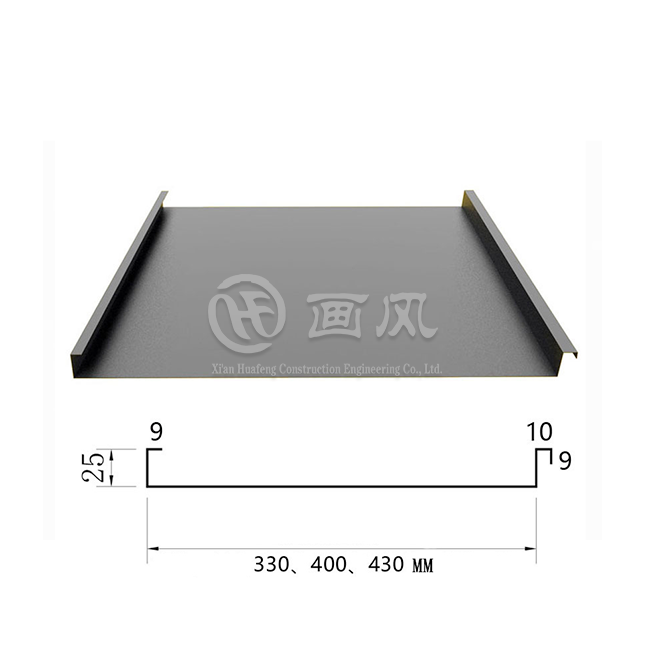
Well-known companies like Xi'an Huafeng Construction Engineering Co., Ltd. can handle everything, from processing raw materials to making finished panels. Huafeng has three factories that together cover 200,000 square meters. These factories have seven color finishing lines and more than forty making machines that can make more than 1,000 tons of products every month. This vertical merging makes it possible to control quality consistently and make changes as needed. Their product line has different profile shapes—25-330, 25-400, 25-430, 32-410, and 45-400—to meet the needs of different architectural designs. Along with meeting ASTM, DIN, JIS, and GB/T norms, the company has ISO9001 and ISO14001 approvals. With a minimum order size of 500 square meters, they can work on medium-sized custom home projects. Delivery times are usually between fifteen and twenty days after the order is confirmed. With this direct relationship model, there are no markups for distributors, and engineers are available to help with the whole procurement process.
Regional Distributor Networks
Distributors in North America, such as Sheffield Metals and MBCI, keep area warehouses stocked with popular colors and profiles. These companies are great at quickly meeting standard requirements and usually ship within 72 hours. Their value offering is based on ease of use and professional support in your area. But builders who need custom colors, non-standard profiles, or certain thicknesses usually can't find what they need in dealer stocks. The markup structure, which is usually 25 to 40 percent more than what the manufacturer charges directly, is due to the cost of storage and lower order volumes. Distributors are most useful for replacing things quickly in an emergency or for projects that need to be finished quickly and can't wait for foreign shipping.
Online B2B Marketplaces
There are a lot of platforms that connect foreign producers with buyers in the West. These platforms offer clear cost benefits. These marketplaces make it easier to find suppliers and compare prices. However, builders must be careful when checking the quality of the panels because web ads can't show how flat the panels are, how the coating feels, or how the seams are all the same. To buy things through these channels successfully, you need to make sure the samples are correct, check the factories when you can, and make sure the contracts are clear about how to handle quality issues. Letters of credit with inspection clauses are one type of payment structure that protects both parties and lowers the transaction risks that come with buying something from far away.
Comparing Hidden Seam Metal Roofing with Other Roofing Solutions
Knowing how concealed fastener systems stack up against other roofing materials helps contractors find solutions that meet the needs of the job and meet client standards.
Hidden Seam Versus Exposed Fastener Systems
Exposed fastener metal roofing costs about thirty to forty percent less at first, which makes it a good choice for jobs that need to stay within their budget. Lifecycle analysis, on the other hand, shows big differences. Every twelve to fifteen years, exposed fastener roofs need to have the screws re-screwed and the washers replaced because the rubber gaskets wear out. This upkeep, along with the shorter replacement periods—usually thirty years compared to fifty years or more for hidden systems—eats away at the initial savings. If a client wants to stay in their home for a long time or get the most money out of it, the extra cost of hidden seam systems pays for itself in reduced maintenance and better looks.
Metal Versus Traditional Shingle and Tile
Asphalt shingle installations are the standard in the construction industry, and the cost of materials has dropped to an all-time low thanks to commoditization. However, shingles rarely last longer than twenty years in harsh areas, and they don't help with energy saving much. Because metal roofs are shiny, they lower cooling loads by 10 to 25 percent, based on the coating chosen and how the attic is ventilated. Because metal is better at handling heat and lasts for decades, it has the lowest lifecycle cost, even though it costs more up front. Clay and concrete tiles last about as long as premium metal systems, but they put a lot of stress on the structure and need to be reinforced, which raises the cost of construction and closes the gap with premium metal systems.
Structural Considerations and Installation Complexity
Installing hidden seam metal roofing concealed fasteners requires more accuracy than installing screws that are visible. Installers need to make sure that the clips are properly engaged and that the panels are always lined up correctly across the whole roof. Compared to exposed fastener methods, this requirement adds about twenty percent to the work hours. But getting rid of the need to place screws—which requires paying attention to where the purlins are and making sure they are compressed properly—saves time in some parts of the process. After the initial learning curves, contractors whose teams have been trained especially on hidden seam methods say that installation speeds are getting close to those of exposed fasteners. The real difference shows up in warranty claims and calls, where systems that are hidden have much lower failure rates.
Procurement Process: How to Effectively Source Hidden Seam Metal Roofing Panels
Strategic procurement finds a balance between the quality of the materials, the time frame for the project, and the budget, while structured evaluation processes keep risk to a minimum.
Defining Project Specifications and Requirements
Full technical standards are the first step to a successful purchase. In addition to general sizes, specs should include information about the shape and profile of the panel, the material and thickness of the substrate, the type and color of the coating, and performance standards such as wind uplift rates and fire classifications. The environment affects the choice of material. For example, sites near the coast need metal or special coatings that are resistant to salt spray, while places high up where hail is common need thicker gages. Verification of regulatory compliance is also becoming more important as building departments enforce more energy code rules that affect the thermal properties of roof systems. When contractors put together full specification packages before asking for quotes, they get more accurate bids and don't have to make expensive changes in the middle of a project.
Evaluating Supplier Capabilities and Reliability
Comparing prices is only one part of evaluating a supplier. You also need to look at their production capacity, quality systems, and financial security. Facilities that make things and have recorded quality control systems—ISO9001 certification is the standard—show that they are committed to making consistent output. When deadlines are tight, production capacity is very important because manufacturers who are close to their capacity limits often can't keep their delivery promises. Financial due diligence, which makes a lot of workers nervous, keeps suppliers from going bankrupt during long production cycles. You can get information about an organization's health by asking for bank references and looking at credit ratings in commercial databases. Checking a supplier's responsiveness and problem-solving skills by getting recommendations from contractors who have completed similar jobs in the past.
Sample Validation and Quality Assurance Protocols
Evaluations that can't be done with just specs are possible with physical samples. Contractors should check the flatness of panels by placing samples on flat surfaces and measuring any gaps bigger than a sixteenth of an inch, since too much oil canning is ugly to look at. Testing the seam engagement makes sure that the clip works right and that the closure is weathertight. Checking the quality of a coating involves using gages to measure the film's thickness and looking at the finish's regularity in a range of lighting conditions. These samples should come from regular production, not special runs, so they are a good representation of the material that will be delivered. Setting up protocols for sealed samples, where approved samples stay with both parties, makes objective quality standards for testing production lots.
Logistics Coordination and Installation Planning
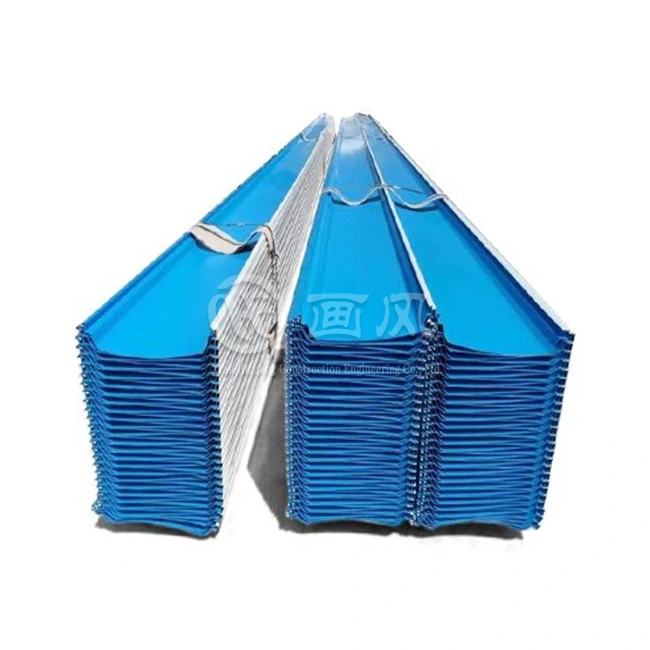
When you buy something internationally, shipping can be more complicated than when you buy something in your own country. It usually takes four to six weeks for ocean freight to get from Chinese ports to destinations in North America. This includes clearing customs and traveling on land. Containers should come with protected packaging that keeps the panel surfaces from getting damaged while they are being moved and handled. Contractors have to make sure that the delivery time works with the schedules of the installation crew and the weather windows that are good for roof work. Material staging areas need storage that can withstand the weather, since prolonged exposure to rain or snow can damage packaging and leave stains on surfaces, even for panels that are made to shed water. Making thorough plans for the flow of materials that coordinate the steps of purchasing, delivery, and installation can help keep projects on schedule and protect the materials that were invested in.
Conclusion
Finding high-quality hidden seam metal roofing panels means finding a balance between technical requirements, the supplier's abilities, and the cost of the project. Successful contractors build direct connections with makers that give them the freedom to customize, uniform quality, and expert help throughout the whole procurement process. Custom builders get materials that meet the high standards of high-end home projects by putting panel accuracy, finish consistency, and engineering help ahead of simple price comparison. The money spent on thorough supplier evaluation and quality assurance protocols pays off in fewer callbacks, happier customers, and a stronger reputation in markets where competition is high.
FAQ
1.How Does Hidden Seam Roofing Prevent Leaks Better Than Exposed Fastener Systems?
With concealed fastener designs, you don't have to use rubber washers, which break down when exposed to UV light and changes in temperature. Exposed screws go through the protective covering, making thousands of possible places where it could fail. With hidden seam systems, panels are held together by clips that are buried below the surface. Raised seam profiles raise the joints well above the paths of water flow. When compared to screw-down installs, this design cuts the chance of a leak by over 95%.
2.Can Solar Arrays Be Installed on Hidden Seam Metal Roofs?
Standing seam systems have a big technical edge when it comes to solar integration. Hardware for mounting uses clamps that don't go through the roof to hold up raised edges without cutting holes in the roof. This way of attaching keeps the waterproofing and manufacturer warranties in place. Mechanically seamed profiles usually have more structural strength than what is needed for solar loading. However, wind uplift calculations should be done to make sure they are adequate for certain sites and places.
3.What Causes Oil Canning and Does It Indicate Defective Panels?
Oil canning is a term for the slight waves that can be seen on flat panels. These waves are caused by stress that is put on the panels during coiling, shipping, or installation. This feature doesn't affect how well the structure works or how well it stands up to the weather. How bad the oil canning is depends on the thickness of the panel, the number of striations in flat areas, and the way it was installed. This effect is less noticeable if you choose thicker gages (0.7mm instead of 0.4mm) and make sure the substrate is level.
Partner with HF for Your Next Premium Roofing Project
High-end residential contractors need panels that are accurate and can be changed easily, and Xi'an Huafeng Construction Engineering Co., Ltd. can provide that. At our three factories, we make hidden seam metal roofing panels that meet ASTM, DIN, and JIS standards. You can choose from panel shapes ranging from 25-330 to 45-400 configurations, thicknesses from 0.4mm to 1.2mm, and exact RAL color matching. We can keep up a production capacity of 1,000 tons per month, and we can deliver within 15 to 20 days for sales of at least 500 square meters. Our engineering team offers technical help, such as detailed installation drawings and advice that is tailored to each job. Email our purchasing agents at huafeng@hfmetalroof.com to talk about the needs of your project and ask for samples of panels from our current production runs. We know what quality standards are needed for high-end residential building because we've been a hidden seam metal roofing provider for a long time.
References
1. American Society for Testing and Materials. "ASTM E1592: Standard Test Method for Structural Performance of Sheet Metal Roof and Siding Systems by Uniform Static Air Pressure Difference." ASTM International, 2020.
2. Metal Construction Association. "Technical Bulletin: Concealed Fastener Metal Roof Systems Design and Installation Guidelines." MCA Publication Series, 2021.
3. National Roofing Contractors Association. "The NRCA Roofing Manual: Metal Panel and SPF Roof Systems—2022." NRCA Publishing, 2022.
4. Building Enclosure Technology and Environment Council. "Standing Seam Metal Roof Systems: Performance Assessment and Procurement Best Practices." BETEC Research Report, 2019.
5. Cool Roof Rating Council. "Rated Product Directory: Metal Roofing Products with Reflective Coatings." CRRC Publication Database, 2023.
6. Sheet Metal and Air Conditioning Contractors National Association. "Architectural Sheet Metal Manual: 8th Edition—Metal Roofing Installation Standards." SMACNA Technical Publications, 2022.





YOU MAY LIKE
(1)_1763110678300.webp "standing seam metal roof panels")