Best Hidden Seam Metal Roofing for Coastal Homes
2026-08-31 19:09:09
When we discuss the best roofing solutions for coastal properties, concealed fastener hidden seam metal roofing systems consistently emerge as the premier choice. Coastal homes face relentless challenges from salt-laden air, high winds, and moisture penetration that rapidly deteriorate conventional roofing materials. The concealed fastener approach eliminates thousands of potential failure points by hiding all attachment hardware beneath the interlocking panel surfaces. This configuration creates a monolithic barrier against water intrusion while preventing galvanic corrosion that destroys exposed fasteners in marine environments. For contractors and builders serving high-end coastal markets, this roofing technology delivers the 50-year lifespan and maintenance-free performance that discerning property owners demand.

Understanding Hidden Seam Metal Roofing and Its Benefits for Coastal Homes
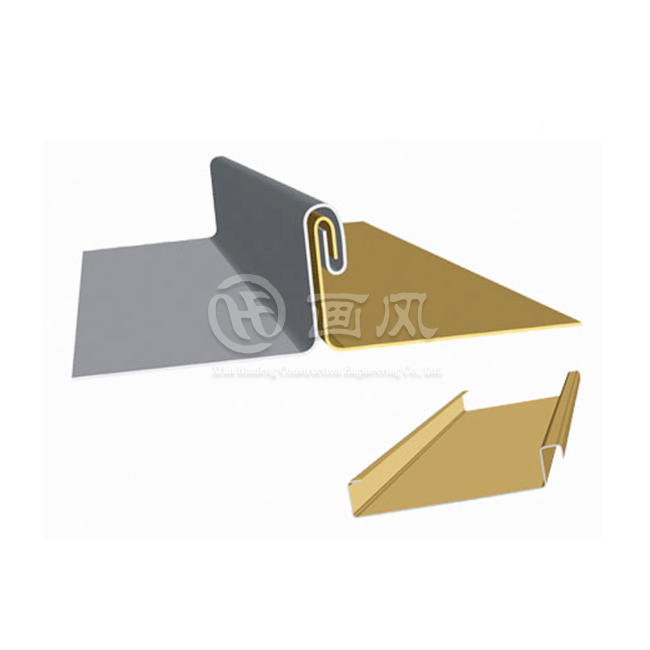
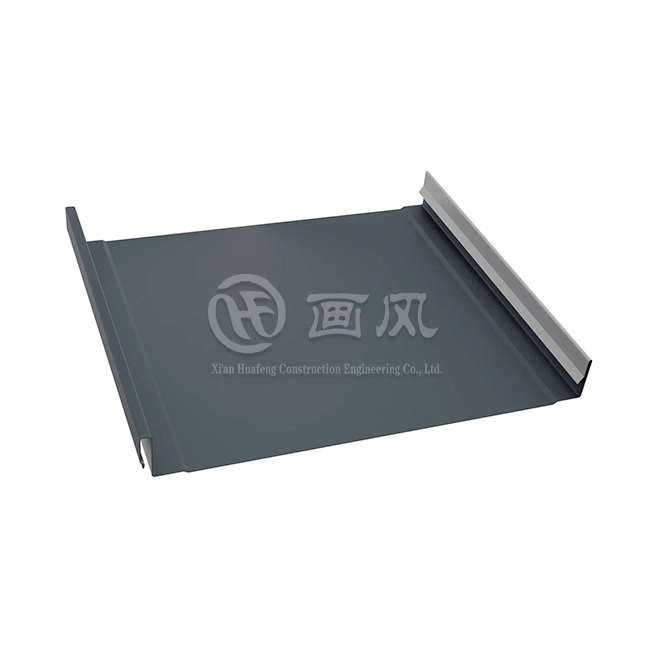
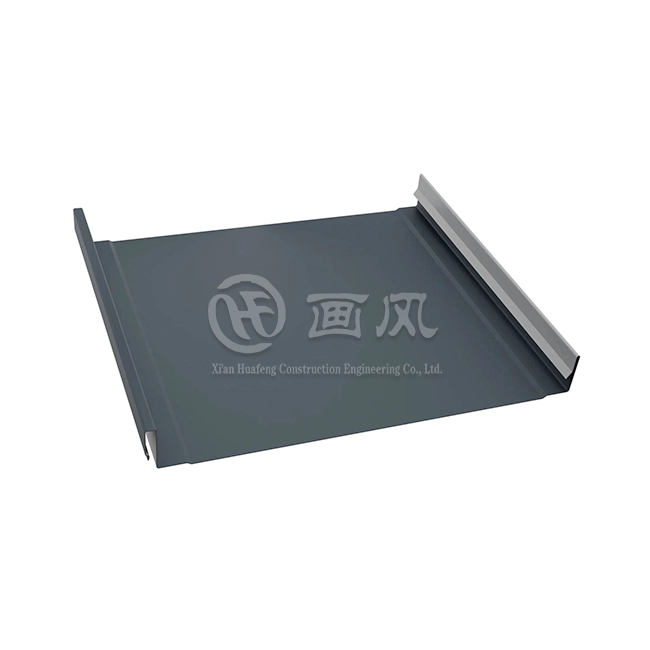
The concealed fastener metal roofing system is a big step forward in engineering compared to older ways of attaching things. Instead of using screws to go through the panel surface, this method uses specially made clips that hold the panels to the structure deck without being seen because they fit inside the seams. By automatically folding or snapping together, the panels make raised ribs that are usually 1 to 2.5 inches high. These ribs stiffen the structure and let water drain away.
The Technical Foundation
When you understand how this system is put together technically, you can see why it works so well in seaside settings. Each panel has a male and a female leg that fit together along the length of the panel. The hidden fastener clips are placed along the female leg in a way that makes sense. When the temperature changes every day along the coast, the panels expand and contract, and the clips let the panels move without putting too much stress on the attachment points. This method keeps the fasteners from backing out and the washers from wearing down, which are problems that often happen with open screw systems.
Corrosion Resistance in Marine Environments
The air near the coast has salt particles that speed up the rusting process on metals. When screws go through roofing panels, they make entry places where water can gather and cause corrosion to start. This weakness is completely eliminated by the concealed approach. When these systems are protected with coats like PVDF (polyvinylidene fluoride) that don't chalk or fade according to ASTM D4214 standards, they keep their structural stability and good looks for decades. Our factory treats panels with PVDF and PE on their surfaces, and the thicknesses range from 0.4mm to 1.2mm. This makes sure that the panels work well for a wide range of structural needs.
Weather Resistance and Waterproofing
Because of the raised seam design, the panel joint is well above the main water flow path. Water can't get into the concealed seam connection, not even when storms along the coast cause horizontal rain. When seams are mechanically folded, factory-applied sealants make extra barriers against water getting in through capillary action. This design meets the ASTM E1646 standards for water entry and has been tested to meet UL 580 Class 90 standards for wind uplift protection, which are very important for sites near the coast.
Noise Insulation Properties
Properties near the coast often have to deal with heavy rain and wind. When it comes to soundproofing, hidden fastener systems are better than corrugated or visible fastener options because their raised seams and continuous panel surfaces work better. Since there are no fastener penetrations, there are no sound transfer places that make rain noise louder. This makes the inside of buildings quieter during storms.
Comparing Hidden Seam Metal Roofing with Other Roofing Options for Coastal Use
When making a purchase choice, it's important to compare the performance of different roofing systems in a fair way. Figuring out how hidden fastener systems compare to other options helps to explain why they are a good choice for coastal uses.
Exposed Fastener Systems
At first, traditional exposed fastener metal roofing costs 20–30% less, which makes it more appealing to people on a budget. But this cost benefit goes away when you figure out the costs over the whole life of the product. In coastal areas, rubber washers break down after 15 to 20 years, so the whole fastener needs to be replaced. Every visible screw makes a possible leaky spot, and the average roof has thousands of these. The hidden seam metal roofing method gets rid of this problem completely and gives better protection from the start.
Standing Seam with Exposed Clips
In some standing seam systems, clips are placed on the outside of the panels between them. Exposure of clips to salt spray is still worse than through-panel fixing, even though it is better. The security of the panel is compromised by corrosion at clip places, which lets water in. Fully concealed systems keep all attachment hardware safe below the panel surface. This protects the parts from direct environmental exposure, which makes them last longer.
Traditional Asphalt Shingles
Coastal areas with UV rays, salt air, and strong winds are bad for asphalt shingles because they wear out quickly. In these conditions, expected lifespans rarely go beyond 15 to 20 years, and they need to be maintained often. Metal systems with hidden bolts have 50–70 year service lives with little maintenance, which makes them much more cost-effective even though they cost more up front.
Material Selection Considerations
Because they are naturally resistant to corrosion, aluminum alloys work well in marine environments, but they cost a lot. Galvalume-coated steel with AZ50 or AZ55 finishes is very durable and doesn't cost too much for most marine uses. We make panels that meet foreign standards like ASTM, DIN, JIS, BS, and GB/T. This makes sure that they work with local building rules. You can choose a material thickness between 0.4mm and 1.2mm to get the best results for your budget and wind load needs.
Installation Process and Maintenance Best Practices for Coastal Hidden Seam Metal Roofs
Coastal installations are different from regular roofing jobs in that they need careful planning and performance of details. Because the climate is corrosive, there needs to be tighter quality control during the whole construction process.
Pre-Installation Preparation
Long-term performance depends on how well the substrate is prepared. To stop oil canning, which looks like waves in flat panel areas, the deck must be perfectly flat. Even though oil canning doesn't affect the structure or sealing, high-end seaside clients expect the cans to look perfect. This purely esthetic concern is lessened by using thicker gage materials and making sure the substrates are level.
Panel Installation Methodology
Engineered specifications say that clips should be placed every 12 to 24 inches, but this depends on the design wind loads. Thermal clips allow panels to expand without stopping them from moving. We give our contractor partners thorough installation instructions and node diagrams that show where to put clips, how to sew, and other important connection information. This technical support makes sure that installations meet performance standards and that the warranty is still valid.
Seam Formation Quality Control
For mechanically seamed profiles, you need special tools that can fold the male and female panel legs together robotically. This can make either a single-lock (90-degree fold) or double-lock (180-degree fold) connection. Installers have to make sure that the seaming process doesn't crack the PVDF finishing finish, because that would make the rust protection less effective. Our panels are tested for T-Bend compliance with ASTM D4145 to make sure that the coating's flexibility can handle the seaming process without any problems.
Maintenance Protocols
During the first year, coastal sites should have checks every three months to make sure they are working properly. After that, they should only have assessments once a year. Cleaning methods use pH-neutral solutions and soft brushes to get rid of salt buildup. They never use pressure washers, which damage surfaces. Controlling the amount of moisture around roof penetrations and changes stops the rust that can form in these weak spots. When you follow these steps, our systems live up to the 30-year promise we offer, and they often do even better than that.
Cost Analysis and Procurement Insights for Hidden Seam Metal Roofing
The economic benefit of concealed fastener hidden seam metal roofing systems for coastal projects can be seen when you look at the total cost of ownership instead of just the price of the materials. A sophisticated procurement analysis looks at more than just the price of the panel.
At first, the difference in total cost between exposed and hidden fastener systems is between 20 and 30 percent. This difference is due to both the complexity of the materials and the difficulty of the installation. Material costs for concealed systems might be $8 to $12 per square foot for a typical coastal home project, while costs for exposed systems might be $5 to $8 per square foot. Lifecycle cost study, on the other hand, strongly supports systems that are hidden. Roofs with exposed fasteners need new screws and often a new finish every 15 to 20 years, which costs a lot of money. These short-term costs are not present in concealed systems, which also have a much longer service life.
Strategic Sourcing Considerations
Buying from companies that have worked on coastal projects before makes sure that the product specs meet the needs of the application. We have three factories with a total of seven production lines and more than forty specialized machines. These factories can make 1,000 tons of goods every month, and lead times are between 15 and 20 days. This production potential helps keep projects on track and ensures uniform quality through automated manufacturing methods. Our base order quantity of 500 square meters, or one ton, is big enough for most home improvement jobs and saves you money on volume.
Warranty Evaluation
Coating guarantees need to be looked at very carefully. Our 30-year guarantee shows that we trust the PVDF finish to last in coastal conditions. The warranty should cover things like chalking, fading, and corrosion, not just "material defects." Knowing the warranty's limits and how to file a claim before buying keeps disputes from happening after the fact.
Specification Flexibility
Custom length options get rid of panel joints in the middle of the roof, which increase the chance of leaks. To meet the needs of different architectural styles, we make panels with profiles such as 25-330/400/430, 32-410, and 45-400. RAL color matching and custom color development make it possible to perfectly match the look of a product with its design requirements. This is especially important for high-end projects where looks are a big part of the decision to buy.
Design Options and Energy Efficiency for Coastal Hidden Seam Metal Roofs
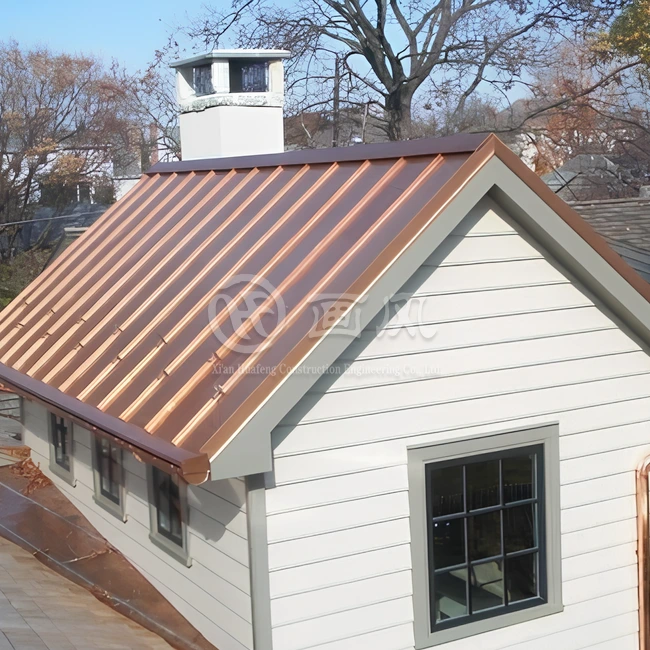
One big benefit of metal roofing systems is that they can be used in a variety of architectural styles. Coastal homes often have dramatic rooflines that show off the clean lines that these systems give while still providing useful performance benefits.
Profile and Color Options
The choice of panel shape affects both how it looks and how well it works. When the panel spacing is wider, the look is bold and modern, which works well with modern building. When the profile is smaller, the look is more traditional. We offer all RAL colors as well as custom color matching for projects that need to coordinate colors in a certain way. Matte finishes keep the polished look that high-end clients expect while reducing glare in bright coastal areas.
Energy Performance
Reflective covering technologies cut down on heat absorption by a large amount, which lowers the cooling loads in warm seaside areas. Specialized dyes in light-colored metal roofs can reflect 70% or more of the sun's rays, making buildings much more energy efficient than those made of darker materials. These performance traits support LEED approval and other green building standards that are becoming more and more important in coastal development projects.
Thermal Management
The space for air between the metal panels and the structures below them on the roof lets air flow naturally, which gets rid of heat. This passive cooling effect works all the time without using any energy, making indoor spaces more comfortable. Adding more layers of insulation improves thermal performance for certain climate zones and energy goals.
Conclusion
When it comes to coastal home jobs, where the weather speeds up material degradation, hidden seam metal roofing is the best option. Getting rid of exposed fasteners gets rid of thousands of possible corrosion and leak points while giving the property a clean look that sets it apart as a premium property. Even though the original investment is higher than other options, lifecycle cost analysis shows that there are big economic benefits because the product lasts longer and needs less upkeep. When contractors work with manufacturers that offer clear specifications, consistent quality, and technical support, they can be sure that their projects will go well and their clients will be happy.
FAQ
1.Can hidden seam metal roofing withstand hurricane-force winds in coastal areas?
When systems are properly designed, they can handle wind uplift rates higher than UL 580 Class 90, making them perfect for seaside areas with a lot of wind. The concealed clip attachment method spreads the load across the panel's width instead of putting all the stress on the fastener points, which makes it more wind resistant. In order to get the rated performance, installation must follow the engineered guidelines for clip spacing and attachment.
2.How does the concealed fastener system prevent leaks compared to exposed screws?
Fasteners that are out in the open use rubber washers that break down after 15 to 20 years of UV light and changing temperatures. With the concealed method, all of the connection hardware is hidden under the interlocking seam, where it can't be damaged by the outside world. When compared to penetrating fastener systems, the higher seam elevation keeps the joint above water flow lines, which cuts the chance of a leak by over 95%.
3.What maintenance does coastal installation require?
During the first year, performance will be checked every three months. After that, it will be checked once a year. For maintenance, use pH-neutral cleaners and soft brushes to get rid of salt buildup. Never use rough methods or pressure washers. Localized corrosion can be avoided by checking the control of moisture at penetrations and changes. These basic standards are very different from exposed fastener systems that need to have screws replaced on a regular basis.
Partner with HF for Your Coastal Roofing Projects
HF is an expert at making high-quality metal roofing systems with concealed fasteners that are designed to work in harsh coastal environments. Our three strategically placed factories run seven production lines with more than 40 specialized tools, making sure that the quality of every job is the same. We make panels with PVDF and PE coatings on the outside that are 0.4 mm to 1.2 mm thick. Our products come with a 30-year promise and meet foreign standards like ASTM, DIN, JIS, BS, and GB/T. Our technical team offers full installation support, including detailed node diagrams and specification guidance to make sure the job is done perfectly. With a monthly production capacity of 1,000 tons and delivery times of 15 to 20 days, we can meet tight project deadlines while keeping the level of accuracy that high-end coastal projects need. Email our team at huafeng@hfmetalroof.com to talk about your project needs with a hidden seam metal roofing supplier who is dedicated to your success.
References
1. Metal Construction Association. "Architectural Sheet Metal Manual," 8th Edition, 2022.
2. National Roofing Contractors Association. "The NRCA Roofing Manual: Metal Panel and SPF Roof Systems," 2021.
3. American Society for Testing and Materials. "ASTM E1592 Standard Test Method for Structural Performance of Sheet Metal Roof and Siding Systems by Uniform Static Air Pressure Difference," 2020.
4. Cool Metal Roofing Coalition. "Metal Roofing Energy Performance and Sustainability Report," 2021.
5. Architectural Metals Institute. "Concealed Fastener Metal Roofing: Design and Installation Best Practices for Coastal Applications," 2022.
6. International Code Council. "International Building Code Chapter 15: Roof Assemblies and Rooftop Structures," 2021 Edition.





YOU MAY LIKE
_1781690542318.jpg "Self-adhesive waterproof membrane")