Flat Lock Zinc Cladding Systems: What Should Architects Know?
2026-09-01 19:10:15
Flat lock zinc cladding panels give architects a unique way to cover an envelope that combines metalworking techniques that are hundreds of years old with modern performance needs. These metal systems fit together perfectly and make tessellated, seamless surfaces by connecting on four sides and hiding screws inside hemmed joints. They are very durable and look great too. These systems are being used more and more by architects on cultural institutions, corporate headquarters, and high-end residential projects because they can handle complex geometries while keeping the overall look consistent. This article gives procurement professionals and design specifiers technical information about the make-up of materials, installation issues, and how to choose a supplier. This information helps them make smart decisions that balance project budgets with long-term building performance.

Understanding Flat Lock Zinc Cladding Panels
The Structural Anatomy of Interlocking Systems
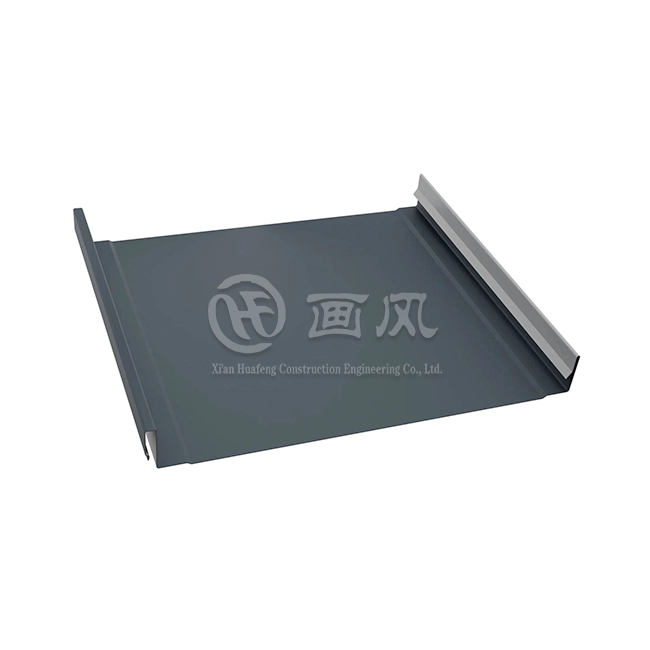
The unique thing about these cladding options is how their four-sided pieces fit together. Flat lock systems engage all panel edges through exact folding, usually running from 25mm to 30mm. This is different from standing seam profiles, which depend on vertical connections. This makes it look like a single piece, but it also lets you replace individual panels without affecting nearby sections. The titanium-zinc alloy, which is made up of 0.08 to 1.0% copper and 0.06-0.2% titanium, is flexible enough to allow crisp folding without micro-cracking during production. Panels made to EN 988 and ASTM B69 standards always have a tensile strength of more than 100 N/mm², which is important for keeping the joints strong during heat cycles.
Material Science Behind Titanium Zinc Alloys
What happens to high-purity zinc alloys when they are exposed to air is amazing. The surface makes a patina of zinc carbonate that protects itself. This patina is made when moisture and carbon dioxide combine. This layer has the ability to heal itself, so it can automatically cover up small scratches and stop corrosion from getting worse. At HF, we use pre-passivation methods that speed up the formation of patina, so the color will be the same from the day it's installed. The material has a density of 7.2 kg/dm³ and a thermal expansion coefficient of 0.022 mm/m/°C. This means that expansion joints need to be carefully designed. The segmented panel arrangement of the flat lock system makes this possible.
Geometric Versatility and Design Freedom
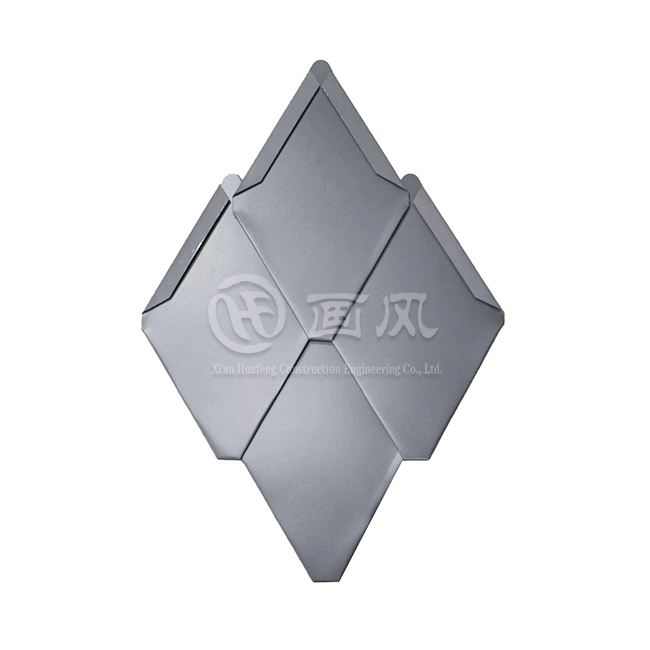
Architects like how small panels—with widths from 300mm to 600mm and lengths that can be changed—can cover complicated surfaces with a metal skin. The smaller surface area of each unit reduces the oil-canning effects that are common in large-format metal sheets. This keeps the sheets optically flat even when the temperature changes from -40°C to 80°C. For projects that needed faceted changes around double-curved museum faces and folded commercial building envelopes, we've given them panels in rectangle, rhombus, trapezoid, and hexagon shapes. This flexibility means it can be used for both vertical walls and steep-slope roofing installations with pitches higher than 25 degrees. This makes roof-to-wall transitions that are in line with modern architectural language.
Benefits and Performance of Flat Lock Zinc Cladding Systems
Longevity and Corrosion Resistance in Demanding Environments
With project lifespans of 50 to 80 years, zinc roofing is a smart choice for educational buildings from a financial point of view. The material's natural resistance to corrosion makes it very useful near the coast, where salt spray can damage other metal finishes. Lab tests show that it is stable in pH levels between 6 and 12, and the protective patina layer will keep growing back for as long as the building is used. Our 30-year promise shows that we're confident in the material's performance, even though installations in the past have shown that they can work for more than 100 years with little maintenance. The Class A1 non-combustible grade according to EN 13501-1 gets rid of the risk of fire spreading, which is very important for places with a lot of people, like transportation hubs and cultural venues.
Environmental Credentials and Sustainability Metrics
Making zinc uses about one-third as much energy as making copper, which makes it a better choice for embodied carbon calculations. The material can be recycled over and over again without losing any of its quality, which supports the ideas of the circular economy. Its high recycling value also encourages recovery at the end of its useful life. Zinc's contribution to material reuse credits and regional material sourcing helps buildings that want to get LEED or BREEAM certification when plants like ours in Anhui serve local markets. Because the panels clean themselves with rainwater, they don't need to be maintained with chemicals. Also, at 0.8 mm thick, they weigh about 5.5 kg/m², which makes them lighter than heavier siding options.
Aesthetic Range and Surface Treatment Options
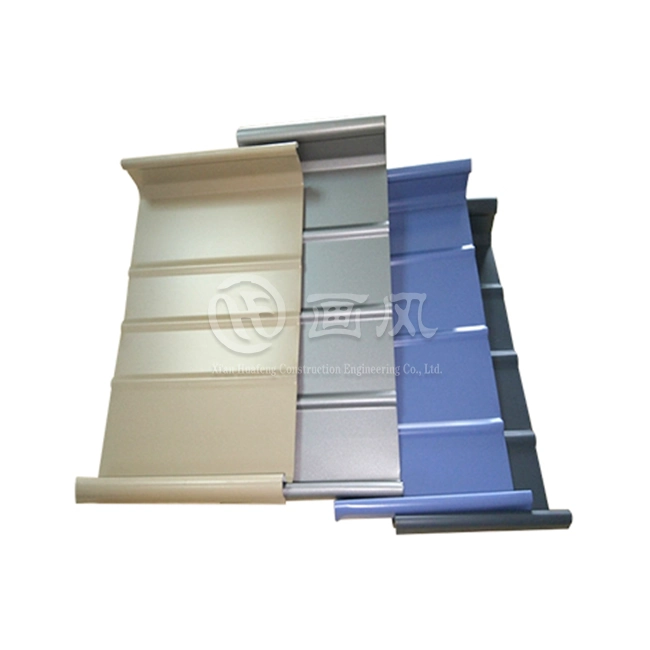
Pre-weathered finishes make the color of large facades uniform right away, skipping the time it takes for patina to develop gradually. In addition to natural zinc gray, we also offer graphite gray, blue gray, and black oxidation treatments. These colors are made through controlled pre-passivation processes instead of organic coats. This method keeps the material's ability to heal itself while giving builders power over the color scheme. The slight three-dimensionality that flat lock zinc cladding panels joints creates creates soft shadow lines that move across building surfaces as the day's light changes. This is a quality that is especially valued in cultural landmark projects where the way the facade is broken up adds to the building's civic identity.
Comparing Flat Lock Zinc Panels with Other Cladding Materials
Performance Analysis Against Alternative Metal Systems
Aluminum composite panels have lower material costs, but they don't have zinc's self-healing color, so they need to be recoated on a regular basis, which adds to the overall cost over their lifetime. Copper turns a beautiful shade of blue-green over time, but it costs about three times as much and needs to be installed by someone with special skills. Steel systems depend on coatings that are meant to be replaced after 15 to 25 years because they wear down. Flat lock zinc has a good performance-to-cost ratio that makes it appealing to procurement teams that need to balance the initial cost with the fact that they won't have to do any maintenance for decades. The interlocking system can handle changes in temperature without the fasteners breaking down. This is better than the through-fastened profiles that are popular in aluminum and steel uses.
Installation Complexity and Labor Considerations
For the flat lock method to work, skilled metal makers must be able to make exact folds, which can make it harder to choose a contractor in some markets. Standing seam systems are easier to install because they use mechanized seaming equipment, which cuts down on the number of hours needed to work on large warehouse facades. Flat lock is more flexible, though, which is good for projects with curves, angles, or mixed-plane transitions. Each 500–600 mm panel can be cut to complex shapes individually, but long-tray standing seam panels can't be used in curved ways. On standard vertical walls, we've seen installation rates of 8–12 m² per craftsperson per day. On geometrically complex surfaces, where accurate fitting takes more time, rates drop.
Thickness and Dimensional Standards Impact
Different structural and visual needs can be met by standard widths ranging from 0.7mm to 1.0mm. Our 0.8mm standard is good for most vertical wall uses because it strikes a good balance between strength and ease of use. For projects in seaside areas with a lot of wind or that need better impact protection, 1.0 mm material can be used, even though it will be heavier and less flexible. Panel sizes directly affect joint density and visual rhythm. For example, smaller formats make finer textures that work well in human-scale institutional entrances, while larger 600mm widths work well for tall commercial facades that are seen from far away. These choices about sizes affect costs because smaller panels require more work to be made and put up per square meter.
Installation and Maintenance Guide for Architects and Specifiers
Critical Installation Details for Waterproofing Performance
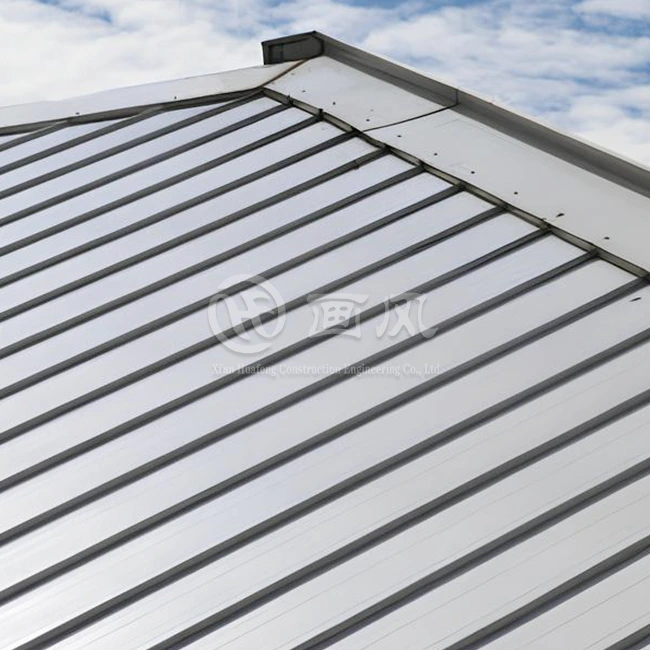
For flat lock installations to go well, the base needs to be continuously aired. This is usually made up of weather-resistant sheathing with an air gap of 25–40 mm behind the metal skin. This hole lets moisture vapor escape and stops condensation from building up on the zinc back side, which would weaken the material's resistance to corrosion. The four-sided overlapping folds act as capillary breaks, and the right panel overlap layout helps with drainage through gravity. For zinc roofs that aren't supported, our technical team says that the minimum roof pitch should be 25 degrees. However, vertical wall installations can be set up in any direction as long as they have the right drainage planes behind them.
Thermal Movement Accommodation Strategies
Because zinc has a high thermal expansion index, it needs careful finishing at building corners, window edges, and where materials change. The segmented design of the flat lock system naturally solves this problem, as each panel expands on its own within its folded connections. For big facades, it's helpful to split the field into zones that are separated by expansion joints that are hidden in the panel coursing patterns. We've designed and built successful installations in airport hubs and convention centers with continuous zinc surfaces that go 40 to 60 meters long. The slip joints that keep the look of continuity while releasing thermal stress were placed in just the right places. Architects, structural engineers, and cladding contractors need to work together on these details during the design development stages.
Routine Maintenance Protocols and Inspection Cycles
Because the material cleans itself with rainwater, flat lock zinc cladding panels don't need as much upkeep. Every five years, the joints should be inspected to make sure they are still strong. This is especially important at building bases where landscaping splash-back can deposit soil. Debris that has built up on horizontal surfaces needs to be cleaned off so that moisture doesn't stay there. Unlike covered metal systems that need to be refinished, zinc cladding's protective layer naturally grows back, and small scratches disappear as the seasons change. Buildings in industrial areas with a lot of sulfur dioxide may experience faster patina darkening, but this is only for looks and doesn't affect the building's ability to protect. Our installation paperwork includes upkeep guidelines that are tailored to the conditions in your area.
Procurement Considerations and Selecting the Right Supplier
Evaluating Manufacturing Capabilities and Quality Systems
People who work in procurement should make sure that providers have approved quality management systems that meet ISO 9001 and ISO 14001 environmental standards. Our three factories run seven production lines with more than 40 specialized machines. This gives us the ability to make 1,000 tons of products every month, which means we can support big institutional projects without having to wait for long lead times. Vertical integration, which is shown by color coating lines, longitudinal shearing equipment, and CNC punching systems, makes sure that the properties of the materials are the same from one production run to the next. Suppliers that offer custom panel fabrication, including geometries that aren't square or rectangular, show the technical skills needed for visually bold projects that set cultural sites apart from standard building.
Certification Requirements and Regulatory Compliance
For projects in North America, compliance with ASTM B69 is needed, while in Europe, compliance with EN 988 is needed. We keep our products eligible for CE marking and third-party proof by SGS. This paperwork meets the needs of building code and permit officials. Suppliers who provide Environmental Product Declarations that include metrics for recyclability, VOC emissions, and embodied carbon can help projects that want to get green building certifications. Fire test results showing Class A1 non-combustible classification make it easier to get approval for high-rise projects that have to follow strict fire safety rules. These certificates really lower the risk for buying teams that are responsible for the performance of materials over the course of decades-long building lifespans.
Lead Time Management and Logistics Coordination
Our standard 15–22-day production cycle after order confirmation lets you plan your projects with confidence. The minimum order number of 500m² is about the same as the width of a normal facade bay on a medium-sized business building, but installations for institutional projects often go over 2,000m². Shipping containers from our factory in Anhui to ports in North America takes about 25 to 35 days on average. This means that procurement teams have to start placing orders during the design development phase so that deliveries happen during envelope building windows. We offer moisture-resistant packing with interleaved protection that keeps items from getting damaged during transport. This is very important for keeping the perfect surface quality needed for high-profile cultural projects where appearances affect how people see things.
Conclusion
Flat lock zinc covering systems are a complex mix of old-fashioned metalworking skills and modern performance engineering. Their ability to cover complicated shapes in strong, self-healing metal skins meets the needs of architects who want to make buildings that look good without affecting the cost of ownership over time. When procurement professionals choose these flat lock zinc cladding panels, they invest in facades that age gracefully over time. This means that institutions don't have to pay for as much maintenance over and over again, which cuts down on their operating budgets. The material's environmental credentials and ability to be recycled are in line with changing sustainability standards. Its adaptable style also supports a wide range of design styles, from restoring historical buildings to creating cutting-edge cultural spaces.
FAQ
1.What lifespan can architects expect from zinc cladding installations?
When systems are done right, they usually last longer than 50 to 80 years, and there are cases from history that show they have worked for over 100 years. Unlike organic coatings that break down, the zinc carbonate patina keeps protecting the material underneath. Our 30-year guarantee is based on conservative estimates, since most material failures are caused by mistakes in fitting rather than zinc breaking down.
2.How does flat lock installation compare to standing seam systems?
With automated seaming, standing seam shapes can be put on flat surfaces more quickly. Flat lock systems need to be folded by hand with skill, but they work great on bent, angled, or mixed-plane surfaces where large-format panels don't want to fit in. The best method choice depends on the shape of the project. For culture and institutional buildings with complicated architecture, flat lock is recommended.
3.Can zinc cladding perform in coastal or industrial environments?
The substance is very resistant to salt spray and stays stable in pH ranges 6 to 12, which makes it perfect for use in marine environments. Industrial environments may speed up the patina's darkening without lowering its protection. Detailing that allows for enough air flow and drainage is still very important in all settings to get the best performance and life.
Partner with HF for Premium Flat Lock Zinc Cladding Panels
Specifications for buildings need suppliers who can both make great products and provide quick expert help. Titanium-zinc fabrication is done at HF's three specialized facilities, which have seven production lines. These facilities can handle 1,000 tons of titanium-zinc fabrication every month, which fits tight project plans. Our engineering team helps with design all the way through the specification development process, turning creative ideas into details that can be made and solve problems with waterproofing, thermal movement, and installation ordering. We meet North American and international quality standards necessary for institutional procurement protocols because we have ISO 9001, CE marking, and SGS verification. Email our team at huafeng@hfmetalroof.com to talk about the specific needs of your project, ask for material samples that show how good our surface finish is, or look into custom panel geometries that make your building idea come to life. As a top manufacturer of flat lock zinc cladding panels, we're dedicated to turning design ideas into long-lasting building shells.
References
1. Hegger, Manfred, et al. Construction Materials Manual. Basel: Birkhäuser Architecture, 2006.
2. Herzog, Thomas, et al. Facade Construction Manual. Munich: Edition Detail, 2004.
3. Kolleeny, Jane F. "Metal Architecture: Designing with Copper, Stainless Steel, and Zinc." Architectural Record, vol. 195, no. 8, 2007, pp. 143-156.
4. Szokolay, Steven V. Introduction to Architectural Science: The Basis of Sustainable Design. Oxford: Architectural Press, 2008.
5. Watts, Andrew. Modern Construction Envelopes. Vienna: Springer-Verlag, 2014.
6. Zajas, Jerzy, and Piotr Heiselberg. "Life Cycle Assessment of Metallic Facade Systems." Building and Environment, vol. 89, 2015, pp. 279-290.





YOU MAY LIKE