Why Choose OEM Flat Lock Zinc Cladding Panels for Projects?
2026-09-01 19:10:29
Choosing OEM flat lock zinc cladding panels for your architectural project delivers a compelling blend of aesthetic refinement, structural longevity, and manufacturing precision. These panels utilize titanium-zinc alloy material with interlocking edges that create seamless, monolithic façades capable of adapting to complex geometries—from curved museum exteriors to angular commercial towers. The OEM approach ensures panels are manufactured to exact project specifications, meeting rigorous EN 988 and ASTM standards while offering cost efficiencies through scalable production and verified material traceability. This combination addresses the core needs of procurement managers and architects seeking reliable, high-performance cladding solutions.

Understanding Flat Lock Zinc Cladding Panels
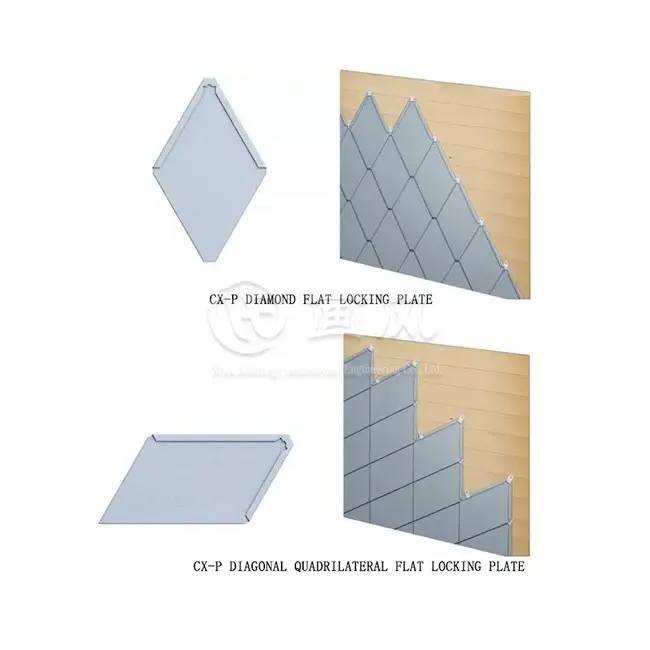
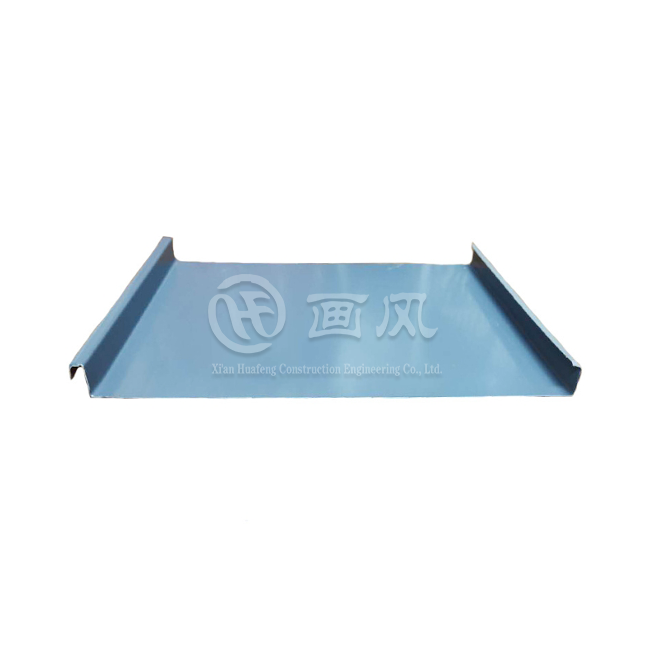
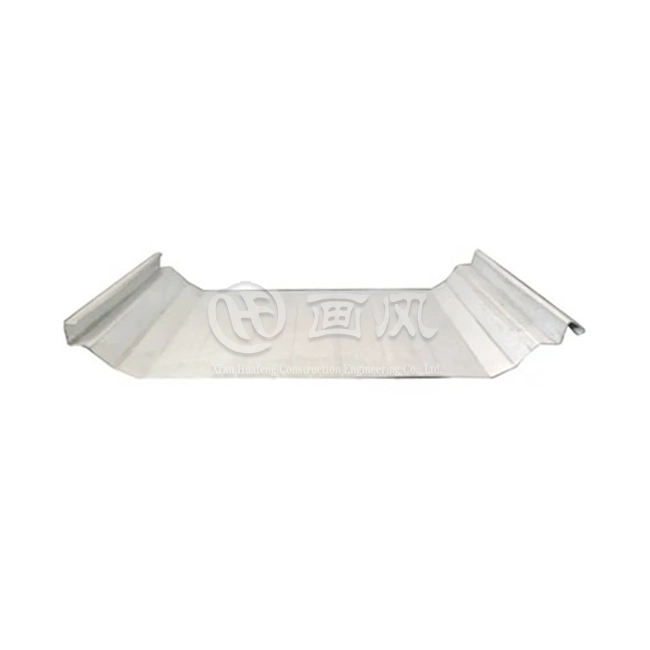
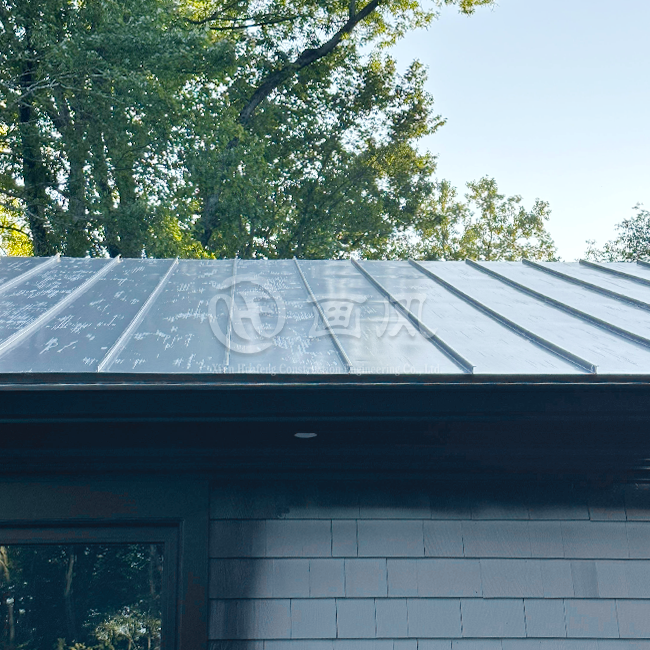
Flat lock zinc cladding panels are a high-tech metal outer system that can be recognized by their four-sided overlapping hem design. In contrast to standing seam systems, which have raised vertical ribs, flat lock panels make a flat, tessellated surface where units, which are usually between 300mm and 600mm wide, fit together through folded edges that are about 25mm to 30mm thick. This way of hidden fastening gets rid of screws that can be seen, giving the furniture a clean, modern look.
The Material Foundation
The panels are made from a titanium-zinc metal, which is mostly zinc (more than 99.5% pure) with small amounts of copper (0.08–1.0%) and titanium (0.06-0.2%). This particular alloying recipe, which meets EN 988 standards, makes the metal very flexible so it can be folded precisely while still keeping its structural integrity. As the material weathers, it naturally forms a protective zinc carbonate patina that acts as a self-healing barrier against corrosion from the air. We've seen this patina form in a wide range of climates, from coastal marine areas to industrial urban settings. It always provides better corrosion protection than painted steel options.
How the Lock Mechanism Works
A two-fold connecting system makes the flat lock joint work. When the panels are put together, the edges next to each other are folded together. This makes a seam that is weathertight and can accommodate thermal movement, which is very important because zinc has an expansion coefficient of 0.022 mm/m/°C. By dividing the facade into smaller, more stable pieces, this flexibility stops oil-canning, the waviness that you often see in big metal sheets. The method works especially well for curved building shapes because the panels can bend around complex curves without warping or buckleing.
Durability and Sustainability Benefits
Zinc cladding plates last a very long time. In fact, they have been used in European classic buildings for more than 80 years. The material doesn't need to be painted or coated on a regular basis; rainwater cleans the surface naturally, so it stays looking good with little work. It is better for the environment because it can be recycled over and over again without losing any of its quality, and it has a lot less energy in it than copper or plastic panels. These qualities meet the requirements for LEED and BREEAM green building certification, which is becoming a more important thing to think about for business and institutional projects.
Evaluating OEM Flat Lock Zinc Cladding Panels for Your Project Needs
When it comes to zinc panels, choosing an OEM maker is much better than buying cheap off-the-shelf goods. Manufacturers of original equipment (OEM) focus on making panels that are exactly the right size, color, and performance for you. This customized approach gets rid of the trade-offs that come with standard catalog items.
Manufacturing Precision and Quality Control
OEM makers, such as HF, have strict production standards that are backed up by ISO 9001 and ISO 14001 approvals. Seven color coating production lines and more than 40 specialized machines, such as automated punching systems and precision bending equipment, are used at our facility to keep thickness tolerances within 0.4mm to 1.0mm. Each lot of flat lock zinc cladding panels goes through salt spray testing, surface uniformity verification, and dimensional checking. These are all very important when the panels need to work with European seaming tools and installation processes.
The ability to track materials that we provide solves a major problem for European contractors used to working with brands like VMZINC. Our titanium-zinc alloy suppliers can show where the raw materials came from, giving us the same level of trust as well-known European suppliers but at much lower prices—usually 20–30% less—without lowering the quality of the materials or their performance.
Comparing Material Options
When it comes to cladding materials, zinc panels are clearly better than aluminum, copper, and steel options. Aluminum doesn't naturally develop a patina like copper does, so it needs factory coats that wear off over time and need to be replaced. Copper looks a lot like stone as it ages, but it costs three times as much and has more energy built into it. To keep steel systems from rusting, they need to be painted over and over again, which adds to the costs over their lifetime that aren't present in zinc applications.
Zinc is unique because it has a level of longevity that is similar to copper's and a cost structure that is more like high-end aluminum systems. The material works well in temperatures ranging from -40°C to 80°C, so it can be used for projects in both cold areas and warm climates. We've successfully supplied panels for projects on the coast of the Netherlands and in high-rise buildings in Singapore, which shows how flexible we are.
Customization Capabilities for Diverse Applications
OEM production can handle panel shapes other than rectangles. Our manufacturing capabilities include rhombus, trapezoid, and hexagonal shapes, which allow for unique facade patterns that set landmark buildings apart. Architects can adjust the visual scale by changing the panel's width from 300mm to 600mm. Narrower panels create finer grain textures that are better for domestic projects, while wider formats work better for the monolithic look that is popular in modern business architecture.
You can choose a thickness between 0.7mm and 1.0mm based on wind load estimates and the need for width. Museums and cultural centers often ask for 0.8mm or 1.0mm thicknesses to improve rigidity and sound performance. When combined with the right backing parts, these thicknesses can achieve sound transmission class (STC) rates above 30dB. Besides natural zinc gray, you can also get finishes in graphite, blue-gray, and pre-oxidized black through controlled patination processes. This gives you more design options while keeping the material's natural protective properties.
The OEM Flat Lock Zinc Cladding Panel Installation Process
To install flat lock zinc panels correctly, you need to know how the material works and what the system's mechanical needs are. The process is very different from installing composite panels or curtain wall glass, and you need to know a lot about metal roofing and cladding techniques to do it right.
Site Preparation and Substrate Requirements
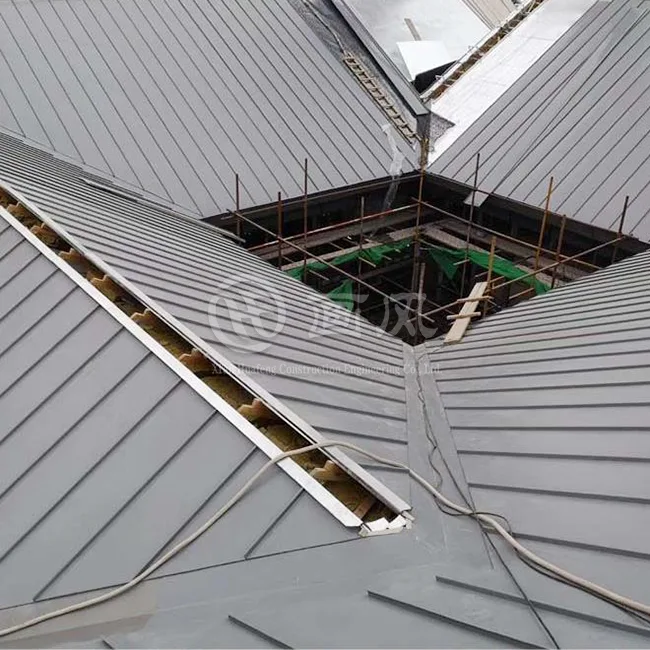
Substrate proof is the first step in installation. Panels need a continuous base, which is usually metal decking or plywood covering, on top of a structural frame that can hold enough weight. Making a rear-ventilation cavity, usually 40mm to 50mm deep, so air can flow behind panels is an important detail. This cavity does two things: it keeps condensation from building up, which could corrode the back of the panel; and it lets heat move around freely. We suggest putting weather-resistant shields on the base that let air flow through but stop liquid water from getting in.
The Locking and Fastening Sequence
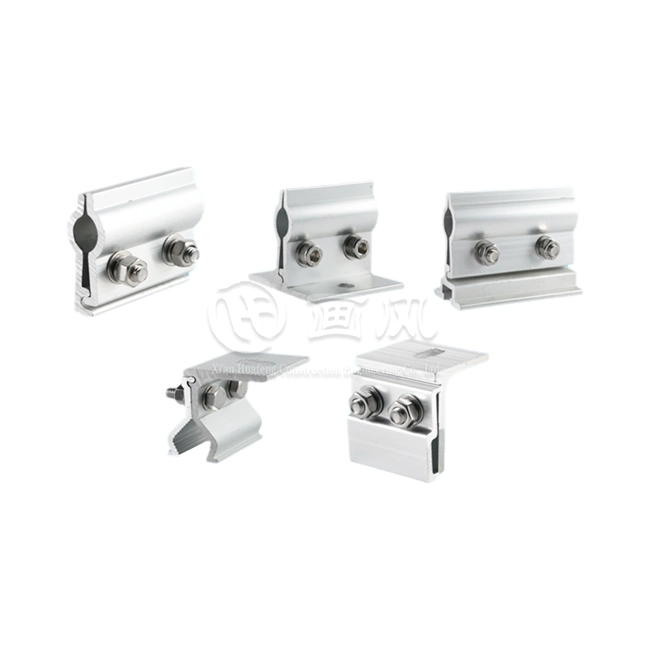
The installation of flat lock zinc cladding panels is done in a planned way, starting at corners or other clear starting points. At set intervals, usually every 300mm to 400mm vertically, the edges of each panel are folded over hidden clips that are physically attached to the base. Then, using hand or machine seaming, adjacent pieces fit together, making the distinctive flat lock joint. For this folding process, you need special tools. In Europe, contractors usually use electric seaming machines that make sure the folds are always tight and the fabric doesn't let water in.
Our OEM panels are already designed to fold in a way that works with normal European seaming equipment. This means that you won't have to worry about the compatibility issues that can happen with goods that aren't mentioned. Depending on the complexity of the facade, the average installation rate is 8 to 12 square meters per worker per day. This is a good alternative to composite panel systems that need a lot of subframing.
Addressing Common Installation Challenges
Managing thermal growth is the most important technical factor. When the temperature changes, zinc panels expand and contract, so the clip spacing and fold design have to be carefully thought out so that the panels can move freely. Systems that aren't properly detailed can buckle or have seams come apart, especially on large areas of the facade. We give you detailed installation guides that tell you where to put the expansion joints and clips based on the size of the panel and the temperature ranges you expect.
Keeping the surface protected during building is another problem. Zinc scratches easily before the patina forms, so protective films must be used from the start of the job until it is finished. The protective layers on our panels can be taken off and come with detailed instructions on how to handle them, which helps keep damage to a minimum. Our engineering team, which you can reach by email at huafeng@hfmetalroof.com, also offers expert support during the building phase by helping with installation and fixing problems.
Procurement Guide: Buying OEM Flat Lock Zinc Cladding Panels
To find zinc cladding panels for European or high-specification projects, you need to do more than just compare prices. You need to carefully evaluate each supplier. Verification of materials, output capacity, certification compliance, and logistical dependability should be at the top of the buying process.
Identifying Qualified Manufacturers
Check the qualifications of the maker, such as EN 988 compliance papers that show the titanium-zinc alloy meets European standards for materials. Systematic quality management is shown by ISO 9001 certification, and environmental management commitment is shown by ISO 14001 certification. Both are becoming more and more important to institutional clients and green building certification programs. Ask for test results that show what the material is made of, its tensile strength (it should be over 100 N/mm²), and how evenly the surface has been treated.
When working on big projects, production capacity is very important. HF has three factories with seven production lines that can make 1,000 tons of goods every month. This is enough for big business projects to go ahead without any delays. When you add in the six to eight weeks it takes for sea freight to get to European ports, our 15 to 22-day delivery timeframe from order confirmation to shipment works with most project plans.
Sample Verification and Testing Protocols
Before agreeing to large orders, ask for sample panels that are made to the exact specs for production. Use accurate micrometers to check the thickness; readings should be within ±0.05mm of the given measures. Check the evenness of the surface finish with a raking light, looking for coating flaws or damage caused by mechanical forces. Do simple bend tests. Zinc that is properly alloyed should fold cleanly, with no micro-cracks that can be seen at 10x magnification.
We suggest that sites near the coast get tested for salt spray according to ASTM B117 standards. Panels should be exposed to water for at least 1,000 hours without turning red, which means they are protecting against corrosion well. Controlled weathering rooms can speed up the development of surface patina, which lets builders see how something will look aged before they choose a natural or pre-patinated finish.
Cost Structure and Lead Time Considerations
Price of flat lock zinc cladding panels depends on many things, like the thickness of the material, how complicated the surface treatment is, the size of the panels, and the number of orders that come in. Our minimum order quantity of 500 square meters, which is about 3 tons, strikes a good mix between making things quickly and making projects easy to reach for medium-sized installations. Above 2,000 square meters, volume pricing gets better, which is useful for large commercial facades or developments with more than one building.
Planning for lead times should take into account the time it takes to make the product (15–22 days), ship it internationally (usually 6–8 weeks to European ports), clear borders (1-2 weeks), and deliver it within the country. Starting the buying process four to five months before the installation starts on-site, working backward from the installation plans. During this time frame, we keep in touch openly by sending updates on the progress of production and shipping documents to make logistics planning and customs processing easier.
Building Trust: Leading OEM Brands and Market Reputation
There are both well-known European names and new OEM makers in the zinc cladding market. Both offer similar technical performance at reasonable prices. Knowing this setting helps procurement choices find a balance between project costs and brand recognition.
European legacy brands made their names by installing landmarks and coming up with new technologies for decades. Their large portfolios of case studies and relationships with architects lead to specification inertia, which means that building designers often choose well-known brands even if they cost more. Material science and industrial technology, on the other hand, have made it easier for anyone to make high-quality zinc panels. The products made by modern OEM manufacturers meet the same EN 988 standards because they use the same alloy formulations, similar production equipment, and the same testing protocols.
HF is a good example of this OEM development. Since we started in 2018, we've quickly built up the technical skills that have earned us the Shaanxi Province high-tech company title and the first-level building curtain wall qualifications. Our patent library includes more than 20 registered innovations in metal roofing and covering systems, which shows that we keep investing in research and development. We've successfully supplied panels to cultural institutions, commercial developments, and transportation facilities in a number of different markets. This has helped us build a project reference base that helps us talk with architects and consultants about specifications.
To check the reputation of a manufacturer, you should visit reference projects if you can, look over the installation paperwork, and look at how the product has performed over time. We give you thorough project case studies that include photos of the work, technical specs, and the client's contact information so that you can check them out. This openness builds trust at the same level as well-known names, but at a lower cost and with more customization options that come with committed OEM relationships.
Conclusion
OEM flat lock zinc cladding panels are the best choice for challenging façade jobs because they look great, last a long time, and are cost-effective. The natural patina on the titanium-zinc material protects it and makes it last longer than 50 years without any upkeep. The flat lock installation method allows for complex shapes and thermal movement without losing weathertightness. By choosing approved OEM makers like HF, you can be sure that you can get EN 988-compliant materials, customized panel configurations, and the production scalability that you need for big business setups. Careful procurement that focuses on verifying materials, testing samples, and checking the credentials of manufacturers lets project teams get groundbreaking architectural results while making the best use of their budgets. Because it is good for the environment, doesn't cost much, and works well technically, zinc cladding is the best choice for the outside of institutional, cultural, and commercial buildings.
FAQ
1.What climates are suitable for flat lock zinc cladding panels?
Zinc cladding works successfully in a wide range of climates, from the cold to the tropics. The material stays structurally sound at temperatures ranging from -40°C to 80°C. Zinc is resistant to salt spray and stable in pH levels 6 to 12. This makes it useful in coastal sea settings. Natural patina development happens everyplace, but the time it takes to show up varies. Humid locations speed up patination within months, while dry areas may need several years to fully weather the look.
2.How does the OEM manufacturing process ensure panel quality?
OEM production has ongoing quality checks, starting with checking the alloy composition of the raw materials. Automated coating lines make sure that the width of the surface treatment stays the same, and precise cutting and making tools make sure that the dimensions are accurate to within 0.05 mm. Before being packed, each production batch is tested with salt spray, bending, and a visual inspection of the surface. Final panels are covered in protection films and packed in materials that don't absorb moisture and don't rust so they can be shipped internationally in a state that meets factory standards.
3.What maintenance do zinc cladding panels require over their lifespan?
Compared to painted metal systems, zinc walls don't need as much upkeep. Most places don't need to be painted or have their coatings renewed because rainwater cleans well enough. Fastener strength and joint state should be checked on a regular basis, especially after bad weather. The self-healing patina fixes small scratches on its own by being exposed to weather. Coastal installations can benefit from a freshwater rinse every so often to get rid of salt buildup, but this is more of a safety measure than an absolute necessity. Over a 50-year period, the overall upkeep costs are about a third of what they are for similar metal or steel cladding systems.
Partner with HF for Your Next Zinc Cladding Project
Architects, builders, and procurement managers are welcome to look into how HF's OEM flat lock zinc cladding panels can make your next projects better. As a committed maker and supplier, we offer titanium-zinc panels that are made to strict EN 988 and ASTM standards on seven production lines that can make more than 1,000 tons of panels every month. You can choose from different panel shapes, widths (300mm to 600mm), and thicknesses (0.7mm to 1.0mm), all of which can be precisely tailored to your architectural needs. We offer competitive shipping times of 15 to 22 days and offer full expert help during the planning, purchasing, and installation stages. Email our team at huafeng@hfmetalroof.com to get material samples, talk about project details, or get detailed quotes for the zinc cladding you need.
References
1. Hegger, M., Auch-Schwelk, V., Fuchs, M., & Rosenkranz, T. (2017). Construction Materials Manual. Berlin: Birkhäuser Architecture.
2. Herzog, T., Krippner, R., & Lang, W. (2018). Facade Construction Manual. Munich: Detail Business Information.
3. European Committee for Standardization. (2012). EN 988: Zinc and Zinc Alloys - Specification for Rolled Zinc Sheet for Building. Brussels: CEN.
4. Beorkrem, C. (2013). Material Strategies in Digital Fabrication. New York: Routledge.
5. Watts, A. (2019). Modern Construction Envelopes. Vienna: Edition Detail.
6. American Society for Testing and Materials. (2020). ASTM B69: Standard Specification for Rolled Zinc. West Conshohocken: ASTM International.





YOU MAY LIKE