Flat Lock Zinc Cladding Panels: A Guide for Modern Facades
2026-09-01 19:10:44
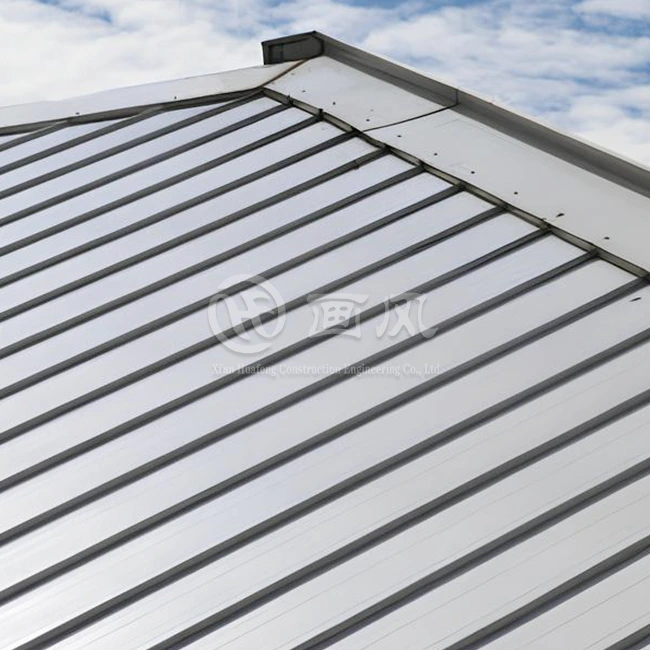
When specifying façade systems for high-performance institutional or commercial buildings, flat lock zinc cladding panels deliver a distinctive combination of aesthetic refinement and technical durability. This interlocking metal envelope system uses small-scale titanium-zinc tiles that engage through four-sided hemmed folds, creating a flush, monolithic surface free of visible fasteners. The design addresses thermal movement challenges inherent in non-ferrous metals while accommodating complex curvilinear geometries—qualities that make these panels indispensable for museums, concert halls, airports, and premium office towers across Europe and beyond.

Understanding Flat Lock Zinc Cladding Panels
What Defines the Flat Lock System
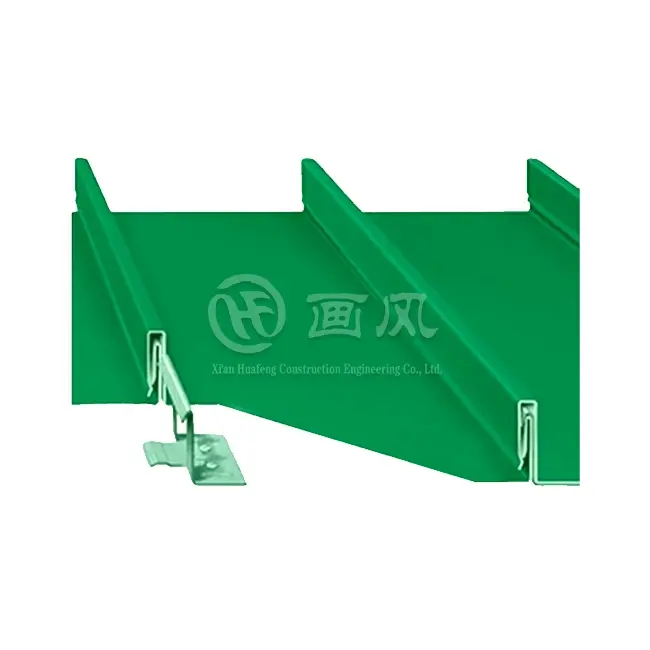
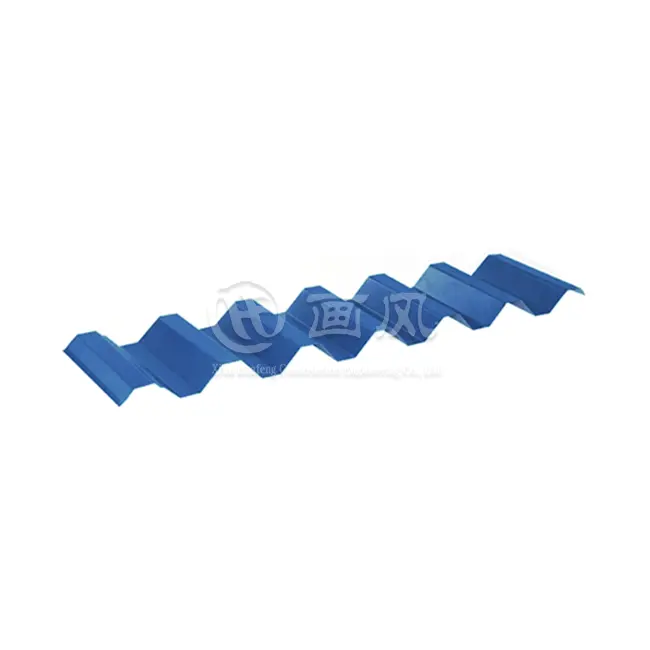
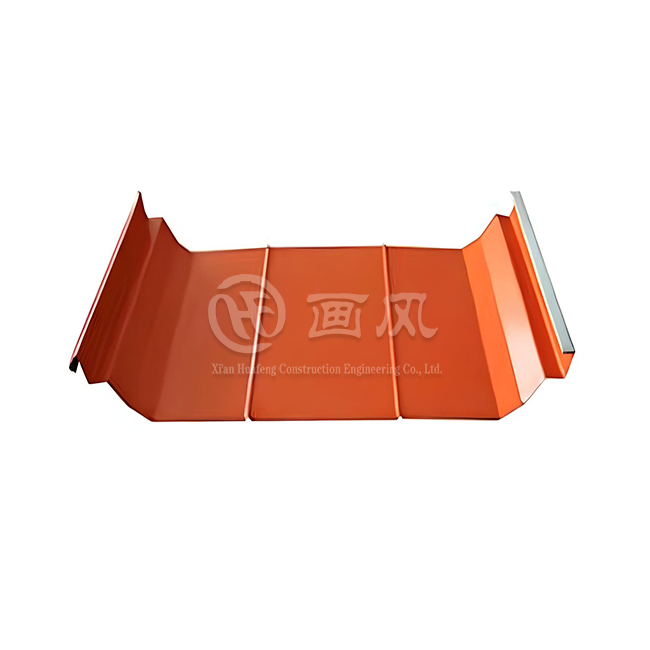
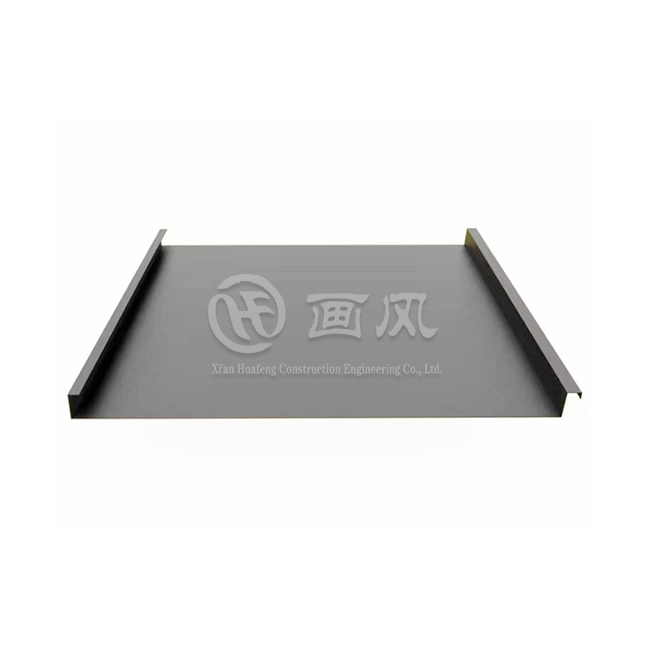
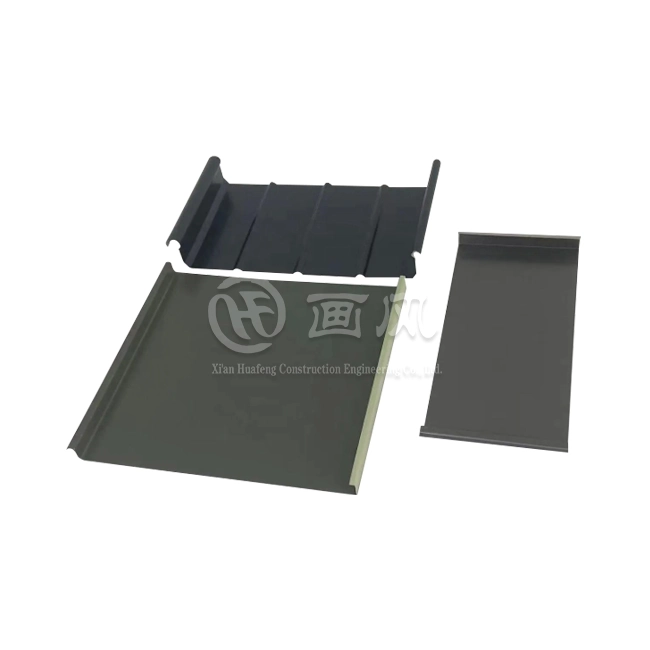
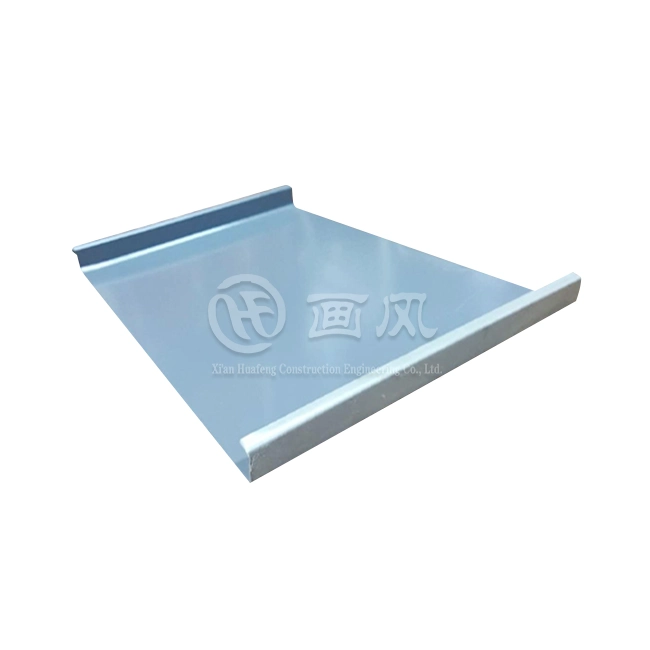
Standing seam profiles are very different from flat lock zinc cladding panels. Each panel doesn't have vertical ribs; instead, it has 25–30 mm hemmed edges that fit together on all four sides to make a seamless tessellated look. This tongue-and-groove system hides all clips and fixes inside the joint. This means that builders can get the clean sightlines they need. The smaller panel sizes—usually 300–600 mm wide and up to 3000 mm long—reduce the face area, which makes it less likely that the oil can distort when the temperature changes. Titanium-zinc alloys with a composition of 0.08 to 1% copper and 0.06 to 2% titanium (EN 988) are very easy to shape. This means that fabricators can make crisp folds without micro-cracking them during installation.
Material Properties and Technical Specifications
Titanium-zinc metal, which is used in these systems, has a thermal expansion rate of 0.022 mm/m/°C and weighs about 7.2 kg/dm³. This steady movement is controlled by flying clips that let the side panels move while keeping the weather out. The thickness of the material can be anywhere from 0.7mm to 1.0mm, based on the wind load estimates and panel size. For vertical walls, 0.8mm is still the usual thickness because it is rigid and light. The metal has a tensile strength of more than 100 N/mm² and an E1 rating for creep resistance according to ASTM B69 and EN 988. The fire performance meets the A1 non-combustible rating (EN 13501-1), which is a must for public meeting buildings and educational projects where egress safety determines the choice of material.
Design Flexibility and Aesthetic Range
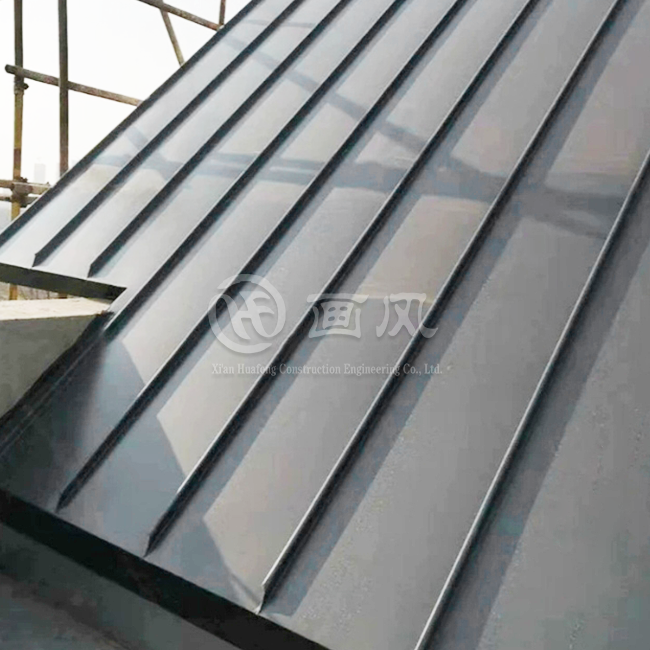
Different architectural goals can be met by flat lock zinc cladding panels. Panels can be placed horizontally, vertically, or diagonally to draw attention to the size of a building or make interesting visual patterns. In addition to rectangles, you can choose from rhombuses, trapezoids, and hexagons as well. This lets you make custom patterns that set landmark projects apart. Surface treatments let you make the metal even more unique. Over 18 to 24 months, natural zinc forms a self-healing patina (zinc carbonate layer) that changes from shiny metal to matte blue-gray, and pre-weathered finishes give you instant graphite or charcoal tones. Powder coating or PVdF treatments that match RAL colors give you more color options for corporate branding or blending in with nearby materials.
Benefits and Performance of Flat Lock Zinc Cladding Panels
Longevity and Lifecycle Value
Zinc is naturally resistant to corrosion because of how it reacts with electricity. When the surface is exposed to water and CO₂ in the air, it makes a thick hydrozincite patina that fixes cuts and stops oxidation from getting worse over time. When systems are built correctly, they can last more than 80–100 years with little maintenance, though guarantees are usually only good for 50 years. This makes it more cost-effective over its lifetime than painted steel or aluminum, which need to be re-coated every 15 to 25 years. When asset managers look at institutional portfolios or commercial real estate investments, zinc's low maintenance cost and long replacement interval give them a strong return on investment (ROI).
Sustainability and Environmental Credentials
Zinc covering makes a real difference in getting green building approvals. Post-consumer zinc keeps its full market value during end-of-life processing, and the material can be recycled over and over again without losing any of its quality. Manufacturing copper uses about one-third as much energy as making copper itself, which lowers the amount of carbon that is stored per square meter. LEED v4 points note zinc's recycled content (95% of European alloys come from NedZink or similar feedstock) and the possibility for getting materials in the region. For projects that want to get BREEAM Excellent or DGNB Gold, selecting flat lock zinc systems raises the scores for material health and resource efficiency. It also helps with circular economy goals that are being required by EU procurement rules more and more.
Maintenance Requirements and Operational Efficiency
The needs for routine maintenance are low. Rainwater naturally cleans the surfaces of panels by getting rid of pollutants in the air that could stain other types of cladding. Coastal installations should be rinsed with fresh water every six months to keep salt from building up, but they don't need to be painted, sealed, or protected with coatings. Because the patina is self-healing, small scratches caused by maintenance tools or flying objects will fade within weeks as the zinc carbonate repairs. This makes operations easier, which lowers the cost of managing the building and gets rid of the need for scaffolding during repaint cycles. This is especially helpful for high-rise buildings or buildings that don't allow visitors while they're occupied.
Installation and Procurement Guide for Flat Lock Zinc Panels
Installation Best Practices and Technical Considerations
Proper base preparation is key to a successful fitting. Zinc panels must be separated from the covering by at least 25 mm of air space. This is to keep the bottom from rusting from moisture condensation. Continuous breather membranes control the flow of vapor, and water-resistant barriers keep the structure's envelope safe. Fixing clips, which are usually made of stainless steel or zinc-coated steel, are attached to vertical battens every 400–600 mm. Each clip supports the edges of the panel while letting heat move. To get a uniformly tight hem without metal stress when sewing, you need special folding tools. Installers should not over-torque clips, which can bend panels, or under-engage locks, which can make the doors less weatherproof. Complex forms, like hyperbolic walls or faceted volumes, need site-specific templates and trained workers who know how to shape metal in ways that are only possible with zinc.
Supplier Selection Criteria and Procurement Strategy
When buying flat lock zinc cladding panels for important projects, you have to be very careful about which suppliers you choose. In addition to approval of materials (EN 988 compliance, CE marking), you should also look at their production capacity and quality systems. Xi'an Huafeng Construction Engineering runs three factories with a total of seven dedicated production lines and more than 40 precise machines. This makes sure that they can meet tight construction schedules by producing 1,000 tons of goods every month. ISO 9001 and ISO 14001 certifications prove that process controls are working, and SGS third-party testing proves that the alloy's makeup and mechanical features are correct. To meet the needs of architects and owners who want clear supply chains, ask for sample panels that come with paperwork that shows where the raw materials came from, preferably to European zinc refineries like NedZink.
Lead Times, Logistics, and Minimum Order Quantities
For stock profiles and finishes, standard delivery times are 15–22 days from the time of order confirmation. For custom shapes or pre-patinated treatments, delivery times may be 6–8 weeks. Minimum order quantities usually begin at 500▥, which is about 3 tons. This is done to balance the needs of the project with the efficiency of production. For European workers, make sure they understand Incoterms and organize how the containers are stuffed to reduce the risk of damage during shipping by sea. For marine shipments, anti-corrosion interleaving and moisture-barrier wrapping are musts. For inland logistics, winter deliveries need flatbed or enclosed trailers to keep road salt from getting on the goods. Some of the benefits of buying in bulk are better prices and reserved production slots, which are very important for phased construction projects where windows for installing the facade line up with milestones for topping out the structure.
Decision-Making Insights for Selecting Flat Lock Zinc Cladding Panels
Key Selection Parameters for Project Specifications
When selecting systems, architects and façade experts have to weigh different needs. The thickness of the panels directly affects how well the structure works. For protected soffits or low-wind-load elevations, 0.7mm is enough, but 1.0mm is required for installations near the coast or on walls higher than 30 meters. Choosing the right lock type—two-way, four-way, or batten-cap—affects the largest panel sizes that can be used and the cost of work for seaming. Choosing the right finish can affect both how it looks and how it works. For example, natural patina is good for places that need to be sensitive to history, but the color of each batch changes during the weathering process. Pre-weathered finishes, on the other hand, are more regular right away but cost more. Because of limited funds, the installed price (€120–180/m² depending on complexity) must be weighed against the product's lifecycle value. It is important to remember that zinc's high initial cost is offset by decades of lower maintenance costs that can't be found with cheaper alternatives.
Application Segmentation by Building Typology
Different types of projects use the unique features of flat lock systems. Cultural institutions like museums, theaters, and art centers use zinc's ability to cover sculptural shapes with a continuous metal skin that can't be achieved with rigid composite panels. The material's high status and ease of use are liked by commercial offices. This is especially true for LEED Platinum projects, where the material's clarity and ability to be recycled earn certification points. Zinc is used in historic repairs to reinterpret traditional metal roofing languages (like slate and copper) with modern details. This keeps the historic character while still passing today's energy codes. Coastal resorts that are near the ocean choose zinc because it is better at resisting salt spray (pH 6–12 stability) than anodized aluminum, whose protective oxide layers break down when chloride attacks them.
Industry Trends and Case Study Evidence
Market data shows that more and more high-end homes and businesses in Europe and the Asia-Pacific region are using zinc. The acoustically tuned facade of the Berlin Philharmonic expansion (2019) was made with 4,200 of flat lock zinc siding, showing that the material can handle tough performance needs. In Singapore, the National Gallery's renovation used pre-patinated zinc to bring together different historic buildings into a modern frame, earning BCA Green Mark Platinum approval. These important projects show that zinc is technically mature and that architects have faith in it. This strengthens zinc's position as a premium façade solution whose unique looks and durability make it worth the extra money spent up front compared to standard cladding systems.
Conclusion
Flat lock zinc cladding panels are an advanced and performance-proven facade technology that combines engineering realism with attention to esthetics. Their interlocking design solves problems with thermal movement, works with complicated shapes, and provides long-lasting service that doesn't require any upkeep. Zinc systems have strong benefits for buying teams working on public or private projects where long-term value, environmental friendliness, and unique building design all come together. Carefully choosing the supplier, paying close attention to the details of the work, and making sure that they meet the performance standards for the project all lead to successful results that improve the building's personality while protecting its long-term value.
FAQ
1.What is the expected lifespan of flat lock zinc cladding?
Titanium-zinc coating systems that are put correctly usually last more than 80 to 100 years. For example, installations in Europe from the 1960s are still working without any structural damage. The self-healing patina on the material keeps growing back, stopping progressive corrosion. Manufacturer warranties usually last between 30 and 50 years, but the real service life relies on how well the product was installed and how exposed it is to the elements.
2.How does zinc cladding compare environmentally to aluminum or steel?
Making zinc uses about a third as much energy as making copper and a lot less than making aluminum in the first place. It can be recycled over and over again without losing any of its quality, and European alloys are made with 95% post-consumer recycled content. Zinc doesn't need VOC-heavy paint systems like coated steel does, so there are no worries about pollution during production or removal. Zinc's cycle economy features earn it points in the LEED and BREEAM standards.
3.Can flat lock panels accommodate curved or complex façade designs?
Because the panels are small and zinc is easily shaped, they can be wrapped around complex shapes that would not be possible with bigger systems. Panels bend around curves, making a tessellated shape that looks like organic shapes. For hyperbolic geometries, you need specialized templates and skilled fabricators, but the system is still one of the most flexible for sculptural architecture when compared to rigid composite alternatives.
Partner with HF for Your Zinc Cladding Needs
Xi'an Huafeng Construction Engineering (HF) has a track record of making flat lock zinc cladding panels for high-demand commercial and institutional projects around the world. Our three factories run seven production lines with more than 40 precise tools. They can produce 1,000 tons of goods every month and have lead times of 15 to 22 days. Certifications like EN 988, ASTM, and DIN prove that materials meet standards, and ISO 9001 and SGS checks make sure that quality control is always the same. We can make them in any shape or thickness (0.4mm to 1mm), width (300mm to 600mm), or color (RAL color matching and pre-patinated finishes are available). Every work is backed by a 30-year guarantee. You can email our technical team at huafeng@hfmetalroof.com to talk about project details, ask for samples of materials, or get detailed quotes. You can look at our portfolio at hfmetalroof.com and learn how HF's flat lock zinc cladding panels seller can help you realize your design goals.
References
1. European Committee for Standardization (2012). EN 988: Zinc and Zinc Alloys – Specifications for Rolled Zinc Products for Building. CEN Central Secretariat, Brussels.
2. Knotkova, D., & Kreislova, K. (2017). Atmospheric Corrosion of Zinc and Zinc Alloys in Urban and Coastal Environments: Long-Term Performance Data. Materials and Corrosion Journal, 68(4), 412–428.
3. Schittich, C., Staib, G., Balkow, D., Schuler, M., & Sobek, W. (2007). Glass Construction Manual (2nd Edition). Detail – Institut für internationale Architektur-Dokumentation, Munich.
4. Van der Sluis, M., & Cole, I. S. (2019). Lifecycle Assessment of Metal Facade Systems: Embodied Energy and Carbon Footprint Comparison. Building and Environment Journal, 163, 106312.
5. Beorkrem, C. (2013). Material Strategies in Digital Fabrication. Routledge, London.
6. Zimmermann, M. (2015). Metal Architecture: Design and Construction Manual. Birkhäuser, Basel.





YOU MAY LIKE