Where to Buy Steel Seam Roofing: Supplier Selection Tips
2026-08-28 17:31:03
Finding the right supplier for steel seam roofing can feel overwhelming when you're managing commercial or industrial projects with tight deadlines and strict budgets. The decision impacts not just immediate costs but also long-term project success and client satisfaction. Standing seam metal roofing systems, characterized by interlocking vertical panels with raised seams, deliver exceptional weather resistance and durability that traditional roofing materials simply can't match. For procurement managers and contractors across Southeast Asia, the Middle East, and Africa, sourcing from reliable manufacturers who understand project-driven timelines and technical specifications makes all the difference between a smooth installation and costly delays.

Understanding Steel Seam Roofing and Its Market Demand
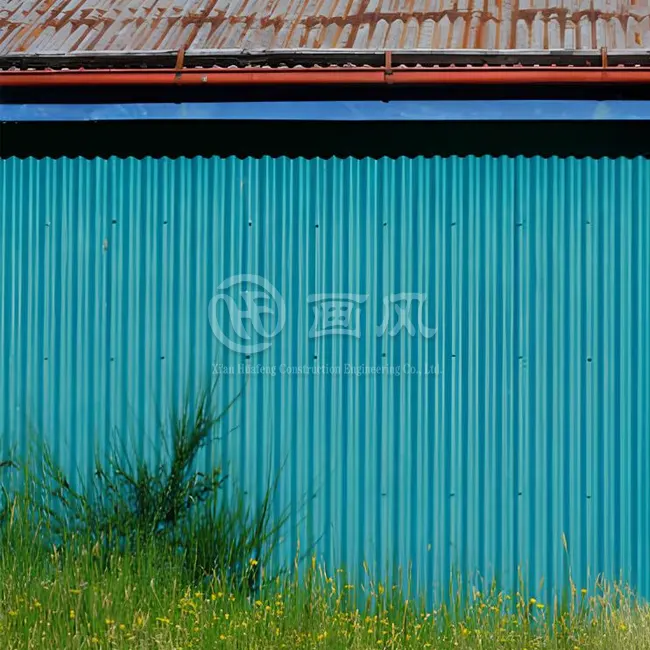
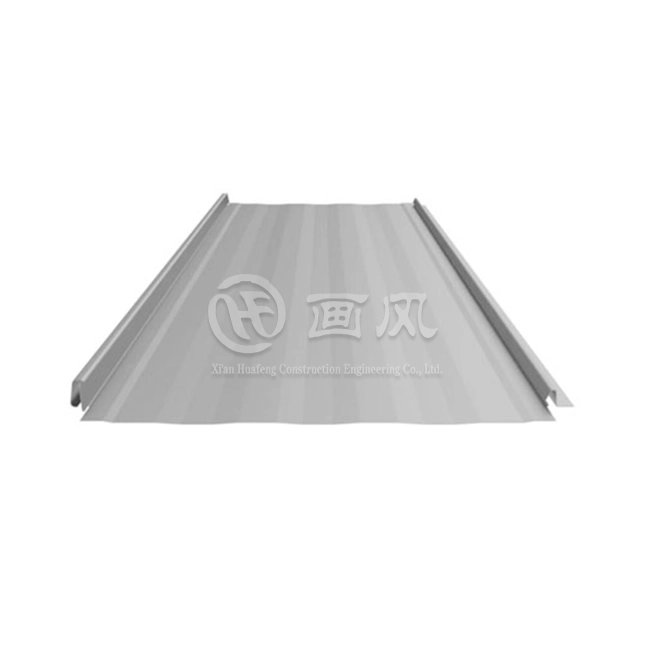
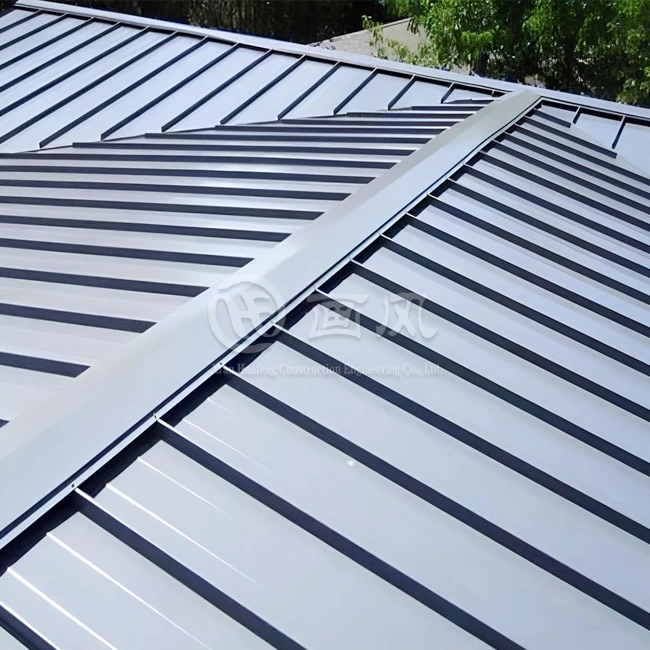
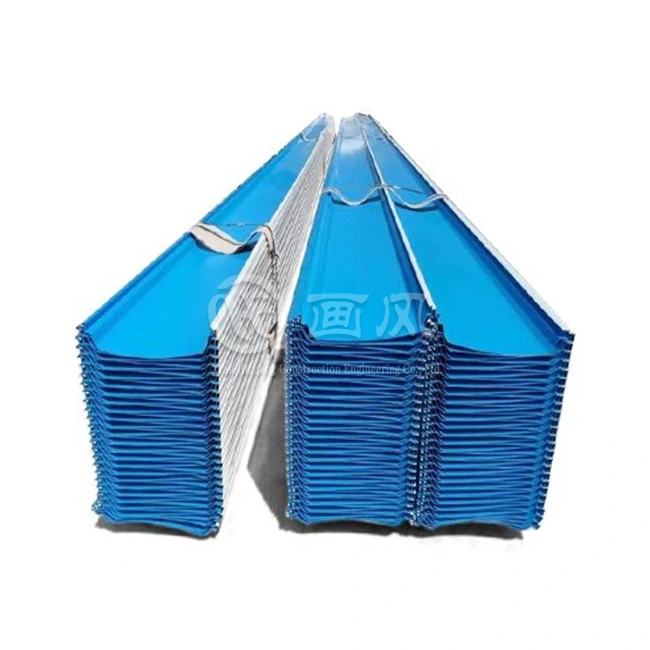
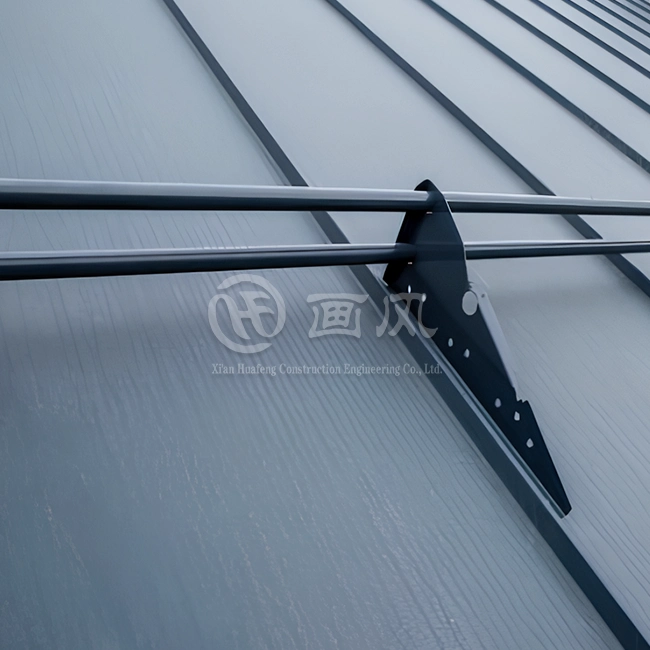
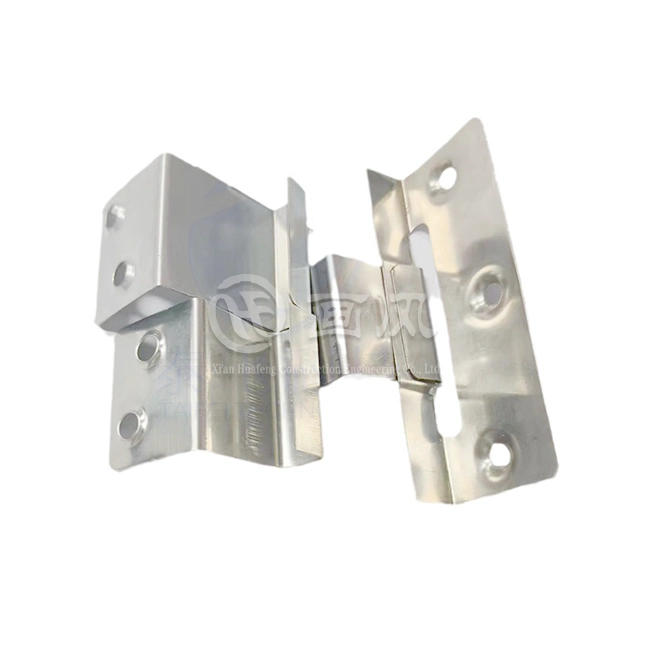
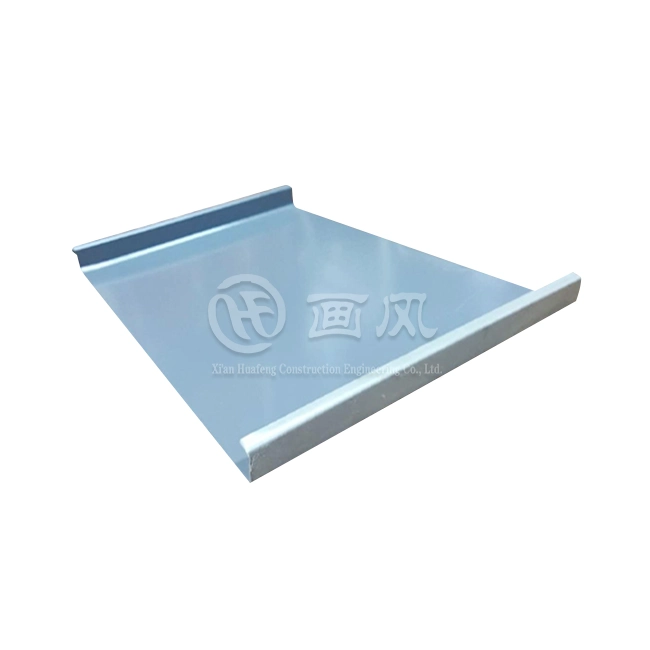
The way we do commercial and residential roofing projects has changed because of standing seam metal roofing. Instead of using exposed fasteners that can rust, like corrugated panels do, this system uses hidden clips that let the panels expand with temperature changes while still keeping their waterproof integrity. The panels usually have Galvalume or galvanized steel bases with polyester or PVDF coats that protect them and make them last a lot longer.
Why Contractors Choose Metal Seam Roofing Systems
Builders like these tools because they help them solve real problems on the job. With hidden fastening, there aren't any of the thousands of possible leak places that come with screw-down roofs, where neoprene washers wear out in seven to ten years. Offering a roofing solution with documented wind uplift protection above and beyond ASTM E1592 standards gives you an edge when bidding on warehouse or business building projects. The structural diaphragm effect that mechanically seamed panels create is especially helpful for projects in hurricane-prone coastal areas.
Applications Across Commercial and Residential Sectors
Low-slope installation makes it possible to use standing seam on roofs with little pitch, which is useful for warehouses and logistics centers. Manufacturers like that it has a Class A fire rating and can hold heavy HVAC equipment without having to drill holes in the roof. Aluminum-zinc coated walls with PVDF finishes are being used more and more in coastal home makeovers because they don't rust like traditional materials do when exposed to salt spray. Clean vertical lines look nice and also increase the worth of architecture in business buildings where tenants and customers care about how the building looks.
Comparing Metal Roofing Options for Project Needs
When looking at your choices, knowing the differences between types of roofs can help you choose the right materials for your job. Corrugated panels are cheaper to buy at first, but they need more upkeep because the screws are visible. Traditional color-coated steel panels don't allow for thermal movement, which makes holes get longer and leaks happen. Standing seam systems cost more up front—usually two to three times as much as asphalt roofing—but they last fifty to seventy years with little upkeep. When you add up the costs of replacement and repairs over many years, metal seam solutions come out on top in terms of total ownership cost.
Criteria for Selecting a Reliable Steel Seam Roofing Supplier
Comparison shopping isn't enough to find the right manufacturer; you need to do more than that. The supplier you choose has a direct effect on how long a project takes, how well it is installed, and your reputation with clients.
Assessing Product Quality and Certifications
Quality starts with the base and coating techniques that are used. Look for companies that sell Galvalume with an AZ50 or AZ150 aluminum-zinc alloy coating. This coating is more resistant to corrosion than regular galvanizing. For most business uses, panels with a thickness of 0.5mm to 1.0mm are fine. However, bigger gages are needed in places with a lot of snow. PVDF finishing methods are the best at protecting against UV rays and keeping colors for more than twenty years. Make sure that sellers follow ASTM A792 for coated steel and give you mill papers that show what the materials are made of. ISO9001 certification shows that the quality management system is strong, and following regional standards like DIN, JIS, or GB/T shows that the manufacturing is flexible.
Evaluating Pricing Transparency and Delivery Capabilities
Clear price systems help you stick to your budget and avoid costs that you didn't expect. Ask for thorough prices that break down the costs of the materials, any fees for unique lengths or profiles, and the cost of shipping. Manufacturers who can make more than 1,000 tons of goods every month can handle large sales without having to wait longer for supplies. Most project plans can work with standard delivery windows of fifteen to twenty days, but make sure the seller can speed up urgent orders. Knowing the shipping terms, like FOB, CIF, or DDP, makes it clear who is in charge of customs and local delivery, which keeps the port from being delayed.
Balancing Cost Efficiency with Technical Support
When bidding against local providers, price competitiveness is important, but the lowest quote isn't always the best deal. When manufacturers offer technical documentation in more than one language, installation mistakes are less likely to happen on a wide range of steel seam roofing job sites. Having assembly guides, node detail drawings, and seaming specs on hand helps your crew avoid making mistakes that cost a lot of money. When standard installation methods don't work because of a complicated roof geometry, suppliers who keep good relationships with trained workers can help with training or fixing problems. A thirty-year warranty shows that the company that made the product is confident in its durability and gives building owners peace of mind about its long-term performance.
How to Verify Supplier Credibility and Product Quality
Doing your research ahead of time keeps your projects safe from bad materials and partners you can't trust. By taking the time to check the seller ahead of time, problems that hurt client relationships can be avoided.
Researching Manufacturer Reputation and Industry Standing
Manufacturers that have been around for a while and have more than one production facility show that they are stable and can handle growing partnerships. Some of the biggest Chinese producers have seven production lines spread out over three factories. These companies have scale benefits that smaller businesses can't match. Look for signs of intellectual property growth. For example, filed patents for roofing systems show that the company is still coming up with new ideas instead of just making things. Getting a high-tech enterprise designation or a building qualification credential shows that the government recognizes your technical skills and quality standards.
Reviewing Certifications and Customer Feedback
In addition to ISO certifications, you should also check to see if the maker has any product certifications that are important to your markets. UL 2218 Class 4 Impact Resistance is important in places where hail is common because better materials can lead to lower insurance rates. FM Global certification looks at how well wind and hail work, which is very important for business property insurance. Customer reviews from professionals in similar markets can help you understand how well a seller really does their job and how quickly they respond to your needs. Ask for references from projects that are similar to the ones you do. For example, residential renovations need different help than building an industrial warehouse.
Requesting and Evaluating Physical Samples
Specifications alone can't show fine details that can be seen in physical models. A T-bend test is used to check the quality and stickiness of the coating. The sample is bent back on itself to see if it cracks or comes off. Instead of trusting the given gages, measure the width with micrometers to make sure it meets the standard requirements. Check the female leg of panels for butyl sealant that was applied by the factory. This is necessary for low-slope applications that need complete air and water tightness. Look at color samples in natural light to judge the quality of the finish and make sure that the RAL color matching meets your needs.
Navigating Pricing, Ordering, and Delivery Options
Knowing the business rules for buying roofing materials from other countries can help you deal better and keep project costs in check.
Understanding Pricing Structures and Customization Costs
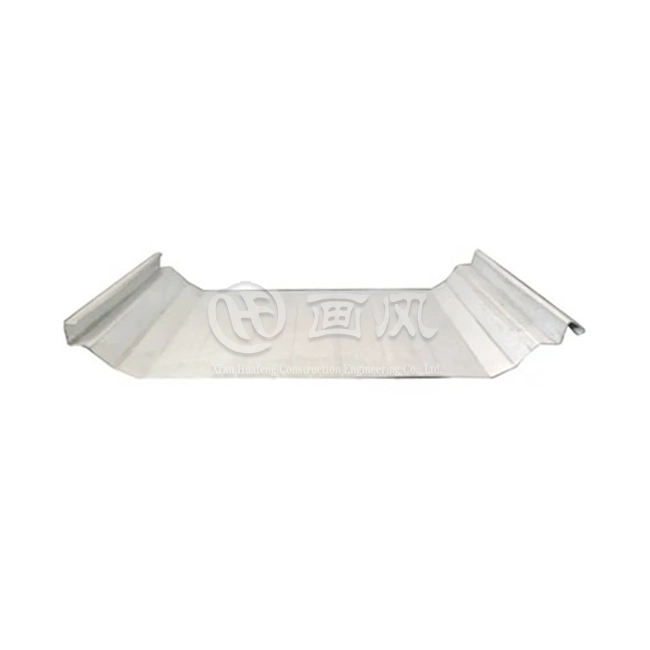
Metal roofing prices are usually based on rates per square meter that are affected by the type of material, the coating chosen, and the complexity of the panel shape. Custom shapes that need special roll-forming dies are more expensive than standard shapes like 25-330 or 45-400. PVDF coatings are more expensive than polyester finishes, but they are worth the extra money because they last longer in harsh weather. To make sure production runs smoothly, manufacturers often set minimum order quantities, which are usually 500 square meters or one ton. Instead of treating each job as a separate purchase, talk about different price levels for large commitments across multiple projects.
Managing Lead Times and Ordering Logistics
Standard wait times of fifteen to twenty days work when you plan your purchases around the schedule of your project, but you need to be able to adapt to new possibilities that come up. Set up ways to talk through WhatsApp or direct email to get quotes and confirmations of orders quickly. Find out if the manufacturer keeps popular profiles and colors in stock or if they make everything to order. When shipping internationally, you should allow four to eight weeks for the whole process, which includes production, ocean freight, and customs clearance. When project deadlines get tight, building ties with providers who treat repeat customers better can help you get faster production slots.
Addressing Payment Terms and Shipping Considerations
Payment terms have a big effect on project cash flow, especially for smaller contracting firms that are working on several jobs at once. Standard telegraphic transfer agreements that need large deposits protect manufacturers but put a strain on contractors' cash flow. Ask for payment plans that are in sync with the project's milestones, like a deposit when the order is confirmed and the balance before the shipment, or even payment terms that last until the materials are delivered. Learn about the rules for packing to make sure that the steel seam roofing panels don't get damaged during transport, which is a common problem that happens when crating or moving containers isn't done right. Check to see if your insurance covers damage during transit, and make sure you have a clear plan for how to record and handle any damage claims.
Best Practices and Tips for Long-Term Procurement Success
Building long-term ties with suppliers gives you competitive benefits that go beyond saving money on individual projects.
Developing Strategic Supplier Partnerships
Buying things in a relationship instead of a transactional way is better for everyone. Promise to produce a certain amount each year in exchange for getting first-choice schedules and better prices. Share project forecasts so that suppliers can plan their production capacity and buy raw materials. Set up joint problem-solving protocols so that installation problems or performance issues can be dealt with together, instead of against each other. Manufacturers who know how your business works and what projects usually need can offer solutions like keeping commonly used profiles in stock or giving you consignment goods that can be used right away.
Staying Current with Industry Standards and Innovations
Roofing technology keeps getting better with new covering chemistries, solar integration options, and energy-saving features. The use of cool roof pigments that meet LEED guidelines for reflectivity above 0.65 helps business projects get green building approval. As more building owners put solar panels on their roofs, compatibility with photovoltaic mounting systems opens up new ways to make money. Making sure your specifications are up to date with insurance and building code requirements means keeping an eye on changes to testing standards like ASTM E1680 for air entry or UL 580 for uplift protection.
Implementing Risk Management and Contingency Planning
Problems in the supply chain, like shipping delays or not having enough raw materials, can throw off project schedules. To avoid being dependent on just one source, keep working with a number of skilled sources in different parts of the world. When the warehouse space allows, make a buffer stock of widely used shapes and colors. This will protect you in case demand spikes or production delays happen out of the blue. Create standard specifications that will let different suppliers replace each other without having to redesign the roof assemblies. Make sure that quality standards and performance requirements are written down clearly so that other suppliers can be quickly qualified when primary sources are full.
Conclusion
To buy steel seam roofing standing seam metal roofing systems successfully, you need to find a balance between technical requirements, cost, and source dependability. If you know about the qualities of a material, like the structure of the substrate and the technology used for coating, you can choose the right options for different climates and project needs. International sourcing is less risky when you evaluate suppliers systematically based on their certifications, output ability, and expert support skills. Creating strategic partnerships with manufacturers who consistently provide high quality products, communicate effectively, and offer fair business terms gives you an edge in bidding and completing projects.
FAQ
1.What factors most significantly influence metal roofing material pricing?
Most of the cost differences in standing seam systems are caused by the type of substrate and finish chosen. Higher aluminum-zinc content galvalume surfaces, such as AZ150, cost more than regular galvanized steel but are better at resisting rust. PVDF finishes are more expensive than polyester coats, but they protect colors much better from UV light and keep their color longer. Prices are also affected by the thickness of the panel, the complexity of the profile, and the need for customization for non-standard lengths or colors. Tiered pricing is usually unlocked by making a volume commitment. As order quantities go above minimum levels, per-unit costs go down.
2.How can I verify compliance with international quality standards?
Ask for mill certificates that list the substrate's make-up and the coating's weight, and that show they meet standards like ASTM A792. Ask for copies of the ISO9001 quality management certificate and any testing records that talk about the product's ability to withstand wind lifting, impact, or fire. When buying large amounts, get samples tested by independent labs to make sure that the supplier's claims about thickness, coating adhesion, and material qualities are correct. When a manufacturer is willing to let others inspect their factory, it shows that they have faith in their quality systems and production methods.
Partner with HF for Reliable Steel Seam Roofing Solutions
HF offers complete solutions for standing seam metal roofing. They have three production facilities, seven coating lines, and more than forty specialized machines that make sure quality and capacity are always the same. Our panel specs, which include profiles from 25 to 330 to 65 to 500 and thicknesses from 0.5 to 1 mm, can be used in a wide range of business and domestic settings. PVDF and PE coating methods in custom colors that match RAL give you a lot of options for how the product looks and meet foreign standards like ASTM, DIN, JIS, and GB/T. With a monthly production capacity of 1,000 tons, delivery windows of 15 to 20 days, and full 30-year warranties, we help metal roofing companies around the world meet project deadlines and stay within budget. Email our team at huafeng@hfmetalroof.com to talk about the details of your project and get quotes from a reputable steel seam roofing manufacturer.
References
1. Chen, W., & Liu, H. (2021). Performance Evaluation of Standing Seam Metal Roofing Systems in Tropical Climates. Journal of Building Materials Science, 15(3), 201-218.
2. International Building Standards Association. (2022). Metal Roofing Procurement Guidelines for Commercial Contractors. Boston: IBSA Publications.
3. Rodriguez, M. (2020). Corrosion Resistance Comparison of Metallic Coatings for Architectural Applications. Materials Protection Quarterly, 42(2), 87-104.
4. Thompson, J., & Williams, K. (2023). Supply Chain Management Best Practices for Construction Materials Procurement. New York: Construction Industry Press.
5. Wang, Y., Zhang, L., & Kumar, S. (2022). Economic Analysis of Metal Roofing Systems Lifecycle Costs. Building Economics Review, 28(4), 312-329.
6. Zimmerman, R. (2021). Technical Guide to Standing Seam Metal Roof Installation and Quality Control. Chicago: Roofing Contractors Association of America.





YOU MAY LIKE