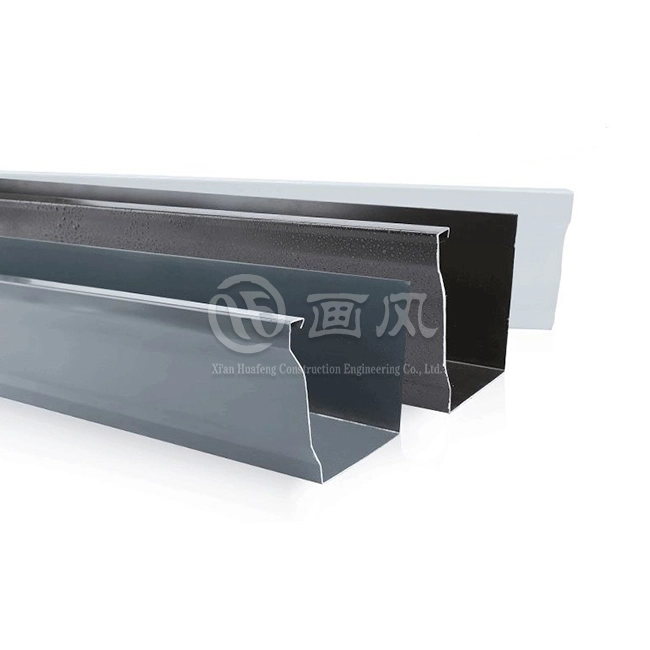
Top Benefits and Uses of Steel Seam Roofing Systems
2026-08-28 17:30:57
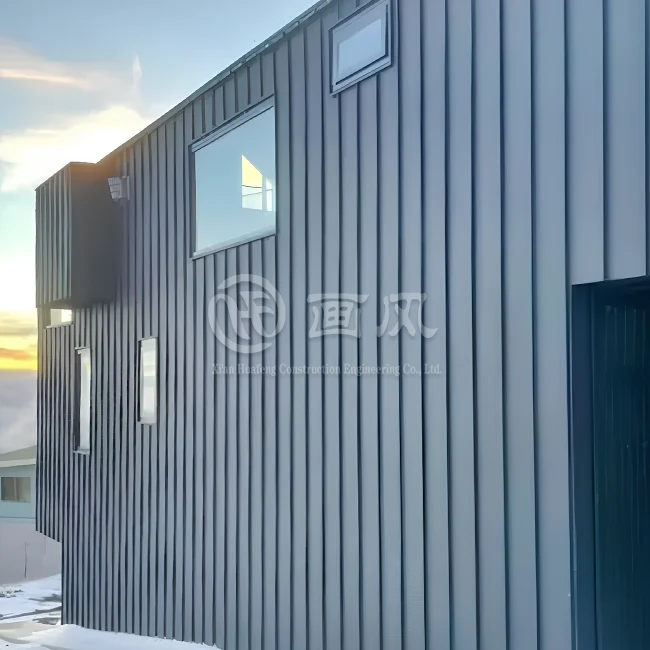
Steel seam roofing is one of the best and most durable options for commercial, industrial and residential building projects. High-tech roofing system, or standing seam metal roofing, is a roofing system that uses interlocking metal panels with vertical elevated seams to provide a solid, strong barrier against the elements. Contractors, project managers, and building owners who are looking for trustworthy, durable roofing solutions must know the benefits and practical uses of these systems to maximise project results and investment returns. The hidden fastening system reduces thousands of possible leak spots and allows for thermal movement making steel seam roofing especially useful for projects where there is need for improved durability and minimum lifespan costs throughout a variety of climates.

What Is Steel Seam Roofing and How Does It Work?
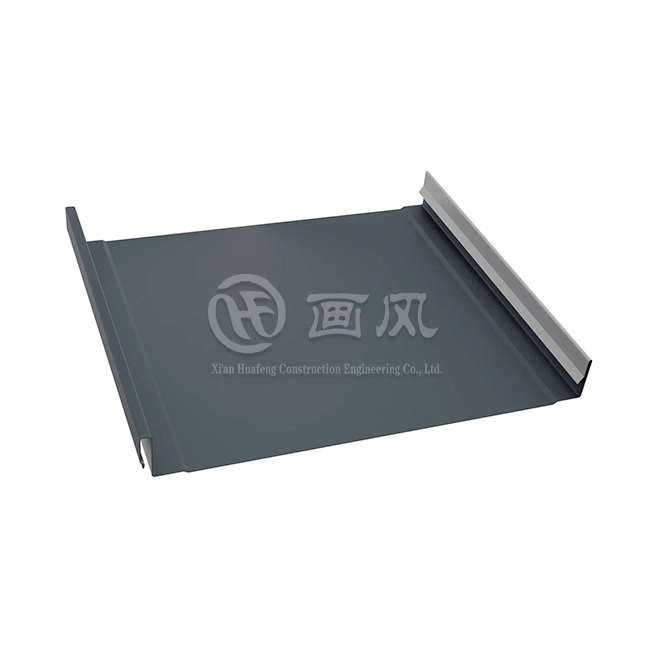
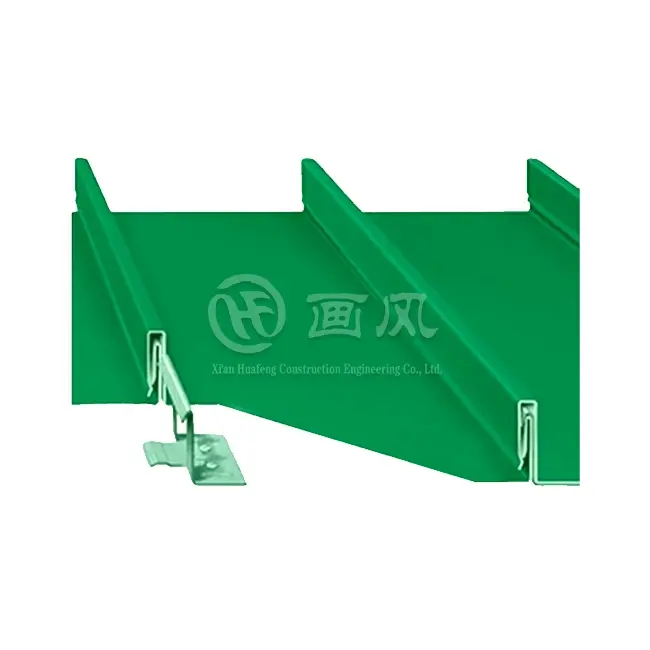
Steel seam roofing is made up of continuous metal plates made from galvanized or Galvalume-coated steel frames. They are designed to give better structural performance and weather protection. The system is unique because it has vertical seams, which are made up of panels that fit together through raised ribs that are 25mm to 75mm high.
Panel Structure and Components
The thickness of the plates is usually between 0.5 mm and 1 mm, and they come in shapes like 25-330/400/430, 32-410, 45-400, and 65-400/430/500. There is a flat area in the middle of each panel, and two vertical legs on either side make up the standing seam. These legs can be locked together mechanically in two ways: with a snap-lock or by using special tools to do double-fold mechanical seaming. The substrate gets protective coatings like polyester (PE) or polyvinylidene fluoride (PVDF) finishes. PVDF has better protection to UV light and color retention for more than 20 years in harsh settings.
Installation Process and Fastening System
Unlike other roofing methods that go through the panel surface, standing seam systems use clips that are hidden and connected to the roof deck below the panels. These clips hold the panel seam in place while allowing the panel to expand and contract longitudinally. This keeps the substrate from getting damaged when the temperature changes. Because steel usually expands by 12×10°C/°C when it gets hot, this floating clip design is needed for panels that are longer than 6 meters. To install it, you need to put synthetic flooring on top of the structure decking and then place clips every 600 mm or so along anti-corrosion purlins or steel supports. The standing seam is then folded by mechanical seamers to make sealed joints that meet ASTM E1680 standards for air leakage resistance. Following this exact process of assembly makes sure that the roof works as a single membrane, keeping water out even on slopes as low as 1:12.
Functional Advantages in Weatherproofing
The raised seam design raises the panel joints above the roof line. This keeps water from getting through the connections, even when there is standing water or rain that comes from the wind. A second barrier against moisture is made by butyl glue that is sprayed at the factory to the female leg of each panel. This double layer of protection, along with the fact that there are no visible screws, makes the insulation stronger than with regular screw-down metal panels, where the neoprene washers break down after 7 to 10 years. The continuous panel lengths, which can be changed up to 12 meters, reduce the number of horizontal joints that other roofing systems might have, which can be weak spots.
Top Benefits of Steel Seam Roofing Systems
When choosing roofing materials, you have to look at a lot of different performance factors that affect both the cost of building and the cost of running the roof in the long term. Metal roofing systems with hidden fasteners have clear benefits when it comes to sturdiness, efficiency, upkeep, and esthetic freedom, which is why they are the best choice for difficult jobs.
Exceptional Durability and Extended Lifespan
When maintained properly, standing seam roofs often last more than 50 to 70 years. This is compared to asphalt shingles, which only last 15 to 25 years, and traditional corrugated metal panels, which last 20 to 30 years. This long life is due to a number of protective factors. Galvalume coatings (55% aluminum, 45% zinc alloy) are much more resistant to rust than normal galvanized coats, especially in acidic environments. The AZ50 or AZ150 coating weights (in grams per square meter) make protective barriers that keep the steel substrate safe even if it gets scratched or cut. PVDF topcoats don't chalk, fade, or break down chemically, and they keep their look and protective qualities even after decades of UV exposure. The hidden fastening system stops water from getting in through penetration spots. This gets rid of the main way that open fastener roofs fail. The roof's structural capacity stays the same over time because the panels keep their original strength and the wind uplift resistance ratings go above and beyond the ASTM E1592 Class 4 requirements (144mph wind resistance).
Energy Efficiency and Environmental Performance
Metal steel seam roofing naturally reflects solar radiation, which means it doesn't soak up as much heat as asphalt or tile. If you choose cool roof pigments that meet standards for reflectivity of 0.65 or more, these systems can earn you LEED credits and cut your cooling costs by 10 to 25 percent in warm places. The raised seam shape creates an air gap that improves airflow under the panels. This further gets rid of heat and stops it from moving into the room. When offset clips are used, these roofs can hold insulation layers without making thermal bridges. This keeps the insulation's R-value efficiency. 30–60% recycled steel, based on where the panels were made, helps meet green goals, and the panels can be returned in their entirety at the end of their useful life without losing any quality. Compatible with photovoltaic installations on roofs, clamp-mounting solar panels directly to the seams avoids roof penetrations, making it easier to use green energy for net-zero building plans.
Low Maintenance Requirements and Cost Efficiency
Standing seam systems cost more initially but provide long-term savings through durability and low maintenance. Inspections every 12–24 months and simple water washing are usually sufficient. Smooth surfaces resist moss and algae, while hidden clips eliminate frequent exposed-fastener maintenance. Durable coatings also reduce repainting costs, making the system more cost-efficient over its lifespan.
Customization and Aesthetic Versatility
Standing seam systems offer extensive customization through RAL or Pantone colors, varied panel widths, rib heights, and finishes. Custom components accommodate complex roof designs while maintaining system integrity. These options support diverse architectural styles, branding needs, and building types, from coastal neighborhoods and industrial warehouses to institutional and commercial projects across different climates.
Steel Seam Roofing vs. Other Roofing Types – A B2B Comparison
Comparing different roofing systems objectively across a range of performance and cost factors can help with purchasing choices. Figuring out how standing seam systems compare to other options makes it easier to see how useful they are for certain projects.
Performance and Durability Metrics
Standing seam roofs offer superior durability, lasting three to four times longer than asphalt and resisting winds up to 144 mph with Class A fire protection. Steel provides strong rigidity, while aluminum offers better coastal corrosion resistance. Copper lasts 100+ years but costs more. Compared with corrugated panels, tiles, and concrete, standing seam systems provide better lifecycle value and lower structural demands.
Total Cost of Ownership Analysis
Over 50 years, standing seam roofing offers better total cost efficiency despite higher installation costs. Lower maintenance, fewer replacements, energy savings, and potential 15–25% insurance reductions improve value. Its lightweight design can also avoid structural upgrades, while discounted analysis shows an 18–22% higher ROI than asphalt for long-term commercial buildings.
Application-Specific Suitability
Each type of roofing works best in certain situations. Standing seam systems work great for low-slope situations (down to 1:12 pitch), big roof areas that don't have any breaks, and situations that need better protection and less upkeep. Areas with a lot of snow benefit from smooth surfaces because they help the snow melt, while granular surfaces keep the snowpack in place. Galvalume surfaces with PVDF coats work well in coastal areas that are less than 1,500 meters from saltwater because they are more resistant to corrosion than marine-grade aluminum at a 40% lower cost. Hurricane areas with a lot of wind need the structure diaphragm effect that manually seamed walls offer. On the other hand, roofs with a lot of holes, skylights, and architectural details may be better off with tile or shingle systems because they make it easier to add accessories. Due to good weight ratios, renovation projects that use current shingles can put standing seam roofs with little structural change.
Procurement Insights: Where and How to Buy Steel Seam Roofing Systems
To make sure the project stays on schedule and meets quality standards, good procurement combines material requirements, source dependability, logistics efficiency, and support services. Finding these specialized roofing systems means paying close attention to what the maker can do and making the buying process as efficient as possible.
Evaluating Manufacturer Credentials
Reliable manufacturers demonstrate compliance with ASTM, EN, GB/T, DIN, JIS, BS, ISO 9001, and ISO 14001 standards. Multiple plants, production lines, and over 1,000 tons monthly capacity support reliable supply. Patents show innovation, while mill certificates verifying coating weight, tensile strength, adhesion, and ASTM D4145 T-bend results confirm quality.
Understanding Pricing Structures and Minimum Orders
Pricing for steel seam roofing depends on material, coating, thickness, and color customization. Galvalume costs 8–12% more than galvanized steel, while PVDF adds 15–20% over PE but offers better durability and color retention. A 0.7mm thickness suits most commercial uses. HF’s 500 m² or 1-ton MOQ supports mid-sized projects, with discounts from 2,000 m².
Logistics and Lead Time Management
Coordinating production, shipping, and project schedules is essential for international procurement. Standard 15–20-day production and shipping supports 4–8-week projects, including 2–3 weeks for sample approval. Proper export packaging protects long panels during transit. Customs planning, local logistics, and technical documentation help prevent installation delays and support contractors.
Best Practices for Steel Seam Roofing Maintenance and Longevity
To get the most out of your roofing investment, you need to set up organized care plans that find small problems before they get worse and need expensive repairs or replacement before they're time. Knowing what maintenance needs to be done lets contractors offer complete service packages and teach building owners how to keep their buildings in good shape.
Routine Inspection Protocols
Semiannual inspections in spring and fall help identify problems early. Check seams, coatings, fasteners, flashings, valleys, penetrations, and drainage for damage, movement, rust, or debris buildup. Remove standing-water risks and clear gutters. Keep inspection records with photos and notes to support warranty claims and guide future maintenance.
Cleaning and Preventive Measures
Standing seam roofs need minimal maintenance. Low-pressure washing and mild detergents remove dirt without damaging coatings, while harsh chemicals, brushes, and high pressure should be avoided. Coastal roofs should be rinsed annually. Trim overhanging trees, inspect snow retention after heavy snowfall, and protect cut edges with coatings or sealants.
Repair Versus Replacement Decision Criteria
Minor coating damage can be repaired with matched touch-up coatings, while small holes or seams may be repaired if waterproofing remains intact. Replacement is needed for widespread coating failure or advanced corrosion. Matching panel specifications ensures proper fit. Roof coating restoration can extend service life 10–15 years at 20–30% of replacement cost.
Conclusion
Standing seam metal roofing systems have a lot of benefits for building owners and builders who care about longevity, performance, and long-term value. Steel seam roofing offers a durable option for projects where strength and service life are priorities. The total cost of ownership is lower than with standard options because it lasts longer (50+ years), needs less upkeep, is more resistant to weather, and uses less energy. When procurement professionals know about material specifications, how to choose a supplier, and maintenance procedures, they can make decisions that are in line with project needs. The initial investment premium earns a lot of money back through fewer replacement rounds, lower upkeep costs, and cost saves in operations. As sustainability and long-term asset performance become more important in the construction market, these engineered roofing solutions offer tried-and-true technology that meets high standards in residential, commercial, and industrial settings.
FAQ
1.How effective is standing seam metal roofing against severe weather and water ingress?
Mechanically seamed systems are hydrostatically waterproof, which means that water can't get through even when the system is fully underwater. This is different from hydrokinetic systems, which depend on slope and drainage. The raised seam design raises the joints above the roof plane, and the hidden screws get rid of thousands of possible leaky spots. With ratings of 144mph or higher, the wind uplift resistance is higher than what is required by ASTM E1592 rules. UL 2218 Class 4 impact ratings are reached for hail protection, which is the best level possible. Because of these performance traits, the systems work very well in places that are prone to hurricanes, heavy rain, and hail.
2.Do metal roofs create excessive noise compared to other roofing types?
When systems are put correctly and have enough insulation and a good roof deck, they make as little noise as or less noise than other materials. The solid base and padding make it harder for sound to travel. When noise levels inside are recorded during rainstorms, the differences between metal and asphalt roofs are less than 5 decibels when measured in well-ventilated rooms. This is a normal range for talk volume changes. Open-structure setups without concrete decking may let in more noise, but insulation and ceiling assemblies in business and household settings usually block out noise from the outside.
3.What color choices optimize energy efficiency while meeting aesthetic requirements?
Light colors, like brown, light gray, and white, reflect 60 to 70% of the sun's rays, which lowers the cooling load the most in warm countries. You can get LEED certification and energy rebates for these cool roof choices. Medium tones, like bronze, slate blue, and sage green, look good and reflect 40 to 50 percent of light. Dark colors like charcoal, forest green, and burgundy absorb more heat, but they can still be used in cold places where buildings benefit from heat gain or where the look is important to the architect. No matter what color was chosen at the start, PVDF coats keep their color and reflective qualities throughout their service life.
Partner with HF for Your Standing Seam Metal Roofing Projects
HF (Xi'an Huafeng Construction Engineering Co., Ltd.) makes high-performance standing seam metal roofing systems that are customized to meet the needs of each builder and job. Over 40 precision forming machines and 7 dedicated color coating lines are run by our 3 manufacturing locations, which can produce more than 1,000 tons of quality goods every month. We provide a wide range of specs, such as 25-330/400/430, 32-410, 45-400, and 65-400/430/500 profiles in thicknesses between 0.5 and 1 mm. The surfaces are treated with PE and PVDF to meet worldwide standards from ASTM, DIN, JIS, BS, and GB/T. With delivery times of 15 to 20 days and minimum order sizes as low as 500 square meters, we help builders manage their many jobs well. We offer a 30-year warranty, full technical support (including installation instructions and nodal drawings), and RAL custom color matching to help you make your bids stand out and get more jobs. You can email our steel seam roofing supplier team at huafeng@hfmetalroof.com or visit hfmetalroof.com to talk about the needs of your project and get samples to look over.
References
1. American Society for Testing and Materials. "Standard Specification for Steel Sheet, 55% Aluminum-Zinc Alloy-Coated by the Hot-Dip Process." ASTM International, 2023.
2. Metal Construction Association. "Technical Bulletin: Standing Seam Roof System Design and Installation Guidelines." Metal Construction Association Technical Services, 2022.
3. National Roofing Contractors Association. "The NRCA Roofing Manual: Metal Panel and SPF Roof Systems." National Roofing Contractors Association Publications, 2021.
4. Green Building Council. "LEED v4.1 Reference Guide for Building Design and Construction: Cool Roof Requirements and Energy Performance." U.S. Green Building Council, 2023.
5. International Code Council. "International Building Code Chapter 15: Roof Assemblies and Rooftop Structures." International Code Council Publications, 2021.
6. Steel Recycling Institute. "Sustainability of Steel in Building and Construction: Lifecycle Analysis and Environmental Performance." Steel Recycling Institute Research Division, 2022.





YOU MAY LIKE
(1)_1763110678300.webp "standing seam metal roof panels")