Why Choose OEM White Standing Seam Roof Panels?
2026-08-28 17:30:54
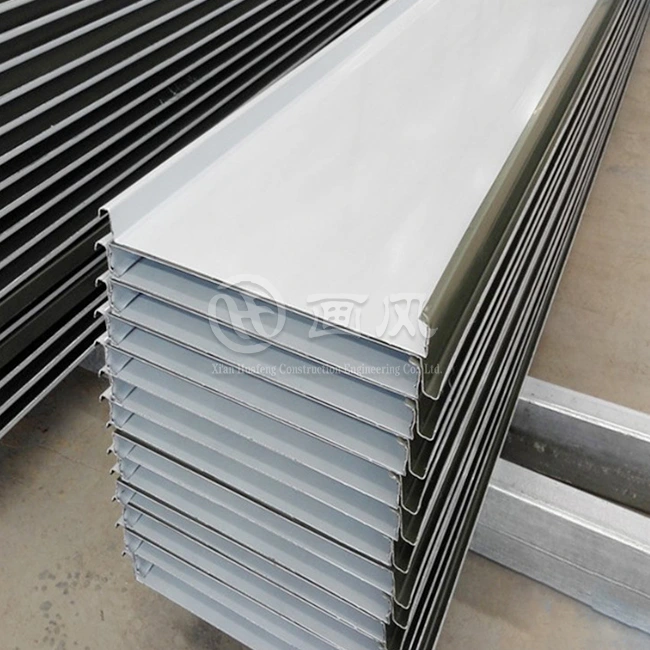
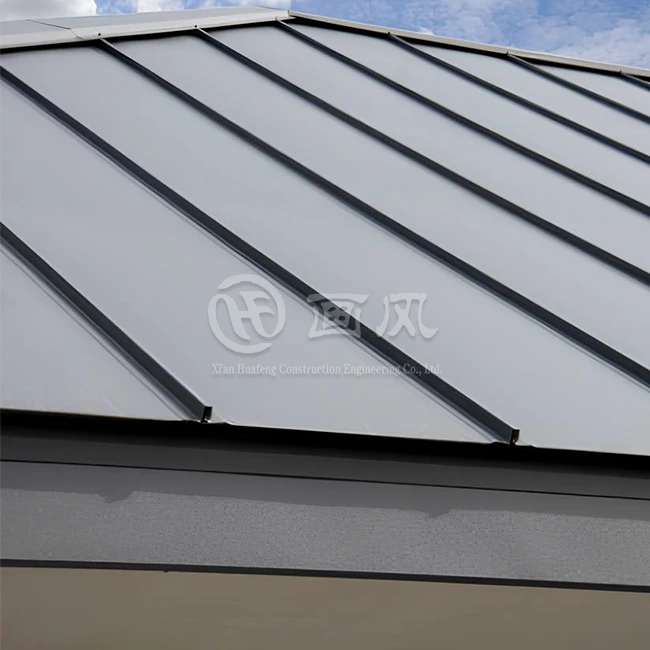
When considering roofing solutions for energy-efficient building projects, white standing seam roof panels deliver unmatched performance in thermal management and durability. These premium metal roofing systems feature concealed fasteners and vertically interlocking seams coated with high-reflectivity white finishes, achieving Solar Reflectance Index (SRI) values exceeding 70—meeting stringent LEED, Energy Star, and CRRC certification requirements. Unlike traditional roofing, the white coating actively reflects 70-80% of solar radiation, drastically reducing cooling loads in commercial buildings while the hidden fastener design eliminates leak points that plague screw-down systems. This combination addresses critical pain points in green building procurement: verifiable energy performance, long-term reliability, and compliance with regional energy codes across hot-climate markets.

Understanding White Standing Seam Roof Panels
What Makes These Panels Unique in Modern Construction
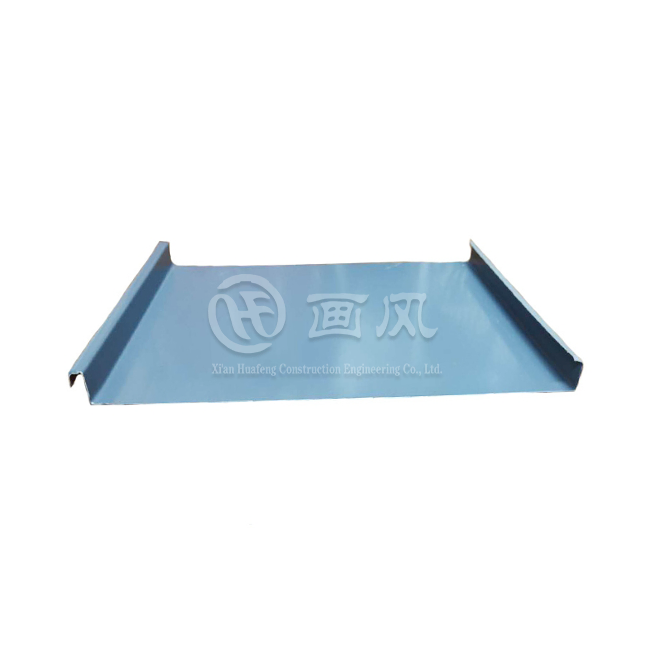
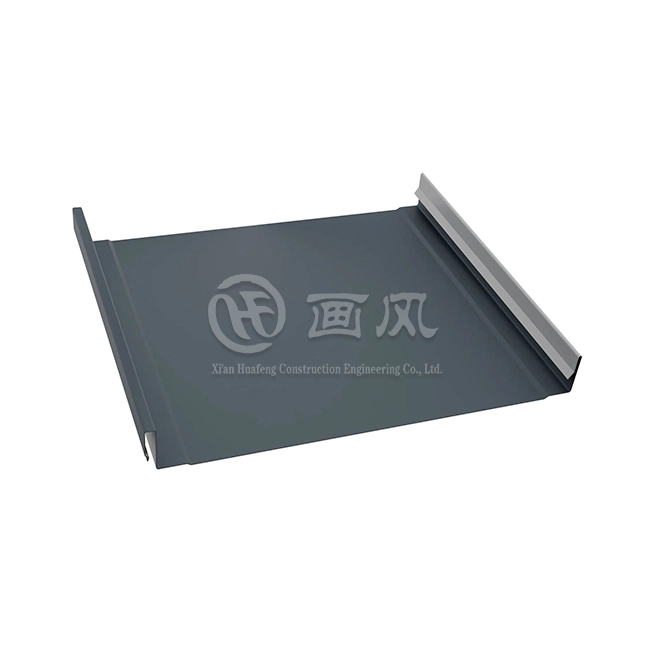
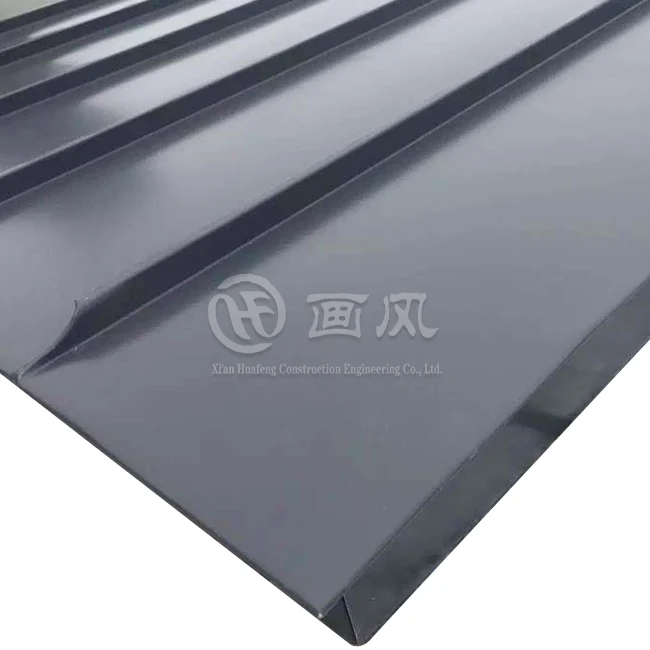
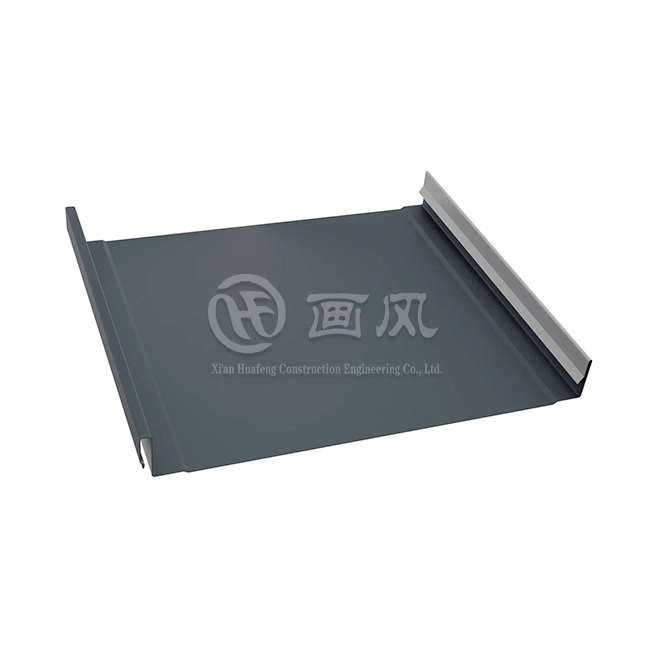
Standing seam metal roofing systems are designed solutions where panels next to each other join through raised vertical seams instead of overlapping horizontally. The concealed clip attachment method is what makes it unique—the fasteners never go through the panel surface, making a weather-tight envelope that water can't get through. This design allows for thermal expansion with floating clip systems, which stops the buckling and fastener fatigue that happen with exposed-fastener options.
The white coats on these panels are made with modern fluoropolymer chemistry, usually PVDF (polyvinylidene fluoride) mixtures that keep the color stable even when exposed to strong UV light. The pigments have a high Total Solar Reflectance (TSR) because they reflect back infrared wavelengths that would heat the building envelope otherwise. Panel specs run from 25 mm to 65 mm for seam height, and typical profiles are 25-330, 32-410, 45-400, and 65-430. The thickness of the material is usually between 0.6 and 0.8 mm in stainless steel or aluminum frames, which is a balance between weight and structural performance.
Primary Applications Across Building Types
Commercial buildings, where HVAC costs are a big part of operating budgets, need cool roof technology more than any other type. Less heat gain through roof assemblies is a big plus for distribution centers in the southern US, especially in Texas, Florida, and Arizona. These systems are used by industrial facilities that need to store things that need to be kept at a certain temperature to reduce the amount of refrigeration needed and get utility rebates tied to energy efficiency certifications.
Institutional buildings that want to get LEED certification need to show that they have documented SRI values in order to get points in the Sustainable Sites category. The 30–50 year service life of these panels makes them popular on college campuses and healthcare sites because it lowers the cost of repair over time. Modern architectural styles go well with the clean look of white metal roofs, especially in business projects that want all of their buildings to look the same. Solar-ready systems use the non-penetrative seam attachment for solar panels, which keeps roof guarantees in place while adding the ability to use green energy.
Advantages of Choosing OEM White Standing Seam Roof Panels
Energy Performance That Delivers Measurable Savings
Due to its ability to control heat, high-albedo roofs directly leads to lower peak demand charges. In hot areas, buildings with lighter roofs have 10–25% less cooling load than buildings with darker roofs. Case studies have shown that this alone can pay for the roofs in 3–7 years. The white finish keeps the surface cooler—often 30 to 50°F cooler than dark gray or black roofs in the same amount of sun—which lowers thermal stress on the insulation below and increases the lifespan of the membrane in hybrid assemblies.
CRRC-rated goods have reflectance values checked by a third party, so energy modeling doesn't have to be based on guessing. Panels that meet the requirements of the Energy Star program allow projects to get tax breaks and faster depreciation benefits under federal energy policy. The smaller urban heat island effect not only saves money on operations, but it also helps companies stick to their ESG (Environmental, Social, and Governance) commitments, which are being closely watched by stakeholders.
Structural Durability and Maintenance Advantages
PVDF coats are better at resisting chalking and keeping their good looks and shiny properties for decades. Accelerated weathering tests according to ASTM D4214 show that the material doesn't break down much. After 20 years of contact, the color change measures (Delta E) stay below 5 units. This makes the coating last longer, so it doesn't yellow or flake like cheaper polyester coats do, which is especially important near the coast, where salt spray speeds up rusting of white standing seam roof.
The hidden fastener design gets rid of the main way that metal roofs fail: fastener corrosion and gasket degradation at penetration points. The wind uplift protection meets UL 90 standards, making it good for seaside areas with a lot of wind. The panels allow for thermal movement without oil-canning or seam splitting, so they stay waterproof even when the temperature changes with the seasons. Maintenance needs are still very low: a soft wash once a year with mild detergents keeps the reflectivity up without the need for special tools or time-consuming methods.
Long-Term Cost Effectiveness for B2B Procurement
The initial cost of materials for white standing seam systems is 40–60% higher than those for asphalt shingles, but over a normal 30-year study period, metal roofing is cheaper overall. Less frequent re-roofing means less disruption costs. In industrial settings, work interruptions during the tear-off and installation phases often cost more than the cost of the materials. Insurance companies know that metal roofing is fire resistant (Class A grade per ASTM E108) and impact resistant, so they lower premiums, which saves you money every year.
We have three production buildings with seven dedicated coating lines where we make panels that meet ASTM, DIN, JIS, BS, and GB/T standards. This means that we can reliably serve projects that need anywhere from 500 square meters to several tons of panels. The fact that there is a 30-year warranty shows that the company making the product is confident in how long the material will last. This shifts the risk from procurement managers to suppliers. Delivery times of 15 to 20 days work with tight construction schedules and keep projects from being held up for too long, which can cost a lot of money.
Comparing OEM White Standing Seam Roofs to Other Roofing Options
Performance Contrasts with Traditional Materials
Even though asphalt shingles are cheap at first, they need to be replaced every 12 to 20 years and don't reflect much sunlight, even in "cool roof" versions. The granular surface keeps heat in and loses granules over time, which is a normal part of wearing out. While clay and concrete tiles add heat mass, they also add structural load that needs to be taken into account, which raises the overall cost of the project. Installing tiles requires skilled workers and breaks easily when hit by hail, which makes maintenance a problem in places with bad weather.
Single-ply membrane systems (TPO/PVC) have about the same reflection, but they are more likely to get punctured during upkeep. Quality of the heat-welding affects the integrity of the seam, which adds to the complexity of the work. With mechanical seaming equipment that makes joints that are consistent and can be tested, metal standing seam roofs get rid of this variation. Because metal panels are rigid, they don't let water pool like low-slope membranes do, so they keep draining properly for the whole life of the system.
White Versus Dark Metal Roof Performance
Dark metal roofing absorbs between 70 and 90% of the sun's rays, turning roofs into heat sinks that are too strong for insulation to handle. In the summer, the surface of dark roofs often gets hotter than 170°F, which speeds up the wear and tear on bolts and sealants caused by thermal cycles. Under the same conditions, white finishes keep surface temperatures 50–80°F cooler, which lowers thermal shock and makes parts last longer. The effects on energy use are big: studies of cooling degree days show that in Phoenix, white roofs cut yearly HVAC runs by about 15% compared to dark bronze or charcoal finishes.
The concern about how white roofs look when dirt builds up turns out to be less of a problem than expected. Modern PVDF coatings have hydrophobic additives that keep water and dirt out, so rain can be used to clean them. If you work in an area with a lot of particle fallout, you can restore the coating's appearance by pressure washing it every so often. This is different from painting, which breaks down when cleaned too hard.
The OEM Advantage in White Standing Seam Roof Panels
Customization Capabilities for Project-Specific Requirements
Original Equipment Manufacturer (OEM) relationships let you customize panels in ways that go beyond what's available in catalogs. Profile shape can be changed to fit design needs, and seam heights can be changed to emphasize looks or meet performance goals for the structure. Coating formulations are made to fit the environment. For example, marine-grade treatments are used for sites near the coast, and enhanced UV packages are used in regions near the equator. Modular building sizes can be accommodated by panel widths, which cuts down on waste from field cutting and installation.
Custom color matching makes sure that all phases of a construction project are the same, which avoids the problems that come with generic supply chains where batches vary. We keep colorimetric controls in place to make sure that the whiteness of all production runs is the same (within Delta E < 1.0). This is very important for large commercial developments where brand perception is based on how things look. There are matte and gloss finish options that address lighting issues in reflective settings while still meeting SRI standards.
Quality Assurance and Certification Compliance
OEM suppliers use ISO 9001 quality control systems that make it possible to track materials from coating the coil to making the panel. Dry Film Thickness (DFT) readings make sure that the coating treatment meets the minimum requirements, which keeps the coating from failing too soon. MEK rub tests according to ASTM D5402 proves the stability of the cure, which makes sure that the coating can withstand the stresses of roll-forming without coming apart. T-bend testing proves that the material is flexible, which is important for standing seam designs that need tight radius bends at the panel edges.
Our production sites keep their ISO 14001 environmental certifications up to date, which helps clients meet their sustainability paperwork needs. Accredited laboratories test products on behalf of CRRC and give CRRC certification data, including reflectance values for the first year and three years later that meet Energy Star and LEED requirements. This paperwork gets rid of the procurement risk that comes with performance claims that can't be verified. It also speeds up the approval process with architects and energy consultants who have a say in choosing a contractor.
Selecting Reliable OEM Partners for Supply Chain Success
By looking at a supplier's manufacturing capacity, you can see how well they can meet tight project deadlines. Our monthly production capacity of 1,000 tons across 40+ machines lets us accommodate multi-building projects without affecting supply times. Our facilities in Anhui, Hangzhou, and Xi'an are spread out geographically, which lowers logistics costs and transit times to major ports, which is good for international procurement.
Small to medium-sized projects can be accommodated by minimum order quantities of 500 square meters or one ton, and larger commitments are rewarded by pricing structures that depend on volume. Clear wait times of 15 to 20 days allow for accurate planning of building schedules, avoiding the long backlogs that often happen with small suppliers. Performance guaranties should be written into contracts. For example, our 30-year coverage covers the integrity of the coating, the performance of the structure, and the lack of water leakage. This gives you more options than just general maker disclaimers.
Procurement and Installation Insights for White Standing Seam Roof Panels
Strategic Bulk Purchasing Considerations
In coil coating and roll-forming processes, savings of scale are used to negotiate larger orders. When projects combine orders for multiple buildings or steps of construction, they can save 12 to 18% on costs compared to buying things separately. Payment terms based on delivery milestones protect cash flow and encourage suppliers to meet deadlines. Before materials are shipped, procurement managers should ask for test results and coating certifications to make sure they are in line for white standing seam roof. This should be done before the containers leave the port.
For just-in-time delivery to work on active construction sites, logistics must be coordinated well. When panels arrive early, they need to be stored in a way that keeps them safe from the weather. Also, white finishes show dirt and dust more easily than dark colors, so they need to be kept clean and dry. Sequenced delivery that matches the productivity of installation crews keeps the site from getting crowded and minimizes damage from handling. Experienced suppliers offer packaging that is optimized for containers. This lowers the cost of shipping goods internationally and protects panel surfaces while they're in transit.
Installation Best Practices for Performance Assurance
Professional installation crews that know how to use the standing seam method avoid making common mistakes that hurt the performance of the system. The distance between clips needs to match the calculations for thermal expansion. If the attachment density is too low, the panels can move, which can separate the seams, and if the clips are too far apart, they can't expand, which can cause oil-canning. Mechanical seaming equipment makes double-lock seams that are always the right depth, which is better than hand seaming tools that can vary depending on the user.
How condensation is controlled and additional protection are affected by the type of underlayment used. High-temperature synthetic underlayments can handle the high temperatures on the surface under white metal roofs on low-sloped buildings, keeping them from wearing out too quickly. When you use the right flashing details at penetrations and changes, you can keep the water-shedding integrity that makes standing seam worth the extra cost. We suggest hiring installers who have worked on cool roof projects before, since proving thermal performance might need blower door testing and infrared thermography, which aren't usually part of roofing jobs.
Maintenance Protocols for Sustained Performance
To keep the high reflectance, the surface needs to be cleaned on a regular basis to get rid of biological growth and atmospheric deposition. Trisodium phosphate (TSP) liquids at a strength of 0.5% can be used for soft washing to get rid of contaminants without hurting PVDF coatings. To keep coatings from getting damaged, pressure washing should stay below 1,500 PSI, and fan nozzles should be kept 12 inches away from each other. When maintenance is planned for cooler months, the risk of thermal shock from cold water touching hot metal surfaces is lower.
Every year, checks focus on how tight the fasteners are and how well the seams are sealed, especially after bad weather. The hidden fastener design requires less upkeep than systems with visible fasteners, but clip corrosion can happen in harsh coastal settings. In these cases, installing protective anode strips in weak spots makes the system last longer. Keeping records of maintenance tasks helps with warranty claims and gives operational data for lifecycle cost analyzes that help with future purchasing decisions.
Conclusion
When it comes to energy-efficient building projects, white standing seam roof panels are the best option. Performance verification, durability, and lifecycle value are the main factors that influence purchase choices. The mix of tried-and-true cool roof technology, structural strength from hidden fastener design, and OEM customization options meets the main needs of builders bidding on energy-efficient retrofit projects and new construction that wants to get green building approvals. When procurement managers buy from manufacturers that offer clear quality controls, thorough certifications, and reliable delivery schedules, they gain a competitive edge by lowering operational costs and improving the sustainability of projects.
FAQ
1.How long do white standing seam metal roofs typically last?
PVDF coatings on properly installed systems usually give 30 to 50 years of service, which is a lot longer than asphalt shingle alternatives. This durability is due in part to the coating's resistance to UV damage and the panel system's ability to handle heat movement without fastener stress. Our 30-year guarantee shows that we trust the material to last in a wide range of weather situations.
2.Can OEM panels be customized to meet specific building requirements?
Of course. Panel profiles, seam heights (from 25 mm to 65 mm), coating formulations, and finish choices (matte or gloss white) are all changed to fit the needs of the building and the environment. Custom color matching makes sure that the look is consistent across multiple phases of a project, and differences in thickness (0.6 to 0.8 mm) meet the needs of structural loads.
3.What energy efficiency advantages do white roofs provide compared to darker colors?
In hot areas, white finishes reflect 70–80% of solar energy, while dark surfaces only reflect 10–30%. This means that white finishes lower cooling loads by 10–25%. Surface temperatures stay 50–80°F lower, which lowers the stress on building parts caused by heat. This also makes projects eligible for Energy Star ratings and utility refunds based on SRI performance data that can be checked.
Partner with HF for Your Cool Roof Projects
HF offers certified white standing seam roof options that are designed to make buildings more energy efficient in harsh areas. Our three factories, each with seven finishing lines that make 1,000 tons of product a month, ensure a steady supply for projects ranging from 500 square meters to multi-building developments. We offer CRRC-certified panels that meet ASTM, DIN, JIS, and GB/T standards. Each shipment comes with a 30-year performance warranty and an SRI value of over 70. As a well-known white standing seam roof supplier that works with cool roof contractors all over the world, we know the certification requirements and delivery times that are important for the success of your project.
Get in touch with us at huafeng@hfmetalroof.com to talk about your needs, ask for third-party test reports, and get competitive quotes with delivery promises of 15 to 20 days. You can look at our technical resources and learn how our OEM services can help your energy retrofit and new construction bid strategies by going to hfmetalroof.com.
References
1. Cool Roof Rating Council. "Product Rating Program and Certification Standards for Reflective Roofing Materials." CRRC Technical Manual, 2023.
2. American Society for Testing and Materials. "ASTM E1980-11: Standard Practice for Calculating Solar Reflectance Index of Horizontal and Low-Sloped Opaque Surfaces." ASTM International, 2019.
3. U.S. Department of Energy. "Cool Roof Energy Savings and Lifecycle Cost Analysis for Commercial Buildings." Building Technologies Office Report, 2022.
4. Metal Construction Association. "Technical Guidelines for Standing Seam Metal Roof System Design and Installation." MCA Publication 101, 2021.
5. Leadership in Energy and Environmental Design. "LEED v4.1 Building Design and Construction: Sustainable Sites Credit Requirements." U.S. Green Building Council, 2023.
6. Levinson, R., Akbari, H., and Reilly, J. "Cooler Tile-Roofed Buildings with Near-Infrared-Reflective Non-White Coatings." Building and Environment Journal, Volume 42, 2007.





YOU MAY LIKE
_1768552571575.jpg "Aluminium Fascias")