Where to Buy Double Lok Standing Seam Roof Panels?
2026-08-27 17:46:50
When sourcing double lok standing seam roof panels for your roofing distribution or contracting business, partnering with a manufacturer that combines certification-ready products, tool compatibility, and flexible order terms is essential. Direct engagement with established manufacturers like HF ensures access to panels meeting North American building codes—including UL 580 and FM 4471 standards—while offering customization options that align with regional specifications. With production capacity exceeding 1,000 tons monthly and delivery timelines of 15-20 days, manufacturers equipped with multiple production lines can reliably support both trial orders and high-volume procurement for commercial and residential projects across hurricane-prone zones and beyond.

Understanding Double Lok Standing Seam Roof Panels
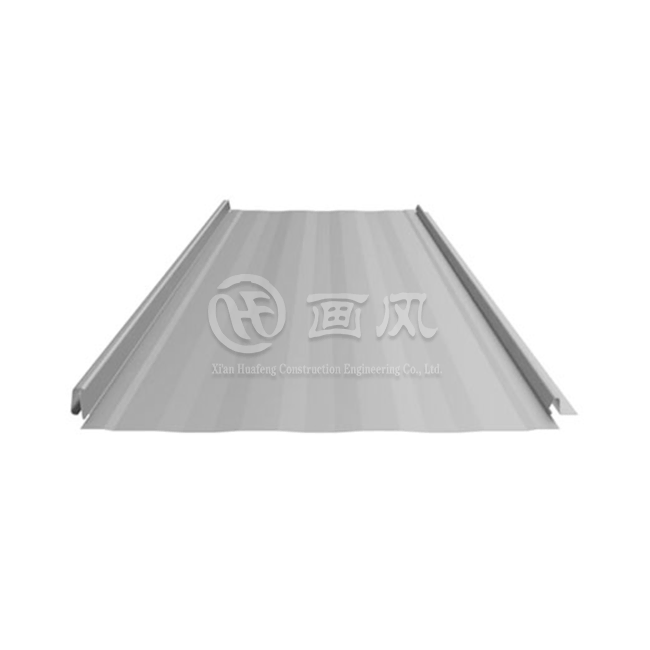
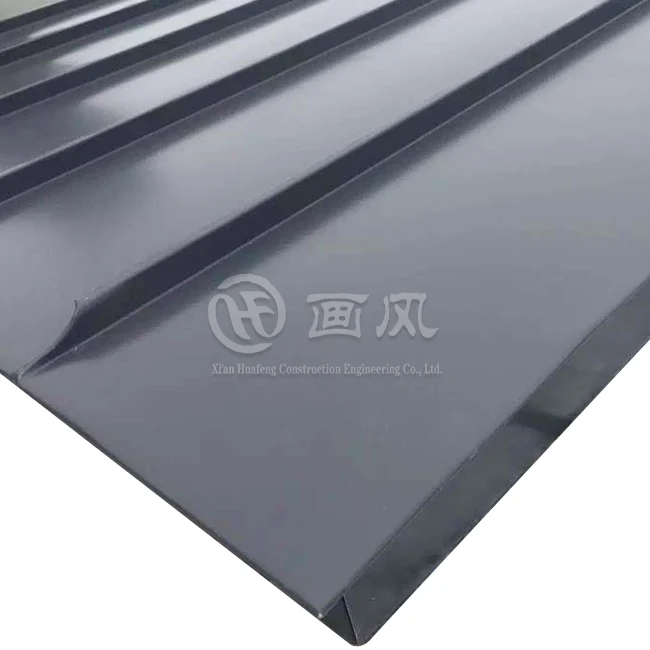
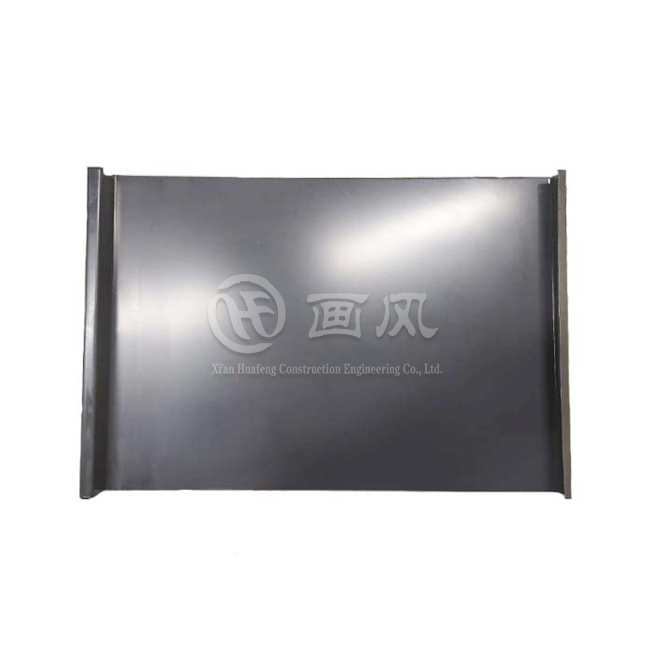
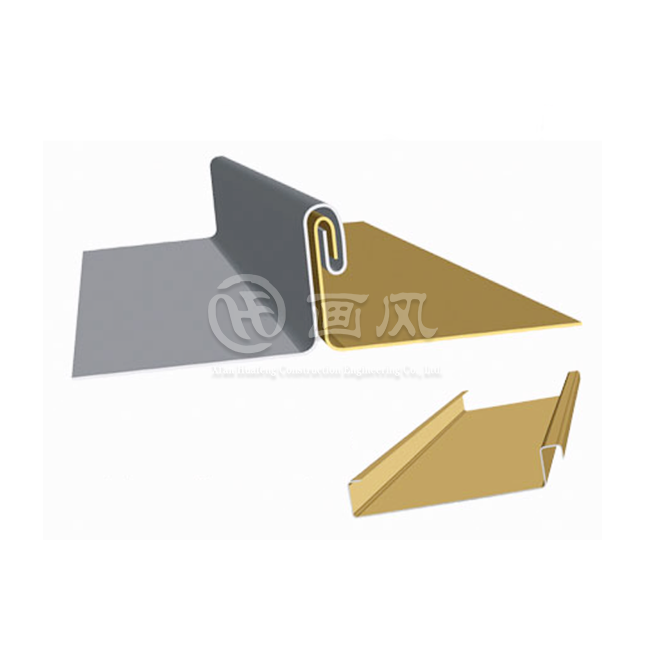
Double lok standing seam roof panels are a big step forward in metal roofing technology. They are specially made for projects that need to be very resistant to weather and strong. Snap-lock systems use friction-based connections, but double-lok panels use a mechanically field-seamed, 360-degree folded interlock, which is often called a Pittsburgh seam. This makes a single, watertight barrier that can withstand hydrostatic pressure conditions.
The engineering behind this roofing solution solves important problems that distributors and contractors in tough environments have to deal with. The double-folded seam has better shear strength, which makes it perfect for commercial buildings near the coast in hurricane-prone areas where regular roofs often fail when there is negative wind pressure. This mechanical interlock has a clear benefit when it comes to uplift resistance; it often meets UL 580 Class 90 grades and FM Global 4471 standards for high-wind uses.
Core Performance Characteristics
How long a panel lasts and how well it works in bad weather depends on what materials are used to make it. High-quality steels, like 22- or 24-gauge Galvalume with an aluminum-zinc finish, are very resistant to corrosion, which is important for industrial and marine settings. Different types of aluminum offer lightweight options that keep the structure strong, and high-end materials like copper or titanium-zinc give building projects unique looks.
The moving clip system built into double-lok designs allows for heat expansion and contraction over runs longer than 100 feet without causing fasteners to wear out or panels to buckle. This two-piece clip system connects to structural purlins and lets longitudinal panels move, which is very important for large-format warehouse roofs and distribution areas where temperatures change a lot with the seasons.
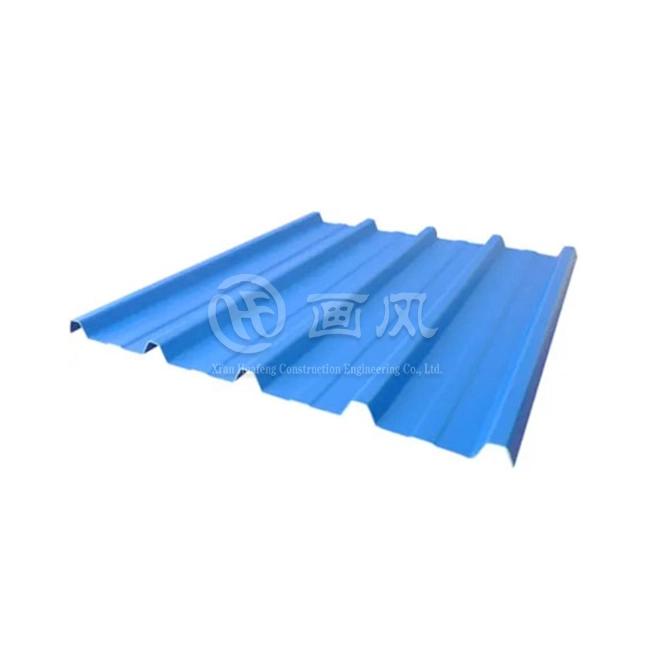
Panel profiles usually have seam heights between 25 mm and 65 mm (1" to 2.55"), and coverage widths between 12 and 24 inches, based on the needs of the job. The raised rib shape makes room for thick insulation layers during retrofit applications. This lets workers put new roofing systems on top of metal roofs that are already there without having to completely tear them off. This feature cuts down on project costs and downtime for business buildings that are already in use.
Applications Across Building Types
Low-slope features of double-lok systems make them useful for large industrial buildings and distribution centers. They can work effectively on pitches as low as 1/4:12. This ability to work with shallow slopes means that pre-engineered metal buildings can make the most of their usable space without having to use complicated high-pitch truss configurations. This directly lowers the cost of structural steel.
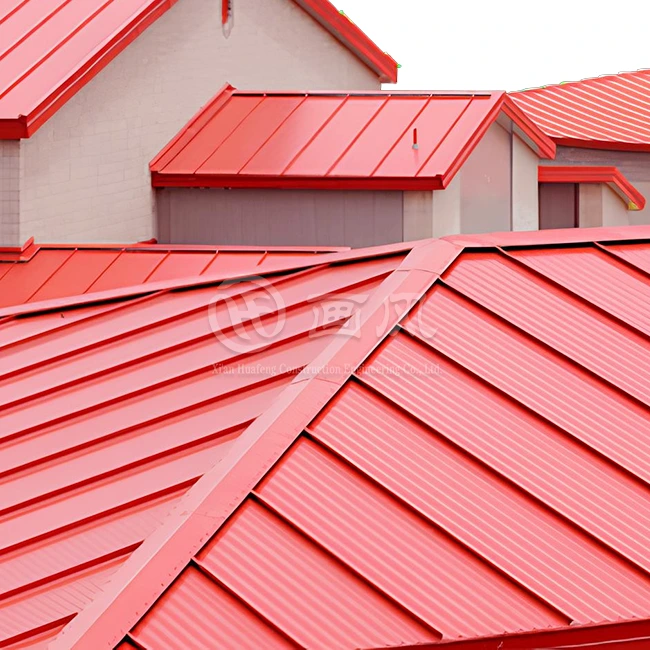
More and more, high-end residential projects choose standing seam profiles because they have clean lines and don't show any fasteners. The concealed clip system gets rid of entry points where water could get in while giving the home the modern look that is desired in high-end construction. Better insulation compatibility leads to higher energy economy, which is even better for home uses, especially in places with strict building performance standards.
Because they can hold weight, double-lok panels can be installed directly over open frames with purlin spacings of up to five feet. This means that they are considered structural panels by building rules. This gets rid of the need for solid decking substrates, which cuts down on the time and money needed for installation on commercial projects with tight schedules.
Key Considerations Before Purchasing Double Lok Standing Seam Roof Panels
When buying metal roofing systems, you need to carefully consider a number of technical and business factors that have a direct effect on the success of the project and the long-term happiness of the clients. Knowing about these things before hiring suppliers makes sure that the product specifications match the real project needs.
Material Properties and Coating Systems
Choosing the right protective coating has a big effect on how long a double lok standing seam roof panel lasts and how much maintenance it needs in different climate zones. PVDF (polyvinylidene fluoride) finishes are better at blocking UV rays and keeping colors true, so they will look good for 30 years or more in the hard sun of the southeast. These coatings are more resistant to chalking and fading than regular polyester options. This is why they cost more, but it's worth it for commercial projects that get a lot of attention because how they look directly affects property values.
Polyester (PE) coatings are a cheap way to protect things that are used in industrial settings where function is more important than appearance. These finishes offer good weather protection and resistance to rust at lower costs, making them suitable for warehouses and farm buildings that will last for a long time.
Thickness of the substrate affects both the strength of the structure and the cost of the job. Different load needs can be met by panels with gages ranging from 0.5mm to 1.2mm. Heavier gages are needed for situations with heavy snow loads or longer purlin spacing. Distributors who work with customers in a variety of places benefit when suppliers offer wide ranges of thicknesses that meet local building code requirements without forcing customers to buy solutions that are too specific and too expensive.
Certification and Code Compliance
Building departments all over North America have strict performance standards that must be met, especially in coastal areas with a lot of wind. For Miami-Dade County approvals, which require testing of assembly function in hurricane-like conditions, the standards are the strictest in the business. Panels that meet these standards instantly meet the needs of Florida's High-Velocity Hurricane Zone and other coastal areas like it.
UL 580 wind uplift classifications give standard performance metrics that say how to attach things and how much resistance is expected. Class 90 grades mean that panels can survive uplift forces of 90 pounds per square foot. This is important information for structural engineers in the Midwest who are building roof systems in areas that are prone to tornadoes. FM Global certifications also prove success according to business insurance underwriting standards, which are often used to decide if a big industrial facility is insurable and how much the premiums will be.
ASTM, DIN, JIS, and GB/T standards control the make-up of materials, how well coatings stick, and the tolerances for manufacturing. When suppliers like Baosteel or other well-known mills give material test certificates (MTC) with steel coil origins that can be tracked, distributors can show where the materials came from for projects that need thorough quality assurance paperwork. This ability to track is especially helpful when working with institutional clients or government projects that need strict oversight of the procurement process.
Tool Compatibility and Installation Ecosystem
The profile measurements of the panels must work perfectly with the seaming tools that local installation companies already have. Compatibility with well-known names like McElroy, Berridge, and others like them makes sure that projects go smoothly without having to buy expensive special tools. Leg shape, seam height, and panel thickness can all affect how well a seaming machine works. To avoid costly delays in the field, it is important to check for compatibility before installation.
The ease of installation is directly affected by the availability of matching accessories such as ridge caps, eave trims, valley components, and penetration flashings. When suppliers offer full system packages, it's easier to coordinate and the looks of all the roof parts are consistent. Color-matched screws, clips, and trim pieces keep the look of a project constant, which is very important for architectural projects where the roof is an important part of the overall design.
Where to Buy Double Lok Standing Seam Roof Panels?
Finding reliable sourcing channels is a key procurement decision that impacts the quality of the product, the dependability of delivery, and the development of long-term business relationships. Depending on the size of the project, the level of customization needed, and operational priorities, each type of supplier has its own set of benefits.
Direct Manufacturer Engagement
Direct engagement with HF provides reliable capacity, consistent quality, and customization. Seven production lines across three factories produce over 1,000 tons monthly, while vertical integration ensures stable materials, colors, and finishes. Flexible customization supports special colors, panel lengths, and clip designs, with minimum orders of 500 m² or one ton.
Technical Support and Documentation
Detailed specifications covering panel dimensions, materials, loads, accessories, clip spacing, seaming, and thermal movement reduce estimating and installation risks. Up-to-date test reports, compliance letters, and approval documents also speed permitting. HF’s compliance with ASTM, DIN, JIS, BS, and GB/T standards supports distributors handling diverse international projects and requirements.
Custom Branding and Private Labeling
OEM and private-label programs let distributors add their own logos to panels and packaging while using established manufacturing expertise and quality systems. Custom colors beyond standard RAL options help wholesalers meet unique architectural needs, strengthen market differentiation, and justify premium pricing. HF supports custom colors without requiring excessively large minimum orders.
Installation Support and After-Sales Services to Consider
The success of a double lok standing seam roof panel roofing system rests on both the quality of the materials used and how well they are installed. Support from suppliers that goes beyond delivering products has a big effect on how well projects turn out and how happy customers are.
Installation Training and Field Assistance
Reputable manufacturers provide installation training and on-site support to help contractors properly handle, join, and install systems, reducing field errors and improving performance. Detailed guides covering cold-weather safety, thermal expansion, and high-humidity conditions help teams adapt procedures to local climates, reduce callbacks, and increase confidence in product reliability.
Warranty Coverage and Terms
Comprehensive warranties demonstrate product durability and provide long-term customer confidence. HF’s 30-year warranty covers material defects and coating wear. Distributors should understand coverage, maintenance, and claims procedures to set expectations. PVDF coatings generally offer stronger long-term color and chalk resistance than polyester finishes, making warranty differences important for customer decisions.
Responsive Technical Support
Responsive technical support through email, phone, and messaging helps contractors quickly resolve installation issues and keep projects on schedule. Technical guides and FAQs provide additional assistance across time zones. Stocking replacement panels and trim, with expedited shipping for urgent needs, demonstrates supplier commitment beyond fulfilling orders.
Making the Final Decision: How to Choose the Right Supplier
Choosing the right supplier is what affects the success of the purchase, the profitability of the project, and the value of the long-term business relationship. Several evaluation criteria help find manufacturers that can keep their businesses growing.
Production Capacity and Delivery Reliability
Reliable delivery depends on sufficient production capacity and diversified facilities. HF operates three factories with over 40 production machines, reducing single-point supply risks. Standard production orders ship within 15–20 days, supporting both planned and urgent projects. Understanding capacity allocation also helps buyers prepare for seasonal demand and maintain inventory.
Pricing Structure and Commercial Terms
Transparent pricing should reflect production savings and clearly show how materials, coatings, colors, and order volumes affect costs. Flexible payment terms, including deposits, progress payments, and post-delivery arrangements, help manage working capital. Letter of credit acceptance also supports secure international transactions by reducing payment risks for both parties.
Quality Management and Traceability
ISO 9001 organizes quality management, documented inspections, and corrective actions to reduce errors and ensure consistent results. Traceable records of steel coils, finishing batches, and production times help identify quality issues. Independent third-party testing further validates performance claims, while updated laboratory reports provide valuable assurance for business customers.
Industry Reputation and References
A manufacturer’s reputation can be assessed through references, similar projects, delivery consistency, product performance, and support responsiveness. Industry memberships and trade-show participation indicate market commitment. Professional websites, technical resources, and responsive communication also reflect service quality. HF’s online resources demonstrate its commitment to transparency and accessible customer support.
Conclusion
When looking for double lok standing seam roof panels, you need to carefully consider the technical specs, provider skills, and business terms that will affect the success of the project as a whole. Direct manufacturer partnerships help distributors serve demanding home and business markets by increasing production capacity, giving distributors more customization options, and providing technical support. Certification compliance, tool compatibility, and full insurance coverage are important selection factors that keep customer relationships and project investments safe. Procurement managers set their companies up for long-term growth in competitive metal roofing markets by giving more weight to suppliers that show they can produce large quantities, follow good quality control procedures, and provide quick customer service.
FAQ
1.What is the typical delivery timeline for bulk orders?
For full container orders, the normal time for production and shipping is between 15 and 20 days, but this can change based on current production plans and any customization needs. When common colors and specs are chosen, trial orders of 500 square meters can usually be sent out in about the same amount of time. For unique production runs, lead times may be extended by a few days if you need custom colors or panel sizes that aren't normal. International shipping takes an extra three to four weeks to get goods from factories in Asia to ports in North America, and inland shipping needs more planning.
2.Can double lok panels withstand hurricane-force winds?
The mechanically linked 360-degree seam on double-lok systems makes them better at resisting wind lifting. They often meet UL 580 Class 90 grades and FM 4471 approval standards. When placed correctly with the right clip spacing and connection methods, this performance level can handle uplift forces of 90 pounds per square foot. Panels that have been approved by Miami-Dade County have shown that they can work in simulated Category 5 hurricane conditions. This means that they can be used for coastal applications in hurricane-prone areas like Florida's HVHZ zones and Gulf Coast markets.
3.What certifications should I verify from suppliers?
Some of the most important certifications are UL 580 wind uplift ratings, FM Global 4471 approvals for business uses, and Miami-Dade County letters of acceptance for coastal building. Baseline quality is ensured by following material standards, such as ASTM guidelines for steel surfaces and finishing systems. Getting ISO 9001 certification shows that you handle quality in an organized way. Ask for material test papers that show where the steel coil came from and what it is made of, as well as readings of the coating's thickness and salt spray test results that back up claims of corrosion resistance.
Partner with HF for Certified Double Lok Standing Seam Roof Panel Supply
Your trusted double lok standing seam roof panel maker is Xi'an Huafeng Construction Engineering Co., Ltd. They have three production sites, seven coating lines, and a monthly capacity of more than 1,000 tons to serve wholesalers all over North America. Our panels meet ASTM, DIN, JIS, BS, and GB/T standards, and we offer PVDF and PE coatings in RAL colors and sizes ranging from 0.5mm to 1.2mm. We offer the supply chain reliability and technical specifications that your roofing projects need, with 30-year warranties, flexible MOQs starting at 500 square meters, and delivery times of 15 to 20 days. Email our purchasing team at huafeng@hfmetalroof.com to talk about your project needs, ask for material approvals, and get quotes that are specific to your area's building rules and business goals.
References
1. National Roofing Contractors Association (2022). Metal Roofing Systems Design and Installation Manual, 5th Edition. Rosemont, IL: NRCA Publications.
2. American Society for Testing and Materials (2021). ASTM E1592: Standard Test Method for Structural Performance of Sheet Metal Roof and Siding Systems by Uniform Static Air Pressure Difference. West Conshohocken, PA: ASTM International.
3. Factory Mutual Global (2020). FM Approvals 4471: Approval Standard for Class 1 Panel Roofs. Johnston, RI: FM Approvals LLC.
4. Underwriters Laboratories (2019). UL 580: Tests for Uplift Resistance of Roof Assemblies, 6th Edition. Northbrook, IL: UL Standards.
5. Metal Construction Association (2023). Technical Bulletin on Standing Seam Roof Panel Systems: Design Considerations and Performance Characteristics. Glenview, IL: MCA Technical Services.
6. Smith, R. & Patterson, M. (2021). "Comparative Performance Analysis of Single-Lock versus Double-Lock Standing Seam Metal Roofing Systems in High-Wind Coastal Environments." Journal of Architectural Engineering, 27(3), pp. 87-102.





YOU MAY LIKE
_1757558889992.webp "Metal Roofing Snowguards")