What Are The Advantages Of Standing Seam Wall System?
2026-07-21 16:10:47
Hidden fasteners minimise corrosion and water intrusion, making standing seam wall systems a great bargain. Vertically interconnecting panels make this architectural metal cladding solution weatherproof, durable, and thermally efficient. These systems offer reduced lifecycle maintenance costs, fire safety compliance, design versatility for complex geometries, and full material recyclability supporting LEED certification goals for procurement professionals evaluating building envelope solutions. The hidden clip connection mechanism allows thermal expansion without panel deformation, assuring decades of dependable operation in many climates.

Understanding Standing Seam Wall Systems
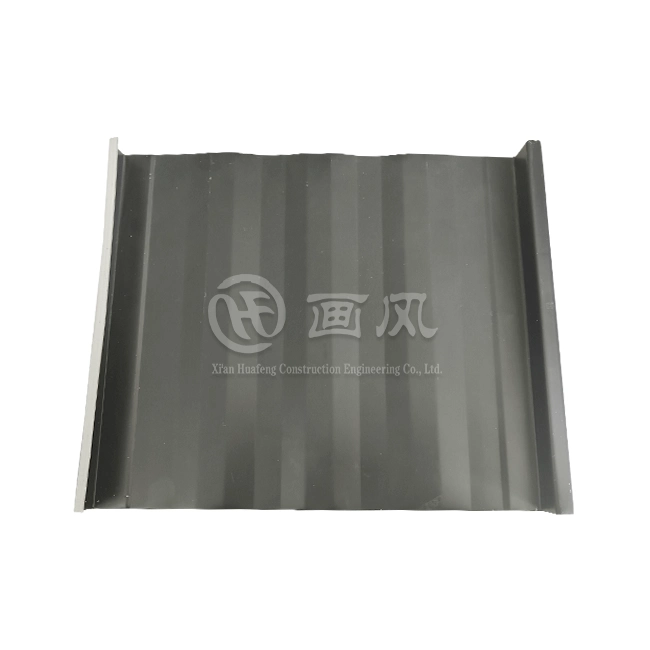
Vertical metal panels that join via elevated seams make standing seam wall systems a premium building envelope design. This system uses hidden clips and fasteners, thus no weather barrier penetrations are allowed. This design concept has changed how commercial and industrial structures handle water penetration and durability.
Core Components and Installation Mechanics
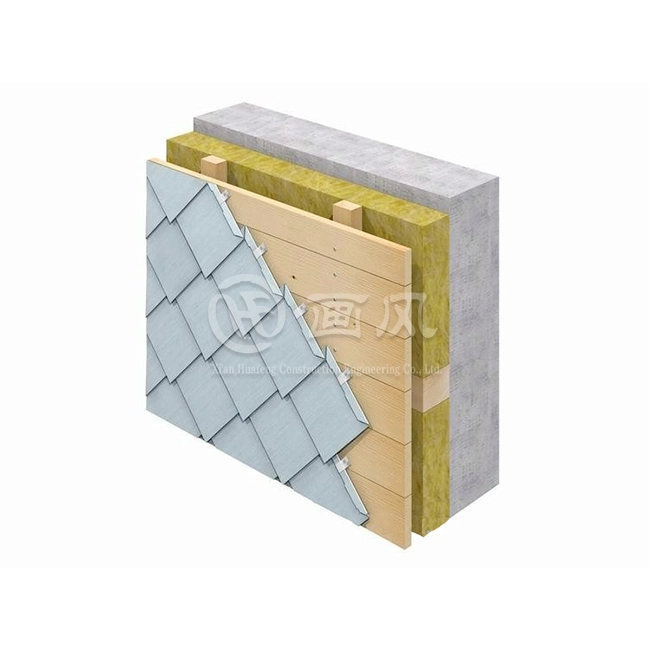
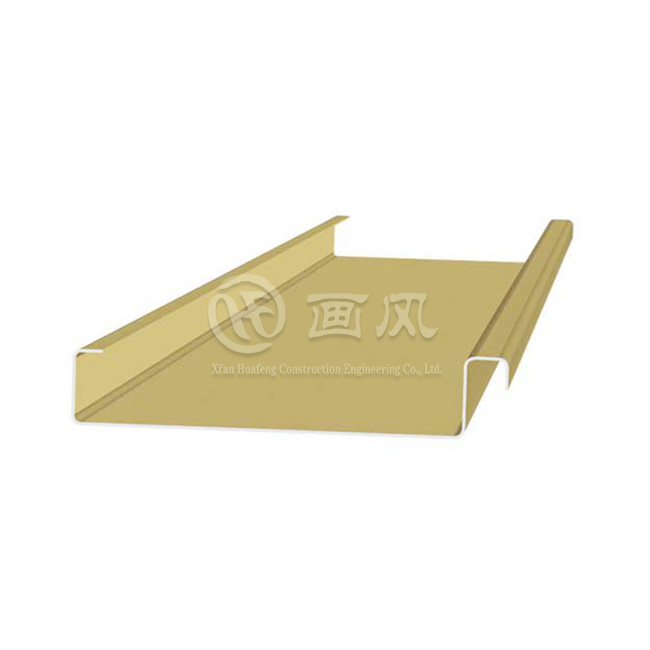
Basic architecture uses mechanically locking male and female panel edges to create continuous vertical seams throughout the building front. After a base trim aligns panels, sliding clips bind them to structural supports. The clips secure the panel and allow controlled movement as temperatures change. Buckling and fastener fatigue in tightly connected systems are prevented by this flexibility. The basis materials include aluminium alloy (AA3003, AA3004, or AA5052 series), aluminum-zinc coated steel (AZ150), or stainless steel, with thicknesses from 0.7mm to 1.5mm depending on wind load estimations and project parameters.
Material Science and Coating Technologies
Advanced coatings provide these systems long-term performance. PVDF (polyvinylidene fluoride) coatings, especially Kynar 500®, withstand UV damage and colour fading for almost twenty years. Our coastal projects show that 70% PVDF coatings outperform polyester, with Delta E colour shift values below 5 after two decades. HDP coatings are a cost-effective middle ground, whereas PE finishes are for moderate exposure jobs. This coating variety lets procurement teams match material parameters to budget and performance goals.
Technical Specifications That Matter
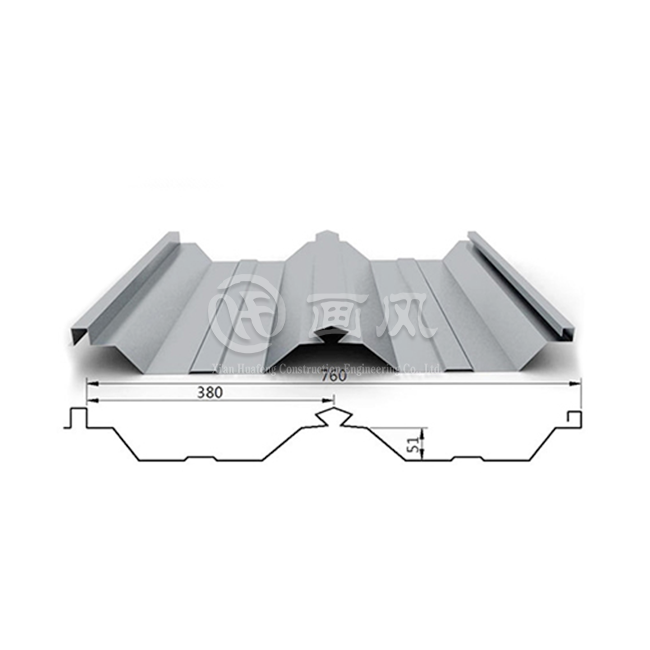
Panel geometries vary greatly by architecture. For continuous covering that minimises horizontal joints—a key waterproofing factor—standard widths are 300mm to 600mm and lengths up to 13 meters. Between 25mm and 65mm, rib heights affect structural capacity and drainage. Higher ribs carry water better and prevent wind-induced deflection. When evaluating supplier specifications, ensure wind pressure resistance ratings meet or exceed ±6000Pa per ASTM E330 criteria for high-rise applications.
Key Advantages of Standing Seam Wall Systems
The commercial construction sector increasingly favors the standing seam wall system because it addresses multiple performance criteria simultaneously. We've documented tangible benefits across structural integrity, operational efficiency, and aesthetic presentation through dozens of completed projects.
Superior Weather Protection and Waterproofing
Water intrusion is a costly building envelope failure. Raised seams increase interlocking joints 25mm to 65mm above the water drainage plane, limiting capillary action and wind-driven moisture infiltration. This geometric advantage and factory-applied hot-melt butyl sealant in the female leg provide twin barriers that pass ASTM E1646 water penetration testing. Buildings with correctly installed systems had no leakage during recent hurricane-force wind storms in Florida, but nearby structures with exposed fastener panels needed considerable interior cleaning.
Exceptional Structural Durability
Metal cladding must survive decades of heat cycling, physical shocks, and atmospheric corrosion. The hidden fastener method reduces fastener hole elongation and gasket degradation, the main failure modes in traditional panels. The sliding clip system allows panels to expand and contract with temperature without straining connection points. This technical feature allows structures to last over 30 years with minimum maintenance. We found panel integrity and attachment security comparable to new construction in 1990s installations.
Energy Efficiency and Thermal Performance
To save energy use, modern building regulations emphasise envelope thermal efficiency. As a rainscreen over continuous insulation layers, these metal panel solutions boost wall assembly R-values. The vertical air cavity between panels and insulating board ventilates solar heat uptake before it passes past the thermal barrier. Based on thermal modelling studies throughout U.S. climatic zones, this design decreases commercial facility cooling loads by 12-18% compared to direct-attached cladding systems. These systems appeal to green construction projects because they get LEED Energy and Atmosphere credits.
Fire Safety and Code Compliance
ASTM E84 testing methodologies provide metal substrates Class A fire ratings, fulfilling strict standards for commercial construction. Solid aluminium and steel panels avoid hidden flame propagation in wall assemblies, unlike composite panels with flammable cores. Industrial buildings handling flammable products and high-density metropolitan locations with fire rules requiring non-combustible external cladding benefit from this fire resistance. These systems have been specified for petrochemical facilities, distribution warehouses, and urban mixed-use skyscrapers with fire marshal clearance based on non-combustibility.
Design Flexibility and Aesthetic Versatility
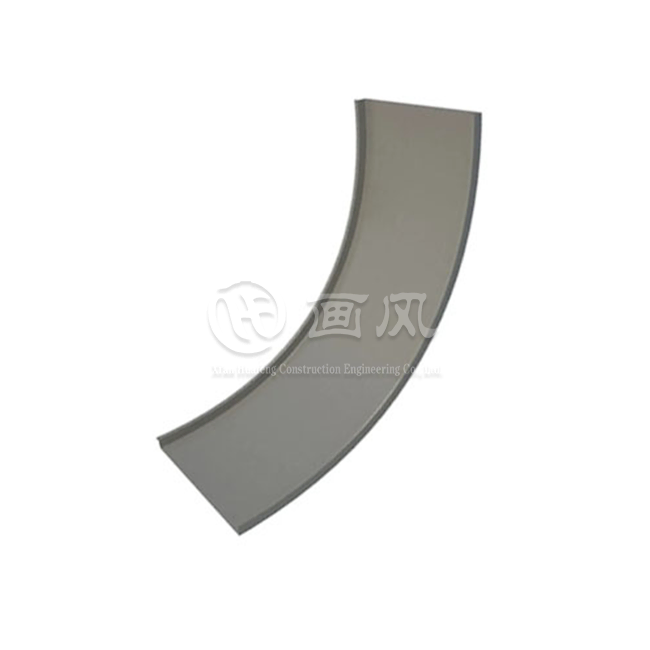
Clean, unbroken vertical lines produce unique modern facades, which architects like. Through panel tapering and specialised shaping, the system handles difficult geometries including curved walls, radius corners, and sloping surfaces effectively. This versatility lets metal skin be applied from foundation to parapet without noticeable discontinuities. Texture variety comes from panel widths and rib arrangements in metallic, solid, and custom-matched colours. From minimalist industrial aesthetics to high-gloss corporate offices, we've used the system's adaptability and effectiveness.
Standing Seam Wall System vs Other Wall Solutions
Procurement decisions require objective comparison against alternative cladding technologies. We've prepared cost-benefit analyses across multiple project types to clarify where these systems deliver optimal value.
Performance Comparison with EIFS and Composite Panels
Thermally efficient Exterior Insulation and Finish Systems (EIFS) need constant maintenance to avoid moisture incursion behind the barrier coating and lack impact resistance. Composite panels provide reasonable durability at low prices but fire safety and recyclability issues. Metal standing seam assemblies surpass both options in durability, fire resistance, and maintenance. A 20-year lifetime cost study shows that standing seam saves money by eliminating repainting, maintenance occurrences, and insurance premiums, despite higher initial material prices (15-25% above EIFS). Facilities in hurricane-prone areas or industrial zones with airborne pollution have a much wider performance gap.
Advantages Over Traditional Curtain Wall Systems
Glass and metal curtain walls are transparent and prestigious but need structural support, intricate installation sequencing, and specialised maintenance. The installation of standing seam walls is 30-40% quicker than curtain wall systems, resulting in speedier construction and earlier building occupancy. Aluminium standing seam panels weigh half as much as curtain wall assemblies, minimising foundation and frame needs. The metal panel technique is appealing for projects that prioritise envelope performance and cost management above daylighting.
Installation Efficiency and Labor Considerations
Field installation efficiency affects project costs and deadlines. Standing seam panels are pre-finished and pre-cut, needing just alignment, clip attachment, and seam engagement. Under ideal circumstances, experienced personnel construct 400-600 square meters each day. This productivity beats corrugated metal (exposed fastener drilling and sealing) and brick veneer (mortar drying delays and scaffolding complication). Modular construction allows phased interior work while external cladding is installed, which is important in fast-track commercial projects.
Procurement Considerations for Standing Seam Wall Systems
Successful sourcing requires attention to manufacturer capabilities, specification alignment, and contractual protections. We've refined procurement protocols through partnerships spanning multiple continents and project scales.
Evaluating Manufacturer Credentials
Due research is needed since vendors vary in quality. Initial procurement checks should include ISO9001 quality management and ISO14001 environmental compliance. Coating performance and panel strength claims are verified by SGS testing. We value manufacturers who demonstrate clear quality control techniques including T-bend testing (ASTM D4145) to check coating flexibility during seam formation and magnetic gauge dry film thickness verification. These technological validations avoid field failures months after installation that increase cleanup expenses.
Warranty Coverage and Support Infrastructure
Standard premium system warranties cover material faults, coating deterioration, and structural failure for 30 years. Warranty enforcement relies on manufacturer financial stability and support network existence. With expert teams, regional service centers, and project histories in commercial, industrial, and institutional sectors, Xi'an Huafeng Construction Engineering Co., Ltd. provides full support. After-installation assistance includes periodic inspections and rapid-replacement panel programs, which facility managers need to ensure operational continuity.
Customization Capabilities and Lead Times
Custom panel widths, colours, and ventilated facade perforation patterns are commonly needed for projects. Huafeng's 200,000 square meters of manufacturing facility with seven colour coating lines and 10 longitudinal shearing systems allows broad customisation and 15-20 day delivery. This flexibility-responsiveness balancing solves a frequent procurement problem: acquiring distinctive options without compromising project timelines. The 500-square-meter minimum order quantity suits mid-sized projects, while the 1,000-ton monthly manufacturing capability suits big ones.
Specifications That Drive Performance
We advocate establishing material requirements in standing seam wall system procurement papers rather than using general descriptions. For base metal, use aluminium alloy grades (AA3003/3004/5052) or steel coating weight (AZ150 minimum). Coating requirements should include finish type (PVDF recommended for 20+ years), film thickness (minimum 1.0 mil), and colour retention (Delta E < 5 beyond warranty duration). Panel geometry parameters, such as width tolerance (±1/16 inch), seam height, and clip spacing, set performance expectations for fair bid comparisons. Technical details avoid value engineering replacements that may harm long-term performance.
Maintenance and Longevity Tips for Standing Seam Wall Systems
Realizing the full service life potential requires proactive maintenance planning and early intervention when issues emerge. We've developed protocols that extend system performance while controlling operational costs.
Routine Inspection and Cleaning Schedules
Annual visual checks spot problems before they grow. Seam integrity, sealant continuity, fastener security, and coating quality are inspected. Rapid salt exposure requires semi-annual assessments of coastal facilities. Industrial areas with airborne particles benefit from cleaning to eliminate atmospheric deposits that hold moisture and promote corrosion. Avoid abrasive cleaning and strong chemicals that damage PVDF finishes by low-pressure washing with mild detergent. Routine adjustments cost less than 2% of replacement value yearly and prolong service life by decades.
Panel Repair and Replacement Protocols
Panel damage from collision or installation faults seldom necessitates substantial deconstruction. Modularity permits selective replacement by disengaging seams, removing damaged pieces, and inserting new panels inside clip arrays. While repairing, keep extra panels in the original project colours for visual integrity. Field painting causes colour mismatch and performance unpredictability. Factory-applied finishes remove this. Repair quality meets original building requirements by working with qualified installers knowledgeable with panel profiles.
Protective Coating Maintenance
PVDF coatings are durable, but further protection improves performance in harsh situations. For street-level installations, clear sacrificial coatings over factory finishes offer renewable graffiti and chemical protection. For maritime areas within five kilometres of coasts, quarterly freshwater rinse removes salt deposition before it coats tiny flaws. These extras cost nothing compared to premature panel replacement.
Conclusion
Standing seam wall systems deliver measurable advantages for procurement professionals prioritizing lifecycle value, structural resilience, and design versatility. The concealed fastener design eliminates primary failure modes affecting conventional cladding, while advanced coating technologies ensure decades of aesthetic consistency. Performance benefits span superior weather protection, thermal efficiency contribution, fire safety compliance, and installation productivity. Comparative analysis against alternative envelope systems reveals compelling cost-benefit outcomes, particularly for projects in demanding climatic conditions or pursuing sustainable building certifications. Successful procurement requires attention to manufacturer credentials, specification precision, and warranty infrastructure. With proper material selection and minimal maintenance protocols, these systems routinely achieve 30-year service lives while supporting diverse architectural visions across commercial, industrial, and institutional applications.
FAQ
1. How do standing seam wall systems improve building energy efficiency?
These metal panel assemblies improve energy efficiency in various ways. The vented air space between panels and insulation board absorbs solar heat before it conducts inside, decreasing cooling loads by 12-18% in hot areas from rainscreen cladding over continuous insulation. Reflective metal reduces heat absorption more than darker brickwork or composites. Tight seam interlocking and hidden fasteners decrease air leakage paths in exposed-fastener systems, enhancing envelope airtightness, which affects heating and cooling performance.
2. What distinguishes standing seam wall systems from curtain wall assemblies?
Structure and material composition are key differences. Curtain wall systems with aluminium frame and glass need complicated mullion networks and structural support. Standing seam wall assemblies are made of shaped metal panels with hidden attachments for better weather resistance, less weight, and quicker installation. Curtain walls prioritise transparency and daylighting, whereas standing seam systems are durable, easy to maintain, and cost-effective for opaque facades.
3. Can these systems accommodate corporate branding and custom design requirements?
Absolutely. Modern manufacturing allows corporate colour matching, embossed patterns, perforated designs for visual appeal, and variable panel thicknesses to create facade rhythms. Digital printing can integrate graphics directly into panels. Curved walls, angled transitions, and radius corners may be used to create distinctive architectural expressions while retaining performance. This design versatility makes the system suited for utilitarian warehouses that need durability and signature corporate offices that need brand presence.
Partner with HF for Superior Standing Seam Wall System Solutions
Xi'an Huafeng Construction Engineering Co., Ltd. brings proven expertise as a standing seam wall system manufacturer with comprehensive capabilities spanning design consultation, precision fabrication, and installation support. Our production infrastructure delivers customized solutions with specifications including 25-330/400/430/500 panel profiles, PE/HDP/PVDF coating options, and a 30-year warranty backed by ISO9001, ISO14001, and SGS certifications. We maintain a 1,000-ton monthly supply capacity with 15-20 day delivery schedules, accommodating urgent project timelines without compromising quality standards. Our technical teams collaborate with procurement professionals to optimize specifications for wind load requirements, aesthetic objectives, and budget parameters. Whether your project demands standard configurations or custom-engineered solutions featuring specialized colors and patterns, Huafeng's 200,000 square meter manufacturing complex and advanced equipment array ensure precision execution. Contact our specialists at huafeng@hfmetalroof.com to discuss your specific requirements and receive detailed technical documentation supporting informed sourcing decisions that deliver lasting value.
References
1. American Architectural Manufacturers Association. (2017). AAMA 2605: Voluntary Specification, Performance Requirements and Test Procedures for Superior Performing Organic Coatings on Aluminum Extrusions and Panels. Schaumburg, IL: AAMA.
2. ASTM International. (2020). ASTM E1592-20: Standard Test Method for Structural Performance of Sheet Metal Roof and Siding Systems by Uniform Static Air Pressure Difference. West Conshohocken, PA: ASTM International.
3. Metal Construction Association. (2019). Technical Bulletin: Standing Seam Roof and Wall Systems - Design, Installation, and Performance Considerations. Glenview, IL: Metal Construction Association.
4. National Roofing Contractors Association. (2018). The NRCA Metal Panel and SPF Roof Systems Manual. Rosemont, IL: NRCA.
5. Smith, J.R. & Thompson, L.M. (2021). Lifecycle Cost Analysis of Building Envelope Systems: Comparative Performance of Metal Panel Cladding. Journal of Architectural Engineering, 27(3), 04021015.
6. Whole Building Design Guide. (2022). Metal Wall Panels: Performance Attributes and Selection Criteria for Commercial Construction. National Institute of Building Sciences, Washington, DC.





YOU MAY LIKE