Should I Choose Steel or Aluminum Metal Siding Panel?
2026-07-21 16:05:23
Picking between steel and aluminum metal siding panels is an important purchase choice that has a direct effect on project costs, installation times, and the building's long-term performance. Aluminum metal siding panels are great for coastal uses because they don't rust and are easy to handle. This makes them perfect for projects that need to be durable and easy to install. Steel panels are stronger and less likely to break when used in harsh industrial settings. The best choice for your project will rely on factors like how exposed it will be to the elements, your budget, and your aesthetic goals. Both materials meet strict industry standards, but knowing how they work differently helps buying teams choose materials that meet project goals and get the best return on investment.

Understanding Steel and Aluminum Metal Siding Panels
The performance qualities of metal siding options are largely determined by the materials they are made of. The building industry counts on two main choices, each of which was designed for a particular job and environmental conditions.
Material Composition and Core Characteristics
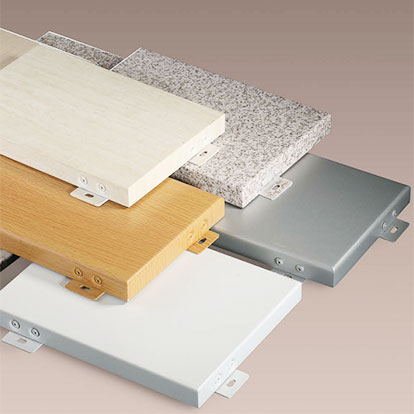
Alloys like AA3003, AA3004, and AA5052 are used in aluminum metal siding panels because they are a good mix between being easy to work with and being strong. These metals have magnesium and manganese added to them, which makes them more resistant to rust while still letting them be shaped. Panels are usually between 0.7mm and 1.2mm thick, and their sizes are usually between 400mm and 600mm. Aluminum is very light—it has about a third the mass of steel—so it doesn't need as much support and is easier to move.
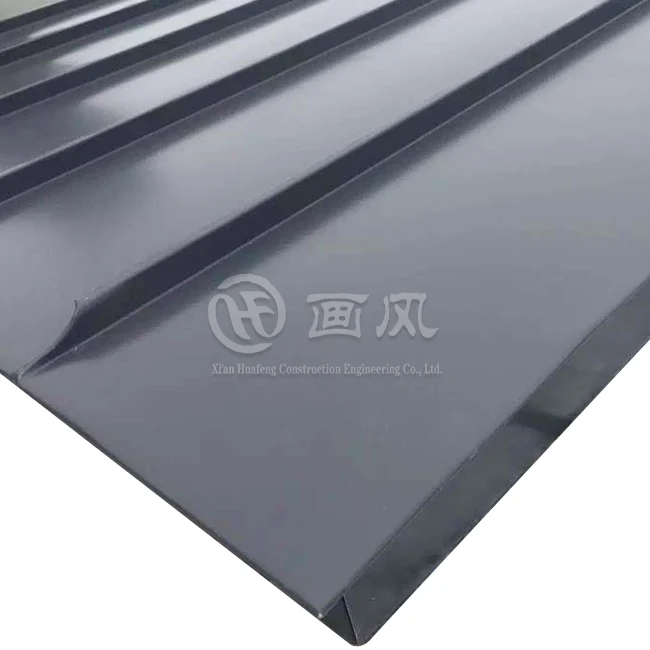
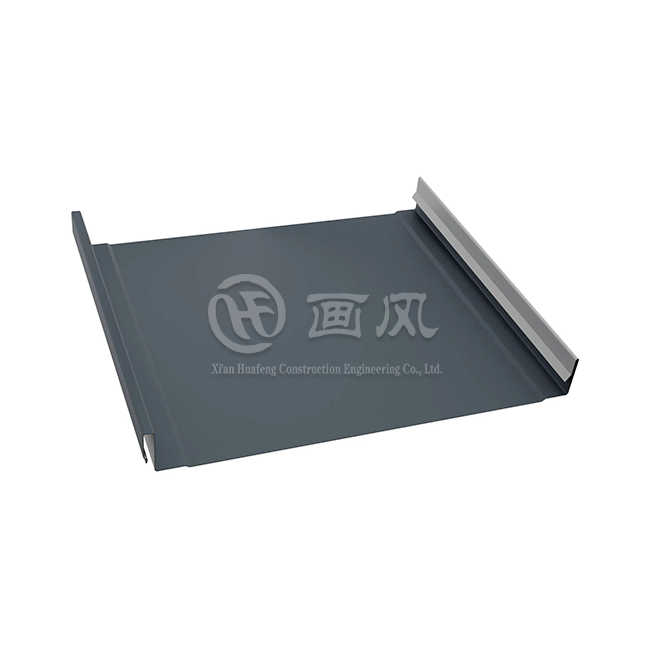
Steel roofing panels are made from galvanized or galvalume-coated bases that range in thickness from 0.4 mm to 1 mm. The zinc or aluminum-zinc covering protects against rusting on the cheap. Because steel has a higher tensile strength (between 270 and 550 MPa, based on grade), it is possible for thinner shapes to have the same structural performance as thicker aluminum panels.
Protective Coating Systems
Protective coatings are put on both materials at the plant, and decide how well they keep their color, how well they stand up to weather, and how long they last. Polyester (PE) coats are a cheap way to protect things that are exposed to mild weather. High-durability polyester (HDP) formulas are better at blocking UV rays. Polyvinylidene fluoride (PVDF) finishes that meet AAMA 2605 standards give great performance and come with color and gloss retention guarantees that last 20 to 30 years. These fluoropolymer systems keep the Delta E color difference below 5 units over long exposure times, which is very important for keeping the look of big business facades consistent.
Typical Applications Across Construction Sectors
More and more, commercial buildings choose aluminum panels for high-rise curtain walls, where the lower weight affects the design of the foundations and seismic concerns. Perforated metal panels are used to control noise and airflow in airport lobbies and transit stops. Industrial buildings like steel because it can span wider panels than 12 meters long, which cuts down on the number of joints and the time needed to install them. Within five kilometers of the coast, projects need marine-grade aluminum alloys or special steel finishes to be able to handle salt spray.
Performance Comparison: Steel vs Aluminum Metal Siding Panels
To make buying choices, you need performance data that can be measured across a number of factors that affect the total cost of ownership and practical needs.
Durability and Weather Resistance
Impact damage and mechanical warping are very hard for steel panels to handle. High wind loads reaching 4kPa don't affect the structure of the material, which is important for tall buildings in hurricane-prone areas. But steel needs to be continuously coated to keep it safe; any hole that lets water into the bare base starts rusting. Modern galvalume finishes with PVDF topcoats make panels last a lot longer, but they are still fragile at cut edges and fastener holes.
Aluminum metal siding panels naturally create a protective oxide layer that can fix small scratches and protect it from rust. Coastal sites benefit from this trait because chloride contact quickly breaks down steel but has little effect on aluminum metals that are properly specified. The 5052 alloy is designed to work in marine settings and has been proven to last more than 3,000 hours in ASTM B117 salt spray procedures. This built-in durability cuts down on upkeep needs and increases the service life beyond 30 years in harsh areas.
Installation Complexity and Labor Considerations
The weight of the panels has a big effect on how quickly and cheaply they are installed. Because aluminum is lighter than steel, a single worker can move panels up to 8 meters long, but two people and moving tools are needed for similar steel panels. Multiple business projects have shown that this weight advantage leads to 15–25% faster installation rates. Because the material is flexible, it can be changed on-site and used to make complicated shapes, like curved curves and sharp angle returns, without cracking the base.
Because steel is hard, it needs to be precisely pre-fabricated and handled with care so that the coating doesn't get damaged. The strength of the material lets it span farther between structural supports, which could lower the cost of the frame. Field changes, on the other hand, need special tools and coating repairs right away to stop rust from starting. When temperatures drop below 0°C, installation is harder because steel becomes more rigid and aluminum stays flexible.
Fire Resistance and Building Code Compliance
According to the International Building Code (IBC), both products get Class A fire ratings, which means they can't catch fire. Aluminum's melting point is 660°C, and steel's is above 1,370°C. Both of these temperatures are higher than the average building fire temperature before the materials around them fail. The choice of coating method has a bigger effect on smoke growth and flame spread rates than the material of the substrate. It is always the case that PVDF-coated walls meet the strict fire safety standards for buildings with a lot of people, like schools and hospitals.
Thermal Performance and Energy Efficiency
Metal siding is a part of the heat control system for the building envelope. Aluminum's thermal conductivity (205 W/m·K) is much higher than steel's (50 W/m·K), which means it can move heat more easily. Thermal breaks and air holes are built into modern panel designs to reduce transmission losses. Insulated metal panels with foam core insulation and external walls have R-values between 16 and 30. This means they meet or beat energy codes in all temperature zones.
Reflective covering technologies make it easier for sun's heat to escape, which is especially helpful for business buildings that need to cool down less. Solar reflectance values above 0.65 are reached by light-colored PVDF coats, which help earn LEED points in the Heat Island Effect area. Steel and metal plates work about the same when they are put together in the right way, with the right vapor barriers and insulation.
Cost Analysis and Procurement Considerations
When making a budget, it's important to know both the original prices of materials and the long-term costs of owning the project over its entire lifecycle.
Material Pricing and Project Budgets
Aluminum metal siding panels usually cost more than other siding types. Depending on the metal grade, coating type, and complexity of the panel, it can cost anywhere from $8 to $15 per square foot. Putting up steel siding usually costs between $6 and $12 per square foot. These numbers include the cost of the materials, the coating, shipping, and normal installation work. Custom fabrications, special finishes, or intricate building features can make the base price of either material go up by 20 to 35 percent.
Supply Chain and Lead Time Planning
The ability of domestic manufacturers to make goods has a big effect on buying delays. Reliable providers keep standard colors and shapes in stock, so orders with a minimum of 500 square meters can be delivered within 15 to 20 days. Setting up a finishing line for custom color matching takes more time and increases wait times to 4 to 6 weeks. Steel is usually easier to get than aluminum because more of it can be made in the United States. However, both materials' supply chains were messed up by recent world events.
Our manufacturing skills include seven coating lines that can produce 1,000 tons of metal every month. This makes sure that we always have enough for big projects and changes that happen in stages. During the qualification process for suppliers, procurement managers should check the supplier's production capacity, backup buying options, and inventory practices.
Warranty Terms and After-Sales Support
Standard guarantees cover the function of the coating, not the stability of the base. PVDF finishes usually come with a 30-year warranty against fading and chalking that is too bad (Delta E > 5) or below certain levels. Warranty periods for substrates range from 20 years for steel to 30 years for aluminum. These periods cover holes caused by rust under normal conditions of exposure. For a warranty to be effective, the work must be done according to the manufacturer's instructions, and damage from outside sources must not be present.
We offer complete quality systems that are ISO9001 and ISO14001:14001 approved and backed by SGS compliance proof. This makes sure that every panel meets the performance standards that have been written down. Technical support includes helping with installation, fixing problems in the field, and organizing new parts when they are needed. When choosing a seller, procurement teams should look at how fast the source is, how much technical knowledge they have, and how quickly they can handle warranty claims.
Environmental Impact and Sustainability in Metal Siding Choices
Beyond standard performance and cost factors, corporate pledges to sustainability are becoming more and more important in the selection of materials.
Recycling and Circular Economy Potential
Aluminum metal siding panels can be recycled almost completely without losing any of their quality, and it only takes 5% of the energy that is needed for its original creation. The material keeps its value through many stages of its lifetime, which is in line with the concepts of the circular economy. Over 85% of used building materials are recycled, and there is a well-established system for collecting and reusing them all over North America.
Embodied Carbon and Manufacturing Impact
According to data from life cycle assessments, aluminum's higher embodied carbon is mostly due to the energy-intensive methods used to melt it. Recent changes in the aluminum industry to use green energy sources have cut carbon intensity by 30 to 40 percent at the best sites. Choosing aluminum from sources that use solar or hydroelectric power is much better for the Earth.
Emissions from making steel change a lot depending on how it is made. Electric arc furnaces that use reclaimed steel make only 0.4 to 0.6 tons of CO2 per ton, while traditional blast furnaces make 1.8 to 2.3 tons. Specifications for buying things that ask for Environmental Product Declarations (EPDs) let you compare the effects of different manufacturers instead of using standards for the whole industry.
Contributing to Green Building Certifications
Both products help you get LEED approval in a number of different ways. Materials that contain certified pre-consumer or post-consumer recycled material are eligible for recycled content points. Getting materials from within 500 miles of project places is rewarded with regional materials points. Heat island reduction points are given for coverings that reflect light and reduce the effects of temperature on cities. Metal is easy to recycle on the job site and doesn't make a lot of trash, which helps construction waste management credits.
Material Ingredients points in LEED v4 are met by making products clearer through Health Product Declarations (HPDs) and material ingredient labeling. As part of our pledge to environmental compliance, we keep track of where our materials come from, measure their emissions, and use sustainable production methods that help our clients reach their sustainability goals.
Making the Right Choice Based on Project Needs
Strategically choosing the materials for a panel makes sure that its features match the needs of the project, the conditions of the place, and the performance goals.
Project-Specific Decision Criteria
Because they are better at resisting chloride, aluminum metal siding panels are strongly recommended for coastal building projects that are less than five kilometers from saltwater. The 5052 marine-grade metal can handle being exposed to salt spray for a long time without needing to be coated, which is important for steel performance. Aluminum is easy to shape and doesn't crack easily during fabrication, which is good for architectural projects that focus on complex forms, tight-radius curves, or detailed fabrication details.
Industrial sites that want the strongest and most flexible panels often ask for steel panels that are longer than 12 meters. These large panels cut down on the number of joints, lower the number of places where water can get in, and speed up the installation process on big warehouse or manufacturing buildings. Steel choosing can help projects with limited funds and controlled settings save money without lowering the quality of the work that needs to be done.
Comparative Performance Summary
Aluminum Advantages:
- Its natural resistance to rust makes it perfect for humid and seaside areas.
- Installations that are lighter cut work costs by 15 to 25 percent.
- Better shapeability for intricate building features.
- Longer insurance terms that go up to 30 years.
- Less long-term care is needed.
Steel Advantages:
- Higher tensile strength lets shapes be thinner.
- Better resistance to contact in places with a lot of traffic.
- Less expensive materials at the start help tight funds.
- More home supplies are available.
- Better performance for panels that span very long distances.
Real-World Application Examples
Because of the high humidity and salty winds from the nearby coasts, a recent airport building expansion in the Southeast United States called for aluminum metal siding panels with PVDF coatings. The job included putting on an exterior and roof covering of 45,000 square meters over the course of 14 months. Existing structure systems could support the new container without having to pay for expensive reinforcements. The 30-year coating promise fit with the facility's long-term asset management plan.
On the other hand, an 85,000-square-meter storage center in the Midwest chose steel plates to get the most value for their tight budget. The controlled climate in the interior area made corrosion very unlikely, and the strength of the material made it possible to use 14-meter-long panels, which cut the time it took to install by eight weeks. The building met all performance standards and kept competitive project costs that were important to the developer's business plan.
Conclusion
Before choosing between steel and aluminum metal siding panels, you should carefully consider how they will be used, their costs, installation requirements, and expected long-term performance. Aluminum works well in environments where corrosion resistance is important, is easy to process, and provides long-lasting performance with minimal maintenance. Steel is more cost-effective, stronger, and has proven reliability in controlled environments. Both materials support green building practices because they are highly recyclable and contribute to circular economy systems. The success of procurement depends on matching material properties with specific project requirements rather than assuming one solution fits every application. Please consult our expert team about your project needs so that we can help identify the most suitable material standard.
FAQ
1. How difficult is aluminum siding panel installation compared to steel?
Aluminum metal siding panels are about one-third the weight of similar steel panels. This means that they can be handled by one person, and assembly work is cut by 15 to 25 percent. Because the material is flexible, it is easy to make changes and tweaks in the field without using special tools. To keep the covering from getting damaged, steel needs to be handled with more care, and panels longer than 6 meters usually need two-person teams. To guarantee compliance and best performance, both materials need to be installed according to the manufacturer's instructions and with the right training.
2. What maintenance cost differences exist between the materials?
Aluminum doesn't rust, so it doesn't need as much upkeep. This is especially true in seaside or humid areas, where steel needs to be inspected and coated every so often. When used in controlled settings, steel walls work well and don't need much upkeep. PVDF-coated panels made of either material only need to be washed every so often to keep their look. Lifecycle upkeep costs tend to be 30–50% lower for aluminum in harsh environments compared to other materials. In mild environments, the costs are about the same.
3. Can I customize aluminum panel colors and patterns?
Today's finishing technologies make it possible to match almost any color to steel or metal. As part of our customization services, we can meet the project's visual needs for color, pattern, and design. Custom colors need a minimum order size of about 500 square meters, and the lead time is increased by two to four weeks. Standard color stocks let you get your order faster. With Delta E values below 1.0, PVDF coating methods keep colors consistent across production runs. This makes sure that big walls look the same.
Partner with HF for Your Metal Siding Solutions
Xi'an Huafeng Construction Engineering Co., Ltd. offers a wide range of aluminum metal siding panels options and has a lot of experience and ability to make them. Our specs include 65-400/430/500 configurations with PE, HDP, and PVDF coating choices, so they can be used for a wide range of projects. With a monthly production capacity of 1,000 tons, we can guarantee a steady supply for large-scale projects. Delivery times are between 15 and 20 days, and the minimum order size is 500 square meters. We're so sure of the quality of the materials and the accuracy of the manufacturing that we back up every panel with a 30-year guarantee.
As a company that makes aluminum metal siding panels that are approved by both ISO9001 and ISO14001:14001, we use cutting-edge coating technology and strict quality control procedures that are checked by SGS. As part of our customization services, we can match colors, create new patterns, and change designs to fit specific building ideas. Email our technical team at huafeng@hfmetalroof.com to talk about the details of your project, get examples of materials, or get reasonable prices. We want to help procurement workers find the best options for business, industrial, and educational building projects that meet performance, price, and sustainability goals.
References
1. American Architectural Manufacturers Association (AAMA), "Voluntary Specification, Performance Requirements and Test Procedures for Superior Performing Organic Coatings on Aluminum Extrusions and Panels," AAMA 2605-17, 2017.
2. Metal Construction Association, "Technical Bulletin: Metal Wall Panel Systems Design Guide," 2021 Edition, addressing comparative performance of steel and aluminum substrates in commercial construction applications.
3. National Institute of Standards and Technology (NIST), "Building for Environmental and Economic Sustainability (BEES) Technical Manual," analyzing lifecycle environmental impacts of building envelope materials, including metal siding systems.
4. Steel Recycling Institute, "Sustainability Report: Steel in Construction," 2022, documenting recycled content rates and circular economy practices in structural and architectural steel applications.
5. Aluminum Association, "Aluminum in Building and Construction: Environmental Performance Metrics," 2021, providing embodied carbon data and recycling statistics for architectural aluminum products.
6. US Green Building Council, "LEED Reference Guide for Building Design and Construction," v4.1, detailing credit opportunities for metal building envelope systems under Materials and Resources and Energy performance categories.





YOU MAY LIKE
_1781690542318.jpg "Self-adhesive waterproof membrane")