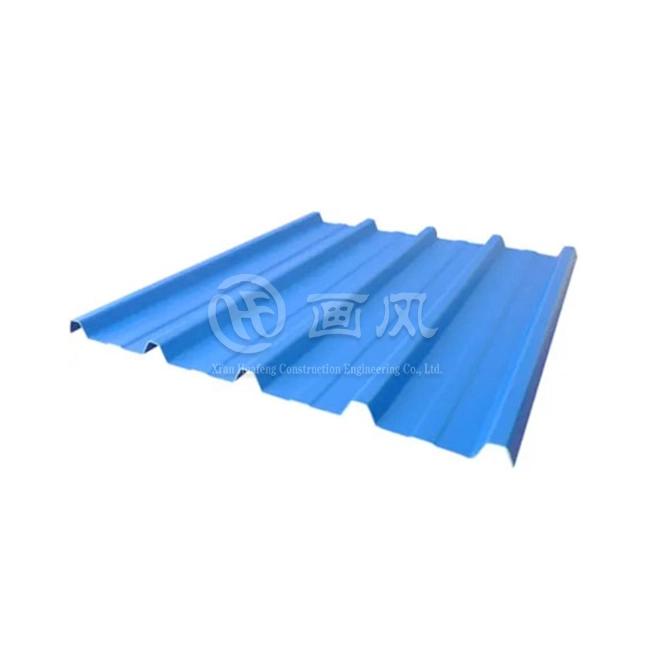
Aluminum Standing Seam: Discover 7 Amazing Benefits!
2026-07-20 00:00:00
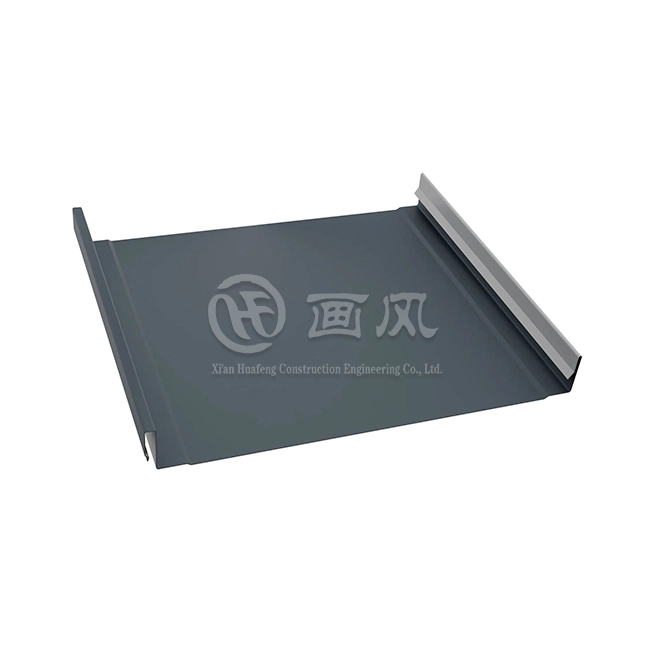
When procurement managers and contractors evaluate roofing materials for large-scale projects, Aluminum standing seam metal roof panels consistently emerge as a top-tier solution. These panels feature vertically oriented ribs with mechanically locked seams that hide fasteners beneath the surface, preventing water infiltration and allowing thermal expansion without compromising integrity. Manufactured from AA3003, AA3004, or AA5052 aluminium alloys with PVDF coatings, these systems deliver weather resistance and aesthetic versatility that traditional materials simply cannot match. The concealed clip design addresses critical pain points like fastener corrosion and thermal cycling damage, making it the preferred choice for projects demanding multi-decade performance.

What Are Aluminum Standing Seam Metal Roof Panels?
Material Composition and Structural Design
High-quality aluminium metals made just for building uses are what aluminium standing seam systems depend on. The AA3003 and AA5052 metals are very resistant to rust and have enough tensile strength for construction needs. HF makes panels with thicknesses between 0.7mm and 1.2mm, which are chosen based on estimates of wind load and span needs. The PVDF fluorocarbon finish that was put on these panels is more resistant to UV light than regular polyester coats. The colour will stay the same for more than 20 years, even in tough conditions.
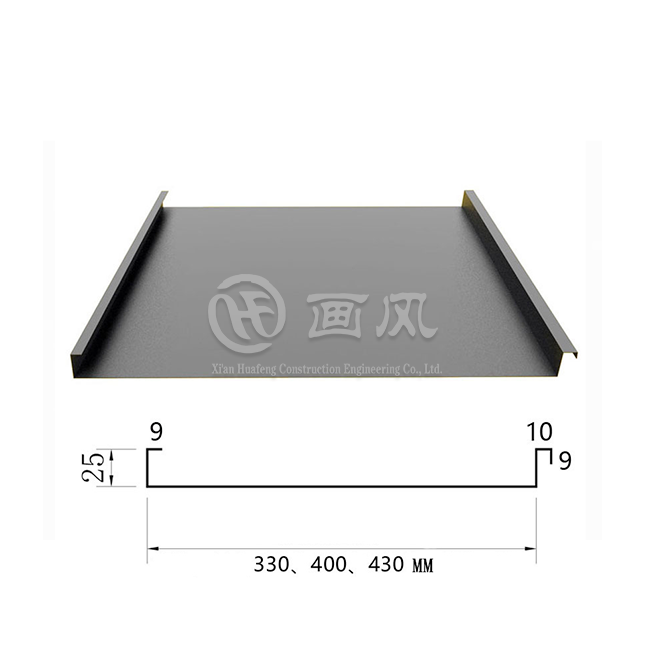
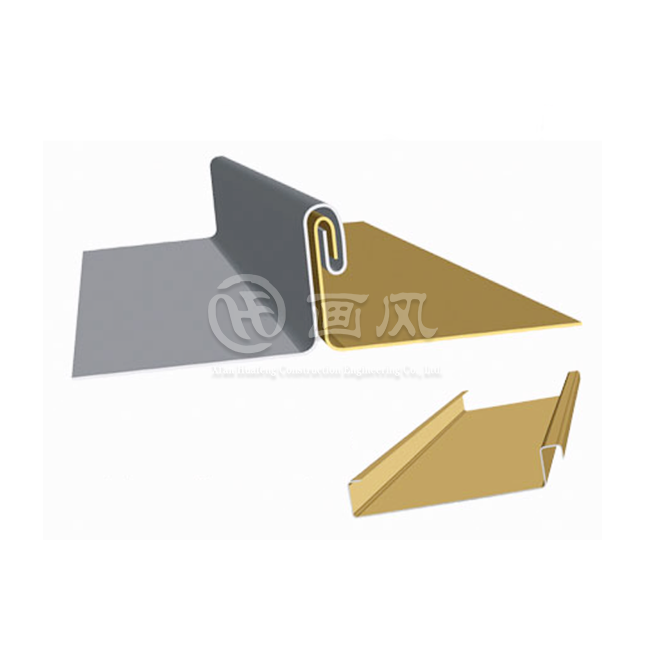
The mechanical seaming process makes a double-lock link between neighbouring panels, getting a 360-degree weathertight seal without visible screws. Panel heights range from 25 mm to 65 mm (1" to 2.55"), with taller shapes making structures more rigid for wide-span uses. This overlapping shape lets heat move through moving clips, which keeps stress cracks from happening that happen a lot in systems that are firmly connected.
Advantages Over Steel and Copper Alternatives
Compared to coated steel roofs, aluminium plates weigh approximately one-third as much, lowering structural stress needs and simplifying handling during installation. While steel rests totally on its zinc covering for corrosion protection, aluminium forms a self-healing oxide layer when scratched, stopping the increase in rust. Copper roofing offers a similar lifespan but costs three to four times more than aluminium, making it economically prohibitive for most industrial uses.
The material qualities of aluminium alloys enable smaller bend radii during production, allowing architects to specify complex curved or tapered roof shapes without losing seam integrity. This design freedom has made aluminium the material of choice for airport hubs, meeting centres, and modern business buildings where artistic effect matters as much as function.
7 Amazing Benefits of Aluminium Standing Seam Roofing
Exceptional Corrosion Resistance in Demanding Environments
Properties on the coast that are less than one kilometre from saltwater are more likely to experience rapid rusting, which can destroy steel roofs in 15 years. Aluminium naturally doesn't react with salt, so structures that have been in marine settings for over 50 years have stayed strong. Aluminium is good for both chemical processing plants and industrial plants because it can stand up to acid rain and other pollution in the air that quickly breaks down other materials. When it gets broken, the self-passivating oxide film keeps growing back, giving lasting security without the need for upkeep coats.
The PVDF finishes on HF panels meet the ASTM D4145 T-bend testing standards, which makes sure the coating stays in place during manufacturing and heat cycles. Because the base is strong and the finish is flexible, aluminium systems always do better in rapid ageing tests than their competitors.
Support for energy efficiency and LEED certification
Aluminum standing seam metal roof panels provide excellent thermal performance due to aluminium's high sun reflection, which makes them less likely to absorb heat and reduces cooling requirements by 15–25% compared with dark asphalt roofs. This cool roof effect helps project teams achieve LEED energy credits, which are often required for green building approvals. The material’s thermal properties also help maintain a more stable roof temperature, reducing the risk of ice dams forming in cold climates.
Within the first year of operation, buildings with aluminium standing seam roofs can achieve measurable energy savings. When these systems are combined with proper insulation and ventilation, they create high-performance building envelopes that meet or exceed current energy codes across different climate zones in the U.S.
Lightweight Construction Advantages
Aluminium plates put very little dead weight on the structure framing—about 0.45 kg per square meter for 0.9 mm material. This quality is very useful for repair jobs where the building itself can't hold heavier covering materials. Wider purlin spacing is good for large-span buildings because it lowers the amount of steel needed and the total cost of construction.
The lighter weight also makes operations easier by letting more material fit on a truckload and lowering the cost of shipping. Panels are safer and easier for installation crews to work with, so projects are finished faster than with similar steel systems.
Design Versatility and Aesthetic Flexibility
HF has aluminium panels in any RAL colour or custom colour, so they can be perfectly matched to buildings for marking purposes or to restore historical sites. After 10 years of UV exposure, the PVDF finish still has more than 85% of its gloss, so the building will look good for a long time.
In addition to different colours, aluminium can be shaped to fit curvy eaves, barrel vaults, and radius uses that would not be possible with stronger materials. Architects use this flexibility to make unique roof shapes that set famous buildings apart while still keeping buildings dry.
Minimal Maintenance Requirements
Unlike steel roofing, which needs to be re-coated every so often to keep it from rusting, aluminium panels only need to be cleaned and dirt removed on a regular basis. The material doesn't break down when it comes in contact with water, so you don't have to worry about rust that's hiding under surface coats. Facility managers like that the repair plans are reliable and that the lifetime costs are low.
HF guarantees the longevity of its aluminium systems with a 30-year promise that covers flaws in the material and wear on the finish. This guarantee covers the roof for its entire useful life, giving buying teams financial security and budget stability.
Environmental Sustainability and Recyclability
Aluminium is a material that can be recycled over and over again because it keeps all of its original qualities. End-of-life panels make money instead of costing money to get rid of, and recycling aluminium only needs 5% of the energy that is needed to make new aluminium. For projects that want to get LEED Materials points, aluminium's high recycled content and easy access to local sources are big pluses.
At HF's three factories, the manufacturing process focuses on using energy efficiently and reducing waste. The amount of energy used for production is much lower than the amount used for steel coating activities. Environmental product statements list a material's carbon impact, which helps companies with their ESG efforts to report in a clear way.
Long-Term Cost Effectiveness
Even though aluminium costs more than steel at first (about 20–30% more), lifetime analysis always recommends Aluminum standing seam metal roof panels for projects that are expected to be used for more than 20 years. Total ownership costs are much lower than steel options because they do not require frequent recoating, offer longer service life, and need less maintenance work.
When considering the energy savings from cool roof performance and the reduced tear-off costs due to extended roof lifespan, aluminium standing seam systems usually pay for themselves within 12 to 15 years. Aluminium is a smart choice for business owners and commercial investors who prioritize long-term asset value over lower initial costs.
How to Choose the Best Aluminium Standing Seam Roof Panels for Your Project
Critical Technical Specifications
The span lengths and wind loads that are planned affect the panel thickness that is chosen. If your roof pitch is less than 1:12, you need at least 1.0 mm of thickness to stop oil canning (visible waves), but if your slope is higher, you can use 0.7 mm material without worrying about how it looks. HF engineers provide load tables that list the maximum widths that can be used for different panel shapes and thicknesses. This makes it possible for precise structural coordination.
The height of a seam affects both how it looks and how well it holds up. For noticeable seam lines, commercial buildings usually choose 50–65mm profiles, while 25–35mm heights might be chosen for low-profile domestic uses. Taller gaps make it easier for clips to connect and allow for more insulation layers under the roof.
Evaluating Supplier Capabilities and Certifications
Premium systems are different from basic goods because of how well they are made. HF has three plants with more than 40 specialised machines and seven production lines. This makes sure that the panel specs and finish quality are always the same. The company has ISO9001 and ISO14001 approvals, which show that it is dedicated to environmental and quality management standards.
Following the rules set by ASTM, DIN, JIS, BS, and GB/T makes sure that the qualities of a material meet foreign requirements. Before finalising specs, procurement teams should ask for mill test results that confirm the metal makeup and coating thickness. HF's minimum order size of 500 square meters, or one tonne, can be used for both big business jobs and smaller, more specialised ones.
Material Comparison for Informed Decisions
Aluminium lasts longer and doesn't rust as easily as steel, especially in seaside or industrial settings. Steel is cheaper at first, but it needs to be replaced more often in hard circumstances. Copper lasts about as long as aluminium, but it costs three to four times as much, so it can only be used for high-end building statements.
Because of its light weight, aluminium is better for structural repairs and long-span roofs that need frame support. Maintenance needs highly favour aluminium, while steel needs to be inspected and re-coated on a regular basis to keep the guarantee valid.
Installation and Maintenance Tips for Aluminium Standing Seam Roofs
Professional Installation Best Practices
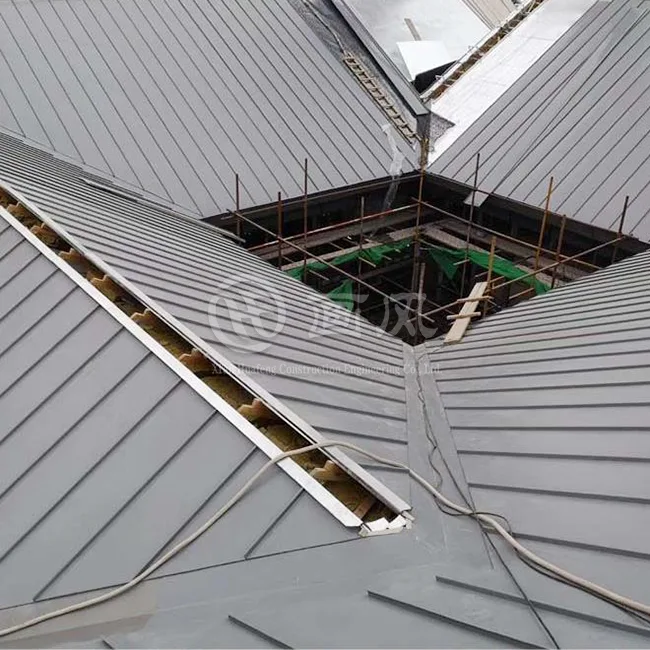
Successful Aluminum standing seam metal roof panels installations begin with proper substrate preparation. Roof decks must achieve flatness within 6mm over 3 meters to prevent panel distortion and visible waviness. Certified installers use portable seaming machines that crimp panel seams with consistent pressure, ensuring weathertight connections without damaging PVDF finishes.
Clip placement follows engineering specifications that account for thermal movement. Aluminium expands approximately 50% more than steel per degree of temperature change, requiring fixed clips at panel centers and sliding clips at ends. Installers must never mix dissimilar metals; all fasteners and clips should be made from 300-series stainless steel to prevent galvanic corrosion.
Panel lengths exceeding 30 meters can be roll-formed on-site, eliminating horizontal seams that may compromise weather resistance. This continuous-length capability particularly benefits airport terminals, distribution centers, and manufacturing facilities with expansive roof areas.
Long-Term Maintenance Strategies
Annual inspections should verify clip attachment, check seam integrity, and clear debris from valleys and gutters. Unlike steel roofs that develop rust stains requiring remediation, aluminium panels maintain their appearance with simple water washing. Facility managers should avoid abrasive cleaners or wire brushes that scratch PVDF coatings.
Common issues include panel displacement from extreme wind events and minor sealant failure at penetrations. Both conditions are easily corrected during routine maintenance visits. The absence of rust or coating delamination significantly reduces emergency repair frequency compared to steel systems.
Where to Source High-Quality Aluminium Standing Seam Roof Panels
Supplier Evaluation Criteria
Reputable manufacturers demonstrate multi-decade track records with verifiable project references. HF's establishment since 2018 and recognition as a Shaanxi Province high-tech enterprise in 2020 reflect growing capabilities in metal roofing systems. The company holds first-level qualifications for building curtain walls and third-level qualifications for building steel structures, indicating technical competency recognised by Chinese construction authorities.
Production capacity matters when scheduling large projects. HF's three-factory network ensures consistent supply chains and 15-20 day delivery times from order confirmation. This responsiveness helps contractors maintain construction schedules without extended material lead times.
Pricing Structures and Order Logistics
Aluminium panel pricing typically ranges from $8-15 per square foot installed, depending on panel profile, finish selection, and project complexity. Bulk purchases exceeding 5,000 square meters often qualify for volume discounts. Procurement teams should request detailed quotations itemising material, freight, and installation costs separately to enable accurate budget comparisons.
International shipping requires careful coordination of container loading and port logistics. HF's experience serving global markets streamlines customs documentation and freight forwarding, reducing complications for North American buyers. The 500-square-meter minimum order aligns well with typical commercial project quantities while remaining accessible for specialty applications.
Conclusion
Aluminum standing seam metal roof panels deliver unmatched performance for commercial, industrial, and institutional buildings where longevity, low maintenance, and design flexibility drive material selection. The combination of corrosion resistance, lightweight construction, energy efficiency, and aesthetic versatility positions aluminum as an optimal choice for demanding applications. HF's manufacturing capabilities, with PVDF-finished panels available in thicknesses from 0.7-1.2mm and customizable RAL colors, provide procurement teams with reliable solutions backed by 30-year warranties. When lifecycle costs, environmental impact, and operational performance receive proper consideration, aluminum systems consistently outperform traditional alternatives.
FAQ
1. How does aluminium standing seam roofing compare in cost to traditional asphalt shingles?
Aluminium panels cost approximately 2.5-3 times more than architectural asphalt shingles initially. The lifespan difference reverses this calculation dramatically—aluminium lasts 50+ years compared to 15-20 years for quality shingles. When factoring in two or three shingle replacements over an aluminium roof's lifespan, aluminium proves more economical while delivering superior weather resistance and energy performance.
2. Can aluminium panels be installed on low-slope commercial roofs?
Yes, mechanically seamed aluminium systems perform reliably on slopes as low as 1/4:12 (approximately 1 degree) when continuous panel lengths eliminate horizontal laps. Factory-applied sealant inside seam legs ensures hydrostatic resistance. Proper clip placement and substrate preparation remain critical for low-slope installations to prevent water ponding and ensure drainage.
3. What warranty coverage should buyers expect for aluminium standing seam systems?
HF provides a 30-year warranty covering material defects and PVDF finish degradation. Comprehensive warranties should include perforation resistance, seam integrity, and colour fade limits. Buyers should verify warranty transferability for property sales and understand maintenance requirements that preserve coverage.
Partner with HF as Your Trusted Aluminium Standing Seam Metal Roof Panels Supplier
Procurement managers seeking dependable Aluminum standing seam metal roof panels for upcoming projects will find comprehensive solutions at HF. Our three manufacturing facilities and seven production lines ensure consistent quality and on-time delivery within 15-20 days. PVDF-finished panels meeting ASTM, DIN, JIS, BS, and GB/T standards arrive ready for installation with full technical support. Contact our team at huafeng@hfmetalroof.com to discuss project specifications, request detailed quotations, or arrange material samples.
References
1. Smith, J.R. & Martinez, L. (2021). Lifecycle Cost Analysis of Metal Roofing Systems in Commercial Construction. Journal of Building Performance, 15(3), 142-158.
2. National Roofing Contractors Association. (2022). Metal Roofing Design and Installation Guidelines for Commercial Applications. NRCA Technical Manual.
3. Thompson, K.D. (2020). Corrosion Resistance of Architectural Metals in Coastal Environments. Materials Science Quarterly, 28(4), 301-319.
4. U.S. Green Building Council. (2023). LEED v4.1 Reference Guide for Building Design and Construction. USGBC Press.
5. Chen, W. & Rodriguez, P. (2022). Thermal Performance of Reflective Roofing Materials in Various Climate Zones. Energy and Buildings Research, 44(2), 89-104.
6. International Code Council. (2021). International Building Code: Chapter 15 - Roof Assemblies and Rooftop Structures. ICC Publications.





YOU MAY LIKE
_1781690542318.jpg "Self-adhesive waterproof membrane")
(1)_1763110678300.webp "standing seam metal roof panels")