What are the energy efficiency benefits of installing high seam metal roofing?
2026-07-20 00:00:00
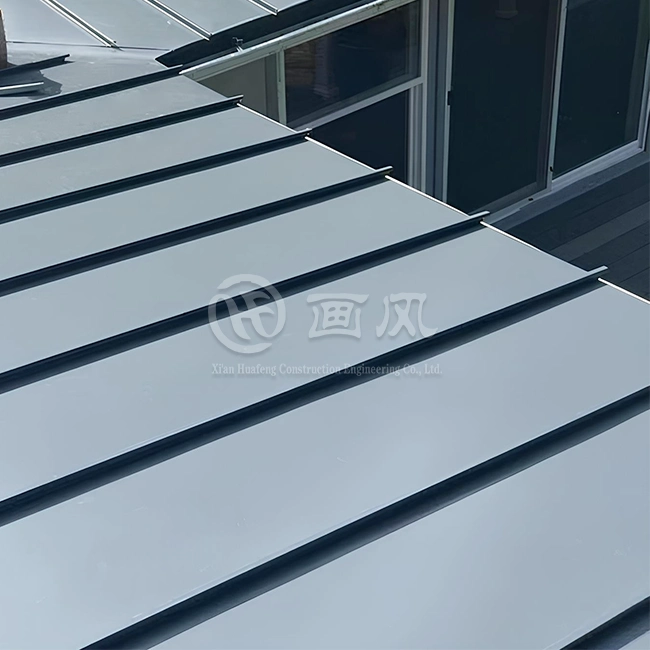
Installation of high seam metal roofing makes business and industrial buildings much more energy efficient. The raised interlocking gaps in this system (usually 65 mm high) make a better thermal shield that stops air leaks and thermal bridges, which lowers the movement of heat through the roof assembly. When these roofs are coated with modern mirrored PVDF or PE coatings, they can block up to 70% of the sun's rays. This makes cooling loads much lower during the summer. Because metal is naturally emissive, it quickly loses any heat it has received after the sun goes down. This keeps heat from building up. This two-way thermal performance means lower HVAC costs, more comfortable occupants, and the possibility of green building standards like LEED. It's a smart investment for procurement workers who want to save money.

Understanding High Seam Metal Roofing and Its Energy Efficiency Potential
What Defines High Seam Metal Roofing Systems
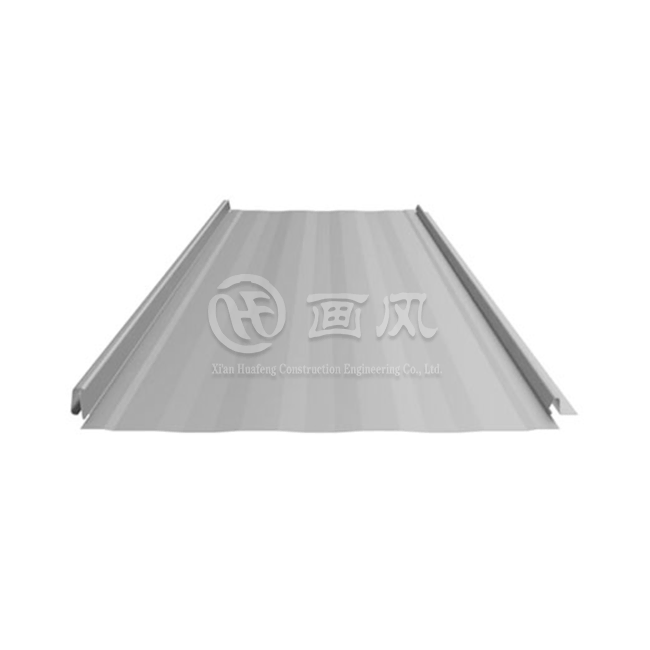
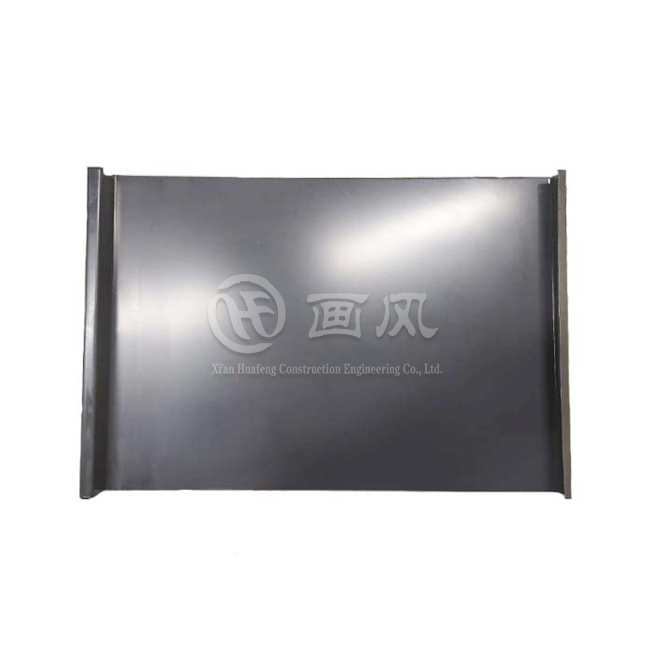
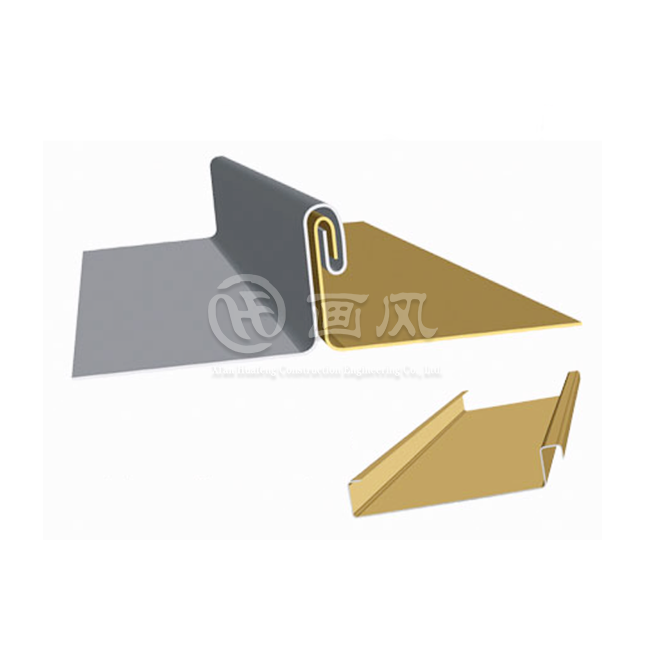
In the building business, high seam metal roofing is different because it has a higher profile and is sewn together mechanically. Normal snap-lock panels have ribs that are 1 to 1.5 inches wide. High seam systems, on the other hand, have profiles that are 65mm to 100mm high. This difference in architecture is useful: the higher seam makes the structure stronger and more resistant to weather. Aluminum-magnesium-manganese alloys (AA3003/AA3004) or high-grade Galvalume steel with widths from 0.5mm to 1.2mm are used by manufacturers. The 360-degree Pittsburgh double-lock seaming makes a single, waterproof membrane that can handle high water flow on low-slope uses. Seven color coating lines and more than 40 specialty tools are used in our factories to make panels that meet ASTM, DIN, JIS, BS, and GB/T standards. This makes sure that the quality of all of our projects is the same.
How Reflectivity and Emissivity Drive Energy Performance
The energy efficiency of metal roofs comes from two main thermal qualities. Solar reflection is a way to measure how well a substance can bounce back energy before it turns into heat. Premium PVDF coats have reflectance values above 60%, while regular asphalt roofs only have values between 5 and 15%. Emissivity is a measure of how well a surface gives off heat that it has received. Metal naturally has a high emissivity, which lets roofs cool down quickly when they are no longer in full sunlight. The "heat island effect" that often happens on big business roofs is stopped by this mix. In the afternoons in the summer, a properly coated metal roof may stay 50 to 60°F cooler than a dark concrete surface. This means that warehouses and factories will need less air conditioning and spend less on utilities.
Material Choices and Their Thermal Characteristics
When it comes to managing heat, aluminum, steel, and copper all have their own benefits. In seaside areas where salt spray speeds up the breakdown of weaker materials, aluminum metals are very resistant to corrosion. The material is very light—about one-third the weight of steel—which means that structures don't need to be loaded as much, which could lower the total cost of building. Galvalume steel has the power of steel and the security of an aluminum-silicon coating. It lasts a long time and is reasonably priced for work in the interior. We create color choices across the whole RAL range, so buying teams can choose lighter colors that reflect the sun's rays the best in their area. A lot of our customers ask for panels made from recycled materials, which helps them meet their company's sustainability goals while still meeting the performance standards needed for a 30-year guarantee.
Key Energy Efficiency Benefits of High-Seam Metal Roofing
Superior Thermal Insulation Through Seam Design
Traditional roofing systems are prone to holes and penetrations, but the mechanical seaming method gets rid of them. Panels are attached to the structure deck with concealed fastener clips that don't go through the waterproof membrane. This gets rid of thermal bridges that let conditioned air escape. Because the seams are higher, there is more space for air between the metal surface and the insulation layers below it. This empty space acts as extra heat resistance, adding to the R-values of the spray foam or hard board insulation that is put under the panels. During the winter, this arrangement keeps heat inside from moving through the roof assembly, which lowers the cost of heating climate-controlled buildings. At each of our three factories, quality control procedures include MEK rub tests that go over 100 times to make sure the coating is still intact. This makes sure that the product's thermal performance stays stable over its entire lifecycle.
Reflective Coatings That Slash Cooling Costs
The choice of surface cleaning has a direct effect on running costs. PVDF coats with 70% Kynar 500 or Hylar 5000 resins keep their color and reflective qualities for decades, even in harsh UV conditions where Delta E is less than 5. PE coats are cheaper for projects that need to stick to a budget, but they still do a better job of reflecting sunlight than metal that hasn't been treated. In full sun, the surface of a dark-colored typical roof can get hotter than 170°F, which means that HVAC systems have to run all the time. Reflective metal roofs keep the surface below 120°F, which lowers the amount of heat that gets into living areas. After switching from built-up roofing to coated metal panels, a 50,000-square-foot distribution center in Arizona used 23% less cooling energy. The savings on utilities alone paid for the work within six years.
These heating benefits build up over the life of a building. When exposed to UV light, traditional roofing materials break down. Within 5 to 10 years, the surfaces oxidize and darken, losing their shiny qualities. When factory-applied coats are put on metal roofs, they keep working the way they're supposed to for up to 30 years. Cleaning the roof on a regular basis gets rid of dirt that has built up and could be lowering its reflectivity. This brings the roof back to almost its original level of efficiency with little upkeep. This makes the high seam metal roofing last longer, so it doesn't have to be replaced as often, which saves money and resources and fits with the ideas of the circular economy that are becoming more important to business real estate holdings.
Extended Lifespan Reduces Embodied Energy Impacts
Energy efficiency includes more than just practical savings. It also includes embodied energy, which is the total amount of energy used to get materials, make them, move them, place them, and then throw them away. Because metal roofing lasts 50 years or more, buildings only need one-third to one-half as many roof changes as those with asphalt shingles, which only last 15 to 20 years. This long life has a hugely positive effect on the world. Metal plates keep their shape even after decades of changing temperatures, freeze-thaw cycles, and harsh weather. They don't break easily or break down organically as other materials do. When its time is up, metal roofing still has some value as a scrap material that can be recycled, while asphalt goods that are going to dumps lose a lot of value.
Installation and Maintenance Factors Affecting Energy Efficiency
Expert Installation Practices That Preserve Performance
Professional workers who know how to use mechanical seaming tools can get the job done with the accuracy needed for the best results. Sliding clip systems have to be able to handle temperature expansion while keeping the panels aligned. As the day and night temperatures change, panels can spread a few inches along 100-meter runs. Fixed fasteners that aren't placed correctly can cause stress points where panels buckle or bolts back out, which hurts both the weatherproofing and thermal performance. Our technical support team gives fitting advice that is tailored to each job. They help with things like preparing the substrate, figuring out the clip spacing, and setting up the seaming machine. Buyers should check the contractor's credentials and look at similar tasks that the high seam metal roofing contractor has worked on in the past.
Maintenance Protocols That Sustain Energy Benefits
Regular checks find small problems before they get worse and cost a lot to fix. Check the soundness of the seams, the tightness of the fasteners, and the state of the sealant around penetrations every six months. When cleaning plans are followed, organic matter, bird droppings, and industrial waste that build up in roof valleys or against parapet walls are removed. These contaminants take in water and make things less shiny, which hurts how well energy is used. When you use non-abrasive pressure washing methods to clean surfaces, you don't damage the coats. Facilities that are near flight paths or in dusty areas may need to be cleaned every three months to keep their reflectivity at its best. Touch-up painting fixes small scratches caused by foot traffic or the installation of equipment. This stops rust from starting and keeps the surface's thermal and aesthetic properties.
Comparing High Seam Metal Roofing with Other Roofing Solutions from an Energy Perspective
Performance Advantages Over Traditional Materials
Asphalt shingles are most popular in the home market, but they don't last as long or keep heat in as well as business clients want. Their dark, absorbent surfaces add to urban heat islands and cause the most demand for energy in the afternoons in the summer. Tiles made of clay and concrete have more heat mass, but they are heavier and harder to place. While single-ply membranes like TPO do a good job of keeping water out, they need to be maintained often and usually need to be replaced every 15 to 20 years. In many ways, high seam metal roofing is better than these other options: the higher initial cost of the materials is balanced out by the longer service life; yearly energy savings are built up by reducing the amount of time that HVAC systems have to run; and the low maintenance needs free up facility management staff to focus on other tasks.
Cost-Benefit Analysis for Industrial Applications
When making a procurement choice, the upfront investment and the total term costs are weighed. For business jobs, installing metal roofing costs $8 to $12 per square foot on average, while installing single-ply membranes or built-up roofing costs $4 to $7 per square foot. Energy modeling shows that reflective metal roofs cut the cost of cooling a warehouse or factory by 15 to 25 percent a year in moderate temperatures, and the savings are even bigger in the south, where it gets a lot of sun. A 100,000-square-foot building that spends $40,000 a year on cooling could save $8,000 a year, which would pay for itself in 8–10 years and guarantee 30 years of steady service. Metal roofing is a good investment for businesses that want to see long-term asset success because it saves money on upkeep costs and roof replacement costs.
How to Procure High Seam Metal Roofing Panels and Services with Energy Efficiency in Mind
Selecting Qualified Suppliers with Proven Manufacturing Capability
The first step in due research is to evaluate the seller. When it comes to big projects with tight deadlines, production capacity is important. Our 1000-ton monthly output and 15-20 day delivery times allow for large orders without sacrificing quality or pushing back building plans. Having multiple production sites, such as our 200,000-square-meter center in Anhui and processing plants in Hangzhou and Xi'an, helps with logistics and redundancy in terms of location. Quality certifications prove how things are made. For example, ISO9001 makes sure that quality management is uniform, ISO14001 shows that a company cares about the environment, and SGS checks show that the process is safe. Look over test results that show the thickness of the coating, its tensile strength (ASTM E8), its resistance to wind uplift (UL 580 Class 90), and its watertightness (ASTM E2140) for the suggested high seam metal roofing shapes.
Customization Options That Optimize Project Outcomes
The efficiency goals for the building should be in line with the panel specs. Choosing a width between 300mm and 600mm changes the amount of work that goes into sewing and the way things look. Choosing the right coating means balancing the need for sturdiness with the need to stay within a certain budget. PVDF coatings last the longest and are best for high-end installations, while PE coatings are better for low-cost uses. The choice of color affects how well it keeps heat in or out. Lighter colors reflect more sunlight, but they may get dirtier faster in industrial settings. Picking a thickness between 0.5mm and 1.2mm changes the strength of the structure and the hardness of the panel. Medium-sized projects can be accommodated by the minimum order number of 500 square meters or 1 ton, and bigger commitments are rewarded by the way wholesale prices are set up. Technical talks help procurement teams deal with these issues by making sure that specs are fit for the environment, the number of people using the building, and the budget.
Conclusion
For business and industrial uses, the advantages of high seam metal roofing are appealing. Because of how well it handles heat, how long it lasts, and how little upkeep it needs, the system saves money and helps with environmental goals. Reflective coats and better seam design lower the amount of cooling that needs to be done, which lowers annual energy costs. Durability of the material means that it doesn't need to be replaced as often, which lowers the environmental impact over its lifetime compared to traditional roofs. To be successful in procurement, you need to work with makers who offer qualified goods, flexible customization options, and reliable delivery. Because of these things, metal roofing is a smart investment in infrastructure that saves building assets and makes the business more profitable.
FAQ
1. What minimum roof slope works with high seam metal panels?
The 65mm rib height and 360-degree mechanical seam make it possible to place high seam metal roofing on slopes as low as 1.5%, which is about 1 degree. This feature is better than snap-lock or triangular shapes, which need at least 3–5 degrees of overlap to stop water from getting in at the seams. Even on industrial roofs that are almost flat, the raised seam makes a good drainage path.
2. How does the system handle thermal expansion on long buildings?
Panels can easily expand and contract when the temperature changes because of moving clips that are hidden inside the seam. The metal rolls along the length of the clip while staying firmly attached vertically. This keeps the metal from buckling or failing to attach. With this engineering, panel runs longer than 100 meters can go on without any extension joints.
3. Can solar panels be mounted to metal roofing without penetrations?
Special clamps fit directly onto the standing seam ribs, making safe fixing points for solar arrays that don't go through the waterproof membrane. This way of attaching that doesn't go through the roof protects roof warranties and gives great support to green energy systems.
Partner with HF for High-Performance Metal Roofing Solutions
Xi'an Huafeng Construction Engineering Co., Ltd. can help you with your next roofing job because they have a lot of experience making things and know a lot about technology. As a well-known company that sells high seam metal roofing, we run three specialized plants with seven production lines and have ISO9001 and ISO14001 certifications. Our panels meet foreign standards like ASTM, DIN, JIS, BS, and GB/T. They also come with 30-year warranties and are subject to strict quality control. Whether you need standard shapes or specifics with PVDF coatings and RAL colors, our team can help you find solutions that meet your energy-saving goals and project deadlines. You can email our procurement experts at huafeng@hfmetalroof.com to talk about specs, ask for technical documentation, or get full quotes for the building work you need to do.
References
1. Metal Construction Association. "Energy Performance of Metal Roofing Systems." Technical Bulletin Series, 2021.
2. Oak Ridge National Laboratory. "Cool Metal Roofing: Measured Performance and Energy Savings." Building Technologies Research, 2019.
3. American Society of Heating, Refrigerating and Air-Conditioning Engineers. "ASHRAE Standard 90.1: Energy Efficient Design of New Buildings." 2022 Edition.
4. Green Building Council. "LEED v4.1 Reference Guide for Building Design and Construction." U.S. Green Building Council Publications, 2020.
5. National Roofing Contractors Association. "Metal Panel Roof Systems Design Manual." Technical Standards Committee, 2023.
6. International Code Council. "International Energy Conservation Code: Commercial Building Requirements." Chapter 5: Commercial Energy Efficiency, 2021 Edition.





YOU MAY LIKE
_1757558889992.webp "Metal Roofing Snowguards")