Standing Seam Metal Roofs: Definition, Details, & Benefits
2026-07-20 00:00:00
Metal standing seam roofing panels are always the best answer when I ask building workers what kind of roofing options will last the longest. This roofing system has raised vertical lines that go all the way from the ridge to the eave. This makes hidden fastener panels that lock together without showing screws. The design doesn't just look good; it changes how a roof works when it's under a lot of stress. Standing seam systems don't have holes in them that can let water in like other roofing materials do. Instead, they use secret clips that let the material expand and contract with the weather while keeping it waterproof. The panels are usually 12 to 20 inches wide, and the seams are about 25 mm high. They are made to shed water quickly and stand up to wind-lifting forces that would damage other types of roofs. Whether you're in charge of a business building project or choosing materials for a beach resort, knowing the technical details of this roofing option can have a big effect on how well the project works in the long run and how much it costs to maintain.

What Is Standing Seam Metal Roofing?
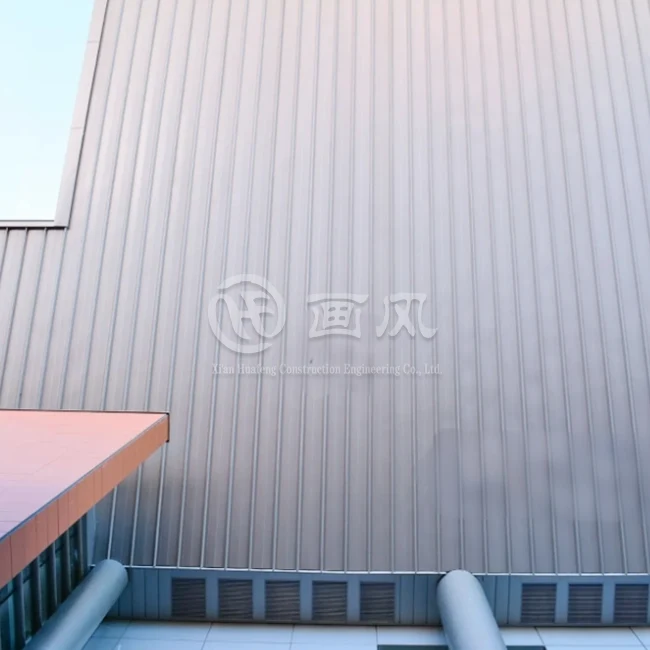
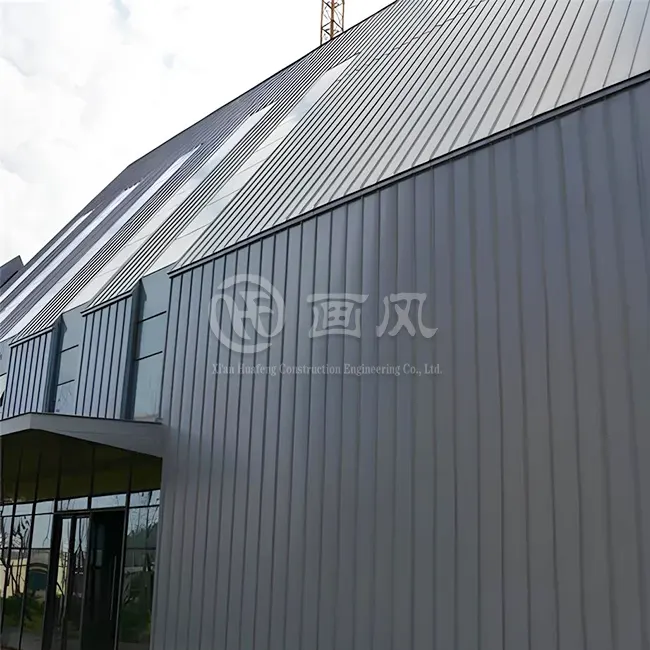
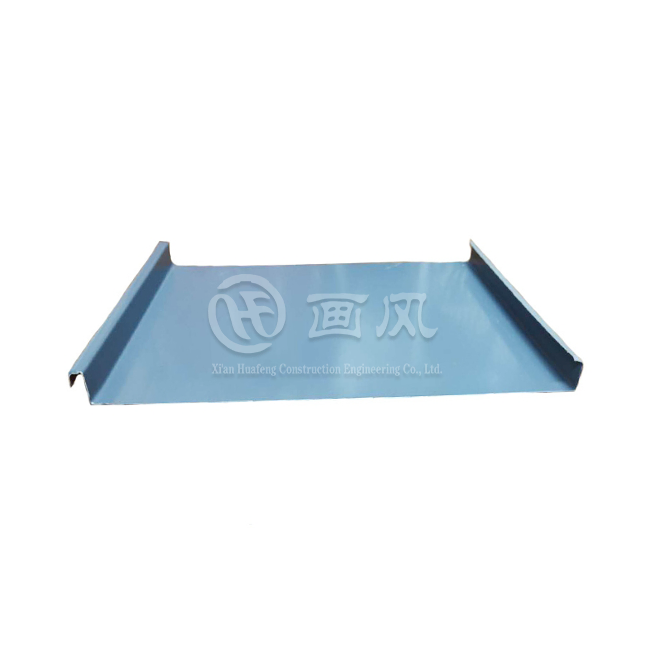
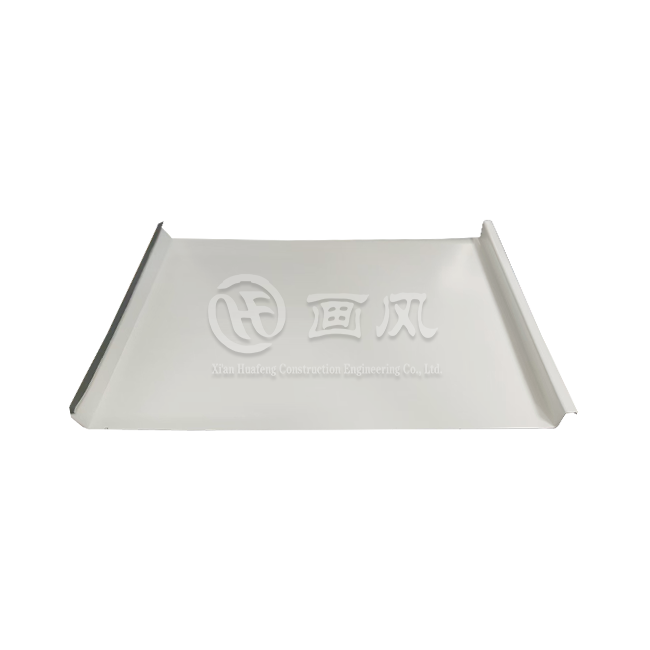
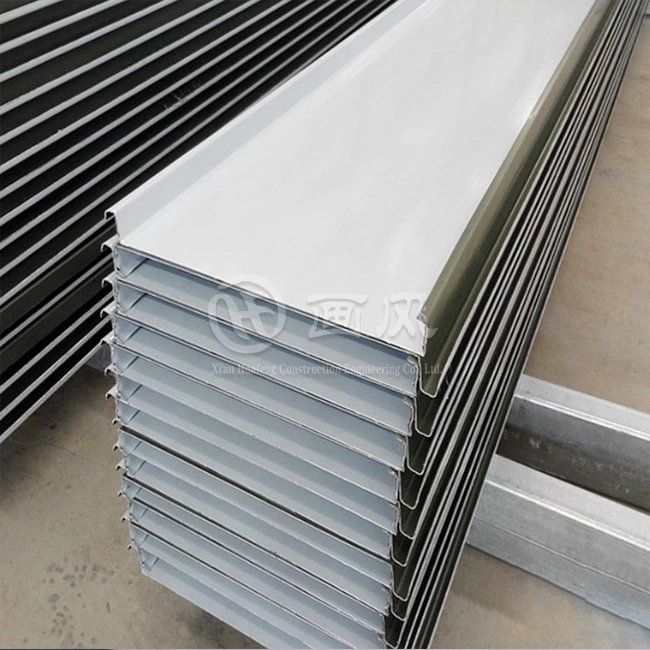
Standing seam metal roofing is a high-end type of metal roofing that is defined by its vertical panel layout and hidden fastening method. The distinctive feature is the raised seams, which are usually 25 mm high and connect pieces together using either snap-lock or mechanical seaming.
Core Panel Profiles and Locking Mechanisms
There are two main types of profiles on the market, and each one is best for a different slope and set of performance standards. Snap-lock profiles have overlapping ends that are pre-formed at the factory and snap together over set clips. This makes installation faster on roofs with slopes greater than 3:12. This method works well for home and light business uses where installation speed is important. To pull the panel sides together with a mechanical lock system, on the other hand, you need special seaming tools that can either single-lock at 90 degrees or double-lock at 180 degrees. This makes a weathertight seal that can work on low-slope roofs as low as 1/4:12. This makes it the best choice for big business buildings and industrial facilities with low roof pitches.
Material Options and Their Performance Characteristics
The base material has a big impact on how long the roof lasts, how well it resists rust, and how well it holds up. Steel plates, usually 22- or 24-gauge with an aluminum-zinc alloy covering called Galvalume, are very strong for their weight and don't cost much for most business uses. Aluminium alloy surfaces, especially AA3004 grade with a yield strength of more than 190 MPa, are better at resisting rust in coastal areas where salt spray speeds up metal breakdown. Stainless steel is the most durable metal when it comes to harsh industrial environments. Copper and titanium-zinc are used in building projects where a natural patina develops over time to give the metal a unique look. Environmental exposure, structure load standards, and a lifetime cost study are more important than the price at the start.
Comparing Standing Seam to Alternative Roofing Systems
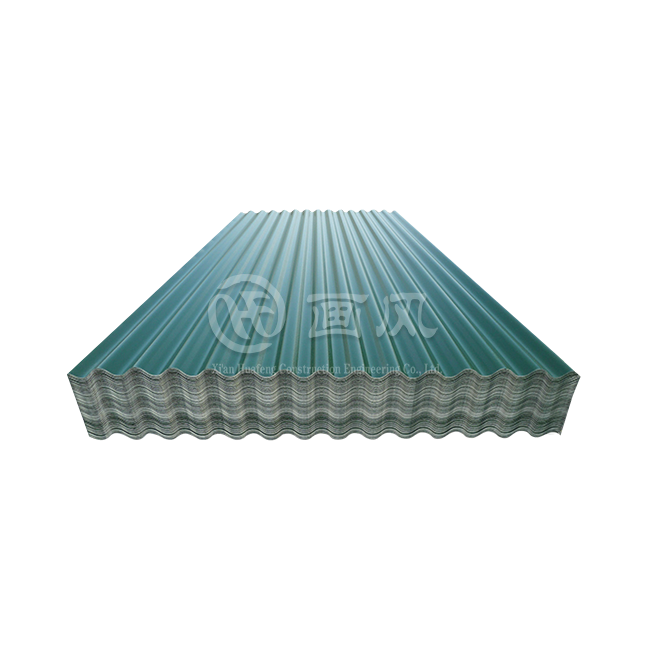
When put next to perforated metal walls, the benefits are clear right away. Corrugated systems use visible screws that go through the roof's surface, making thousands of possible leaky spots that get worse over time as the rubber washers wear out. Metallic roofs have a traditional look, but they have horizontal seams that stop water flow and collect dirt. Asphalt shingles need to be replaced every 15 to 20 years, which creates a lot of waste and costs a lot of money in labour over time. Standing seam systems get rid of these weaknesses by using continuous panel runs and hidden fastenings. This means that they require less upkeep and last much longer than 30 years if they are put correctly.
Benefits of Standing Seam Metal Roofing Panels
This roofing system's performance benefits go far beyond the initial installation. They provide measured value for the entire life of the building.
Exceptional Longevity and Environmental Resistance
Standing seam panels, especially metal Standing seam roofing panels, are very resistant to things that make regular roofs wear out too quickly. The metal base doesn't catch fire and gets Class A fire ratings, which are important for insurance purposes and building code standards in areas that are prone to wildfires. Different materials have different levels of corrosion resistance. For example, steel with PVDF coatings keeps its colour and surface protection for more than 30 years, while aluminium naturally forms a protective oxide layer that can repair small scratches. Panels don't crack or break when the temperature changes significantly, unlike asphalt products that become hard and lose their flexibility. When manually seamed, wind uplift resistance usually exceeds 90 pounds per square foot, which is high enough to meet strict coastal building codes. Impact protection is also important. High-quality panels can achieve Class 4 hail ratings, reducing the number of damage claims in areas with severe weather conditions.
Energy Efficiency and Sustainability Credentials
Metal roofing saves energy because it is shiny, especially when it is finished with high-performance coatings. PVDF finishes with a dry film layer of at least 25 microns can reflect up to 70% of sun's energy. This makes business buildings much less likely to need to be cooled. This feature helps meet the standards for LEED approval and is eligible for energy tax credits in many places. The environmental profile goes beyond practical efficiency. Metal roofing has a lot of recycled material (30–40% in steel slabs, for example), and it is 100% reusable when it's time to throw it away, so it doesn't end up in a dump. For buying managers who care about the environment, these badges help companies stick to their sustainability goals while also cutting costs. The thermal mass properties also reduce changes in temperature, making the inside more stable and lowering the need for HVAC cycles.
Maintenance Simplicity and Total Cost of Ownership
Compared to other systems, routine upkeep needs to be kept to a minimum. Inspections every six months that check the state of the sealant, the stability of the fasteners, and the width of the draining path are usually enough. Since there are no visible bolts, the most frequent upkeep problem with screw-down metal roofs is that the fasteners back out and the washers wear down. When looking at lifetime costs, the original increase over asphalt shingles, which is usually 40–60% higher, is usually amortised over the longer service life, leading to lower annualised costs. The return on investment is even better when you save energy. Depending on where you live and how you use your building, the payback time can be anywhere from 7 to 12 years. For buying workers who are careful with their money, this long-term cost structure makes the initial investment worthwhile, especially for buildings that will be used for more than 30 years.
How to Choose the Best Standing Seam Metal Roofing Panels for Your Project
To choose the best panel standard, you have to weigh a lot of technical factors against the specifics of the project and your performance goals.
Critical Technical Specifications
The width of a panel directly affects how well and how long a structure works. Different span lengths and load needs can be met by substrates ranging from 0.5mm to 1.2mm. Thinner gauges are best for domestic uses with closely spaced purlins, while heavy gauges give wide-span industrial roofs the strength they need. The height of the profile affects how well water drains. 25mm seams can handle light rain, but harsh conditions may need thicker profiles. Choosing a width between 330mm, 400mm, and 430mm affects the number of panels and the amount of work needed to place them. Wider panels require more careful positioning but have fewer seams. Panel length options that can go on for up to 13 meters in a row cut down on horizontal laps and make long roof planes more waterproof.
Matching Materials to Environmental Demands
Coastal projects need aluminium or steel with a lot of coating to stand up to the salty air. Chemically-sensitive industrial buildings need to be made of stainless steel or have special finishing systems. PVDF finishes that don't fade or chalk work well in high-altitude areas that get a lot of UV light. Extreme temperatures affect the choice of coating. In mild areas, PE coatings are enough, but PVDF coatings are needed when surface temperatures reach 80°C or higher. Knowing how these external factors affect things keeps them from breaking down too soon and ensures that the guarantee coverage stays good.
Evaluating Supplier Capabilities and Certifications
Suppliers you can trust always follow foreign rules, like ASTM, DIN, JIS, and GB/T specifications. Certification paperwork shows that materials can be tracked and that quality control is maintained throughout production. For big projects, production capacity is important. Suppliers with various sites and specialised production lines can meet tight deadlines without lowering quality when manufacturing products such as metal Standing seam roofing panels. Warranty terms show how confident the maker is in the product; 30-year warranties that cover both material integrity and finish performance demonstrate higher product quality. Support after the sale, such as expert advice and installation training, adds value that goes beyond simply delivering the goods.
Installation and Maintenance of Standing Seam Metal Roofs
Proper installation techniques and proactive maintenance protocols maximize system performance and service life.
Installation Fundamentals and Best Practices
Successful installation begins with proper substrate preparation. The roof deck must be structurally sound, smooth, and properly sloped to ensure water drainage. Underlayment installation provides secondary weather protection and prevents condensation damage. Clip placement follows manufacturer specifications—typically 12-18 inches on center—to balance thermal movement accommodation with wind uplift resistance. Panel alignment requires precision; even minor deviations compound over long runs, creating visible waviness. Mechanical seaming demands calibrated equipment and trained operators to achieve consistent fold pressure without overstressing the metal or damaging the coating. Common pitfalls include inadequate thermal break provisions at penetrations, improper flashing details at roof transitions, and insufficient clip engagement that allows panel slippage.
Preventive Maintenance Protocols
Scheduled inspections conducted biannually identify minor issues before they escalate. Checking for debris accumulation in valleys and around penetrations prevents water ponding. Examining sealant condition at terminations and curbs catches deterioration early. Fastener integrity assessment ensures clips remain properly engaged and haven't loosened due to thermal cycling. Cleaning protocols using non-abrasive methods and pH-neutral cleaners preserve coating integrity. Documentation of inspection findings creates a maintenance history that supports warranty claims and informs lifecycle planning. The modest investment in preventive maintenance—typically 1-2% of replacement cost annually—prevents costly emergency repairs and extends roof life beyond initial warranty periods.
Procurement Guide: How to Buy Standing Seam Metal Roofing Panels
Navigating the purchasing process efficiently requires understanding pricing structures, logistics requirements, and supplier capabilities.
Pricing Transparency and Volume Considerations
Material costs change a lot depending on the material, the finish, and the number of items ordered. The least expensive choice is steel plates with PE coats, while copper and PVDF-finished aluminium costs a lot more. Prices per square meter rely on these factors and run from modest to high. However, if you buy more than 500 square meters, you'll get a big discount. Custom colour matching to RAL standards or private palettes costs a little more but makes the building fit in better. Minimum order numbers, which are usually 500 square meters or 3 tonnes, are based on how efficiently the goods can be made and how cheaply they can be shipped. When procurement managers are planning more than one project, building ties with chosen suppliers can help them get better prices and more flexible schedules.
Logistics and Delivery Management
Transportation infrastructure that limits the length of panels affects how projects are planned. Most places have rules that say lengths can't be longer than 12 to 13 meters, so panel sizes and transport access need to be coordinated. Production wait times of 15 to 20 days are based on normal specs. Custom orders need more time for tooling and quality checks. When you buy something from another country, it makes the movement of goods more complicated. Shipping panels in containers saves them during transport, but it limits their length. The production ability of the supplier is very important. Facilities that can make 10,000 tonnes of steel per month can handle big projects without delays that throw off building plans. Clear conversation about the order of deliveries keeps problems with storage and weather exposure before installation from happening on-site.
Value-Added Services and Quality Assurance
Progressive sellers offer sample programs so that you can see how the product works before you place an order. Technical consulting services help make sure that the specs are right for the job. Some offer installation help through networks of qualified contractors, which lowers the risk for general contractors. Manufacturing rigour is shown by quality documents like mill approvals, finishing test results, and measurement proof. These services set strategic partners apart from basic providers by showing that they care about their clients' success beyond just delivering goods.
Conclusion
Standing seam metal roofing delivers a compelling combination of durability, aesthetic versatility, and lifecycle value that makes it the preferred choice for discerning construction professionals. Metal Standing seam roofing panels provide a reliable solution with a concealed fastener design, available in diverse material substrates from steel to copper, offering decades of weathertight performance with minimal maintenance requirements. Energy efficiency characteristics reduce operational costs while supporting sustainability objectives. When properly specified to match environmental conditions and correctly installed following manufacturer guidelines, these systems routinely exceed 30-year service lives. The initial investment premium over conventional roofing amortizes through reduced maintenance, energy savings, and elimination of premature replacement cycles. For procurement managers, roofing contractors, and property developers prioritizing quality and long-term value, standing seam systems represent a strategic investment in building performance.
FAQ
1. What minimum roof slope works with standing seam panels?
Snap-lock profiles require slopes of at least 3:12 to ensure proper water runoff and prevent hydrostatic pressure at seams. Mechanically seamed systems with double-lock folds perform reliably on slopes as low as 1/4:12, making them suitable for nearly flat commercial roofs where other systems fail.
2. How do you attach equipment to standing seam roofs without compromising weatherproofing?
Non-penetrating seam clamps grip the raised seam without drilling or puncturing the roof surface. This method maintains warranty coverage and waterproofing integrity while providing secure attachment points for solar arrays, HVAC equipment, and fall protection systems.
3. Does metal roofing create excessive noise during rain events?
When installed over solid decking with proper underlayment and insulation, noise levels match or fall below those of asphalt shingle systems. The structural assembly dampens vibration transfer, eliminating the drumming effect commonly associated with metal roofs in older agricultural buildings lacking adequate substrate.
Partner with HF for Reliable Metal Standing Seam Roofing Panels
HF delivers proven quality through three strategically located factories operating seven production lines equipped with over 40 specialized machines, producing up to 10,000 tons monthly to meet demanding project schedules. Our standing seam sheet metal roofing utilizes premium substrates including aluminum alloy, steel, stainless steel, copper, and titanium-zinc in thicknesses from 0.5mm to 1.2mm, finished with durable PVDF or PE coatings that carry a comprehensive 30-year warranty. Every panel meets rigorous ASTM, DIN, JIS, BS, and GB/T standards, backed by multiple certifications and patents demonstrating our commitment to engineering excellence. We accommodate custom color specifications matching RAL standards and maintain efficient 15-20 day delivery schedules, even for bulk orders starting at just 500 square meters. As an experienced metal standing seam roofing panels manufacturer serving construction companies and commercial developers across North America, we provide technical consultation to optimize specifications for your specific project requirements. Contact our team at huafeng@hfmetalroof.com to discuss your procurement needs and request material samples that demonstrate the superior quality distinguishing HF products in today's competitive roofing market.
References
1. Metal Construction Association. "Architectural Sheet Metal Manual," 8th Edition. Glenview, IL: Metal Construction Association, 2018.
2. American Society for Testing and Materials. "ASTM E1592: Standard Test Method for Structural Performance of Exterior Dimension Stone Cladding Systems by Uniform Static Air Pressure Difference." West Conshohocken, PA: ASTM International, 2021.
3. National Roofing Contractors Association. "The NRCA Roofing Manual: Metal Panel and SPF Roof Systems." Rosemont, IL: NRCA, 2020.
4. Cool Metal Roofing Coalition. "Energy Efficiency and Metal Roofing: Life-Cycle Assessment and Building Performance Analysis." Washington, DC: CMRC Technical Report, 2019.
5. Smith, J. and Rodriguez, M. "Long-Term Performance of Standing Seam Metal Roofing in Coastal Environments." Journal of Building Envelope Design, Vol. 15, No. 3, 2022, pp. 45-62.
6. European Coil Coating Association. "PVDF Coating Performance Standards for Architectural Metal Applications." Brussels: ECCA Technical Guidelines, 2021.





YOU MAY LIKE