The Most Reliable Suppliers for Trapezoidal Standing Seam Roofing Materials
2026-07-06 18:46:37
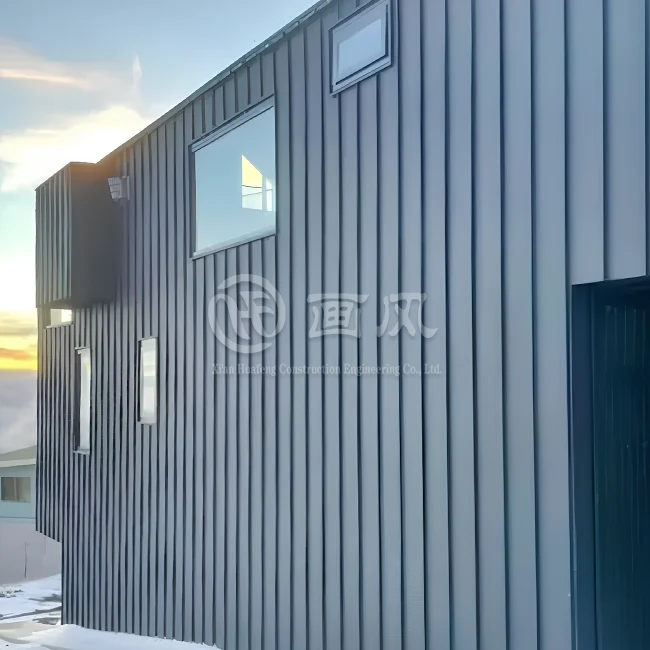
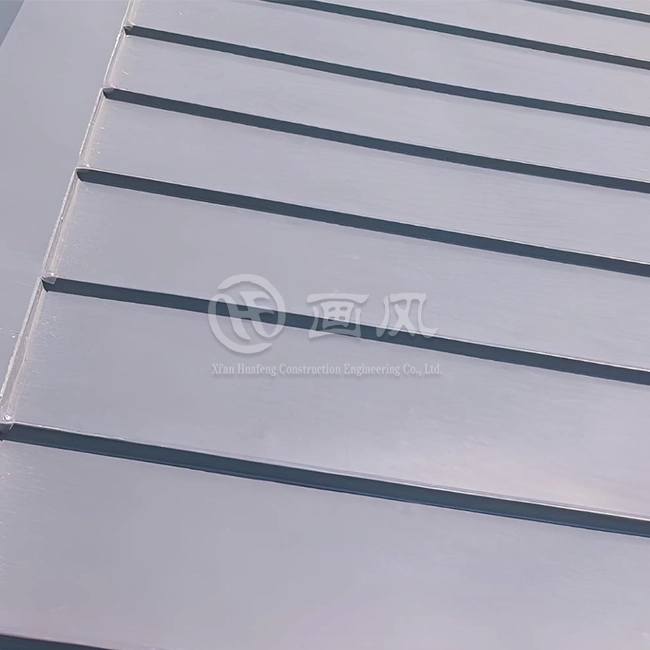
When looking for high-quality metal roofing systems for big business and industry projects, it's important to find dependable sources for trapezoidal standing seam roofing. This roofing system has raised trapezoidal ribs that make hidden fastening lines. It provides the best waterproofing and structural stability for warehouses, factories, and delivery centers across the United States. The mechanical seaming technology gets rid of visible fasteners, which greatly lowers the risk of leaks and allows for thermal expansion across large roof areas. Good sellers offer a wide range of materials, such as aluminum alloy, galvanized steel, and stainless steel. They also use professional finishing systems, such as PVDF coatings, to make sure that the materials last for decades and don't need much upkeep in harsh industrial settings.

Understanding Trapezoidal Standing Seam Roofing and Market Needs
The Engineering Behind Standing Seam Metal Roof Systems
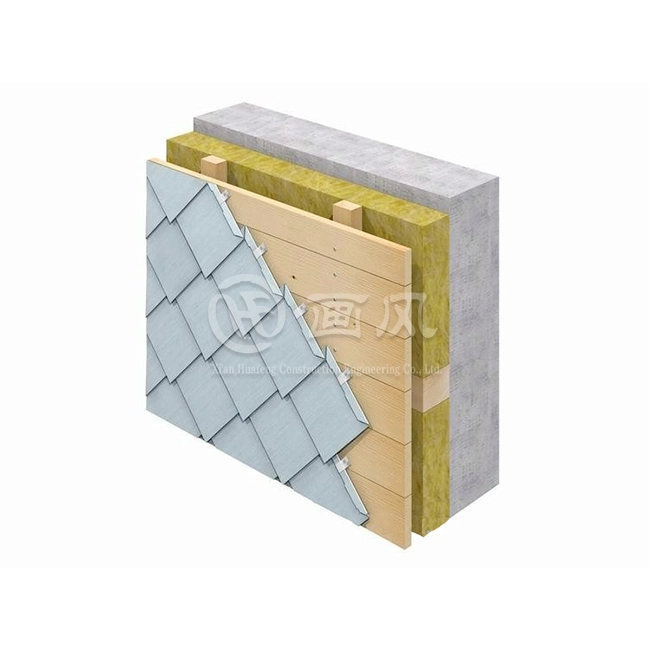
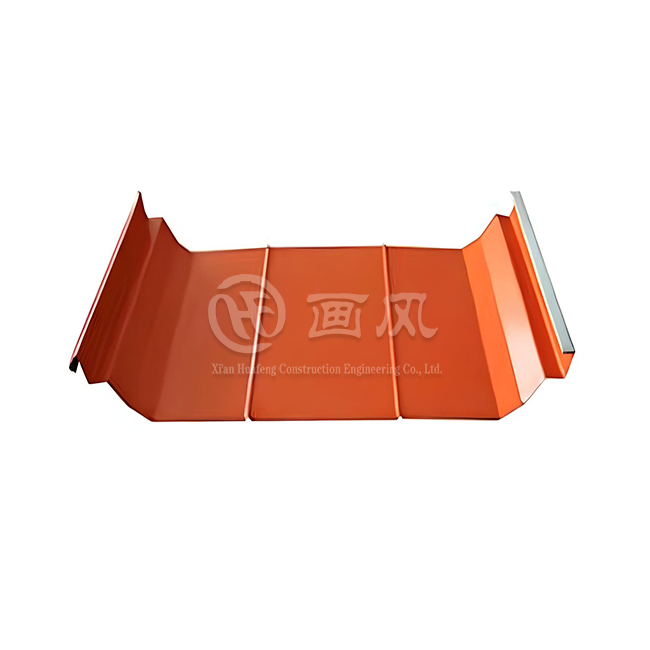
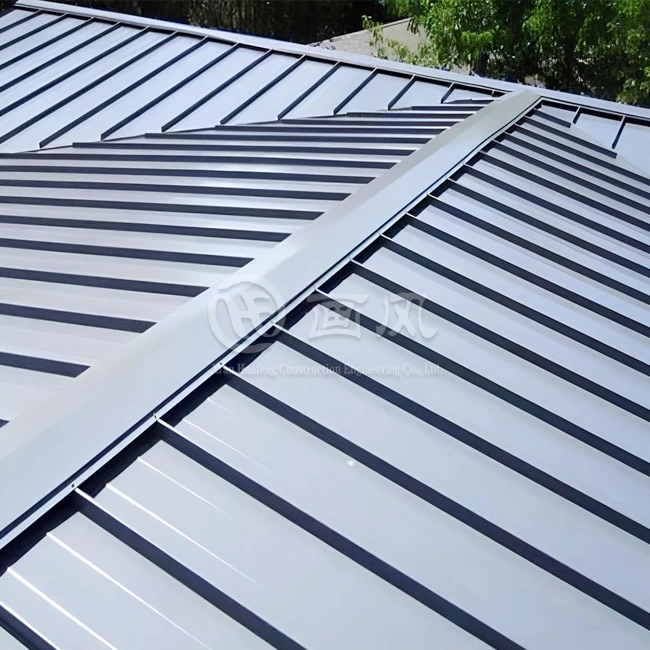
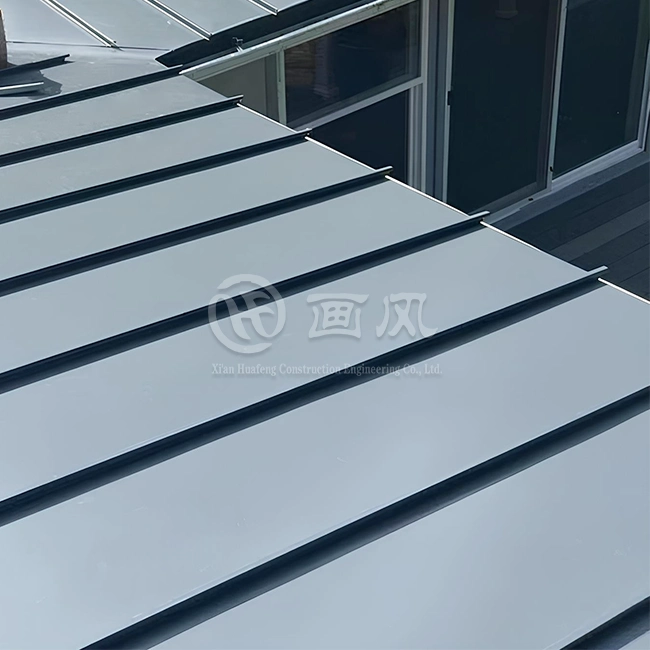
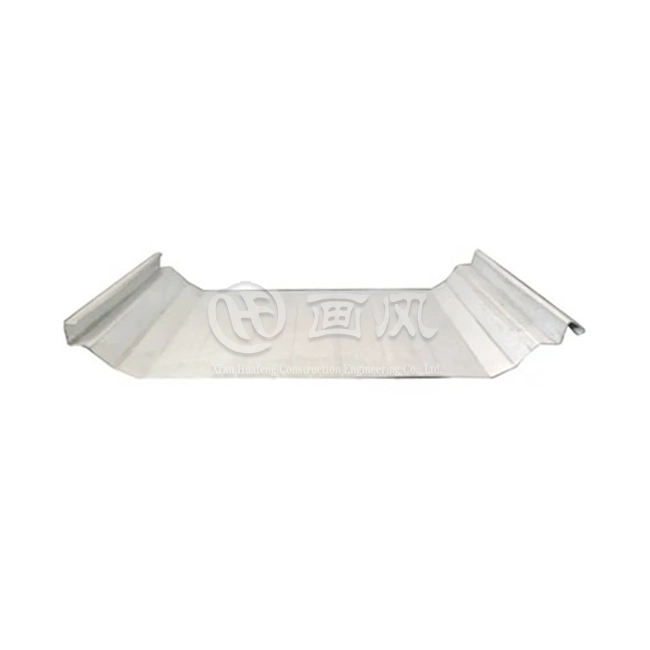
Trapezoidal standing seam roofing is a new and improved option designed for business buildings with low slopes, where regular screw-down panels often fail. Panels are attached to structural purlins without going through the roof membrane because the method uses secret clip mechanisms. This floating attachment method lets metal panels expand and contract easily when temperatures change. This keeps standard systems from having problems like oil-canning and worn-out fasteners. The height of the raised seam shapes is usually between 50 mm and 75 mm, and they make good drainage paths even on slopes as low as 1:12 pitch. This design solves a major problem for procurement managers who are in charge of big stores and shipping centers with roofs that are bigger than 50,000 square feet and water pools that are hard to clean.
Material Selection for Optimal Performance
There are three main foundation materials used in modern standing seam systems. Each one is chosen based on the project's price and the conditions of the area. The 3003 and 3004 series of aluminum alloys are especially good at resisting corrosion in coastal areas. They also have a good strength-to-weight ratio that lowers the load needs for structures. Galvanized steel with an AZ150 shiny finish lasts a long time and doesn't cost much. It works well and is affordable for projects that are on a budget. Stainless steel versions are used in tough industrial areas where corrosion protection is needed because of chemicals or high humidity. You can use either PE (polyester) or PVDF coatings topcoat finishes on these surfaces. PVDF coatings, which are often sold under the brand name Kynar 500, are the best choice for obvious business roofs where looks are important to property developers because they last 30 years and don't fade or change color.
Meeting Compliance and Sustainability Standards
More and more, B2B buyers in the building industry need roofing products that meet strict certification standards. Quality providers keep records that show they meet the ASTM E1592 structure performance standards and UL 580 lifting resistance ratings. These ratings make sure the system can handle the high winds that are common in hurricane-prone areas. For many business insurance plans, products that meet Class A fire rates under ASTM E108 tests are now required. In addition to making sure they follow the rules, forward-thinking buying teams give more weight to sellers who offer materials that help with LEED certification. Green building efforts are directly supported by metal roofing systems that have high solar reflectance values and high amounts of recycled material. Environmental Product Declarations (EPDs) and third-party verification are available from reputable suppliers. This lets project specifiers safely record sustainability measures that lower practical energy costs and meet company environmental promises.
Evaluating Top Suppliers for Trapezoidal Standing Seam Roofing
Quality Assurance and Manufacturing Capabilities
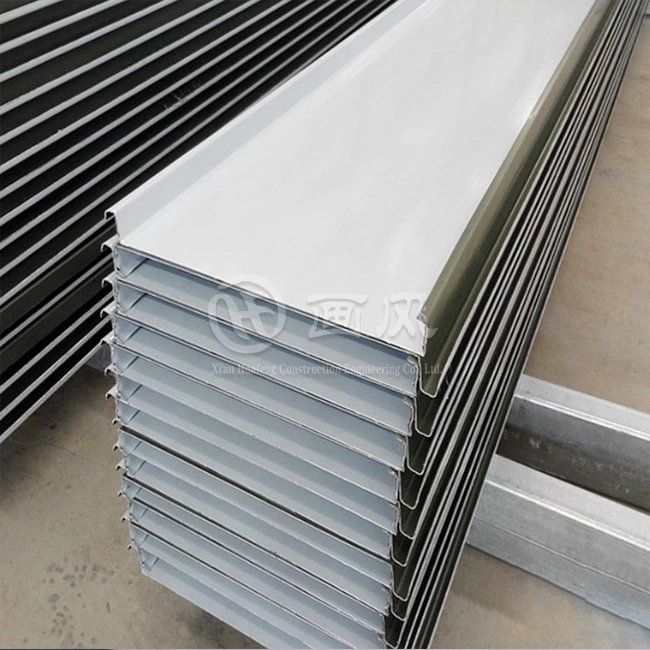
To tell the difference between reliable sources and less-than-reliable ones, you need to look at the production infrastructure and quality control methods, especially for products like trapezoidal standing seam roofing. Leading makers run factories with multiple color coating lines that can apply films of exact thickness. This makes sure that the PVDF coverage is uniform, which stops the material from weathering too quickly. Modern machinery for longitudinal and transverse shearing makes it possible to get exact panel measurement tolerances, which are needed for a smooth installation in the field. Suppliers who have both ISO 9001 and ISO 14001 certifications show that they take quality control and environmental duty very seriously. When projects need to be delivered quickly, the ability to manufacture is very important. Suppliers with special roll-forming equipment can make custom-length panels up to 13 meters without transverse seams, which gets rid of possible leak points and speeds up installation times. Teams in charge of buying things should check to see if possible suppliers have automatic punching lines and CNC bending equipment. These tools have a direct effect on how consistent the products are across big orders that are more than 500 square meters.
Technical Support and Customer Service Infrastructure
Outstanding providers do more than just make products; they also offer full professional support throughout the entire lifecycle of a project. This help starts during the design phase, when engineering teams help architects choose the right panel shapes, gauge thicknesses, and clip spacing to meet the load needs. During the buying process, responsive sellers provide thorough technical datasheets that list the properties of the materials, data on how well they hold up, and installation instructions that make it easier for contractors to work together. Having access to authorized installer networks or direct installation services makes complicated projects a lot less risky, especially for people who don't have metal roofing knowledge in-house. Support after installation is what sets top providers apart. Having access to upkeep guidelines, handling warranty claims, and new parts makes sure that roof systems keep performing at a high level for as long as they are supposed to. Companies that offer ongoing training programs for their contractor partners show that they care about using the right installation methods, which protects buyers' interests in the long run.
Reputation Verification Through Third-Party Validation
To judge a supplier's credibility, you need to look at more than just their marketing claims. You also need to look at their qualifications and market comments. Certifications from well-known testing companies like SGS or Intertek give you peace of mind about a product's performance and specs. Suppliers with multiple filed patents for new roofing systems show that they have real technical knowledge and aren't just reselling common goods. Case studies and comments from satisfied customers that show the success of large-scale installations can help you understand how reliable a seller really is in the real world. Buyers should check to see if potential suppliers have worked on projects that are similar in size and difficulty to their own. For example, a manufacturer with experience running 200,000-square-meter logistics centers can help buyers solve problems in a way that smaller residential suppliers can't. Professionals who belong to groups like the Metal Construction Association show that they are committed to best practices in the field and ongoing professional education.
Comparing Trapezoidal Standing Seam Roofing Suppliers: Key Metrics for Decision-Making
Pricing Structures and Volume Considerations
Understanding pricing helps buyers balance budget and quality in trapezoidal standing seam roofing. Installed costs typically range from $8–$16 per square foot, depending on materials, coatings, and project complexity. Minimum orders often start around 500 square meters due to production efficiency. Bulk purchasing or long-term contracts can reduce costs by 15–20%. Transparent suppliers separate material and accessory pricing, include support services, and deliver within 15–20 days, ensuring accurate budgeting and better overall value.
Customization Capabilities and Lead Time Management
Suppliers must offer flexible customization for trapezoidal standing seam roofing, including color matching, panel profiles, perforation options, and custom lengths to reduce seams and installation risks. Strong suppliers maintain diverse material inventories and adapt to project changes. Efficient lead time management ensures timely delivery, with capacity to prioritize urgent orders. Clear communication on schedules and delays helps coordinate construction timelines and ensures projects stay on track without compromising quality.
How to Source and Procure Trapezoidal Standing Seam Roofing Materials
Identifying Qualified Suppliers Through Verified Channels
Targeted seller finding using reliable industry tools is the first step to successful procurement. B2B platforms that focus on building materials connect buyers with makers who have already been checked out and are certified to produce the goods in question. Trade groups like the Metal Construction Association keep lists of suppliers that are organized by the types of products they offer and the areas they serve. When you go to trade shows in your business, you can look at samples of products and talk to expert representatives who can help you with complicated project requirements. When looking into possible suppliers, procurement teams should give more weight to those that have a history of doing business in the U.S. This way, they can be sure that the suppliers know the local building rules and make it easier to coordinate operations. Asking for specific business profiles that show where the factories are located, how much they can make, and if they have any quality certifications is a good way to do some preliminary screening before making official questions.
Best Practices for Material Validation and Supplier Assessment
Before placing big orders, smart buyers set up validation processes that check what the seller says and how well the material works. By asking for samples, you can see for yourself how well the finish looks, how accurate the gauge is, and how well the seams work with the fitting tools you already have. Full detailed datasheets should include grades for tensile strength, coating thickness, and corrosion protection. This way, the data can be directly compared to the project requirements. When you can, visiting factories gives you a chance to learn about production standards and quality control measures that you can't get from reading catalogs. When talking to suppliers, smart buyers ask about guarantee terms, the availability of replacement parts, and how quickly expert help responds. When negotiating a contract, it's important to be clear about delivery dates, acceptance standards, and how to fix materials that don't meet the requirements. Setting these rules up front keeps conflicts and project delays from being expensive and builds the basis for long-term relationships with suppliers.
Maintenance, Durability, and Long-Term Performance Support from Suppliers
Warranty Coverage and Service Life Expectations
Understanding warranty systems helps buyers protect investments and plan long-term costs in trapezoidal standing seam roofing. Premium systems often include 30-year warranties covering finish durability, perforation, and weathertightness when properly installed and maintained. Coverage varies by supplier, so clear terms and claim processes are essential. PVDF-coated aluminum can last around 50 years, while coated steel exceeds 30 years. These extended lifespans improve lifecycle value and support long-term asset management strategies.
Supplier-Endorsed Maintenance Protocols
Reliable suppliers provide maintenance guidelines to preserve performance and warranty compliance in trapezoidal standing seam roofing. Protocols typically include biannual inspections, debris removal, and approved cleaning methods to protect coatings. Documentation of maintenance supports warranty claims. Many suppliers also offer training for on-site teams, enabling independent inspections. Access to matching replacement parts simplifies repairs and maintains visual consistency, distinguishing long-term partners from basic transactional vendors.
Energy Efficiency and Environmental Stewardship
Metal roofing systems support sustainability goals in trapezoidal standing seam roofing through energy efficiency and recyclability. Reflective coatings reduce cooling demand, lowering HVAC energy use by 10–15% in sunny climates. Fully recyclable materials align with environmental commitments and reduce landfill waste. High recycled content can contribute to green certifications like LEED. Long service life minimizes replacement frequency, reducing lifecycle energy use and strengthening the role of sustainable practices in procurement decisions.
Conclusion
When looking for dependable suppliers of trapezoidal standing seam roofing materials, you need to look at more than just price. Things like manufacturing capabilities, technical support infrastructure, certification credentials, and long-term service commitment all play a role in how well the project turns out. Quality sources offer a wide range of materials, including aluminum alloy, galvanized steel, and stainless steel substrates with professional PVDF finishes. These materials come with 30-year contracts and helpful customer service. By using organized buying methods like checking samples, inspecting facilities, and carefully negotiating contracts, buyers lower their risks and build partnerships that ensure uniform quality across multiple projects. The money spent on high-quality standing seam systems from reputable providers pays off in a big way: they last longer, need less upkeep, and use less energy, which lowers the cost of running the building over its entire life.
Frequently Asked Questions
1. What advantages do trapezoidal standing seam roofs offer compared to traditional roofing systems?
With trapezoidal standing seam roofing, there are no visible screws like there are in screw-down systems, which makes them more likely to leak. The hidden clip connection allows for thermal expansion without putting too much stress on the penetrations, and the raised seam shapes let more water escape, even on low slopes. For big business buildings, this design works really well because it can handle hydrostatic pressure and temperature cycling loads better than other designs.
2. How can I verify supplier reliability for large-scale commercial projects?
Suppliers you can trust show their trustworthiness with ISO 9001 and ISO 14001 licenses, validations from third-party tests, and case studies of similar projects that have been done. Thorough screening is possible by asking for building tours, samples of materials, and precise technical specifications. Before placing large orders, getting references from past customers and checking the terms of the guarantee gives you more peace of mind.
3. Are customization options available to meet specific industrial requirements?
Leading providers allow for a lot of tailoring, such as matching colors, finding the best panel lengths, and choosing from a wide range of specialized coatings. You can ask for custom perforation designs, gauge variations, and additional parts to meet particular structural needs, aesthetic tastes, or performance standards that are important in industrial settings or architectural ideas.
Partner with HF for Premium Trapezoidal Standing Seam Roofing Solutions
Xi'an Huafeng Construction Engineering Co., Ltd. (HF) ships specialized metal roofing systems all over the United States that are made to meet the needs of tough business and industrial settings. Our standing seam metal roofing is made from high-quality materials like aluminum alloy, galvanized steel, and stainless steel. It also has professional PE and PVDF finishing systems that come with full 30-year warranties. When it comes to our 200,000-square-meter buildings, we have seven color coating production lines and more than 40 precision fabrication equipment units. We are a well-known trapezoidal standing seam roofing provider. Because of this, we can handle orders for at least 500 square meters, and we can guarantee delivery within 15 to 20 days. You can also choose any colors, patterns, and design details you want. With over 20 registered patents and processes that are ISO 9001 and ISO 14001 approved, we can guarantee consistent quality that meets strict international standards. If you are a procurement manager or project engineer, you can email our technical team at huafeng@hfmetalroof.com or visit hfmetalroof.com to get cheap quotes, project consultation, and full specifications that are made to fit your specific business roofing needs.
References
1. Smith, J. (2022). Metal Roofing Systems: Design and Performance Standards for Commercial Applications. Construction Technology Press.
2. American Society for Testing and Materials. (2021). ASTM E1592: Standard Test Method for Structural Performance of Metal Roof Systems. ASTM International Standards.
3. National Roofing Contractors Association. (2023). The NRCA Metal Panel and Standing Seam Roofing Manual. NRCA Publications.
4. Chen, L., & Anderson, R. (2021). Standing Seam Metal Roof Performance in Extreme Weather Conditions. Journal of Architectural Engineering, 27(3), 112-125.
5. Green Building Council. (2022). Metal Roofing Contributions to LEED Certification: Materials and Energy Performance. USGBC Technical Guidelines.
6. Peterson, M. (2023). Lifecycle Cost Analysis of Commercial Roofing Systems: Comparative Assessment of Standing Seam Metal Versus Alternative Materials. Building Economics Quarterly, 18(2), 45-62.





YOU MAY LIKE