What Makes Trapezoidal Standing Seam Roofing Durable and Cost-Effective?
2026-07-06 18:46:35
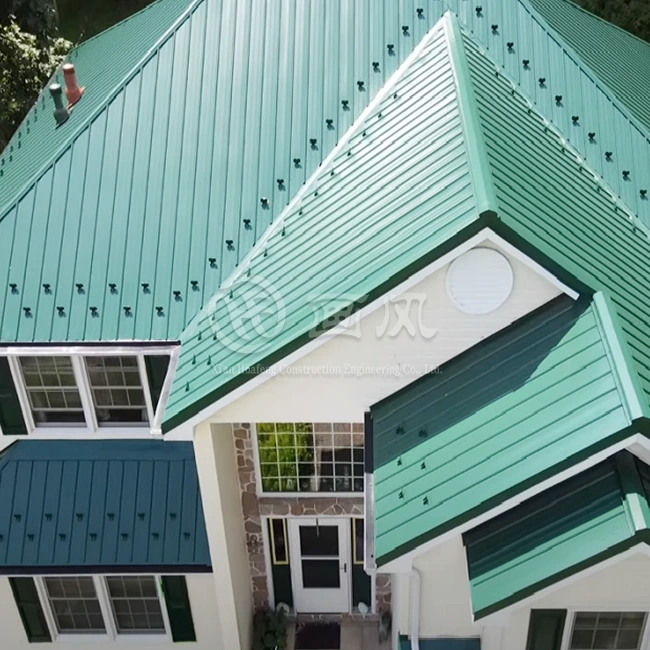
The elevated trapezoidal ribs and mechanically seamed joints of trapezoidal standing seam roofing make it very durable and cost-effective. Leak spots are absent from this metal roofing system since there are no visible fasteners. Secret floating clips facilitate thermal expansion. The stiffer construction allows panels to span wider between supports and withstand severe winds, snow loads, and other natural pressures. Using corrosion-resistant materials like galvanized steel, aluminum alloy, or stainless steel, these systems may endure over 30 years without maintenance. Commercial and industrial buildings will have reduced lifespan costs.

Understanding Trapezoidal Standing Seam Roofing
Defining the Trapezoidal Profile Design
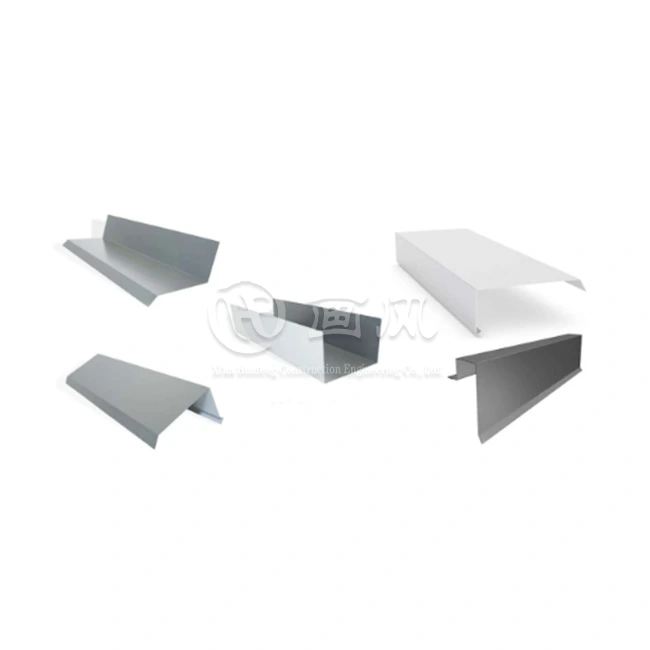
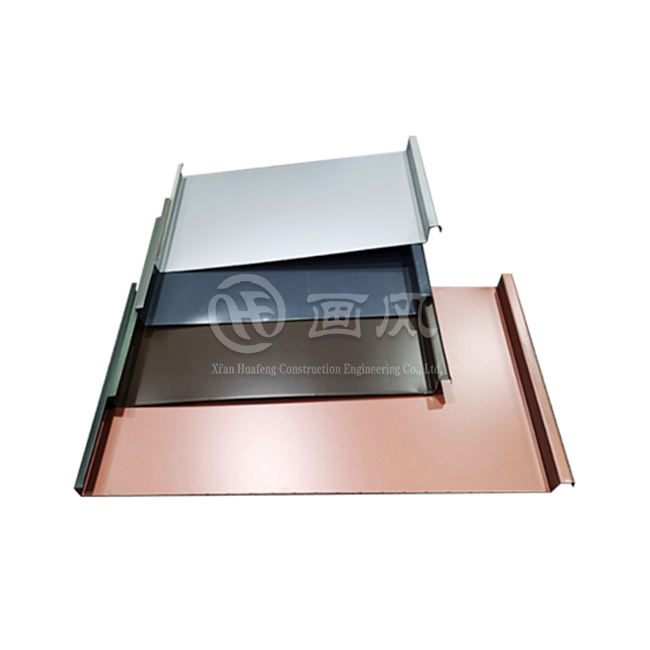
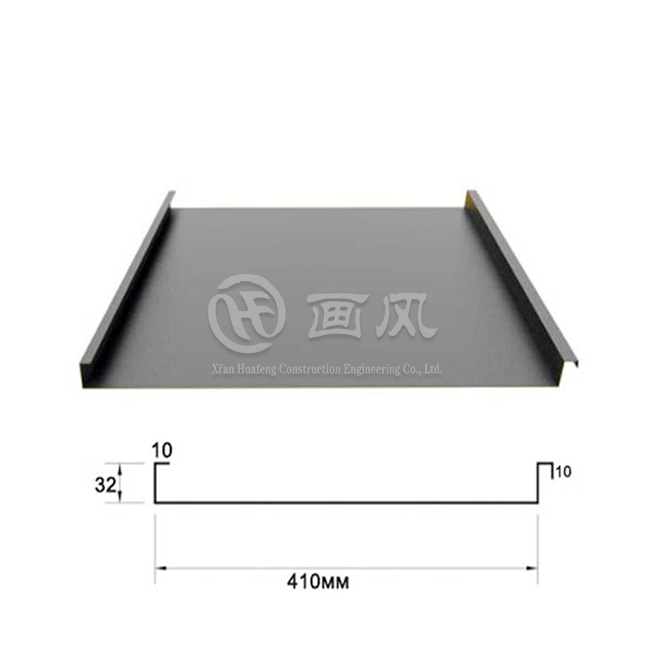
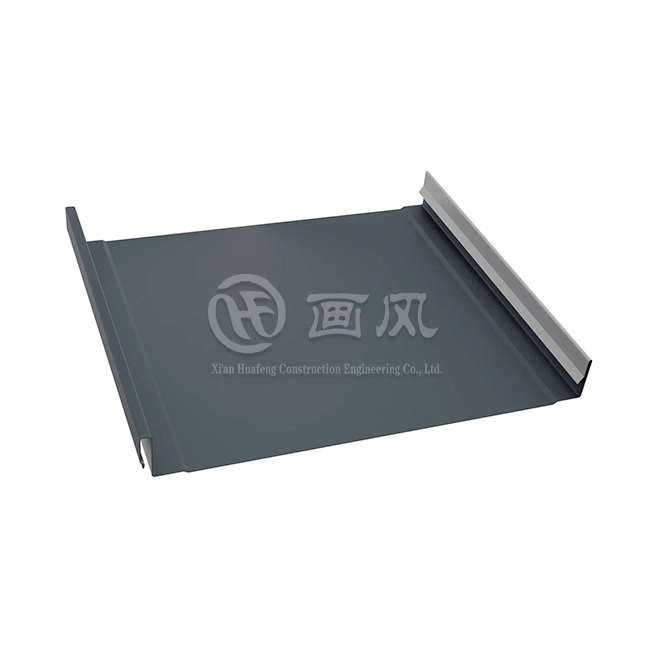
The higher ribs on the trapezoidal standing seam roofing, which range in height from 50mm to 115mm, give it a unique look and improve both its structural performance and its aesthetic appeal. This strong design has measured engineering benefits compared to flat or subtle architecture shapes. The raised seams make natural pathways for water to drain and provide attachment points for non-penetrating clamps that keep solar panels, HVAC equipment, and snow retention systems in place without affecting the structure of the roof. Each panel usually covers an area 300 mm to 600 mm wide, and can be made in any length up to 13 meters long. This means that there are no weak diagonal seams like there are in traditional roofing systems.
Material Composition and Protective Coatings
We use three main base materials to make trapezoidal standing seam roofing. Each one was chosen for its unique performance needs. Some types of aluminum metal, like those in the 3003, 3004, and 5052 series, are lightweight and don't rust, making them perfect for coastal areas and chemical exposure. Galvanized steel surfaces, such as AZ150, are durable and cost-effective for most industrial uses. Stainless steel is the best material for tough industrial areas that need the highest level of corrosion protection. PE or PVDF coats protect the surface. PVDF (Kynar 500) finishes are better at blocking UV rays and keeping colors even after years of being in the sun. The top layers of these coatings are usually 20 to 25 microns thick, and extra primer layers cover the base completely.
Mechanical Seaming Technology
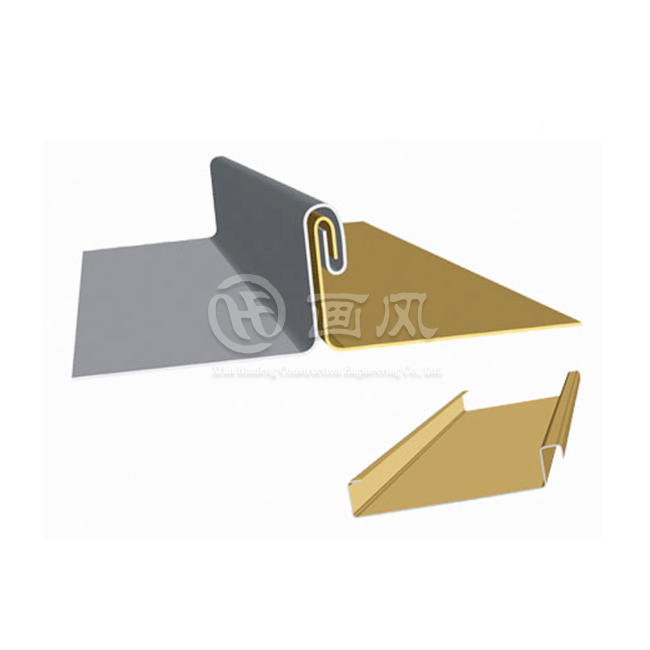
Through double-lock or single-lock setups, the trapezoidal standing seam roofing mechanical seaming process makes links between panels that are next to each other that are waterproof. When you double-lock seams, you fold the metal sides over on themselves 360 degrees. This gives the seams the best weather protection and wind uplift scores in the industry, which is important for buildings in hurricane-prone areas. This way of sewing seams needs special tools, but the joints it makes can stand up to wind forces above 5 kPa. The secret clip system connects panels to structural purlins while allowing them to move laterally during thermal cycling. This keeps fasteners from wearing out and panels from warping from -40°C to 80°C. This technical method fixes a major flaw in screw-down metal roofing: over time, the thousands of holes that are made can become failure places.
Durability Factors of Trapezoidal Standing Seam Roofing
Corrosion Resistance and Environmental Protection
Material choice strongly affects service life in harsh environments. Aluminum panels resist corrosion for over 50 years without coatings, while factory finishes enhance durability and appearance. Galvanized steel with AZ150–AZ180 coatings lasts 30–40 years when maintained. Hidden fasteners eliminate galvanic corrosion points caused by exposed metal contact. Coastal environments benefit from aluminum or stainless steel due to salt spray exposure. ASTM E1592 testing confirms these systems maintain integrity under extreme simulated conditions, supporting applications in refineries, power plants, and chemical facilities requiring long-term reliability.
Load-Bearing Capacity and Structural Performance
The ribbed geometry of trapezoidal standing seam roofing acts like an I-beam, distributing loads efficiently across panel spans. This allows purlin spacing of 1.5–2 meters, reducing structural steel requirements and overall construction costs. Typical load capacity exceeds 1.5 kN/m², supporting maintenance traffic without deformation. High rib profiles improve snow load handling by preventing panel deflection and enabling gradual shedding. UL 580 ratings up to Class 90 demonstrate resistance to 90 mph winds, making the system suitable for large-span warehouses and industrial facilities without intermediate supports.
Thermal Cycling and Movement Accommodation
Long metal roof panels expand millimeters every temperature change. Trapezoidal standing seam roofing systems use sliding clips to attach panels vertically while permitting horizontal movement. This prevents fastener fatigue, oil-canning, and seal failure. Unlike rigid fastening techniques, this solution stays waterproof after decades of heat cycling. Regular clip alignment and sealant inspections every few years assure function, although correctly installed systems seldom have troubles, even under high daily and seasonal temperature fluctuations.
Evaluating Cost-Effectiveness of Trapezoidal Standing Seam Roofing
Lifecycle Cost Analysis
Although trapezoidal standing seam roofing costs 20–35% more than basic systems, lifecycle analysis demonstrates significant long-term savings. Quality systems usually have 30-year warranties and need just occasional inspections and cleaning. Avoiding a complete roof replacement in big industrial buildings for 40 years may save hundreds of thousands in repair, labor, and operational disturbance. Preventing equipment and inventory water damage saves more. Even with larger initial expenditure, the strategy is economically favorable for long-term infrastructure planning.
Energy Efficiency and Operational Savings
PVDF-coated surfaces have solar reflectance over 0.70, minimizing heat absorption. A cool roof decreases interior temperatures by 5–8°C in non-conditioned rooms and reduces HVAC energy demand by 15–25% in conditioned buildings. Installation over insulation with ventilation generates thermal breaks, boosting energy efficiency. High recycled content (25–95%) and complete recyclability help LEED certification and environmental objectives. As companies pursue carbon reduction and long-term operational efficiency, environmental and energy advantages impact buying choices.
Procurement Advantages for Large-Scale Projects
Procuring in bulk for projects above 500 m² may save 12-18% and ensure manufacturing priority during busy building times. The delivery of color matching, rib profiles, and panel size in 15–20 days speeds up timescales. Quality is maintained throughout several projects with large-scale production. Single-source supply decreases risk and streamlines cooperation. Early technical cooperation reduces design mistakes and expensive changes, while post-installation assistance maintains warranty compliance and system performance throughout the building lifespan.
Comparative Analysis: Trapezoidal Standing Seam Roofing vs Alternatives
Performance Against Architectural Standing Seam
Architectural standing seam systems focus on aesthetics with smaller profiles and snap-lock connections but lack industrial span strength. Trapezoidal standing seam roofing reduces structural costs by 40% by supporting greater purlin spacing. On low-slope roofs, mechanically seamed 360-degree locks outperform snap-fit systems in weather resistance. Deeper profiles reduce rain noise by 8–12 dB. These features make trapezoidal systems better for large-scale industrial applications that need durability, strength, and environmental protection.
Advantages Over Corrugated and Screw-Down Systems
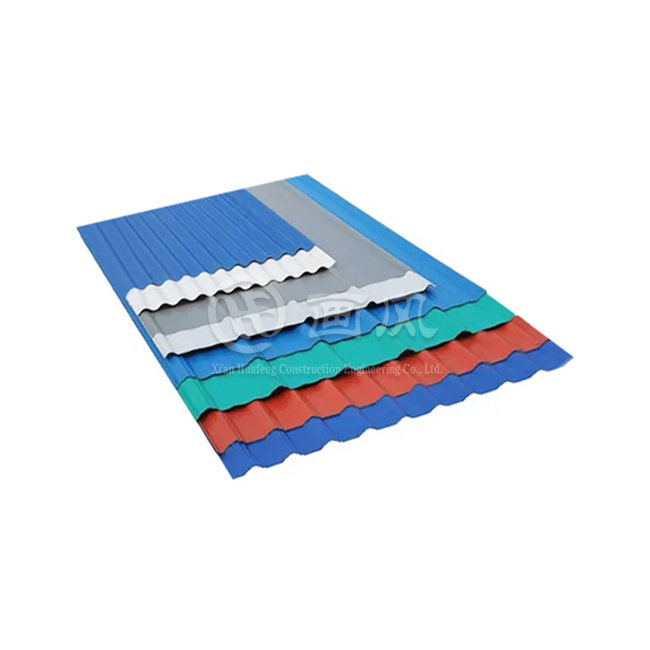
Corrugated and screw-down roofs are cheaper but weaker owing to visible fasteners. Since UV and temperature cycling destroy seals, each fastener is a leak point and requires maintenance. Large roofs with thousands of penetrations increase failure risk. Trapezoidal standing seam roofing prevents water infiltration with hidden fasteners and raised seams. This design promotes waterproofing, minimizes maintenance, and suits delicate settings that need moisture management and airtightness.
Industrial Application Case Evidence
Large logistics centers and industrial facilities demonstrate the effectiveness of trapezoidal standing seam roofing. Continuous panel lengths exceeding 100 meters reduce end laps and leak risks by up to 90%. On-site roll forming produces exact-length panels, cutting material waste and installation time by about 30%. Coastal facilities benefit from corrosion-resistant metal systems, while high-altitude structures rely on their strength to withstand heavy snow loads. These real-world applications confirm superior durability, weather resistance, and structural performance compared to traditional roofing alternatives.
Installation and Procurement Insights for B2B Buyers
Professional Installation Requirements
Professional teams and mechanical seaming equipment are needed for installation. For complete engagement without coating damage, double-lock seams must be correctly constructed. Wind and snow loads determine clip spacing, 450–600 mm. Precision substrate alignment at tight tolerances avoids deformation and seals. Quality control during installation protects system performance and warranty validity in large-scale industrial roofing projects.
Supplier Selection Criteria
Supplier assessment should go beyond pricing to include production capacity, certifications, and technical competence. Large-scale manufacturing is consistent with specialized roll-forming lines and automated coating systems. ISO 9001 and ISO 14001 certifications show process control and environmental responsibility. Project experience, government certifications, and patent portfolios demonstrate creativity and dependability. Working with skilled vendors lowers project risk and assures trapezoidal standing seam roofing system longevity.
Customization and Logistics Optimization
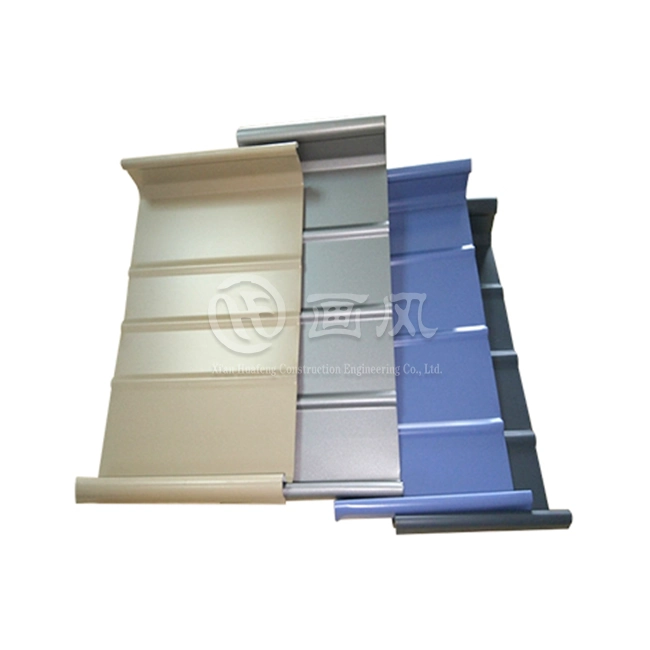
Colors, coatings, and panel shapes may be customized to meet architectural and branding needs. Precision roll-forming permits panel lengths up to 13 meters, reducing on-site joints and enhancing installation efficiency. Logistics with 15–20-day manufacturing cycles enable just-in-time delivery, eliminating storage and project delays. Packaging protects coating throughout transit, while handling recommendations maintain it. Professional suppliers have operating benefits over basic material sellers without building experience.
Conclusion
Trapezoidal standing seam roofing is long-lasting because it has engineered profiles that don't rust, can adapt to changes in temperature, and can handle high weather loads for more than 30 years. Lifecycle study shows that the product is cost-effective because it needs little upkeep, saves energy with reflective coats, and doesn't need to be replaced too often. The mechanical seaming technology makes links that are waterproof without any weak bolt penetrations. This is why this system is so popular in industrial settings where dependability is essential. For building companies, roofing contractors, and business developers who need to be sure of the roof's performance, trapezoidal standing seam roofing is the best choice. It has many benefits for buyers, such as bulk pricing, quick customization, and full technical support.
FAQ
1. What minimum roof slope works with trapezoidal standing seam panels?
Trapezoidal standing seam roofing systems work consistently on slopes as low as 1/4:12, which is about 1.2 degrees, though most makers say that a slope of at least 1/2:12 is needed for warranty coverage. The higher seam height and double-lock folding keep water out, even when it rains hard and windy on almost flat surfaces. Proper drainage design is still very important—getting rid of water pools by using the right slope or internal drains will increase the service life no matter what kind of panel is used.
2. Can existing structures support trapezoidal standing seam roofing weight?
Aluminum trapezoidal standing seam roofing weigh between 1.2 and 1.8 kg/m², while steel versions weigh between 3.5 and 5.5 kg/m². They are about the same weight as or lighter than existing built-up or modified bitumen roofs. Structural experts should check the load capacity, especially when adding insulation or making plans for installing tools on the roof. Because fewer purlins are needed, the structure can be made simpler, which may help offset the weight of the panels compared to systems that need tighter support space.
3. How does trapezoidal roofing support sustainability goals?
Depending on the alloy, metal roofing has anywhere from 25 to 95 percent recovered content, and it is completely reusable when it's no longer needed. Cool-roof coats lower the effects of urban heat islands and the amount of energy that buildings use, which helps them get LEED points. When compared to roofing that needs to be replaced every 15 to 20 years, the longer service life reduces the amount of material used. These things are in line with companies' promises to be more environmentally friendly and with the growing need for green building approval in business construction.
Partner with HF for Your Trapezoidal Standing Seam Roofing Needs
Xi'an Huafeng Construction Engineering Co., Ltd. is ready to help you with your next project by making trapezoidal standing seam roofing that is precisely designed and meets all the necessary standards. Our production is fully linked, which means that we control quality and deliver on time, from coating raw materials to putting together finished panels. This is what procurement managers want. We are a well-known high-tech company in Shaanxi Province that has been providing trapezoidal standing seam roofing for many years. We bring our proven skills to industrial and commercial projects all over the country. Email our technical team at huafeng@hfmetalroof.com to talk about your unique needs, get full specs, or set up samples of the material. We'll work closely with your building and engineering teams to come up with custom solutions that meet performance goals and project deadlines.
References
1. American Society for Testing and Materials. "ASTM E1592: Standard Test Method for Structural Performance of Sheet Metal Roof and Siding Systems by Uniform Static Air Pressure Difference." Annual Book of ASTM Standards, Volume 04.11, 2019.
2. Metal Construction Association. "Technical Bulletin: Standing Seam Roof Systems Design and Installation Guidelines." MCA Publication, 2021.
3. National Roofing Contractors Association. "The NRCA Metal Panel and Standing Seam Roof Systems Manual." NRCA Publications Department, Third Edition, 2020.
4. Cool Roof Rating Council. "Product Rating Program: Radiative Properties and Thermal Performance of Metal Roofing Systems." CRRC-2 Standard, 2022.
5. Underwriters Laboratories. "UL 580: Tests for Uplift Resistance of Roof Assemblies—Wind Uplift Performance Standards for Metal Roofing." UL Standards Catalog, 2018.
6. Green Building Initiative. "LEED v4.1 Building Design and Construction: Materials and Resources Credits for Metal Roofing." U.S. Green Building Council Technical Manual, 2023.





YOU MAY LIKE