Benefits of Revitalizing Your Building Using Vertical Metal Siding Sheet
2026-07-06 19:08:28
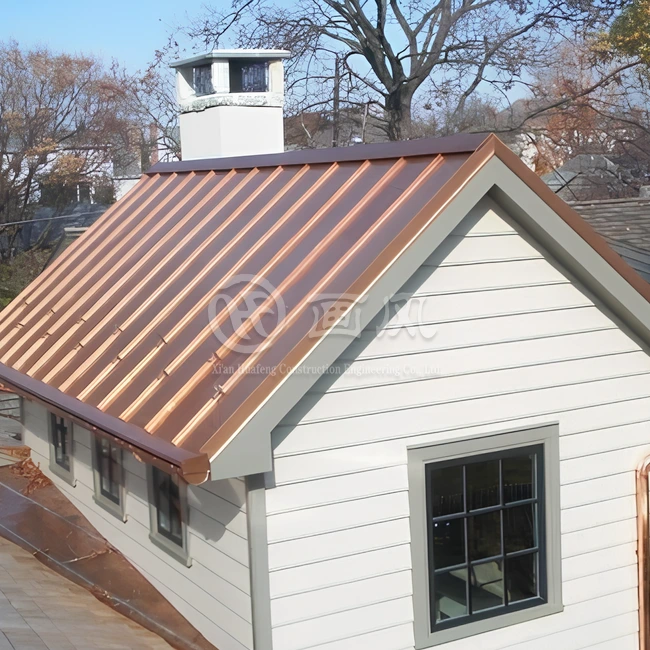
Using Vertical Metal Siding sheets to give your building a new look has transformative benefits that go far beyond how it looks on the outside. These designed panels are a reliable cladding system that lasts for decades because they are resistant to weather, save energy, and don't need much upkeep. Vertical Metal Siding sheets offer a cost-effective path to increased building value, improved operational efficiency, and architectural distinction that positions your property competitively in today's challenging construction landscape, whether you're upgrading a commercial warehouse, modernizing an industrial facility, or refreshing a residential structure.

Understanding Vertical Metal Siding Sheets: Definition and Benefits
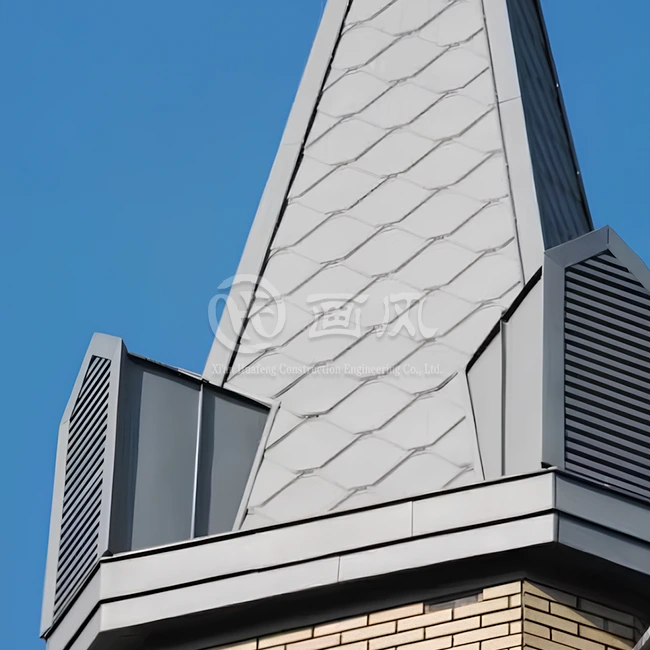
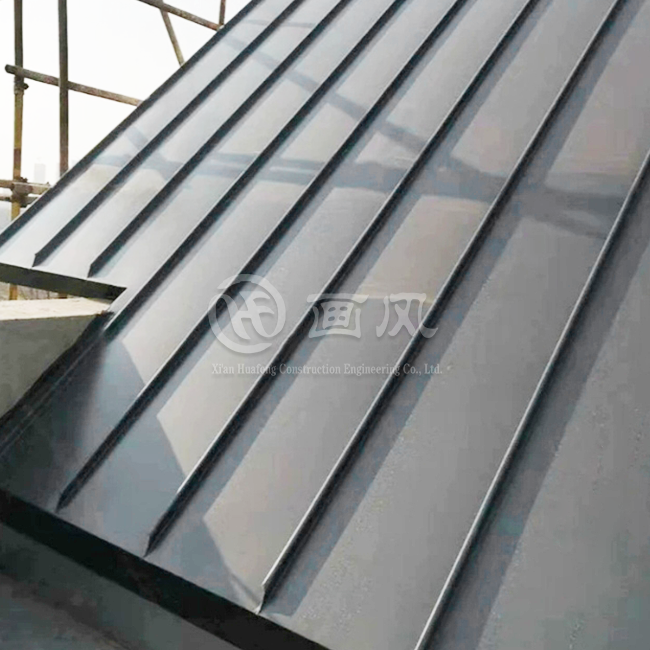
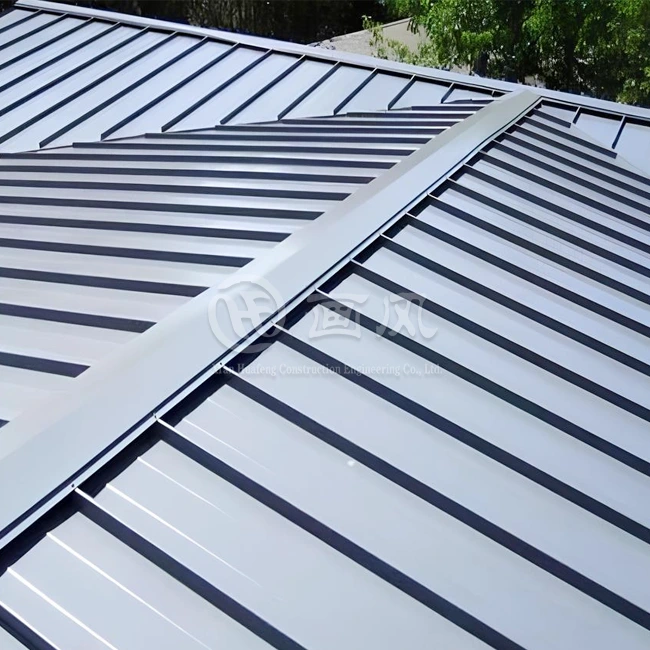
Vertical Metal Siding sheets are an advanced step forward in building exterior technology. They are mostly made of galvanized steel, Galvalume-coated steel, or aluminum alloys. These panels are fundamentally different from standard horizontal wall systems because they are oriented vertically. The vertical arrangement makes natural draining paths that move water away from seams and bolts. This lowers the risk of water getting in and destroying the building over time.
Material Composition and Manufacturing Excellence
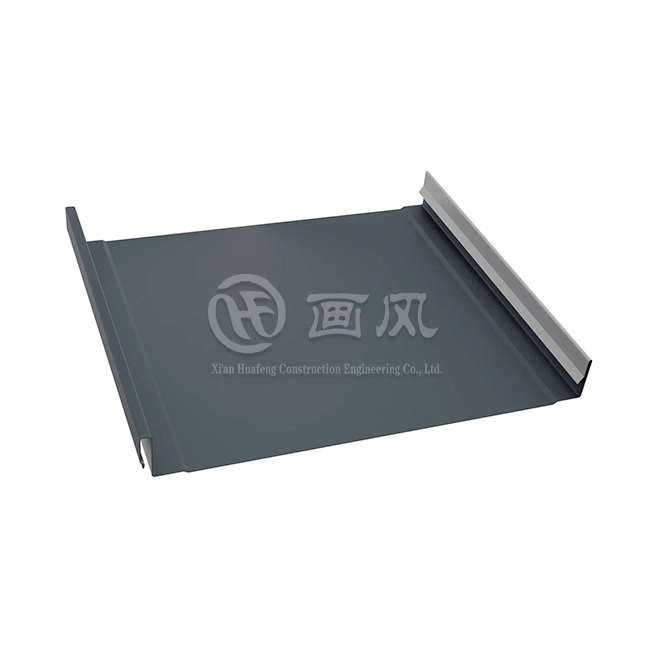
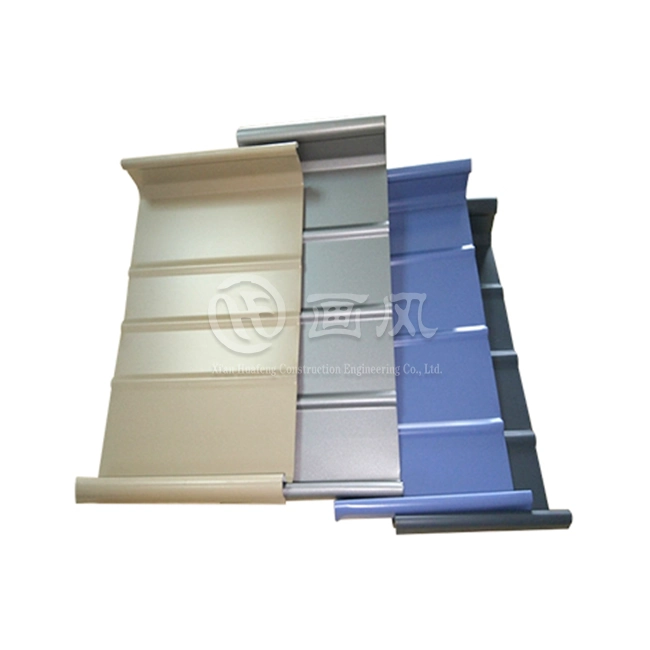
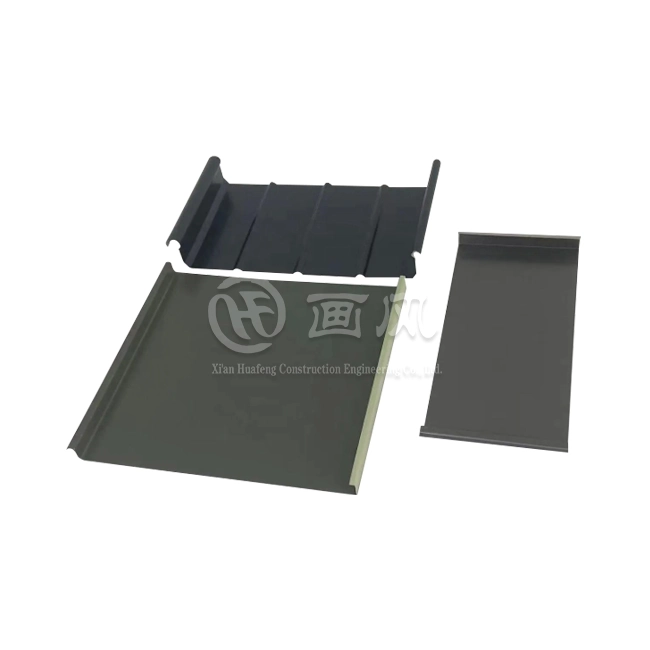
Modern Vertical Metal Siding sheets are made using precise roll-forming methods that shape flat coil stock into different shapes, such as ribbed, corrugated, and board-and-batten patterns. We at HF have factories in Anhui, Hangzhou, and Xi'an that use seven color coating production lines and ten horizontal shearing systems to make sure that all of our big orders are the same size. Our panels come in a range of sizes, from 25-330/400/430/500 to 65-400/430/500, so they can meet a wide range of design needs while still meeting standards for structural performance.
For long-term longevity, the base metallurgy is very important. Standard galvanized steel doesn't fight corrosion as well as galvalume coating (AZ50 or AZ55 weight according to ASTM A792 standards), especially in places where the temperature changes and the humidity is mild. Aluminum alloy panels are good for coastal projects because they don't rust when exposed to chloride. This protects your investment in salt spray settings where steel-based materials break down quickly.
Core Performance Advantages
When used in building restoration projects, Vertical Metal Siding sheets show real benefits in a number of performance areas. Metal cladding has Class A fire ratings because it is naturally resistant to fire. This makes it much less likely that flames will spread than plastic or wood options. This property of not being flammable is especially useful for homes in areas prone to wildfires or for places that have to follow strict fire safety rules.
Thermal management features put into insulated panel choices make them more energy efficient. When placed over furring strips, metal siding systems make good rainscreen assemblies by creating ventilation holes that let air flow. This "chimney effect" pushes moisture away from wall panels, stopping fog buildup that diminishes the effectiveness of insulation and encourages mold growth. When Vertical Metal Siding sheets are put correctly, HVAC loads are usually lower in buildings. This means that the buildings will have lower operating costs over their entire life.
Sustainability in terms of the environment is another strong benefit. When their useful life is over, metal panels can still be recycled in full. This supports the circular economy and is in line with LEED certification standards and business environmental responsibility goals. Our production methods follow ISO14000:14001 environmental management standards. This makes sure that resources are used responsibly, from choosing the raw materials to delivering the finished product.
Comparing Vertical Metal Siding Sheets to Alternative Siding Options
When procurement leaders look at covering systems, they have to compare different types of materials based on performance, term costs, and installation issues. Knowing these differences helps you make smart design choices that improve the results of your project.
Vertical Metal Versus Vinyl Siding
Vinyl flooring is initially appealing to projects that want to save money because the materials are cheaper. Lifecycle study, on the other hand, shows some big problems. Vinyl walls have problems with thermal expansion that cause them to twist when the temperature gets too high. Because the material is easily damaged by impacts, it needs to be replaced often in places with a lot of foot traffic or where tools will be touching it. Within 10 to 15 years, the color starts to fade because UV light breaks down the coloring, so the whole thing needs to be replaced instead of just being refinished.
These worries are taken away by Vertical Metal Siding sheets, which are naturally stable in size and resistant to impact. With 30-year guarantees that protect your investment, our PVDF coating methods keep the color true for decades. Because metal has a higher tensile strength (50–80 ksi yield strength based on size choice), it doesn't dent or penetrate as vinyl does.
Horizontal Metal Versus Vertical Panel Orientation
The base elements are the same in both directions, but the way they are installed makes a big difference in how well they work. When you use horizontal panels, you have to lap the joints, which makes horizontal seam lines where water could get behind the cladding if the seals fail. By aligning the lines perpendicular to the ground, the arrangement of Vertical Metal Siding sheets gets rid of this weakness. This lets water naturally drain away from weak connection points with the help of gravity.
The visual effect is very different depending on the angle. Vertical Metal Siding sheets make sight lines longer, which makes buildings look taller and more modern, which is especially important in modern business architecture. This direction also makes installation easier on tall buildings because it cuts down on the number of horizontal starter and termination features that need to be put on the surface.
Wood Siding Limitations
Traditional wood flooring requires a lot of upkeep, which adds up to high costs over the life of a building. Every 5 to 7 years, painting or coloring needs to be done, which costs money for work. Infestation by pests, especially carpenter ants and termites, weakens structures, and when installations aren't properly kept, water absorption leads to rot.
Biological weakness is completely eliminated by Vertical Metal Siding sheets. Metal surfaces can't be eaten or penetrated by insects, and biological decay processes can't happen when metal contacts moisture. Because metal is dimensionally stable, it doesn't go through the processes of expansion and contraction that break down wood.
Installation and Maintenance: Ensuring Optimal Performance
Professional installation procedures decide whether vertical metal siding systems work as well as they could or don't work well enough because of mistakes that could have been avoided.
Critical Installation Considerations
Preparing the substrate is the first step in a good fit. Wall systems must have flat, straight sides that are within 1/16-inch of each other across panel runs. Deviations above this point cause "oil canning," a noticeable wavering that lowers the overall quality. Furring strips are put over uneven bases to make the needed flat surface and create ventilation holes that help keep wetness under control.
To avoid heat stress problems, you need to be very careful when choosing and placing fasteners. Temperature changes cause Vertical Metal Siding sheets to expand and contract, so they need fastening systems that can handle this movement without distorting the panels. Hidden clip systems let panels float while still staying securely attached. This stops the buckling that happens when panels are too tightly held together by hard fixing methods.
Under Vertical Metal Siding sheets, water-resistant barriers (WRB) must be put in place to provide extra security against water damage. These man-made membranes stop rain driven by the wind from getting to the structure sheathing. They also let water vapor pass through, which keeps condensation from building up inside wall spaces. Water can't get into weak spots because flashing is properly installed at penetrations, terminations, and changes.
Maintenance Protocols for Extended Service Life
Regular care keeps the panel's look and performance in good shape for as long as it lasts. Inspections should be done once a year to find problems like damaged coatings, broken fasteners, or peeling sealants before they get worse and need expensive fixes. For 30 years, our guarantee covers problems caused by poor manufacturing, but to keep it valid, you have to follow certain upkeep steps.
As part of the cleaning process, fresh water is gently washed over things to get rid of dirt, industrial waste, or salt layers in coastal areas. You shouldn't use high-pressure washing because it can damage protection systems or push water behind panel seams. Agricultural or industrial buildings may need to be cleaned more often because airborne pollutants make surface deposits build up faster.
Applying touch-up paint fixes small scratches or edge wear that reveal bare metal underneath. Early treatment stops corrosion from starting and spreading below areas of solid covering. Touch-up paint that is made to match the original paint will stick well and stay the same color.
Purchasing Vertical Metal Siding Sheets: What B2B Buyers Need to Know
To buy Vertical Metal Siding sheets strategically, you need to know what affects price, quality control, and the dependability of the supply chain.
Pricing Structures and Cost Optimization
The cost of materials depends on the type of substrate used, the finishing method used, and the panel gauge thickness. Standard polyester coating systems are affordable for projects that will be exposed to mild conditions. Premium PVDF coatings, on the other hand, offer better fade and chalk protection, which is necessary for high-visibility architectural uses. We offer different budget-friendly finishing choices, such as PE, HDP, and PVDF, while still meeting quality standards set by ISO9001 rules.
The choice of gauge affects both the cost of materials and the function of the structure. Standard 26-gauge panels are good for most business uses. 24-gauge or 22-gauge panels are better for places that get a lot of foot traffic or are exposed to bad weather because they can handle impacts better. When you buy in bulk, you can get better prices. Our 500㎡ minimum order number makes it easy for medium-sized projects to get started, and our 1,000-ton monthly supply capacity supports large-scale developments.
Customization Capabilities
Revitalization projects that involve old buildings often need custom solutions that meet specific efficiency needs or design goals. HF offers a wide range of personalization options, such as matching colors, creating new patterns, and designing profiles. Together with architects and builders, our design team comes up with panel layouts that look great with the building's original features while also adding modern touches.
Custom color development makes sure that brands are aligned in business buildings or retail projects where visual character is important. Our color treatment systems can match exact Pantone or RAL color standards, so the look of buildings on campuses with multiple floors or in phased construction projects stays the same. Metallic and dark finishes give you more ways to express your style than just glossy looks.
Supply Chain Reliability and Logistics
Timelines for projects rely a lot on how quickly and easily materials can be delivered. Our supply schedule of 15 to 20 days makes planning easy, and building managers can use it to make critical path schedules. Talking to our purchasing team directly at huafeng@hfmetalroof.com makes it clear what to expect about the state of your order, the progress of production, and the planning of shipments.
Quality control measures built into every step of our manufacturing process make sure that the end result is the same from one production run to the next. At different steps of production, the thickness of the coating is checked, cross-hatch bonding is tested (ASTM D3359), and the dimensions are checked. This organized method keeps bad materials from getting to job sites, which saves money on delays in installation and repairs.
Why Vertical Metal Siding Sheets Are the Preferred Choice for Commercial and Industrial Buildings
Cladding systems that maximize lifetime value while minimizing operating disruptions are what commercial and industrial building owners look for.
Return on Investment Analysis
The initial cost of materials is only one part of the total costs of ownership. Vertical Metal Siding sheets give you a better return on investment because they require less upkeep, last longer, and save energy. When properly put, metal panels on buildings usually don't need much upkeep over a 30-year period. This is in stark contrast to vinyl or wood alternatives, which need to be refinished, sections replaced, or the whole system replaced every so often.
Lowering energy costs comes from better heat performance and less air leaking in. Metal siding systems work well as weather shields that keep outside air from getting into buildings, which lowers the load on HVAC systems. Industrial buildings that keep the temperature and humidity in check save a lot of money because their heating and cooling systems work better when the shell is strong and stops air leaks and thermal bridges.
Regulatory Compliance and Certification Support
Sustainability licenses have a bigger effect on how much a building is worth and how many tenants want to rent it. Metal cladding systems help buildings get LEED credits because they are made with recycled materials (many metal coils contain 25–95% post-consumer recycled material), they reduce heat islands (reflective coatings stop solar heat absorption), and they are durable, which means they last longer. Our ISO14000:14001 certification shows that we have implemented an environmental management system throughout all of our production processes.
Many places have fire safety rules that say certain kinds of buildings or types of occupancy must have non-combustible covering. The Class A fire grade of metal siding meets these needs without the need for extra fire-retardant treatments or protective barriers. This makes it easier to follow the standards and get approval.
Performance in Demanding Applications
Building envelopes in distribution centers, cold storage facilities, and factories have to deal with tough situations like high temperatures, water damage, and the risk of physical impact. Vertical Metal Siding sheets are able to survive these stresses because of the material's natural characteristics and the way the panels are built. The vertical seam arrangement is especially helpful for buildings in places with a lot of snow, because snow slides off vertical surfaces without piling up and putting stress on horizontal seam connections.
Metal siding is good for agricultural buildings because it doesn't react with ammonia, humidity, or bacterial pollution. Livestock facilities and food storage buildings have harsh conditions inside that quickly wear down wood or fiber-cement covering. Vertical Metal Siding sheets, on the other hand, stay strong without allowing mold or pests to grow.
Conclusion
Giving your building a new look with Vertical Metal Siding sheets is a smart investment that will pay off in the long run in terms of looks, performance, and money. Thanks to its long durability, low upkeep needs, and energy-saving properties, the material is a great choice for a wide range of business, industrial, and domestic uses. Procurement professionals make sure projects are successful by working with experienced makers who uphold strict quality standards and provide quick support services. This also helps them build reliable supply relationships that will help future building projects across their portfolios.
FAQ
1. What causes oil canning in metal panels, and how do manufacturers prevent it?
The term "oil canning" refers to the noticeable waves that appear on flat panel surfaces due to thermal expansion stress or roll-forming strain. We get around this problem by using thicker gauge materials (24-gauge instead of 26-gauge for sensitive uses), adding stiffening ribs or striations to panel profiles, and making sure the base is flat enough to meet tolerance requirements. Stress-induced bending can be avoided by installing clips correctly so that they can move with the temperature.
2. How do I choose between Galvalume and aluminum substrates?
Galvalume steel has the best strength-to-cost ratio for places in the middle of the country that don't get a lot of rust. Properties that are less than two miles from saltwater need metal frames because chloride contact causes Galvalume to corrode too quickly through galvanic reactions. Aluminum doesn't react chemically with salt spray, so it will work well for a long time in coastal sites.
3. Can vertical metal panels be installed over existing siding?
Even though it is technically possible, the best way to put something is over a flat surface that has the right weatherproof protection. When installing over uneven surfaces, furring strips are needed to make connection lines that are straight and flat. Direct placement over uneven substrates warps Vertical Metal Siding sheets and makes it less effective at shutting out the weather.
Partner with HF as Your Vertical Metal Siding Sheets Supplier
The excellent production at Xi'an Huafeng Construction Engineering is backed by a wide range of quality approvals and helpful customer service. Our Vertical Metal Siding sheets are made from high-quality base materials and advanced coating systems. They come with a 30-year promise and can be customized to fit the needs of each project. We offer the dependability that B2B buying pros need with a monthly production capacity of 1,000 tons, delivery times of 15 to 20 days, and compliance with ISO9001, ISO14000:14001, and SGS. Get in touch with us at huafeng@hfmetalroof.com to talk about your building restoration project and find out how our experience as a Vertical Metal Siding sheets maker can help you succeed.
References
1. American Architectural Manufacturers Association. "Performance Standards for Metal Wall Panel Systems in Commercial Construction." AAMA Technical Publication Series, 2022.
2. Metal Construction Association. "Vertical Metal Panel Installation Guidelines and Best Practices for Building Envelope Applications." MCA Technical Bulletin 2021-04.
3. National Roofing Contractors Association. "Metal Siding Systems: Design, Specification, and Lifecycle Performance Analysis." NRCA Construction Manual, 2023 Edition.
4. Steel Recycling Institute. "Sustainability and Environmental Impact Assessment of Metal Building Cladding Systems." SRI Industry Report, 2022.
5. American Society for Testing and Materials. "Standard Specification for Steel Sheet, 55% Aluminum-Zinc Alloy-Coated by the Hot-Dip Process." ASTM A792/A792M-22.
6. Building Envelope Contractors Association. "Moisture Management in Metal Wall Panel Assemblies: Rainscreen Principles and Performance Data." BECA Technical Guide, 2023.





YOU MAY LIKE