What are the maintenance requirements for 16 standing seam metal roof panels?
2026-07-07 11:00:03
16 Standing Seam Metal Roof Panels need to be visually inspected on a regular basis, their surfaces cleaned of debris, hidden fastening clips checked to make sure they are properly engaged, sealant integrity along seams checked, and minor rust or coating damage taken care of right away. If you take care of these panels the right way, they will last longer—often 40 to 70 years—and keep their weather strength, energy efficiency, and good looks. If you don't do regular maintenance, it can weaken structures, void maker warranties, and raise costs for both business and household projects.

Understanding Standing Seam Metal Roof Panels and Their Maintenance Needs
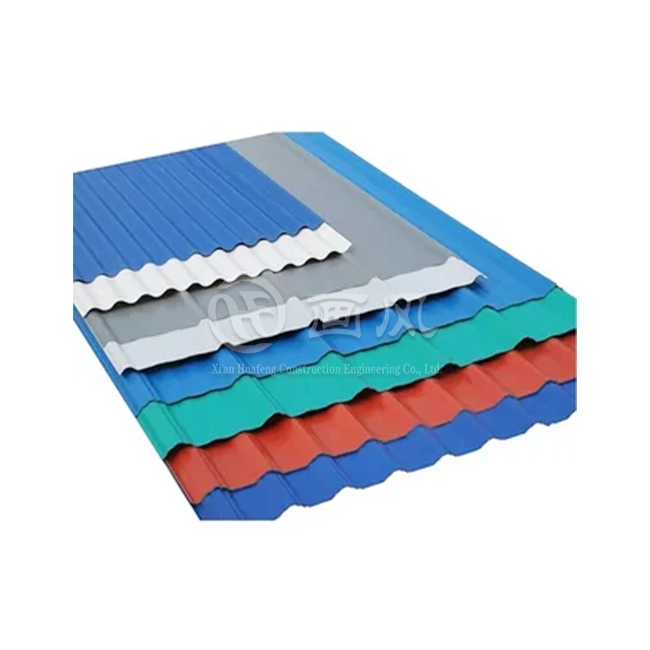
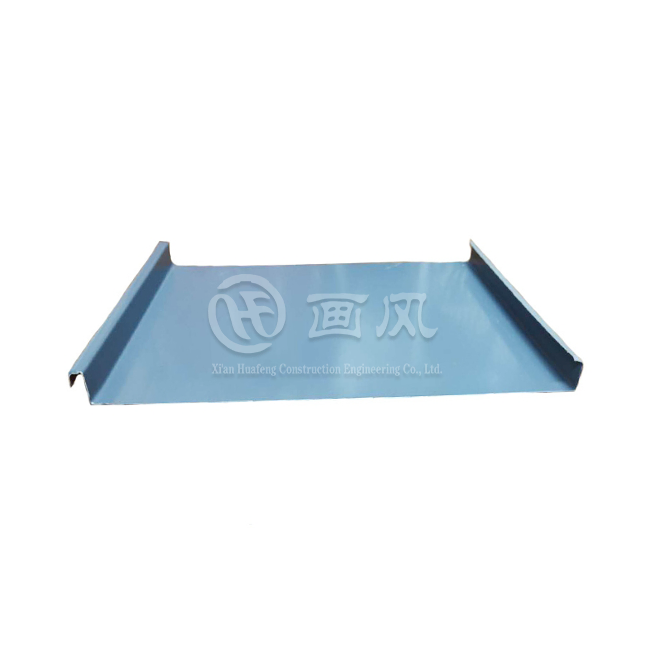
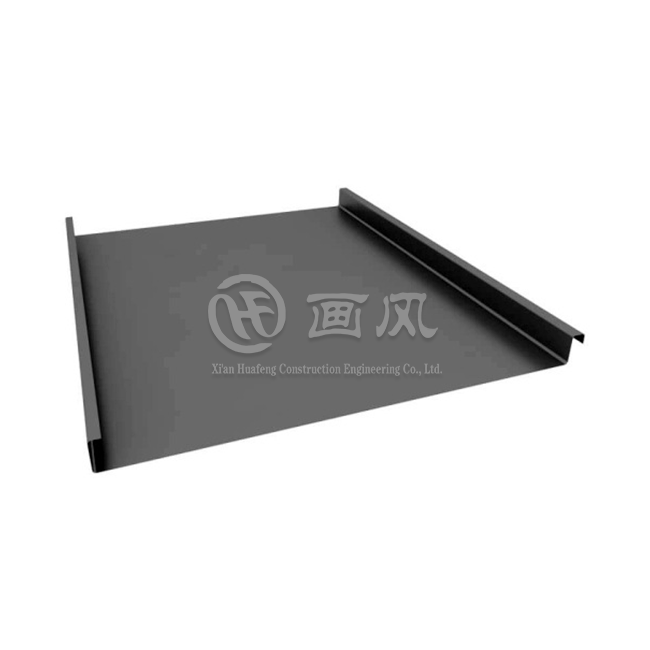
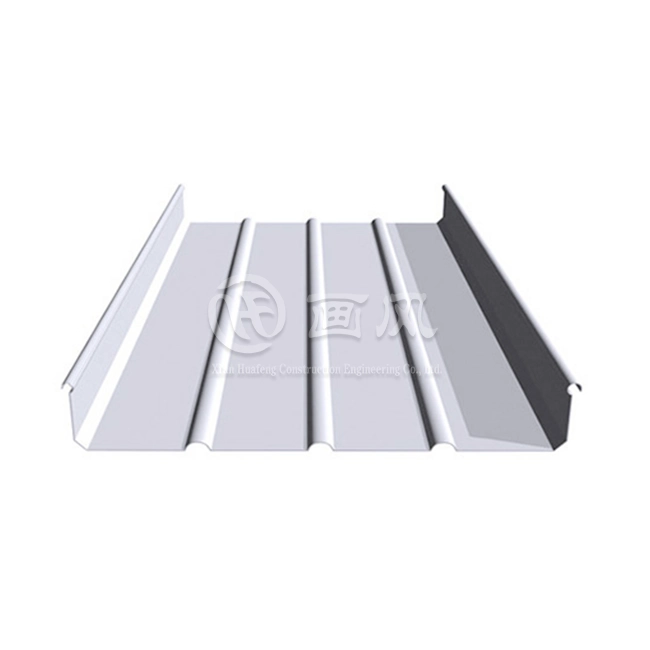
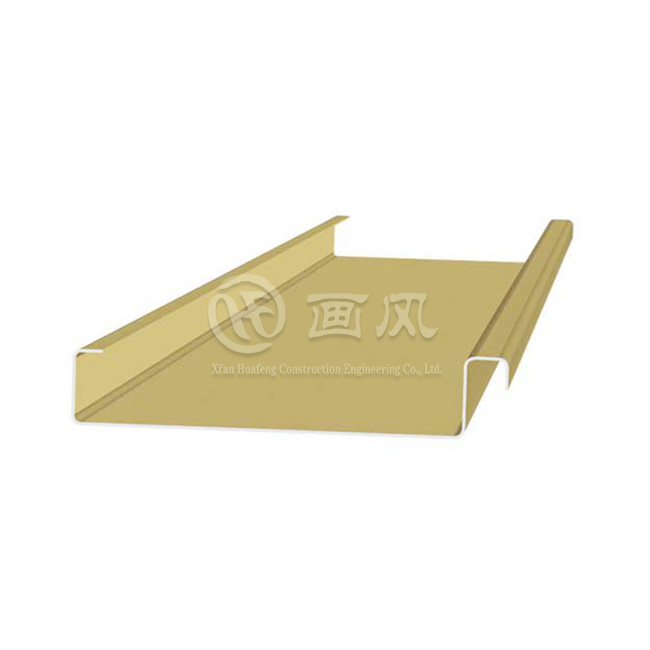
16 Metal Standing Seam Roof Durable panels that look beautiful anywhere have altered building construction. Vertical seams link and rise above flat panel surfaces in these concealed fastening systems. This creates a screw-free, watertight shield. From center to center between raised seams, the panel is 16 inches wide. This width balances structural performance and convenience of fitting for household and commercial applications.
Why the 16-Inch Configuration Matters
The 16-inch width standard solves important problems in the business that have an impact on the long-term performance of roofs. When panels are wider than 18 or 24 inches, they often have oil canning, which is a noticeable wave that makes the panel look bad and can show where stress points are. On the other hand, installing narrower 12-inch profiles takes a lot more time and work, which raises the cost of the job without improving performance by the same amount. The 16-inch size reduces these problems to a minimum while providing better wind-lifting protection through continuous mechanical or snap-lock interlocks that make a single weatherproof surface.
Core Construction Principles Affecting Maintenance
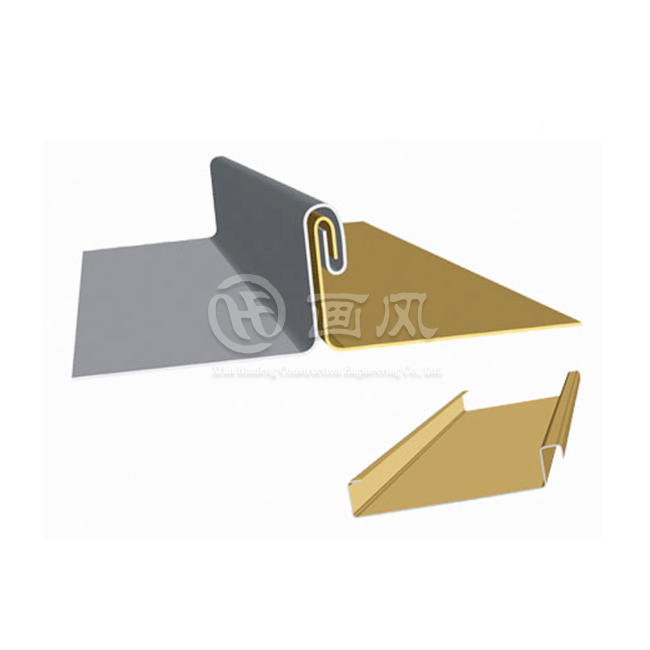
Repair plans are better when staff understand these systems' construction. Hidden, sliding clips connect the roof decking or purlins beneath the panels. Without tension, floating clips allow fasteners to expand and contract with temperature. This keeps visible roof fasteners from coming out. The raised seam on this roofing is where the male leg of one panel joins the female leg of the next. Factory-applied hot-melt seals in the female leg prevent air and water intrusion, meeting ASTM E1680 and E1646 performance criteria.
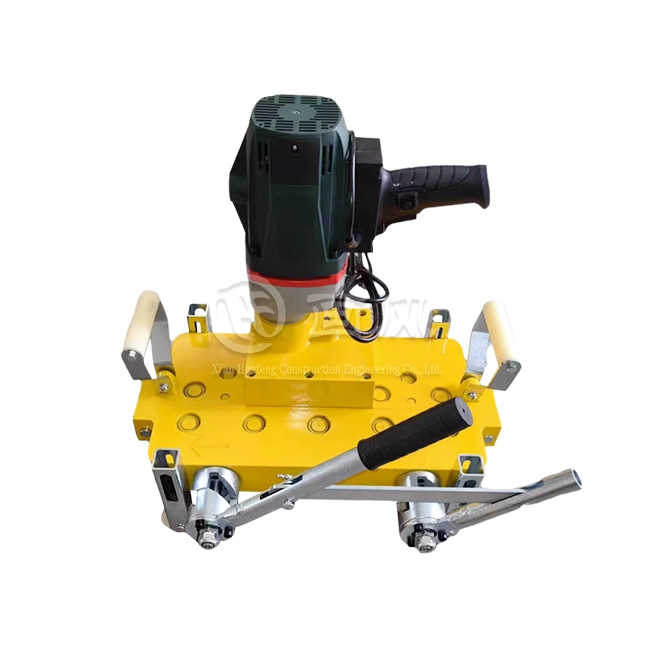
Different 16-inch door locks need different upkeep. Snap-lock systems use friction between panel legs to accelerate installation, but need extra inspections in heavy gusts because the legs may come off. Specialised seaming tools rotate mechanical lock systems 360 degrees. Although waterproof, the system must be handled carefully to maintain seam integrity.
Maintenance Impact on Lifecycle Economics
Large-scale business property developers and roofing specialists recognise that regular upkeep influences the cost of ownership. Maintenance saves expensive repairs or replacement before minor concerns become huge. Metal surfaces corrode quickly through protective coatings. Air pollution along the coast and in industrial areas makes this true. Water enters via sealant failure, eroding insulation and structural decking and posing risks larger than preventative treatment.
Warranty compliance is another repair factor. If you follow its care recommendations, HF guarantees its standing seam products for 30 years. Regular examinations and timely repairs safeguard this vital coverage. This covers material and manufacturing defects during the warranty. Executives and procurement professionals in construction companies know structured maintenance plans boost building values and decrease financial risk.
Common Maintenance Tasks for 16 Standing Seam Metal Roof Panels
Setting up a regular inspection plan that takes into account the building's use and the environment is the first step to good upkeep. For example, a roof system made of 16 standing seam metal roof Panels requires careful monitoring to ensure long-term performance. Most roofing experts say that checks should be done every six months, preferably in the spring and fall, to find problems before they get worse during extreme weather seasons. Commercial buildings that get a lot of foot traffic or that are in tough climates might benefit from being checked every three months.
Visual Inspection Protocols
Systematic eye examinations underpin preventive maintenance. Walk over the roof's surface when it's safe to inspect each panel's flatness for new dimples or deformations that might indicate impact or structural movement damage. Be careful where the metal roof meets HVAC equipment, windows, or vent stacks. Water is more likely to enter these connections.
Check elevated seams throughout their length for linked panel leg gaps. Even minor holes reduce weather resistance, and temperature variations may worsen the issue fast. Test clips for missing or weak by moving panels with gentle pressure. Any excessive panel movement indicates a binding system issue that must be addressed immediately.
Advanced Inspection Technologies
Modern repair programs increasingly incorporate drone scanning and thermal imaging for safer and more accurate inspections. Drones capture high-resolution photos of whole roofs without sending humans through risky places. Wet insulation causes temperature fluctuations beneath panel surfaces, which thermal imaging detects. This allows accurate repairs before damage is visible.
Strategically insert moisture sensors beneath panels to monitor critical areas. These sensors alert property managers to leaks so they may respond swiftly to protect the building's interior and contents. These systems are beneficial for large corporate rooftops where manual inspections would take too long.
Cleaning Best Practices
Debris including leaves, twigs, dirt, and biological development promote coating deterioration and trap moisture on panels. Remove trash rapidly from slopes and rooftop equipment. Stay away from metal tools that degrade finishes. Use leaf blowers or soft-bristled brooms.
As long as the roof lasts, gentle cleaning maintains PVDF or PE panels like HF's functional and appealing. When fan-tip nozzles are long enough, pressure cleaning preserves coatings. Working from the ridge to the eave and restricting water pressure to 1500 PSI prevents seam contamination. Safe chemical treatments eliminate tough areas and biological growth without damaging the environment or breaking the law.
Substrates and coatings need various cleaning processes. Although aluminum panels don't corrode, they discolor faster than steel. Clean them with hard water often. Strong cleaning shouldn't remove copper's protective patina. Galvalume and galvanized steel plates may be cleaned and preserved if the coatings are intact.
Sealant and Fastener Maintenance
UV radiation and temperature variations degrade sealants over time. Degradation normally occurs after 10–15 years, depending on the environment and product quality. Check sealer beads at panel ends, holes and other places two materials touch. Replace cracked, shrinking, or separating parts before water gets in.
Select new sealants that match panel bases and existing materials. Poorly matched products may not stick or initiate chemical reactions that accelerate corrosion. Silicone and polyurethane combinations are flexible and last a long time, so they stay sticky even when temperatures vary.
Even though hidden fasteners in 16 standing seam metal roof Panels standing seam systems are less likely to break than visible screws, clip connection points still need to be checked on a regular basis. Panels can move when screws are loose, which can make the connection holes bigger or break clips. Don't over-tighten the screws, because that could damage the clips or strip the threads. Instead, tighten them to the manufacturer's specs.
Advanced Maintenance Considerations Based on Panel Type
By adapting upkeep procedures to the specifics of each panel, resources are used in the best way possible, and the vulnerabilities of each system setup are addressed. The locking device has a big effect on how often and how well upkeep is done.
Snap-Lock System Maintenance
Snap-lock panels are quicker to install but need more maintenance than manually seamed panels. The friction-based contact between the male and female legs might weaken over time, particularly in windy or thermally challenged conditions. Press carefully on each seam's snap-lock contact to ensure a secure fit. Any readily removed panel must be reattached or the clips modified immediately.
Wind-driven rain is more likely to break snap-lock systems than automatically seamed ones. Manufacturer-applied sealants protect well, although older systems may need additional sealant in weather-prone locations. Low-slope settings where water goes out slowly benefit from this additional step.
Mechanical Lock System Care
Mechanically seamed panels can endure heavy weather since they fold in half 360 degrees, creating a watertight cover. However, seam maintenance and repair need particular equipment and educated professionals. The system's principal value might be lost when HVAC systems are updated or other operations are done poorly, reducing seam integrity.
Walking directly on elevated seams may exert too much strain on the folded joint, damaging coating finishes or deforming seams. On the roof, use walking pads to distribute weight across flat panels. Hiring expert seamers with the correct equipment to repair seams after weathering is necessary.
Coating and Finish Protection
Protective coatings prevent corrosion and preserve appearance. PVDF coatings, like those on HF panels, prevent UV radiation and maintain colour, so structures last for decades. PE coatings are inexpensive and effective. They may be utilised in farming and industries when appearance isn't crucial.
Chalking, a powdery deposit on coatings, is not a symptom of failure but of ageing. Chalk may be removed carefully without compromising safety. However, excessive chalking or colour loss may indicate early layer breakdown. Industry pollutants and coastal saltwater accelerate these processes.
Before the base corrodes, correct even minor paint scratches. Touch-up paints that match the original colours protect exposed metal while maintaining the appearance. Fixing small scratches on aluminium or stainless steel bases preserves their appearance but doesn't cause corrosion.
Regional and Seasonal Adaptations
Different climates need different maintenance. Northern snowy structures should be evaluated after the winter for ice dam damage or structural stress. If you installed a snow retention system, check the fasteners and panel surfaces for damage.
Strong UV rays hasten coating degradation in the south; they need to be cleaned more regularly to remove pollutants that worsen UV damage. Rust must be avoided at cut edges and fastening points where protective coatings may have worn away in coastal areas.
In hurricane-prone areas, examine all clips and panels for wind damage before the season begins. Quick inspections after a storm help monitor insured damage and prevent minor issues from worsening in future storms.
Troubleshooting and Problem Resolution for Standing Seam Metal Roof Panels
Accurately diagnosing problems allows focused repairs that stretch the life of 16 Standing Seam Metal Roof Panels without having to pay for replacements that aren't needed. Failures that happen over and over again can be frustrating for building owners and put a strain on upkeep funds.
Panel Buckling and Oil Canning
Flat panel wavering indicates stress from poor fitting, insufficient thermal expansion, or structural movement. Separate oil canning, which is waviness for appearance but not function, from true bending, which indicates structural issues.
Fixed clamps that are excessively tight limit heat flow, bending panels as they expand. Moving around using floating clips instead of fixed clips keeps the connection secure. If a faulty roof frame or overloaded purlins cause the structure to bend, an expert should inspect and reinforce it.
Minimal oil canning doesn't harm performance, but it bothers customers who care about appearance. It's hard to eliminate in large panels; however, adjusting the base flatness or adding purlins may assist. This metal roofing feature will satisfy you if you establish realistic project objectives throughout planning.
Leak Diagnosis and Repair
Water infiltration must be repaired immediately to prevent costly damage. See water streaks on the walls and climb the roof to find a leak. Most leaks occur at penetrations or panel terminations, not field seams, broken seals or idle snap-locks may let water in.
Clean leaky gaps, reassemble loose panel legs, and seal with the correct sealant. Mechanical parts that leak may require expert resealing. To adequately seal laps and fasteners, penetration leaks need flashing removal and reinstallation with fresh sealant.
Corrosion Management
Surface rust on steel surfaces indicates paint failure and requires immediate repair. Remove any loose rust using a wire brush, then apply a primer to resist rusting and a touch-up coat that matches the original finish. If the panel has holes and corrosion, it may need to be replaced.
Aluminium panels touching steel fasteners cause galvanic corrosion. Separate the metals with washers or coatings to prevent this. Preventing galvanic reactions by installing properly is simpler than fixing rust damage.
Real-life cases demonstrate proactive care's value. A Midwest regional distribution facility was meant to fix its roof for $800,000. Instead, they created a five-year maintenance plan to remedy tiny coating touch-ups and failing sealants. This extended the roof's lifespan by 15 years while maintaining the building's appearance and guarantee.
Choosing Maintenance Services and Products
Choosing skilled maintenance partners and goods that work well together makes sure that efforts to preserve the 16 Standing Seam Metal Roof Panels improve its performance instead of hurting them. When hiring service providers, procurement managers should put a number of important factors in order of importance.
Service Provider Evaluation
Field certifications demonstrate technical expertise and commitment to expert standards. Find personnel accredited by key manufacturers to prove they know how to repair particular goods effectively. While basic roofing training is important, it's not enough for standing seam roofing.
Examine completed projects and customer references. Compare your construction to others of the same size and difficulty. Long-term, satisfied clients indicate solid service and reasonable pricing. Workers who know how to handle local weather can anticipate issues.
Building owners are not liable for repair incidents due to insurance and safety precautions. Hire contractors with enough general liability and workers' compensation insurance for the job's size. Ask for safety statistics and policy papers, particularly when working in inhabited buildings where tenant safety is crucial.
Compatible Products and Materials
Products designed for standing seam usage work with existing panel substrates and materials. Hardware store generic sealants may lack flexibility, UV protection, and binding for long-term usage. Manufacturer-approved products are warrantied and work.
HF provides comprehensive technical assistance to help personnel pick repair materials for our 16 standing seam metal roof Panels systems. Our panels, available in aluminum alloy, steel, stainless steel, copper, titanium zinc, and copper substrates with PVDF or PE finishes, operate best with suitable goods indicated in our care guidelines.
From pencils for seam form to high-tech moisture detectors, inspection instruments improve upkeep. Purchase the correct equipment to discover issues more precisely and prevent wasteful research that might harm roofing parts.
Long-Term Maintenance Contracts
Having annual or multi-year contracts with maintenance providers is preferable than creating service arrangements on the spot. Scheduled checkups ensure repairs are never delayed due to cost. Contractors learn to detect and solve issues quicker by working in more sites.
Customized service packages fit property investment demands. Essential coverage may include six-month sealant touch-ups and dirt removal. Complete coating restoration, thermal imaging assessments, and emergency repair response. Property managers may tailor service to building priority and budget using tiered rates.
Preventive maintenance contracts document building care. These records support insurance claims, guarantee enforcement, and property valuations. Keeping these documents helps when purchasing or selling a property or when roof disputes arise.
Conclusion
Understanding the building blocks of 16 Standing Seam Metal Roof Panels, following set rules for checking and cleaning, and dealing with problems quickly using the right tools and materials are all necessary for maintaining them. For both business and private uses, the 16-inch panel width is the best mix of good looks, good structural performance, and easy installation. With the right care—care that is tailored to the type of panel, the locking mechanism, and the temperature in the area—service life can go beyond 40 years while keeping the building's energy efficiency and look. By choosing skilled maintenance partners and making long-term service agreements, you can be sure that your building investments will be well taken care of and that your guarantee will still be valid.
FAQ
1. How often should standing seam metal roofs be inspected?
Most situations can be fixed with checks every six months, in the spring and fall. This way, problems can be found before the worst weather seasons. Commercial buildings in tough regions or near the coast may need to be inspected every three months. Immediate checks after a storm help show damage that can be insured and keep small problems from getting worse.
2. Can I walk on my standing seam metal roof?
You can walk on metal roofs, but you need to be careful and use the right methods. Spread your weight out over the flat parts of the panel instead of stepping on the raised seams, which can damage the paint finishes or the seam's structure. For a better grip, wear shoes with rubber soles and think about putting walking pads in places you use a lot.
3. What causes standing seam panels to separate?
Panel separation is usually caused by clips not engaging properly during installation, heat stress from fixed clips not being properly fastened, structural deflection, or wind lifting that is too high for the design parameters. Snap-lock systems are more likely to break than those that are automatically sealed. When you do regular checks, you can find a split early on and fix it before water gets in.
Partner with HF for Superior Standing Seam Metal Roof Panels
Premium 16-inch standing seam metal roofing systems are made by Xi'an Huafeng Construction Engineering Co., Ltd. and are designed to last for decades with little upkeep. Our three plants with seven production lines make panels with aluminium alloy, steel, stainless steel, copper, and titanium zinc surfaces. The panels' thicknesses range from 0.5 mm to 1.2 mm, so they can be customised to fit the needs of different projects. HF panels come with PVDF or PE finishes in RAL and custom colours. They meet foreign standards like ASTM, DIN, JIS, BS, and GB/T, and they come with a 30-year warranty and full expert support.
Our hidden fastener systems, which come in panels 16 inches (406.5 mm) wide and 25 mm to 65 mm tall, give roofing contractors and business property developers the structural stability and weather protection they need. HF is a reliable 16 Standing Seam Metal Roof Panels for projects of all sizes. They can produce orders as small as 500 square meters within 15 to 20 days and can handle more than 1000 tons of metal roof Panels every month. Email our team at huafeng@hfmetalroof.com to talk about how our goods and technical know-how can help you with your next roofing job by providing long-lasting, cost-effective, and aesthetically pleasing solutions.
References
1. Metal Construction Association. "Guidelines for Maintenance and Repair of Architectural Metal Roof Systems." Technical Bulletin Series, 2021.
2. American Society for Testing and Materials. "ASTM E1680 Standard Test Method for Rate of Air Leakage Through Exterior Metal Roof Panel Systems." Annual Book of Standards, 2019.
3. National Roofing Contractors Association. "Metal Panel Roof Systems Manual." NRCA Technical Operations Division, 2020.
4. Cool Metal Roofing Coalition. "Maintenance Practices for Reflective Metal Roofing Systems." Technical Report on Energy-Efficient Building Envelopes, 2022.
5. Sheet Metal and Air Conditioning Contractors National Association. "Architectural Sheet Metal Manual." Seventh Edition, Chapter on Standing Seam Roof Systems, 2018.
6. Building Envelope Contractors Association. "Service Life Prediction for Metal Roof Coatings Under Various Climate Conditions." Research Report on Building Durability, 2020.





YOU MAY LIKE
_1769761215912.webp "Ventilation noise reduction net")