How to select the right thickness for 16 standing seam metal roof panels?
2026-07-07 11:00:03
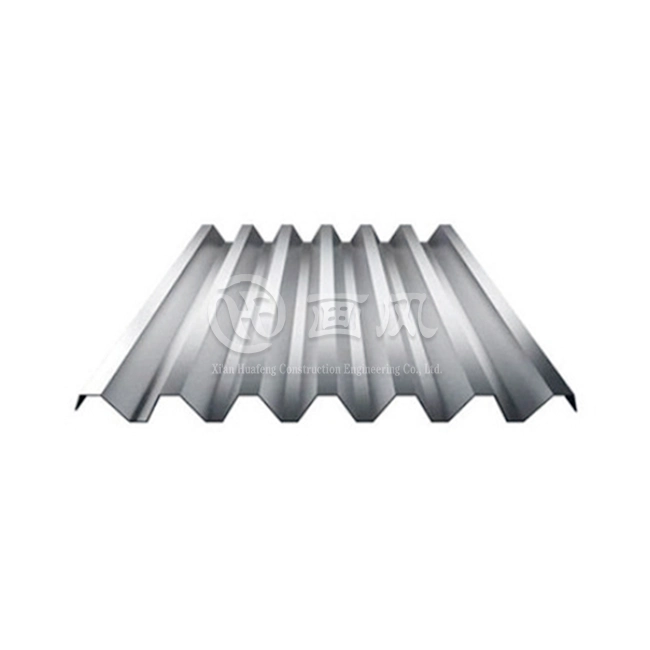
When specifying the thickness for 16 standing seam metal roof panels, procurement professionals must balance structural performance, environmental conditions, and budget constraints. The optimal thickness typically ranges between 0.5mm and 1.2mm, with selection dependent on factors including building load requirements, regional climate exposure, substrate material composition, and expected service life. Thicker panels provide superior wind uplift resistance and span capabilities, while thinner options reduce material costs and installation weight. Understanding how gauge measurements translate to millimeter specifications enables accurate communication with suppliers and ensures compliance with applicable building codes, such as ASTM, DIN, and JIS standards that govern metal roofing systems.

Understanding the Importance of Panel Thickness in Standing Seam Metal Roofs
How Thickness is Measured and Specified
There are two main ways to measure the thickness of metal roofs, which can be confusing when talking about contracts. In North America, the gauge system works the other way around: bigger gauge numbers mean smaller material. A 24-gauge steel panel is about 0.6 mm thick, a 22-gauge panel is about 0.76 mm thick, and a 20-gauge panel is about 0.9 mm thick. The metric method makes measurements easier to understand. For example, HF's 16 standing seam metal roof Panels come in exact thicknesses ranging from 0.5mm to 1.2mm. This range can be used for a wide range of projects, from light-duty home improvements to heavy-duty business setups.
Impact on Load-Bearing Capacity and Weather Resistance
The thickness of the panels directly affects how roofing systems handle pressures from the weather and building needs. When maintenance workers walk on panels, HVAC equipment is placed on them, or snow builds up in northern areas, the panels are more resistant to concentrated loads. The extra mass of the material also makes it better at resisting hail damage. In heavy weather tests, panels over 0.8 mm thick did much better than smaller options. Wind lifting resistance gets measurably better as panel thickness goes up. This is because the extra stiffness stops panels from bending in negative-pressure situations that happen during hurricanes and other severe storms.
The thickness of the material affects how well the seams stay together over many years of changing temperatures. When panels that are thinner expand and contract, they put more stress on the male-female leg contact, which could weaken the mechanical seam over time. The engineering team at HF has written down that panels thinner than 0.6 mm need more clip space to keep them from coming loose under steady wind loads. This makes installation more difficult and increases the cost of hardware. On the other hand, panels that are at least 0.9 mm thick keep the structure stable over wider purlin lengths, which means that fewer structural supports are needed.
Installation Complexity and Maintenance Considerations
Handling traits change noticeably as thickness changes, which affects both how quickly and easily the installation can be done and how much work needs to be done. To keep thinner panels from denting or oil canning, which is a noticeable wave that can show up in flat panel areas, they need to be handled more carefully when being moved and put up. When installing 0.5mm to 0.7mm panels, installers need to be more careful about where they put their tools and how they walk so they don't leave lasting marks. This extra attention makes projects take longer and cost more to do, especially when hundreds of panels need to be placed on big business installations.
Some parts of the installation are easier when the panels are thicker, but they also pose new problems. Material that is at least 1 mm thick doesn't get damaged by accident during building, which cuts down on waste from having to replace panels. The extra rigidity makes it easier to line the seams during the engagement process, which helps workers keep the placement of panels consistent across large roof areas. However, the extra weight means that safer handling requires stronger lifting tools and more team members, especially when installing panels that are longer than 30 meters, which HF can make by continuously roll-forming.
Key Factors to Consider When Selecting the Right Thickness
Climatic Conditions and Environmental Exposure
varied weather events need varied material specifications, and regional temperature patterns are crucial when selecting a thickness. Because coastal installations are more susceptible to rust due to saline air, foundation and coating thickness are as crucial as panel size. No matter its thickness, aluminium alloy resists maritime corrosion. However, decades of surface corrosion require steel bases to have substantial thickness reserves to maintain their structure. HF recommends that maritime steel panels be at least 0.8 mm thick and have PVDF finishes, which adhere to coatings and withstand UV radiation better than polyester.
Snow load estimations based on local construction codes determine the required thickness for snowy areas. In areas with ground snow loads above 40 pounds per square foot, 0.8 mm or thicker panels are required to prevent purlin bending. Panel thickness, purlin spacing, and snow load create a design triangle. Improving one variable affects others. Thicker panels allow wider purlin spacing, lowering structural steel costs but raising material costs. Project expenses determine this option for procurement teams.
Structural Compatibility and Building Code Compliance
Existing structures restrict roofing systems beyond breadth. Older structures with concrete tile roofs may tolerate bigger metal panels. However, premium-thickness metal systems may need strengthening membrane roofing structures, which are lighter. HF's technical team discusses load analysis to ensure panel thickness matches structural capability. This prevents costly mid-project engineering adjustments.
When picking a width, consider building code compliance. Minimum criteria vary by wind zone, earthquake risk, and fire rating. The International Building Code and regional variations provide testing criteria for all roofing systems. The test outcome depends on roof thickness. Panels must fulfil FM 4471 for severe hail and UL 580 uplift ratings at a minimum thickness, depending on width and seams. HF's 16 standing seam metal roof Panels covering a width have strong structural qualities that enable smaller gauges than larger panel profiles while maintaining performance.
Cost-Benefit Analysis and Long-Term Value
From 0.6mm to 0.9mm width of the same substrate and coating, material prices jump 15–25%, placing immediate budget strain on purchases. However, a thorough lifecycle cost assessment demonstrates that optimising thickness increases service life and reduces maintenance costs. Thicker panels need fewer repairs throughout their 30-year warranties. Thicker panels need to be changed less frequently due to tree limbs, construction, and weather.
When paired with insulating methods, panel thickness affects heat retention, complicating energy efficiency costs. Even though metal transmits heat regardless of thickness, bigger panels make insulation connection simpler and reduce thermal bridges at clip locations. Compared to ordinary roofing systems, buildings with cool roof coatings on appropriately designed thick panels save 7–15% in annual cooling costs. These deposits accumulate over decades.
Interaction Between Metal Type and Thickness
Choosing the correct substrate material greatly affects the width requirements in practice. Aluminium alloy panels may be as robust as steel when thicker due to their lower density and elasticity. A 0.9mm aluminium panel is lighter and less rusty than a 0.7mm steel panel but has the same structural performance. HF manufactures aluminium alloy, coated steel, stainless steel, copper, and titanium-zinc panels. Each material demands a particular thickness optimisation technique because of its intrinsic properties.
Stainless steel substrates are preferable. Industrial structures with corrosive air benefit from the highest corrosion prevention. Due to its strength, smaller sizes may be employed than with other substrates without affecting performance. However, it becomes quite expensive. Over time, copper and titanium-zinc walls develop protective patinas. When picking a thickness, appearance is more important than structural considerations. To ensure the foundation lasts longer than the decades-long patina formation process, these unique materials must be at least 0.7 mm thick.
Comparison of Thickness Options for 16 Standing Seam Metal Roof Panels
Standard Thickness Ranges and Applications
Different usage between 0.5mm and 1.2mm diameter aid with original specification selections. Residential design often requires thicknesses between 0.6mm and 0.8mm, which balances efficiency and cost. This range can withstand domestic snow, wind, hail, and falling limbs. Standing seam profiles are desirable to homes because they have clean, elegant lines and don't have to be pricey, heavy-duty industrial standards that function poorly.
Stores, manufacturers, and malls prefer 0.8mm to 1mm thickness. Commercial and industrial usage needs stricter criteria. Due to their larger roofs, taller profiles, and concentrated equipment loads, these structures are more exposed to the weather. The material's thickness creates safety gaps that building owners and insurers want in expensive homes. This thickness range is also utilised for agricultural structures, where the roof must withstand machine contact and endure decades without repairs in isolated places.
High-end usage, including airports, conference centers, sports facilities, and landmark construction projects, needs thicknesses between 1.0 mm and 1.2 mm. Dependability and longevity are crucial for these undertakings. Failure of the roofing system might interrupt operations and tarnish the company's reputation. The increased thickness resists all stress forces and extends warranty periods. HF can create materials in all these thickness ranges and custom thicknesses for tasks requiring precise performance.
Comparative Performance Across Roofing System Types
Because the fasteners are hidden and the roof can move with the temperature, 16 standing seam metal roof panels have different thickness standards than other types of metal roofing. Exposed fastener corrugated panels use thinner materials (0.4 mm to 0.6 mm) because the fastener grid spreads loads across many connection points. This is because screws go through the panel face and into the supporting purlins. But this design isn't very reliable in the long term because screw nuts wear out and holes become places where water can leak in. Standing seam systems don't have any of these problems because their seams are raised.
When you connect snap-lock standing seam panels without using mechanical seaming tools, they usually need thicknesses that are on the thick side to make sure that the male-female leg contact stays strong when the wind blows. Because the snap connection depends on the stiffness of the material to keep the interlock, 0.8 mm is the bare minimum for solid performance. Mechanically seamed panels, like the ones HF makes, spread stress more evenly through the folded seam, which lets the panels be a little thinner while still being more resistant to weather. This is why automatic seam systems are most common in low-slope situations where resistance to water pressure is important.
Procurement Considerations for Purchasing the Right Thickness
Supplier Evaluation and Manufacturing Capabilities
Finding makers with a wide range of thickness options and a history of high-quality production is what makes the difference between successful buying and projects that run into problems because of inconsistent supply. HF has three dedicated factories with seven production lines and more than 40 specialized tools. These give them the manufacturing depth they need to keep output constant across the thickness range of 0.5mm to 1.2mm. Large business projects that need at least 1,000 square meters of space can get all of their materials within 15 to 20 days thanks to this production scale. This keeps projects from being delayed, which can happen when sources aren't big enough.
Certification for manufacturing shows that a company has good quality control methods and the professional skills to do its job. A lot of international standards, like ASTM, DIN, JIS, BS, and GB/T, are followed by HF. This shows that their production methods are up to strict global standards. The company is recognized as a high-tech business in Shaanxi Province and has first-level qualifications for making curtain walls. These credentials show that the company has serious engineering skills beyond just basic metal forming. These certificates are important, especially when projects need third-party confirmation of the qualities of materials or when building officials demand proof that they follow the rules.
Pricing Structure and Volume Negotiations
When choosing a thickness, there are different price ranges that buying workers have to deal with, along with volume issues and coating requirements. The cost of base materials goes up almost directly with thickness. This means that a 0.9mm panel with the same foundation and finish costs about 50% more than a 0.6mm panel. Total installed costs, on the other hand, depend on different numbers. This is because thicker panels may mean fewer structural supports, faster installation because they are easier to handle, and lower long-term upkeep costs that balance out the higher costs of buying the materials.
When you commit to a large order, you can get better prices. For example, HF's 500-square-meter minimum order number is a reasonable level for medium-sized business projects. Buyers who are in charge of multiple projects at the same time can combine orders to get better unit prices and keep their inventory flexible, thanks to HF's one-ton minimum per specific setup. The company can handle the biggest construction projects with its 1,000-ton monthly supply capacity. This gives developers who are in charge of large building assets peace of mind when it comes to buying materials. When you negotiate multi-project deals that commit to certain yearly amounts, you can often get 8–15% lower prices than when you buy things for each individual project.
Quality Assurance and Performance Validation
Checking the accuracy of the material thickness and the quality of the base stops problems that would have been expensive to fix after the installation is finished. Reliable providers give out material certificates that show the real thickness, substrate makeup, and coating weights for each production run. HF's quality control procedures include checking that steel surfaces meet ASTM A792 standards for Galvalume coating. This makes sure that the aluminum-zinc alloy provides the self-healing rust protection that makes steel a better choice than cheaper galvanized options. According to ASTM D2794 standards, T-bend testing and reverse impact testing show that PVDF coats stay stuck during the roll-forming process without breaking or coming off.
When it comes to standing seam systems, seam geometry is a very important quality step because accurate measurements have a direct effect on how well the system works in bad weather and how quickly it can be put together. Using precision calipers to check the differences between male and female leg sizes during the pre-purchase sample review finds problems with the way the product was made before committing to the full project numbers. When forming processes aren't handled well, seams either don't connect properly or need too much force to interlock, which is terrible for installation efficiency. HF's investment in advanced roll-forming equipment and statistical process control keeps tolerances tight across production runs. This means that panels from the start and end of big orders work the same way.
Maintenance and Longevity Tips Based on Panel Thickness
Cleaning Protocols for Different Thickness Specifications
Thinner 16 standing seam metal roof Panels need to be cleaned more gently so that they don't get permanently deformed during regular maintenance. Panels that are less than 0.7 mm thick can get dimples when they are washed with strong pressure or when repair workers put too much weight on them while they are working on tools. Setting up cleaning rules that say how much water pressure is allowed and needing walk boards to get to the roof saves these installations from damage happening by accident. Fixing holes and oil canning in thin panels often costs more in the long run than the material savings you get at first by choosing minimum-thickness specs.
It's easier to keep up with upkeep on thicker panels, which makes long-term ownership easier for buildings that need to reach the roof often. Buildings with HVAC systems, telecommunications equipment, or solar sites can protect themselves from damage with screens that are 0.9 mm or thicker. Maintenance crews can do their jobs without having to keep an eye on smaller roofs all the time, which saves time and reduces the risk of exposure. HF offers a 30-year guarantee on panels that have been properly kept. The warranty is more useful when the substrate thickness allows for trouble-free service instead of needing repeated repairs that test the warranty's limits.
Thermal Performance and Insulation Integration
How well insulation systems stick to roofing materials and how much thermal bridge there is at clip places are both affected by the thickness of the panels. When you use glue or mechanical insulation connections on thicker panels, the surfaces are more stable, which makes the long-term bonds stronger and less likely to come apart due to changes in temperature and wind uplift. Because bigger materials are more rigid, they can span between purlins with less deflection. This keeps insulation in better touch with the frame and reduces air gaps that lower thermal performance.
To figure out how energy efficient a roof is, you have to look at the whole thing, not just one part. Even though metal panels of any thickness transfer heat, a properly designed system that combines thick panels with high-R-value insulation and reflective PVDF coats saves energy in a way that can be measured. Cool roof pigments that can be custom-matched to RAL colors by HF cut solar heat absorption by 30–40% compared to normal coatings. These savings add up over the life of the building. Instead of just looking at insulation R-values and ignoring panel qualities, facilities managers should look at roofing specs based on how much energy they use overall.
Optimizing Lifecycle Costs Through Thickness Selection
Long-term costs of ownership depend a lot on how well the original width requirements match up with how the building is used and how much it is exposed to the environment. Underestimating thickness to meet initial budget goals often backfires when panels need to be replaced too soon because of structural damage, repeated fixes, or loss of appeal that lowers property values. Commercial buildings usually get a new roof every 20 to 25 years. If you choose a width that makes the roof last longer than 30 years, you can skip a whole replacement cycle and save a lot of money, many times over the difference in the cost of the extra materials.
The costs of downtime during roof repairs often go beyond the direct costs of materials and labor. This is especially true for businesses that lose money when they have to close for repairs. When roofing work needs to shut down equipment or areas for safety reasons, it slows down the work that gets done in factories, shipping centers, and stores. By choosing thick specs that require few repairs, you can protect operations and keep the asset's value that buyers and renters expect. HF's engineering support helps procurement teams do lifetime cost modeling that puts these factors into numbers. This takes specification choices beyond simple cost comparisons of materials and toward full value optimization.
Conclusion
To choose the right thickness for 16 standing seam metal roof Panels, you need to carefully look at the structure's needs, the weather, your budget, and how you want the panels to work over time. The best specification weighs the instant prices of materials against their long-term value, taking into account things like wind uplift resistance and how easy it is to do upkeep. Thicker panels last longer and are better at resisting weather, but they cost more up front. Thinner panels cost less up front, but they might not be as reliable in the long run. To be successful at procurement, you need to work with makers who offer a wide range of thicknesses, quality control that has been proven, and expert support that helps you make choices about specifications. When choosing a thickness, projects gain a lot when they take into account other factors like base material, protective coats, and installation methods, all of which affect how well the roofing system works over many years or decades.
FAQ
1. What width should I choose for a building near the coast where there is a lot of wind?
Because of wind loads and salt exposure, coastal warehouses need steel supports that are at least 0.8 mm thick, and ideally 0.9 mm to 1.0 mm thick. Because aluminum doesn't naturally rust, panels that are only 0.9 mm thick can still work well. Making sure that the standards for the local wind zone are met and selecting PVDF coatings offer complete security.
2. What effect does panel thickness have on the cost of work for installation?
Handling thinner panels (less than 0.7 mm) with more care is needed to keep them from getting damaged, which could make installation take 15-20% longer than with thicker panels. Thick panels, on the other hand, need more people or tools to safely lift, especially those that are longer than 20 meters. For business jobs, the best balance is usually between 0.8mm and 0.9mm.
3. Can I use different layers on the same project?
Using different widths together makes the final look less uniform and makes managing goods more difficult, but it doesn't save you much money. Keeping the thickness of the roof the same across the whole thing makes sure that it looks the same, makes fitting easier, and stops possible performance differences. Choose a single thickness that will work for the toughest parts of the project.
Partner with HF for Premium 16 Standing Seam Metal Roof Panels
Join forces with HF to get high-quality 16 standing seam metal roof Panels. HF provides engineered roofing solutions by using its three plants and seven production lines that are solely committed to making standing seam metal roof panels. Our range of thicknesses, from 0.5mm to 1.2mm, can be used for projects ranging from home improvements to industrial buildings. Our substrates include aluminum alloy, steel, stainless steel, copper, and titanium-zinc. We make sure that every panel meets strict quality standards by checking them for ASTM, DIN, JIS, and BS approval. Our monthly supply capacity of 1,000 tons and delivery times of 15 to 20 days help meet tight building plans, and our 30-year warranty shows that we're confident in their long-term performance. Get in touch with our technical team at huafeng@hfmetalroof.com to talk about your project needs with a reliable 16 standing seam metal roof panel maker that can offer unique solutions and fair buying conditions.
References
1. Metal Construction Association. (2021). Technical Bulletin on Standing Seam Metal Roof Systems: Design, Installation, and Performance Standards. Glenview: MCA Publications.
2. American Society for Testing and Materials. (2020). ASTM A792/A792M Standard Specification for Steel Sheet, 55% Aluminum-Zinc Alloy-Coated by the Hot-Dip Process. West Conshohocken: ASTM International.
3. Cool Roof Rating Council. (2022). Product Rating Program Manual: Rated Solar Reflectance and Thermal Emittance for Metal Roofing Products. Oakland: CRRC Publications.
4. National Roofing Contractors Association. (2019). The NRCA Metal Panel and SPF Roof Systems Manual. Rosemont: NRCA Technical Services.
5. Factory Mutual Research Corporation. (2021). FM Approvals Standard 4471: Approval Standard for Class 1 Panel and Shingle Roof Coverings. Johnston: FM Approvals.
6. International Code Council. (2021). International Building Code Chapter 15: Roof Assemblies and Rooftop Structures. Country Club Hills: ICC Publications.





YOU MAY LIKE
(1)_1763110678300.webp "standing seam metal roof panels")