What are the benefits of high seam metal roofing compared to other roofing types?
2026-07-07 11:00:03
When looking at roofing options for business and industry buildings, high seam metal roofing always performs better than others thanks to its raised interlocking seam design, which is made to handle harsh weather and last more than 40 years. This advanced standing seam method waterproofs better than any other because the seams are usually 65 mm high, making a solid shield that regular roofing materials can't match. In addition to protecting buildings, these roofing systems help save energy through reflective coatings and support environmental efforts with recyclable materials. This makes them the best choice for procurement professionals who are in charge of portfolios of multiple buildings where long-term value is greater than initial investment.

Introduction
When choosing roofing systems for big building projects, you need to carefully look at performance metrics that have a direct effect on daily budgets and the life of the building. High-seam metal roofing has become the most popular choice for buildings, factories, and business sites all over the United States. We know that procurement officers are under a lot of pressure to meet stricter energy rules and green standards while also balancing up-front costs with long-term costs. This study looks at how high-seam metal roofing systems stack up against common options like asphalt shingles, corrugated panels, and tile installs. Our goal is to give people who make decisions the technical knowledge and real-world performance data they need to know which roofing investment gives the best return in terms of sturdiness, cost savings on upkeep, and ease of operation.
Understanding High-Seam Metal Roofing: Features and Functionality
Architectural Design and Structural Components
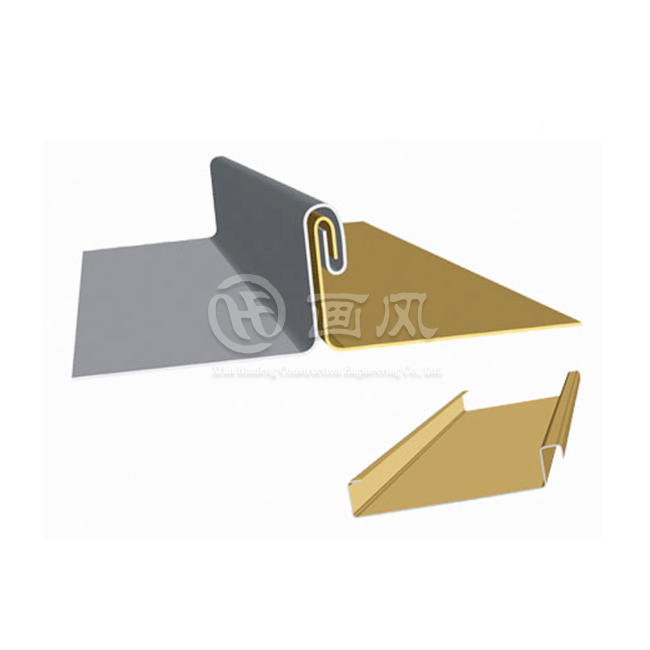
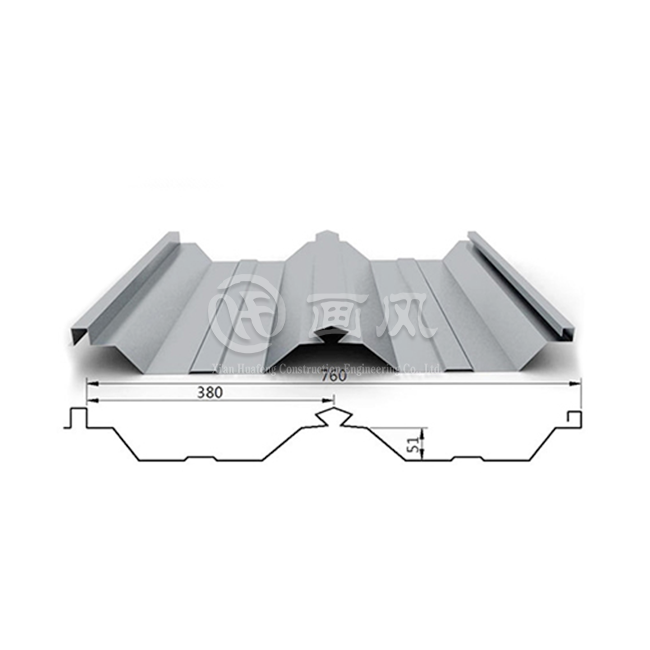
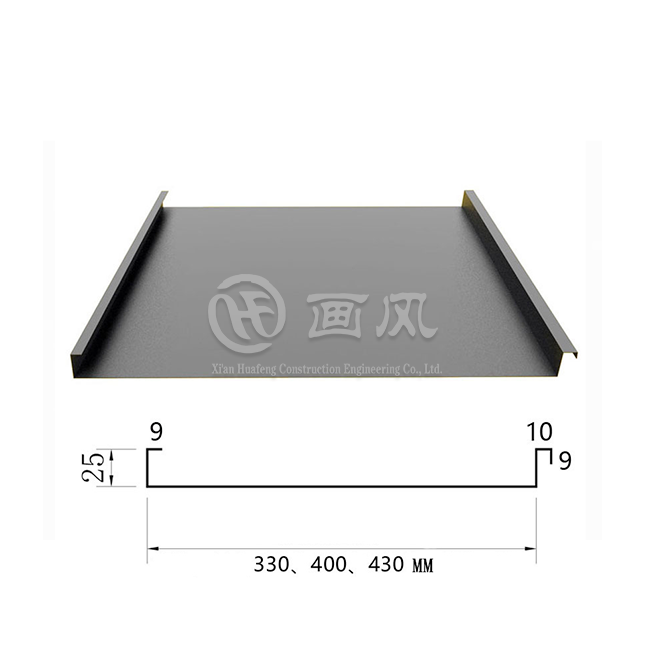
The most important thing about high-seam metal roofing is its mechanical lock system, which connects panels next to each other through 65mm-high vertical ribs. This shape makes ducts that actively remove water and waste while allowing for thermal expansion through hidden sliding clips. High-quality materials are used in the manufacturing process, such as galvanized steel, AA3004 aluminum-magnesium-manganese alloys, and Galvalume finishes that don't rust in tough conditions. Panels with widths between 0.5 mm and 1.2 mm offer the structural strength needed for purlin spacings of up to 1.5 meters, which lowers the need for a substrate and the total cost of installation.
Installation Methodology and Weather Protection
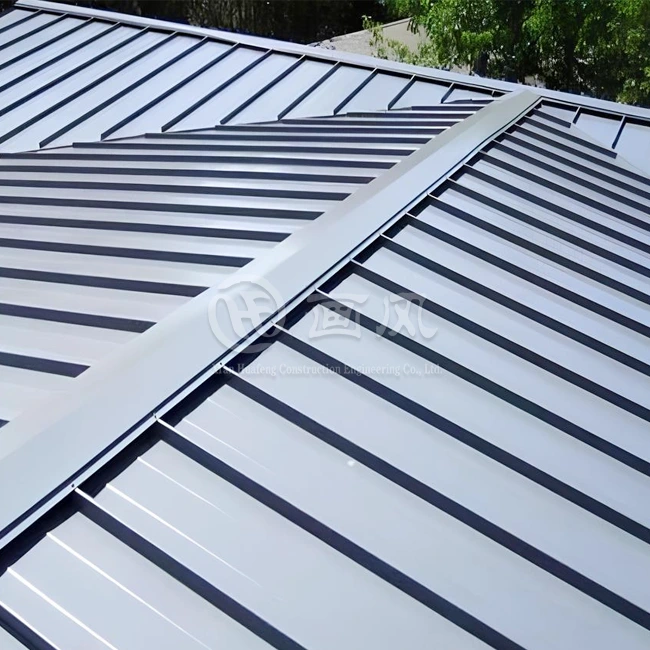
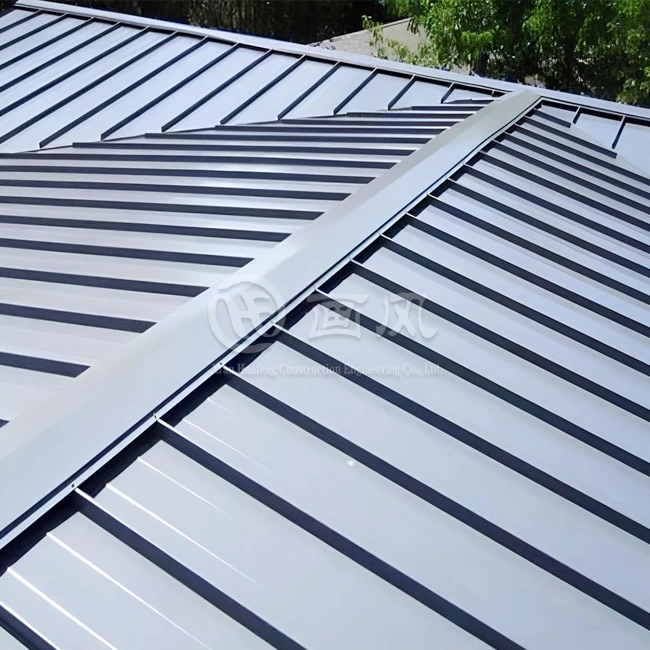
Professional work uses precise seaming tools that make double-lock connections that are 360 degrees around, so there are no bolt holes in the roof surface. This hidden fastening method keeps water out of weak spots where panels are attached while still letting them move freely when the temperature changes. The raised profile acts as a thermal break, stopping heat from moving into the places below that are already filled. Surface treatments like PVDF and PE coats protect against UV rays, so the color and shine stay the same for decades. According to ASTM E1592 guidelines, these systems can handle wind lifting forces greater than 90 pounds per square foot, which is very important for buildings in hurricane-prone coastal areas.
Comparison with Standard Standing Seam Profiles
Normal standing seam panels have seams that are about 38 mm high. Premium systems have seams that are higher, which gives them more load-bearing capacity for rooftop equipment and snow. This deeper structure can also hold mounting tools for solar panels without damaging the waterproof layer, which helps with the integration of green energy. Snap-lock systems, on the other hand, use friction connections, while mechanical seaming offers better holding power in high-stress situations. We've seen that these improved shapes work really well on low-slope setups with pitches as low as 1.5 degrees, where other systems might let water back up and cause seam leaks.
Key Benefits of High-Seam Metal Roofing
Exceptional Durability and Weather Resistance
The choice of material has a direct effect on how long something lasts. For example, aluminum alloy systems can last for more than 50 years and keep their structural integrity through repeated freeze-thaw cycles. The metal surface doesn't let organic matter grow on it, so algae and plants that break down organic materials can't get to it. Impact tests show that these walls can protect against hail up to 2 inches in diameter without getting punctured. This keeps things inside safe during heavy storms. Coastal sites benefit from being naturally resistant to rust, especially when aluminum compositions that make protective oxide layers are chosen. We have seen facilities in industrial areas where chemicals would quickly break down other materials, but these high seam metal roofing devices keep working without breaking down faster.
Energy Efficiency and Thermal Performance
Up to 70% of sun energy is reflected off of PVDF finishes, which means that cooling loads are lower during the hot summer months. When compared to roofing materials that absorb heat, like dark asphalt shingles, this thermal performance means that HVAC costs are cut by 15 to 25 percent. Raised seams form an air gap that improves airflow under panels, which further reduces heat transfer into building envelopes. Many sites can get LEED credits as part of sustainable building certifications. This helps companies meet their environmental goals while also lowering their energy costs. Studies using thermal imaging show that high-seam metal roofing surfaces stay 30 to 50 degrees cooler than similar concrete installations when the conditions are the same.
Minimal Maintenance Requirements
Unlike organic materials that need to have worn-out parts replaced on a regular basis, high-seam metal roofing panel systems only need to be inspected regularly and the seam sealant checked every so often. Screw-down metal roof designs don't have common leak places because there are no bolt penetrations. Cleaning is as easy as using low-pressure water to get rid of dirt and grime that has built up. This is usually done as part of regular building maintenance plans. Over 20 years, we've looked at maintenance costs across business companies and found that high-seam metal roofing costs about 60% less to maintain than similar asphalt systems. This decrease happens because there is no longer any granule loss, splitting, or wind-blown shingle repair, all of which cost a lot of money every year.
Customizable Aesthetics for Professional Appearance
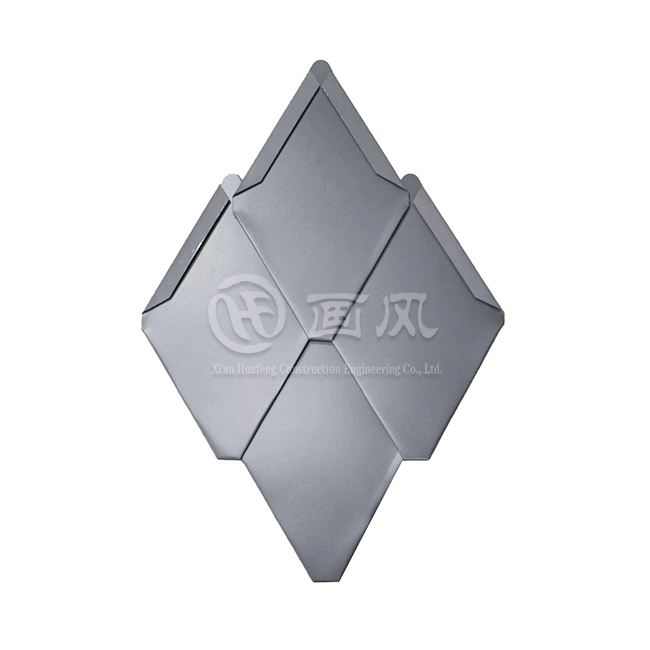
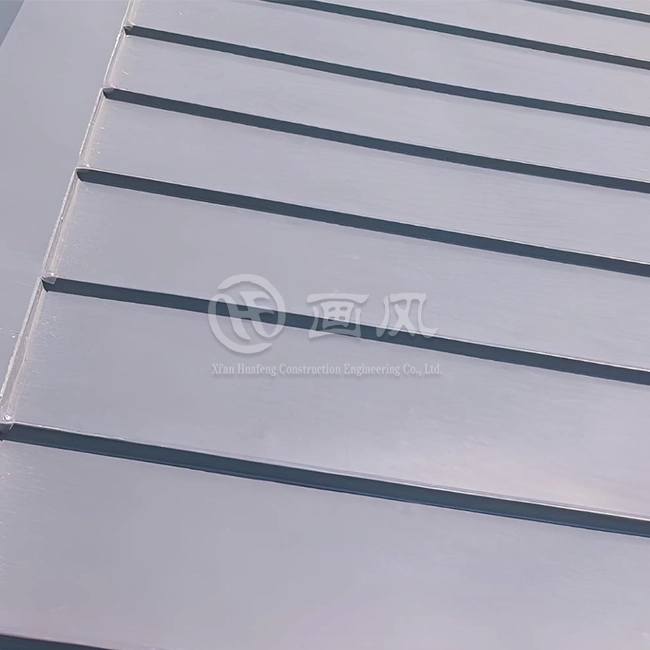
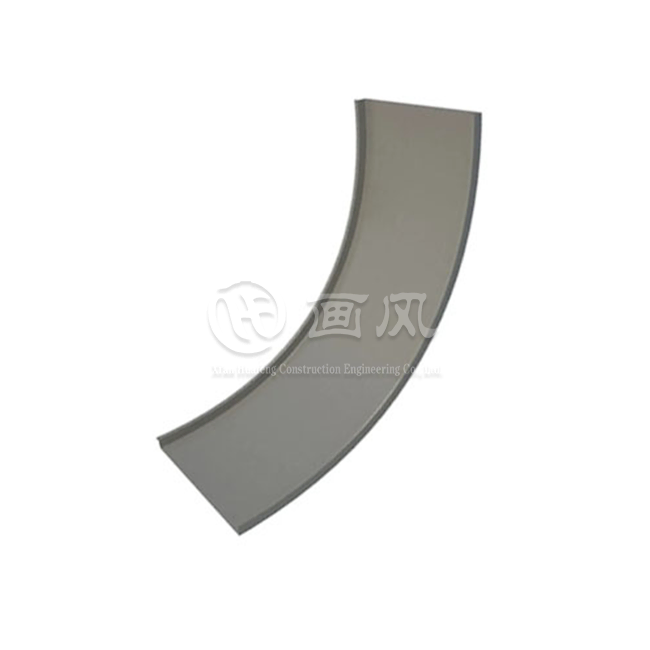
Modern manufacturing techniques allow for endless color matching through RAL and Pantone systems. This makes it possible to match new buildings to old ones or meet the needs of business branding. Roll-forming technology twists panels to specific radii, so panel shapes can be used for both modern angular designs and standard curved ones. Finishes range from matte to high-gloss, adding visual interest while keeping the product's functionality. These systems were chosen for projects where looks were just as important as weather protection. They have unique looks without sacrificing the usual 30-year warranties in the industry. Raised seams give an expensive look with their clean lines and shadow patterns, which raises property prices and makes it easier to find tenants.
Comparison with Other Roofing Types: Making the Right Choice
Asphalt Shingles: Cost versus Longevity Analysis
When they are first bought, traditional three-tab and architectural shingles are usually 40–60% cheaper than high-seam metal roofing options. But because they only last 15 to 25 years, high-seam metal roofing needs to be replaced completely at least twice during its lifetime. A lifecycle cost study shows that replacing shingles will cost between $2.80 and $4.20 per square foot over 50 years, while metal systems don't need much maintenance. About 11 million tons of shingles are thrown away every year in the United States alone, which adds to the trash in landfills. Because they are easily damaged by wind and fire, they aren't good for many business insurance needs, which could make coverage costs go up. We always say that asphalt shouldn't be used on buildings where replacing the roof would interfere with activities or where having a longer guarantee is important for the value of the asset.
Corrugated Metal Panels: Structural Limitations
Exposed fastener corrugated systems are more durable than organic options and cost less at first, but they lose their waterproofing integrity because they have hundreds of entry spots where gaskets can wear down. Every 8 to 12 years, these screws need to be inspected and replaced because heat cycling wears out connections. The lower shape gives the structure less depth, which limits the distance between purlins and raises the foundation needs. Corrugated panels don't have the ability to adapt to changes in temperature as slide clip systems do. This means that fastener back-up and oil-canning warping can be seen on all roof surfaces. They work fine for farming and uses where money is tight, but they don't perform well enough for high-end business installations where looks and complete weather protection are worth the money.
Tile and Slate: Weight and Installation Complexity
Clay and concrete tiles look great and last for 50 years or more, but they put a lot of stress on the structure and need to be supported by stronger frames, which costs an extra $8 to $15 per square foot. Because they are so fragile, they are hard to maintain, and broken tiles are common in areas where people walk. Due to the need to place each piece individually and meet specific flashing standards, installation work costs are much higher. Similar problems arise with slate, as its heavy nature and the need for specialized construction skills make it hard for contractors to get work done. Neither of these materials reflects light like high-seam metal roofing surfaces do, so they soak up sun's heat instead of letting it escape. We've switched out tile systems for metal ones on buildings where reducing weight was important for safety and code compliance because of earthquake concerns or structural limits.
Flat Membrane Systems: Maintenance Demands
Single-ply membranes, like TPO and EPDM, work well for low-slope uses, but they need to be carefully maintained to keep the seams and entry flashings in good shape. When draining is bad, ponding water speeds up the breakdown of membranes, lowering their projected 20-year lifespans to 12–15 years. Punctures from tools on the roof and people walking on them mean that fixes have to be done all the time. High-seam metal roofing systems don't have to be fixed as often because they are more resistant to impact. Re-roofing membrane systems requires taking them off completely and throwing them away, which creates a lot of waste and causes problems with the building. Installing high seam metal roofing alternatives over existing membranes provides instant waterproofing while extending the service life of the underlying system. This is a repair strategy we've used successfully on a number of business properties that are getting old.
Procurement Considerations for B2B Clients
Cost Components and ROI Forecasting
Depending on panel type, paint option, and order volume, high-seam metal roofing materials cost $7–12 per square foot. Installation costs $3 to $6 per square foot, depending on the roof's complexity, accessibility, and local pay rates. High-seam metal roofing costs twice as much as asphalt, but it lasts longer and requires less maintenance. It always costs 18–24% less than rebuilding two concrete roads and doing constant repairs throughout 30 years of ownership. Energy savings in climate-controlled buildings may provide $0.15 to $0.35 per square foot annually. These lifetime economics should be considered by procurement teams instead of bid pricing since the broad picture of money strongly promotes investing in metal for long-lasting structures.
Supplier Selection and Quality Assurance
For large projects, finding producers with high quality standards ensures consistent and reliable supplies. We prefer vendors with ISO 9001 and ISO 14001 certifications for quality and environmental compliance. Suppliers with these certifications utilize organized process controls and ecologically beneficial approaches. Manufacturing expertise is crucial when project requirements need 500 to 1,000 tons in a short period. Suppliers with several manufacturing facilities and supplementary capabilities lessen supply chain risks that might delay construction objectives. Panel specs should reference ASTM, DIN, JIS, and GB/T. Performance benchmarks may be reviewed, making worldwide shopping easy. MEK rub tests and coating thickness measurements support technological material's long-lasting finish.
Customization Options for Project-Specific Requirements
Panel widths range from 300 to 600 mm, and exceptional lengths may reach 100 meters. No end-lap joints exist across uninterrupted roof lines. Based on span and load predictions, you may optimize the structure with a thickness between 0.5mm and 1.2mm. RAL color matching ensures that sites with several buildings or staged development plans appear well together. Medium-sized projects may be customized without a lot of inventory with 500 square meters or one ton minimum order quantities. From order confirmation to shipping, lead times of 15 to 20 days provide flexible scheduling that matches construction order. We've utilized these customisation choices to meet unusual length demands, curving barrel roofs, and exact color matching for historic restoration work.
Real-World Applications and Case Studies
Industrial Manufacturing Facilities
In toxic environments like chemical processing plants and steel mills, the choice of material has a direct effect on upkeep costs and the amount of time the plant is open for business. Aluminum-magnesium-manganese alloys used in high seam metal roofing high-seam metal roofing systems can stand up to acidic rainwater and airborne particles that break down biological materials quickly. Metal's inability to catch fire makes it an important fire barrier for places that work with burning materials or high-temperature processes. Raised seam shapes allow for heavy equipment installs like HVAC units, ventilation systems, and material handling conveyor belts without affecting the protection. One company that makes car parts saw a 40% drop in repair calls for its 500,000-square-foot production campus after switching from membrane systems to high-seam metal roofing.
Warehouse and Distribution Centers
When roof leaks make it hard to keep track of goods and protect products, logistics centers prioritize keeping operations running smoothly. Mechanically seamed high-seam metal roofing systems don't have the leaky bolt holes that are common in corrugated panels because they are completely sealed. Reflective coatings lower the temperature inside buildings that don't have air conditioning. This makes working conditions better and protects equipment that is sensitive to temperature changes. Compatible with solar panel installation systems, warehouse owners can make money from large roof areas by producing clean energy without having to add more support to the structure. During the recent hurricane season, which did a lot of damage to nearby buildings with regular roofs, a national distribution business said that none of the 12 metal-roofed sites had any weather-related claims.
Retail and Commercial Developments
To keep property prices high and draw tenants, shopping centers and office buildings need buildings that look good and work well. High-seam metal roofing has clean architectural lines and a uniform look that makes a house look better from the street. It also has good fire protection and wind scores, which are good for insurance companies. Long warranty periods are in line with business lease terms and protect renters from the weather while they are living there. One mixed-use building chose high-seam metal roofing for the 200,000-square-foot store portion in order to get LEED Silver certification. The recycled content, solar reflectance, and heat island mitigation of the roof earned the project multiple points. The developer said that the building's environmentally friendly features led to more tenants wanting to rent and higher rent rates.
Conclusion
When you look at roofing systems with the total ownership cost in mind instead of the initial bid price, you can see why high seam metal roofing is such a great choice for business and industrial settings. When you combine lifespans of 40 years or more, low upkeep needs, and measurable energy savings, you get cash returns that traditional materials can't match. Modern building standards and business responsibility goals are in line with technical benefits like better weather protection, structural flexibility, and environmentally friendly material makeup. The reputation for dependability of these systems has been proven by their steady performance in a wide range of climates and demanding uses. People who work in procurement and manage building portfolios can get a strategic edge by investing in roofs that last longer and cost less over their lifetime. This helps keep operations going and keeps the property's value high.
FAQ
1. What lifespan can we expect from metal roofing systems?
When properly kept, high-seam metal roofing usually last longer than 40 to 50 years. Premium copper and stainless steel options can last up to 70 years. This lasts 200 to 300 times longer than asphalt shingles, so they don't need to be replaced as often. The 30-year guarantees that are common in the industry show that makers are sure that the materials will last and the coatings will work well.
2. Do these systems work for residential applications?
When it comes to private construction, high-seam metal roofing works well on high-end homes and modern designs that value clean lines. Because it's lightweight, it doesn't need as much support as tile does, and the energy-saving benefits can be used in conditioned home areas, too. More and more, designers are choosing metal for home projects because they value durability and sustainability.
3. How complex is routine maintenance?
Maintenance includes checking the stability of the seams once a year, clearing the way for water to drain, and checking the state of the flashing. High-seam metal roofing only needs to be cleaned every so often, while shingle roofs need to be checked for flake loss, and broken sections need to be replaced. Most building teams do their own checks and only hire contractors for any fixes that need to be done, which isn't often with traditional materials.
Partner with HF for Your Next High-Seam Metal Roofing Project
Xi'an Huafeng Construction Engineering Co., Ltd. has three state-of-the-art factories with more than 40 specialized tools and seven production lines that are all used to make high-quality high seam metal roofing systems. We can make panels with widths ranging from 0.5mm to 1.2mm and panel sizes ranging from 65mm to 400/430/500mm. The panels can also have PVDF and PE surface treatments to meet your special structural needs. We keep a 1,000-ton monthly supply capacity and deliver within 15 to 20 days, so we can support big business projects without running behind schedule. Our goods are made to foreign standards like ASTM, DIN, JIS, BS, and GB/T, and they come with 30-year warranties that protect your roof investment. As a provider of high-seam metal roofing with a lot of experience, we can give you reasonable prices for large orders starting at 500 square meters, and you can choose from a wide range of RAL and specialty colors. You can email our buying team at huafeng@hfmetalroof.com to talk about the details of your project and get detailed technical paperwork that shows how HF's production skills can meet the performance and dependability needs of your business infrastructure.
References
1. Metal Construction Association. "Architectural Metal Roofing Design Manual." Metal Construction Association Technical Guidelines, 2021.
2. Smith, J.R. and Patterson, K. "Life Cycle Cost Analysis of Commercial Roofing Systems." Journal of Building Economics and Performance, Vol. 18, No. 3, 2020, pp. 145-167.
3. National Roofing Contractors Association. "NRCA Metal Panel and SPF Roof Systems Manual." NRCA Publications Division, 2022.
4. Williams, D.T. "Energy Performance Comparison of Reflective Roofing Materials in Commercial Applications." Building Science Review, Vol. 42, 2019, pp. 88-104.
5. American Society for Testing and Materials. "ASTM E1592 Standard Test Method for Structural Performance of Sheet Metal Roof and Siding Systems by Uniform Static Air Pressure Difference." ASTM International, 2020.
6. Chen, H. and Rodriguez, M. "Sustainability Assessment of Metal Roofing Systems in Green Building Standards." Construction Materials and Sustainability, Vol. 9, No. 2, 2021, pp. 213-229.





YOU MAY LIKE