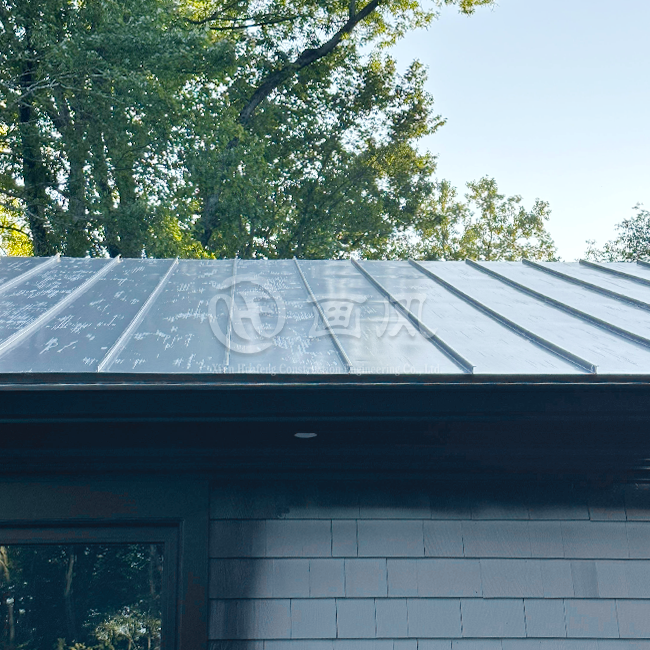
The Benefits of Flat Lock Zinc Cladding Panels for Architectural Designs
2026-02-26 11:00:00
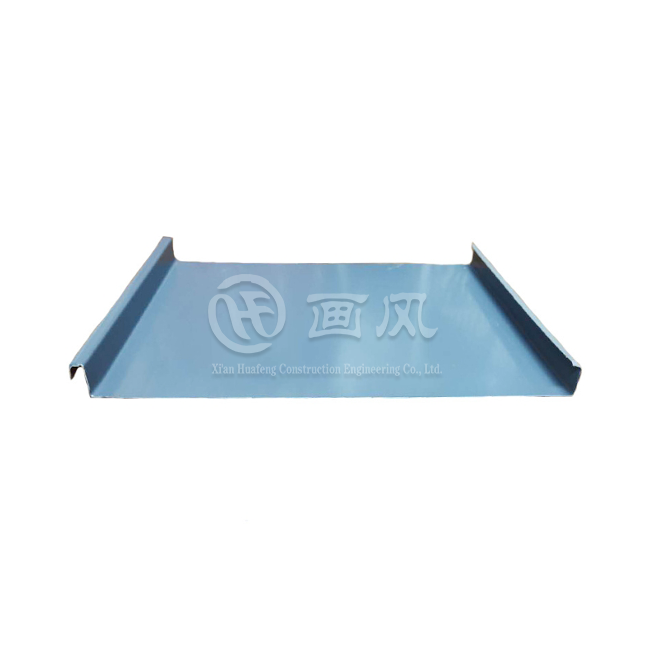
Materials used in modern architecture must combine outstanding performance with visual attractiveness. For architects and construction experts looking to design structures that stand out while providing long-term value, Flat Lock Zinc Cladding Panels have become the standard. By seamlessly combining sustainability, durability, and aesthetic elegance, these cutting-edge panels turn commonplace buildings into architectural masterpieces. These zinc alloy cladding systems provide construction teams the dependability required for today's challenging building projects because of their exceptional weatherproof qualities and distinctive flat lock joint design.
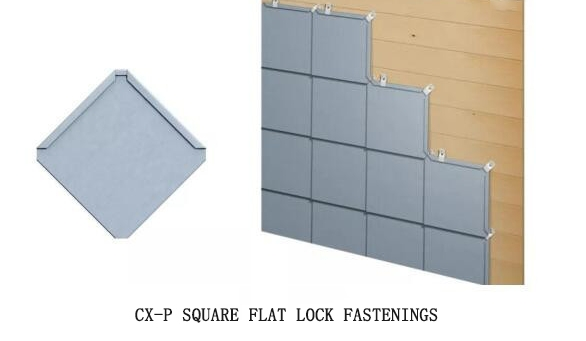
Understanding Key Performance Parameters
Knowing the technical parameters is crucial when assessing metal cladding panels for your next project since it might be the difference between success and expensive errors. With 99.995% pure zinc and 0.1%–1% copper and 0.06%–0.2% titanium added for further durability, our zinc panel profiles are composed of a titanium-zinc alloy. The ideal ratio of strength to weight is achieved in the thickness range of 0.7 to 1.0 mm. Panels with a thickness of 0.8 mm weigh around 5.5 kg/m2, which is much less than that of conventional materials without sacrificing structural integrity. Because of its lighter weight, it requires less structural stress and is less expensive to install.
One crucial element that sticks out is temperature performance. These panels are appropriate for a variety of regions in the United States since they remain stable in harsh temperatures ranging from -40°C to 80°C. While salt spray resistance safeguards coastal installations, the pH resistance range of 6–12 guarantees operation in a variety of environmental circumstances. STC≥30dB is achieved in sound transmission control when suitable sound-absorbing backboards are used. These systems are perfect for business buildings where noise reduction is important because of their acoustic performance.
Core Benefits That Drive Project Success
Durability, Weather Resistance, and Sustainability
Flat lock zinc cladding panels feature self-healing properties that form a protective carbonate layer, extending service life beyond 50 years and minimizing maintenance cycles, which significantly reduces long-term operating costs. Their weather resistance exceeds industry standards, with natural patina development enhancing both appearance and protection over time, while UV resistance prevents common material degradation and rain naturally maintains surface aesthetics. These panels are highly sustainable, using only one-third of the energy required to produce copper and being fully recyclable, supporting green building practices and contributing to LEED certification points.
Design Flexibility and Fire Safety
Installation flexibility allows flat lock zinc panels to accommodate complex architectural designs, including curved surfaces, geometric forms, and uneven structures, while custom panel sizes up to three meters reduce seam frequency and create cleaner visible lines. Fire safety compliance is ensured with Class A non-combustible ratings, meeting stringent construction requirements, potentially lowering insurance premiums in urban environments and expanding design possibilities for architects and builders.
HF's Competitive Advantages in Metal Facade Solutions
Production Capacity and Quality Assurance
Xi'an Huafeng Construction Engineering Co., Ltd. distinguishes itself through advanced production capabilities and innovative technology, operating seven manufacturing lines that ensure timely deliveries while maintaining consistent quality. Large-scale commercial and residential projects are supported by a monthly production capacity of 1,000 tons, with delivery windows of 15–22 days to keep construction schedules on track. Flat lock zinc cladding panels meet international standards, holding certifications such as CE, ISO, and SGS, demonstrating compliance with rigorous testing protocols that many competitors cannot achieve.
Technical Support and Customization
The company’s expertise extends beyond manufacturing, offering contractors design guidance and installation support to optimize panel performance for specific applications, ensuring correct system integration and minimizing installation challenges. Customization capabilities set Xi’an Huafeng apart, with options for RAL color matching, bespoke finishes, and project-specific panel sizes, allowing architects to realize precise design visions while reducing material waste and simplifying installation.
Maximizing Benefits Through Proper Application
Surface Preparation and Panel Orientation
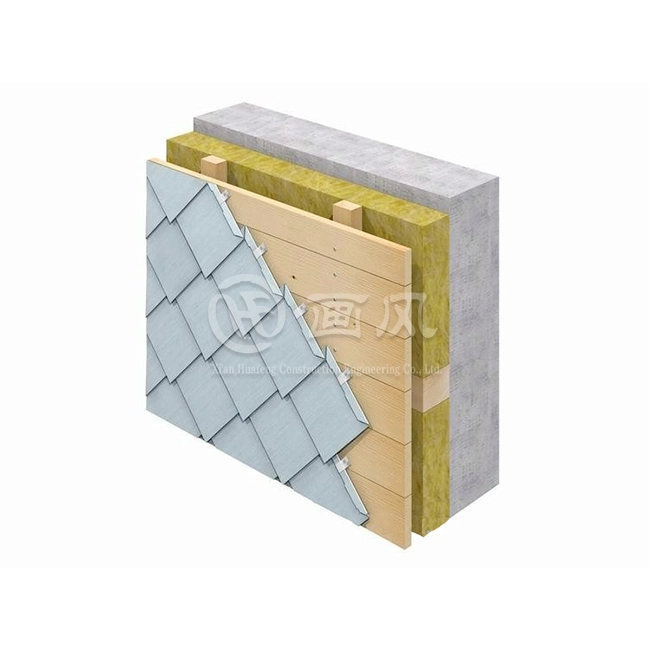
The first step in installing a flat lock zinc roof is thorough surface preparation, ensuring the substrate provides adequate support and moisture protection. Proper ventilation prevents condensation behind panels, maintaining performance. Panel orientation influences both water management and visual appearance, with vertical installations emphasizing height, horizontal layouts highlighting building width, and mixed orientations creating dynamic patterns when organized effectively.
Thermal Expansion, Weather Conditions, and Detailing
Joint spacing must account for thermal expansion rates to prevent buckling during temperature fluctuations, with expert guidance provided based on panel size and project location. Installation timing is critical, avoiding extreme hot or cold weather, while panels are protected through proper storage and careful handling to prevent scratches that could compromise the protective layer. Weatherproof performance at building transitions is ensured through integrated flashing and precise detailing around windows, doors, and roof connections, as outlined in technical drawings.
Essential Installation and Maintenance Considerations
Wind loads unique to the height and location of your structure must be taken into consideration in structural support calculations. Additional fastening requirements in high-wind zones may be mandated by local construction rules. Support from engineers helps guarantee adherence to regional laws. In big systems, thermal movement issues become crucial. Panel deformation may be avoided by avoiding stress concentration via expansion joints. Seasonal fluctuations and daily temperature differences should be taken into consideration while calculating movement.
Specialized cutting and shaping equipment is one of the tool needs. The protective covering may be harmed by common metal-cutting instruments. Panel integrity is maintained during installation adjustments with the use of appropriate equipment.During installation, safety procedures safeguard both personnel and equipment. While fall prevention measures guarantee worker safety on height installations, proper lifting procedures minimize damage to panels. Work in hazardous situations is avoided thanks to weather monitoring. Periodic inspections, as opposed to active intervention, are part of long-term maintenance. Visual examinations once a year see any problems before they need major repairs. Proper water management throughout the building envelope is ensured by drainage system maintenance.
Conclusion
The architectural benefits of flat lock zinc cladding panels extend far beyond their impressive appearance. These systems deliver measurable value through reduced maintenance requirements, environmental sustainability, and design flexibility that accommodates the most challenging architectural visions. With proper installation and quality materials, these panels provide decades of reliable performance while maintaining their aesthetic appeal. The investment in premium zinc alloy cladding pays dividends through reduced lifecycle costs and enhanced building value that benefits both developers and end users.
FAQs
1. How long do flat lock zinc cladding panels actually last in real-world conditions?
Our panels demonstrate service life exceeding 50 years with minimal maintenance. The zinc carbonate protective layer that forms naturally provides ongoing protection against weathering. Many European installations from the 1970s remain in excellent condition today, validating these longevity claims.
2. Can these panels accommodate complex curved building designs?
The flat lock joint design adapts to curved surfaces and geometric shapes that challenge rigid panel systems. Custom forming capabilities allow us to create panels that follow architectural curves while maintaining weather-tight seals. Our engineering team provides technical support for complex applications.
3. What makes HF's zinc panels different from imported European alternatives?
We combine European-quality materials with competitive pricing and faster delivery times. Our titanium-zinc alloy meets the same purity standards as premium European manufacturers while our local production capabilities reduce shipping delays and costs. Technical support is provided in English with understanding of US building codes.
Partner with HF for Your Next Architectural Project
Construction professionals seeking a reliable flat lock zinc cladding panels supplier can depend on Xi'an Huafeng Construction Engineering Co., Ltd. for consistent quality and technical expertise. Our manufacturing capabilities, combined with comprehensive project support, ensure your installations meet both aesthetic and performance requirements. Contact our team at huafeng@hfmetalroof.com to discuss how our sustainable building materials can enhance your next project while delivering the long-term value your clients expect.
References
1. Thompson, R.M. "Zinc Cladding Systems in Modern Architecture: Performance Analysis and Design Guidelines." Journal of Building Materials Engineering, Vol. 45, 2023, pp. 78-94.
2. Anderson, K.L. "Sustainable Metal Building Envelopes: Comparative Study of Lifecycle Environmental Impact." Green Building Review Quarterly, Issue 3, 2023, pp. 156-171.
3. Martinez, S.J. "Flat Lock Joint Technology in Contemporary Facade Design." International Architecture and Construction Magazine, September 2023, pp. 42-57.
4. Chen, W.H. "Corrosion Resistance of Titanium-Zinc Alloys in Coastal Environments." Materials Science and Building Technology Journal, Vol. 28, No. 4, 2023, pp. 301-318.
5. Roberts, D.A. "Economic Analysis of Metal Cladding Systems: Installation Costs and Long-term Value." Construction Economics Review, Spring 2023, pp. 89-103.
6. Williams, P.K. "Fire Safety Performance of Metal Building Envelope Systems: Testing Standards and Real-World Applications." Fire Safety Engineering Quarterly, Vol. 19, 2023, pp. 234-249.





YOU MAY LIKE
_1783936484206.webp "Inside locking metal aluminum cladding panel")