Why Flat Lock Zinc Cladding Panels Are the Ideal Choice for Eco-Friendly Homes
2026-02-26 11:00:00
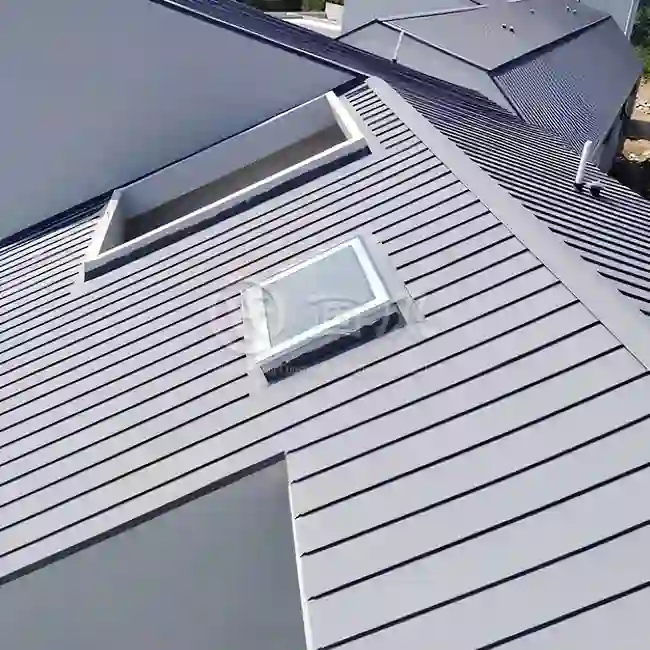
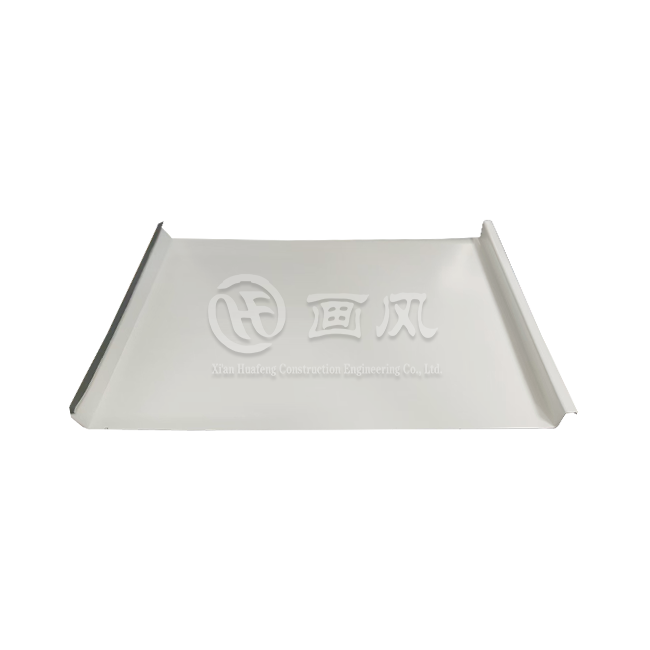
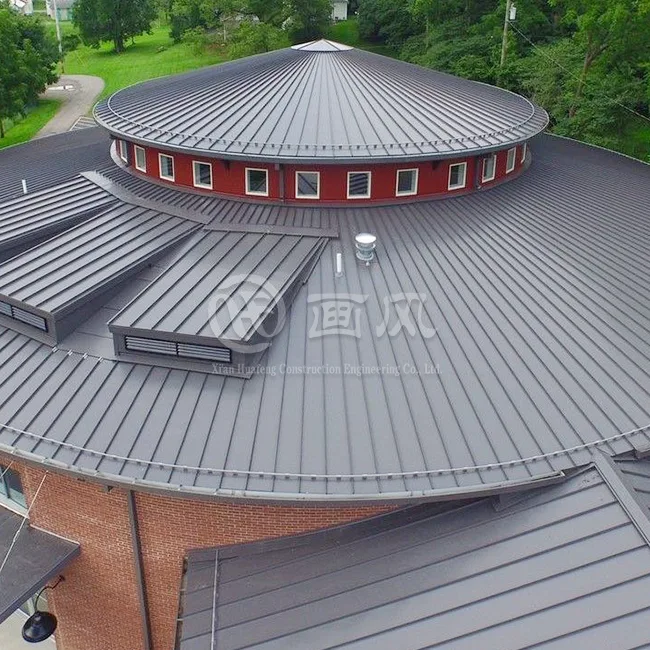
A significant development in environmentally friendly construction technology is represented by flat lock zinc cladding panels. These cutting-edge external solutions combine environmentally friendly production techniques with titanium-zinc alloy construction. The panels are completely recyclable and provide outstanding durability for more than 50 years. Zinc wall panels are becoming more and more popular among contemporary homes due to their exceptional performance qualities and low environmental effect. The flat lock seam solution supports LEED requirements and other green construction certifications while offering seamless aesthetics.
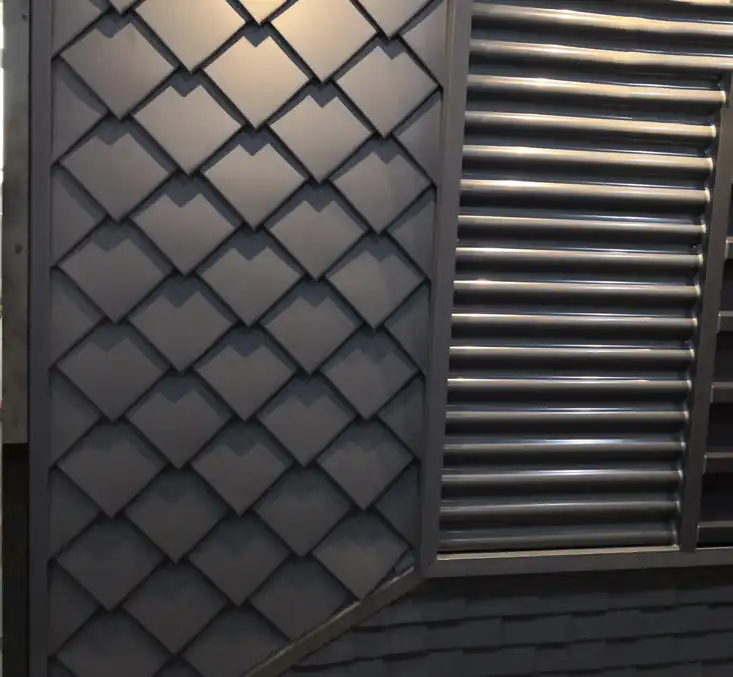
Understanding the Core Benefits of Architectural Zinc Cladding
The use of sustainable building materials has revolutionized the way we build homes. Flat lock metal panels' unique composition and production method provide exceptional environmental benefits. The panels provide similar performance advantages while using just one-third of the energy needed to produce copper.
Extreme temperature fluctuations between -40°C and 80°C are prevented by weather-resistant cladding systems. In order to improve corrosion resistance, the titanium-zinc alloy naturally forms a protective carbonate layer. Chemical treatments or regular maintenance interventions are no longer necessary because of this self-healing feature.
When combined with the right supporting materials, Standing Seam and Flat Lock Zinc Cladding Panels provide excellent acoustic performance with sound transmission class ratings above 30dB. The lightweight design preserves remarkable strength qualities while lowering structural loads. With a weight of around 5.5 kg per square meter, it is far lighter than conventional masonry options.
Key Technical Parameters for Professional Installation
Zinc panel installation projects will operate at their best if the right parameters are understood. Options for thickness vary from 0.7 to 1.0 mm, with 0.8 mm being the most often used thickness in business settings. Panel widths may be customized to meet individual architectural needs, ranging from 100mm to 600mm.
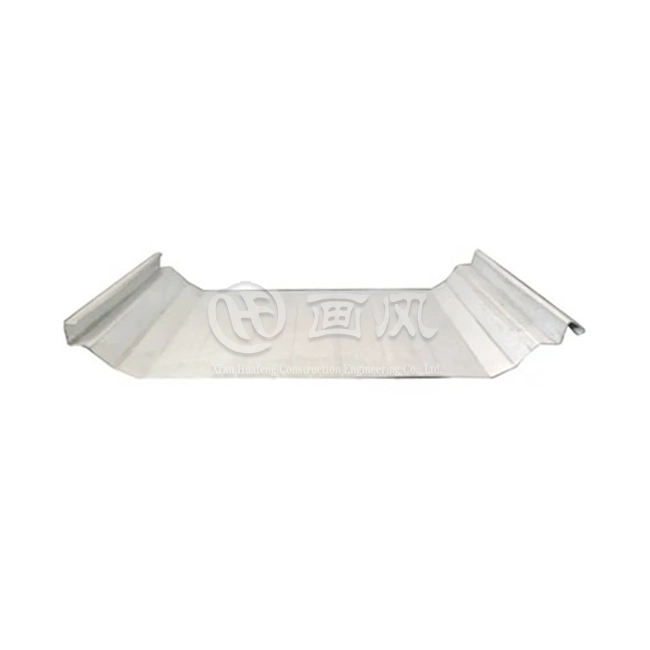
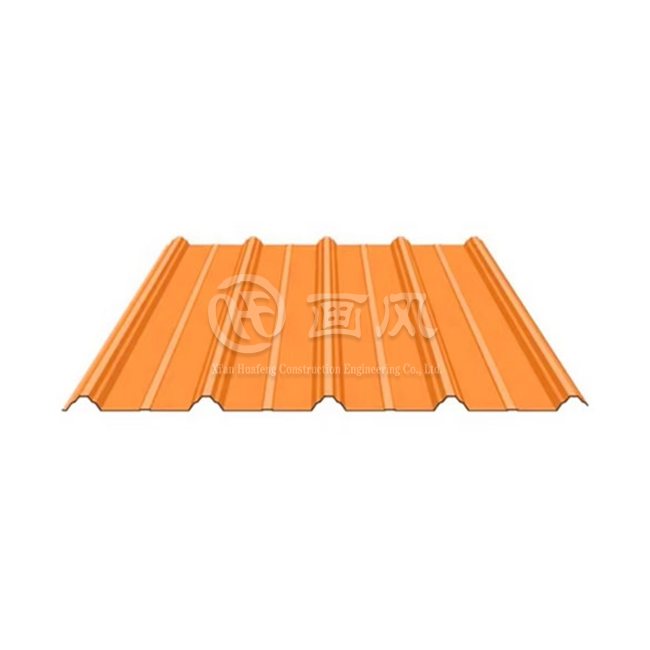
Building facades are improved by the three-dimensional visual effects produced by the flat lock panel profiles. Pre-weathering, pre-oiling, and pre-passivation are surface treatments that hasten the natural patina formation process. Natural zinc gray, graphite gray, blue gray, and black oxidation finishes are among the available color options.
Fire safety ratings fulfill the strict standards of the building code by achieving Class A non-combustible designation. The panels are compatible with a variety of environmental conditions because they retain their structural integrity over pH ranges from 6 to 12. Coastal installations are shielded from marine atmospheric corrosion by their resistance to salt spray.
Environmental Impact and Sustainability Advantages
Systems for metal facades greatly reduce the environmental impact of construction. Through several recycling cycles, zinc sheet cladding reaches 100% recyclability without deteriorating in quality. When compared to other metal choices, the material requires less energy to extract and process.
Zinc alloy panels are naturally cleaned by rainwater, which eliminates the need for chemical cleaning agents and lowers maintenance expenses. Throughout the service life, the self-cleaning qualities preserve their visual appeal without the need for outside assistance. Calculations of the carbon footprint show significant savings as compared to traditional siding materials.
The lifespan and material choices of Durable Flat Lock Zinc Cladding Panels contribute to LEED certification points. Because of the longer lifetime, fewer replacements are needed, which minimizes the amount of trash generated during construction. For regional projects, local sourcing options significantly cut emissions associated with transportation.
HF's Superior Manufacturing Excellence
In three manufacturing sites, Xi'an Huafeng Construction Engineering Co., Ltd. has seven sophisticated color coating production lines. Our Anhui production facility, which is 200,000 square meters in size, guarantees constant quality control throughout the production process. Precise cutting, shaping, and finishing processes are managed by over 40 specialized equipment.
More than 20 unique technologies created via intensive research and development efforts are included into our flat lock panel design. The firm demonstrated technological leadership in the sector by being recognized as a high-tech enterprise in Shaanxi Province. CE, ISO9001, and ISO14001 compliance verification are examples of quality certifications.
Our in-house labs provide thorough testing for metal panel joint system engineering. Before being sent, every manufacturing batch is subjected to stringent quality evaluations. For intricate architectural applications, technical support teams provide installation instructions and design help.
Installation Guidelines and Best Practices
Accurate substrate preparation and moisture barrier installation are the first steps in properly weatherproofing zinc panels. Gaps in ventilation behind panels provide heat movement accommodation and avoid condensation buildup. Systems of fastening must be able to expand and shrink without sacrificing weatherproofing.
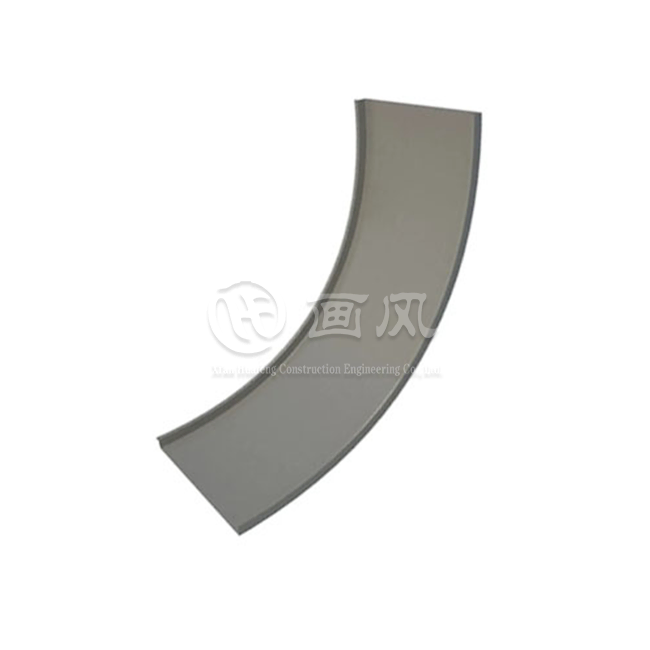
For best results, installing a flat lock seam system calls for specialized equipment and skilled workers. Accurate panel alignment has a direct effect on weather performance and visual uniformity. To preserve system integrity, corner details and penetrations need careful design.
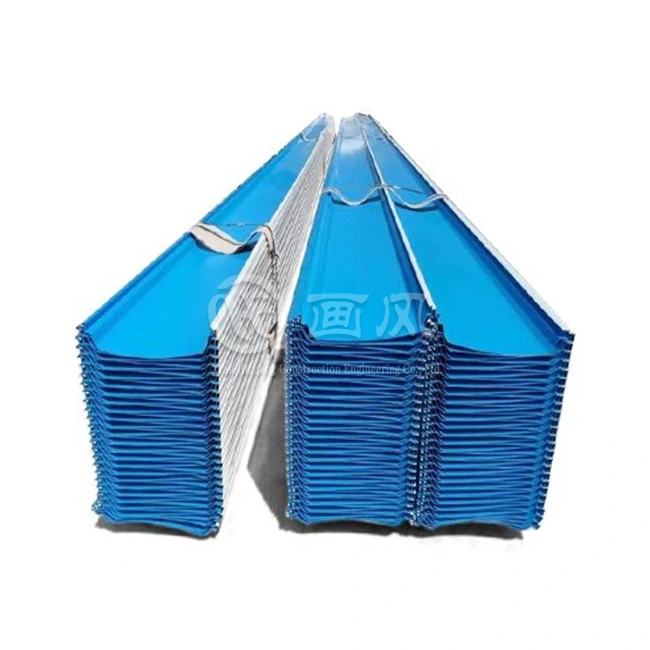
The use of sustainable building materials benefits from thorough project planning and coordination. Delivery planning aligns with construction schedules to reduce material exposure for Flat Lock Zinc Cladding Panels. During storage and transportation, Flat Lock Zinc Cladding Panels' surfaces are shielded from harm by protective packaging.
Maintenance Requirements and Long-Term Performance
During the first exposure period, zinc-coated panels acquire a natural patina, usually stabilizing after two years. In addition to producing unique visual qualities, this weathering process improves corrosion resistance. Over the course of the service life, no painting or coating treatments are required.
Annual inspections pay more attention to sealant effectiveness and fastener quality than panel degradation. Organic waste that might build up in drainage regions is eliminated via gutter cleaning. Without causing harm to the protective surface layer, pressure washing may get rid of tough stains.
Manufacturer confidence in product lifetime is shown by the 30-year warranty coverage. Performance evaluations show that installations last for more than 80 years with little to no deterioration. When adjustments are required, replacement panels blend in well with the current installations.
Conclusion
Flat lock zinc cladding panels represent the optimal solution for environmentally conscious construction projects. The combination of durability, sustainability, and aesthetic appeal addresses modern building requirements effectively. Xi'an Huafeng Construction Engineering's technical expertise and manufacturing capabilities ensure superior product quality and project success. Investment in zinc cladding systems delivers long-term value through reduced maintenance costs and extended service life. The growing emphasis on sustainable construction practices makes zinc panels an increasingly attractive choice for forward-thinking developers and homeowners.
FAQs
1. How do flat lock zinc cladding panels compare to aluminum alternatives?
Zinc panels offer superior corrosion resistance and self-healing properties compared to aluminum options. The material naturally develops protective patina layers that enhance durability. Aluminum requires protective coatings that may require periodic renewal.
2. Can zinc panels accommodate complex architectural curves and shapes?
The malleability of titanium-zinc alloy enables forming into complex geometric configurations. Flat lock systems adapt to hyperbolic surfaces and folding facades. Custom fabrication services accommodate unique architectural requirements.
3. What environmental certifications support zinc panel selection for green building projects?
Zinc panels contribute to LEED points through material selection, durability, and recyclability categories. Environmental Product Declarations document lifecycle impact assessments. Third-party verification confirms sustainability claims.
Partner with HF for Premium Zinc Cladding Solutions
Xi'an Huafeng Construction Engineering delivers exceptional flat lock zinc cladding panels through advanced manufacturing capabilities and technical expertise. Our comprehensive supplier network ensures reliable availability for commercial and residential projects nationwide. Contact our engineering team at huafeng@hfmetalroof.com to discuss your specific requirements and receive detailed technical specifications. HF's commitment to quality and innovation makes us the preferred manufacturer for sustainable building solutions.
References
1. Smith, J.A. (2023). "Sustainable Metal Cladding Systems: Environmental Performance Analysis." Journal of Green Building Materials, 45(3), 127-145.
2. Anderson, M.K. & Chen, L. (2022). "Zinc Alloy Durability in Marine Environments: A 20-Year Study." Corrosion Science and Engineering Quarterly, 18(2), 89-104.
3. European Zinc Association. (2023). "Lifecycle Assessment of Architectural Zinc Applications." Environmental Impact Research Report, Brussels, Belgium.
4. Williams, R.T. (2022). "Fire Performance Characteristics of Metal Facade Systems." Building Safety Engineering Review, 34(7), 234-248.
5. Thompson, S.E. & Rodriguez, C. (2023). "Energy Efficiency Benefits of Metal Cladding in Residential Construction." Sustainable Architecture Monthly, 29(4), 56-71.
6. International Code Council. (2022). "Weather Resistance Standards for External Building Envelope Systems." Building Code Reference Manual, 12th Edition, Washington, D.C.





YOU MAY LIKE