What is Flat Lock Zinc Cladding and Why It’s a Game-Changer for Modern Homes?
2026-02-28 14:38:25
Using titanium-zinc alloy panels to construct seamless, weather-resistant building envelopes, flat lock zinc cladding panels are a novel approach to contemporary architectural design. With its distinctive interlocking mechanism, this cutting-edge technology revolutionizes conventional external walls, providing remarkable durability without sacrificing eye-catching aesthetic appeal. Flat lock zinc cladding panels are a game-changer that solves many issues in modern building design as construction professionals place a greater emphasis on long-term performance and sustainable materials. The technology is a crucial component of contemporary home buildings as it blends sophisticated aesthetics with useful functions.
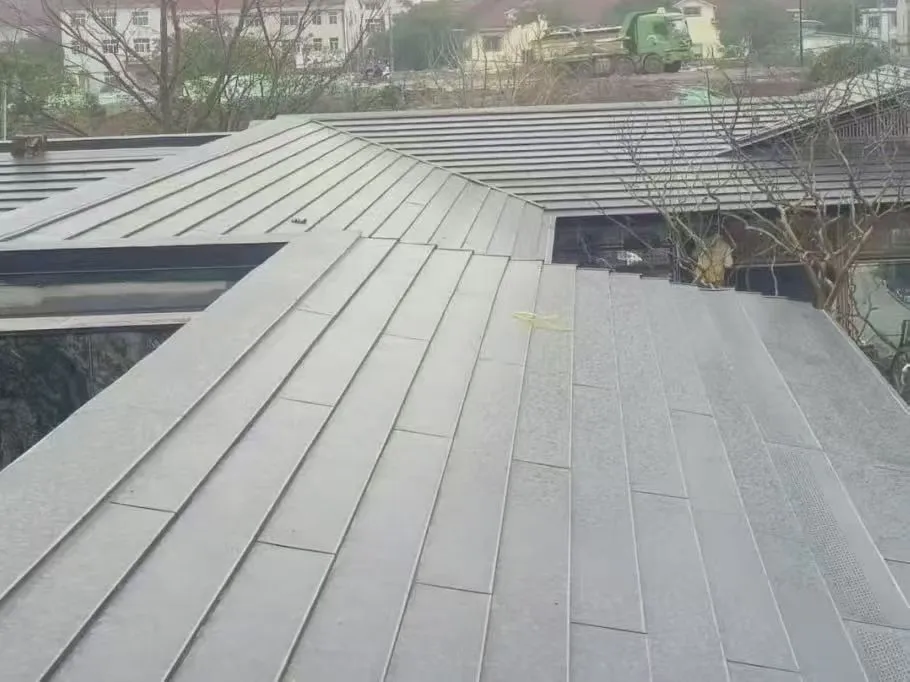
What is Flat Lock Zinc Cladding Panels
Material Composition and Design Features
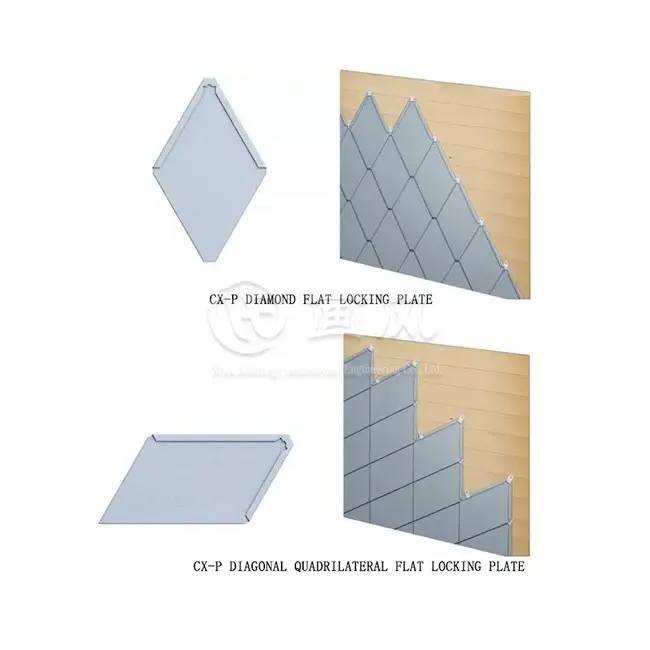
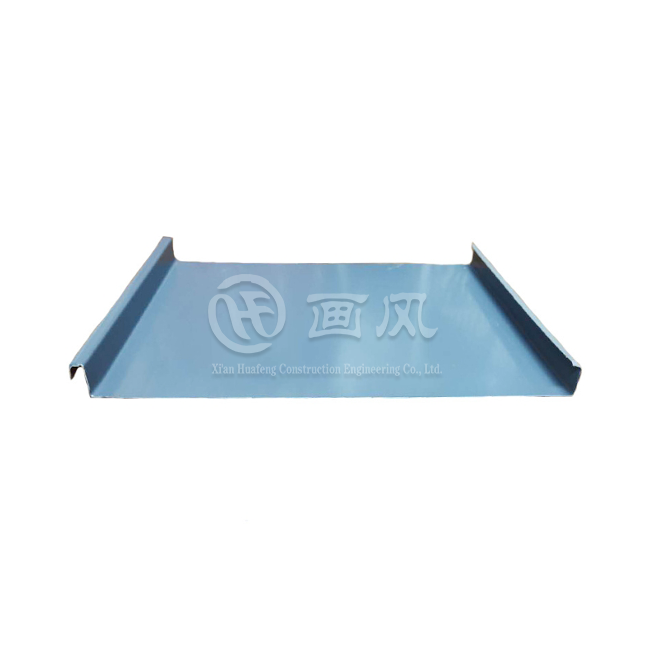
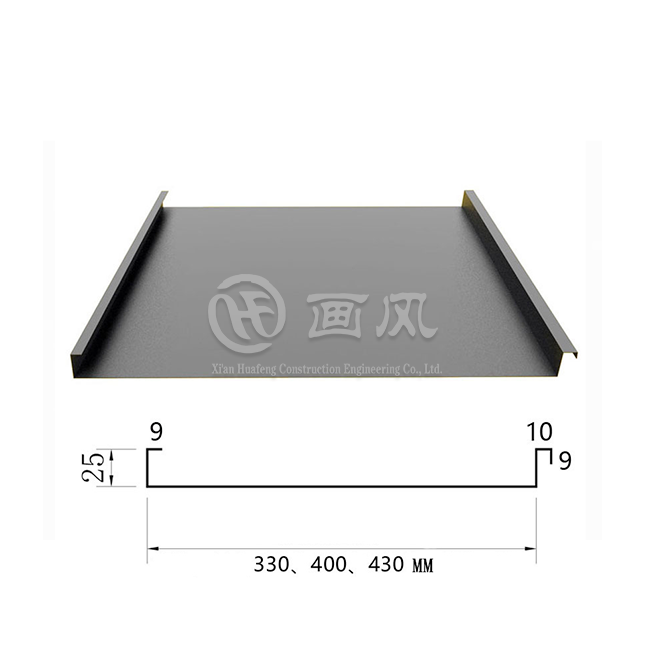
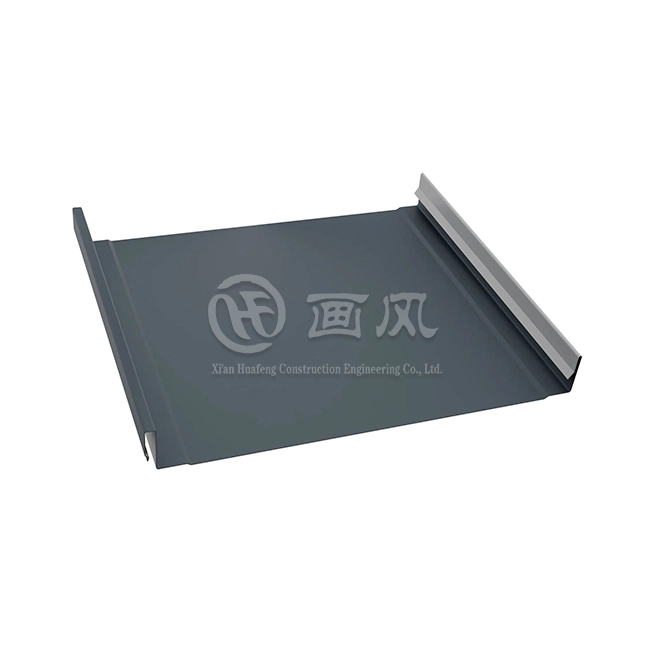
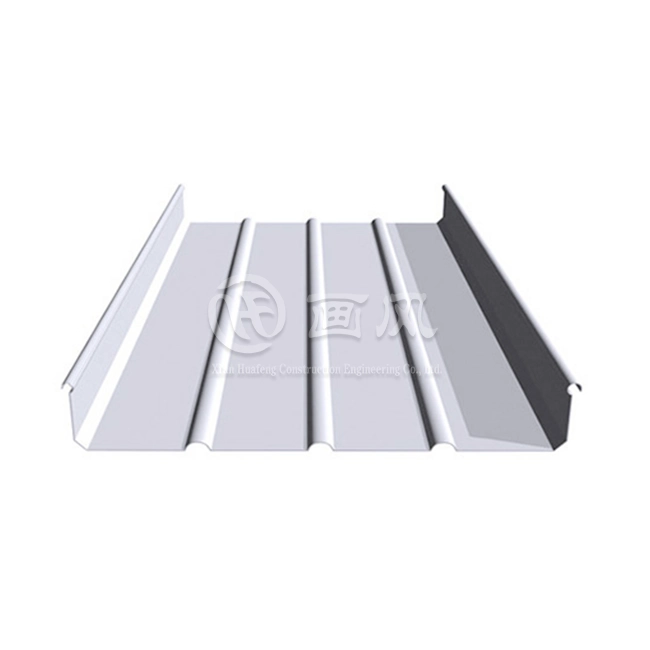
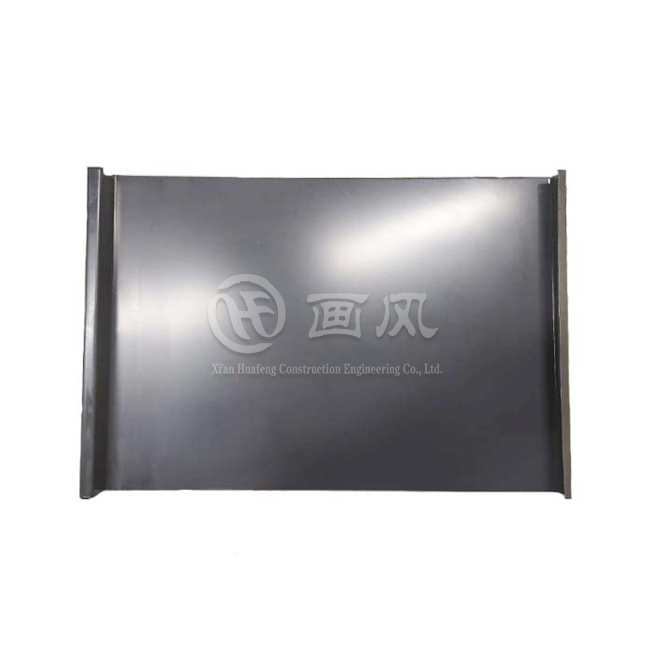
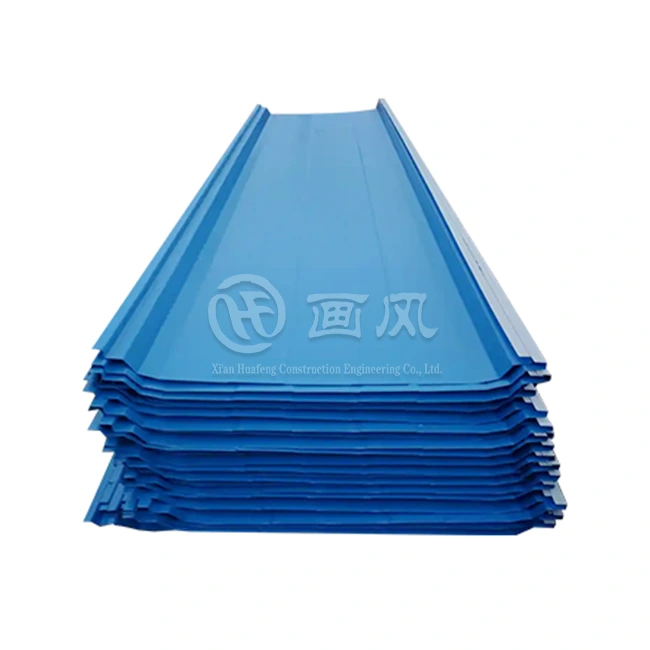
An innovative building envelope system made of flat lock zinc cladding panels is produced from a high-purity titanium-zinc alloy containing 99.995% pure zinc, with 0.1%–1% copper and 0.06%–0.2% titanium added to enhance corrosion resistance and structural integrity. These architectural panels utilize a unique interlocking mechanism that creates nearly invisible gaps across building surfaces, while the horizontal installation pattern of the flat lock design distinguishes it from traditional standing seam systems and forms clean, geometric lines that emphasize modern architectural aesthetics. The panels are manufactured with adjustable dimensions to suit various project requirements, featuring thickness options from 0.7 mm to 1.0 mm, standard lengths up to 3 meters, and widths ranging from 100 to 600 mm.
Surface Treatment and Installation System
Manufacturing includes pre-passivation, pre-oiling, and pre-weathering treatments that prepare the surface for immediate installation and accelerate natural patina formation for a consistent façade appearance. The zinc’s self-healing properties continuously regenerate a protective carbonate layer, ensuring optimal long-term performance of the system. Installation requires precise panel alignment using concealed fastening mechanisms positioned behind the flat lock connectors, while carefully engineered expansion joints accommodate thermal movement and eliminate visible penetrations, resulting in uninterrupted surface continuity that enhances the overall architectural expression.
The Problem It Solves
Limitations of Traditional Cladding Systems
Environmental concerns, aesthetic restrictions, and ongoing maintenance demands present major challenges for traditional building cladding systems. Wood cladding requires frequent staining and sealing to prevent deterioration, while materials such as vinyl siding often need more frequent replacement, creating recurring maintenance cycles that burden building owners and occupants. Thermal performance is another significant issue, as many conventional materials offer poor insulation or create thermal bridging, reducing energy efficiency, increasing heating and cooling costs, and lowering indoor comfort. Moisture penetration further complicates performance, especially in harsh climates, because traditional siding relies on caulking and sealants that degrade over time and allow water intrusion, leading to costly repairs, mold growth, and structural damage.
Design and Sustainability Challenges
Conventional cladding materials also restrict architectural creativity due to limited aesthetic flexibility. Standard vinyl or aluminum siding cannot easily accommodate complex building geometries and typically offers a narrow range of colors and finishes, forcing architects to either compromise their design vision or invest in expensive custom solutions. At the same time, growing environmental awareness highlights the shortcomings of many traditional options, which may involve energy-intensive manufacturing processes or non-recyclable components. The construction industry increasingly recognizes the need for materials that support sustainable building practices and help reduce overall carbon footprints.
Advantages of Flat Lock Zinc Cladding
Flat lock zinc cladding addresses these concerns through superior weather resistance, minimal maintenance requirements, and exceptional durability. Its long service life reduces the frequency of replacement cycles, lowering lifecycle costs and environmental impact, while the recyclable nature of zinc supports sustainability goals and green building initiatives. By combining resilience, performance efficiency, and design versatility, the system provides a practical and environmentally responsible alternative to conventional cladding solutions.
Core Features & Functionality Deep Dive
Advanced Connection and Weather Resistance Technology
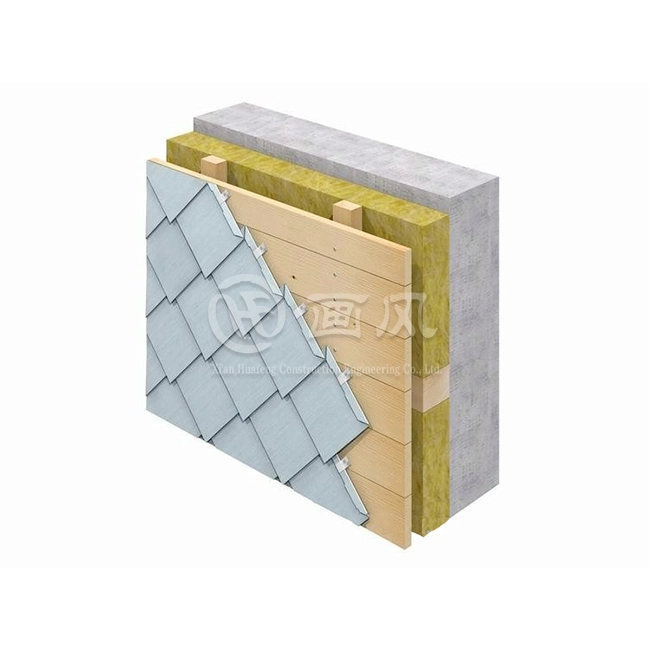
The defining feature of the system is the flat lock connection method, which creates mechanical bonds between adjacent Flat Lock Zinc Cladding Panels without visible fasteners. Precisely engineered panel edges use a sliding engagement mechanism to interlock with neighboring pieces, distributing structural stresses evenly while accommodating thermal expansion and contraction. Weather resistance is ensured through the natural properties of the zinc alloy combined with protective surface treatments, allowing the material to withstand temperature extremes from -40°C to 80°C without performance degradation. Strong salt spray resistance also makes the panels suitable for coastal environments where chloride exposure challenges many conventional materials.
Self-Healing, Fire Safety, and Acoustic Performance
Zinc cladding is distinguished by its self-healing capability, as the material naturally oxidizes to form a protective barrier when surface scratches occur, preventing further corrosion and preserving both function and appearance without external intervention. Fire safety is reinforced by a Class A non-combustible certification, supporting compliance with building regulations and insurance requirements while maintaining structural integrity under high heat and eliminating the fire spread risks associated with organic materials. When combined with appropriate backing systems, the panels also enhance acoustic performance by reducing external noise transmission, and with the integration of sound-absorbing materials, installations can achieve STC values exceeding 30 dB to improve interior comfort.
Design Flexibility and Structural Advantages
The system offers extensive design versatility through customizable panel shapes, including rectangles, rhombuses, trapezoids, and hexagons, to accommodate diverse architectural concepts. In addition to natural zinc gray, available finishes include graphite gray, blue gray, and black oxidation treatments, with custom RAL-matched colors provided for projects requiring precise aesthetic coordination. The lightweight construction, approximately 5.5 kg/m² at 0.8 mm thickness, significantly reduces structural loads compared with traditional brick or stone cladding, enabling installation on existing buildings without the need for major structural reinforcement while maintaining both performance and visual appeal.
Technology Behind Flat Lock Systems
Precision Manufacturing and Quality Control
The production process begins with precision rolling of titanium-zinc alloy sheets to predetermined thicknesses using computer-controlled equipment that maintains strict tolerances and consistent dimensional accuracy across manufacturing runs. Integrated quality control systems continuously monitor alloy composition, surface finish, and thickness variation to ensure reliable performance. During forming, specialized press brake equipment configured for zinc characteristics is used, requiring specific tooling geometries and controlled forming speeds to prevent surface damage or cracking, while careful temperature regulation avoids work hardening that could reduce installation flexibility.
Surface Treatment and Edge Preparation
Surface treatment technologies prepare the panels for immediate installation and long-term durability. Pre-passivation processes create controlled oxidation that supports uniform patina development, while pre-oiling treatments provide temporary protection during handling and transport without interfering with natural weathering. Edge preparation involves precision cutting and shaping to form the interlocking profiles, with CNC machining ensuring the dimensional accuracy required for proper panel engagement. Final quality inspections verify both edge geometry and surface finish before packaging.
Installation Technology and Thermal Management
Installation relies on specialized fastening systems engineered specifically for flat lock applications, where concealed clips secure panels to structural supports while allowing controlled movement. This fastening approach distributes loads across multiple connection points to prevent stress concentrations and potential failures. Thermal expansion is addressed through carefully planned joint placement and sizing, supported by computer modeling that predicts material movement based on panel dimensions, alloy properties, and expected temperature variations, and these calculations are incorporated into installation guidelines to ensure stable long-term performance.
Key Advantages of Flat Lock Zinc Cladding
Durability and Long-Term Performance
The primary advantage of Flat Lock Zinc Cladding Panels is their exceptional durability, with an expected service life exceeding 50 years under normal conditions. The zinc alloy composition resists corrosion, weathering, and mechanical damage that commonly affect alternative materials, reducing lifecycle costs by minimizing maintenance requirements and eliminating frequent replacement cycles. Strong weather resistance protects against UV radiation, temperature fluctuations, moisture intrusion, and chemical exposure, while the material maintains structural stability across a wide temperature range. Accelerated weathering tests simulating decades of natural exposure confirm consistent long-term performance and reliability.
Aesthetic and Environmental Advantages
The system provides significant aesthetic flexibility, enabling architectural expressions that are difficult to achieve with traditional cladding materials. The flat lock design accommodates complex geometries, including curved surfaces and sharp angular transitions, while a variety of panel sizes and shapes supports creative architectural concepts with a consistent visual finish. Environmental benefits include reduced manufacturing energy consumption and full recyclability at the end of the product’s life cycle, with zinc production requiring roughly one-third of the energy needed for copper while delivering comparable performance. The material’s natural origin and recyclability also contribute to LEED credits and other green building certification goals.
Installation, Maintenance, and Cost Efficiency
Installation efficiency is improved through standardized methods and simplified connection systems, allowing faster project completion and reducing the need for heavy lifting equipment due to the panels’ lightweight construction. Pre-finished surfaces eliminate on-site coating work, preventing delays and quality inconsistencies. Maintenance advantages include self-cleaning behavior activated by rainfall, elimination of repainting requirements, and the ability to replace individual damaged panels without disturbing surrounding areas. Over time, cost efficiency is achieved through extended service life, fewer maintenance cycles, and reduced installation labor, and although initial material costs may be higher than some alternatives, total ownership expenses are lower, with potential insurance benefits resulting from the system’s fire resistance and weather durability.
Potential Limitations & Considerations
Cost and Budget Considerations
Flat Lock Zinc Cladding Panels require a higher initial investment compared to traditional siding materials, which can challenge budgets for cost-sensitive projects. While the premium pricing reflects superior material quality and complex manufacturing processes, it may limit adoption in projects with strict financial constraints, even though lifecycle cost analyses often demonstrate long-term savings through reduced maintenance and replacement needs. Regional availability can also influence project economics, as limited supplier options in certain areas may increase transportation expenses, particularly for smaller projects where shipping costs represent a significant share of the total material value.
Installation and Technical Challenges
Installation complexity presents another consideration, as the flat lock connection system demands precise alignment and specialized fastening techniques that require skilled contractors. Teams unfamiliar with the technology may need additional training to ensure proper performance. Thermal expansion must be carefully engineered through the use of appropriate expansion joints and flexible fastening systems, since insufficient allowance for movement can lead to panel distortion or connection failure. Repair procedures can also be more complex than with conventional materials, often requiring specialized tools and expertise, although the material’s durability reduces the overall frequency of repairs.
Aesthetic and Acoustic Limitations
Compared with painted cladding systems that offer virtually unlimited color customization, flat lock zinc panels have more restricted finish options, and achieving specific color matches may require custom orders with extended lead times. The natural patina development may also make the system less suitable for projects that demand perfectly consistent color over time. Acoustic considerations include the possibility of noise generation during thermal expansion and contraction, though proper installation design and fastening strategies can effectively minimize these effects when addressed during the specification stage.
Flat Lock Zinc Cladding vs. Traditional Alternatives
Comparison with Standing Seam Metal Roofing
The closest alternative to Flat Lock Zinc Cladding Panels is standing seam metal roofing, which also uses vertical panels made from similar zinc alloy materials. The key difference lies in the connection method: standing seam systems create raised ribs that interrupt surface continuity, whereas flat lock systems produce smooth, uninterrupted facades ideal for contemporary architectural designs that emphasize clean lines.
Comparison with Common Siding Materials
Aluminum siding offers lower upfront costs but is significantly less durable and provides fewer aesthetic options, being prone to fading and denting, unlike zinc cladding. Fiber cement siding is more durable and fire resistant than organic materials but requires painting and maintenance, is heavier than zinc panels, and involves specialized cutting and installation challenges. Engineered wood siding is affordable and visually natural but demands regular upkeep, including staining, sealing, and occasional repairs, and is vulnerable to moisture and fire, limitations not present in metal cladding systems.
Comparison with Masonry and Stone Cladding
Brick veneer delivers traditional durability and aesthetic appeal but requires substantial structural support and skilled masonry work, with ongoing maintenance needs like repointing mortar joints and addressing potential moisture penetration. Natural stone cladding offers superior beauty and longevity but is heavy, expensive, and difficult to install, with supply chain and regional availability constraints that manufactured zinc panels avoid. Zinc cladding combines the aesthetic and durability advantages of these materials while reducing weight, maintenance, and installation complexity.
Target Audience & Ideal Applications
Target Market: Construction and Roofing Firms
Construction companies specializing in high-end residential and commercial projects are the primary market for flat lock zinc cladding systems, as these clients prioritize long-term performance, visual appeal, and minimal maintenance. Roofing contractors expanding their services beyond conventional materials are also key targets, as zinc cladding offers higher margins, competitive advantages, and requires specialized knowledge, allowing them to differentiate their offerings and increase profitability.
Architectural and Real Estate Applications
Architectural firms designing modern residential and commercial structures value zinc cladding for its adaptability, sustainability, and contemporary aesthetic, supporting innovative design concepts while meeting performance requirements across various climates. Commercial real estate developers recognize its benefits in reducing lifecycle costs and enhancing property marketability, with polished, low-maintenance surfaces that save operational expenses in offices, shopping centers, and mixed-use developments.
Specialized and Luxury Segments
Renovation specialists use zinc cladding to update building exteriors, improve energy efficiency, and install lightweight panels over existing structures without major modifications. Cultural institutions such as theaters, museums, and educational facilities appreciate the material’s fire resistance, durability, and architectural flexibility for projects demanding both performance and visual expression. High-end residential builders also adopt zinc cladding for affluent clients, as its premium appearance complements luxury positioning while delivering tangible functional benefits.
Conclusion & Future Outlook
Flat lock zinc cladding panels represent a transformative technology addressing critical challenges in modern building design through exceptional durability, aesthetic flexibility, and environmental responsibility. The system's combination of sophisticated engineering and practical benefits positions it as an essential consideration for contemporary architectural projects. As construction industry sustainability requirements intensify and building owners increasingly prioritize lifecycle costs over initial investments, zinc cladding panels adoption continues expanding across diverse market segments.
Future developments will likely focus on enhanced customization capabilities, improved installation techniques, and expanded color options. The technology's proven performance and growing market acceptance suggest continued innovation and refinement that will further establish flat lock zinc cladding as the preferred solution for premium building envelope applications.
FAQs
1. How long does flat lock zinc cladding typically last compared to other materials?
Flat lock zinc cladding systems typically last 50+ years with minimal maintenance, significantly exceeding vinyl siding (15-20 years), wood siding (20-30 years), and fiber cement (30-40 years). The zinc alloy's self-healing properties and corrosion resistance ensure consistent performance throughout its extended lifespan, making it a cost-effective long-term investment despite higher initial costs.
2. Can flat lock zinc cladding be installed over existing siding materials?
Installation over existing materials is possible in many cases, depending on structural conditions and local building codes. The lightweight construction (approximately 5.5kg/m²) minimizes additional loading, but proper substrate preparation and moisture barrier installation remain essential. Professional evaluation ensures compatibility and optimal performance.
3. What maintenance requirements does flat lock zinc cladding have?
Maintenance requirements are minimal, primarily consisting of periodic cleaning with water to remove debris and allow natural self-cleaning processes to function optimally. No painting, staining, or sealing is required. The material's self-healing properties maintain appearance and protection without intervention, contributing to its lifecycle cost advantages.
Ready to Transform Your Next Project with Premium Flat Lock Zinc Cladding?
HF (Xi'an Huafeng Construction Engineering Co., Ltd.) stands as a leading flat lock zinc cladding panels manufacturer with 7 advanced production lines and over 40 specialized machines ensuring consistent quality and timely delivery. Our experienced engineering team provides comprehensive technical support from design through installation, backed by 30-year warranty coverage and international certifications including CE, ISO, and SGS standards. Contact us at huafeng@hfmetalroof.com to discuss your specific project requirements and discover how our customizable solutions can elevate your architectural vision while delivering exceptional long-term performance.
References
1. Building Research Establishment. "Long-term Performance of Metal Cladding Systems in Commercial Construction." BRE Technical Report Series, 2023.
2. American Institute of Architects. "Sustainable Building Envelope Materials: Comparative Analysis of Zinc Alloy Cladding Systems." AIA Continuing Education Publication, 2022.
3. International Zinc Association. "Zinc in Architecture: Performance Characteristics and Application Guidelines for Modern Building Design." Technical Manual ZA-2023-04, 2023.
4. Construction Industry Research and Information Association. "Weather Resistance Testing of Metal Building Envelope Systems: 20-Year Performance Study." CIRIA Research Report C785, 2022.
5. Green Building Council. "Metal Cladding Systems Contributing to LEED Certification: Environmental Impact Assessment." USGBC Technical Bulletin TB-2023-12, 2023.
6. National Association of Home Builders. "Residential Cladding Material Performance Comparison: Lifecycle Cost Analysis." NAHB Research Center Report RC-2022-08, 2022.





YOU MAY LIKE