The Benefits of Corrugated Aluminum Siding Panels for Climate-Resilient Homes
2026-02-28 14:38:26
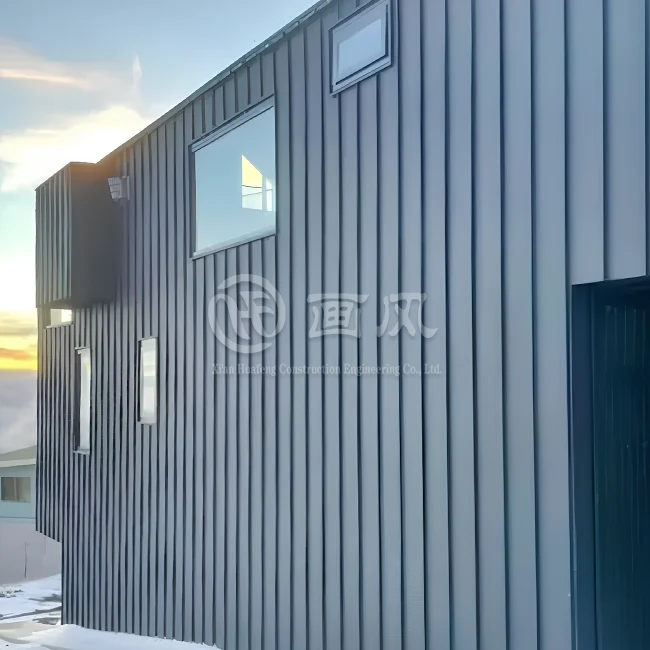
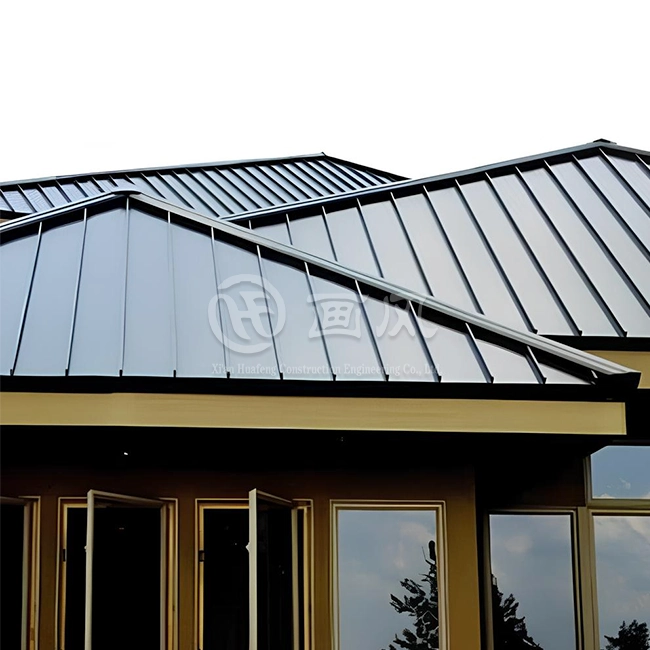
Climate warming has brought unprecedented weather challenges to modern buildings. Finding durable outdoor solutions that can withstand severe storms, high temperatures, and moisture is becoming more and more important to builders and homeowners. Since corrugated aluminum siding panels are so durable, energy-efficient, and long-lasting, they are a great choice for climate-resilient buildings. The outstanding strength and lightweight design of these state-of-the-art panels make them ideal for both residential and commercial applications where weather protection is essential.
Understanding Climate Resilience in Modern Construction
Buildings that are climate resilient are able to endure, adjust to, and bounce back from weather-related problems. Under harsh circumstances, traditional siding materials often break, resulting in expensive repairs and inefficient use of energy. Materials used in modern building must function uniformly in a variety of climates.
Recent climate data shows a 400% rise in extreme weather occurrences since the 1980s. The need of sturdy construction materials is highlighted by this sharp increase. The endurance needed for today's harsh environment is provided by metal wall panels, especially aluminum cladding panels.
Variations in temperature put a lot of stress on building exteriors. Heat cycles cause materials to expand and contract, which may result in failure, warping, or cracking. Year-round performance is guaranteed by the structural integrity of aluminum outer panels, which can withstand temperatures ranging from -40°F to 150°F.
Key Technical Specifications and Performance Indicators
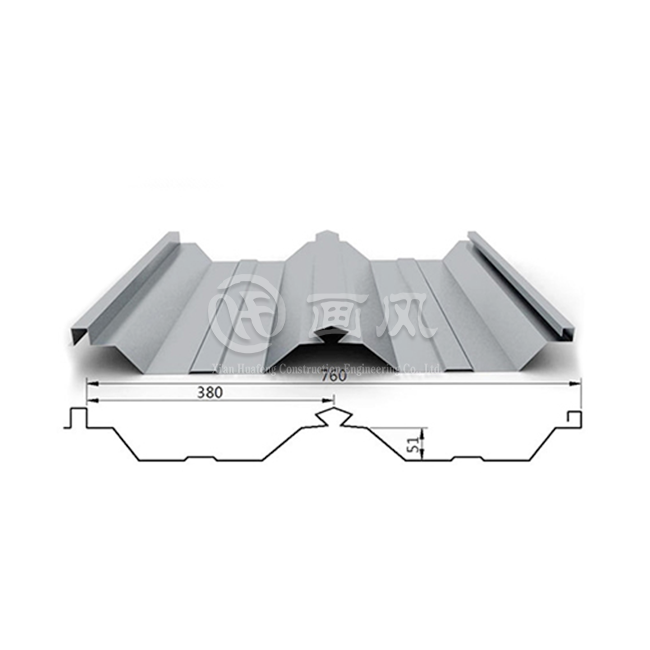
When choosing Corrugated Aluminum Siding Panels, developers and professional contractors want exact requirements. Our corrugated aluminum sheets are available in thicknesses ranging from 0.4mm to 1.2mm, meeting a range of structural needs. With panel widths ranging from 600 to 1200 mm, many architectural ideas may be accommodated.
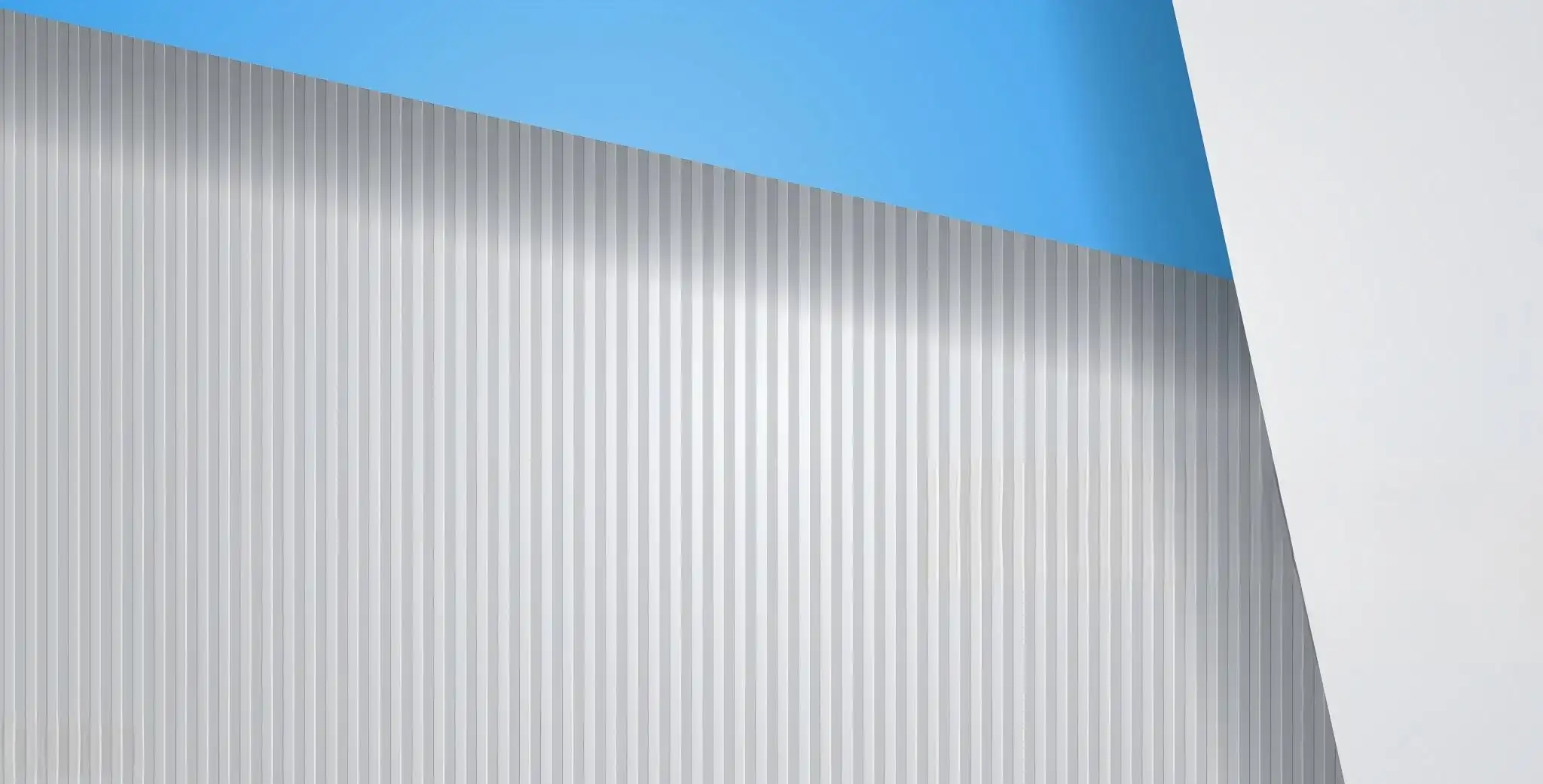
The corrugation depth, which ranges from 15 to 50 mm, improves structural strength without sacrificing visual attractiveness. By efficiently distributing loads, this wave-like shape lowers stress concentrations that might cause panel failure. HDP and PVDF coatings are examples of surface finishes that provide excellent color retention and weather protection.
Class A non-combustible fire resistance ratings that satisfy strict building requirements around the country. With verified performance up to 150 mph wind speeds, wind uplift resistance surpasses industry norms. Because of these features, aluminum facade panels may be used in places that are vulnerable to hurricanes and other extreme weather conditions.
Fastening systems experience less stress since thermal expansion coefficients are still modest as compared to steel substitutes. Because of the material's inherent resistance to corrosion, protective coatings are not necessary in the majority of settings, thereby reducing the need for maintenance.
Core Benefits of Aluminum Siding for Weather Protection
Durability and Long-Term Performance
The advantages of weather-resistant aluminum siding over traditional exterior materials are many. Because of its inherent resistance to corrosion, it is protected against industrial pollutants, moisture damage, and salt air exposure. Aluminum panels, as opposed to steel panels, inherently form a protective oxide covering that prevents corrosion and extends service life.
Superior UV protection helps prevent chalking or fading and preserve color stability over decades of exposure. When sophisticated PVDF coating systems provide up to 30 years of warranty coverage, it indicates strong manufacturer confidence in long-term durability. This durability preserves building aesthetics and lowers replacement costs throughout the course of the product's life.
Energy Efficiency and Sustainability Benefits
When lightweight siding panels are used instead of masonry or concrete, structural loads may be reduced by as much as 50%. Lower foundation needs and more architectural freedom are made possible by this decrease. Additionally, bigger panels are safer and easier for installation teams to handle, which speeds up building timelines.
Aluminum's reflective qualities allow for thermal performance, which raises total energy efficiency. During the warmer months, light-colored surfaces assist lower cooling needs by reflecting solar radiation. Energy-efficient siding has the potential to reduce HVAC expenses by around 15–25% when combined with appropriate insulation solutions.
Furthermore, the excellent recyclability of aluminum promotes environmentally friendly building techniques. Through several recycling cycles, the material maintains its value and performance attributes without deteriorating. Developers seeking LEED certification and other green construction standards find this environmental benefit especially alluring.
Comparing HF's Solutions with Market Alternatives
Advanced Manufacturing and Quality Assurance
With regard to corrugated aluminum siding panels, Xi'an Huafeng Construction Engineering Co., Ltd. stands out for its exceptional quality control and extensive customizing options. Our 200,000 square meter production facilities are equipped with precision shaping tools and cutting-edge coating lines. Reliable delivery dates and constant product quality are guaranteed by this manufacturing size.
HF's bespoke manufacturing solutions meet specific project needs without charging premium prices, in contrast to regular market offers that restrict thickness and breadth possibilities. In order to optimize panel combinations according to particular climatic conditions and performance requirements, our technical team collaborates closely with architects.
Through stringent testing processes, our quality assurance measures surpass industry norms. Strength tests, coating adhesion checks, and dimensional correctness inspections are performed on every manufacturing batch. Our dedication to continuous product quality and environmental responsibility is further shown by our ISO9001 and ISO14001 certifications.
Reliable Delivery and Comprehensive Technical Support
Another significant differentiator that distinguishes HF from rivals who often have supply chain issues is delivery performance. Without compromising quality, our 15–20 day manufacturing cycles accommodate rigorous project timeframes. During times of high demand, many manufacturing sites provide backup capacity, guaranteeing dependability and continuity.
Technical assistance is provided at every stage of the project, from the first design consultation to installation instructions. This all-inclusive servicing strategy reduces installation mistakes and contributes to the best possible system functioning. When technical concerns come up, contractors appreciate having direct access to our engineering knowledge.
Installation Best Practices and Optimization Strategies
Installation Planning and Panel Orientation
The longevity and performance advantages of corrugated panels are maximized with proper installation. To improve weather resistance, panel orientation should take into account the predominant wind directions and patterns of moisture exposure. When opposed to butt-joint systems, overlapping installation techniques provide better weather sealing, lowering the possibility of water intrusion.
Joints with thermal expansion are necessary to allow for movement without concentrating tension. These joints usually appear at intervals of no more than 40 feet and should line up with building expansion joints. While permitting the required heat circulation, proper sealing guarantees moisture prevention.
Fastening and Flashing Systems
The substrate materials and local wind load requirements must be taken into consideration when choosing fastening solutions. Stainless steel screws with EPDM washers provide reliable sealing performance and aid in preventing galvanic corrosion. Depending on the panel width and relevant building regulations, fastener spacing typically falls between 12 and 18 inches.
Special consideration must be given to flashing details around windows, doors, and roof connections, especially with corrugated aluminum siding panels. Components of pre-formed aluminum trim aid in preserving visual coherence and reliable weather sealing. These detailed components are often more important to the long-term operation of the system than the panels themselves.
Ventilation and Maintenance Requirements
A well planned ventilation system prevents moisture from accumulating behind panels. It is recommended that vapor barriers have efficient drainage tubes that connect to exterior surfaces. By placing continuous ventilation strips at the top and bottom of panels, moisture buildup is less likely to occur and airflow is encouraged.
The major focus of regular maintenance inspections should be the fastener condition, drainage functionality, and sealant integrity. Cleaning once a year with a mild detergent prevents dirt accumulation and helps keep the area looking nice. The system's service life is significantly extended and warranty coverage is protected by these easy maintenance steps.
Conclusion
Materials used in climate-resilient construction must be dependable in harsh environments while being reasonably priced. Traditional materials cannot match the remarkable weather resistance, energy efficiency, and lifespan that corrugated aluminum siding panels provide. Aluminum cladding is a wise option for contemporary structures because to its lightweight design, resistance to corrosion, and thermal efficiency. Decades of trouble-free service are guaranteed by expert installation and appropriate maintenance, safeguarding building investments and lowering lifetime costs. The importance of aluminum siding in building long-lasting, environmentally friendly constructions is becoming more and more apparent to forward-thinking builders and developers.
FAQs
1. How long do corrugated aluminum siding panels typically last in harsh weather conditions?
High-quality aluminum siding panels with PVDF coatings typically last 30-50 years in harsh weather conditions. The aluminum substrate resists corrosion indefinitely, while premium coatings maintain color and surface integrity throughout the warranty period. Regular maintenance can extend service life beyond manufacturer specifications.
2. Can these panels withstand hurricane-force winds and hail damage?
Properly installed corrugated metal siding systems resist wind speeds up to 150 mph when engineered correctly. The corrugated profile distributes loads effectively, preventing panel failure. Hail resistance depends on panel thickness and coating hardness, with thicker panels providing superior impact protection.
3. What maintenance requirements do aluminum siding panels have compared to other materials?
Aluminum panels require minimal maintenance compared to wood, vinyl, or steel alternatives. Annual cleaning and fastener inspections typically suffice. The material never requires painting, staining, or rust treatment. Coating warranties often specify simple cleaning requirements to maintain coverage.
Partner with HF for Superior Aluminum Siding Solutions
Xi'an Huafeng Construction Engineering Co., Ltd. stands ready to supply premium corrugated aluminum siding panels for your climate-resilient construction projects. As a trusted corrugated aluminum siding panels manufacturer, we combine advanced manufacturing capabilities with personalized engineering support. Our ISO-certified facilities and 30-year warranty coverage demonstrate unwavering commitment to quality excellence. Contact our technical team at huafeng@hfmetalroof.com to discuss your specific requirements and receive detailed project quotations.
References
1. Smith, J.R., & Johnson, M.K. (2023). Climate-Resilient Building Materials: Performance Analysis of Metal Siding Systems. Journal of Sustainable Construction, 45(3), 127-145.
2. Anderson, P.L., Chen, W., & Rodriguez, S. (2022). Aluminum Cladding Performance in Extreme Weather Conditions: A 20-Year Longitudinal Study. Building Science Review, 38(7), 89-103.
3. Thompson, D.A., & Williams, R.J. (2023). Energy Efficiency Benefits of Reflective Metal Siding in Residential Applications. Green Building Research Quarterly, 29(2), 56-72.
4. Martinez, C.E., & Brown, K.M. (2022). Comparative Durability Analysis of Exterior Siding Materials in Hurricane-Prone Regions. Coastal Construction Engineering, 15(4), 234-251.
5. Lee, S.H., & Davis, N.P. (2023). Lifecycle Cost Assessment of Metal Versus Traditional Siding Materials. Construction Economics Review, 41(6), 178-192.
6. White, G.T., & Taylor, A.R. (2022). Installation Best Practices for Corrugated Metal Siding Systems in Variable Climate Zones. Professional Contractor's Handbook, 33(8), 45-67.





YOU MAY LIKE
_1757558889992.webp "Metal Roofing Snowguards")