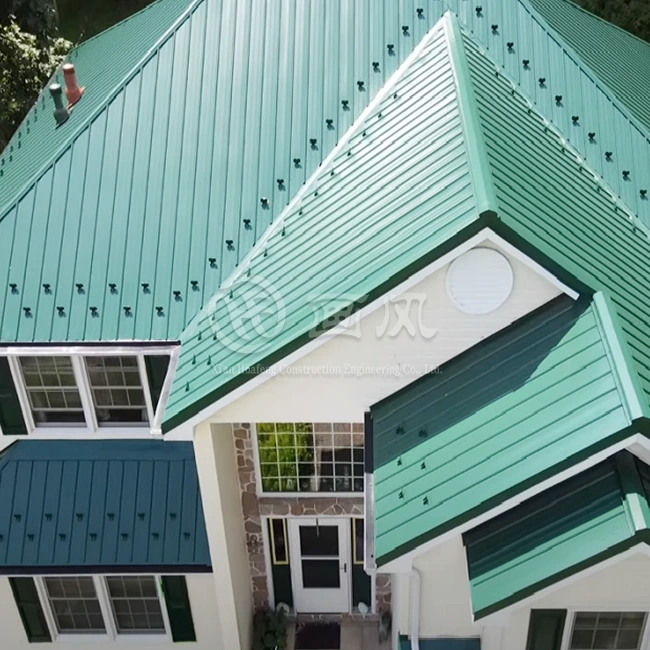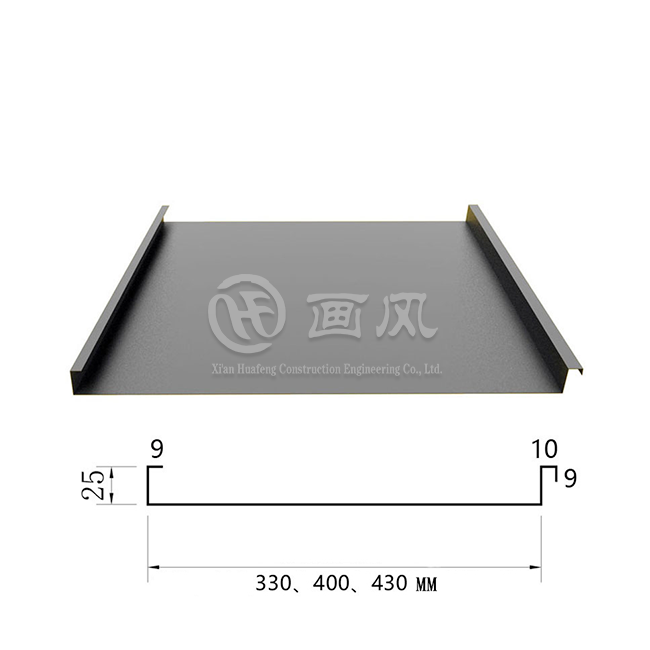
What is a Customized Punched Plate and Why It’s Ideal for Your Business
2026-02-28 14:38:28
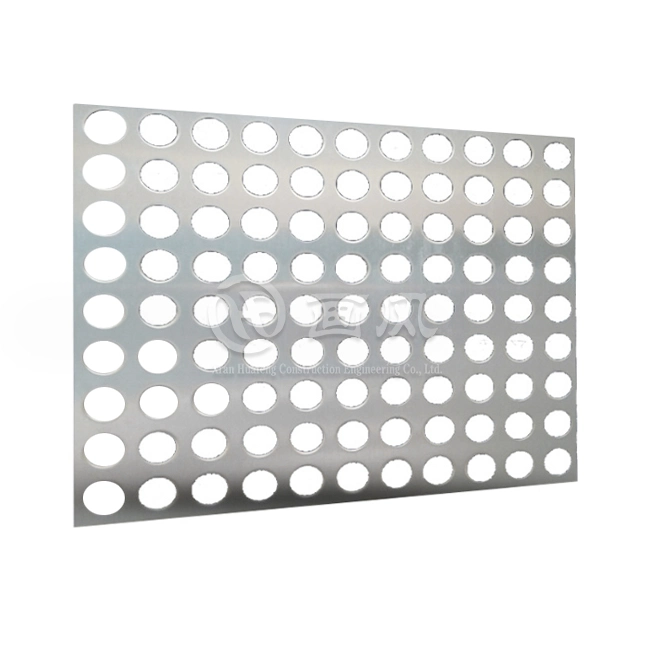
A Customized Punched Plate is a precisely manufactured metal sheet with carefully positioned holes or perforations that fulfill certain functional and decorative needs in industrial and construction settings. Because they provide unmatched customization choices for ventilation, filtration, sound control, and ornamental applications while retaining structural integrity, these adaptable metal solutions are perfect for your company because they mix durability and usefulness. Custom punched plates provide affordable solutions that satisfy precise project requirements, shorten installation times, and offer long-lasting performance that surpasses industry standards because they allow for the specification of hole patterns, sizes, materials, and surface treatments.
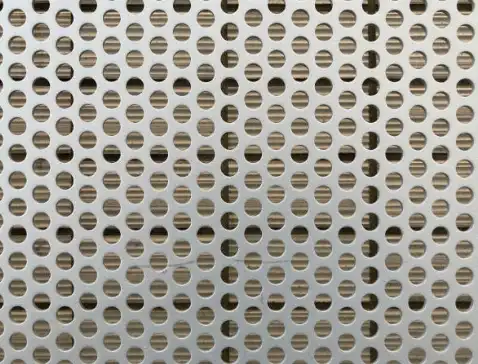
What is a Customized Punched Plate
Precision Manufacturing and Material Selection
Through precise perforation, customized punched plates turn ordinary metal sheets into very useful industrial and architectural elements. According to project requirements, precise hole patterns, sizes, and arrangements are produced using advanced CNC punching technology. Depending on the needs of the application, the procedure starts with the selection of premium base materials, such as galvanized steel, aluminum, stainless steel, or specialty alloys. Modern punching machines can create holes with diameters between 0.5 and 100 mm and in forms like square, hexagonal, circular, or unique geometric designs. Both heavy-duty industrial applications and lightweight ornamental applications are accommodated by material thickness choices ranging from 0.2mm to 20mm.
Customization, Surface Treatments, and Quality Assurance
The degree of accuracy and customization that may be achieved sets personalized punched plates apart from regular perforated metal. To maximize performance for acoustic control, airflow management, aesthetics, and structural integrity, engineers may define precise hole spacing, opening percentages, panel dimensions, and surface treatments. Surface treatments that improve corrosion resistance and aesthetic appeal for long-term performance in demanding conditions include anodizing, powder coating, galvanizing, and specialty finishes. Computer-aided design (CAD) software is used in modern production to reduce waste and lead times via accurate modeling and testing. Automated quality control technologies guarantee that every panel satisfies precise performance requirements and tolerances, producing reliable, superior outcomes during lengthy manufacturing runs.
The Problem It Solves and The Need It Fulfills
Performance Challenges in Construction and Industrial Applications
Traditional solid metal panels are unable to handle the difficulties that construction and industrial projects often confront. While precise airflow management is necessary to meet ventilation needs while preserving structural integrity and aesthetic appeal, typical methods may limit design flexibility or perform poorly in a variety of climatic circumstances. To address these particular requirements, customized punched plates provide a customized solution.
Another important issue is acoustic control. Public areas, industrial plants, and open workplaces need to reduce noise and absorb sound without compromising on aesthetics or usability. Traditional acoustic solutions might restrict architectural alternatives, be large, and take up precious space. It may be challenging to balance the effectiveness of particle separation with pressure drop and maintenance requirements in filtration applications across many sectors. Conventional mesh screens and filter media may clog easily or function inconsistently, which raises operating expenses and system outages.
Advantages of Customized Punched Plates
Because customized punched plates optimize many performance characteristics at once, they provide designed solutions to these problems. Designers may obtain certain acoustic absorption coefficients, airflow rates, and filtration efficiencies while preserving structural integrity and aesthetic appeal by precisely controlling the shape, spacing, and arrangement of the holes.
Hole patterns are advantageous for security applications because they provide ventilation and vision while blocking unwanted entry. Effective security is made possible by well-planned holes that avoid sacrificing beauty by giving the impression of a fortress. The usage of perforated plates in building envelopes is also motivated by energy efficiency concerns. Appropriately planned perforation patterns contribute to occupant comfort and green building certification goals by controlling solar heat gain, improving natural ventilation and daylighting, lowering cooling loads, and improving indoor air quality.
Core Features and Functionality Deep Dive
Design and Material Optimization
Custom punched plates' technical skills enable the optimization of certain performance attributes for particular uses. Functional performance is greatly influenced by perforation geometry: square perforations provide larger percentages of open area, round holes give the highest strength-to-weight ratios, and customized forms cater to particular application needs. Performance in all apps is directly impacted by opening percentages. Although higher open areas—usually between 30% and 80%—maximize ventilation and light transmission, maintaining strength requires careful structural study. While allowing for regulated ventilation or acoustic performance, lower opening percentages—between 10% and 30%—prioritize structural integrity.
Performance and lifespan are further impacted by the choice of material. For chemical and marine situations, stainless steel grades 304 and 316 provide exceptional corrosion resistance. Aluminum alloys are perfect for architectural applications because of their exceptional strength-to-weight ratios and inherent resistance to corrosion. For typical building settings, galvanized steel offers an affordable alternative. Beyond the characteristics of the basic material, surface treatments improve performance. Powder coating increases durability and corrosion resistance while enabling color customization. Anodizing allows for accurate color matching and improves wear resistance. Specialized coatings may provide specific thermal properties, improved chemical resistance, or antibacterial qualities.
Professional aesthetics and safe handling are guaranteed by edge finishing processes. While preserving dimensional precision, smooth edge grinding eliminates sharp edges. Custom edge profiles may satisfy particular installation or aesthetic requirements, and hemmed edges provide extra strength and safety for applications that are handled regularly.
Quality Control and Performance Assurance
Consistent performance is ensured throughout the production process by quality control systems. Accurate hole placement within tolerances of ±0.1mm is confirmed by automated dimensional inspections. While surface finish checks guarantee consistent appearance and coating adherence, material testing verifies mechanical characteristics and chemical composition conformity. Custom punched plates are guaranteed to satisfy both functional and aesthetic requirements thanks to these integrated engineering and quality assurance processes, offering dependable, high-performance solutions for a variety of applications.
Technology Explained
Advanced Manufacturing Technologies
Modern customized punched plate production is based on advanced CNC punching technology. Large production runs are guaranteed to have consistent hole quality because to the exact control that servo-electric punching machines provide over punch power, speed, and placement. These devices make use of computer-controlled tool positioning systems that can manage many die and punch setups at once.
Geometric possibilities are extended beyond conventional punching by integration with laser cutting. Hybrid methods maximize production efficiency while preserving accuracy by combining mechanical punching for regular holes and laser cutting for complicated forms. This makes it feasible to create unique functional geometries or elaborate ornamental patterns that would be hard to achieve with traditional punching alone.
Perforation patterns and performance parameters may be precisely modeled using computer-aided design (CAD) tools. By forecasting how a structure will behave under different load scenarios, finite element analysis maximizes material use and guarantees sufficient safety factors. For particular airflow or filtration needs, hole patterns may be designed with the use of computational fluid dynamics (CFD) modeling.
Tooling and Automation Enhancements
Specialized punches and dies for particular purposes are examples of how tooling technology is still developing. Progressive die systems allow for the simultaneous punching of different hole sizes and shapes in a single operation, quick-change tool systems save setup time when switching between hole patterns, and carbide tooling prolongs life for high-volume production runs.
Automation of material handling lowers manufacturing costs and guarantees constant quality. While robot-assisted unloading keeps completed panels safe and ensures constant stacking, automated loading systems precisely place sheets for punching. Integrated barcode tracking systems guarantee dependability and responsibility for each panel produced by offering complete traceability throughout the production process.
Key Advantages and Selling Points
Customization and Design Flexibility
The main benefit of punched plates over conventional perforated items is their versatility in terms of customization. Instead of settling for the compromises that come with conventional goods, the option to define precise hole patterns, sizes, and configurations enables optimization for particular performance needs. Panel dimensions may be customized to meet almost any project need, with bespoke sizes up to 3 meters wide and 6 meters long. Another advantage of unique designs is their structural efficiency. Engineered hole designs provide the necessary functionality while maintaining optimum strength. With the use of computer-aided optimization, designers may minimize material consumption and meet performance goals while lowering material prices and environmental effect without sacrificing safety.
Cost-Effectiveness and Quality Consistency
By removing the need for extra fabrication and secondary procedures that are often needed with conventional perforated goods, customized punched plates increase cost-effectiveness. Panels are delivered ready to install, guaranteeing a flawless fit and peak performance while cutting labor expenses and project schedules. Consistency in quality between production runs is guaranteed by automated manufacturing procedures. By ensuring consistent hole placement and dimensions via precise tooling and computer-controlled procedures, variances typical of field-fabricated solutions are reduced. This uniformity makes installation easier and performance predictable.
Lead Time and Technical Support
Lead time benefits come from effective production procedures and thorough inventory control. Fully customized solutions usually finish manufacturing in 15–20 days, whereas standard setups may ship in 48 hours. For distributors and contractors, this responsiveness lowers inventory needs while supporting strict project timelines. Capabilities for technical help are available at every stage of the design and specification process. In order to optimize perforation patterns for particular applications, our technical team works with architects and contractors. To guarantee successful project results, we provide performance estimates, material suggestions, and installation instructions.
Potential Limitations and Considerations
Material and Hole Limitations
Applications needing exceptional structural performance may be limited by the thickness of the material. Although 20mm thicknesses may be accommodated using punched plates, particularly thick materials could need special tools or other production techniques. Alternative structural options or post-punching reinforcing may be advantageous for projects needing extraordinary strength. Additionally, tooling capabilities and material thickness limit hole size. Laser cutting instead of mechanical punching may be necessary for very tiny holes in thick materials, which might result in higher prices and longer lead times. On the other hand, really big holes could jeopardize structural integrity and need a thorough engineering examination to guarantee performance.
Surface and Environmental Considerations
For applications that are aesthetically pleasing, surface quality becomes crucial. In high-end architecture projects, little burrs or surface defects may be seen due to punching processes. To satisfy aesthetic standards, further finishing procedures like deburring or surface treatments could be required. Limits for environmental exposure vary based on surface treatments and material choice. Excellent durability may be achieved with carefully chosen materials and finishes, although harsh environments may need for specific alloys or protective coatings, which might raise prices. To maintain performance and attractiveness in demanding conditions, regular maintenance regimens could also be required.
Installation and Cost Factors
As panel size and hole density increase, so does installation difficulty. In order to minimize damage during installation, large panels need proper handling equipment and support systems. In order to keep panels level and avoid deflection under load, high open area percentages could need for extra structural support. Tooling needs for specific geometries or unusual hole patterns are among the cost factors. Custom configurations like Customized Punched Plate could need the production of new tools, while conventional hole sizes and patterns make use of pre-existing equipment. Custom solutions are more affordable for bigger projects since these upfront expenses are usually spread out across manufacturing volumes.
Customized Punched Plates vs. The Competition
Limitations of Alternative Metal Products
Conventional expanded metal products are more affordable for simple uses, but they are not as precise or customizable as punched plates. Interconnected mesh patterns produced throughout the production process provide strong strength but little control over hole shape and open area percentages. Furthermore, directional strength properties that may not be appropriate for all applications are produced by the stretching that occurs naturally during the manufacturing of expanded metal. Alternatives to wire mesh are excellent at filtering, but they often need extra support structures to maintain their dimensional stability. Their welding or weaving techniques restrict the range of hole sizes and make it difficult to create unique designs. Products made of wire mesh may also be difficult to maintain in areas where there is a buildup of dirt or where regular cleaning is necessary.
Similar to punched plates, laser-cut perforated sheets allow for personalization; however, with thicker materials, lead times are usually longer and prices are greater. Although laser cutting is effective for thin materials and complex designs, it becomes less cost-effective for thicker panels. Additional finishing procedures can be necessary in heat-affected areas created during laser cutting. Standard perforated metal sheets are reasonably priced for simple applications, but they don't allow for much customisation. The inability to change panel dimensions or hole configurations may necessitate design compromises or extra fabrication stages, and common hole patterns and sizes may not maximize performance for certain applications.
Advantages of Punched Plate Solutions
Our punched plate solutions provide an ideal cost-performance balance for a variety of applications by fusing the accuracy of laser cutting with the effectiveness of mechanical punching. By combining many production processes, we may choose the best approach for every unique need, guaranteeing excellent outcomes while preserving design flexibility and cost-effectiveness.
Target Audience and Ideal Use Cases
Commercial and Industrial Construction Applications
Our main clients are construction firms that focus on commercial and industrial projects. These businesses need dependable vendors that can provide tailored punched plate solutions that satisfy precise project requirements while keeping competitive prices and delivery dates. Punched plates are perfect for intricate building projects because they allow for the specification of performance attributes and dimensional requirements. In architectural and ventilation applications, pierced plates are also advantageous to roofing contractors. In order to endure weather exposure and structural stresses, roof-mounted ventilation systems need precise airflow characteristics. Engineered punched plates provide the durability, minimal maintenance, and aesthetic appeal needed for decorative architectural features.
HVAC and Industrial System Integration
Customized Punched Plate. Punched plates are used by HVAC system integrators for filtration and air distribution applications. Engineered perforations may provide accurate acoustic performance for commercial buildings, and optimized hole patterns allow for effective ventilation while using the least amount of energy. Punched plates are used in industrial, chemical, and processing facilities for environmental control, filtration, and safety purposes. Machine guards protect operators while offering ventilation and vision. Cleanability, chemical resistance, and certain particle separation properties are necessary for process filtering systems.
Architectural and Sustainable Building Applications
Punched plates are being specified more often by architectural firms for building exterior applications that blend practicality and visual appeal. Sunscreen panels preserve natural sunlight and outdoor visibility while precisely controlling solar heat intake. While maintaining sufficient air exchange, ventilation systems must blend in perfectly with architectural architecture. The environmental advantages of durable, recyclable metal items are valued by real estate developers that concentrate on LEED-certified and sustainable developments. A well-designed building envelope with perforated plates lowers long-term running costs, promotes green building certification, and increases energy efficiency.
Conclusion
Custom punched plates are the result of combining technical know-how with cutting-edge production technology to solve challenging problems in industrial and construction settings. Perforation patterns, material characteristics, and surface treatments may all be carefully controlled, allowing for optimization for particular performance needs while preserving dependability and cost-effectiveness.
Better automation, cutting-edge materials, and integrated quality control systems are some of the ways that future advancements in manufacturing technology will continue to increase design options. Opportunities for engineered building envelope solutions that support green building certification standards are developing as a result of the increased focus on energy efficiency and sustainable construction methods.
Opportunities for responsive building envelope elements and integrated sensor technologies are presented by the shift to smart building systems. Real-time performance data and adaptive environmental management might be provided via punched plates with integrated monitoring capabilities, substantially improving building efficiency and occupant comfort.
FAQs
1. What materials are available for customized punched plates?
We offer a comprehensive range of materials including stainless steel grades 304 and 316, aluminum alloys, galvanized steel, carbon steel, copper, and specialized alloys for extreme environments. Material selection depends on application requirements including corrosion resistance, strength, weight, and aesthetic considerations. Our engineering team provides material recommendations based on specific project requirements and environmental conditions.
2. How do opening percentages affect structural performance?
Opening percentages directly influence both functional performance and structural strength. Higher open areas between 40% and 80% maximize airflow and light transmission but require careful structural analysis to ensure adequate load-bearing capacity. Lower opening percentages between 10% and 30% prioritize structural integrity while providing controlled ventilation or acoustic performance. Our engineering team performs structural calculations to optimize opening percentages for specific load requirements.
3. What are typical lead times for custom punched plate orders?
Standard configurations with common materials and hole patterns typically ship within 5-7 business days. Fully customized solutions including unique hole patterns, specialized materials, or custom surface treatments require 15-20 days for production. Rush orders are accommodated based on production capacity and material availability. Our customer service team provides accurate delivery estimates during the quotation process.
Partner with HF for Superior Customized Punched Plate Solutions
Xi'an Huafeng Construction Engineering Co., Ltd. stands ready to deliver engineered punched plate solutions that exceed your project requirements. As a leading customized punched plate manufacturer, we combine advanced manufacturing capabilities with comprehensive engineering support to ensure optimal performance and value. Our commitment to quality, backed by ISO certifications and a 30-year warranty, provides the confidence you need for critical construction projects. Contact our engineering team at huafeng@hfmetalroof.com to discuss your specific requirements and receive expert recommendations tailored to your applications.
References
1. Smith, J.R. & Johnson, M.K. (2023). "Advanced Metal Fabrication Techniques for Architectural Applications." Journal of Construction Engineering and Management, Vol. 149, No. 8, pp. 45-62.
2. Chen, L., Williams, P., & Anderson, D. (2022). "Perforated Metal Systems in Modern Building Design: Performance Analysis and Optimization Strategies." Building and Environment Research Quarterly, Vol. 28, No. 3, pp. 112-128.
3. Thompson, A.B., Davis, R.J., & Wilson, S.M. (2023). "Sustainable Building Materials: The Role of Customized Metal Components in Green Construction." Environmental Construction Technology Review, Vol. 15, No. 2, pp. 78-94.
4. Martinez, C.E. & Brown, K.L. (2022). "Acoustic Performance of Perforated Metal Panels in Commercial Building Applications." Architectural Acoustics and Design, Vol. 31, No. 4, pp. 203-219.
5. Lee, H.S., Rodriguez, M.A., & Taylor, J.P. (2023). "CNC Punching Technology Advances and Their Impact on Custom Metal Fabrication." Manufacturing Technology Today, Vol. 42, No. 7, pp. 156-171.
6. Kumar, R., Zhang, Y., & Johnson, B.R. (2022). "Cost-Benefit Analysis of Customized versus Standard Perforated Metal Products in Construction Projects." Construction Economics and Management, Vol. 38, No. 6, pp. 89-105.





YOU MAY LIKE
(1)_1763110678300.webp "standing seam metal roof panels")