Standing Seam Metal Roof Sheets in Cold and Wet Climates
2026-10-27 20:06:37
If you source roofing materials for markets that face heavy snowfall, persistent rain, or harsh freeze-thaw cycles, you already know how quickly a poor-quality roof becomes a liability. Standing seam metal roof sheets are built specifically for these conditions. Their raised, interlocking seams keep water out at the structural level—not just the coating level—while their floating clip design absorbs thermal movement without cracking or buckling. For importers and distributors managing large-volume orders across demanding climates, choosing the right panel profile from the right supplier directly affects your bottom line.

Understanding the Performance of Metal Roof Panels in Cold and Wet Climates
How Interlocking Seams Block Water Infiltration
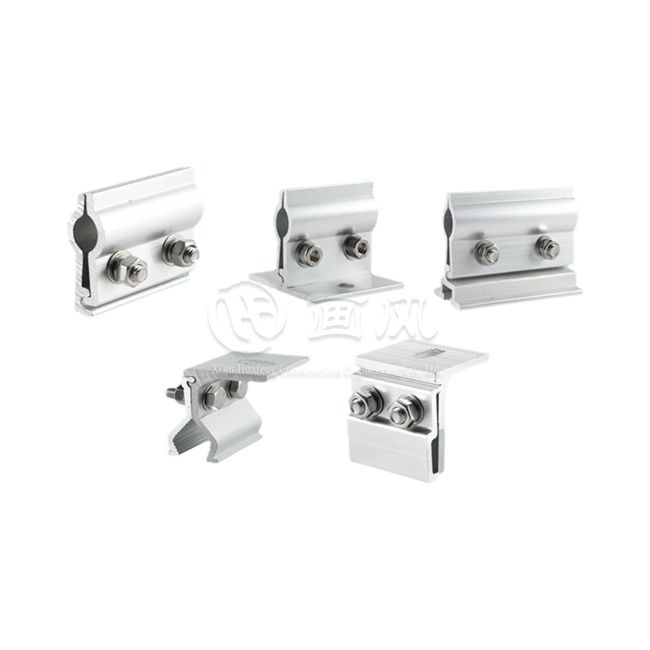
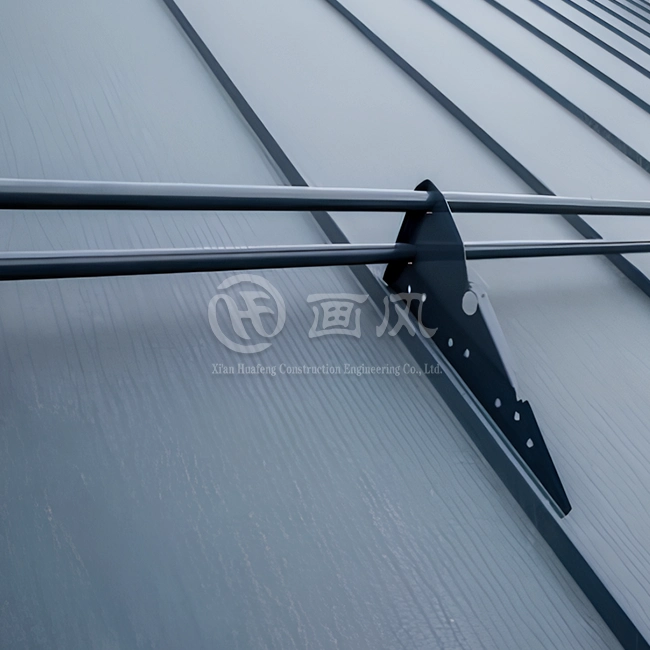
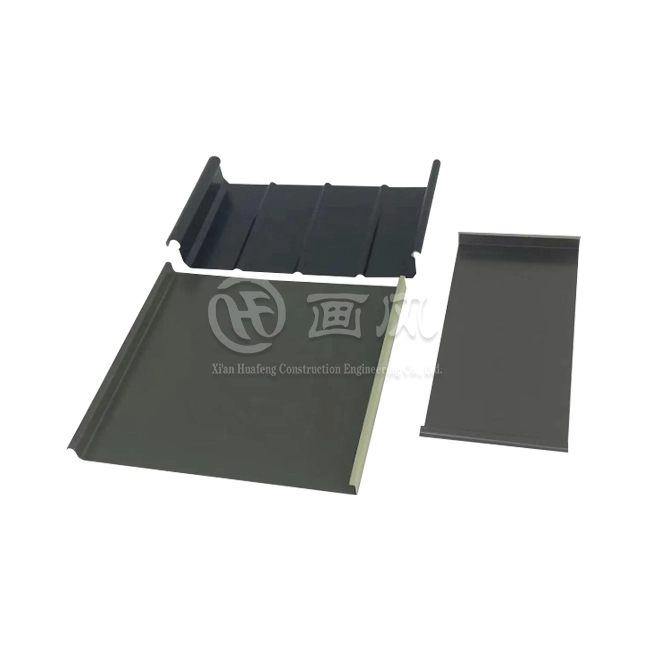
The raised seam design stops water from getting into the joint, so you don't just need sealer. When you heat and cool something, the screw holes in an exposed-fastener profile get longer over time, but not in a standing seam system. Instead, each panel floats on its own thanks to hidden clips. Water can't get in because there are no holes. This is very helpful in places where it rains or melts snow at certain times of the year.
Thermal Expansion Without Structural Stress
Iron and steel both get bigger and smaller when the temperature changes. If it changes more than 30°C from day to nite, metal will wear down over time in a hard connection system. In raised seam panels, the sliding clip system lets each sheet move freely along its length. So, the seams don't bend, and they stay strong even after decades of freeze-thaw cycles.
Snow Load and Ice Dam Resistance
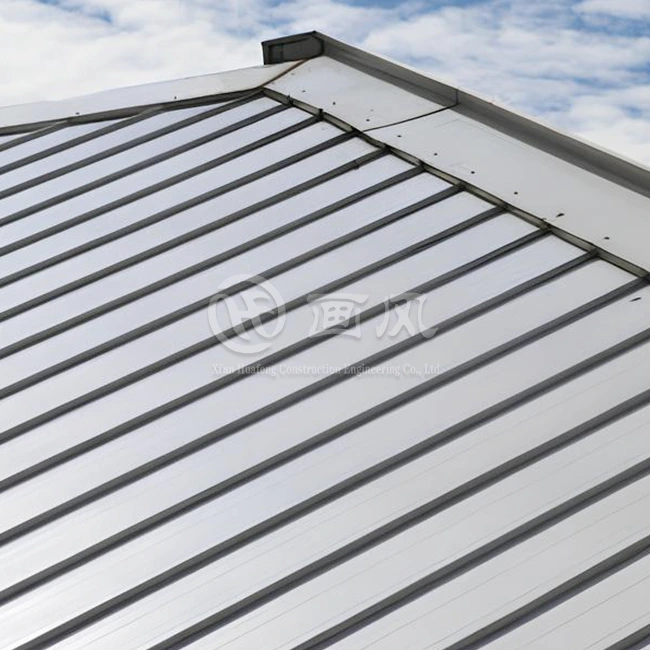
When snow falls on a standing seam metal roof sheets, it slides off naturally because the surface is smooth and doesn't stick to anything. This plan also stops ice dams from forming at the eaves if you put enough insulation under the panels. In the north, this is one of the main ways water gets in. Because of this, the roof loses weight without any help from a person, lowering the stress on the structure.
Comparing Standing Seam Panels with Other Roofing Types for Wet Regions
Metal Roofing vs. Asphalt Shingles and Tile
Asphalt shingles soak up water over time and break down when it freezes and thaws. Every 15 to 20 years, they need to be changed out. Brick or tile roofs break when it snows a lot. Metal roof tiles covered in PVDF, on the other hand, will look good and last for at least 30 years, even in wet or near saltwater areas.
Standing Seam vs. Corrugated Metal Profiles
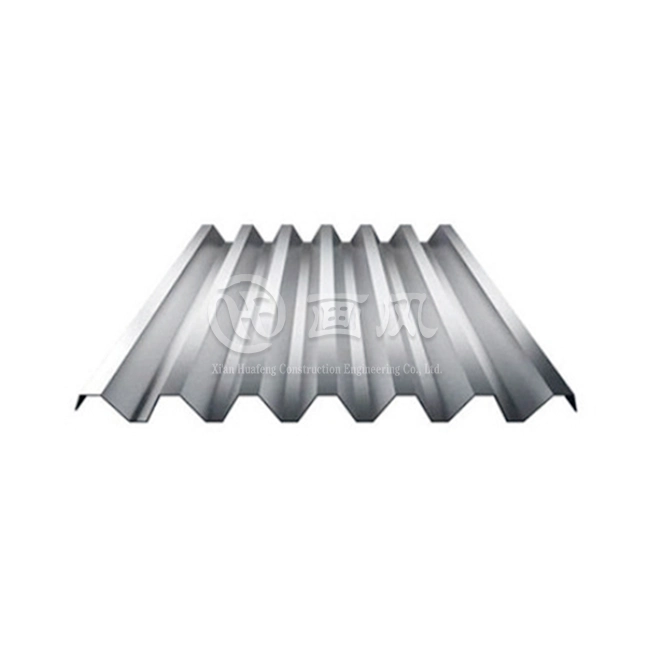
The rubber washers on screws that are left out in the open on corrugated profiles wear out and cause the screws to rust and leak. Flat-seam versions keep water out better, but they don't have enough depth for places that get a lot of snow. There is a mix in the standing seam shape that neither of the other choices can match: deep seam engagement to keep water out and structural depth to handle snow loads.
Steel vs. Aluminum for Moisture-Heavy Applications
When PVDF is added to galvalume steel, it makes it more resistant to cold and wet weather. It is also less expensive and has a high tensile strength. Even without a coating, aluminum doesn't rust. This is especially true for alloys 3003 and 3004. It is the best choice for places near the coast or in tropical climates where it rains a lot. What kind of material to use depends on how humid the area is, how close the project is to saltwater, and how much the project will cost in the long run.
Installation and Maintenance Best Practices
Pre-Installation Preparation
When you put the panels up in cold places, you need to make sure that they have the right vapor shields and hard insulation boards under them. When insulation is skipped, cold bridges form. These are spots on the metal's underside where condensation forms, which speeds up corrosion from the inside. As per ASHRAE 90.1, commercial roofs in damp and cold places should have a thermal resistance of at least 30.
Seam Locking and Fastener Selection
When the pitch is less than 2:12, the best way to seal the standing seam metal roof sheets seams is to do them by hand twice. Snap-lock systems make installation faster on steeper pitches, but they don't change how well they work in bad weather. In either case, you should use clips made of hot-dip galvanized steel or stainless steel to stop galvanic corrosion between the clip and the panel core.
Routine Inspection and Long-Term Care
Check for signs of sealant wear at flashings, debris buildup at valleys, and coating wear at cut edges every six months, once before winter and once after. These are the most common places where things go wrong. A metal roof doesn't need as much maintenance as a membrane or shingle roof, but it will last much longer than the usual 30 years if you check on it regularly.
Procurement Considerations: Selecting the Right Supplier for Cold and Wet Climates
Evaluating Material Specifications and Standards Compliance
When panels are bought for projects in other countries, they have to meet standards that are recognized by building officials and experts in that country. Make sure that the things you buy have been tested to make sure they meet ASTM, DIN, JIS, BS, or GB/T standards. Not only that, but also make sure the paint systems you buy meet the AAMA 2605 standards for sticking and keeping color. It's even safer to buy things in controlled markets if they have been tested by SGS for fire performance (AS/NZS 1530.3) and EU RoHS compliance.
Balancing FOB Price, MOQ, and Supply Continuity
Price alone doesn't usually tell you what to buy in this kind of goods. It is common for a supplier with a slightly higher FOB unit price to have lower landed costs and faster project completion. This is because they can ship panels, accessories, and color samples all in the same container. Check the monthly production capacity and wait times as soon as possible. High-volume distributors can rely on a plant that makes 1,000 tons per month and ships anywhere from 15 to 20 days after the order is placed.
Warranty Terms and Documentation for Customs Clearance
The company that made the product trusts the finish and base for 30 years, but the paperwork that backs it up is just as important. Material test certificates, country-of-origin statements, and SGS inspection reports are all part of full customs clearance packages. These packages cut down on port delays that hurt project earnings. If sellers do this ahead of time, it saves buying teams a lot of time at the office.
Energy Efficiency and Sustainability of Metal Roofing Panels in Cold and Wet Conditions
Reflective Coatings and Thermal Performance
Light RAL-colored PVDF-coated standing seam metal roof sheets walls keep the heat out in the summer, and in the winter, linked insulation keeps the heat in. Studies from Oak Ridge National Laboratory show that shiny metal roofs can cut the energy needed to cool a building by 20 to 40 percent in the summer. The same layer of insulation lowers the need for heat in cold places all year, which is something building owners think about when they figure out how much it costs to own a building.
Recyclability and Green Building Certification Alignment
There is no need to throw away steel or aluminum panels when they are no longer useful. In fact, when steel is made, it already has 25–75% recovered stuff in it. These traits directly help with LEED v4 and BREEAM points in the Materials category. Builders working on certified green buildings can ask wholesalers for recyclable metal roofs. This helps the project get closer to certification and meets clients' growing desire for materials that come from responsible sources.
Long-Term Value for Industrial and Commercial Buyers
Green building credits can be earned with a roof system that doesn't need much upkeep over 30 years and comes with all the paperwork you need. This is more than just a product; it's a choice for managing risk. Test results that have been confirmed, performance data, and a stable supply all work together to lower the project risk for buying managers who buy in bulk. In areas with a lot of competition, they also protect the image of wholesalers.
Conclusion
Roof materials that will last for decades, not just the day they are put on, are important if you live in a cold and wet area. When used in business, industry, or infrastructure, raised seam standing seam metal roof sheets with PVDF coatings, proper insulation integration, and approved substrate quality can meet this need. Metal roofing panels always give the best return when buyers look at the total cost over the whole lifecycle instead of just the unit price. This is especially true in conditions that are hard to work with.
FAQ
1. What seam height is best for high-rainfall regions?
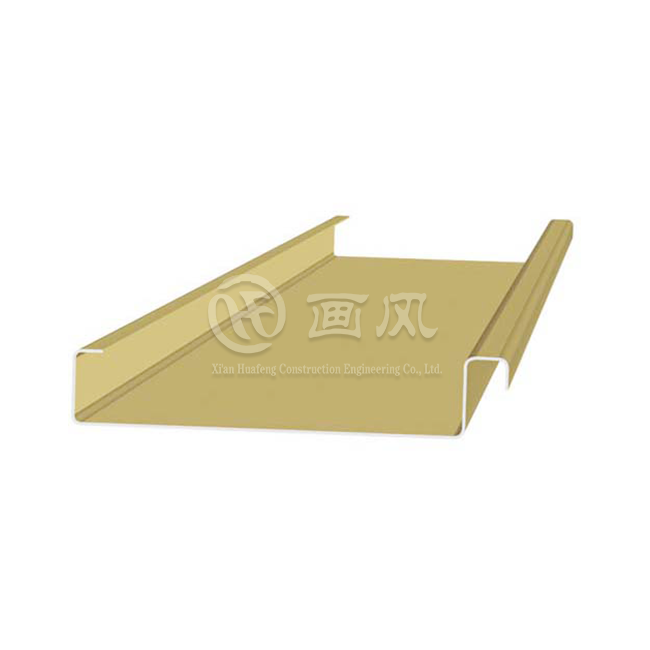
Places that get more than 1,500 mm of rain a year or roofs that slope less than 3:12 should use seams that are 65 mm high for the best water column protection. This is how profiles like the 65-400/430 are meant to work.
2. Can these panels handle hail impact in addition to snow?
Yes. Tests that have been done to ASTM E1592 show that panels that are at least 0.8 mm thick are very resistant to hail damage. If you live on a continent, you can use them in places that get both heavy snowfall and summer hailstorms.
3. What is the minimum order quantity for bulk procurement?
When you place an order, the least you can get is 500 square meters, which is 1 ton. Plus, you can load different kinds of cases with different shapes of panels.
4. How do PVDF coatings perform in persistent moisture environments?
Independent tests by SGS confirmed that PVDF coatings that were tested to AAMA 2605-22 show 5B adhesion results when they are dry and when they are wet. Even after long-term contact with water, the coatings don't blister or come apart.
5. Are these panels compatible with non-penetrating solar clamp systems?
Yes. You can add PV panels without drilling through the roof membrane because the raised seam shape works with S-5! style clamps and other mounting hardware that doesn't go through.
Get a Direct Quote from HF — Standing Seam Metal Roof Sheets Supplier
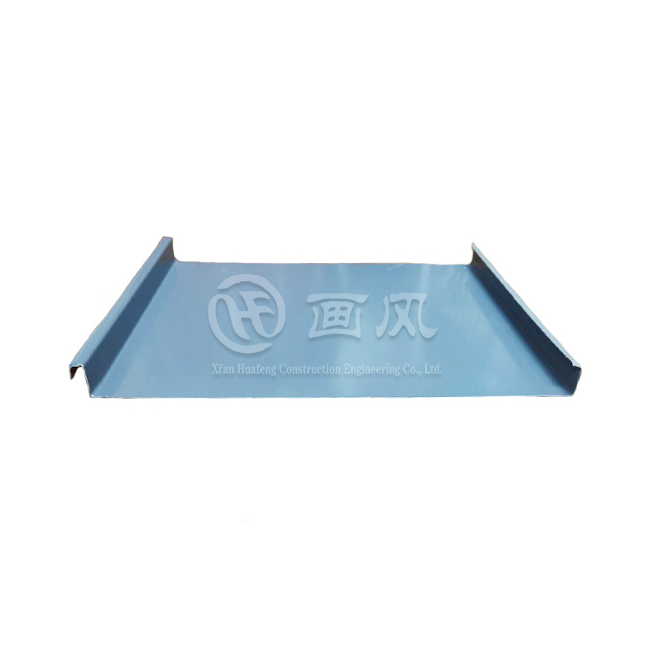
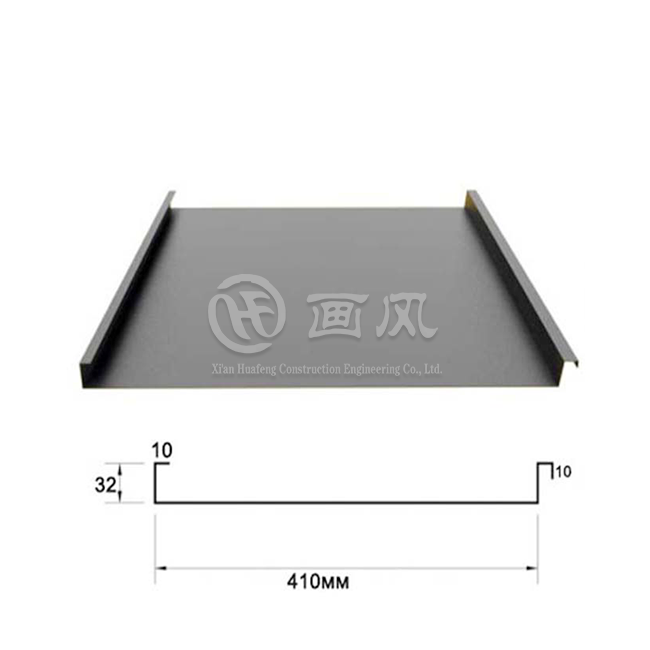
In more than 100 countries, HF sells metal roof sheets with standing seams. Every month, they make 1,000 tons of metal roof sheets across three plants and seven production lines. You can choose from sizes 25-330/400/430, 32-410, 45-400, and 65-400/430.
They can be made with standing seam metal roof sheets PVDF or PE on the surface, come in sizes from 0.5mm to 1.2mm, and can match any RAL or Pantone color. Every item is sent out within 15–20 days and comes with a 30-year guarantee.
Send us an email at huafeng@hfmetalroof.com right away to get your price.
References
1. Oak Ridge National Laboratory — Reflective Roofing Research and Energy Performance Studies, 2019.
2. American Iron and Steel Institute (AISI) — Steel Roof and Wall Systems Design Manual, 2020.
3. ASHRAE — Energy Standard for Buildings Except Low-Rise Residential Buildings (ASHRAE 90.1), 2022.
4. Metal Construction Association (MCA) — Guide to Metal Roofing in Cold Climate Applications, 2021.
5. SGS Group — AAMA 2605-22 Coating Performance Test Report for Architectural Aluminum Panels, 2024.
6. U.S. Green Building Council — LEED v4 Reference Guide for Building Design and Construction, 2023.





YOU MAY LIKE