How Mechanical Lock Metal Roofing Works: Step-by-Step
2026-10-27 20:06:39
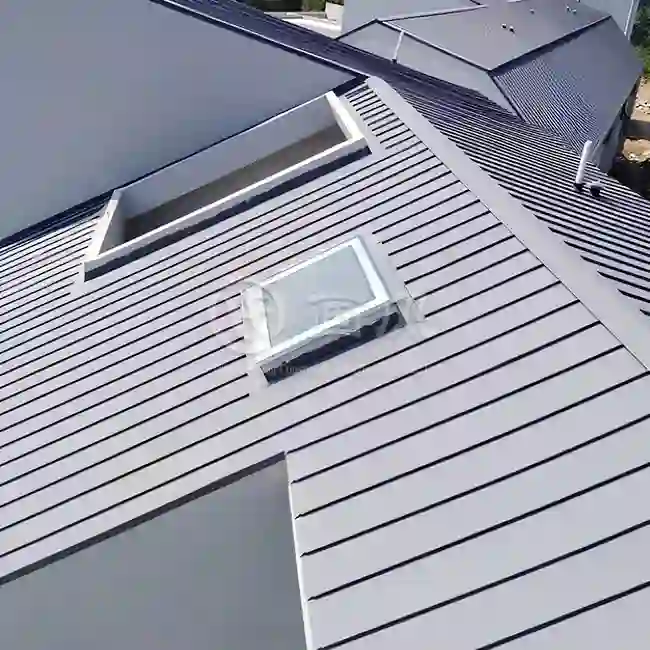
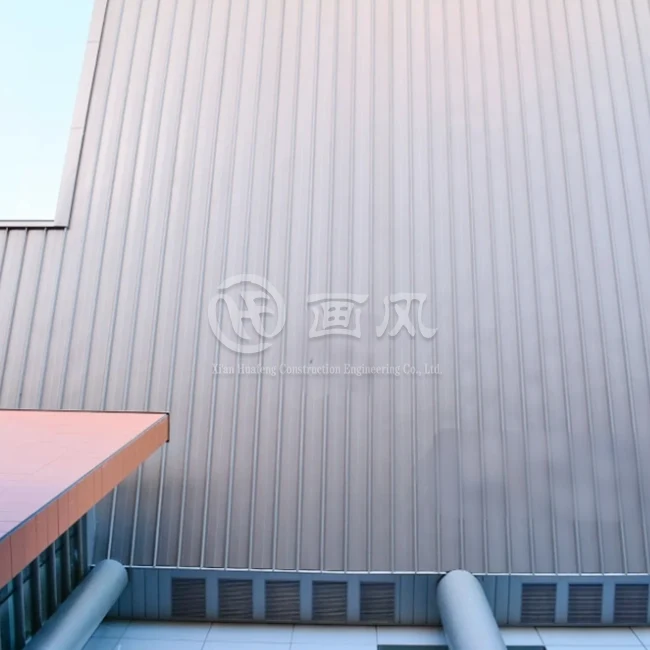
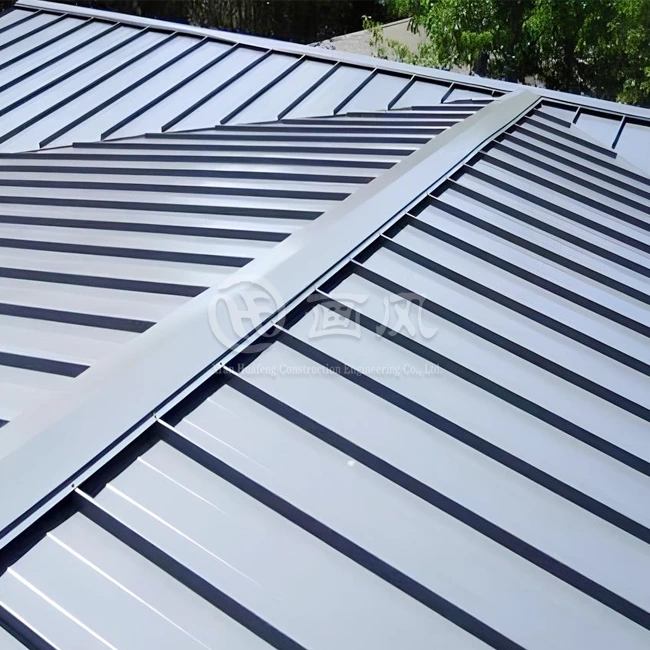
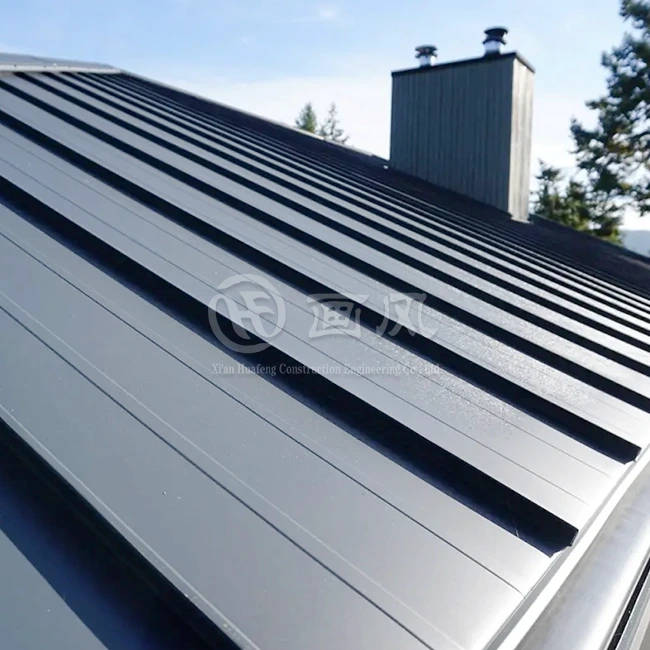
Mechanical lock metal roofing uses a physically crimped seam—either a single 90-degree or double 180-degree fold—to join adjacent panels into a monolithic, watertight barrier. Unlike snap-lock profiles that rely on friction, each seam requires a powered or hand-operated seaming tool to press the male and female legs together permanently. This process eliminates exposed fasteners, prevents capillary water intrusion on slopes as low as 0.5:12, and produces a structurally continuous plane capable of resisting wind uplift loads that routinely challenge conventional through-fastened systems on commercial and industrial buildings.

What Is Mechanical Lock Metal Roofing?
Knowing about this method helps buying teams be clear about what they need and avoid making mistakes that cost a lot of money when the wrong product type is used for the project.
Panel Anatomy and Core Materials
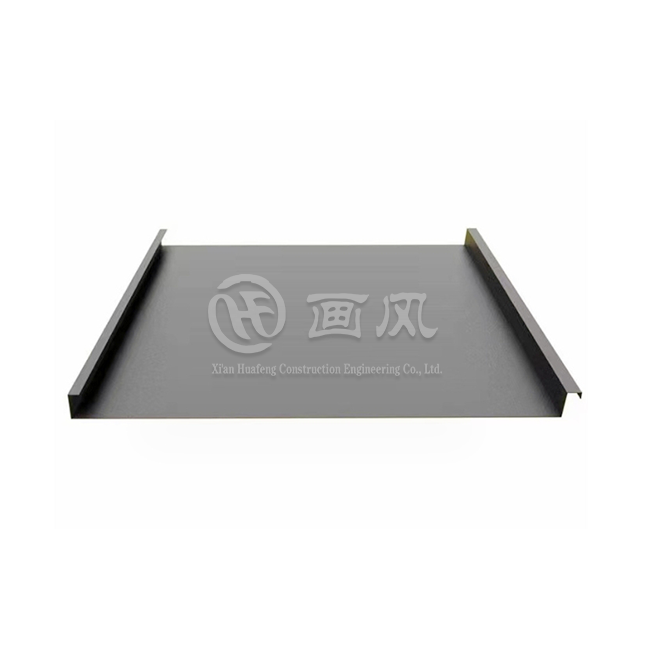
The middle of each panel has a field area that is either flat or slightly bent. On either side of that are two straight legs, one male and one female. Panels can be between 0.5 mm and 1 mm thick and are made by rolling Galvalume steel, galvanized steel, or aluminum. There is a seaming tool that goes along the seam and folds the metal shut. This locks the legs together. HF's standing seam profiles have ribs that are 25 mm (1 in) high or 32 mm (1.25 in) high. There are panel widths between 300 and 500 mm, which are wide enough to meet all commercial clip-height needs.
Key System Variants
The three main types all have hidden fasteners, but the shapes of their seams are different. Mechanical lock metal roofing panels must be clicked together by hand for slopes of 3:12 or more. A 90-degree pinch single-lock method can be used down to 2:12. These double-lock systems can handle slopes as low as 0.5:12 because they have a butyl closing bead put in the female leg at the factory. Because of this, they are most common on warehouse and industrial roofs with low slopes, where water tends to pool because the drainage is slow.
How It Differs from Traditional Roofing
If you want asphalt tiles, you need exposure that overlaps and tabs that are nailed down. These two things break down when they get UV light or freeze and thaw. Roofs made of tiles are heavy and break easily. On the other hand, HF offers a 30-year warranty on mechanically locked standing seam roofs. These roofs also meet Class A fire ratings under ASTM E108 and get IPX4 waterproof ratings without having a single exposed screw go through the surface of the roof.
How Mechanical Lock Metal Roofing Works: Step-by-Step Installation Process
A project manager can plan for workers, tools, and check stops before the first panel is put up if they know the order of installation.
Stage 1 — Substrate Preparation and Layout
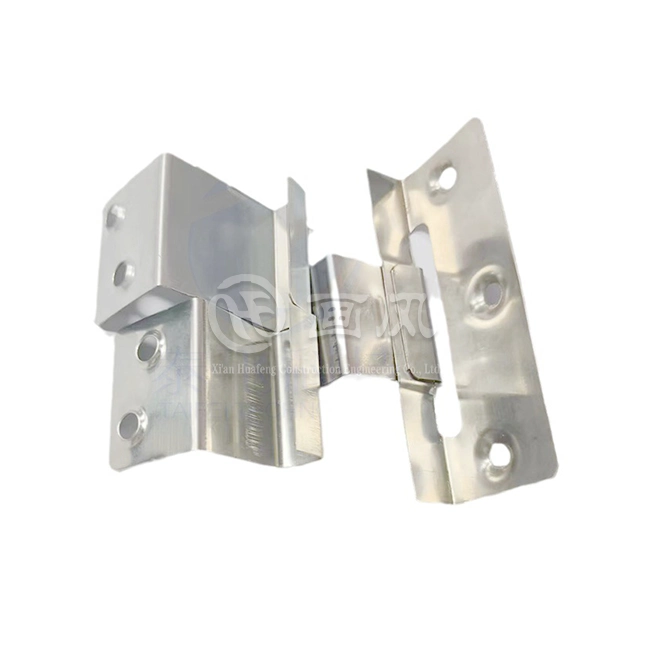
The team draws lines with chalk on the panel module and checks the deck to make sure it is flat. Floating clips are attached to the purlin or deck at points chosen by the engineer and are hidden inside the finished seam. The clips hold the panel to the structure but allow it to move along its length. This way, temperature changes of 25 mm or more per 30-meter run can be handled without the panels buckling or the clips wearing out. ASTM E1592 test data for the project's wind zone and structural uplift are most of the time used to decide how far apart the clips should be.
Stage 2 — Panel Placement and Seam Engagement
The male leg of each new panel drops into the female leg of the panel before it as you move from the ridge to the eave. Now the seam has been hand-pressed into a light pre-lock state. This means that workers can stand on it safely, but it's not quite closed. A butyl sealing bead that was put in at the factory is pressed into the female leg in this step. Before the mechanical crimp is put on, this makes a first barrier against water.
Stage 3 — Mechanical Seaming and Quality Inspection
A machine that sews with electricity goes along the whole length of each seam and folds the legs together into a double-lock shape that is always 180 degrees. The worker looks at the seam and checks it by hand to make sure there are no paint cracks. The problem was fixed by HF's PVDF coatings, which passed all 13 parts of the AAMA 2605-22 coating test. They even got a 0T flexibility result, which means they didn't crack at the fold. After the seams are sealed, flashings, ridge caps, and eave trims are added to finish the system casing.
Key Benefits of Mechanical Lock Metal Roofing for B2B Clients
Contractors and wholesalers always say that the total cost of ownership, not the price of the first panel, is what makes them pick this product over others.
These are the most important good things about business projects that lead to success:
- Wind uplift resistance: HF panels withstand wind speeds of 90 mph (144 km/h) per International Building Code requirements. The double-lock seam prevents the progressive "unzipping" failure mode observed in snap-lock profiles during hurricanes and high-wind events.
- Longevity with documented warranty: The 30-year warranty is backed by PVDF coatings rated under AAMA 2605-22 and SGS-verified fire retardancy under AS/NZS 1530.3:1999, where all six test samples recorded an ignition index of zero.
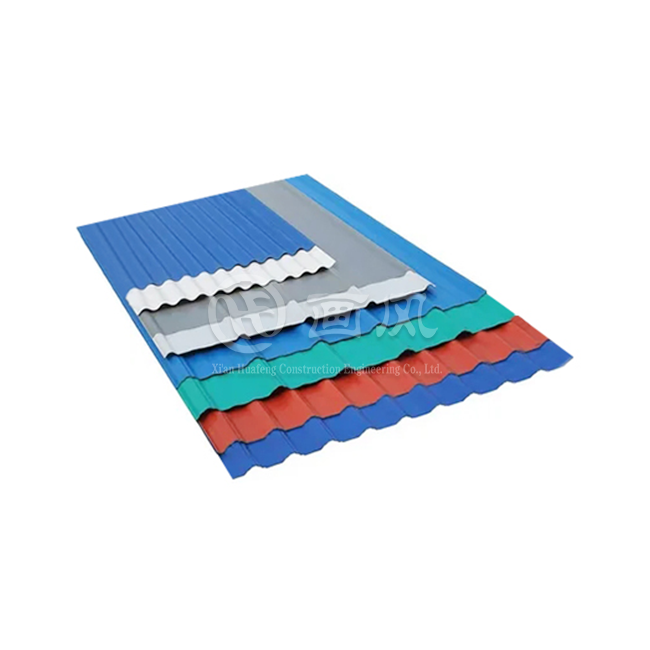
- Color consistency across batches: PVDF and PE coatings are available in RAL and fully customized colors, with AAMA 2605-22 color-uniformity results of ΔEH = 0.3—a number that translates directly to eliminated batch color-matching disputes on multi-phase projects.
Mechanical Lock Metal Roofing vs. Alternative Roofing Solutions
You shouldn't just pick the cheapest panel when choosing a metal roof shape. You should also make sure that the technical ceiling of the system fits the needs of the project.
Mechanical Lock vs. Snap Lock
Snap-lock can be put on steep roofs faster because you don't need any tools to seam it. Snap-lock seams can be lifted by negative pressure, but only on slopes less than 3:12 or along the coast in high-velocity hurricane zones (HVHZ). Because a mechanical lock's seam is physically closed, that risk is eliminated. This profile is also the best choice when local codes need NOA (Notice of Acceptance) compliance.
Mechanical Lock vs. Through-Fastened Panels
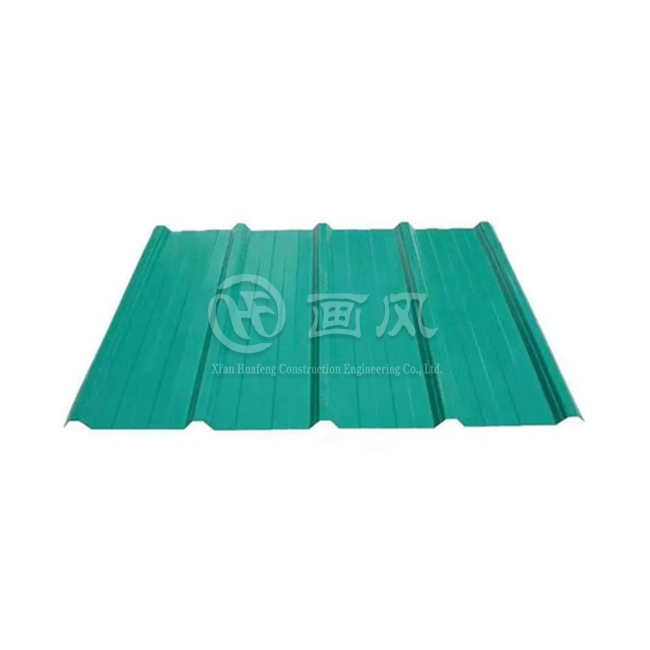
Corrugated or R-panel systems that are attached through the roof are cheaper at first, but the weather surface has a lot of holes in it for screws to go through. Each clamp could become a leaky spot as the neoprene washer ages. Fully mechanically locked standing seam panels get rid of this risk, which means that contractors who stand behind their work will get fewer calls for long-term repairs.
Mechanical Lock vs. Asphalt and Tile
Asphalt shingles usually have warranties that last 20 to 30 years, but if you live near the ocean or a lot of UV rays, you may need to re-coat them or repair them sooner. Clay tile works well in dry places, but it adds 8–12 pounds per square foot of dead weight. Because Galvalume standing seam panels aren't heavy (about 1.5 pounds per square foot), they can be put on top of roofs that are already there without having to pay for expensive support structures.
Procurement and Maintenance Considerations for B2B Buyers
It is just as important for a contractor to have consistent sourcing as it is for panels to work well when they are working on three commercial projects in three different states at the same time. The company should provide clear product specifications, certification documents, test reports, warranty terms, and delivery information before an order is placed.
Evaluating Supplier Credentials
HF is certified by ISO 9001, ISO 14001, CE, and SGS. Its mechanical lock metal roofing PVDF-coated aluminum products are also in line with the EU RoHS Directive 2011/65/EU. In fact, none of the 10 dangerous substances were found or were found to be below the levels set by independent SGS testing. In North America, you can use standards from ASTM, DIN, JIS, BS, and GB/T. When you're looking at different suppliers, you should always make sure they have mill certificates that show the Galvalume covering weight (AZ50 or AZ55) and yield strength.
Order Parameters and Lead Times
HF has three companies that make 1,000 tons of goods every month. There are seven production lines and more than 40 machines that shape and process rolls in these factories. The smallest amount you can order is 500 m², which is equal to 1 ton. The MOQ mismatch that bothers smaller roofing contractors is directly fixed by this level, which is made for a single project. Standard shipping takes 15–20 days after the order is approved. The panels are packed so that they don't bend during shipping, which is a typical reason why field waste happens.
Ongoing Maintenance Protocol
Standing seam roofs that are locked mechanically don't need a lot of upkeep. Every year, trash should be taken out of valleys and gutters, and the consistency of the sealant at flashings should be checked. You should also look for rust on the floating clips. There is no need to re-coat while the PVDF guarantee is still valid. Contractors should make notes on what they find during checks and keep these notes so they can use them when they need to make a warranty claim.
Conclusion
From the floating clip to the double-lock seam, each design choice in mechanical lock metal roofing addresses a real failure mode. This makes it the best choice for commercial and industrial projects. The standing seam profiles from HF are made with materials that meet ASTM standards and coatings that have been approved by SGS. They also come with a promise that they will last for 30 years. They are also easy to buy; you only need to order 500 m², and you won't have to wait more than 15–20 days for them to be made. They can make 1,000 tons of them every month. For contractors and wholesalers who win jobs and get repeat business, these details are more important than any broad claim.
FAQ
1. What is the minimum roof slope for a double-lock standing seam system?
Because they come with sealer already put on inside the female leg, double-lock mechanical seam systems can handle slopes as low as 0.5:12. Single-lock systems work down to 2:12 most of the time.
2. Does the seaming process damage the PVDF coating?
High-quality PVDF coatings that are made in line with AAMA 2605-22 are made to bend. HF's coating has also achieved a 0T flexibility result, indicating that the coating can withstand the folding process when the seaming equipment is properly calibrated.
3. Can these panels be installed over an existing roof?
Yes, mechanical lock metal roofing panels can be installed over an existing roof when the existing roof structure and deck are in suitable condition and the project design allows an overlay installation. The existing roof should be inspected for structural capacity, moisture, damage, and surface condition before installation. The new panels also need an appropriate substrate, clips, and drainage arrangement so that the finished system can perform properly.
4. How does the system handle thermal expansion on long runs?
Clips that are hidden inside the seam hold the panel to the base, but it can still move along its length. This lets the temperature move at least 25 mm for every 30 meters without putting any stress on the seams or fasteners.
5. What certifications should I request before ordering?
Bring in mill certificates that show the base metal's yield strength and coating weight, as well as AAMA 2605-22 coating test reports, ASTM E1592 wind uplift data that shows the exact profile and clip spacing, and the supplier's ISO and SGS paperwork. HF can give you all of these if you ask.
6. What maintenance does a mechanically locked metal roof require?
Routine maintenance mainly involves removing debris from valleys and gutters, checking flashings and sealant, and inspecting visible components for corrosion or damage. Annual inspections can help identify problems before they affect the roof system.
7. What does the 30-year warranty cover?
The 30-year warranty is associated with HF's mechanically locked standing seam roofing system and its PVDF-coated products. Buyers should request the written warranty before ordering and confirm the exact coverage, exclusions, maintenance requirements, and conditions for making a warranty claim.
Get a Direct Quote from HF — Your Trusted Mechanical Lock Metal Roofing Supplier
HF makes mechanical lock metal roofing standing seam panels that are between 0.5 mm and 1 mm thick and can be coated with any RAL color PVDF or PE. They have a guarantee that lasts for 30 years and wait times of 15 to 20 days. We can make up to 1,000 tons of it every month, and the smallest amount you have to order is just 500 m². In other words, we can take care of both one-time orders for projects and long-term deals with distributors. To get project quotes, specs, or test results, email our team at huafeng@hfmetalroof.com.
References
1. Metal Construction Association (MCA). Architectural Metal Roofing Manual. 2021.
2. National Roofing Contractors Association (NRCA). The NRCA Roofing Manual: Metal Panel and SPF Roof Systems. 2022.
3. ASTM International. ASTM E1592: Standard Test Method for Structural Performance of Sheet Metal Roof and Siding Systems by Uniform Static Air Pressure Difference. 2022.
4. American Architectural Manufacturers Association (AAMA). AAMA 2605-22: Voluntary Specification, Performance Requirements and Test Procedures for Superior Performing Organic Coatings on Aluminum Extrusions and Panels. 2022.
5. Oak Ridge National Laboratory. Field Performance of Metal Roofing Systems: Long-Term Durability and Thermal Performance. U.S. Department of Energy, 2019.
6. Sherwin-Williams Coil Coatings. PVDF Coating Performance Guide for Architectural Metal Applications. 2020.





YOU MAY LIKE